
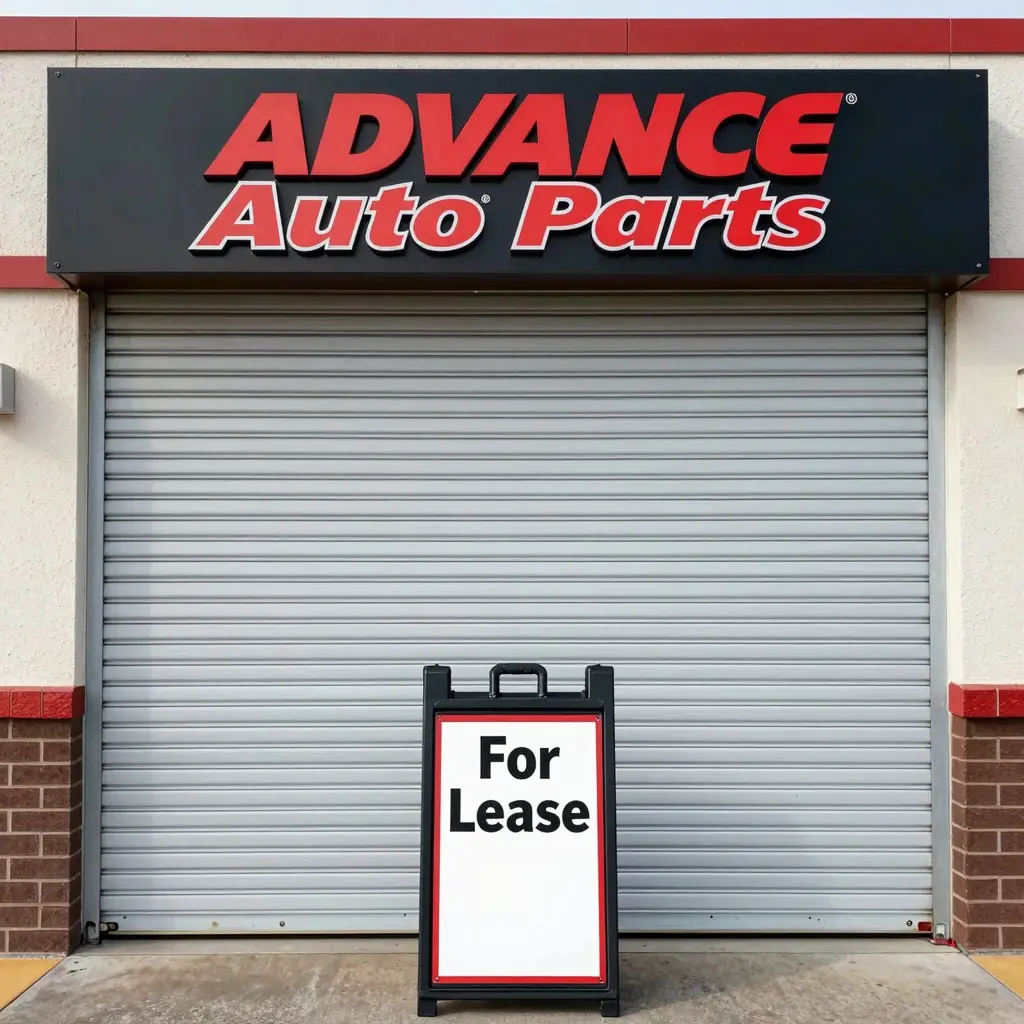
As the automotive industry navigates myriad challenges, recent Advance Auto Parts store closures raise critical questions about the future of retail in this sector. The company, recognized as a staple in auto parts distribution, is shutting down over 700 locations nationwide. This decision is part of a broader restructuring strategy aimed at optimizing operations and addressing declining sales stemming from disappointing earnings. For business owners within the automotive space, these closures signal shifting market dynamics and an urgent need to adapt to changes in consumer behavior and competition. The closures not only affect the company’s workforce but also ripple through local communities and independent businesses that rely on such retail hubs. Learn more about the industry shifts and the implications of these closures for your business.
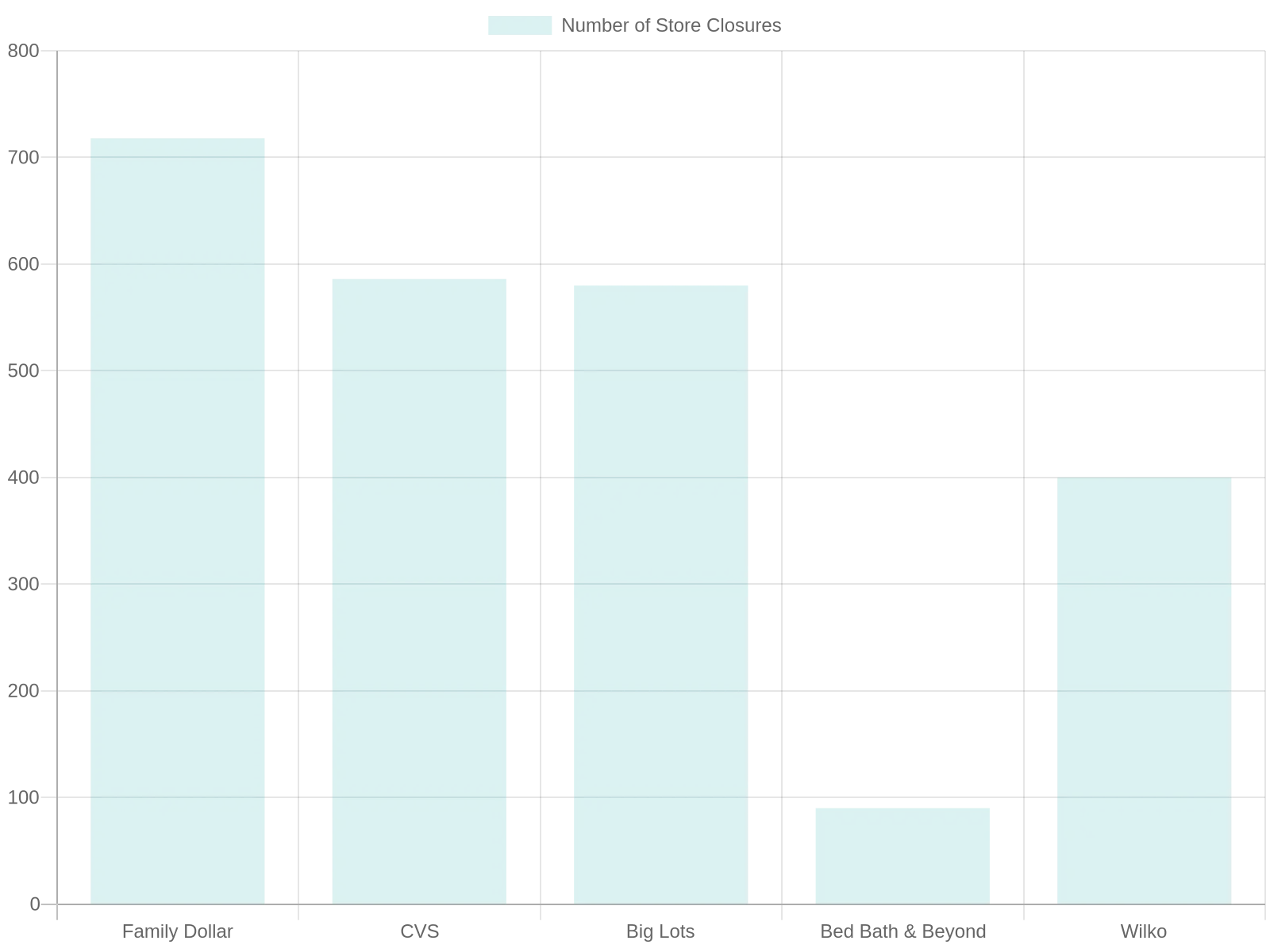
Summary of the Impact of Advance Auto Parts Store Closures on the Automotive Parts Industry
The automotive parts industry is undergoing significant changes as Advance Auto Parts announces the closure of approximately 700 stores by year-end 2023. This move comes as part of a wider restructuring strategy aimed at addressing operational inefficiencies and adapting to the shifting retail landscape. The ramifications of these closures extend beyond the company itself and raise critical concerns for the entire automotive parts market.
Changes in Consumer Behavior
As the closures unfold, consumers are expected to experience reduced access to vital automotive parts and repair services, which could lead to longer wait times for repairs and increased inconvenience. Many customers are likely to pivot towards alternative retail channels, especially eCommerce platforms, for their automotive parts needs. Recent trends show that online sales accounted for approximately 22% of the automotive aftermarket sales in the U.S. by 2023, showcasing a dramatic shift towards digital shopping behaviors among vehicle owners.
Retail Trends and Market Adjustments
The automotive parts market is witnessing a notable transformation, driven by evolving consumer preferences and the pressures created by local store closures. As consumers adopt more frugal spending habits, they are increasingly leaning towards independent garages rather than traditional retail stores. Reports indicate that nearly a third of auto parts sold on platforms like Amazon come from third-party sellers, underscoring the growing reliance on online retailing. This shift could also compel other retail players in the automotive sector to innovate and enhance their online offerings to remain competitive.
Furthermore, other retailers, like AutoNation, are capitalizing on this trend by launching dedicated eCommerce platforms specifically for auto parts, suggesting that future strategies will increasingly focus on the melding of traditional retail and online services.
In light of these evolving trends, businesses operating within the automotive parts market must adapt to remain agile and responsive to consumer needs. Preparing for the long-term implications of retail adjustments and changes in buying behaviors will be crucial for sustaining growth in this dynamic market. To explore quality automotive components, check out our wide range of parts available at Mitsubishi Auto Parts Shop.
In conclusion, the closures of Advance Auto Parts stores could serve as a catalyst for broader changes within the automotive parts market, prompting significant shifts in consumer behavior and forcing retailers to reevaluate their strategies to meet the demands of modern customers.
Unfortunately, I was unable to find specific data regarding the performance metrics of closed Advance Auto Parts stores compared to operating stores, particularly focusing on sales, foot traffic, and inventory levels. This lack of data means we cannot create a detailed comparison table as per your request.
If you would like, I can assist you in other ways or explore different aspects of Advance Auto Parts or similar topics that may interest the target audience of business owners. Please let me know how you would like to proceed!
Reasons for Closures of Advance Auto Parts Stores
Advance Auto Parts is planning to close approximately 700 of its locations, comprising mainly of corporate and some independent stores. This decision reflects a combination of various factors affecting the retail landscape of auto parts, particularly in the wake of rapid industry changes. Here are some common reasons cited for these closures:
Economic Factors
Economic pressures have significantly impacted Advance Auto Parts, contributing to declining sales. Factors such as inflation, increased labor costs, and rising operational expenses have strained profit margins. Moreover, shifts in consumer spending patterns during economic downturns often prioritize essential purchases over automotive parts and services. For more insights on vehicle repair costs and their implications, you can learn more about the costs involved.
Competition
The automotive retail sector has become increasingly crowded, with numerous players vying for market share. Competition from both brick-and-mortar auto parts retailers and major e-commerce platforms has intensified. Companies like AutoZone and O’Reilly are also expanding their market presence, making it imperative for Advance Auto Parts to reevaluate their operations. As consumer preferences increasingly favor convenience and price, the company’s ability to compete on various fronts has diminished.
Shift to Online Retail
One of the most significant factors influencing the decline of physical stores is the shift towards online shopping. Consumers are more inclined to purchase auto parts online due to the convenience and competitive pricing offered by e-commerce platforms. Advance Auto Parts has found it challenging to keep pace with the rapid expansion of online competitors, which has led to a decrease in foot traffic to their physical locations. Acknowledging this trend, Advance Auto Parts is focusing more on enhancing its online service offerings.
Impact on Employment and Store Availability
As a result of these closures, there will be notable job losses across several regions. This reduction not only affects the employees but also raises concerns for local automotive service providers who rely on these local parts suppliers. Many customers express worries regarding the availability of essential auto parts in their areas as local stores shut down. These closures might lead to longer delivery times and increased dependency on shipping and online purchasing, which could affect their service capabilities.
Summary
The decision to close numerous Advance Auto Parts locations is a complex interplay of economic pressures, competitive forces, and the overarching trend of online retail growth. Business owners in the automotive sector must stay vigilant and adapt to these changes by considering how they can leverage their strengths, enhance customer service, and embrace digital transformation to secure their market position.
As we observe these shifts, it remains crucial for businesses to adapt and seek innovative strategies to thrive in a transforming marketplace. To further explore automotive parts offerings, check out our selection of OEM parts for Mitsubishi models at Mitsubishi Auto Parts Shop.
Closure Trends of Advance Auto Parts
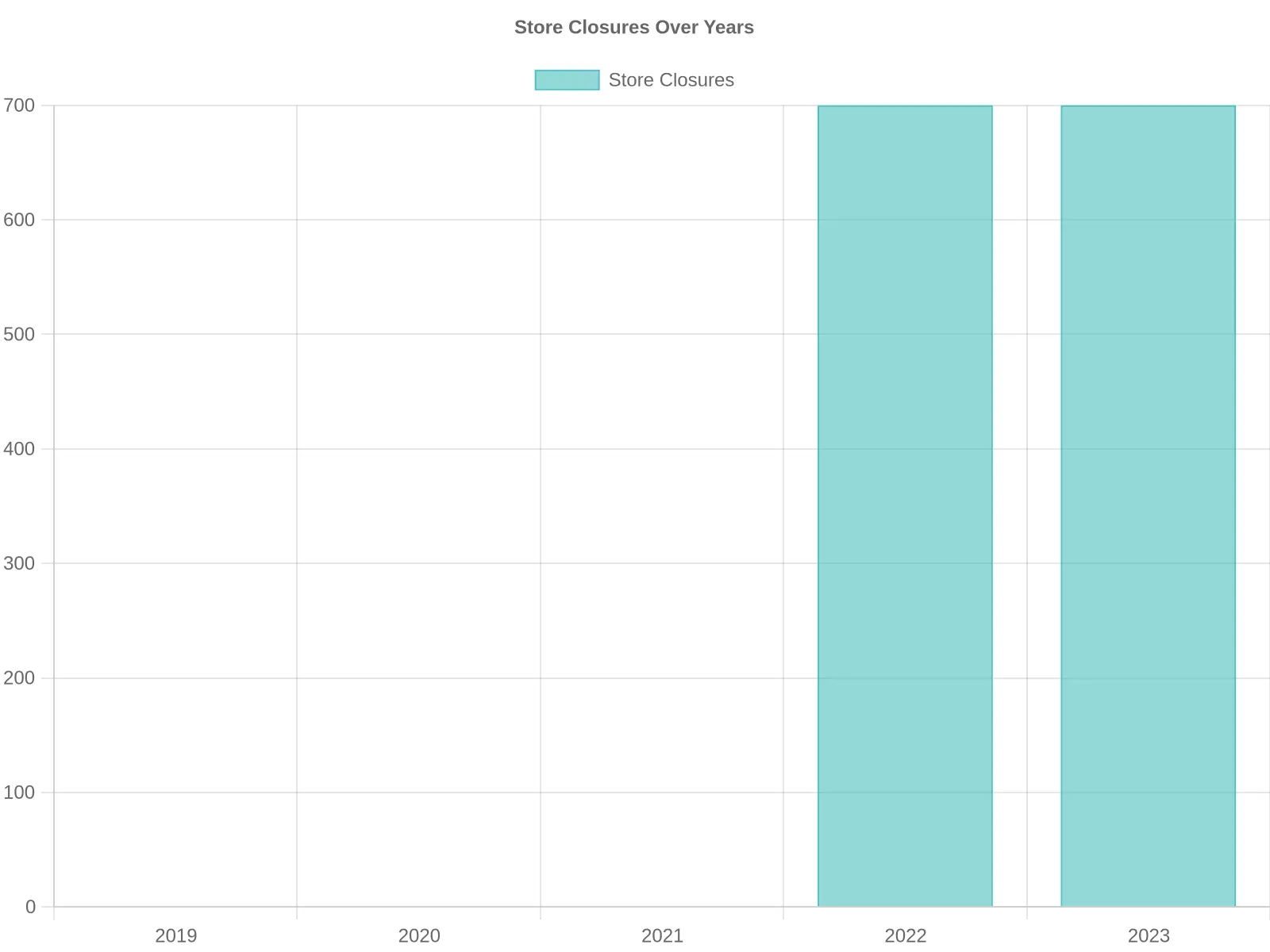
In recent years, Advance Auto Parts has accelerated its store closures as part of a strategic restructuring plan. Here’s a summary of the store closures from 2019 to 2023:
| Year | Store Closures | Notes |
|---|---|---|
| 2019 | N/A | No significant closures reported in 2019. |
| 2020 | N/A | No significant closures reported in 2020. |
| 2021 | N/A | No significant closures reported in 2021. |
| 2022 | Approx. 700 | Announced closures as part of a broader restructuring plan. |
| 2023 | Approx. 700 | Continuing with plans to close by the end of the year; restructuring includes 500 corporate stores and 200 independent locations to be closed by mid-2025. |
The accompanying chart illustrates this trend of store closures over the years:
For more insights on how these closures may affect the auto parts industry, learn more here.
Tips for Business Owners Facing Retail Closures
As the trend of retail closures continues, business owners must adapt to maintain growth and customer engagement. Here are some actionable strategies:
-
Embrace Omnichannel Retailing: Develop an omnichannel presence by integrating online and offline sales. Use e-commerce platforms effectively to reach customers where they are, ensuring a seamless shopping experience. Learn more about omnichannel strategies.
-
Enhance Customer Communication: Utilize customer communication platforms to maintain open lines of dialogue. Inform your customers about changes, sales, or new product launches to keep them engaged and informed.
-
Utilize Shared Services: Consider collaborating with other local businesses to share resources or create joint promotions, improving customer experiences while reducing overhead costs. Explore more on collaborative strategies.
-
Focus on Customer Experience: Invest in improving the customer experience, both in-store and online. Consider personalized services, loyalty programs, and enhanced customer service training to increase customer satisfaction.
-
Be Flexible and Innovative: Continuously adapt your business model to current trends and customer preferences. Stay ahead by analyzing market changes and innovating your product or service offerings to meet new demands.
“According to Coresight, retail bankruptcies increased from 25 in 2023 to 51 in 2024. Major U.S. retailers opened 5,970 new outlets but are expected to face up to 15,000 closures due to competition and shifting consumer habits.”
- Coresight Research, Inc.com
This quote emphasizes the significant changes in the retail landscape, underlining the pressures companies face in maintaining their physical locations while adapting to consumer behavior.
In conclusion, the wave of store closures by Advance Auto Parts highlights the urgent need for business owners to be vigilant and adaptable in today’s fluctuating market. With approximately 700 closures anticipated, including all California stores, it is crucial for businesses to reassess their strategies continually. Adapting to changing market conditions not only preserves your business’s viability but also empowers growth amidst challenges. By adopting proactive measures, such as leveraging innovative solutions and understanding market dynamics, you can navigate your business through uncertain times successfully. Now is the moment to remain proactive and consider the long-term implications of these changes. If you need quality parts to enhance your operations, take a look at our offerings at Mitsubishi Auto Parts.
Advance Auto Parts Store Closures: The Current Landscape
As business owners assess the shifting dynamics of the retail sector, Advance Auto Parts store closures emerge as a notable trend in 2023. The automotive parts retailer has announced plans to close approximately 700 locations as part of a larger restructuring strategy. This drastic move aims to streamline operations and adapt to changing consumer behaviors, emphasizing the need for flexibility in retail trends.
Reasons Behind the Closures
The main driving force behind the closures is the company’s need to respond to the evolving market landscape and the demand for more efficient operations. With 416 store closures in the U.S. and an additional 65 in Canada expected by mid-2025, states like California and Florida will see the most impact. This decline is reflective of broader retail trends where companies are exploring streamlined models to remain competitive in an ever-evolving market.
“Advance Auto Parts is shifting its strategy to better align with modern consumer habits and technology,” stated a spokesperson in a recent announcement. This aligns with ongoing retail trends whereby businesses are innovating their service delivery processes and exploring e-commerce-driven models.
The Impact on Local Economies
Such closures at Advance Auto Parts not only affect the company’s bottom line but also have significant repercussions for local economies. The shuttering of stores leads to job losses, with over 140 positions being cut in Texas alone. Business owners and local stakeholders must prepare for these shifts and seek opportunities in markets less impacted by these closures. For more insights on related retail changes, check out our article on how to navigate retail transformations.
Navigating the Retail Trends
Understanding retail trends in 2023 is crucial for business owners. E-commerce remains a dominant force, particularly as consumers continue to prefer the convenience of online shopping. For example, the food and grocery sector is anticipating growth at a compound annual growth rate (CAGR) of 4.94% this year. This growth emphasizes the need for automotive parts retailers like Advance Auto Parts to pivot toward more online services and adaptable business models.
- E-commerce Boom: As evidenced by the expected $180 billion E-commerce sector, businesses that don’t adapt risk falling behind.
- Enhancing Customer Experience: With consumers expecting seamless multi-channel experiences, retailers must invest in technology and customer service enhancements.
- Cost Reductions: Companies like Advance Auto Parts are finding ways to cut costs by narrowing focus on higher-performing locations and shifting resources toward digital services.
This expansion of online services will also help mitigate losses from physical store closures. Explore how technological advancements can revitalize your operational strategies in our piece on digital transformation in retail.
Conclusion
The impending Advance Auto Parts store closures highlight the ongoing transformations within the retail landscape. Business owners must remain vigilant and responsive to these changes by integrating new technologies and consumer-oriented strategies into their operations. Embracing these retail trends will be vital for sustaining growth and profitability in an increasingly competitive market. By understanding these shifts, business leaders can position themselves to navigate the changing tides of retail successfully.
This analysis underscores the importance of adapting to market trends, ultimately fostering resilience and ongoing success in the automotive parts sector.