
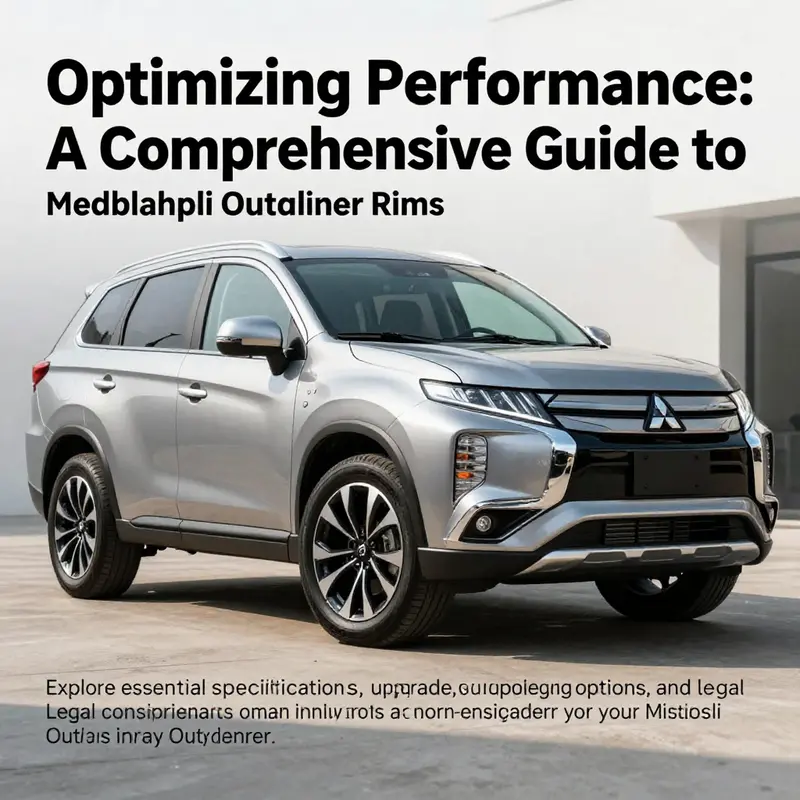
Mitsubishi Outlander owners understand the importance of selecting the right rims to enhance both the vehicle’s performance and aesthetic appeal. This detailed guide will walk you through the specifications of OEM rims, crucial factors for choosing replacement and upgraded rims, and the best brands available on the market. Additionally, we will highlight important considerations when changing your rims and provide an overview of legal regulations that may impact modifications. As a business owner, making informed decisions about your Outlander’s rims can positively affect operational efficiency and customer satisfaction, ensuring that your fleet remains competitive.
Rims and Real-World Fit: Decoding OEM Specs and Wheel Compatibility for the Mitsubishi Outlander
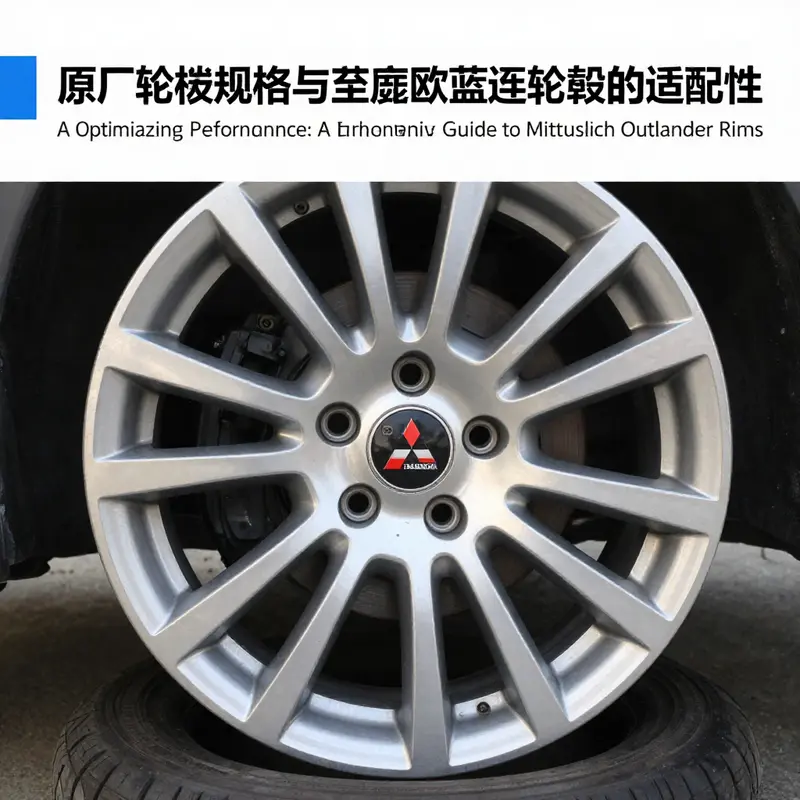
The wheels on a Mitsubishi Outlander do more than just fill the wheel arches and complete the look of the SUV. They are integral to handling, braking, fuel efficiency, and even the accuracy of the instrument readouts. A rim is a carefully engineered component that couples the tire to the road, and in a family-focused, all-season crossover like the Outlander, the choice of rim size, offset, and bolt pattern can subtly influence daily comfort as well as long-term reliability. On the surface, swapping rims is a straightforward upgrade and a way to refresh the vehicle’s appearance. Beneath that, however, lies a matrix of specifications that must be respected to preserve safety and performance. When owners start researching wheels, they quickly encounter a common truth: the Outlander’s original wheels were chosen for a precise balance of curb clearance, brake cooling, ride quality, and accurate speedometer readings. Those factors are not accidental. They are the product of a design philosophy that prioritizes consistency across multiple trims and model years while still accommodating regional differences in tire availability and road conditions. Reading the data sheets and cross-checking with the vehicle’s own specifications is the responsible starting point for any wheel project.
The first and most obvious point to understand is that the Outlander does not have a single wheel specification across all years and configurations. Instead, the OEM diameters and styles shift with updates to suspension geometry, brake components, and even the optional equipment packages that accompany different trims. What remains constant is the fundamental wheel geometry: the lug pattern and the bolt circle. For the Outlander, the common bolt pattern is five studs on a 114.3 mm circle, which translates into a 5×114.3 configuration that appears again across various model years. This consistency helps manufacturers align tires, sensors, and safety systems with a familiar footprint, but it does not mean that any 5×114.3 wheel will fit without consideration. The diameter and width of the wheel—whether 16, 18, or even 20 inches—determine the tire profile, the tire’s sidewall height, and how much room exists for the brake calipers. In practice, the most frequently encountered OEM sizes include 16 inches, 18 inches, and occasionally 20 inches, depending on the year and trim. Each size comes with its own set of engineering considerations, including load rating, hub bore, and the brake system’s overall clearance. It is not enough to know a wheel merely fits the bolt pattern; the entire assembly must be harmonized with the vehicle’s braking system, suspension geometry, and the car’s electronic stability controls.
When you step into the domain of wheel compatibility, the interplay of offset and wheel diameter becomes central. The offset, or ET value, describes how far the wheel sits inward or outward from the hub mounting surface. For Outlanders, the ET value is carefully chosen to preserve clearance to brake components, fenders, and suspension elements, while maintaining the intended track width for stable handling. In many cases, the ET tends to be in the mid-40s, but even seemingly small differences—one or two millimeters more or less—can have tangible effects. A wheel with too little offset will push the tire outward, risking contact with the fender when the suspension compresses under load or during full steering lock. Conversely, an overly aggressive offset can pull the tire inward, potentially rubbing the inner fender or strut assemblies, and it can alter steering feel, steering effort, and the distribution of forces through the suspension. For the Outlander, keeping the ET close to the factory specification is essential to preserve the intended steering geometry and to avoid introducing unwanted vibrations or noise that could cascade into ABS or stability control quirks.
Another critical parameter is the wheel’s center bore and the hub-centric fit. The center bore must align with the Outlander’s hub to ensure a precise fit without introducing run-out that could degrade wheel balance. If the bore is larger than the hub, a hub-centric adapter or precise centering rings become necessary; if it is smaller, the wheel cannot be mounted at all. The hub bore compatibility, like the bolt pattern and offset, integrates with the wheel’s weight and its cost in terms of energy transfer during acceleration, braking, and cornering. In addition, the wheel’s diameter and width must align with the tire’s size and aspect ratio to avoid interference with brake rotors, calipers, and suspension components. A common pairing might involve an 18-inch wheel with a 225/55 R18 tire, where the wheel width sits around 7.0J to 7.5J. Pushing to wider tires or larger wheels requires careful verification that the inner lip and the outer wheel well have adequate clearance.
As an owner considers a wheel upgrade, it is tempting to focus on aesthetic bang for the buck. Yet the practical side demands a more deliberate approach. The replacement must match the Outlander’s original or approved parameters for puncture resistance, load rating, and speed rating. If you replace only the tire without changing the rim, you can still encounter issues—if the new tire’s width exceeds what the original rim can accommodate, the tire bead may not seat evenly, affecting the seal and the overall ride quality. Should you replace the rim, the wheel’s width and diameter must be compatible with the tire’s width and aspect ratio so that the tire’s contact patch remains within the designed footprint. And if you decide to move to a larger diameter wheel, be prepared for altered odometer readings and fuel economy, as the tire rotation rate changes; there can also be implications for the tire pressure monitoring system (TPMS) as sensor placement and battery life are affected.
This is where the practical route blends with the engineering reality. The owner’s manual and official specifications are the best compass. They contain the precise information for each version of the Outlander, including the correct bolt pattern, center bore, offset, and permissible wheel diameters and widths. If you substitute a wheel that deviates from those parameters, you risk more than a failed tire balance. You can stress the suspension joints, alter steering geometry, and even misalign the vehicle’s intended braking dynamics. To mitigate these risks, many drivers opt for wheels that are either OEM wheels or aftermarket wheels that come with official compatibility documentation and certified fitment for the Outlander. A safe approach is to work with a shop that uses validated databases and precise alignment equipment, ensuring the new rims are balanced, aligned, and verified for braking and stability control compatibility.
Even within the realm of safety and fit, the aesthetic and performance goals of wheel upgrades remain important. The market offers a broad spectrum of aftermarket options designed to be compatible with the Outlander’s 5×114.3 bolt pattern and typical ET ranges. These options range from lightweight forged designs that aim to reduce unsprung mass and improve response, to more traditional cast rims that emphasize durability and cost-effectiveness. In all cases, the critical condition remains compliance with PCD, center bore, width, and offset. It is prudent to reserve any radical changes for later discussion after confirming the vehicle’s current tires, suspension geometry, and load distribution. A measured, principled approach protects the vehicle’s stability and enhances confidence behind the wheel. For readers who want a quick primer on OEM dimensions and compatibility, an authoritative reference on Outlander wheel specifications can be found here: front-bumper-mitsubishi-outlander-19.
In the broader context of wheel upgrades, it is helpful to remember that the Outlander’s wheel choices were driven not only by fit and function but also by regional regulations and the availability of tire sizes in different markets. Some regions have stricter allowances for wheel diameter or offset changes, while others permit a wider latitude for aftermarket options. This is another reminder that the transition from OEM to aftermarket rims is not merely a mechanical swap; it is a governance of safety, performance, and legality. Therefore, a thorough check of local laws and a careful consultation with a qualified technician are essential steps. The outcome should be a wheel configuration that preserves the Outlander’s intended ride quality, steering response, and braking performance while delivering the desired look and potentially reduced unsprung weight. When done properly, the upgrade will deliver not just enhanced aesthetics but also a measurable improvement in everyday driving comfort and long-term reliability.
For readers seeking authoritative data to guide decisions, AutoHome provides a detailed specification sheet that documents wheel size, bolt patterns, and compatibility notes for the Mitsubishi Outlander. This resource complements the vehicle’s official technical manuals and adds practical clarity when planning a wheel upgrade or replacement. As you prepare to chart the path from OEM wheels to an aftermarket alternative, keep the core principle in view: the wheel must be a coherent part of the vehicle’s entire mechanical and electronic ecosystem, not simply a design feature to be swapped at random. The better you understand the hardware—the 5×114.3 bolt pattern, the critical ET range, and the center bore considerations—the more likely you are to enjoy a safer, more confident drive with improved aesthetics.
External reference for deeper technical details: https://www.autohome.com.cn/spec/1925/
null
null
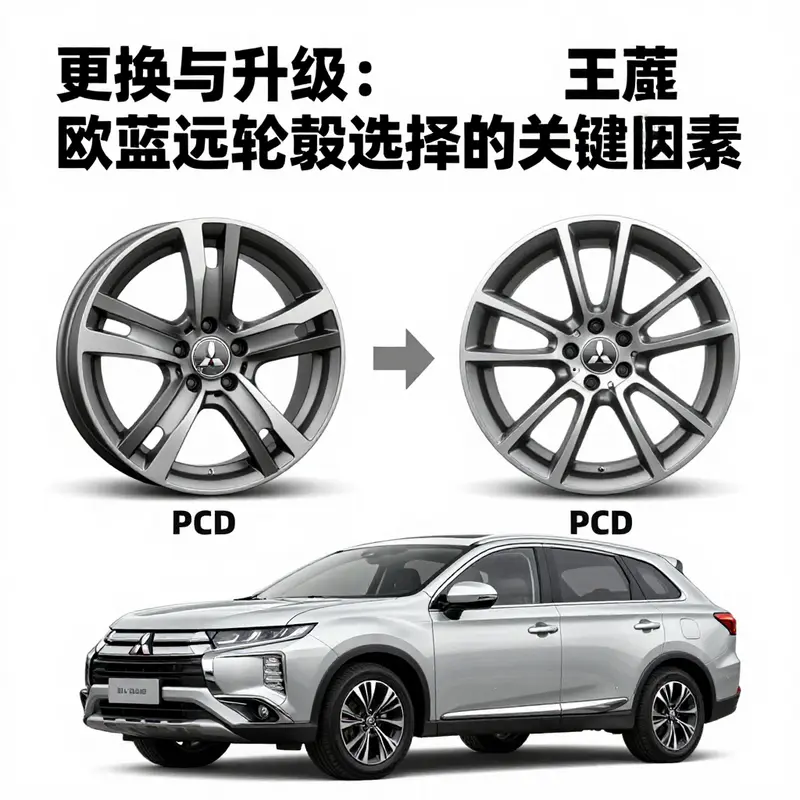
轮毂升级的艺术:在欧蓝德身上实现平衡、安全与美观的综合选择
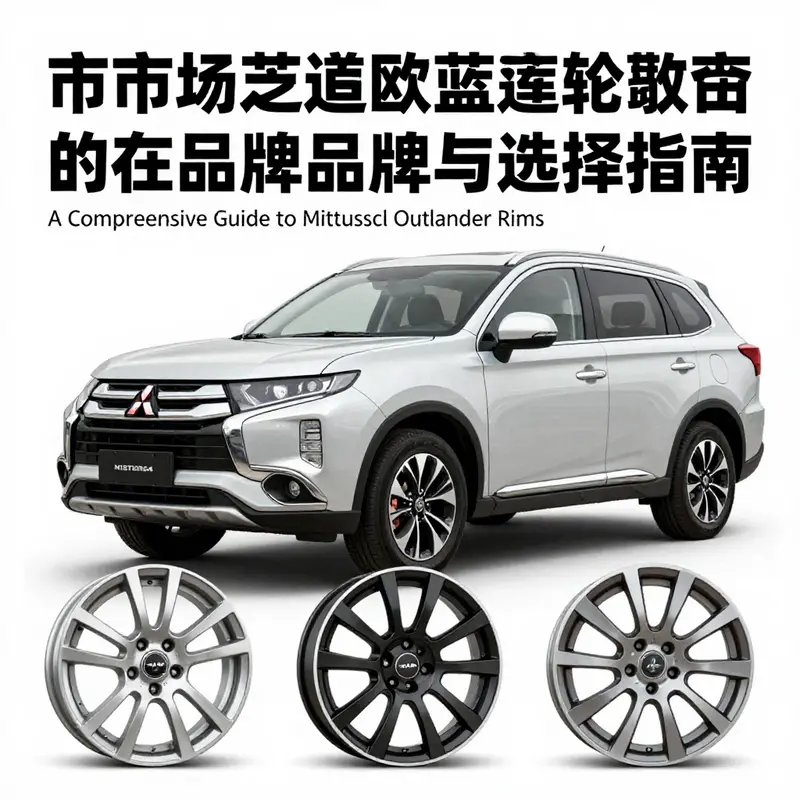
在三菱欧蓝德的世界里,轮毂不仅是轮胎的承托件,更是影响安全、成本、操控与美观的综合要素。升级轮毂时,应优先对原厂规格、偏距、螺栓孔数与中心孔径进行核对,以确保在日常驾驶中的稳定性与刹车系统的兼容性。理解这些参数的意义,有助于在美观与功能之间找到自己的平衡点。\n\n从原厂匹配的角度出发,Outlander 的轮毂规格会随车型与年份而异。若你持有较新车型,常见的选择是17或18英寸的铝合金轮毂,直径与宽度应以车身铭牌与官方技术手册为准。对于二手市场的替换件,务必对直径、轮宽、偏距(ET 值)、螺栓孔数与螺栓圆直径(PCD),以及中心孔径进行逐项比对。\n\n在尺寸取舍上,16英寸轮毂在早期欧蓝德中较为常见,与215/70R16轮胎搭配,提供保守的油耗与城市舒适性;18英寸是当前市场的主流,常见组合为225/55R18,兼顾路感与通过性;20英寸及以上多出现在高配版本,但对悬挂行程、轮胎扁平比与法规要求提出更高挑战,因此在实际选择时需结合使用场景进行权衡。\n\n材质方面,钢轮毂与铝合金轮毂各有利弊。钢轮毂成本低、抗撞击强,适合作为备胎或临时替换;铝合金轮毂轻量、散热更好、外观也更具吸引力,但价格较高,且碰撞后的修复成本通常高于钢轮毂。对于日常使用,铝合金轮毂通常是更优的综合选择;若预算有限或仅用于短期替换,钢轮毂也具有现实意义。\n\n在市场层面,选择品牌不仅要看知名度,还要看适配性与售后服务。优先考虑有明确车型清单、完整尺寸标注和清晰售后承诺的商家。对于追求高强度和轻量化的车主,锻造轮毂与高端品牌提供更好的动态响应,但价格与安装要求也更高。\n\n法规与合规性同样重要。不同地区对轮毂尺寸、偏距以及改装强度有明确规定,了解本地法规并确保选购与安装不影响年检与路检,是负责任车主应有的准备。通过全面评估,轮毂升级可以在不牺牲安全的前提下提升日常驾控体验与外观表达。\n\n在采购与安装的实际环节,选择提供明确车型适配信息、透明发货与保换政策的商家尤为重要。应要求商家提供适配清单、轮毂重量及工艺参数,跨地区采购时关注运输包装与损伤理赔流程。若需要,进行专业轮圈平衡和动态扭矩测试,确保高速稳定性。\n\n最后,权威参考页面可提供欧蓝德不同版本的轮毂尺寸与兼容性信息,便于核对官方规格。本文也综合了市场反馈与多渠道信息,帮助车主在保护安全的前提下实现风格与性能的统一。\n\n如果你需要进一步了解相关改装信息,可以参考官方规格页面与可信的售后渠道以获取最新型号的适配清单。
Rims, Rules, and Road Feel: A Thorough Path to Safe Mitsubishi Outlander Wheel Upgrades
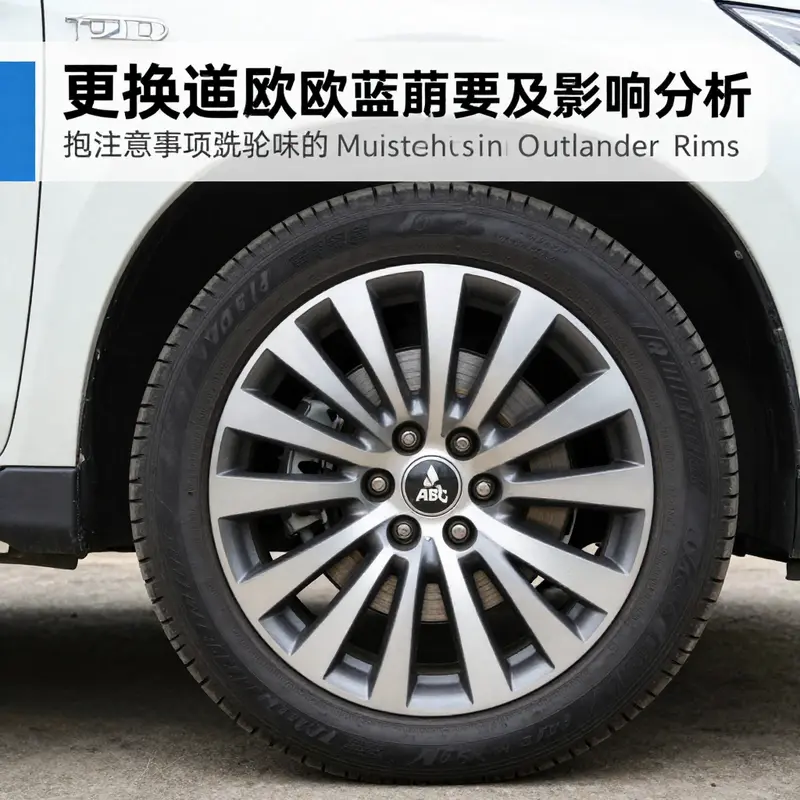
Replacing the rims on a Mitsubishi Outlander is easy to fancy, difficult to execute safely, and potentially transformative for how the vehicle behaves on the road. It is not simply a cosmetic upgrade. The Outlander, with its varied generations and configurations, relies on carefully matched wheel dimensions to preserve steering accuracy, braking performance, fuel economy, and overall safety. The official specifications page for the Outlander lays out the range of wheel sizes that different versions use, from 16 to 18 inches, and confirms that the correct combination of diameter, width, offset, and hub bore is essential for proper fit and function. When owners consider swapping rims, the first principle to keep in mind is compatibility. The new wheel must align with the car’s original design envelope so that the tire’s overall diameter remains essentially unchanged. A mismatch here—either in wheel diameter or in the tire’s profile—will ripple through the vehicle’s electronic assistants, dials, and suspension. It can throw off the speedometer, create subtle or not-so-subtle handling quirks, and complicate the performance of ABS and stability control systems that rely on precise rotational data to modulate braking and traction. In practice, this means that any upgrade should begin with a careful audit of OEM dimensions and a plan to preserve the Outlander’s mechanical symmetry, not just its appearance.
Beyond diameter, precise attention must be paid to the mounting interface. The hub bore must match the wheel’s center hole to ensure a snug, concentric fit. If the bore is too small, one faces improper seating and the risk of runout; if it is too large, vibration and hub-centric rings may be required to center the wheel. The PCD (bolt pattern) and the bolt count must align exactly with the Outlander’s hub. Equally important is the offset, or ET value, which determines how far the wheel sits in relation to the hub plane. The ET value governs clearance between the wheel and the brake caliper, suspension components, and inner fender. A wheel with too much or too little offset can rub, alter steering geometry under load, and, in extreme cases, compromise braking clearance. These parameters—center bore, PCD, and ET—form a triad of non-negotiables that determine whether a rim will physically fit and function without creating hazards.
This triad also intersects with the wheel’s material and construction. Outlander owners have a spectrum of choices, from light, forged aluminum wheels to robust steel options. Forged wheels offer strength and reduced unsprung mass, which can improve ride quality and steering response but may come at a higher cost. Aluminum alloys, with proper heat treatment and wheel design, provide a balance of weight, strength, and thermal management, which is particularly relevant for a vehicle that carries families and often traverses varied road surfaces. In any case, verifying the quality of the wheel is crucial. The market includes reputable wheel makers that design for performance, longevity, and compatibility with a wide range of vehicles, as well as less scrupulous sources where material properties and manufacturing tolerances may not meet safety standards. The risk of counterfeit or poorly manufactured wheels is not theoretical; it translates into real-world hazards should a wheel fail under load. A careful selection process—favoring established brands, robust manufacturing practices, and clear documentation—helps mitigate those risks.
Another layer of complexity is the tire’s role in maintaining the Outlander’s overall geometry after a wheel upgrade. If the wheel diameter increases, the tire’s aspect ratio and width must be recalculated to maintain the original overall diameter so the speedometer remains accurate and the mechanical systems stay within their calibrated operating envelopes. This is not merely about avoiding an odometer error; it is about ensuring that the traction control logic has a correct, consistent signal to function properly. A misalignment between wheel and tire dimensions can subtly degrade stability control, alter braking feel, and produce unexpected handling responses in emergency maneuvers. In some cases, the vehicle’s onboard diagnostics will flag anomalies, but more commonly the issues emerge as less-than-ideal ride quality, inconsistent steering feedback, or tire wear that appears accentuated or uneven.
The practical steps of upgrading wheels should be undertaken with a methodical plan. Start with a precise measurement of the original wheel and tire combination. Gather the OEM specification sheet for the Outlander variant in question—year, trim, and market can influence the exact specs. Then, identify potential wheel options that match the OEM diameter and width, and confirm the center bore is compatible or plan for an appropriate hub-centric adapter. The bolt pattern and offset must be confirmed against the vehicle’s hub geometry. If an exact match isn’t available, a reputable specialist can help source a wheel with a compatible PCD and ET, sometimes requiring a careful balancing of trade-offs between aesthetic goals and safety margins.
The installation itself must adhere to proper procedure. Even for seemingly straightforward tasks, the use of proper tools matters. A calibrated torque wrench, a safe jacking setup, and wheel chocks are fundamental. The sequence of tightening should follow a diagonal pattern to distribute clamping force evenly and avoid introducing wheel distortions. After installation, a dynamic or road-force balancing procedure helps ensure the wheel and tire assembly spins true, minimizing vibrations at speed. A thorough inspection by a technician is prudent to verify clearances with brake calipers, suspension arms, and the bodywork, particularly at full steering lock and during suspension articulation. Post-installation diagnostics, such as rechecking torque after a short drive and confirming TPMS sensor readings, help ensure the upgrade remains reliable and safe across a range of operating conditions.
The broader consequences of wheel upgrades extend into daily usability and regulatory compliance. Larger wheels with low-profile tires can enhance the vehicle’s cornering willingness and aesthetics, but they often reduce ride comfort, making every pothole or expansion joint feel more pronounced. Heavier wheels increase unsprung mass, which can translate into more energy being required from the engine to maintain speed and potentially higher fuel consumption. The relationship between wheel size and fuel economy is nuanced, but the general trend favors lighter, properly matched wheels when aiming for efficiency and performance harmony. In the domain of safety and legality, several jurisdictions scrutinize wheel modifications, with checks focusing on whether the change preserves safe operation within the vehicle’s intended design envelope. If the wheel change grows beyond what the OEM design tolerates in terms of diameter or offset, it becomes an illegal modification in some regions, and vehicle inspection could be affected. The safest path is to treat wheel upgrades as an engineering exercise: preserve the Outlander’s safe operating margins, and document the changes for any regulatory review.
For those seeking a concrete example of aftermarket rim options that maintain the technical rigor demanded by the Outlander, it is useful to explore rim kits geared toward Mitsubishi platforms. An indicative resource highlights options such as a classic, performance-oriented rim lineup that remains faithful to the mounting interface and center bore requirements while offering a spectrum of diameters and finishes. This kind of reference helps frame expectations around compatibility, fitment, and the trade-offs between weight, stiffness, and ride quality. An example of such an option can be found here: BBS rims set for Lancer sedans, which illustrates how a reputable rim maker markets a product designed to align with typical Mitsubishi mounting standards. While the Lancer is a different model, the underlying principles of fitment, hub-centric design, and quality construction carry over to Outlander applications and underscore the mindset needed for a safe upgrade.
At the same time, owners should anchor their decision in solid technical references. The official Outlander specifications page remains the most authoritative resource for baseline measurements across different versions. When in doubt, cross-reference wheel size, bolt pattern, center bore, and offset against the manufacturer’s documentation and a qualified wheel shop’s expertise. In practical terms, this means a careful, measured approach: do not assume a perfect transfer of a rim from one model to another, and do not prioritize style above all else if it compromises critical interfaces or the integrity of the braking and suspension systems.
The knowledge base surrounding Outlander wheel upgrades emphasizes a central truth: good looks must coexist with safety. The most persuasive upgrade blends a strong, verified fit with a credible build quality and a professional installation. The aim is not to chase a trend on the road but to preserve a vehicle’s predictable behavior, reliability, and safety margins while adding a touch of personal style. For many owners, the result is a wheel upgrade that feels like part of the same vehicle—enhancing handling responses and the tactile sense of control, while maintaining the confidence that the car remains a dependable family vehicle. The journey from concept to road test should be methodical, informed, and patient, with priority always given to the Outlander’s engineering integrity.
External reference: https://www.caranddriver.com/
法规与路权:在合规边界内改装三菱欧蓝德轮毂的完整指南
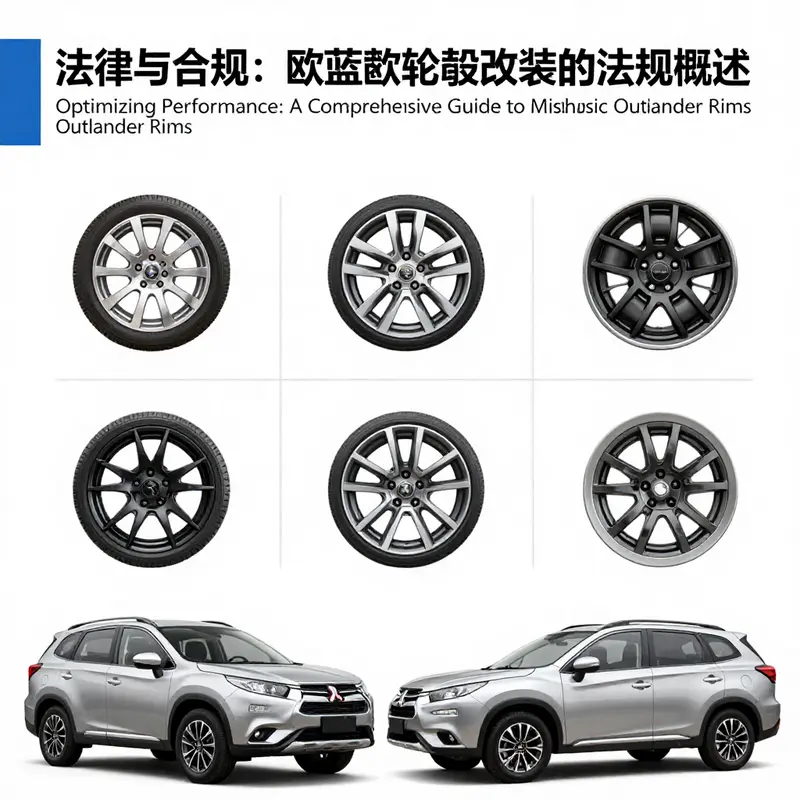
在讨论三菱欧蓝德轮毂改装时,许多车主会被外观与个性化需求所吸引,但改装必须在合规与安全的底线内进行。本章节围绕2007款欧蓝德在轮毂改装方面的法规框架,阐明保持轮胎规格、保持核心几何参数一致、并完成法定备案的重要性。核心原则是:不改变轮胎尺寸的前提下,通过可接受的材料、涂层与设计变化实现美观和性能的平衡。为确保合规,车主应事先确认原厂规格表中的轮毂直径、宽度、螺栓孔距(PCD)及偏距(ET)等关键参数与新轮毂的一致性,避免因参数不符而影响安全性与年检。若确需在视觉层面进行差异化,可优先选择与原厂参数等效的轻量化材料、锻造结构或表面处理,并确保与轮胎、制动系统及悬挂的匹配性经过专业检测。变更登记是另一个关键环节。若轮组参数发生变化,车主应在变更后30日内向当地车管所申请备案,提供身份证明、行驶证、登记证书及改装轮毂实物等材料,以确保信息一致,顺利通过年检。违规后果包括罚款、要求拆除改装件、以及年检不合格等风险,地区差异可能导致罚款在数百至千元人民币级别。为了降低风险,建议保留完整证据:购买发票、合格证明、改装记录与现场查验记录等,以便日后备案及检查时提供凭证。最后,官方规格信息应作为首要对照,确保轮毂尺寸、螺纹规格与车型兼容性的一致性,并在不改变关键参数的前提下探索材质与工艺的创新,如轻量化铝合金、涂层技术等,以提升散热与耐久性,同时避免影响整车的安全性与年检合格性。遵循法规、保持透明、并记录在案,才是实现风格与性能提升的可靠路径。
Final thoughts
Understanding the specifications and options available for Mitsubishi Outlander rims is essential for optimizing vehicle performance and ensuring safety. By choosing the right rims, upgrading wisely, and adhering to legal regulations, you can enhance the driving experience and maintain compliance with local laws. Investing time in research and aligning rim choices with vehicle specifications will significantly contribute to your operational success and customer satisfaction.