
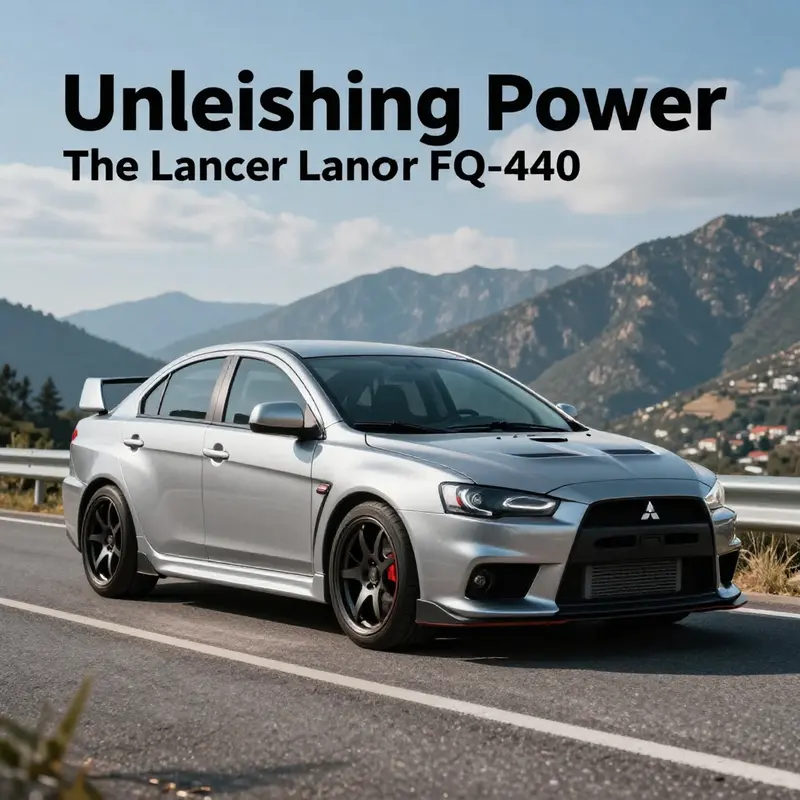
The Mitsubishi Lancer Evolution X FQ-440 MR stands as a testament to automotive excellence, showcasing extraordinary engineering that captivated car enthusiasts and business owners alike. With a unique combination of impressive performance data, advanced design features, and a profound cultural impact, this limited-edition vehicle reflects not just a car but an era. As we delve into its powerful engine and performance specifications, sophisticated design and handling capabilities, and its strategic market positioning, we’ll uncover how this automotive icon has influenced both the performance car landscape and consumer culture.
极致末章的风暴:揭示 Evolution X FQ-440 MR 的动力工程与极限性能
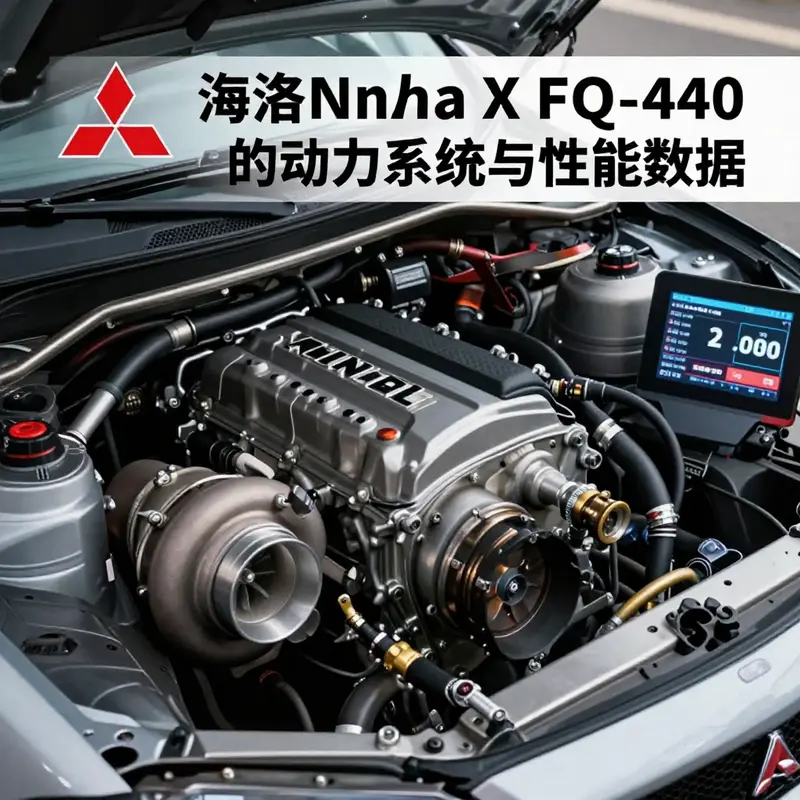
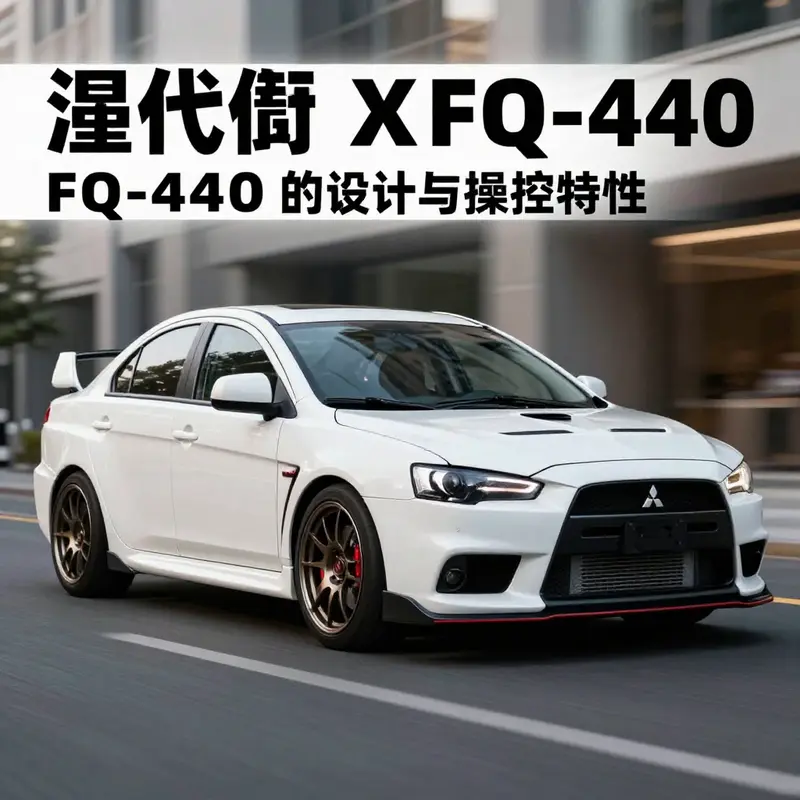
在三菱的历史长河里,Evolution X 的终章以一声凝练的咆哮落幕。作为纪念英国分公司四十周年而制造的限量作品,FQ-440 MR并非仅仅是性能的拼图堆叠,而是对“极致2.0T时代”的一次庄严声称。它把原厂的潜力挖掘到了极致,将2.0升直列四缸涡轮增压发动机推向前所未有的水平,正式宣告了“地表最快的生产型2.0升涡轮增压发动机”这一论断在现实中的可触手可及。此车全球仅限英国市场发售,数量稀少,成为车迷心中的传奇。FQ这个命名中的含义,被赋予了“Fucking Quick”的自信宣言,一语道破它不仅在数字上领先,更在驾驶体验与工程哲学上挑战着当时的性能格局。作为这段传奇的落幕,它的工程师们并没有只做表面功夫,而是从核心动力、传动、悬挂、制动到车身细节进行全方位改造,使其在日常可用性与赛道基因之间找到了罕见的平衡点。此章将带你穿过这辆车的动力心脏,回到那些让它成为话题焦点的数字背后,并探索它如何以极致的低转高扭矩、迅捷的换挡与精准的操控,把“4缸”也推向了传统“V8”的地平线之上。发动机的核心是经深度强化的2.0L直列四缸涡轮增压装置,代号4B11T。这个发动机在原厂基础之上,接受了一系列升级,核心目标就是把输出厂商数据推向新高度。发动机内部的改造看似简单,却是对整车动态影响最深的环节。首先,涡轮增压系统被升级为高性能的两涡管配置,辅以高流量喷油嘴与优化的进排气系统,使燃烧在6800转时爆发出440马力的峰值;而在3100转时就能迸发出559牛·米的扭矩峰值,确保了强力扭矩可在较低转速区间就能拉开车身的响应差距。这种低转速高扭矩的特性,是FQ-440 MR在日常驾驶中最直观的优势。通过重新编程的ECU,发动机与传动系统之间的匹配被重新校准,使得油气比、点火时刻与涡轮增压的响应时序达到协同最优。这是一种在技术传承与现代电子控制之间达到平衡的工程美学,体现出在极端马力输出下对扭矩带来的线性与可控性的执着追求。与此并行的是空气流道与中冷系统的升级——进气更高效,空气冷却更迅速,确保在高转速持续输出时发动机不会因热衰减而失去功率。这些改动并非只为追求极端数值,而是为了在极端工作区间维持稳定的燃烧温度与持续的动力线性,从而使得整车的动力放大器可以在需要时以稳定、可预测的方式延展。正是这种对动力输出曲线的精细设计,使得FQ-440 MR在6,800转时爆发出440马力的巅峰,同时在4,800转就能达到559牛·米的峰值扭矩。对驾驶者来说,这并非单纯的峰值数字,而是日常驾驶中随踩随应的即时响应。你会在城市路面体验到类似起步般的迅速提速,在山路或赛道上则感受到扭矩的持续性洪流,在转速区间的平滑过渡让车辆像受控的猎豹那样,在需要时迅速把力量传递到四个轮子上。关于传动系统,FQ-440 MR配备了一台六速SST双离合变速箱。这种变速箱在设定层面被设计为在极短时间内完成升降档的切换,几乎可以用瞬间完成驾驶者的意图转变来形容。尽管没有传统手动挡的机械感,SST的换挡速度、精度与热稳定性在赛道条件下展现出不可忽视的优势。变速箱的软硬、以及与发动机输出之间的协调,决定了车辆在高负荷状态下的连续加速能力与稳定性。官方给出的车辆性能数据写得清晰:百公里加速时间为3.5秒,极速被电子限速设定在225公里/小时之上。这组数字不仅是对速度的宣言,更是对整车工程极限的证明。它体现了一种在“同排量、同结构”的框架下,依靠高效的动力系统、快速响应的传动和稳健的底盘调校,来实现对对手的压制与对驾驶者期望的兑现。制动系统方面,FQ-440 MR没有在安全边界上妥协,前部采用高性能六活塞卡钳的刹车组合,配合经过调校的悬架系统。前悬架降低了约35毫米,后悬架降低约30毫米,这样的前低后高的姿态优化,显著提升了车辆在过弯时的俯仰稳定性与侧向支持。这种被动降扭矩的设计,与全轮控制系统S-AWC(Super All-Wheel Control)的强力协作,使得在湿滑、黯淡或不平路况下的跟踪性与过弯极限都得到了提升。S-AWC系统通过对前后轴的扭矩分配和制动压力进行智能调控,使动力分布更加均衡,轮胎与路面的摩擦利用率被放到最大,车身横向稳定性被有效增强。这并非只是提升刹车力度的简单叠加,而是在动力与制动之间建立了一条能被车辆动态理解并快速执行的沟通通道。外观方面,FQ-440 MR拥有独特且辨识度极高的外观风格。车身颜色为清冷的金属白,前灯组采用双光束灯组设计,18英寸的铸造轮圈在低风阻和高刚性的目标之间取得了平衡,车身保险杠的暗色处理则强调了它与主流量产车型的区隔。这样的外观语言不仅在视觉上传达了“限定与专属”,也在功能上与冷静的工程气质相呼应。内饰方面,车内的改动同样强调赛道基因和日常实用性的统一。座椅采用了对人体支撑性极强的赛车座椅设计,方向盘尺寸与手感也经过优化,以便在高速过弯时给予驾驶者更直接的反馈。音响与信息系统被定位为高端娱乐与数据记录的组合,能在赛道使用中帮助驾驶者审视每一次过弯的角度与速度。尽管采用六速SST变速箱,车内的换挡逻辑依然保持了清晰、可控的驾驶体验,确保驾驶者在不同场景下都能维持对车辆的信心。历史和市场层面的背景,使这辆车成为对Evolution系列的一个情感收束:它以极端性能回应了四缸涡轮的潜力,也以产量极低的定位和英国市场的专属发行,强化了它在收藏市场中的神话地位。随着2015年三菱正式宣布停产Lancer Evolution系列,FQ-440 MR的限量身份变得更具传说色彩。它不是普通的量产升级,而是一个时代的绝唱,一次技术与情感的合唱。对于热爱性能车的人来说,这不仅是对“速度”的崇拜,更是对工程、热情与驾驶乐趣本身的一次深刻理解。在今天的视角里,我们看到的是一个在极限压力下仍保持线性响应的动力系统,是一个在高速域保持稳定传递的传动系统,是一个以细节打动人心的整车工程哲学。对于那些懂得欣赏的人来说,这辆车像是一部被时间珍藏的乐章,既有力量的峰值,也有可控的节拍。若你愿意在市场的某个角落寻找这样的珍品,仍有少量低里程的FQ-440 MR在流通。你可以通过下面的链接了解更多信息,或者亲自去感受它在夜色中进入弯道的瞬间所释放的那股无可抗拒的“快得离谱”的气质:low-mile-mitsubishi-evo-x-fq-440-mr-for-sale。此外,关于这类限量车型在历史中的定位和技术细节,亦有专门的行业分析与评述可供参考。外部资料也在大量讨论这类车在市场中的价值与演变,供你在理解这辆车的意义时作更全面的判断。参考文献中的外部资源将帮助你把这段历史放在更广阔的视野中进行比较与反思。外部参考: https://www.xcar.com.cn/a/378951/。
null
null
The Final Verve: Market Positioning, Tech Prowess, and Cultural Echoes of the Evolution X FQ-440 MR
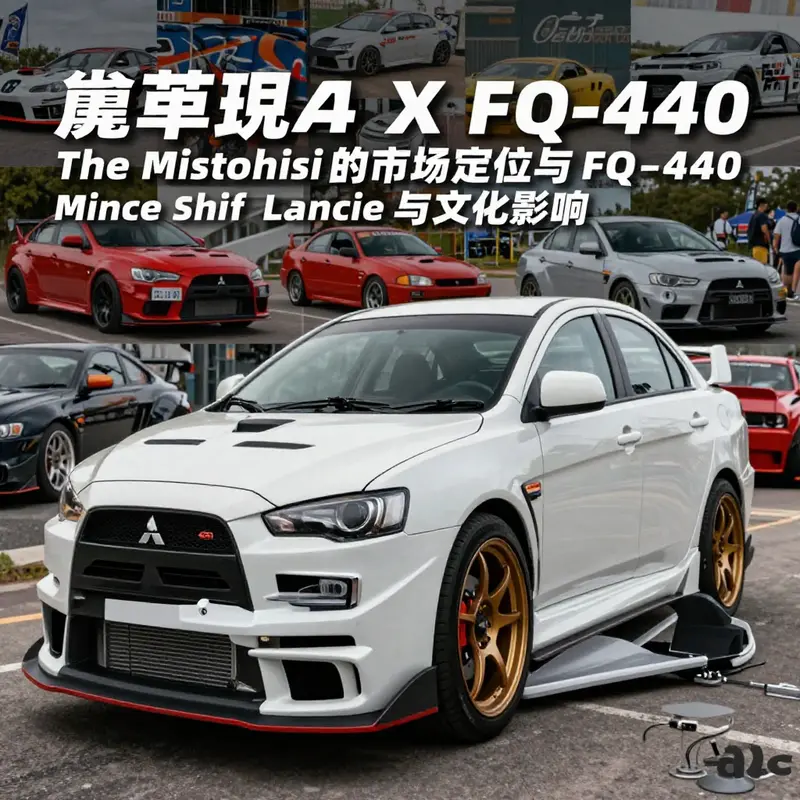
When the curtain falls on a legend, the final act is never merely a finale. It is a carefully tuned note that carries the entire melody forward, long after the lights dim. The Evolution X FQ-440 MR is precisely that note in Mitsubishi’s performance symphony: a commemorative, UK-exclusive apex that sealed the Lancer Evolution lineage with a flourish that was as much cultural prophecy as it was mechanical achievement. To understand its market placement is to read a full page of automotive memory. This model did not arise from a strategic plan to conquer broad market share or to shower the showroom with mass-produced horsepower. Instead, it emerged as a deliberate, symbolic gesture—an “ultimate edition” designed to transpose the performance ethos of the Evolution series into a single, irrefutable statement. It was, by design, the conclusion of a saga, a closing chapter that carried the DNA of rally lineage into a road-going, track-inspiring production car and then handed the baton to the global enthusiast community as a myth-in-the-making. In this light, the FQ-440 MR stands as more than a car; it stands as a cultural artifact, a milestone that reframes what people expect from a compact, four-cylinder engine when it is pushed to the extreme by engineering discipline and racing-derived ambition.
From the outset, the market positioning of this limited edition was crystal clear: it was not intended to chase volume or to redefine mainstream performance metrics for the mass consumer. The official designation, and the backstory surrounding its creation, anchor it as a termination rather than a continuation. Only forty units were produced worldwide, with the majority of those earmarked for the British market as a commemorative tribute to the parent company’s 40th anniversary in the United Kingdom. This scarcity is not a marketing aftertaste; it is the essence of the vehicle’s value proposition. In modern automotive culture, scarcity and provenance are often the decisive factors that drive a model from being merely fast to being truly legendary. The FQ-440 MR achieved that by weaving a rigorous program of power augmentation with a meticulous attention to chassis balance, aerodynamics, and onboard technology. The result was a product that could not be easily replicated or replaced, a machine whose value in the collector’s mind grew in tandem with its demonstrable performance attributes.
Technically, the FQ-440 MR represents a significant milestone in the era of small-displacement, high-torque turbocharged engines. The heart of the vehicle is a 2.0-liter inline-four, a four-cylinder powerplant that has long been praised and criticized in equal measure for its potential to deliver reliability at scale and adrenaline when dialed up. In this instance, Mitsubishi took that 4B11T architecture and extracted 440 horsepower, alongside a peak torque of 559 Newton-meters. What makes these numbers more than mere bragging rights is how the engineering team achieved them. They did not simply bolt on a bigger turbocharger or a larger intercooler and call it a day. They turned to HKS, a brand renowned among tuners for its proven performance hardware, to supply a twin-turbo arrangement that redefined the engine’s breathing. The result was a combination of two quite different turbo pathways feeding a 2.0-liter engine in a manner that smoothed the torque curve in the most dramatic fashion. The punishment for traffic light drag races or hill climbs was not only a sharper peak but a richer, more usable wall of torque that arrived early and persisted late. The 3,100 rpm peak torque figure, translating into robust mid-range acceleration, is a perfect illustration of how this car made a “small engine” feel like a big displacement machine without surrendering the efficiency and throttle response that modern turbocharged four-cylinders can deliver.
A key piece of the engineering mosaic was the integration of a broader technical ecosystem—the chassis, brakes, suspension, and drive-system logic all tuned to exploit the newfound muscularity. The braking package paired Alcon six-piston calipers at the front with sizeable vented discs, a setup that not only damn near stopped a high-speed sprint but did so with progressive feedback that encouraged aggressive brake zones on track days. The suspension, reworked by Eibach, lowered the ride height—front by roughly 35 millimeters and rear by about 30 millimeters—an adjustment that matters as much for aero efficiency as for steering precision and body control. The control philosophy of the drivetrain, with Super All-Wheel Control (S-AWC) guiding dynamic torque distribution and yaw behavior, is what allowed the car to translate that power into credible on-road performance while preserving composure in adverse conditions. This is where the Evo lineage’s rally heritage becomes not a marketing line but a practical, track-proven skill set: a system that can allocate grip front-to-rear and left-to-right in microseconds, to keep the line through a corner both tight and controlled.
In the realm of weight distribution and handling balance, the FQ-440 MR’s stance is telling. The exterior optics—Frost White paint, distinctive dark bumper accents, forged 18-inch BBS wheels—signal not a show car but a machine that is deeply aware of its performance credentials. Inside, a no-nonsense cockpit reinforces the same message: Recaro leather sports seats, a sport-oriented steering wheel, and a handful of data-logging features to capture the precise moments when the driver and the car achieved peak performance. The decision to pair this powertrain with a six-speed SST dual-clutch transmission reflects a forward-looking stance. It underscores a philosophy that performance road cars can merge electric-like shift speed with the tactile immediacy of racing sequential gear control. Even at a top speed limited to 225 km/h, the car’s acceleration profile—0 to 100 km/h in roughly 3.5 seconds—places it in the same breath as many larger, higher-displacement performance sedans, but with a distinct personality that comes from its compact size and its turbocharged character.
The cultural resonance of the FQ-440 MR extends beyond straight-line numbers. In car communities, the model became a focal point of reverence not just for what it could do, but for what it signified: a disciplined, engineering-centric approach to performance that valued harnessing a small engine’s potential through intelligent turbocharging, efficient air handling, and race-bred chassis tuning. The idea that a four-cylinder could approach or surpass some V8 rivals in real-world acceleration and track behavior captured the imagination of enthusiasts who had long believed that displacement was the sole gatekeeper of speed. This was the era in which the automotive press and the enthusiast networks began to treat the Evo’s 2.0-liter platform as a proving ground for mid-range turbo tech—an era where the line between “everyday performance” and “heroic track weapon” became increasingly blurred. In this sense, the FQ-440 MR didn’t just sit on a showroom floor as a curiosity or a trophy; it actively contributed to a cultural redefinition of what a “two-litre” engine could achieve when pushed with precision and purpose.
The UK-centric release strategy also fed its mystique. The choice to localize the market for this final Evolution model created a narrative of exclusivity, a story that now travels across borders as a kind of automotive folklore. The scarcity value—forty units worldwide—ensured that any public discourse around the car leaned toward reverence rather than revisionism. It also fostered a unique relationship with owners and collectors who sought to preserve a chapter of British automotive history in a way that honored the car’s commemorative origins. As the decade progressed and the Evolution nameplate receded from the production line, the FQ-440 MR acquired a status that blends motoring performance with social memory. It is not merely about speed or straight-line acceleration; it is about being a tangible link to an era when performance cars were conceived as living experiments that could live on the road and on the track in equal measure.
Within the broader Evolution continuum, the FQ-440 MR functions as a bridge—the bridge between the group’s confidence in small-turbo engineering and the public’s appetite for hyper-usable performance. It demonstrates that horsepower can be a crowd-pleaser without sacrificing steering feel, balance, and tempo in turns. The car’s dynamic profile—potent torque delivered early, steadfast cornering grip, and a chassis that communicates with the driver in a direct, almost surgical manner—made it a practical interpretation of a more glamorous, highly engineered dream. In a sense, Mitsubishi’s engineers were translating the rally story into a road-going badge without diluting the essence of the car: a race-bred philosophy wrapped in a form that could be lived with, tuned, and enjoyed on a weekend road trip just as much as on a prepared circuit.
For collectors and practitioners alike, the FQ-440 MR remains a benchmark not only for what a 2.0-liter turbocharged engine can do when pushed to the edge but for how a carmaker can craft a narrative that makes performance a matter of heritage and identity. Its market positioning—limited, exclusive, commemorative—was matched by a sophisticated technical program that ensured the car’s capabilities were not merely numbers tattooed on a brochure but a set of competencies demonstrated in testing, on the street, and under the scrutiny of professional drivers on course. The result is a car that still resonates with enthusiasts who value the confluence of engineering courage and cultural resonance. It’s a reminder that performance, when framed within a story of scarcity, of a specific market moment, and of a definitive engineering push, can outlive any single generation of technology and become a symbol—an emblem of what can happen when passion, precision, and provenance align.
As interest in the model remains strong in enthusiast circles, a few well-preserved or carefully restored examples continue to surface in the market, often accompanied by provenance that traces the car’s UK heritage and its limited production run. For prospective buyers or curious readers who want a window into the contemporary relevance of such a unit, there are listings that emphasize mileage in the low thousands and meticulous maintenance records. These listings remind us that the FQ-440 MR, despite its sensational engineering and the myth that surrounds it, is also a practical artifact: a vehicle that can be driven on public roads with confidence while still delivering the excitement of a tuned track weapon. A representative listing that captures this sentiment appears as a low-mileage example advertised for sale, a reminder that the car’s value rests as much on its condition as on its historic footprint. low-mile Mitsubishi Evo X FQ-440 MR for sale. This link offers a lens into how the market presently approaches the model’s scarcity and desirability, illustrating the ongoing dialogue between heritage and ownership that keeps the FQ-440 MR in the public eye.
The broader storytelling around the Evolution X FQ-440 MR is also enriched by critical, contemporary summaries from automotive journalism. A concise, rigorous evaluation by a prominent British publication highlights how the combination of an extensively tuned 2.0-liter engine, a reimagined intake and exhaust path, and a channeled chassis can yield an experience that remains instructive for students of performance engineering. It describes the car as a benchmark for what a modern, small-displacement engine can achieve when paired with the right turbo architecture, the perfect balance of drivability and track capability, and a suspension and brake array designed to translate raw power into controlled, repeatable handling. This external perspective helps anchor the vehicle in a broader conversation about the evolution of turbocharged four-cylinders in the era when displacement was no longer the sole determinant of performance. It is a reminder that the FQ-440 MR is not merely a historical curiosity; it is an active case study in how engineering choices, market strategy, and cultural timing can converge to create a lasting legend.
The chapter ends—if one could call it that—on a note that the automotive world has learned to recognize: the value of a performance model is not measured only by its numbers, but by the story it tells and the communities it forges. The Evolution X FQ-440 MR, in its essence, invited a quiet revolution: the idea that a compact turbo four can rewrite expectations for power, precision, and on-road drama, while also becoming a symbol of a specific market’s pride and a global icon for enthusiasts who understand the language of engineering, heritage, and scarcity. It is the kind of vehicle that does not fade away with age; it persists in memory as a reference point, a benchmark, and a reminder that truly enduring performance is as much about context as it is about capability. The car’s legacy, therefore, lies not only in its capability to out-accelerate rivals or to stop with certainty but in its power to connect a network of fans, restorers, collectors, and engineers across generations who see in it a shared language of ambition and restraint.
External resource for further reflection: Autocar’s deep dive into the FQ-440 MR captures the essence of its claim to be among the most powerful production four-cylinder engines of its time, and it situates the model within the broader Evolution saga. https://www.autocar.co.uk/car-review/mitsubishi/lancer-evolution-x/fq-440
Final thoughts
The Mitsubishi Lancer Evolution X FQ-440 MR is more than a mere vehicle; it is a powerful symbol in the realm of performance cars and automotive culture. With its remarkable power output, cutting-edge design enhancements, and undeniable influence on the car enthusiast community, it has etched its name into automotive history, offering business owners and automotive aficionados alike a glimpse into the pinnacle of engineering. As we reflect on its legacy, it is clear that the FQ-440 MR represents not only exceptional capabilities on the road but also a passionate commitment to performance and design that inspires future iterations in the automotive landscape.