

The Recaro Evo X seats have earned a formidable reputation in the high-performance automotive landscape, combining superior design, advanced materials, and precise engineering for an unmatched driving experience. Business owners in the automotive industry or those involved in high-performance motor sports recognize the importance of optimal seating solutions. In this article, we will explore the intricate details of Evo X seats’ design and materials, examine their performance advantages during high-octane driving, compare them with other aftermarket options, and assess how they are perceived in the market. We will also look towards the future, discussing emerging trends in seat technology and the potential for further customization. Each chapter is crafted to enhance understanding and appreciation of these remarkable seats within the high-performance segment.
Gripped by Precision: The Design, Materials, and Driving Truth of Recaro Evo X Seats

In the Lancer Evolution X, every surface that touches the driver is part of a deliberate performance language. The Recaro seats that come with this model are not mere upholstery; they are a core element of how the car translates speed, balance, and intention into tangible control. When the throttle is coaxed into a higher tempo and the road surfaces tighten the car’s reflexes, the seat acts as a steadying force. It is where the chassis learns to trust the driver and where the driver learns to trust the chassis. The seat design speaks to a truth that performance cars reveal gradually: you do not simply sit in a fast car, you fit into a system that asks you to move with it, to become one with the moment, and to respond with precision when the line gets tight and the curve steepens.
The overall silhouette of the Recaro Evo X seat is a deeply contoured, bucket style that hugs the torso and the hips with an exacting hold. The side bolsters rise with a sculpted assertion, guiding the driver through aggressive cornering without allowing the body to drift toward the door or the center console. The head restraint is integrated with the backrest in a single, seamless form. This integration is not a stylistic flourish; it tightens the connection between upper body alignment and the seat back, helping maintain a stable posture under rapid lateral G-forces. In practice, the result is a sense of being anchored to the vehicle rather than loosely perched atop it, a subtle but essential condition for fearless, precise steering and throttle control.
From the first sit down, the eye notices a balance of materials that signals intent and durability. The Evo X seats use a premium blend that pairs high quality genuine leather with high friction synthetic fabrics, an arrangement picked for both grip and comfort. The sides and bolsters lean into darker tones that echo the car’s interior mood, while the seating surfaces may feature a contrasting texture that adds visual depth and tactile feedback. The stitching is fine and dense, a physical reminder of the seat’s purpose: to endure the pounding of track sessions and the repetitive entry and exit of daily driving, without softening its form. This careful material selection is not about luxury for luxury’s sake; it is about grip, durability, and the ability to hold the driver securely during transitions, brake fades, and sudden weight shifts.
The seat’s construction goes beyond surface materials. The shell and foam are shaped to deliver a race-ready wrap without sacrificing comfort on long drives. The base foam supports the thighs and the lower back in a way that reduces fatigue while enabling a precise seating position. The backrest is sculpted to encourage a natural spine alignment even when the body is pushed into corners. This is crucial because correct posture preserves the driver’s line of sight and control during intense driving. The seat rails and mounting system are designed to allow a dependable range of adjustment while ensuring that the seat remains immobile under hard acceleration or braking. In effect, the Evo X Recaro seat becomes a kinetic interface between human input and machine response, translating intent into a predictable, repeatable set of physical outcomes.
In the broader cockpit, the seat interacts with the car’s other performance cues. The dark interior theme, the metallic pedals, and the sport tuned ambiance set a stage where the seat’s purpose becomes clear: it is to hold and to channel. The grip provided by the leather and the side fabrics fosters a sense of confidence, even when the car is pressing into a high-G corner and the steering angle is steep. The headrest’s integration reduces strain to the neck by maintaining a consistent alignment between the head, neck, and spine, which is especially valuable during rapid lane changes or spirited track runs. The overall effect is more than comfort; it is a psychological edge that helps the driver enter a focused, almost ritualistic state of readiness, where the body learns the rhythm of the vehicle and the vehicle learns the driver’s micro-adjustments.
The blend of materials and the bucket geometry also contribute to a practical kind of daily usability. Although the seats are clearly engineered for track scenarios, their design acknowledges real world use. The leather surfaces respond to weather and wear with a character that blends durability with a sense of substance. The high friction zones on the bolsters resist shifting when the body leans toward the outside of a corner, a tendency that becomes more pronounced as speed increases. The contrast between the smooth seating surface and the textured side panels not only enhances grip but also invites the driver to feel the seat with more intent. In this way, the Evo X seat becomes a bridge between performance and practicality, providing a consistent hold in the friction-rich environment of aggressive driving while still accommodating everyday commutes, long drives, and spirited weekend sessions.
For some enthusiasts, the appeal of Recaro seats in the Evo X extends beyond the standard configuration. A common path is to explore aftermarket or upgraded fabric and color accents that emphasize a JDM-inspired or race-inspired aesthetic. In practice, this can mean choosing racing style buckets with vivid color accents that align with a personal or team identity, while retaining the core design principle of secure body hold. Such changes underscore a broader point about these seats: their form is inseparable from their function. The seat is not simply a feature; it is a performance instrument that, when paired with the driver, calibrates how force, steering input, and pedal pressure translate into cornering speed and chassis balance. In the context of a tuned EVO X, a seat upgrade can amplify the sense of immediacy and control that the car offers, provided the upgrades preserve the essential grip and integrated restraint that the original Recaro design delivers.
Within the ecosystem of the EVO X interior, the seat also harmonizes with the vehicle’s other distinctive cues. The styling language of the interior—the low seating position, the compact driver’s environment, the tactile feedback of metal pedals, and the subdued, performance-forward color palette—works in concert with the seat’s geometry to reinforce a single outcome: drive discipline. The driver sits not as a spectator to speed but as a participant who is physically connected to the car. The seat, in its careful proportions and thoughtful material choices, becomes a second set of hands that read the road, guide the steering, and translate thought into traction. This is why the Recaro Evo X seat feels so integral to the overall driving experience; it embodies a philosophy that performance is not about raw power alone but about how that power is managed through contact with the vehicle.
As owners consider the long arc of ownership, the seat remains a defining element of daily usability and driving pleasure. Its design is a reminder that even in a car capable of extreme performance, the human element remains central. The seat does not demand perfection from the driver; it helps the driver achieve precision. When a corner tightens and the chassis settles into balance, the seat is the instrument that keeps the body in harmony with the machine. The result is a driving experience that feels both purposeful and intimate, where the driver can trust the vehicle and, in turn, trust their own reflexes and training.
For readers who want a window into the broader landscape of seat design and sourcing, dealer and manufacturer materials provide a fuller picture of how these seats are conceived and refined. One notable facet is the continued emphasis on materials and engineering that optimize grip, durability, and form stability. The integration of leather, high friction fabrics, and precise stitching is not arbitrary; it is a carefully choreographed response to the demands of high performance driving. The Lancer Evolution X and its Recaro seats, as documented by official specifications, demonstrate how a factory-installed performance seat can balance sport and daily use, proving that good design does not surrender comfort when the pace rises.
Internal reference for enthusiasts exploring related interior upgrades can be found at a specific market listing that highlights Alcantara front Recaro seats, illustrating how the same design language translates across generations and trims. See brand-new-alcantara-front-recaro-seatsoriginal for a sense of how manufacturers and tuners approach material choices and seating form in a way that remains faithful to the car’s core ethos. This helps illuminate the continuity between OEM design and aftermarket evolution, a continuity that keeps the EVO X interior feeling coherent even as owners seek personal expression through color and texture. As with any performance upgrade, the goal is to preserve the seat’s essential grip and hold while expanding the range of customization options that keep the platform relevant to new audiences and driving styles.
In sum, the Recaro Evo X seats are more than a feature set within the car. They are a statement about how a high performance vehicle treats the driver as a partner in speed, not merely a passenger. The material choices, the bucket geometry, the integrated headrest, and the overall sense of secure containment work together to enable a driver to chase precision on street roads or on a race track with equal poise. The seat teaches body awareness, heightens feedback, and ultimately makes the act of driving more about control than about effort. This is the essence captured in the Evo X design: a seat that holds you as you push the car toward its most capable form. For those who value how a vehicle translates intention into performance, the Recaro Evo X seat remains a benchmark in the art of seating for high speed and high precision.
External resource for broader context on official specifications and vehicle features can be found at https://www.mitsubishi-motors.com/vehicles/lancer-evolution-x/.
Apex Mastery: The Performance Edge of Recaro Evo X Seats in High-Performance Driving
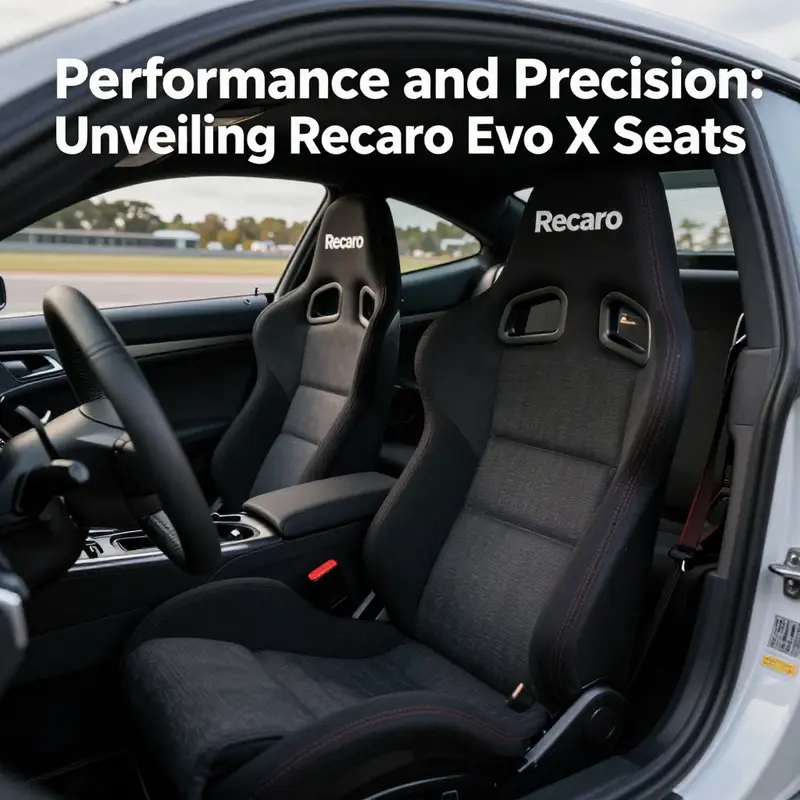
The moment a driver settles into the cockpit of a high-performance car equipped with Recaro Evo X seats, the first impression is not one of flashy aesthetics but of a precise, almost technical calm. The seat is not merely a place to sit; it is engineering that translates the driver’s intention into controlled, repeatable action. In high-speed corners, under abrupt throttle changes, or during a fast track lap, the design language of the Evo X seat speaks in containment, support, and efficiency. The core philosophy is simple: keep the driver firmly in position so the body can respond instantly to the hands, feet, and gaze. This is why the Evo X seat emphasizes extreme lateral containment and a rigid, race-inspired shell that resists deformation under dynamic loads. The result is not only improved grip but a surprising increase in stamina, allowing a driver to sustain focus across multiple sessions without the fatigue that often saps performance in long stints.
Aesthetics aside, the seat’s form is an outcome of a careful study of human biomechanics and the demands of professional motorsport. Aggressively contoured side bolsters cradle the torso, and the rider’s shoulders align with the belt line, encouraging a posture where the hips remain stable and the spine stays neutral during aggressive cornering. This alignment matters more than it might appear. When the upper body remains anchored, the driver can communicate subtle intent through steering inputs with less steering wheel torque, translating to crisper line changes and more precise throttle modulation. The Evo X seat’s lateral support is not just about grip; it’s about maintaining an efficient, muscle-sparing stance that reduces fatigue during repeated, high-load maneuvers. In practical terms, this means a driver can maintain a near-constant grip and posture through consecutive laps, a clarity of feel that compounds as the driving session extends.
The seat’s containment extends beyond the torso. Under extreme G-forces, the combination of a rigid shell and a tightly fitted harness area places the driver in a secure pocket that minimizes unwanted movement. This is especially important when a car is pushed to its limit on a race track where every fraction of a second matters. The Evo X seat is designed to keep the pelvis and spine aligned with the chassis, reducing the risk of the torso shifting forward or sideways during rapid deceleration, hard braking, or sudden uphill/downslope transitions. In those moments, where a lighter, less supportive seat might leave the driver feeling unsettled and prone to micro-corrections that steal precious milliseconds, the Evo X provides a stabilizing reference frame. It feels less like an adjustable accessory and more like a fixed, trusted component that supports decisiveness behind the wheel.
Weight conservation is not an afterthought in this equation. The Evo X seat uses high-strength materials in a way that balances rigidity with manageability. The light-but-stiff construction contributes to overall vehicle dynamics—every extra kilogram matters in acceleration, braking, and cornering response. The goal is not to chase pure lightness for its own sake but to optimize weight where it most affects performance. In practice, this approach yields a seat that helps reduce the car’s unsprung mass contribution to the driver’s seat and, when combined with efficient seat design, supports a more immediate, linear response to driver commands. The net effect is a tighter, more responsive chassis that rewards precise inputs with predictable, repeatable behavior—a fundamental necessity for both track days and spirited street driving.
Ergonomics play a central role in the Evo X seat’s ability to sustain performance over time. The seat’s shape is the result of extended biomechanical studies that map how the torso, spine, and pelvis interact with a car seat during dynamic driving. The outcome is a balance between comfort and performance. The driver’s seating position is designed to maintain optimal visibility of the instrument cluster and track or road ahead, while the shoulder region and lumbar area receive targeted support. This careful balance helps minimize fatigue, which is a frequent foe in long sessions. When a driver can maintain a comfortable, supported posture for an extended period, concentration remains high and reaction times stay sharp. The ergonomic strategy of the Evo X seat thus translates into tangible on-track benefits: smoother steering inputs, steadier throttle control, and more accurate line tracing, even after hours of driving.
Compatibility with racing harnesses is a practical edge that aligns the seat with racing preparation. The Evo X is designed to integrate with five- or six-point harness systems, a feature that speaks to its track-oriented orientation. The ability to lock in with a harness provides an added layer of security and performance. In high-speed cornering, a properly attached harness works with the seat cushion to maintain body alignment and prevent unwanted movement. For endurance or sprint racing, that security translates into more consistent lap times and a clearer feedback loop between the driver and the car’s dynamic behavior. The seat’s design anticipates this use, ensuring that the harness straps anchor securely without compromising comfort or the seat’s contouring.
What sets the Evo X seat apart, even within a high-performance lineup, is how it bridges the gap between race-specific function and daily usability. The materials—such as leather with higher-friction inserts and suede-like surfaces on the seat cushion and backrest—offer a confident grip that helps the driver stay anchored during aggressive maneuvers while still delivering a comfortable long-drive experience. This combination of grip and comfort arises from an intentional layering of tactile experiences: surface friction where the body needs to stay planted, and smoother textures where comfort and movement are less critical. The result is a seat that works well when clocking laps at a track, yet remains usable for spirited street drives. In practice, this translates into a cockpit that feels purpose-built without sacrificing everyday usability, an important consideration for enthusiasts who mix track days with street driving.
Within the broader ecosystem of the Evo X, the seat’s impact is amplified by the car’s interior character. A deep, sport-driven aesthetic—dark tones, metal pedals, and an overall sense of purposeful hardware—complements the seat’s performance-centric design. The headrest and backrest are integrated, a feature that further enhances structural rigidity and rider containment. The seat’s visual language signals a driver that the vehicle is tuned for challenge and performance, inviting focused, aggressive driving while reinforcing the sense that the cockpit is a carefully engineered control space, rather than a generic cabin.
Not all Evo X owners stay strictly within the factory configuration. Some enthusiasts seek personal expression or additional performance cues, and the aftermarket ecosystem responds with specialized seats that align with the same performance philosophy. A notable example is the trend toward blue racing bucket seats, which accentuate the JDM-inspired aesthetic and reinforce a race-ready impression. While these upgrades push the visual cues toward a more extreme sporting stance, the underlying principle remains the same: the seat should deliver containment, support, and safety under demanding driving conditions. In this space, the Evo X seat acts as a reference point for what a well-designed performance seat can achieve, while allowing room for customization that respects the core ergonomics and safety goals.
For readers curious about a tangible upgrade path that preserves the essence of the original design while exploring new materials, a nearby doorway into the ecosystem lies in a brand-new Alcantara-front Recaro seat option. This particular variant demonstrates how the same containment and support principles can be extended through material choice to deliver improved grip and tactile feedback. The option provides a concrete example of how a driver can tailor the cockpit to personal preference without diluting the performance core. You can explore this upgrade concept here: brand-new Alcantara front Recaro seats. In this context, the Evo X seat becomes a platform rather than a fixed destination, inviting drivers to experiment with textures and materials that still honor the seat’s fundamental role in performance driving.
The chain of effects from seat design to on-road or on-track capability is not accidental. It is the product of deliberate choices about geometry, materials, and integration with other safety systems. When a driver senses a secure, well-supported posture and experiences steadiness of the upper body during intense cornering, the mind can focus on lines, speeds, and throttle control rather than compensating for seat-induced discomfort or instability. The Recaro Evo X seat, with its blend of containment, ergonomics, and harness compatibility, supports a driving mindset that is analytical, precise, and relentlessly engaged with the task at hand. This is what true performance feels like from the cockpit: a sense that the car and driver operate as a single, cohesive system, capable of translating intent into controlled, repeatable motion across a spectrum of high-performance scenarios.
External resource for deeper context on how seat design correlates with safety and performance can be found at the official Recaro site: https://www.recaro.com
Seat of Control: How Recaro Evo X Chairs Define Track-Ready Ergonomics and Everyday Precision
The moment a driver slides into the Evo X, the cockpit changes from a simple control zone into an extension of the driver’s own body. In this environment, the Recaro Evo X seats are not merely a trim upgrade; they are an essential interface between human intention and machine response. Their core purpose is to translate intent into action with minimal delay, and that starts with how the seat holds, guides, and positions the driver through a demanding range of dynamic loads. This is not about comfort for its own sake; it is about stabilizing the driver so the vehicle can respond with predictability at the limit. The Evo X seats manage this by combining a tight, enveloping package with materials and geometry that maximize grip and feedback, while still accommodating the realities of daily driving when the circuit is a distant idea. The result is a cockpit that feels smaller, more purposeful, and almost anticipatory in how it channels driver input into chassis behavior. The headrest and backrest form an integrated column of support that supports the neck and spine as the body shifts under braking, acceleration, and cornering. The surface materials—genuine leather paired with higher-friction fabrics on the seating surfaces—offer both luxury and grip. This is not a contrived contrast but a deliberate pairing that reduces slip under aggressive maneuvers while keeping the skin from fatigue during long sessions behind the wheel. In practice, the seat becomes a proactive partner.
Design language follows function. The bucket shape works with a deep, basket-like side bolster that wraps around the torso and hips, guiding the driver into a posture that keeps the shoulders aligned with the steering wheel and pedals. The one-piece headrest-to-backrest silhouette is not just a visual cue of sportiness; it is a structural choice that improves side-to-side load distribution and reduces unwanted movement when the car is pushed toward the edge of adhesion. On the Evo X, this design is reinforced with multi-density foam and strategically placed support zones. The result is a seat that feels firm yet forgiving—firm enough to resist deformation when the body is under high-G forces, forgiving enough to avoid numbness or fatigue over extended sessions. The leather and suede-like surfaces contribute to the sense of secure contact, a tactile reminder that the seat is doing more than providing a place to sit. It is actively shaping the driver’s posture as the chassis responds to changes in speed, steering angle, and weight transfer.
From a performance perspective, the seat’s architecture reduces the likelihood of the torso sliding forward during hard deceleration and helps prevent lateral migration during aggressive cornering. The physics at play are straightforward: a well-supported driver maintains alignment with the vehicle’s geometry, which translates into crisper steering inputs, cleaner throttle modulation, and more precise line-holding. These seats also contribute to overall vehicle balance by allowing the driver to maintain a centered, repeatable posture. That repeatability is critical on track days and in spirited street sessions alike because it minimizes the cognitive load required to maintain control. The driver spends less mental energy on staying physically anchored and more on reading the road. The seat’s bucket profile emphasizes this by presenting a sculpted, form-fitting layer that preserves the sense of wind-in-the-hair feedback from the road without translating every vibration into fatigue for the spine. In short, Recaro’s Evo X seat is engineered to be a direct amplifier of driver intention.
The material choices matter beyond mere aesthetics. The combination of authentic leather with high-friction seating surfaces is not a fashion statement; it is a practical choice in grip and durability. Alcantara-like textures on the central seating surfaces provide excellent friction to keep the body from sliding laterally under hard cornering, while leather on the bolsters offers a premium touch that resists wear in high-use contact zones. This blend is complemented by a subtle, dark interior motif, often paired with metallic pedals and a restrained console to create an atmosphere that communicates the car’s performance focus. The interior lighting and color palette support a cockpit that feels cohesive, not flashy, which is essential when the seat itself is a performance instrument rather than a mere accessory.
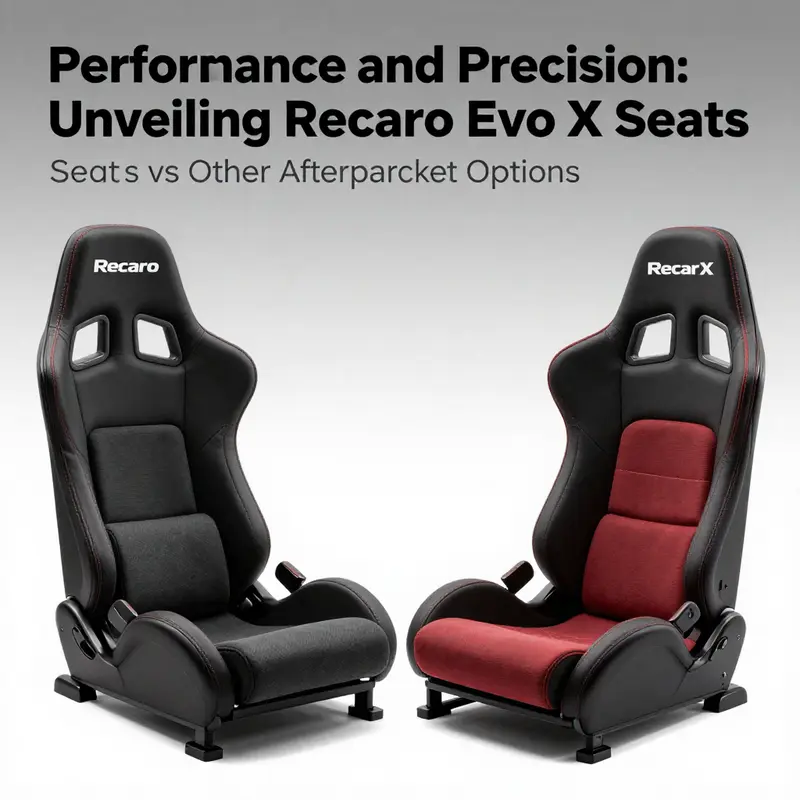
In the realm of aftermarket alternatives, the Evo X’s Recaro seat sits at a distinct inflection point. It represents a significant leap in both engineering quality and material integrity when compared with standard OEM upgrades or generic sport seats. The reason is simple: many aftermarket options rely on basic foam densities or lightweight frames that sag or deform after repeated track use. In contrast, the Evo X seat employs multi-density foams with reinforced zones designed to retain shape and contour over time, ensuring consistent support even after many miles of aggressive driving. The materials—often a combination of Alcantara or high-grade leather with high-friction fabrics—are chosen for their grip, durability, and tactile feel, not just for their appearance. The result is a seating surface that remains grippy under sweaty hands and heated pedals, reducing the need for constant readjustment. Additionally, the Evo X integrates an adjustable lumbar system, allowing drivers to dial in spinal support that minimizes fatigue during long stints. This ergonomic detail matters more than most might expect; it translates into late-session composure, faster reaction times, and a more confident sense of placement behind the wheel.
When contrasted with comfort-focused competitors—those that prioritize long-distance cushioning and cabin friendliness—the Evo X seat still asserts itself in the performance category. It sacrifices some plushness in favor of the structural rigidity required for track discipline. The Ergomed line, for instance, offers a broader cushion and more complex climate features, but it does not deliver the same level of lateral containment or track-oriented stiffness. The Evo X seat, by design, is not about pampering; it is about channeling power and precision. That emphasis extends to the installation process as well. Unlike plug-and-play aftermarket seats, the Evo X unit often requires bespoke mounting brackets and, in some cases, modifications to seat rails to achieve the correct seating position and alignment with the car’s beltline and steering reach. While this adds labor and cost, it also guarantees a factory-like, secure fit that minimizes movement during dynamic driving. The trade-off is worth it for enthusiasts who want a seat that remains stable under load, holds its geometry over years of use, and preserves vehicle safety certifications.
In terms of aesthetics and the driving environment, the Evo X Recaro seats contribute to a cohesive performance cockpit. The cohesive dark interior with metal accents, the presence of supportive bolsters at the hip and ribcage, and the integrated headrest together create an atmosphere that signals readiness for challenge. For some enthusiasts, the evolution of the seat is the evolution of the car itself: a shift from passive transport to an instrument designed for discovery and control. It is easy to see why some owners move toward even sharper JDM-inspired configurations, such as race-style bucket chairs, where preferred seating positions and brand identity are part of the broader customization language. Yet even with aftermarket styling, the foundational aim remains: to preserve a secure, repeatable seating posture that makes high-speed driving feel more like precision choreography than a gamble with grip and balance.
For readers who want a tangible example of the seat’s origin, the Evo X’s seating package traces its lineage to Recaro’s motorsport heritage. The design principles reflect a deep understanding of how a driver’s body interacts with a car’s chassis under load. The result is a seat that is not only a seat but a performance ecosystem—one that feeds feedback to the brain, translates intention into immediate physical response, and supports a level of confidence that makes the car feel more capable than it appears on paper. The integration with the Evo X’s dynamics—its weight distribution, its steering geometry, and its suspension tuning—helps explain why drivers consistently report lower fatigue, crisper turn-in, and a greater sense of control during aggressive maneuvers. In the end, the Recaro Evo X seat embodies the philosophy that performance is a function of trusted contact, precise alignment, and enduring support. It is a focal point where design, engineering, and driver psychology converge, turning the cockpit into a performance instrument rather than a passive space.
Driven by Reputation: How Recaro Evo X Seats Shape Perception and Demand in Performance Interiors
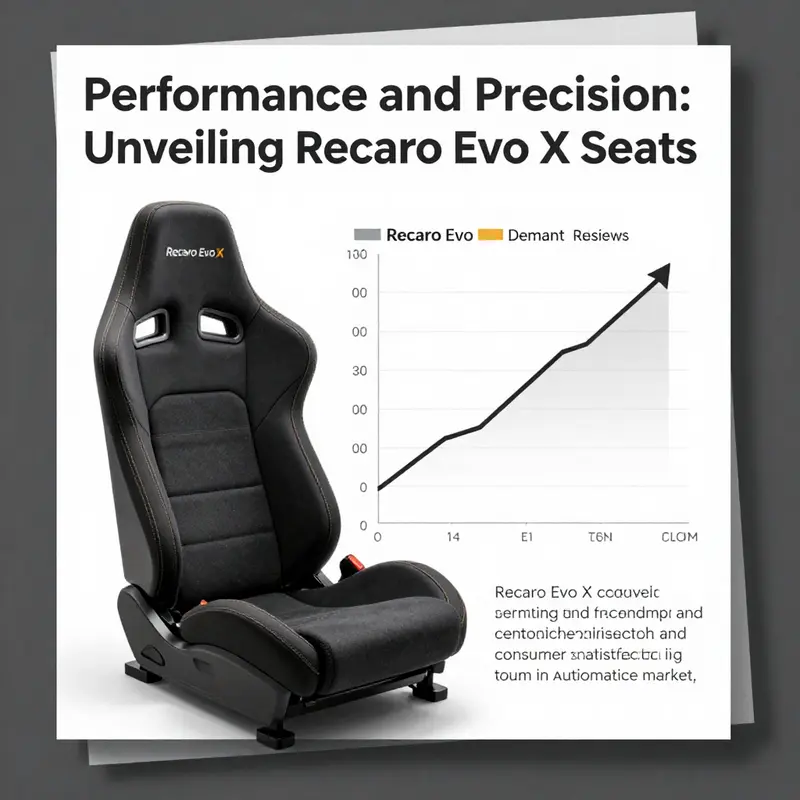
The Recaro Evo X seat is more than a cushion and a harness for the spine. It is a gauge of how performance engineering translates into consumer perception and market demand. In the world of high-performance driving, the seat is a bridge between human intention and machine response. When a driver lowers into an ergonomically tuned shell that clamps around the torso and relaxes into the hips, it signals a shift in how the car is read. The chassis is no longer a passive platform; the interior becomes a cockpit where every move is anticipated, every breath is supported, and every corner becomes an opportunity to lean into balance rather than fight for it. This is the essence of the Evo X seating solution: a design that speaks to both the senses and the performance mind, and in doing so, fosters a set of perceptions that ripple through enthusiast communities and into the market itself.
From the first glance, the seat communicates a race-inspired discipline. Materials chosen for their grip and feel—leather with high-friction surfaces at the bolsters, contrasted with softer, more breathable fabrics on the seating surfaces—create an impression of control and precision. The headrest and backrest form a single unit, a silhouette that suggests compact wrap without sacrificing freedom of movement. In practice, this means a driver can place the upper body in a position that reduces lateral shift during aggressive cornering, even when the car is on the edge of the limit. The effect is not only physical; it becomes psychological. The cockpit feels prepared, almost as if the car itself is leaning into the driver’s intent, ready to respond with the minimal input necessary to maintain balance. The handshake between driver and machine becomes more efficient, and efficiency in driving translates to efficiency in perception: the driver trusts the setup, and that trust bleeds into the broader opinion about the vehicle’s performance identity.
Ergonomics aside, the Evo X seat’s engineering emphasizes weight reduction without compromising support. Lightweight construction is a core criterion in performance seating because every gram saved in the cabin can translate into improved handling, quicker turn-in, and a more responsive stop. For the dedicated enthusiast, this reduction is not simply a statistic but a tangible enhancement of agility. When a track session ends and the body remains fresh enough to recall the key lines of the last lap rather than the stiffness of the chair, the seat earns its reputation as a facilitator of consistency. It becomes a reference point in how drivers compare cars: a seat that delivers steady support through long stints and punishing sequences is a seat that preserves the driver’s ability to extract repeatable performance lap after lap. The perception of a seat as a tool, not a luxury, reinforces the belief that a performance interior is a meaningful contributor to the driving experience rather than a cosmetic add-on.
The aesthetic dimension cannot be ignored. The Evo X seat is widely described as race-inspired in its look and feel, a design choice that speaks directly to the culture of speed without requiring the car to broadcast its capabilities in loud fashion. Dark interior tones, metal foot pedals, and a cockpit layout that emphasizes the driver’s central position all converge to create an atmosphere of focus. This interior ambiance matters because it frames every journey, whether on public roads or a closed-course environment. It signals to the occupant that the vehicle is built for control, and this signaling amplifies a broader consumer preference for performance gear that communicates authenticity. In a market where the line between showroom and track is increasingly blurred, buyers seek components that visibly and viscerally align with their aspirations. The Evo X seat fulfills that need by offering a tangible embodiment of the performance ethos: restrained elegance with purpose, obviously engineered for competitive contexts but durable enough for daily use.
In pursuing this blend of form and function, the Evo X seat also supports a compelling narrative about long-term comfort under high demand. Some critics worry that performance buckets sacrifice comfort for hold. Yet many users report that these seats strike a credible balance: they hold the torso firmly during spirited driving while still enabling comfortable seating over extended sessions. The trick lies in a nuanced blend of contouring, padding, and restraint that keeps the body aligned without inducing fatigue. For drivers who spend hours behind the wheel during track days, the ability to remain alert and centered is a measurable advantage; for weekend enthusiasts, it means a more enjoyable, less tiring drive. The perception of comfort in a performance seat—especially one that feels snug yet not oppressive—goes a long way toward building a loyal following who see the Evo X interior as a platform for personal mastery, not merely a place to sit.
This combination of precise ergonomics, lightweight construction, and a race-tinged aesthetic has driven robust demand in niche markets devoted to enthusiast-driven builds. The Evo X, with its factory integration of a high-performance seating solution, established a benchmark for what serious drivers expect from a cockpit. Even as production for the original Evo X model has shifted into history, the seats continue to symbolize a standard in performance interiors. The market response has been shaped by both the scarcity of a complete factory pairing and the ongoing appeal of genuine performance gear. Collectibility adds a layer of premium to the seats themselves. Buyers understand that a well-preserved seat—especially when it remains matched to the original interior architecture—carries a weight that goes beyond its seating function. It becomes a piece of the car’s performance identity, a tangible link to the era when speed meant engineering courage as much as horsepower.
Brand trust further intensifies this dynamic. Recaro’s long-standing association with motorsport and its reputation for craftsmanship gives buyers confidence that the Evo X seats will stand up to the demands of both road and track. This trust translates into willingness to invest in genuine components, even when aftermarket options promise similar aesthetics or perceived performance. In markets where the car’s overall collectibility is rising, the seat becomes a focal point for enthusiasts who want to preserve or elevate the performance narrative. The perception of value, then, spans both the present enjoyment of driving and the potential for future appreciation, presenting a compelling case for those who view their car as an evolving project and a lifelong hobby.
Demand is reinforced by the broader ecosystem of enthusiasts who seek authenticity, timing, and alignment with the car’s original performance intent. The limited availability of the Evo X seating option—especially in pristine condition or as part of a complete, well-maintained interior—creates a specialized market. Buyers are drawn not only to the physical seat but to what it represents: a commitment to performance fidelity and a tangible link to a period when the car was celebrated for its handling balance and driver-focused cockpit. This sentiment strengthens the seat’s desirability, making it more than a practical purchase and more of a prestige statement within the community. The dynamic is reinforced by an understanding that, in certain builds and for certain collectors, the seat is an indispensable piece of an authentic track-oriented dream.
For readers seeking a direct illustration of the market’s appetite, consider the practical path many track-minded owners take: seeking out Evo X Recaro seats for sale as a purposeful upgrade or restoration component. This route reflects not only a preference for fit and function but also a reverence for an interior that mirrors the car’s performance potential. The pursuit of authentic seating becomes part of a broader strategy to maintain a cohesive, performance-first cabin that aligns with the vehicle’s engineering ethos. In this light, the seat is not merely a component but a strategic choice that signals commitment to a particular driving philosophy. The desire to own and preserve such seats is a reflection of both personal passion and a shared cultural value within the performance community.
In sum, consumer perception of the Evo X Recaro seat is anchored in a multi-faceted appreciation: the seat’s ergonomic precision, its contribution to handling dynamics, its distinctive interior vibe, and the narrative of performance history it embodies. Demand follows from a confluence of scarcity, brand equity, and the ongoing desire of enthusiasts to keep the spirit of the era intact in contemporary builds. The seat becomes a touchstone—a reliable indicator of whether a car’s interior is actively supporting its performance identity or merely performing aesthetics. As long as drivers chase precision, balance, and a cockpit that fosters focus, the Evo X seating solution will endure in the conversation about what makes a high-performance interior truly compelling. For those curious to explore options in the market today, the Evo X Recaro seats for sale offer a concrete example of how a seating solution can encapsulate a performance philosophy and drive both personal satisfaction and collector interest. Evo X Recaro seats for sale.
External perspective can be gained by looking at the broader philosophy behind these seats, which is well captured by the manufacturer. For a deeper dive into the design rationale and engineering priorities that underpin Recaro seats for performance cars, see the official resource at the end of this discussion: https://www.recaro.com
Where Recaro Evo X Seats Are Headed: Materials, Fit and Performance Customization
A coherent direction for performance seating
The Recaro seats fitted to the Evo X established a clear benchmark: severe lateral support, a firm yet comfortable shell, and materials chosen to hold the driver in place during aggressive maneuvers. Looking beyond that foundation, the evolution of performance seating will weave three core threads together—material science, personalized ergonomics, and integrated wellness and electronics—while preserving the primary purpose of those seats: to keep driver and vehicle connected under load.
Materials will remain the most visible and immediate area of change. The combination of high-friction fabrics, durable leather, and suede-like materials originally chosen for grip will broaden into engineered composites and hybrid textiles. These materials will aim to balance three goals: reduce weight, increase durability under abrasion, and manage temperature more effectively. Expect more use of micro-perforated layers that permit active climate control, and structured foam cores that maintain shape after repeated heavy use. Carbon-fiber-reinforced shells will continue to appear in race-derived versions, but mid-level performance seats will borrow composite layups and local reinforcement to cut mass without sacrificing occupant containment. That means improved lateral support with thinner, yet stiffer, shells.
Fit and ergonomics will drive the next wave of personalization. The original Evo X seats were praised for their close fit and wrap. Future approaches will make that fit far more adjustable. Adjustable bolsters with precision actuators will let drivers fine-tune side support for daily commuting or track sessions. Multi-density foams combined with modular lumbar sections will provide targeted pressure relief for different body types. More manufacturers are exploring 3D body scanning and software-driven fit suggestions. In practice, this will let a driver scan their posture and receive recommended bolster, cushion, and lumbar settings. For cars modeled on a performance platform like the Evo X, this means a single seat architecture could serve both a 95 kg track driver and a 60 kg enthusiast, without compromising containment.
Customization will be both aesthetic and structural. Buyers will expect choices beyond simple color and stitch patterns. Interchangeable cushion inserts, removable bolsters, and harness-ready cutouts that accept both street belts and racing harnesses will become standard options. Custom embroidery, contrast piping, and bespoke material mixes—such as leather outer bolsters with high-grip synthetic centers—will let owners express a visual identity while preserving function. For those who prefer period-correct or JDM-inspired conversions, there will remain a strong aftermarket ecosystem offering retrofit seats and styling cues. Enthusiasts seeking Alcantara-front replacements and similar upgrades can find original-style options to refresh or modify interiors.
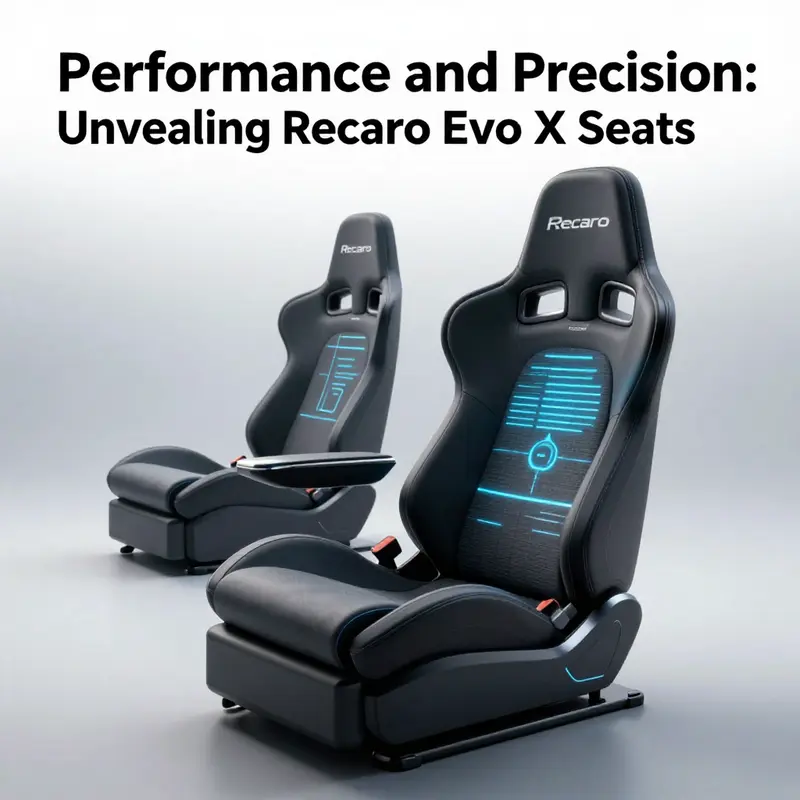
Electronic integration will shift seats from static fixtures to active components. Heating and ventilation are already common; the next step is adaptive temperature control tied to sensor inputs. Seats will sense sweat, micro-movements, and posture to adjust ventilation, bolster tightness, and lumbar support in real time. These systems will help maintain driver focus during long, spirited drives and reduce fatigue in track settings. Safety integration will deepen, with seats working alongside airbags and restraint systems to optimize occupant position at all times. Sensors embedded in the seat will eventually feed vehicle stability systems, improving the ability to anticipate driver input and maintain balance during dynamic maneuvers.
Wellness technology will enter the performance arena without compromising the core mission of a racing-style seat. Micro-massage elements, pressure-distribution mapping, and active lumbar support will be tuned for high-performance driving rather than luxury cruising. The goal is simple: reduce localized fatigue and keep the driver engaged. These features must remain subtle and robust. They should survive heat, sweat, and the higher g-loads common in track use. Expect configurable modes—track, sport, commute—so a seat can prioritize absolute containment on the circuit and comfort during street drives.
Lightweight construction will continue to be a priority. Vacuum-formed shells, optimized internal ribbing, and the strategic use of alloys for mounting hardware will reduce unsprung mass and lower the vehicle’s center of gravity. Weight savings will be achieved with an eye to safety certification and durability. The challenge is to shave mass while preserving crash performance and the rigidity necessary for harness mounting. Manufacturers will standardize modular mounting interfaces to enable aftermarket swaps with minimal fabrication, encouraging a broader ecosystem of compatible seats and brackets.
Serviceability and life-cycle thinking are becoming more important. Seats endure heavy use, sweat, sun, and occasional abuse. Future designs will be easier to refurbish. Replaceable cover panels, modular foam inserts, and standardized repair kits will make it simpler to refresh a seat without full replacement. This approach supports both sustainability and the enthusiast market, where reconditioning classic seats is part of the culture.
Aftermarket and OEM lines will blur further. Factory-fit performance seats set expectations, while specialist suppliers push new materials and features back into production cars. Corporate stewardship by firms that consolidate seating brands will accelerate innovation, funding research into new textiles, sensor integration, and mass-saving production techniques. That same consolidation will expand access to advanced features at lower price points. Enthusiasts can expect an expanding ladder of options: track-ready shells, hybrid daily-use models, and retrofit packages that preserve the look of original interiors while delivering modern performance.
Practical considerations remain central for owners of cars like the Evo X. Retrofitting modern seats into a chassis requires attention to mounting geometry, airbag compatibility, and electrical integration. A well-chosen swap should preserve the vehicle’s safety systems, alignment of seat sensors, and the driver’s sightlines. For those who prefer a direct upgrade without extensive modification, high-quality replacement seats that mirror the original fit and mounting points exist and can improve both comfort and performance. For example, enthusiasts often choose well-regarded Alcantara-front replacements to combine improved grip with period-appropriate styling.
Ultimately, the trajectory for Evo X–style performance seats points toward smarter materials, more tailored fit, and deeper electronic and wellness integration. The seat will remain an interface between human and machine, but it will do more than hold a driver in place. It will monitor, adapt, and support. For owners and builders, the path forward is about choosing components that strengthen that interface while respecting the car’s character. For accurate details on factory configurations and verified specifications, consult original manufacturer documentation.
For enthusiasts interested in upgrading interiors with like-for-like high-grip seats, consider checking specialized replacement options for modernized Alcantara front seats. More definitive technical and production details on factory seat configurations can be found from the primary vehicle manufacturer: https://www.mitsubishi-motors.com/vehicles/lancer-evolution-x/.
Final thoughts
In conclusion, Recaro Evo X seats represent a perfect fusion of cutting-edge design, high-performance functionality, and consumer demand. As the automotive industry continues to evolve, these seats not only cater to current performance needs but also set the stage for future innovations in ergonomics and customization. The emphasis on driver support and safety aligns with shifting consumer preferences towards personalized automotive experiences. It is clear that investing in high-quality seating solutions like Recaro Evo X seats can significantly enhance driving performance, satisfaction, and safety, proving their value in various applications, from race tracks to daily driving.