

As a business owner, choosing the right alloy wheels for your Mitsubishi Outlander can significantly enhance both the vehicle’s aesthetics and performance. Understanding the distinctions between OEM and aftermarket options will guide your decision-making process. This article explores OEM alloy wheels, provides insights into stylish aftermarket choices, discusses the impact on vehicle performance, and emphasizes the importance of regular maintenance. Each chapter will equip you with valuable knowledge to make informed decisions about your Outlander’s alloy wheels.
The Precision Fit: OEM Alloy Wheels and the Mitsubishi Outlander’s Balanced Drive

When the topic shifts from style to substance, OEM alloy wheels for the Mitsubishi Outlander reveal themselves as more than just a cosmetic upgrade. They are a carefully engineered interface between the vehicle’s chassis, suspension, braking system, and the road. OEM wheels are designed to match factory specifications with meticulous attention to dimensions, weight, load ratings, bolt patterns, and center bore sizes. This alignment is not merely about fitting a wheel to a hub; it is about preserving the Outlander’s intended handling characteristics, ride quality, and fuel efficiency. In the broader view of a family SUV that often traverses urban streets, highways, and the occasional rougher back road, the role of wheels becomes a fundamental contributor to safety, comfort, and long-term reliability. The advantage of starting with OEM alloy wheels rests on a principle as practical as it is precise: precise fitment minimizes vibration, optimizes braking balance, and maintains the vehicle’s designed unsprung mass, which in turn influences steering response and suspension compliance.
For models spanning a decade from 2015 to 2025, OEM alloy wheels come in a spectrum of finishes—machined, painted, and chrome—each finished to the same high standards that define the rest of the vehicle. The finishes are not mere aesthetics; they contribute to corrosion resistance, ease of maintenance, and long-term durability in the face of road salt, grime, and temperature fluctuations. The balance achieved by these wheels is not an incidental outcome. It is the result of engineering that ensures the wheel weight, hub fit, and overall inertia interact with the Outlander’s suspension geometry in a way that preserves ride quality while supporting confident cornering and predictable braking under various loads.
To understand the tangible specifics, consider an example from a recent factory specification set: an 18-inch wheel with a width of 7 inches and a relatively modest offset—often described in wheel catalogs as 18x7J with an ET38 offset for certain trims in the 2019–2020 generation. This combination is chosen to harmonize with the Outlander’s brake calipers, rotor diameters, and suspension travel. The goal is to minimize rub on full steering lock, keep sufficient clearance for the brake components during rapid deceleration, and avoid introducing unwanted scrub radius changes that could alter steering feedback. Such particulars—width, offset, center bore, and lug pattern—are not a shopping afterthought. They are the guardrails that keep acceleration response crisp, braking stable, and steering predictable as the vehicle shifts from city streets to highway lanes.
Choosing OEM wheels also means aligning with a wheel’s load rating, a critical factor for safety and reliability. The Outlander’s payload and all-terrain or all-weather usage demand wheels that can sustain steady loads without fatigue. OEM wheels are tested to withstand real-world operating conditions, including temperature swings and road impacts, and they are validated against industry standards for balance and durability. The testing regime, often aligned with ISO and SAE benchmarks, reassures owners that the wheel and tire package will behave consistently across the life of the vehicle. This is especially meaningful for families who rely on the Outlander for daily commuting, school runs, and weekend adventures, where predictable performance translates into peace of mind.
Compatibility remains a practical frontier when replacement or upgrade is considered. The Outlander’s design is tuned around a precise wheel profile, and any deviation from the original specifications can ripple through several dynamic systems. A mismatched wheel size or offset can alter the vehicle’s steering feel, brake rotor alignment, and brake pad contact, potentially leading to increased wear or vibration. Wheel balance, too, matters. A properly balanced OEM wheel reduces harmonic vibrations that might be felt in the steering wheel at highway speeds, contributing to a smoother ride and lower fatigue on longer journeys. Conversely, out-of-spec wheels can compromise ride quality, remind the driver of imperfect road contact, or even affect ABS calibration if the wheel and tire package is far from the intended dimensions.
In this context, OEM wheels become a reliable baseline. They guarantee compatibility with the vehicle’s braking system, including rotor diameter and caliper clearance, while preserving the Outlander’s designed ride height and suspension tuning. They also maintain the alignment compatibility that is part of the original design intent. For owners who value a stress-free, factory-original aesthetic, OEM options deliver a seamless integration of looks and performance that is easy to maintain and easy to resell without compromising the vehicle’s original intent.
Of course, the automotive landscape increasingly includes aftermarket wheels that offer divergent aesthetics and sometimes broader fitment flexibility. Aftermarket options can broaden choices for size, style, and finish, appealing to those who want a bolder stance or a sportier appearance. Yet this path invites a closer look at fitment details, as alterations in width, offset, backspacing, or bolt pattern can shift the balance of steering feel, ride comfort, and even braking efficiency. A wider wheel, for example, might improve grip and stance but can also encroach on fenders or rub against the suspension at full wheel turn if the offset is not carefully chosen. The Outlander’s typical suspension geometry is designed for a particular interaction with a wheel-tire package, so any aftermarket choice should be evaluated against specified clearance, load capacity, and the potential need for minor suspension or fender adjustments.
When weighing OEM versus aftermarket, most owners find that OEM wheels deliver consistency, safety, and resale value. They are designed to be a drop-in solution, preserving the vehicle’s original dynamic balance. Aftermarket wheels, while offering visual differentiation and sometimes enhanced aerodynamics or reduced weight, require careful verification of fitment and may necessitate recalibration of tire sizes to preserve speedometer accuracy and ABS behavior. The decision often hinges on a balance between personal style and the desire to maintain the Outlander’s intended performance envelope. Even as style becomes important to many owners, the underlying physics—moment of inertia, unsprung mass, and contact patch dynamics—remain the same. OEM wheels minimize the risk while aftermarket options demand a more deliberate fitment assessment, including checking tire aspect ratios, load ratings, and the possibility of additional wear on suspension components.
For readers seeking to explore related parts that influence the overall fit and feel of the Outlander’s platform, a practical approach is to view the broader ecosystem of OEM integration. The wheel is part of a family of components that ensures the vehicle’s performance envelope remains intact across wheel and tire changes. For example, while the primary focus here is wheels, adjacent parts pages—such as those detailing exterior or undercarriage components—offer a more complete sense of how factory design intent translates into everyday driving comfort and reliability. You can see a related Outlander component page that discusses broader vehicle integration here: front-bumper-mitsubishi-outlander-19.
In practical terms, the decision to stick with OEM wheels or move to aftermarket variants should hinge on the intended use, maintenance expectations, and ownership goals. If the priority is preserving factory ride quality, predictable handling, and long-term reliability, OEM wheels are a conservative and prudent choice. They minimize risk by staying within the vehicle’s tested envelopes and are generally simpler to service, replace, or re-seat with standard tires when needed. For owners who view wheels as a canvas for personal expression and who are prepared to manage a potentially more variable maintenance regime, a well-chosen aftermarket option can be rewarding. The key is to know the exact fitment requirements: diameter, width, offset, backspacing, lug pattern, center bore, and the corresponding tire sizes that maintain the vehicle’s intended contact patch, gearing, and overall geometry. The Outlander’s performance story is strengthened when wheels and tires work in concert with the suspension’s damping characteristics and the brakes’ thermal load management. OEM wheels, in this sense, serve as the baseline that protects the integrity of the entire system.
For enthusiasts who value documentable compatibility and traceable references, OEM wheels offer an appealing simplicity. They are manufactured to a consistent standard with controlled tolerances, and when purchased through reputable sources, they often carry warranties and clear part numbers that facilitate warranty claims and future replacements. This traceability is not merely bureaucratic; it is a practical safeguard that helps maintain the vehicle’s resale value and ensures that future maintenance aligns with the original engineering intent. While the allure of a glossy, custom finish may be strong, the transparency of factory specifications and the assurance of a balanced, well-integrated wheel package provide a durable foundation for the Outlander’s everyday duties as a family SUV, a commuter car, and a capable crossover for weekend adventures.
External reference for further technical context on wheel components and fitment considerations can be found at a major OEM-grade supplier resource, which reflects the type of certified components available through trusted channels for precise fitment and performance: https://www.alibaba.com/product-detail/Scount-3785A009-Wheel-Hub-Bearing-forMitsubishiOutlander1600449739385.html?spm=a2700.galleryofferlist.poffer.d_title.7b5e1f4dLkG2Qa
Forging Style and Performance: Customizing the Mitsubishi Outlander with Aftermarket Alloy Wheels
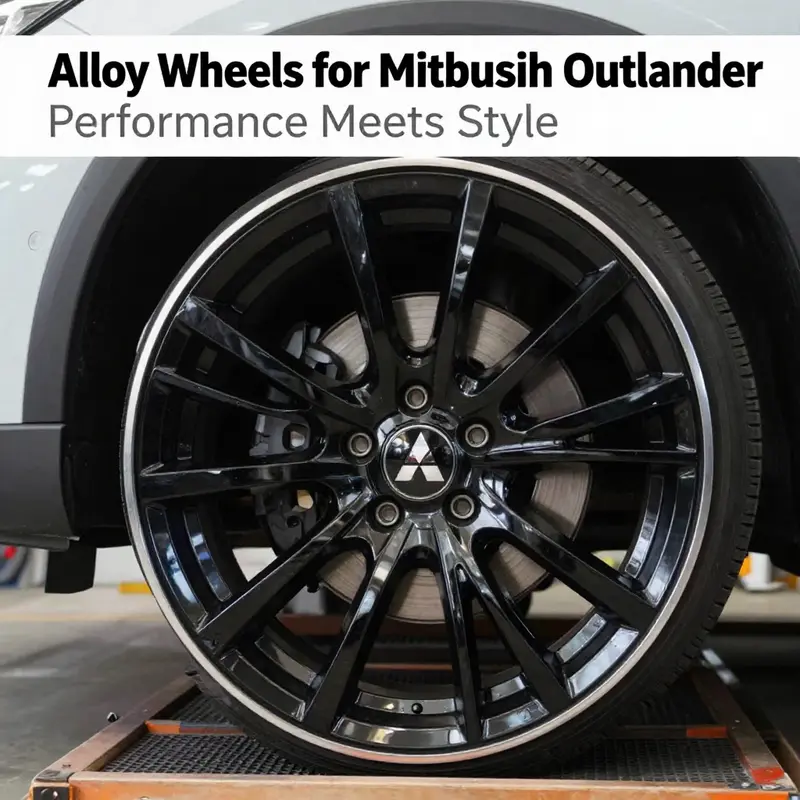
The Mitsubishi Outlander has long been valued for its balance of practicality, comfort, and versatility. It’s a platform that accepts change well, especially when owners seek to tailor its stance, feel, and personality without sacrificing reliability. Among the most impactful ways to accomplish this is through aftermarket alloy wheels. While OEM options provide factory-style compatibility, the aftermarket scene opens a broader spectrum of design, weight, and performance that can translate into noticeable everyday improvements. What starts as a cosmetic choice soon reveals itself as a multi-faceted upgrade, one that touches handling, efficiency, and the driving experience in tangible ways. For many Outlander owners, the journey from stock rims to an aftermarket set becomes a study in balance—between form and function, aesthetics and durability, and the practical realities of daily driving and occasional adventures beyond paved roads. The conversation around wheels is not merely about appearance; it centers on how a wheel’s architecture, weight, and fitment influence the vehicle’s behavior on every mile of the road. When done thoughtfully, an aftermarket alloy wheel upgrade can refine steering response, reduce unsprung weight, and enhance braking performance while delivering a refreshed look that matches a driver’s evolving taste for style.
At the heart of this transformation is the simple idea that wheels are not just housings for tires; they are integral parts of the vehicle’s suspension geometry and thermodynamic management. Alloy wheels, typically forged from high-strength aluminum alloys, offer a lighter alternative to traditional steel rims. The reduction in unsprung weight—those masses not supported by the suspension—translates into crisper turn-in, quicker shelf-to-stability transitions, and a more responsive feel in corners and on uneven surfaces. The practical upshot is clearer: improved acceleration, more predictable handling, and a suspension that can work more efficiently to maintain tire contact with the road. The stance of the Outlander also becomes a statement. A properly chosen aftermarket wheel can alter the vehicle’s visual mass, giving it a more athletic silhouette without requiring a harsh ride compromise. The result is a harmony between appearance and performance that aligns with how the SUV is used in daily life—urban commutes, family trips, and weekend getaways alike.
Choosing aftermarket wheels is a conversation about fitment as much as it is about aesthetics. The Outlander’s wheel bolt pattern and hub diameter are the baseline requirements that determine whether a wheel can mount securely without modification. Good aftermarket options are designed to match these fundamentals precisely, so mounting is straightforward and compatible with existing braking systems, sensors, and calipers. This compatibility is critical; even a slightly off spec could lead to rubbing, vibration, or degraded brake performance. With that understood, owners gain access to a broad spectrum of finishes and designs that were previously unavailable within the factory catalog. A genuine advantage of the aftermarket route is the ability to experiment with different looks—everything from a restrained gloss black to a bold brushed metal finish—while maintaining, or even improving, the wheel’s resistance to the rigors of daily use. The dialogue between form and function becomes a negotiation: how to select a wheel that complements the Outlander’s lines while delivering a tangible upgrade in handling and durability.
As a practical matter, the decision between OEM and aftermarket is not a binary choice but a spectrum of options that balance cost, performance, and personalization. OEM wheels provide a reliable baseline—often perfectly matched to the vehicle’s suspension geometry, brake systems, and overall design language. They guarantee compatibility and a factory feel, especially for owners who prioritize a seamless, known quantity. Aftermarket wheels, by contrast, invite experimentation. They allow larger diameters for a more imposing stance, wider widths for enhanced tire contact patch, and a variety of offsets to tune fender clearance and alignment with tire sidewalls. The downstream effects of these choices can be meaningful. A slightly wider wheel with a recessed offset can improve cornering grip and steering feedback, particularly when paired with appropriately chosen tires. Conversely, a wheel that is too wide or mounted with an improper offset can rub the fenders, degrade ride quality, or create brake clearance issues. The path to success is paved with careful measurement, fitment checks, and a willingness to test different combinations in a measured way.
In the realm of design options, aftermarket alloy wheels present a wide landscape of possibilities. Finishes range from polished chrome to matte or gloss black, colored accents, and brushed metallic appearances. The visual impact of a wheel is not merely cosmetic; it can influence how light interacts with the vehicle’s body lines and how the wheels read at speed. Design language runs the gamut from sleek, multi-spoke configurations that emphasize elegance to bold, deep-dish profiles that convey performance-oriented aggression. The wheel’s silhouette also communicates a message about use-case expectations: a more understated pattern often implies daily driving with a focus on reliability, while intricate, high-contrast designs can signal a willingness to push performance boundaries within the Outlander’s practical frame.
Size is another critical variable. Common aftermarket choices for crossover-SUVs like the Outlander include 18- and 19-inch diameters, with widths chosen to balance tire sidewall protection, ride comfort, and braking clearance. A larger diameter can sharpen the visual stance and improve throttle response and turn-in, but it can also raise the ride’s stiffness and limit tire selection options. The tire-tire-wall relationship becomes central: a lower-profile tire can improve steering sharpness and cornering grip, yet it reduces ride comfort and increases susceptibility to wheel and suspension impacts on rough pavement. The ideal pairing depends on how the Outlander is used day to day: a city- and family-friendly setup often leans toward a balance that preserves a comfortable ride, while an enthusiast-driven configuration can tolerate a firmer ride in favor of sharper handling and more aggressive aesthetics. The art lies in selecting a wheel and tire combination that preserves braking clearance, caliper visibility, and wheel well compatibility while achieving the desired look and performance.
For owners who want to take a practical, real-world step toward upgrading, consider a wheel with a backspace and offset that aligns with the vehicle’s existing brake calipers and hub center. A thoughtful configuration can maintain accurate speedometer readings and ABS function while delivering a noticeable improvement in steering response and brake cooling potential. In addition to the wheel itself, the peripheral components—the hub-centric design, the lug nut seats, and the compatibility with center caps—play a supporting role in the overall fit and finish. Center caps, though often considered a finishing touch, contribute to a clean, factory-like appearance and can shield lug nuts from the elements, preserving the wheel’s cosmetic integrity over time. While specific product names are not the focus here, recognizing the importance of these components helps ensure a coherent upgrade path that respects both the Outlander’s daily practicality and its more expressive side.
As owners explore aftermarket routes, they often encounter a diverse ecosystem of options. Some wheels are engineered with reinforced spokes to accommodate higher loads and occasional off-road use, which can be appealing for drivers who pursue longer trips or rougher terrain. These designs also tend to incorporate improved ventilation around the brake rotors, aiding heat dissipation during extended driving or spirited sessions on winding back roads. The broader benefit of improved heat management is not solely about preventing brake fade during aggressive driving; it also translates into longer pad and rotor life by reducing thermal stress. In practical terms, a well-chosen wheel and tire package supports better braking performance, more consistent pedal feel, and a stable platform for the Outlander’s suspension to manage bumps and undulations with less energy transfer to the cabin. In daily driving, these factors converge to deliver a more confident, composed experience—especially when navigating uneven urban streets or transitioning from highway speeds to city stop-and-go traffic.
The customization journey also involves a consideration of tire compatibility. Wheel width and diameter influence tire choices, which in turn affect ride quality, noise, rolling resistance, and wet-weather performance. A careful pairing of wheel and tire can preserve or even improve grip levels in rain and snow, while maintaining appropriate tire sidewall protection. This becomes particularly relevant for drivers who use their Outlander in mixed conditions or for those who encounter seasonal shifts in weather. The right combination of wheel and tire can maintain adequate ground clearance, minimize rubbing, and keep the vehicle’s overall balance harmonious through every season. It’s important to approach this as a holistic upgrade, not a stand-alone change. The wheel is a key element of a broader system that includes tires, suspension, brakes, and steering—a system whose performance grows more cohesive when each component is thoughtfully matched to the others.
In discussing the practicalities of an aftermarket wheel upgrade, a straightforward but essential step is to verify fitment with the Outlander’s existing hardware. The wheel’s bolt pattern and hub diameter must align, while sufficient brake clearance must be preserved for full caliper movement and rotor heat dissipation. If the wheel tucks too deeply into the wheel well or protrudes beyond the fender line, rubbing can occur under compression or during steering. Conversely, wheels that sit too far out can affect steering geometry and may require fender rolling or other modifications, which are best avoided unless planned. For this reason, would-be buyers often begin with a conservative choice in diameter and width, then consider more aggressive options as they gain confidence in fitment and road feel. In the broader narrative of upgrade planning, this approach preserves the Outlander’s practicality while enabling a personal expression through its wheels.
As an illustrative aside for readers curious about consultation and selection in the field, there are practical resources that catalog fitments and test various combinations. For instance, there are rim-fit resources that discuss compatibility with Mitsubishi configurations across different models and generations, including options that one could adapt for the Outlander’s footprint. While that specific resource centers on a different Mitsubishi model line, the underlying principles—matching bolt patterns, ensuring brake clearance, and confirming hub compatibility—remain directly applicable to the Outlander. If you’re curious about how wheel fitments are considered across Mitsubishi platforms, you can explore examples that address rim geometry and mounting interfaces, which often resemble the constraints you’ll encounter when upgrading the Outlander’s wheels. This cross-model insight can illuminate the decision-making process without requiring a full commitment to any single product line. 17-rims-fit-mitsubishi-eclipse-wheels-2018-2019-2020-2021-2022-2023-17×7-5-new.
The aesthetic payoff of aftermarket wheels should not be underestimated. A well-chosen wheel can elevate the Outlander’s presence on the road, complementing body lines with a more aggressive stance or a refined, understated sophistication. The gloss or matte finishes can play with sunlight and shadow in a way that accentuates the SUV’s silhouette, while the wheel design itself—whether a clean, multi-spoke approach or a deeper dish—adds a layer of personality that speaks to the owner’s tastes. The ultimate outcome is a vehicle that looks more intentional and feels more responsive. The experience is not about chasing the loudest look or the slickest twist; it’s about achieving a balanced upgrade that harmonizes with the Outlander’s daily responsibilities and occasional bursts of spirited driving.
In the broader context of the article, aftermarket alloy wheels for the Outlander emerge as a practical path to performance enhancement and personal expression. The decision-making process respects the vehicle’s design language and its usability, acknowledging the need for reliability and ease of maintenance. A thoughtful wheel upgrade preserves the Outlander’s core attributes—space, comfort, cargo capacity, and all-weather adaptability—while inviting the driver to enjoy a more connected driving experience. The balance between improved handling, fuel economy, and durability becomes a dynamically achieved target rather than a fixed endpoint. When approached with due diligence—checking fitment, respecting brake clearance, and selecting compatible tires—the Outlander can wear a new set of wheels that enhances its character without compromising the traits that make it a practical family SUV.
External resource: Visions Auto’s aluminum center caps provide a finishing touch that protects lug nuts and adds a factory-like polish to upgraded wheels. While the broader discussion here centers on fitment and performance, finishing details contribute to a cohesive, durable upgrade. See the reference at https://www.visionsauto.com/ for more information on center-cap solutions that complement aftermarket wheel sets.
Turning Performance: How Alloy Wheels Redefine the Mitsubishi Outlander’s Handling, Efficiency, and Style
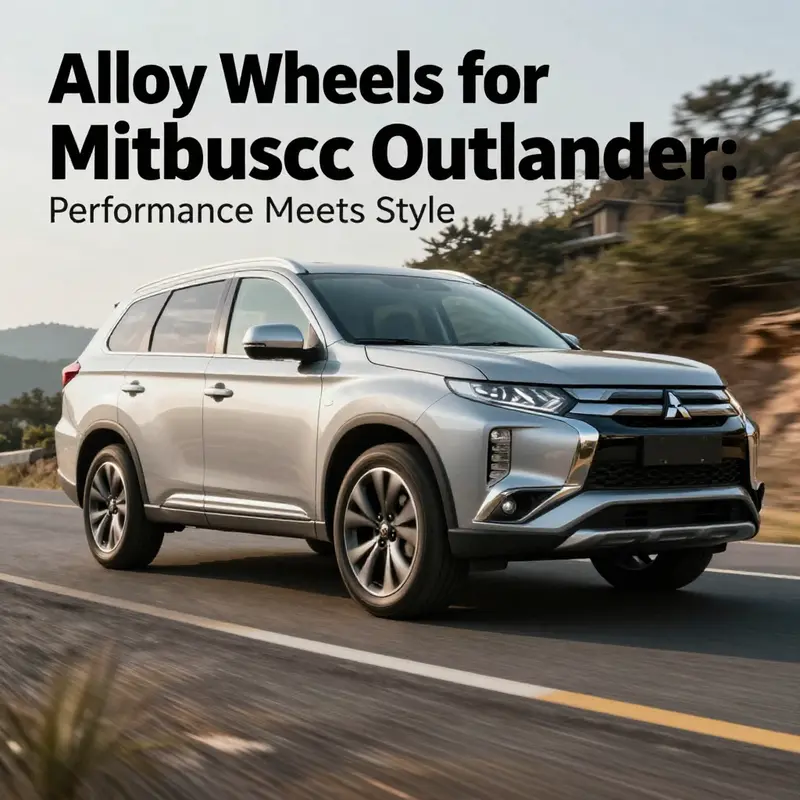
Alloy wheels are often the first upgrade owners consider when they think about sharpening the Mitsubishi Outlander’s performance, but their value goes far beyond a cosmetic refresh. They influence how the vehicle feels on every road, how efficiently it moves, and how long its braking systems stay reliable under real-world conditions. In the Outlander’s case, the balance between OEM and aftermarket options adds another layer of nuance. OEM wheels are designed to match factory specifications and preserve the intended dynamic character of the vehicle, while aftermarket wheels open a window to lighter mass, different widths, and bolder aesthetics. The way these wheels interact with the Outlander’s suspension, drivetrain, and braking system translates into tangible differences in ride quality, acceleration, cornering confidence, and even fuel economy. The practical takeaway is that the right alloy wheel choice can subtly, yet meaningfully, improve the driving experience without forcing a compromise on daily usability or safety.
From the first turn of the wheel, the most noticeable effect is the reduction in unsprung mass. Alloy wheels, especially those forged or high-quality cast varieties, typically weigh less than their steel counterparts. This decrease in unsprung mass means the suspension has less mass to control as it encounters bumps, potholes, and road irregularities. The outcome is a more responsive ride with less of the jitter that can travel through the steering wheel and seat. When a wheel is lighter, the suspension can more quickly regain its intended geometry after a disturbance, which helps the Outlander maintain better tire contact with the road. This translates into crisper steering feedback and a more planted feel, even when the pavement is less than perfect. For drivers who spend time on winding rural roads or in urban environments with rough patches, the difference is often noticeable in everyday driving—an Outlander that feels more composed and controllable, with reduced steering effort required to maintain smooth lines through corner transitions.
Aesthetics are not merely about vanity; they influence perceived and actual performance. Larger-diameter alloy wheels can balance the Outlander’s overall silhouette by filling the wheel arches in a way that shifts the vehicle’s visual weight and stance. The look of a wheel communicates intention—precision, sportiness, durability—and this perception often aligns with how drivers carry themselves on the road. When wheels are thoughtfully chosen to complement the Outlander’s design language, the vehicle appears more athletic, and that impression can extend to driving behavior. A well-chosen wheel-and-tire package harmonizes with the bodywork, creating a cohesive visual statement that also signals improved stiffness and rigidity in the rotating assembly.
But the benefits extend to efficiency as well. The lighter the wheel, the less energy the drivetrain must expend to accelerate and maintain speed. This is particularly relevant for the Outlander family that includes PHEV variants, where every gram of rotating mass matters for electric assist and overall efficiency. Lighter wheels reduce the energy required to spin up the wheels during acceleration and help the motor or electric drivetrain respond more quickly to throttle inputs. In practical terms, this can translate to a more eager feel when stepping on the accelerator and a more confident response when merging or overtaking, without a corresponding hit to range or fuel consumption. Yet it is essential to pair lighter wheels with appropriate tires. A wheel that saves weight but is paired with a tire that compromises grip or ride comfort negates the potential gains. The synergy between wheel width, offset, and tire construction determines the end result—an Outlander that not only looks sharper but also rides and handles with improved efficiency and poise.
Heat management is another critical piece of the performance equation. Alloy wheels provide superior heat dissipation compared with steel wheels. In aggressive driving, repeated braking can elevate rotor and pad temperatures, which may lead to brake fade if cooling is insufficient. The ability of alloy wheels to shed heat more effectively helps maintain braking performance over longer periods of sustained braking or hill descents. Cooler brakes resist fade and retain stopping power, which is especially valuable on extended stretches of mountainous terrain or in stop-and-go traffic where the Outlander’s stopping dynamics matter most for safety and confidence. While brake components themselves wear over time, wheels that facilitate heat dissipation contribute to longer brake life and more consistent performance.
Material choice matters when translating these benefits into real-world results. Forged wheels, though typically more expensive, offer the strongest performance-to-weight ratio. They deliver superior strength for a given weight, which means you can achieve substantial weight savings without sacrificing structural integrity. Cast alloy wheels, while generally heavier than forged, still offer meaningful weight reductions over steel and can be designed with complex, attractive styles that enhance both performance and aesthetics. For the Outlander, the choice becomes a balance between daily practicality and performance goals. Those who prioritize a sportier feel, sharper throttle response, and enhanced braking coherence may lean toward forged or high-quality cast options, while owners seeking cost efficiency and broad availability may opt for OEM-style cast wheels that preserve the factory dynamics and ride calibration.
The conversation about durability and resilience is equally important. Alloy wheels exhibit greater susceptibility to cosmetic and structural damage when confronted with potholes or curbs, particularly if the wheel width is increased beyond factory recommendations or if offsets shift the tire contact patch in ways that increase exposure to hazards. This is not a universal drawback, but a real consideration for owners who navigate rough urban streets or frequently strike debris. Responsible choice involves selecting a wheel width and offset that preserve the intended tire profile and maintain adequate clearance within the wheel housing. Staying within the vehicle’s known specifications helps minimize rubbing, rubbing-induced heat, and uneven tire wear.
The chapter’s central takeaway is balanced: alloy wheels can enhance ride quality, handling, braking performance, and efficiency when chosen with an understanding of the Outlander’s engineering. The two main categories—OEM and aftermarket—each have a distinct role. OEM wheels preserve the exact calibration the manufacturer designed for the vehicle, so steering feel, ride quality, and braking behavior remain predictable and consistent with the family’s driving dynamics. Aftermarket wheels, on the other hand, offer a broader spectrum of weights, widths, offsets, and finishes. They can sharpen the Outlander’s response and stance, but they also require careful matching to the vehicle’s suspension geometry and braking system to avoid unintended trade-offs in comfort or safety. A practical approach is to define personal priorities first: is the focus on daily comfort and fuel economy, or on a more aggressive, sporty feel and a bold look? Once priorities are set, a wheel selection that respects factory specifications for offset and width can yield the best blend of performance and practicality.
In the broader context of the Outlander lineup, the interplay between wheel choice and drivetrain configuration matters. The Outlander’s modern iterations include plug-in hybrid variants that emphasize low rolling resistance and energy efficiency. In these versions, the reduced rotational inertia of lighter alloy wheels plays a larger role in perceived responsiveness and range optimization. However, this does not imply that any light wheel will automatically improve performance. The tire’s characteristics—tread pattern, compound, and profile—must harmonize with the wheel’s width and offset to sustain predictable handling and safe brake performance. A wider wheel can accommodate a wider tire for enhanced grip, but without proper calibration, it may alter steering feel or impact ride comfort. Small, well-chosen changes—keeping within OEM offset ranges while maximizing a balanced 18- to 19-inch wheel diameter—often yield the most reliable gains.
Choosing wisely also means considering maintenance and lifecycle costs. Alloy wheels, particularly those with intricate spoke patterns or lightweight designs, can be more expensive to repair or replace after damage. They may also require more attentive maintenance to prevent cosmetic issues such as curb rash or corrosion. Yet the upside is a wheel that better resists heat, shaves weight, and improves each dynamic attribute described above. For a typical Outlander owner, the decision often hinges on how much weight can be shaved without sacrificing structural integrity and how bold a style statement is desired without compromising daily practicality. In every case, careful selection is essential to maximizing the benefits.
For readers who want to explore cross-model compatibility and broader wheel options, there are resources that discuss rim fit across different Mitsubishi models. One practical entry point is a category that delves into rims fitment, including 17-inch rims that have been used on multiple Mitsubishi platforms. 17 rims fit mitsubishi eclipse wheels 2018-2023-17×7-5-new. While not Outlander-specific, this guide can help a reader understand how a given wheel width, diameter, and bolt pattern might translate across model lines, informing a more confident, informed selection process for those who plan to upgrade their Outlanders.
As the Outlander continues to evolve, the conversation about alloy wheels remains integral to the vehicle’s broader performance narrative. The goal is not to chase the lightest possible wheel at any cost, but to find a wheel that integrates with the vehicle’s chassis, braking, and suspension architecture to deliver smoother ride quality, sharper handling, and reliable braking performance under real-world conditions. In practice, this means validating the wheel’s weight, ensuring the correct offset and width, and pairing it with a tire that supports the intended driving experience. It means acknowledging that OEM wheels can provide a dependable baseline that preserves the character and reliability of the Outlander, while carefully chosen aftermarket options can elevate performance and personality without sacrificing daily usability. When done with care, alloy wheels become a meaningful lever for owners to tune the Outlander’s dynamics—an upgrade that touches every mile of the road through improved ride comfort, responsive handling, and enduring braking confidence.
For those seeking a more structured approach to wheel selection, a broader external guide offers a framework for understanding how to choose Mitsubishi Outlander wheels. It covers considerations from weight and offset to tire compatibility and overall efficiency, helping owners make informed decisions that align with their driving priorities. How to Choose Mitsubishi Outlander Wheels Guide. This external resource complements the chapter’s discussion by situating wheel upgrades within a practical, user-focused decision process.
Preserving Shine and Strength: Comprehensive Maintenance and Care for Alloy Wheels on the Mitsubishi Outlander
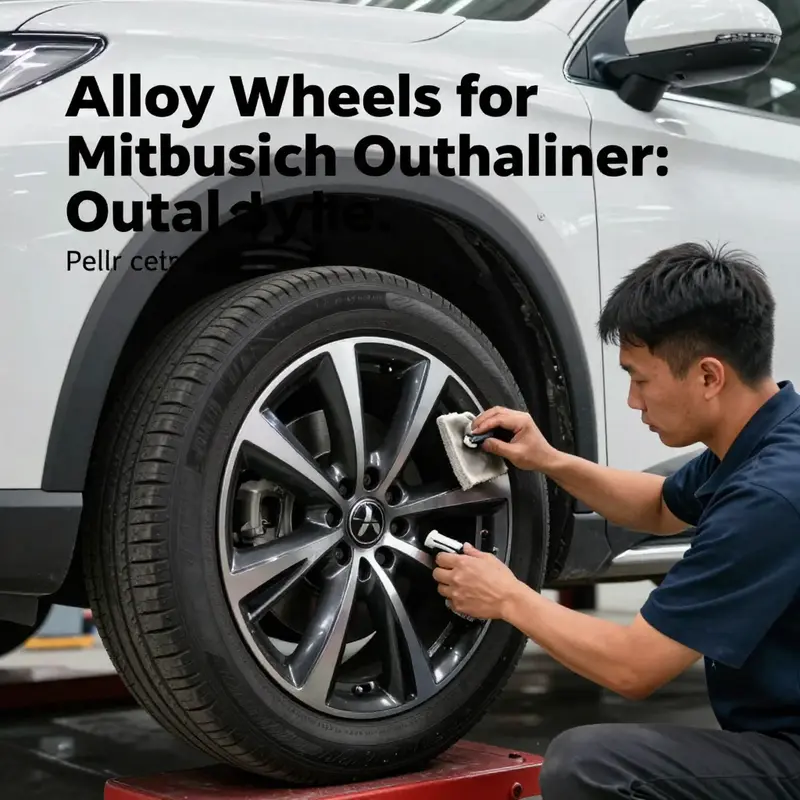
Alloy wheels do more for the Mitsubishi Outlander than simply dress up its stance. They combine lightweight strength with the aesthetic appeal owners want, contributing to handling, braking performance, and even fuel economy. But the benefits come with an ongoing responsibility: alloy wheels demand regular care to preserve their finish, prevent structural issues, and maintain the overall driving experience. In the Outlander, where comfort, practicality, and reliability are paramount, a thoughtful wheel care routine becomes part of the vehicle’s daily maintenance, not a sporadic cosmetic gesture. The following approach blends practical cleaning, proactive inspection, and protective strategies into a seamless rhythm that matches how most owners actually use their SUVs. It is not a checklist to be rushed through but a sustained practice that respects both the wheel’s engineering and the road it travels on.
Cleaning is the first line of defense against corrosion and dullness. Brake dust, road grime, and road salt can accumulate quickly on alloy surfaces, especially on exposure-prone areas like the wheel lips and the inner barrel. Regular cleaning reduces the buildup that can etch into finishes over time. The recommended cadence is simple: wash when the wheels are cool, not after a long drive when heat can cause cleaner solutions to dry too fast and leave spots. A mild soap and water solution works for routine washes, but a dedicated alloy wheel cleaner is worth considering for aluminum or magnesium alloys. These products are formulated to cut through stubborn brake dust without harming the finish if used as directed. A soft-bristled brush is ideal for reaching into spoke intersections and narrow crevices where grime hides, while a microfiber cloth can handle flat surfaces without scratching. When the water runs clear and the wheel looks bright again, rinse thoroughly to remove any cleaner residue. Finally, dry with a clean microfiber towel to prevent water spots and mineral deposits that can mar the finish over time.
Beyond the routine wash, periodic, more thorough inspections protect against hidden problems that could compromise safety. Visually inspect wheels for cracks, scratches that expose underlying metal, and any bending or deformities around the rim lip. Cracks and cracks near spoke joints can indicate stress from potholes or curb contact, while bends may affect tire seating, run-out, and tire wear. Even minor damage deserves careful attention because it can compromise tire seal integrity and ride quality. If a tire bead area looks compromised or air leaks develop, or if there is a vibration that cannot be traced to tires or suspension, professional assessment is prudent. It is also wise to watch for corrosion around the mounting hub and lug holes; corrosion can affect balance and wheel alignment, especially on alloy wheels where the protective finish may be thinner than on steel wheels.
Professional assistance becomes a sensible precaution when any doubt arises. If you notice bending, hairline cracks, or if the wheel has suffered a significant impact—such as a deep pothole strike or a curb collision—arranging a skilled inspection is essential. A trained technician can assess structural integrity, measure run-out, and determine whether repair is possible or if replacement is necessary. A balanced approach to wheel care also involves the tires themselves. Proper inflation pressure as specified by the manufacturer, regular rotation, and alignment checks help reduce uneven stress on the wheels and curb the risk of accelerated wear or deformation. The Outlander’s suspension and steering geometry benefit from this integrated care, especially when traveling on mixed road surfaces or during long highway trips where thermal and mechanical stresses accumulate.
A clean wheel is not only about appearance; it is also about long-term protection. After cleaning, considering a clear protective coating or sealant designed for alloy wheels can create a barrier against road salts, brake dust, and environmental contaminants. These coatings can simplify future cleaning by preventing grime from bonding as tenaciously to the finish. If you choose a protective layer, follow the manufacturer’s instructions to the letter and avoid products that claim to “wax” the wheel in ways that could hinder future refinishing or repair work. The caveat here is important: protective coatings do not replace the need for regular cleaning or inspections. They are an aid that, when used properly, keeps the wheel surface looking fresh and eases maintenance rather than a substitute for it.
Another integral aspect of wheel care on the Outlander is understanding how wheel materials and finishes respond to different environments. Aluminum alloy wheels commonly present excellent strength-to-weight characteristics, but their finishes can vary—from painted to clear-coated to polished machined surfaces. Each finish has unique care requirements. Painted finishes tolerate mild cleaners and frequent cleaning but can show chips and road rash that invite corrosion if left untreated. Machined or polished surfaces reveal their beauty through careful polishing and avoidance of abrasive compounds. Clear-coated finishes, while offering a strong protective layer, still benefit from non-abrasive cleaners and gentle handling to reduce micro-scratches. In all cases, avoid harsh solvents, acidic cleaners, or abrasive scrubbers that can deteriorate the finish or dull the look. The objective is not merely to wipe away dirt but to preserve the wheel’s original state as intended by its design.
The care of wheels resonates with the broader maintenance heart of the vehicle. Tire maintenance interacts closely with wheel health. Correct tire inflation underpins steering response, ride comfort, and even tire life, all of which indirectly influence wheel safety. Under-inflation or over-inflation introduces uneven pressure across the wheel’s contact patch, increasing the risk of bead slippage or heat buildup that, in turn, can affect the wheel-rim area. Alignment checks help prevent irregular tire wear that sits unevenly on the wheel’s rim, which can otherwise resemble a wheel defect. When tires wear unevenly or aggressively, it might be the mirror of wheel misalignment, a problem that deserves timely correction before it propagates to more serious mechanical issues.
In the realm of long-term protection, a thoughtful approach considers the lifecycle of the wheel’s appearance and structural integrity. A clear protective coating or sealant can reduce the frequency of aggressive cleaning required and minimize the likelihood of stubborn contaminants bonding to the surface. It is a practical practice that harmonizes with an owner’s routine rather than something to be applied only when a wheel looks tired. A protective layer also makes future maintenance simpler and more predictable, especially for Outlander owners who may encounter harsher winter conditions or coastal climates where salt, moisture, and humidity interact with the wheel’s surface. Yet, the choice of protection must be matched with proper maintenance; neglecting cleaning after protective coatings can still allow grime to accumulate and reduce the coating’s effectiveness. The goal is steady, predictable care that keeps the wheel finish uniform and the structural elements uncompromised.
For owners who explore aftermarket options or want a wider range of wheel designs for the Outlander, it is important to consider how care differs with finishes and machining techniques. While aftermarket wheels can deliver bold aesthetics or enhanced performance, the finish durability and repairability can vary. Even when a wheel design feels like a perfect match, the maintenance approach remains largely consistent: clean, inspect, protect, and, when in doubt, seek professional advice. A key point to keep in mind is torque and mounting compatibility. Alloy wheels must be mounted with the correct lug pattern and torque specification to ensure safe seating and even pressure distribution. Mismatched bolts, improper torque, or hub-centric issues can amplify stress on the wheel and lead to long-term damage that isn’t readily visible, especially on a vehicle that travels varied terrain and weights from passengers and cargo.
To bring a tangible sense of what ongoing wheel care looks like in daily life, imagine a typical weekend outing in the Outlander. After a week of mixed driving—from urban commutes to light off-road errands—the wheels reveal a fine layer of brake dust and mineral water spots from a lakeside stop. A simple, calm routine unfolds: cool wheels, rinse, soap, gentle brushing, then a careful dry with a microfiber towel. If some stubborn spots resist, a designated alloy wheel cleaner can be applied in a patch, left for a moment, and then rinsed away. The wheel is then checked for any subtle signs of damage, even tiny scuffs along the rim that might have occurred during a curb encounter or a heavy-spend wash. A quick torque check on the lug nuts during a routine tire rotation can further catch early signs of loosening or uneven seating. If a minor scratch is noticed, you might decide to apply a protective coating to the affected area, knowing that this is part of a broader, proactive care strategy rather than an isolated patch. This integrated approach keeps the wheel’s performance and appearance aligned with the Outlander’s overall reliability and value.
In practice, a maintenance mindset for alloy wheels is about consistency rather than perfection. It requires a steady rhythm of cleaning, inspection, and protection, with an eye toward environmental factors such as winter road salt, coastal humidity, or desert dust that can influence material wear rates. By staying attuned to changes in wheel finish and stiffness, Outlander owners can address issues early and avoid the more expensive consequences of neglect. A little routine maintenance also has a broader payoff: it helps preserve the resale value and keeps the vehicle looking as well as it performs. If the wheel needs professional refinishing or repair, that service becomes part of a longer-term plan rather than a last-minute scramble. When done consistently, wheel care becomes a quiet, almost invisible safeguard for the vehicle’s overall health and appearance.
For those curious about wheel options that pair well with a thoughtful care routine, there are practical avenues to explore. A reputable source for high-quality wheels offers a selection of rims that maintain balance between design and durability. When considering aftermarket options, look for wheels designed with corrosion resistance and easy-to-clean finishes in mind. These choices can complement a careful maintenance plan rather than complicate it. For readers wanting to explore a specific wheel option within a credible catalog, one resource is the following: brand-new-original-bbs-rims-set-of-4-r18-rims-for-lancer-sedans. This link provides an example of how a wheel design can be both visually striking and compatible with rigorous care routines, though the Outlander should always be matched with wheels that meet its mounting and load specifications.
In sum, maintenance and care for alloy wheels on the Mitsubishi Outlander is a disciplined, practical practice. It blends cleaning that respects finishes with inspections that catch structural concerns early, and it couples protective measures with tire maintenance to minimize overall wear. It is about keeping the wheels looking sharp and performing reliably under varied driving conditions. When owners adopt a steady routine—wash cool, clean with appropriate products, inspect for signs of damage, protect with a suitable sealant, and maintain tire pressure and alignment—the Outlander benefits from wheels that stay true to their designed purpose. In this way, the wheels remain an integral part of the vehicle’s character, ready to complement its versatility, safety, and everyday practicality.
External resource: For official care guidance and model-specific recommendations, consult the official Mitsubishi Motors North America site at https://www.mitsubishimotors.com.
Final thoughts
Investing in the right alloy wheels for your Mitsubishi Outlander is a vital decision that impacts not just aesthetics but also performance and vehicle longevity. By exploring both OEM options and stylish aftermarket choices, you can tailor your Outlander to better fit your taste and driving needs. Long-term benefits include improved ride quality and durability, especially when coupled with diligent maintenance practices. Ensure that your wheels are suited to your driving style and environment to maximize your vehicle’s potential.