

The Mitsubishi Lancer Evolution X (Evo X) is not just a high-performance vehicle; it embodies a culture of motorsport heritage. At the heart of its driving experience is the design and functionality of its seats. Known for their unparalleled support and ergonomic design, the Evo X seats, particularly the Recaro models, signify a blend of performance and style. This article breaks down their design and performance attributes, market availability, and engineering insights to underline why these seats hold such value for car enthusiasts and business owners alike.
Seated for Speed: The Design, Performance, and Market Pulse of Lancer Evo X Seats
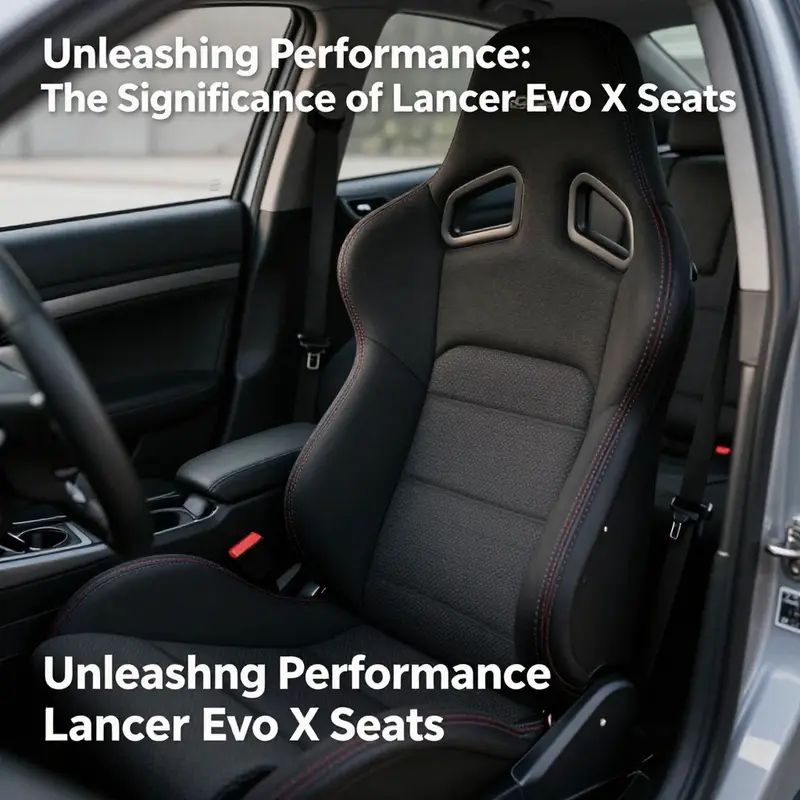
In the Lancer Evolution X, seating is more than comfort; it is a core element of the car’s performance identity. The way a driver sits, holds, and reads the car responds to the demands of high-power, all-wheel-drive dynamics, and the quick, precise feedback that separates a track-day hero from a good daily driver. The Evo X seats are a tactile expression of that philosophy, blending purpose-built geometry with materials that endure the heat, sweat, and stress of aggressive driving while still delivering a sense of refinement inside a compact, track-ready sedan. The prosaic truth is that the seat is the bridge between the body and the machine: it translates engine torque, chassis balance, and steering input into a geometry of control that a driver can trust through the heaviest corners and the sharpest transitions. When one sits in the car and feels the seat’s containment, the hands on the wheel become more confident, the foot finds the throttle with less thought, and the eyes stay focused on the exit from the corner rather than on chasing posture.
From an engineering perspective, the Evo X seat is a carefully tuned interface. The typical front-row design uses a bucket-like form that channels the occupant into a fixed, planted posture. Deep side bolsters grip the hips and torso, creating dramatic yet controllable lateral support during aggressive cornering. This level of containment is not merely about keeping the body from sliding; it is about maintaining a consistent contact point between the spine, pelvis, and the seatback as the vehicle experiences high lateral G-forces. In a car that pairs a turbocharged four with a sophisticated all-wheel-drive system, the added confidence from that seat geometry translates directly into the driver’s ability to carry speed through transitions and to deliver throttle modulation with minimal upper-body movement. The effect is not only a matter of grip but of predictability: a driver can anticipate how the car will respond to steering and throttle input when the body remains anchored in a known position.
The Evo X’s seating package also serves a broader, aesthetic function. The interior aims for a performance-oriented atmosphere, combining sportiness with a sense of precision and control. The seat surfaces typically rely on high-grade synthetic materials that evoke the look and feel of premium leather while offering enhanced durability, stain resistance, and easier maintenance. This material choice supports the car’s lightweight, track-focused design by balancing tactile quality with functional resilience. The seat surfaces’ texture and color tones contribute to the cockpit’s overall atmosphere, which in turn reinforces the driver’s sense of engagement with the car. The ergonomics extend beyond the surface: the backrests are contoured to follow the natural shape of the spine, promoting long-term comfort during extended drives and longer stints on open roads or race days alike. The combined effect is that the seat becomes a living partner in the car’s performance narrative, not a passive accompaniment to the chassis and engine.
As the chassis communicates through the seat, the frame itself carries a quiet, uncompromising stiffness. The seat frames are reinforced to withstand the kinds of high-load, repetitive forces that occur during high-speed cornering, rapid deceleration, and heavy braking. That reinforcement matters not only for safety but for feel: a rigid structure reduces unwanted flex, which could otherwise distort the driver’s sense of alignment with the pedals and wheel. The resulting architecture—firm, supportive, and precise—helps the driver maintain a consistent seating position in the face of dynamic weight transfer. It also contributes to the perception of directness that defines a true performance car: when the seat remains stable, the driver’s input translates to predictable, measurable responses from the car, helping to reduce fatigue over long sessions and enabling more decisive, confident moves at the limit.
The material and design choices work together to support a range of driving modes, from daily commuting to weekend track sessions. The Evo X is engineered to excel in both contexts, and its seats reflect that dual purpose. In daily use, a well-contoured backrest and supportive thigh area prevent numbness and discomfort during longer drives. In extreme driving, the same features keep the driver securely planted, reducing the chance of shifting around in the seat during high-G corners and hard transitions. In this sense, the Evo X seats embody a core engineering principle: performance enhancement should not come at the expense of comfort or usability. The aim is a harmonious balance where the seat contributes to control and confidence as much as it does to endurance and aesthetics.
From a materials science point of view, the upholstery choice also impacts heat management and durability. Premium synthetic leather-like materials are chosen for their resilience to sun exposure, abrasion from seat belts, and general wear. The surface treatments help resist UV degradation and keep the seat appearance closer to its original tone after many miles. The perceived quality matters as well: a seat that looks and feels well-made reinforces the driver’s sense of precision and purpose inside the car. The fabric’s texture and the color gradient in the seating area can subtly influence how the driver perceives the surrounding cockpit, guiding focus toward the road and away from interior distractions. All of these factors—ergonomics, materials, surface finish, and structural integrity—coalesce to craft a seat that does more than support a body; it contributes to a driver’s ability to stay in sync with the car’s dynamic language.
The Evo X’s seating philosophy also plays into the broader conversation about weight and efficiency. In a vehicle designed to emphasize balance and speed, weight is a consideration in every component. Seats that provide essential support with minimal excess mass contribute to the car’s overall performance envelope. The design prioritizes a compact footprint and careful material selection to achieve a favorable ratio between support, durability, and weight. At the same time, the seat must accommodate a range of driver sizes, adjusting to fit a spectrum of physiques while preserving the intended grip and posture. That adaptability is part of what makes the Evo X seats feel so integral to the car’s identity: they are not generic inserts but a bespoke interface crafted to translate human input into precise machine response.
From an ownership and maintenance perspective, these seats are designed for longevity. The upholstery’s surface treatment resists the typical spill and stain scenarios that occur in daily use and during spirited drives. The deeper seat contour, reinforced frame, and high-bolster geometry all work in concert to maintain shape and support, even as the seat endures repeated forward, backward, and lateral loads. Special attention is paid to how the seat interacts with safety systems, such as seat-mounted restraints and airbags, ensuring that the geometry does not interfere with passive safety performance. This awareness underscores a practical truth about owning a performance-oriented sedan: the seat is part of the car’s safety architecture as much as it is its comfort and control system. The result is a cockpit that remains both protective and precise, a space where driver and car can push toward the edge of grip with confidence.
Market dynamics around Evo X seating introduce an additional layer of complexity and interest for enthusiasts and collectors. On the aftermarket and replacement fronts, the story of the Evo X seat has elements of scarcity and desirability. Listings on reputable secondary markets show that OEM front seats can be sold separately, sometimes with prices around a few hundred dollars and the option for best-offer bidding. Such examples highlight how the seat has become a sought-after component for those pursuing genuine maintenance with preserved original feel, or for projects where preserving an OEM interior matters as much as keeping the performance intact. The practical implication is straightforward: seat replacement or restoration is not merely a task of swapping fabric; it is a meaningful investment in maintaining the car’s overall character and performance integrity. For owners who want to maintain a factory-like driving experience, these seats remain a critical anchor in the Evo X’s interior ecosystem.
The discussion above inevitably leads to the broader ecosystem of seating options available to Evo X owners. While the stock seats provide a balanced blend of support and usability, many enthusiasts explore aftermarket choices to tailor the car toward track-focused performance or daily-driver practicality. Lightweight racing-style seats, for example, can reduce unsprung mass and lower the center of gravity of the seating position, potentially enhancing the car’s response to steering input. Yet such options often involve trade-offs. Reduced ride comfort for long trips is a common consideration, as is the potential need for specialized mounting hardware and compatibility with safety restraints. The choice between stock and aftermarket seating, then, becomes a question of the owner’s priorities: is the objective to maximize lap times, or to preserve an everyday usability that remains exciting and engaging on weekends? This tension between performance gains and everyday practicality is a recurring theme in the Evo X’s interior conversation. It also speaks to the car’s enduring appeal: a compact sedan with a cockpit that can be tuned toward the track without losing its everyday character.
For readers who are curiously mapping a restoration or a preservation project, the interior seating remains a focal point. In the used market and among restoration catalogs, original front seats—whether for left or right drive configurations—represent more than a functional replacement. They carry a sense of provenance and a direct link to the car’s performance heritage. If you consider a new project, remember that seat geometry, mounting points, and safety-integrated features all matter for a correct retrofit. An OEM seat can help retain the car’s authentic feel, preserve resale value, and ensure the seating position aligns with the original driving experience. In this regard, the Evo X seat is a quiet ambassador of the vehicle’s performance DNA, quietly reinforcing the message that speed in this car is as much about how you sit as how you steer or how hard you press the accelerator.
As the dialogue about the Evo X’s interior continues to evolve, the seat remains central to the vehicle’s identity. The design language—bold, functional, and grounded in real-world track demands—speaks to an era of compact sports sedans that sought to deliver immediate driver feedback with an unwavering sense of purpose. The seat is not a mere component in a long list of features; it is the first element that frames the driver’s relationship with the car. When that frame is well crafted, the result is a sense of unity between owner, machine, and road. It becomes almost impossible to separate the act of sitting from the act of driving; the two are, in a very concrete way, one ongoing performance in which the seat acts as both stage and instrument.
For those who want to explore the interior more deeply, a curated view of the OEM seating history and related interior components provides perspective on how the Evo X implements its performance philosophy through the cockpit. A representative note from the broader literature and enthusiast resources emphasizes how ergonomic shaping, supportive bolsters, and material durability converge to deliver driver feedback that feels almost instrumental in nature. In practice, this means the seat’s geometry and surface materials don’t just hold the body in place; they shape the driver’s awareness of the car’s balance, its grip limits, and the timing of inputs that yield the most effective responses on the road or track. This is why the seat is among the most overlooked but critical aspects of a performance vehicle’s everyday experience. It is also why owners who recognize the seat’s value tend to treat it with a level of care and attention that mirrors the attention they give to the engine, suspension, and tires.
To connect this discussion to the practical world of maintenance and restoration, consider how the seat’s condition reflects the vehicle’s life story. A well-preserved or thoughtfully restored seat in an Evo X talks about more than mileage; it speaks to the care invested in maintaining an authentic driving experience. It signals that the owner understands how the cockpit shapes memory, how the body’s position can influence steering and throttle feel, and how interior wear can alter the quiet, focused mood the car is meant to convey. The seat becomes a narrative thread, linking past ownership, present enjoyment, and future possibilities for the Evo X’s ongoing journey on road, track, and showroom floor.
For readers who want to explore further practical details, one avenue is to observe how seat compatibility and installation interact with the car’s broader interior architecture. The seat’s mounting points, track dimensions, and safety system integration determine whether a replacement or upgrade will preserve the original driving position and safety behavior. This is not just about swap-ability; it is about preserving a driving experience that aligns with the car’s intended performance envelope. When done thoughtfully, seat upgrades or replacements reinforce the Evo X’s role as a deliberate, track-capable compact sedan rather than simply a fast daily driver. In this sense, the seat becomes a lens through which to view the car’s core mission: to deliver precise, confident handling with a clear, communicative feel for the driver, even as the miles roll by and the thrill of speed remains bound to the cockpit’s tactile language.
For those who want a concrete reference in the ongoing exploration of the Evo X interior, a relevant listing and discussion thread can offer additional context about the availability and condition of factory seating options in the current market. This material underscored how the original seats can carry a collector’s value beyond their immediate utility, especially when preserved in good condition or reissued as factory-spec replacements. It’s a reminder that in the ecosystem of performance sedans, interior components—seats included—are not simply functional parts; they are custodians of the car’s driving soul, the part that transforms mechanical power into a human-scale, time-bound experience on the road or track.
Internal link note: For readers exploring restoration or OEM-preservation paths, a resource that demonstrates how the interior can be approached with a view toward authenticity can be helpful. See this listing that highlights a front seat option in its original form: brand-new Alcantara front seatsoriginal. It provides a sense of how factory-based seating options are discussed and valued within enthusiast communities, even as owners weigh the practical realities of compatibility, price, and wear. It is one data point in a broader conversation about maintaining the Evo X’s exacting interior character.
As this chapter closes, the engine’s roar, the chassis’ balance, and the steering’s feedback all sit in concert with the seat’s performance role. The Evo X’s seating is not an afterthought but a deliberate design statement about how a compact sedan can be both practical and relentlessly capable. The chair in which the driver sits is a tool for reading the road with confidence, a gateway to the car’s dynamic truth, and a keeper of the experience that keeps enthusiasts returning to this era of Mitsubishi engineering. The seat, with its careful geometry, durable materials, and purposeful contouring, remains a defining element of the Evo X’s enduring appeal. The story of these seats is, in many ways, the story of the Lancer Evolution X itself: engineered for speed, crafted for control, and preserved for the memories of every driver who pushes the car to its limits and beyond.
External reference: Car and Driver’s interior review offers an expert perspective on how the Evo X cabin supports performance, ergonomics, and daily usability in a way that resonates with enthusiasts and casual readers alike. Read more at https://www.caranddriver.com/mitsubishi/lancer-evolution-x/interior
Seats That Speak Speed: Market Value, Availability, and the Allure of the Lancer Evo X Interior
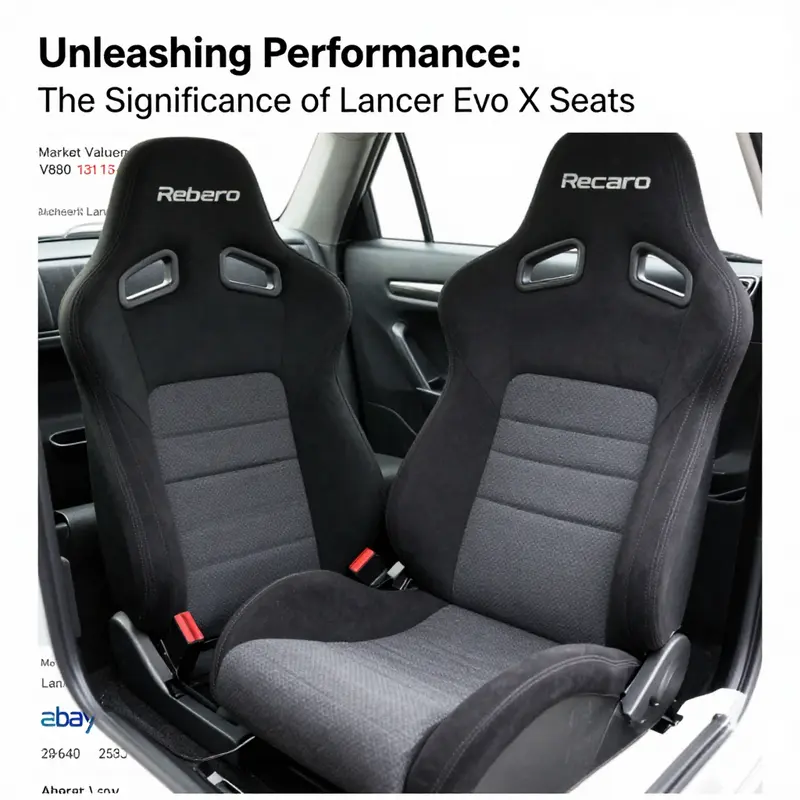
In the hierarchy of a high-performance car, the seats are more than a place to sit. They are an extension of the driver’s intent, a physical interface that translates the car’s power, balance, and chassis behavior into a felt experience. For the Lancer Evolution X, the seats have long stood as a signature feature. They are not just about comfort on a long drive; they are about shaping the rider’s relationship with the car when the speedometer climbs and the steering wheel tightens in the hands. The Evo X, celebrated for its agile dynamics and era-defining handling, paired its performance with seating that could keep pace with the car’s ambitions. The market for these seats reflects that mix of engineering and emotion, where a component that is often overlooked becomes a focal point for enthusiasts who want authenticity, performance, and a touch of exclusivity in their build. This chapter traces the market value and availability of the Evo X seats, but it also uncovers how these parts become a lens into the broader culture of car modification and preservation that surrounds the Evo family.
From an engineering viewpoint, the seat in a performance-focused car is a carefully crafted compromise. It must cradle the spine, support the torso during heavy cornering, and encourage the driver to stay planted during rapid throttle application. In the Evo X’s case, the seats lean heavily on sport-oriented ergonomics and strong materials that can endure the rigors of aggressive driving. A common thread in the period documentation notes that the Evo X favored lighter, function-first design choices rather than luxury thickness. True leather surfaces appeared more often on higher-grade trims like certain Evolution variants, while the base performance positioning tended toward materials that offer durability and consistent support under load. The Recaro front seats, widely reported in the research materials, represent the intersection of brand-driven performance engineering and the Evo X’s emphasis on weight management and steering feedback. While leather can add a premium feel, the core appeal is not softness; it is containment and control when the road throws rapid load changes at the chassis. In this sense, the Evo X internal environment becomes a tactile expression of the car’s character: a cockpit designed to keep the driver connected to the road at precisely the moment when speed compounds the sensations of balance and control.
Market observers have consistently noted that the Evo X seats, especially the OEM Recaro units, carry a premium in the used market relative to seats from earlier Evolution generations. The reason is twofold. First, the Evo X is remembered for advancing both performance and interior rigor, offering a seat design that complemented the chassis’ aggressive geometry and mid-corner grip. Second, the materials and manufacturing processes for these seats were aligned with a period when performance interiors were moving toward tighter bolsters and more supportive side support to hold the driver in place during high-G maneuvers. The result is a seat that remains highly valued for enthusiasts who want a genuine Evo X experience, whether they are restoring a classic, building a track-focused street car, or simply preserving the interior integrity of a collectible. The market is aware of this, and it translates into price variation that reflects not only condition but also the historical significance of the seat as a performance component.
Data from current listings on major marketplaces confirms that the Evo X seat market is robust, though highly condition-dependent. A 2011 Mitsubishi Lancer Evolution X GSR OEM Recaro left front seat, reported in worn condition, has commanded asking prices near $400 with additional shipping costs in the ballpark of several hundred dollars. The same general market frame shows that a left front driver seat from the 2008–2015 Evo X, described as OEM Recaro and listed as blown, sits at approximately $499.99. These snapshots reveal a market where condition stretches the price range. When a seat remains intact, with proper upholstery, an OEM tag, and the structural integrity to survive a high-load driving regime, it can command higher values. The premium attaches not only to the seat’s physical condition but to its provenance—whether it retains original upholstery, whether it carries the original foam geometry, and whether the mounting points and seat tracks align with the Evo X chassis. For buyers, this means a careful assessment of wear patterns, bolster integrity, and the presence of any cracks in the frame. The price signals a market that values functionality and original engineering, but it also hints at the emotional value. Enthusiasts often want the original part, not a replica, because the seat is part of the car’s identity as a performance machine, not merely a furniture replacement in a cabin.
The availability story echoes the price story. Availability on mainstream platforms like eBay remains strong, with multiple Evo X seat listings appearing with some regularity. The dispersion of prices is wide, and buyers should anticipate significant variation based on condition, model year, and whether the seat is left or right side, as well as whether the part comes with the original seat track and mounting hardware. The market’s volatility is not purely a function of demand; it is bidirectional. Demand for genuine OEM seating, particularly the Recaro variants, keeps prices buoyant, while the inherent risk of shipping a large, bolted unit from one coast to another keeps overall transaction costs higher. Shipping often becomes a meaningful part of the total cost, with some listings presenting combined pricing for the seat and the necessary transit logistics. A cautious buyer will factor in possible freight arrangements, potential return policies, and the risk of hidden structural damage that might not be immediately apparent from a listing photo.
The research materials also illustrate how the Evo X seating ecosystem compares with other generations in the Lancer line. The Evo 8 and Evo 9, for example, saw seats that could appear with fabric upholstery and non-OEM variants in the aftermarket circuit. These seats, while desirable in their own right for restoration projects or for builds that aim to replicate earlier performance aesthetics, do not typically command the same level of premium that the Evo X OEM Recaro units do. The Evo X’s emphasis on lightweight, functional design—driven by a blend of racing-inspired ergonomics and the practical requirements of a four-door performance car—helps explain why the Recaro seats are often perceived as more collectible. The market’s willingness to pay reflects a broader willingness among enthusiasts to invest in seating components that deliver tangible performance benefits and that serve as a visible indicator of a car’s performance pedigree. In other words, a seat is not just a place to sit; it is a badge of the car’s intent, a daily reminder of what made the Evo X stand out in the crowd of high-performance coupes and sedans.
For buyers who want to understand the full scope of options, the literature and market observations suggest a pragmatic approach. It is not enough to search for the lowest price; buyers should consider the seat’s condition, the quality of stitching and padding, and whether the seat has been subject to accidents that could have compromised the frame or foam. Worn padding may not only affect comfort but could also alter seating geometry, which, in turn, affects driving posture and control during aggressive driving. buyers should examine the seat rails and mounting points for signs of rust, bending, or deformation. The presence of original hardware and mounting hardware can also affect value, as missing components require replacement and can introduce a new layer of uncertainty into a project. The market rewards seats that arrive in a ready-to-install state, with clear provenance and minimal restoration needs. The more original a seat remains, the higher the likelihood that the buyer will recoup investment if the project is later sold or traded.
The space between supply and demand widens further when one moves from the general market to the specialized communities that care about the Evo X. Enthusiasts who participate in track days, time trials, and club events tend to view seats through the lens of performance, not merely aesthetics. A seat that holds its form under lateral G, that resists compression, and that offers predictable support during a sustained cornering sequence is worth more to someone building a car for competitive events. In this context, a unit described as “intact” or “original” assumes greater significance. The community’s collective knowledge about which seat models align with which Evo X configurations reinforces the idea that some seats belong to specific editions or trims, while others are universal across the Evolution family. The keys to navigation are a careful read of the listing details and an awareness of the seat’s compatibility with the buyer’s chassis and modification plan. The reality is that the market rewards specificity: the more a seat can be matched to the buyer’s exact car, the stronger the value proposition.
Within this ecosystem, the potential buyer can also pursue replacement options that go beyond stock preservation. There is a nuanced conversation around the availability of high-quality replicas or aftermarket alternatives that mimic the look and feel of OEM seating while offering different ergonomic or material choices. The research period notes that such alternatives exist, but the premium associated with genuine OEM Recaro seats remains a stubborn barrier to substitution for many Evo X owners who want to maintain authenticity. The decision often comes down to a balance between cost, installation compatibility, and the perceived preservation of the car’s original performance DNA. A restoration-minded buyer might prioritize genuine parts to preserve resale value or to ensure the seat geometry remains aligned with the car’s original design goals. A project-driven builder, meanwhile, might be more open to aftermarket seats that deliver similar performance characteristics at a different weight or cost structure. Either way, the market signals that the Evo X seat remains a critical and hotly contested component in the broader arena of Evo ownership.
From a practical standpoint, how does a buyer evaluate listings in real time? The data from the current market suggests a few rules of thumb. First, condition is king. A seat described as “intact,” “OEM,” and “unmodified” tends to command the best prices, while seats marked as “blown” or with obvious upholstery wear may still attract interest from builders who can perform their own restoration. Second, model year and trim influence price, particularly when the seat is associated with higher-end configurations or special editions. Third, the completeness of the listing matters: photos that clearly show the stitching, the padding, the bolsters, and the mounting hardware help buyers assess the seat’s true condition without a physical inspection. Finally, buyers should be vigilant about shipping arrangements. Large, heavy items can incur steep freight charges and potential risk during transit. Some sellers offer to ship on a pallet or to provide buyer-arranged freight, while others rely on standard carrier services with added handling for fragile interior components. The prudent buyer develops a checklist that includes verifying seat rails and tracks compatibility, confirming that the seat’s mounting points align with their Evo X chassis, and understanding return policies in the rare event that a seat does not fit as expected.
In this landscape, an internal resource can be a useful anchor for readers seeking more concrete examples of availability and historical pricing patterns. For those exploring replacement options or interior upgrades while aiming to stay close to OEM aesthetics, a relevant reference is the internal catalog entry for Alcantara front Recaro seats. This resource provides a sense of what a brand-new, authentic seating option looks like from a design and material perspective, and it offers a baseline against which used units can be measured. See the long-standing catalog entry here: brand-new-alcantara-front-recaro-seatsoriginal. The anchor text reflects the slug so readers can follow through to see the kind of product that often motivates used-seat pricing dynamics while providing a glimpse into the materials and finish that distinguish OEM-grade seating in the Evo X interior. This link is intended to be a practical touchpoint for readers who want to contextualize the value of a used seat against a known original specification. It helps to frame what a buyer might expect when negotiating price for a used seat that may require restoration or refinishing to achieve a showroom-grade interior.
The external market is equally instructive. A snapshot of current listings on a major global marketplace shows a spectrum of pricing and availability that aligns with the qualitative observations described above. The presence of multiple listings for Evo X seats on one platform confirms ongoing demand. The price points, while variable, tend to reflect the seat’s condition, the completeness of the package, and the seller’s willingness to negotiate. Observers should take note of how shipping cost, seller location, and listing status influence the final outlay. While price alone cannot guarantee a good match for a given project, it does illuminate how buyers and sellers negotiate value in real time. The dynamic nature of the Evo X seating market makes it essential to monitor listings over time, track price fluctuations, and consider both immediate needs and long-term project plans when evaluating a potential purchase.
As this market continues to evolve, it is clear that Evo X seating captivates a specific blend of pragmatism and passion. For some, the priority is maintaining a faithful, showroom-like interior with original components that are true to the car’s heritage. For others, the priority shifts toward a performance-oriented interior that optimizes weight, support, and driver contact with the vehicle’s dynamic systems. In either case, the seat remains a central piece of the Evo X’s interior story, a story that combines engineering rigor with a collector’s mindset. The market value and availability of these seats are not merely about price tags; they are about the ongoing dialogue between a car’s performance identity and the community that keeps that identity alive through buying, selling, and sometimes restoring the very seats that helped define the Evo X experience. The seat, in this sense, is a narrative fixture—one that tells a larger story about how enthusiasts value performance parts, preserve heritage, and continue to experience speed in a car that is, at its core, a celebration of precision and control.
For readers who want to see a broader snapshot beyond text, the next step is to observe ongoing market activity—watching how prices adjust as certain years become harder to source, or how the availability of pristine OEM pieces affects the decision-making process for a complete interior restoration. The market is not a static ledger; it is a living map of desire, function, and the enduring appeal of a car that remains a benchmark in its segment. The seat, as a microcosm of that larger phenomenon, offers a revealing lens into why the Evo X continues to evoke a sense of immediacy and fidelity among enthusiasts. It is not merely a matter of collecting a part; it is about preserving a credible, high-performance experience in a car that still commands attention on roads and on the track. The seat’s value, in the end, resonates with the car’s identity—an identity that remains intact when the right parts meet the right hands at the right time, and when the buyer recognizes that an original, well-maintained seat is more than a component; it is a steward of a storied performance lineage.
External resource for current listings: https://www.ebay.com/itm/08-15-Mitsubishi-Lancer-Evo-X-Blown-Recaro-Front-Left-Driver-Seat-OEM/373569128456
Seat of Control: Engineering, Ergonomics, and the Driving Pulse of the Lancer Evo X
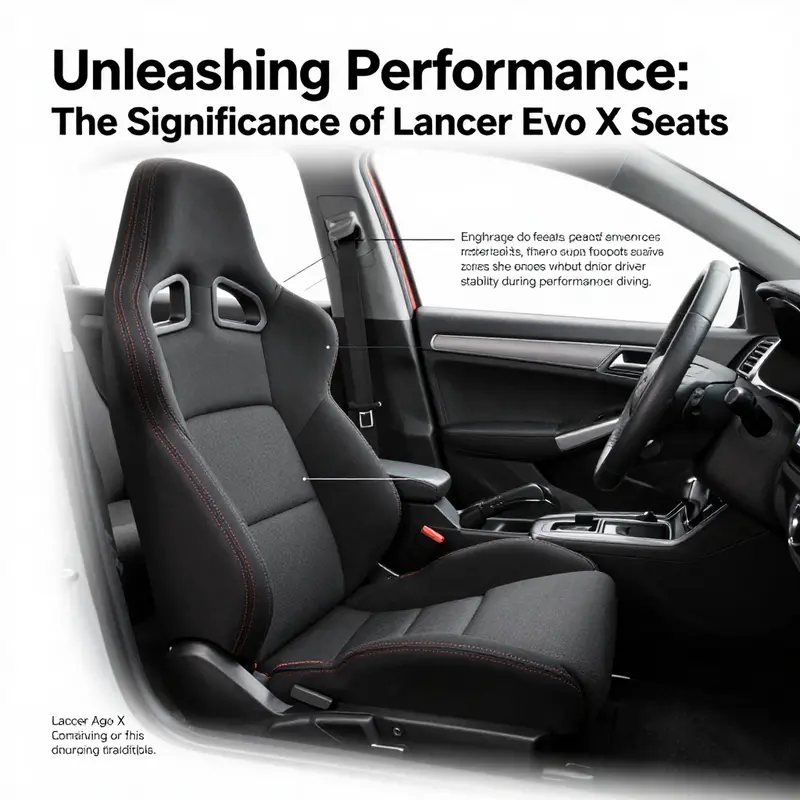
The seat is more than a cushion and a backrest in a high-performance car. In the Lancer Evolution X, it is a central pillar of the car’s identity, a tactile interface between driver and machine that translates intention into action with minimal delay. The Evo X is a vehicle defined by its balance of lightness, rigidity, and driver focus. Its seat design embodies that philosophy, marrying engineering precision with human-centric ergonomics to keep the driver anchored through the most demanding cornering, braking, and acceleration scenarios. In this sense, the Evo X seat becomes a school for dynamic engineering: a compact case study in how a single component can influence chassis behavior, steering feedback, and even the mental load of the driver during a track day or a spirited canyon drive.
From an engineering standpoint, the Evo X seat philosophy begins with a set of deliberate constraints: minimize weight without sacrificing structural integrity; maximize lateral support to reduce body motion during aggressive maneuvers; and preserve a seating position that allows the driver to react quickly to what the car is communicating through the steering wheel, pedals, and the seat itself. The seat shell is typically a rigid, molded structure that forms the foundation for the entire seating system. Its shape is not arbitrary but the result of extensive biomechanical study and test-driven refinement. A well-executed shell supports the spine, distributes pressure across the pelvis and lumbar region, and provides predictable contact points that help the driver maintain posture under load. In high-speed cornering, this posture matters as much as the grip of the tires. If the spine or hips shift momentarily under load, even a fraction of a second of misalignment can introduce a tremor in the driver’s response or an inconsistency in the footwork needed for precise throttle and brake modulation.
One of the most telling features of the Evo X seat architecture is its pronounced lateral bolstering. Deep side restraints cradle the torso and hips, guiding the body along a predictable path and reducing energy loss from unwanted movement. This is not merely a comfort feature; it is a stability feature. When the chassis experiences the body roll that accompanies aggressive cornering, the bolsters help preserve a straight-ahead sensory reference for the driver. The result is a cockpit that feels almost like a motion-capture environment: the car transmits the shape of the road to the driver with a fidelity that makes the vehicle’s limits feel reachable rather than evasive. The backrest follows a contoured shell with a carefully tuned curvature that supports the mid-back and the upper lumbar region. The goal is not to squeeze every ounce of support into a single region, but to distribute pressure evenly across the spine so fatigue develops more slowly over long sessions on track days or extended highway drives.
In practical terms, the seat’s geometry affects the driver’s relationship with the steering wheel, pedals, and shifter. A seat that is too high or too far back can create a disconnect between the driver’s hands and the wheel. One that sits too upright or lacks sufficient lower-back support can cause the pelvis to tilt, inviting fatigue and reducing the ability to sustain precise pedal modulation under heat and stress. Conversely, a seat with a well-chosen rake and knee angle keeps the legs in a naturally balanced position, enabling crisp throttle response and smooth heel-toe transients. The Evo X’s schemes have long favored a geometry that places the driver in a compact, almost woven position. This arrangement fosters a sense of unity with the car, as if the seat were an extension of the driver’s own body rather than a separate add-on. It’s no accident that the interior feels lean and race-ready from the moment you settle in; the seat is a primary contributor to that impression.
Beyond the basic shell, the Evo X seating system emphasizes lightness and durability through selective material choices and construction methods. In the early years of the model, there was a shift toward materials that balance grip, temperature management, and weight. Upholstery often alternates between premium leather and high-durability synthetics, with trim options designed to optimize heat dissipation and grip. Leather offers an upscale feel and a sense of tactile confidence for some drivers, while synthetic finishes tend to resist wear and provide reliable grip even when the cockpit becomes warm. The cushion and backrest are engineered to distribute load in a way that minimizes pressure points. This is particularly important during long commutes or endurance driving where the cumulative effect of tight seat geometry can lead to discomfort if the cushioning is too homogeneous or too stiff. The right blend of firmness and contouring helps keep the spine in a state of optimal alignment, reducing fatigue and preserving sharp reflexes after hours on the road or track.
The Evo X’s seating strategy also aligns with the broader engineering trend of modularity and aftermarket adaptability. For enthusiasts who value customization, there is a robust ecosystem of bases, shells, and padding options that let the driver tailor fit without compromising essential safety features. Aftermarket seat bases, for instance, are designed to maintain OEM-level safety standards while offering fine-tuning of seat angle and lumbar support. This is particularly valuable for drivers with unique biomechanical needs, such as different leg lengths or torso heights, who require an individualized seating position to achieve consistent control inputs. The concept of a seat base as a tuning element is a reminder that performance engineering is not about one perfect part, but about a system that respects human variability while preserving the integrity of restraint systems and seat mounting points.
In practice, the interface between seat and chassis is a conversation about stiffness, restraint geometry, and fatigue life. The seat rails and mounting hardware must be robust enough to withstand the cyclic loads generated by hard braking and rapid transition between steering inputs. High-stress cornering imposes lateral forces that can induce micro-movements, which, if unchecked, can degrade seat integrity over time. The Evo X approach manages this through a combination of precision mounting points, carefully engineered attachment geometry, and materials chosen to resist creeping and wear. The result is a seat that remains predictable through hundreds of track sessions and countless street commutes, preserving the driver’s sense of control and the vehicle’s chassis feedback.
The seating experience on the Evo X is also a narrative of tactile feedback. The seat must deliver a measured sense of contact with the body, allowing the driver to interpret through the hips and back what the car is doing at the limit. This perception is essential for making quick, confident steering corrections and maintaining a stable line through challenging curves. A well-tuned seat can make the difference between a driver who feels connected to the road and one who feels detached from the car’s intent. The goal is not a sensation of harshness or confinement, but a precise modulation of support that responds to the driver’s evolving demands as speed increases and the tires negotiate the edge of grip.
From a practical standpoint, this blend of engineering and ergonomics translates into real-world benefits. In daily driving, a comfortable seat reduces fatigue on long drives, which in turn sustains alertness and reaction time. On a track, the same features emulate a performance culture: comfort supports consistency, and consistency makes the car feel more predictable at the limit. When a driver enters a high-G corner, the seat helps maintain form, reducing the chance that the torso will shift unexpectedly and degrade steering input. In short, the seat becomes a lever that can amplify or limit a driver’s ability to exploit the chassis’s potential. The Evo X’s seat design, therefore, sits at the crossroads of two essential arenas: it raises the bar for racing-inspired ergonomics while remaining a practical, daily-user-friendly component that does not excel at one end of the spectrum at the expense of the other.
The marketplace for these seats reflects the same dual nature of engineering and ergonomics. On the one hand, the original equipment seat in the Evo X is a carefully balanced compromise of performance-oriented design and everyday usability. On the other hand, the secondhand and aftermarket ecosystems reveal how the Evo X seat can be reimagined to suit varying degrees of competition and comfort. For example, on well-known platforms, OEM front seats for Evo X from certain years and trims can be found individually, underscoring the value drivers in performance-focused interiors. A left-front seat, for instance, can appear in the market for a price around a few hundred dollars, depending on its condition and the specifics of the trim. Such data points illuminate a broader truth about performance interiors: they carry a distinct kind of value that blends engineering lineage, driver comfort, and potential for continued use in specialized builds.
Consider how this translates for a builder choosing between a pristine, original OE slice of seating versus a modern aftermarket solution. An OEM seat in good condition is more than a cushion; it is a piece of the Evo X’s engineering storyboard. It preserves the weight distribution and mounting geometry that the engineers designed from the ground up. In contrast, a purpose-built aftermarket seat base or shell can unlock new ergonomic possibilities and weight savings, enabling the driver to refine their fit to a specific biomechanical profile or racing discipline. The decision, therefore, is not simply about aesthetics or brand prestige. It is a calculation of how much the driver values stability, fatigue management, and the feel of the interface between body and vehicle. The best-fit seat, in this sense, becomes a personalized performance tool rather than a generic luxury improvement.
For readers who are curious about the broader ecosystem, the conversation often circles back to how these seats are integrated with other performance-oriented elements in the Evo X interior. The steering wheel, pedal box, and shifter must work in concert with the seat to deliver a coherent and responsive driving experience. The seat height, tilt, and rake interplay with the steering wheel position to establish what many drivers describe as a “neutral, ready” posture. This is a posture from which the hands move quickly and confidently, the feet reach the pedals with minimal travel, and the eyes can scan the road and the gauges with a stable, unobstructed view. When this trifecta is achieved, the driver feels a sense of autonomy and control, almost as if the pinnacle of the Evo X’s athletic potential can be summoned with a precise, repeatable body position as the catalyst.
There is a practical, almost ritual aspect to choosing and tuning the Evo X seat. Drivers who attend to seat fit discover a subtle but meaningful difference in how quickly they can adjust to track rhythms or road trip tempos. A seat that is too plush or too stiff can subtly influence breathing, posture, and even the cadence of gear changes under pressure. The best fitting seats, by contrast, offer a degree of compressive support that allows the torso to breathe smoothly while maintaining a locked-in stance. They also accommodate the driver’s need to brace for acceleration without sacrificing mobility for minor steering corrections. Some drivers even report that a well-tuned seat reduces the cognitive load of the drive; when the body is supported exactly where it needs to be, the mind can allocate more of its bandwidth to interpreting road conditions and anticipating the car’s responses rather than compensating for discomfort or misalignment.
For the curious reader who wants a tactile sense of how seat design threads into the Evo X’s broader engineering ecosystem, the seat base itself often becomes a focal point of discussion. Aftermarket bases, such as those offered in the racing community, emphasize lightweight materials and reinforced geometry to maintain rigidity during aggressive cornering and braking. A representative example of this approach demonstrates the core idea: a left seat base engineered for the Evo X that minimizes mass while preserving structural integrity. The specialization is not about reducing weight at the expense of safety; it is about ensuring that every gram contributes to a more responsive, more accurate driving experience. In this sense, the seat base ceases to be merely a mounting point and becomes part of the chassis’s dynamic behavior under load. The driver’s seating position and the base’s rigidity influence how energy is transferred into the body and how the car’s body language is perceived by the driver during a high-speed maneuver. This echoes a broader engineering principle: small, well-considered decisions at the furniture level can resonate through the entire vehicle’s performance envelope.
In sum, the Evo X seat embodies a carefully balanced manifesto: performance without excess, rigidity without stiffness, support without confinement. It is a physical embodiment of the car’s character—compact, purposeful, and tuned for the precise moment of maximum effort. For enthusiasts, the choice of seat—whether preserving factory geometry or exploring tuned bases and shells—maps directly onto the driving experience. It is about how a single interior element can shape the perception of speed, maneuverability, and control, as well as the driver’s stamina and confidence over time. The Evo X teaches that the seat is not simply a feature to be upgraded; it is a fundamental interface through which engineering intent is translated into human action. The more thoughtfully this interface is designed and matched to the driver, the more the car reveals its true potential, and the more enjoyable, precise, and exhilarating the driving experience becomes.
For readers who want a concrete, real-world reference point, consider the availability of OEM Evo X seats on aftermarket platforms, where even a front left seat can appear for sale as a standalone item. The market signals a lasting interest in preserving the original performance narrative while offering opportunities for renewal or customization. This enduring demand underscores the Evo X’s seat as an enduring symbol of its performance identity—a seat that supports the driver while inviting them to explore the car’s dynamic limits. It is a reminder that in performance driving, comfort and control are not separate realms but two faces of the same pursuit: to keep the driver connected to the road, the tires, and the machine’s evolving rhythm through each bend, straightaway, and change of pace.
Internal link reference for further exploration of OEM-aligned Alcantara front seats: brand-new-alcantara-front-recaro-seatsoriginal
External resource for technical context on aftermarket seat bases and performance seating: https://www.ebay.com/itm/354497211884
Final thoughts
In conclusion, the seats of the Mitsubishi Lancer Evolution X are more than just components of a car; they are engineered masterpieces that enhance driving performance and comfort. From their cutting-edge design to their growing market value, each aspect of the Evo X seats contributes to an exceptional driving experience. For business owners in the automotive sector, understanding these components’ value can not only influence purchasing decisions but also inspire confidence in the quality of the Evo X as a performance vehicle.