

For business owners in the automotive sector, understanding the market for the 4G69 engine is critical. This versatile engine has gained prominence in various vehicles due to its reliability and performance. In this article, we delve into three key aspects: the availability of new and remanufactured 4G69 engines on e-commerce platforms, the engine’s technical specifications and reliability, and the sales potential of 4G69 related parts. Each chapter will enhance your comprehension of the engine’s market and help you make informed purchasing decisions to benefit your business.
Chapter 1: 电商市场中的4G69:全新与翻新发动机的购买与匹配之旅
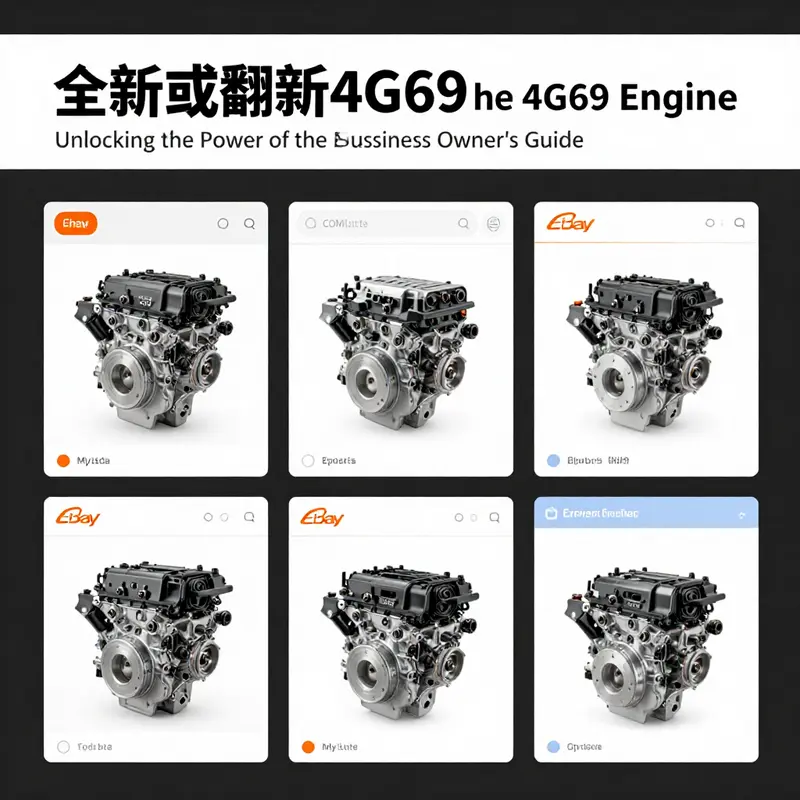
外部资源参考:在理解4G69发动机在全球与国内市场的定位时,可以参考一个重要的行业外部渠道,该资源提供关于4G69系列在不同市场中的应用与供给情况的综合信息。外部来源链接:https://www.alibaba.com/product-detail/4G69S4N-Engine-For-Huanghai-Qisheng-F1-And_1600748162436.html。该链接展示了原厂技术与翻新工艺在全球市场的对接方式,以及不同地区对发动机总成的安全与排放标准的合规性要点。通过对比内部平台的价格与售后政策,这些外部信息有助于读者建立更全面的认知框架,并在实际购买时做出更稳妥的决定。
Chapter 2: The 4G69 Engine Unveiled — Specs, Reliability, and Options
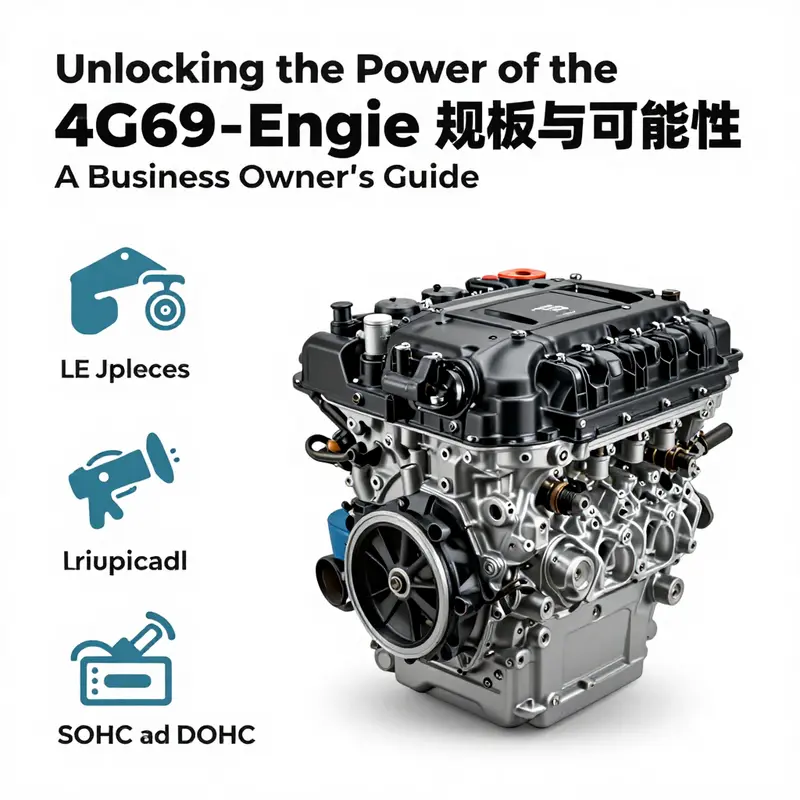
The 4G69 is a compact inline-4 engine known for durability and practical performance. It typically displaces 2.378 liters and uses an iron block with a straightforward valvetrain that can be SOHC or DOHC depending on the model. Bore and stroke are 87 mm by 100 mm, which shapes its breathing characteristics and mid-range torque delivery. Power is commonly around 100 kW (about 136 hp) with peak torque near 200 Nm, available across a broad RPM band. Some variants include MIVEC timing control to refine valve timing at different speeds, improving efficiency and response without compromising reliability. The engine’s longevity is reinforced by a robust core and a mature parts network, which supports maintenance, repair, and remanufacture across fleets and individual owners. When shopping for a 4G69-based installation, verify the engine code, whether it is SOHC or DOHC, the presence of MIVEC or regional timing-control implementations, and compatibility with the vehicle’s mounts, intake/exhaust plumbing, ECU, and emission requirements. The market offers remanufactured complete engines, bare core assemblies for rebuilds, and many serviceable parts, with warranties reflecting seller reputation and intended use. In daily use, the 4G69 emphasizes reliability and steady mid-range performance rather than high-end power, making it a practical choice for daily drivers, light off-road use, and commercial applications.
Harnessing the 4G69 Engine Parts Ecosystem: Replacements, Remanufactured Cores, and the Aftermarket Network
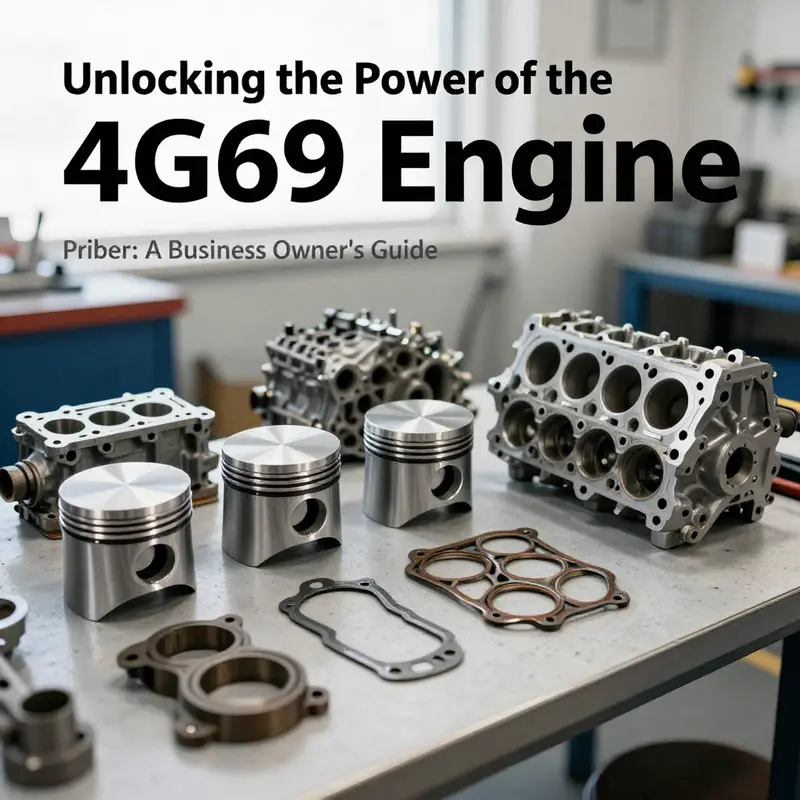
The 4G69 engine family has carved a distinctive niche in the aftermarket landscape, largely because its blend of robust iron block architecture and adaptable design suits a wide range of vehicles from rugged utility pickups to sportier crossovers. This engine lineage, built around reliable fundamentals, continues to attract buyers who need dependable replacements, be they for a compromised unit or a strategic rebuild. In practice, the market for 4G69 parts and core engines operates as a layered ecosystem. At its core lies the engine itself, a 2.4 liter, inline four arrangement that can present either a single overhead cam or a double overhead cam configuration depending on the year and model. The basic specifications are straightforward: displacement around 2,378 cubic centimeters, with power outputs typically centered near the 160 horsepower mark, reflecting a balance between torque for off road work and efficiency for daily driving. Yet the heart of the chapter is not merely the machine but the sprawling network that makes it possible to source, repair, or rebuild that machine within practical timeframes and budget constraints. The network is characterized by a mix of new production units, remanufactured cores, and a broad spectrum of core components designed to refurbish or upgrade the engine family. In markets where off road culture and commercial fleets are prevalent, it is common to see a steady demand for complete engine assemblies that arrive ready to install, often with a warranty that covers a defined period. The same channel often offers remanufactured or refurbished engines as alternatives when the goal is to reduce down time or bring maintenance costs under tighter control. This dual path — new versus remanufactured — is not a mere sales dichotomy; it reflects a deeper logic about lifecycle costs, reliability, and long term ownership. When a customer weighs options, the choice hinges on a few practical realities: the age of the vehicle, the expected runtime after the replacement, the availability of local skilled labor for installation, and the total cost of ownership over several years. The engine itself may be designed to endure, but the surrounding ecosystem of parts, subsystems, and control electronics means that what accompanies a replacement matters as much as the core itself. The iron block that gives the 4G69 its durability is a signal of the kind of reliability that owners seek in demanding conditions. The block’s inherent strength helps absorb heat and mechanical stress, which in turn translates into longer intervals between major overhauls and a lower risk profile for high-mileage duty cycles. This is especially true for vehicles that spend long hours in off road use, haul heavy loads, or function in climates that test cooling systems. In the aftermarket, that reputation for ruggedness translates into a steady appetite for both complete engine assemblies and modular components. Buyers are often motivated by a desire to keep a vehicle running with minimal downtime, and sellers respond with an array of options designed to fit different budgets and repair strategies. A complete engine assembly, whether new or remanufactured, represents a straightforward solution for a doner vehicle or a shop that wants to minimize the guesswork involved in matching children parts to an engine family. It offers a degree of predictability, with factory calibration and a turnkey installation that reduces risk of misalignment or mismatched tolerances. Yet remanufactured cores, which typically involve stripping a salvaged engine, refurbishing essential internals, and reassembling with renewed components and seals, can offer substantial cost savings. The reman path remains popular because it preserves the core value that many buyers associate with the 4G69 while delivering performance that is on par with new units in many cases. The decision between new and remanufactured is not only about price; it is about the confidence a buyer wants in the vehicle’s immediate future and the maintenance plan that will follow. The aftermarket supports both routes through a network of suppliers who understand the nuances of the 4G69 family and the broader ecosystem in which these engines operate. Across the industry, suppliers categorize offerings into broad, experience-driven segments: complete engine assemblies, core blocks and long blocks, and a wide array of supporting components that enable a rebuild or upgrade without forcing a wholesale change in the vehicle’s powertrain management. This broad segmentation helps buyers map their needs against realistic delivery timelines and installation complexities. The complete engine assembly is often the most conspicuous option for a shop facing a customer needing rapid recovery of vehicle capability. When a unit arrives, it generally comes with comprehensive mounting hardware, sometimes with an accompanying warranty that reflects the confidence of the supplier in the refurbishment process. A key element of the purchase decision is the warranty structure. For many buyers, a 12-month protection window provides a crucial safety net, ensuring that both the seller and the buyer share responsibility for performance during the early miles of operation after installation. In turn, the remanufacturing pathway shines when the customer seeks to blend refurbishing discipline with cost savings. Refurbishment processes typically emphasize restoring core reliability: piston rings, valve trains, bearings, and seals are often replaced or reconditioned to acceptable factory tolerances. In addition, the remanufacturing route may include updated internal components that align with modern emissions and performance expectations while retaining the essence of the original design. The dynamic between these approaches underscores a broader truth: parts availability in the 4G69 market is not a single bottleneck but a multi-layered system. It is possible to source not only complete powertrain units but also a spectrum of components that cover essential subsystems. Fuel delivery remains a central focus; a reliable fuel pump assembly is a critical prerequisite for stable engine performance. The market offers a variety of pump assemblies that are compatible with many 4G69 configurations, reflecting the engine’s use across different models and generations. The price range for such assemblies, expressed in local currency, typically sits within a modest band when purchased through reputable suppliers, making this one of the more accessible categories for repair shops and independent owners alike. Throttle body assemblies, another common need in this family, are priced to align with regional demand and the level of refurbishment performed by the supplier. These components, while small, can have outsized effects on throttle response and idle stability, particularly as an engine grows older or is repurposed for a different use. A well-chosen throttle body can restore mid-range drivability without requiring more invasive work. Steering and power assist components, including pumps and related hardware, are similarly represented in a broad pricing spectrum. The ongoing conversation about steering assist equipment is part of a larger discussion about reliability in off road or heavy-load contexts. A range of prices exists for these components as suppliers factor in manufacturing quality, OEM alignment, and the degree of refurbishment or remanufacture. The sensor and control sector for the 4G69 is equally important. Oxygen sensors, oil control valves, and other engine heart instruments play essential roles in both performance and emissions compliance. The typical price spread for these sensors reflects the evolving landscape of engine management technology; even modest increments in sensor reliability can translate into meaningful gains in fuel economy and smooth operation, especially for older vehicles that rely on older control strategies. Gaskets and engine sealing components form the quiet backbone of a reliable rebuild. While their prices may appear modest compared with more conspicuous assemblies, gasket integrity is indispensable. A slight misfit or a degraded seal can undo months of careful refurbishment by allowing leaks that undermine efficiency and performance. The market responds with an array of gasket sets and midrange mid seals that suit a broad set of configurations within the 4G69 family. For shops seeking vertical integration, the supply chain often includes opportunities to obtain engine blocks, cylinder heads, and other major castings as standalone components. The availability of bare blocks and heads supports a wider range of rebuild strategies, allowing a customer to preserve a preferred crankshaft or other internals while refreshing the rest of the engine. Suppliers also frequently provide value-added services such as OEM or ODM processing, which can help align components with specific production specs or, in some cases, adapt parts for a particular market or regulatory regime. In practical terms, this flexibility matters. A repair shop that can access a one-stop ecosystem for engine cores, components, and refurbished assemblies can offer customers a broader set of options, particularly when the goal is to minimize downtime or tailor a rebuild to a vehicle’s mission profile. The geographic spread of suppliers adds another layer of resilience. In regions with dense manufacturing ecosystems, it is common to find a concentration of vendors offering core engines, head gaskets, crankshafts, and related items. Guangdong and Jiangsu, for instance, have long been hubs where technicians and distributors can connect with suppliers who understand the 4G69’s fitment across multiple models. The result is not simply lower prices but greater reliability in delivery, a factor that matters when a vehicle is needed for daily work or critical tasks. The market has also learned to respond to the cross-border nature of engine parts demand. While it is possible to source from overseas, most buyers still favor suppliers with robust support networks, clear warranty terms, and straightforward logistics arrangements. The rise of digital catalogs and online marketplaces has accelerated access to a wide range of components, but savvy buyers still apply due diligence. They verify compatibility by cross-checking model years, associated transaxle options, and the exact cylinder head design in use on the vehicle. When dealing with SOHC versus DOHC variants, it is essential to confirm which configuration applies to the specific vehicle and production window. The risk of mismatches in bolt patterns, timing gear arrangements, and intake or exhaust manifold interfaces can erase any perceived cost advantage. Buyers who succeed in this space tend to adopt a disciplined approach: they confirm the vehicle’s original equipment alignment, then map that to the available aftermarket options, and finally negotiate terms that cover installation support and aftersale assistance. The practical takeaway is that the 4G69 parts ecosystem rewards thoughtful planning. Rather than seeking the lowest price on a single part, the most effective approach is to assemble a coherent plan that considers the engine as an integrated system. A successful rebuild or replacement begins with a clear specification of the engine’s configuration and a catalog of compatible components. It continues with a careful selection of suppliers who can provide confirmed fitment and a warranty framework that aligns with the owner’s risk tolerance and maintenance expectations. The online catalog landscape has grown to accommodate this, with catalogs and listings that group items by function and by compatibility rather than by brand alone. This shift helps shops and DIY enthusiasts compare options with a clearer sense of what each component will deliver in terms of performance and longevity. For buyers who want a more guided experience, the concept of an engine parts catalog can be a valuable compass. It helps to navigate the breadth of options in a way that acknowledges the 4G69’s diverse deployment across different vehicles while maintaining a clear focus on reliable operation. An accessible reference point, often accessible through a dedicated catalog page, can offer a practical overview of available options, from the most basic gasket sets to more sophisticated turbocharger-ready configurations that some owners may consider for performance tuning in compatible formats. To explore a representative inventory that aligns with this philosophy, readers can browse an engine parts catalog that aggregates the kinds of components described here. engine parts catalog link: engine parts catalog. This link embodies the idea of a centralized resource where buyers can glimpse the scope of parts available for the 4G69 family, understand the typical price ranges, and assess which items might fit their repair or rebuild plan. It is not a guarantee of availability in every market, but it serves as a practical anchor for conversation about sourcing and decision making. While the catalog provides a synthetic view of the market, real life decisions still hinge on three core considerations: compatibility, reliability, and total cost of ownership. Compatibility is about ensuring that the chosen parts fit the target engine in terms of generation, model year, and accompanying subsystems. Reliability is about the track record of the supplier and the refurbishment or manufacturing process behind the parts. Total cost of ownership covers not just the sticker price but also shipping, taxes, potential core deposits, diagnostic labor, and the cost of any subsequent remedial work. In many jurisdictions, the cost calculus supports a sensible mix of parts: a complete engine assembly for a straightforward swap, a remanufactured core for cost efficiency, and selective components such as sensors or gaskets to optimize performance post-installation. The availability of these components, and the knowledge that comes with a mature ecosystem, makes the 4G69 an engine family that remains relevant for multiple generations of vehicles. The practical reality for buyers and repair shops alike is that the market supports a broad spectrum of procurement strategies, from turnkey replacements to tailored rebuilds that emphasize specific performance goals or regulatory compliance needs. The final piece in this puzzle is the question of how buyers navigate the price landscape. In the markets described, fuel delivery and critical sensing often show the most stable price bands, reflecting the essential nature of these parts and the volume of suppliers who stock and refurbish them. More complex assemblies, such as complete engine units, are priced according to the degree of refurbishment, the warranty period, and the shipping logistics involved. For many buyers, the path of least regret is to secure a unit with a demonstrable warranty and a track record of performance across similar vehicles. That approach is reinforced by the reality that the long-term value of a rebuilt or remanufactured unit is not measured solely by the initial price but by the cost and reliability of ownership over the next several years. In this sense, the 4G69 ecosystem functions much like a carefully curated marketplace where the elements of value, risk, and performance are negotiated in a way that honors the engine family’s heritage while embracing modern demands for efficiency and compliance. The result is a market that can deliver predictably solid outcomes for owners who approach sourcing with curiosity and discipline, and who treat engine maintenance as a long horizon investment rather than a one-off purchase. For anyone considering a 4G69 engine repair or replacement, the landscape offers a clear message: you are not just buying a part; you are engaging with a well-established network designed to keep a family of engines in service for years to come. External resources provide broader context on how sourcing strategies evolve in a global parts market, and readers are encouraged to consult general guidance on supply chain practices to complement the specific details outlined here. external resource: https://www.alibaba.com
Final thoughts
The 4G69 engine stands as a prime example of durability and performance, making it a valuable asset for automotive businesses. The availability of new and remanufactured engines through e-commerce platforms broadens purchasing options, ensuring reliability and cost-effectiveness. Understanding the technical specifications and the variety of parts available will empower business owners to make educated decisions in their operations, ultimately benefiting their bottom line. Investing in the 4G69 engine can lead to enhanced reliability and customer satisfaction in your automotive services.