
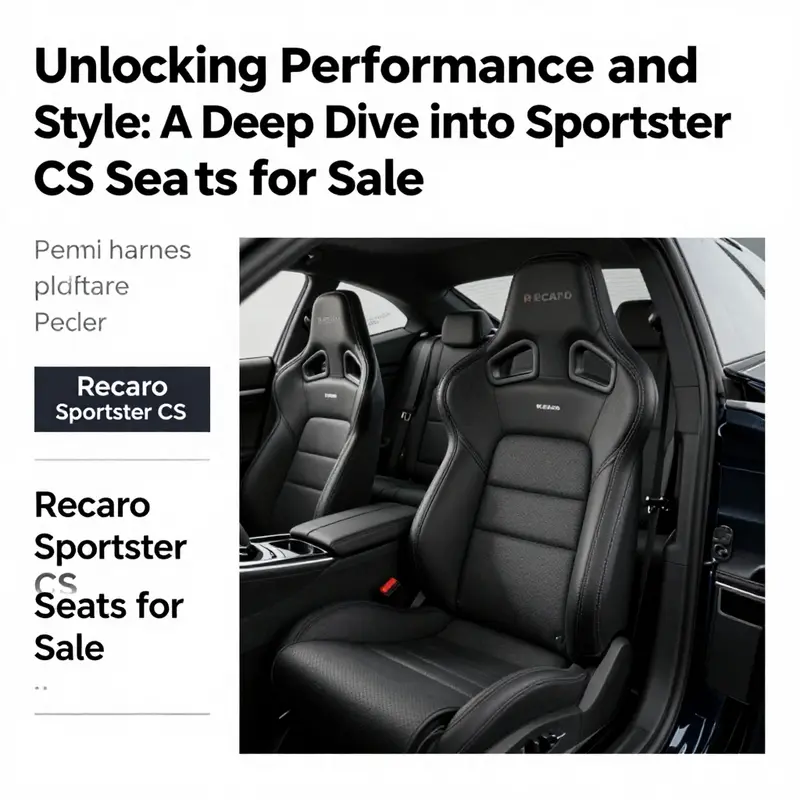
The pursuit of optimal automotive seating blends comfort with performance, and the Recaro Sportster CS seats epitomize this harmony. With their lightweight design and racing-inspired aesthetics, these seats cater to a niche market of car enthusiasts and professional racers. Availability, specifications, and market trends play critical roles in determining their desirability and pricing. This article will dissect the current market landscape for Recaro Sportster CS seats, their standout features, prevailing trends, and comparisons with competitors, providing business owners with comprehensive insights into this premium product.
Racing-Grade Seating on the Market: Availability, Pricing, and the Pursuit of Performance
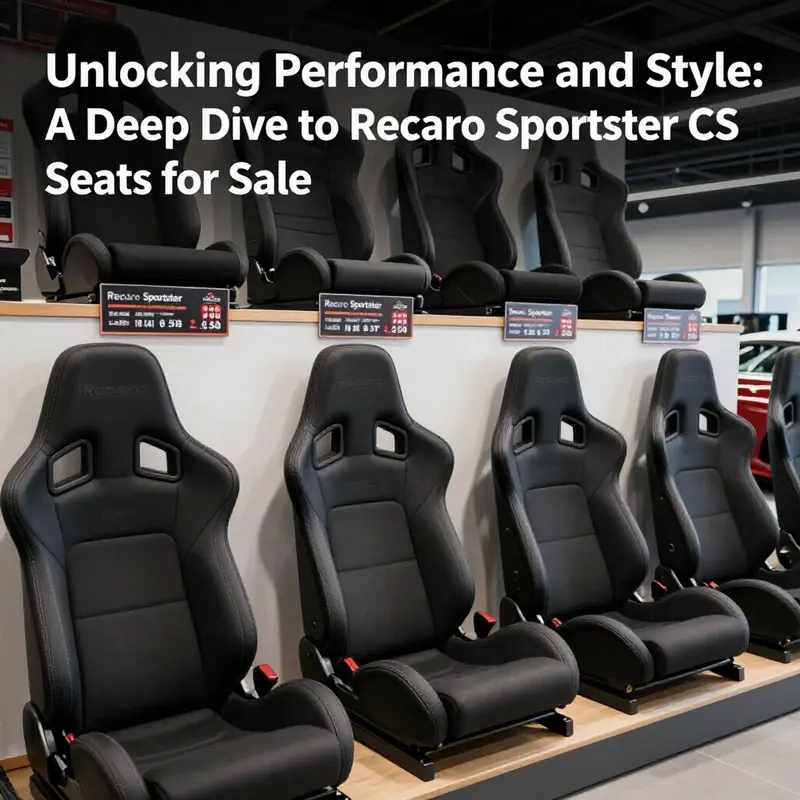
When buyers begin exploring premium seating for performance-minded builds, they enter a market defined by precision engineering, careful material selection, and a willingness to pay for weight reduction, ergonomic support, and long-term durability. The search for racing-grade seats that strike a balance between comfort for daily driving and the restraint needed on a track centers on a narrow category of products crafted to support aggressive driving positions, secure harness systems, and a kind of car-builder prestige that only comes from a history of racing lineage. In practice, the market often distinguishes between standard performance buckets and the more specialized, lightweight options that incorporate advanced fabrics, carbon fiber accents, and optional features like heating or ventilation. The result is a spectrum of choices where price is a signal not only of quality but also of configuration, material, and the level of integration required with existing vehicle systems. This dynamic makes availability a moving target and pricing a reflection of both desire and practicality for enthusiasts who value control and repeatable performance over cosmetic appeal alone.
At the heart of this sector is a simple truth: price correlates with the degree to which a seat blends lightweight construction, ergonomic support, and material that endures under the stress of spirited driving. While many buyers expect a baseline cost for premium seating, the market reveals a wider range than a casual glance might suggest. The commonly cited retail range—roughly between one thousand three hundred and one thousand eight hundred dollars per seat—reflects a baseline configuration with standard upholstery and no specialized heating or ventilation options. This is the sweet spot for many hobbyists who want a real performance upgrade without ballooning the overall car-build budget. Yet the variance inside that same category matters just as much as the base price. Elements such as upholstery material, whether it’s synthetic leather, real leather, or a high-end suede alternative, and the presence of climate control features can push the price in meaningful ways. The consumer should expect that even within a single model line, there can be multiple configurations with different weight, stiffness, and trim that drive the final price up or down.
Material choice, in particular, tends to be the most visible driver of price and performance perception. Seats built with premium coverings—whether genuine leather or performance-oriented synthetic alternatives that mimic suede-like textures—offer a different feel and durability profile than more utilitarian fabrics. When Alcantara or similar suede-like materials are introduced, the seat gains a tactile richness that enthusiasts associate with real race interiors. But there are practical considerations that accompany the choice. Alcantara and similar materials require careful maintenance to maintain their texture and color, especially in high-heat environments or in vehicles that see frequent sun exposure. The care routine for these surfaces—gentle cleaners, specific conditioners, and avoiding harsh solvents—can become a recurring topic for buyers who want their investment to hold up over time. In addition, premium upholsteries interact with trims such as carbon fiber or metallic accents that are often part of a performance seat’s identity. Each material layer contributes not only to the seat’s aesthetic but also to its cost, weight, and perceived value on the market.
The market’s pricing narrative is further nuanced by the presence of optional electrical and comfort features. Heated or ventilated seats, once reserved for luxury sedans, have migrated into performance seating as a standard or optional upgrade. For buyers who track their cars or face variable climates, these features become meaningful upgrades that can justify additional expense. But the cost impact is not linear. Heating elements add weight and require power management, while ventilation systems demand additional tubing, blowers, or pads that must withstand the rigors of aggressive driving. Moreover, the installation complexity can influence the overall value proposition. For a vehicle that wasn’t originally designed to accommodate sport seats, adding such features requires careful integration with the car’s electrical system, wiring harnesses, and, in some cases, airbag or occupancy-sensor considerations. These integration challenges can elevate both the price and the perceived risk, nudging buyers toward professional installation and, correspondingly, calibrated estimates of total cost of ownership.
As with many performance components, the distribution landscape shapes what buyers will encounter in real time. Retail channels vary from authorized dealers offering new stock to enthusiast-oriented marketplaces where individuals and small shops list surplus or slightly used configurations. The volatility of availability is a function of demand, seasonality, and the cadence of new model introductions from manufacturers who refine seat structure in parallel with chassis and safety system updates. Buyers may find that regional availability diverges significantly from a global average, with certain configurations more common in Europe or Asia due to brand preferences, regulatory considerations, or competition among local importers. When stock is tight, the price signals can shift quickly, with premium configurations—such as those that pair high-quality upholstery with carbon fiber accents or a full suite of climate-control features—seeing price premiums that extend well beyond the baseline. These dynamics reward buyers who are patient, who monitor multiple channels, and who can distinguish between a seat’s core function and its added luxuries.
To illustrate the spectrum, consider a high-end listing on a large online marketplace that showcases a full set of seats in a luxury fabric configuration. This particular listing reveals the edge cases that exist in the market: a complete pair with artificial leather upholstery and a model designation that indicates a premium, feature-rich setup. The price on that listing—nearly four thousand dollars for the package—serves as a compelling data point about how configuration, packaging, and supply chain realities interact with consumer expectations. It signals that while a base seat can be affordable in the mid-market range, the most sought-after configurations—those that combine refined materials, added comfort features, and the seamless look of a factory-backed setup—can command a figure that approaches racing-grade price territory. For builders who are optimizing a project car for weight reduction and track readiness, such listings may represent the upper bound of what a single seat or a pair can realistically cost, especially when the bundle includes rails, brackets, or additional installation hardware that ensures safe and compliant mounting in a variety of vehicles. The takeaway is not simply that price matters, but that the market actively segments itself along lines of material quality, feature density, and the ease of integration with a given vehicle’s dimensions and safety systems.
Every buyer in this space confronts the same practical questions: How much weight can be shaved without compromising long-term reliability? What level of lateral support is comfortable for daily use, and acceptable on the track? How much should one invest in seats that accept 4-point or 5-point harness systems, and what are the implications for airbags and occupancy sensors? The answers depend on the car’s intended use, the driver’s physique, and the budget available for the build. A seat that prioritizes maximum lateral support and a minimal footprint may shave weight and improve stability under cornering, but it might demand a more rigid seating position that is harder to tolerate on long highway drives. Conversely, a seat with plush upholstery and all the climate-control features can deliver comfort but at a weight penalty that slightly blunts the performance gains on paper. The balancing act between performance, comfort, and practicality remains at the heart of availability and pricing conversations in this space.
A useful cross-reference point for those who want a sense of how materials and installation impact value is an internal resource that discusses Alcantara-backed front seats. The linked content highlights not just the upholstery surface but also the broader implications for installation fitment, rail compatibility, and the ergonomic considerations that shape a seat’s ultimate value. The specific resource in question demonstrates how a premium front seat assembly can be configured for different car models, and it underscores the realities of sourcing authentic materials, the importance of correct mounting hardware, and the care required to maintain surface fidelity over time. For readers who want to explore material and installation nuances beyond the general market snapshot, this internal reference provides a concrete example of the tradeoffs buyers face when pursuing a high-end interior upgrade. The anchor for that resource is brand-new-alcantara-front-recaro-seatsoriginal, which points to a catalog that emphasizes the interplay between surface quality, structural integrity, and the long-term durability expected from performance-grade seating.
Beyond the material and feature considerations, buyers must also weigh the practicalities of upgrading a vehicle’s interior with performance seats. The installation process often demands a measured approach to wiring, harness compatibility, and seat rail alignment. In some configurations, airbag safety considerations require careful handling and validation to ensure that the new seats do not interfere with system diagnostics or passenger sensing for occupancy. The maintenance cycle for these seats frequently involves a combination of routine cleaning, conditioning for leather or suede-like surfaces, and periodic inspections of mounting points to ensure that brackets and sliders remain secure after miles of dynamic driving. For a project that blends street usability with occasional track sessions, the value proposition rests on finding a balance: a seat that provides enough grip and support to keep the driver confidently positioned during aggressive cornering without becoming a source of discomfort or maintenance headaches in daily commuting. The market rewards buyers who are clear about their priorities—weight savings, reinforcement in the torso region, or a premium feel in the cabin—and who are prepared to invest in the ancillary hardware and professional services that ensure a clean, durable installation.
With price bands and configurations laid out, it’s also useful to consider the broader ecosystem that supports these seats. Retailers and marketplaces often segment offerings not just by material and feature set, but by the level of after-sales support they provide. Some shops bundle rails, connectors, and mounting hardware to ease the installation process, while others sell seats as bare components that must be paired with the buyer’s existing brackets or rails. For builders who crave a turnkey experience, those bundles can represent substantial value by reducing installation time, minimizing sourcing risk, and ensuring compatibility with the car’s electrical harness and safety systems. For others who enjoy sourcing every component themselves, the flexibility to mix and match can be an additional layer of satisfaction and a chance to tailor the interior to a very specific aesthetic or weight target. Either way, the decision hinges on a clear understanding of how much of the total package the buyer needs to purchase anew and how much of the existing car’s hardware can be reused.
In the end, availability and pricing for premium performance seating reflect a market that rewards both engineering discipline and the taste of the enthusiast. The baseline price range provides a starting point for budgeting, while the upper-tier configurations illustrate what is possible when materials, comfort, and track-ready features converge. As buyers compare options, they weigh not just the price tag but the long-term value—a function of durability, fit, ease of installation, and the confidence that comes from knowing the seat has been engineered to sustain spirited driving over many miles. The journey from a broad market view to a precise purchase involves a careful assessment of how a given seat will perform in the specific chassis and driving scenarios the buyer has in mind. For some, the path may lead to a straightforward upgrade that yields meaningful gains in driver position and control; for others, it becomes a more ambitious project that blends a lightweight interior with the technical demands of high-performance motoring. Either way, the pursuit is the same: to elevate the driving experience through seating that respects the balance between form, function, and the joy of the road.
External resource for broader context: https://www.ebay.com/itm/375729765529
Between Track Heritage and Daily Drivability: The Recaro Sportster CS Seat in Focus

Nothing in a car interior feels as purposefully engineered as a performance seat that rides the edge between track-honed restraint and street-ready comfort. The Sportster CS seat embodies this duality, a component born from a long lineage of racing-focused seating that has been translated into a form suitable for enthusiastic drivers who value precision as much as practicality. The seat’s identity rests on a careful balance: it must hold the driver securely during aggressive cornering and fast transitions, yet remain comfortable enough for daily commutes or longer weekend drives. In this sense, the Sportster CS is not merely an accessory; it is a tangible extension of driving intent, a cockpit instrument that translates the driver’s input into immediate, controllable feedback from the road. The appeal is not only in the design language or the badge on the back but in the marriage of materials, structure, and ergonomics that make the seat feel almost tailor-made for a given driver and car combination.
At the core of the seating solution are dimensions and weight that matter in performance applications. The seat presents a compact footprint, with dimensions roughly around 297 millimeters in width and 406 millimeters in depth. This geometry supports a range of compact and mid-size sports coupes and hatchbacks, where space is often at a premium yet the driver still seeks substantial lateral support. Weight is a critical factor for performance upgrades, and here the Sportster CS sits in a lean range of about 15 to 16 kilograms (roughly 33 to 35 pounds). It is light enough to contribute to improved handling dynamics, especially when paired with small, nimble cars, while still delivering the structural integrity expected from a seat designed for spirited driving. The combination of light weight and robust construction helps keep the center of gravity predictable, a feature enthusiast builders frequently cite as a prerequisite for consistent lap times and predictable chassis feedback.
A significant portion of the CS’s appeal lies in its adjustability, even though the seat relies on a manual adjustment system rather than a fully electric suite. The manual adjustments cover height, backrest angle, and the degree of recline, alongside a control for the side bolsters that helps tailor the lateral hold to each driver’s torso and preferred seating posture. This approach to adjustability is not about peak convenience alone; it reflects a design philosophy that prioritizes reliability and tactile feedback. Drivers who crave a communicative seating position tend to find that manual adjustments, when well engineered, offer a more direct sense of the seat’s behavior under load. The integrated features extend beyond simple adjustment: there is a forward-releasing backrest mechanism designed to ease access to rear seating in two-door layouts, a thoughtful touch for cars with limited cabin access. Additionally, the seat ships with an integrated side mounting bracket, simplifying the installation process and enabling a safer, more rigid attachment to the vehicle floor. The result is a seat that feels like a purpose-built part rather than a generic aftermarket add-on.
From the outside, the Sportster CS communicates its racing heritage through its sculpted silhouette and the pronounced contour lines that cradle the driver’s torso. The lateral support is aggressively sculpted, with side pads and an S-shaped ergonomic rhythm that channels the body toward the centerline during high-g cornering. This design language is not merely cosmetic; it translates into a more secure hold on the hips and shoulders, minimizing movement during aggressive steering and braking inputs. The ergonomics extend upward into the integrated headrest, which combines with a belt pass-through to keep the driver firmly positioned while allowing a belt harness to pass through if a higher level of restraint is needed for track use. The shoulder, lumbar, and thigh supports are integrated into the shell in a way that keeps the torso aligned with the seat’s seating surface, reducing fatigue on long sessions and preventing micro-adjustments that can interrupt a driver’s focus mid-corner.
The manufacturing story behind the CS reinforces its premium status. Recaro’s German engineering lineage is evident in the attention to tolerances, the shell rigidity, and the integration of padding with the outer shell. The upholstery options are not merely color choices but tactile and functional selections that affect grip, wear resistance, and climate comfort. Available configurations include black leather with red contrast stitching, black leather with Alcantara suede inserts, and black leather with silver accents. The Alcantara insert option, in particular, earns praise for its grip and breathability, helping to keep the driver’s posture consistent when the cockpit heats up during a hot day on twisty roads or a track session. The padding itself is high-density foam designed to resist deformation over time. This is crucial for maintaining the belt and backrest geometry that keeps the driver anchored. The resulting feel is of a seat that remains supportive without becoming an oppressive hard shell—a crucial distinction for those who drive long distances or who use their performance car as a daily driver.
In terms of applications, the Sportster CS is widely regarded as a versatile platform for sports cars, performance sedans, and enthusiast-built vehicles. It plays well in compact, nimble platforms where the driver’s ability to rotate and reposition quickly on the seat can translate into faster lines through corners. The seat is compatible with a range of mounting systems and often pairs well with cars that emphasize driver engagement over sheer luxury. It is particularly appealing to drivers who want a seat that can deliver race-inspired control without sacrificing a level of daily drivability. For instance, the seat has found a following among drivers who enjoy spirited driving in daily commuters as well as those who are building weekend track weapons. The Sportster CS’s design emphasizes a balance that aligns with a driver’s evolving preference: a seat that remains comfortable for wider audience appeal yet capable of delivering precise hold and feedback when the throttle pedals and steering demands are at their most aggressive.
Of course, every premium seating choice comes with its caveats. The most apparent is the premium price tag that accompanies the CS line. On typical marketplace listings, these seats command a premium approaching four thousand dollars, reflecting their racing pedigree, build quality, and the materials used. For many buyers, the investment is justified by the combination of performance, comfort, and the long-term value of a seat that resists fatigue and wear through numerous seasons. The seat’s firm characteristics, while ideal for sport driving, may not be suited for all-day plushness seekers. The high-bolster design, while excellent for keeping the torso in place during aggressive maneuvers, can feel constraining for some drivers with broader shoulders or for those who frequently wear thicker layered clothing in colder climates. Color and material options, though curated for premium appeal, can be limited in some regions, potentially narrowing the scope for a perfect match to a car’s interior aesthetic. Finally, the rigid shell and significant side support may pose challenges for helmet clearance and ingress in cars with tight cabin geometry, a practical consideration for motorsport enthusiasts who frequently deploy full-face helmets in track sessions.
Buying a seat like this is also a decision about what the vehicle will become. It is common for builders to ask how a new seat will affect interior space, harness compatibility, and the overall balance of weight distribution. A seat this compact and aggressively bolstered can noticeably alter the driver’s line of sight and leverage when entering or exiting the vehicle. The integrated belt pass-through is an important safety and practicality feature, but it also means the seat is designed with certain restraint configurations in mind. When planning a swap, enthusiasts weigh the benefits of improved lateral support and driver positioning against potential compromises in rear-seat access, headroom, and the overall daily usability of the car. These are not nutritional compromises but design trade-offs that sit at the heart of any performance upgrade: you gain precision and control, you shed some everyday flexibility. Enthusiasts often mitigate some of these concerns by pairing a well-chosen seat with a matching set of rails and brackets that preserve the correct seating geometry while preserving access and visibility.
For those curious about how these seats are experienced in real-world builds, a common reference among hobbyists is footnoted in online listings and discussions where a similar configuration is shown in a performance-compatible chassis. For a real-world example of how this kind of seat integrates into a performance build, you can explore a listing dedicated to Evo 9 Recaro seats for sale. It offers a practical glimpse into how a like-for-like installation sits within a popular platform, including notes on fitment, mounting rails, and the overall presentation of the seat within the car’s interior. evo-9 Recaro seats for sale
When contemplating a purchase, it helps to reflect on the balance between performance goals and daily practicality. A seat such as the Sportster CS embodies a philosophy that treats the cockpit as a functional extension of the car’s dynamics. It rewards a driver who learns to respect its geometry—the way the bolsters guide the hips into a stable position, the way the backrest supports the spine through a tight, controlled arc, and the way the integrated headrest aligns with the belt harness to maintain the driver’s posture. The seat’s design also encourages a disciplined seating habit. The user learns to position themselves precisely, find that optimal angle between torso and arms, and then maintain that stance through long drives or intense laps. In this sense, the seat is less a piece of furniture and more a partner in the driving experience, one that helps translate reflexive thoughts into exact physical responses on the road or the race track.
Beyond the individual component, the Sportster CS acts as a catalyst for broader interior upgrades. Many enthusiasts pair it with performance rails, a compact steering wheel, and a driver-focused instrument cluster to realign the entire cockpit around a more aggressive driving posture. The goal is not merely to look the part but to feel as though the car has been tuned not only on a dynamometer but in the driver’s seat. For a buyer, the decision to pursue this upgrade often includes considerations about resale value and the longevity of the seat’s upholstery and padding. The high-density foam is designed to resist compression over time, but wear is inevitable with regular use, especially under high-G driving and frequent ingress/egress. A careful maintenance routine—regular cleaning of Alcantara or leather, conditioning of leather, and occasional padding checks—can extend the life of the seat and preserve its performance characteristics for many seasons.
In sum, the Sportster CS is a deliberate statement about what performance commitment feels like inside the cabin. It blends aero-conscious geometry with tactile materials, providing a high-contact interface where the driver communicates with the chassis through the most direct conduit available—an ergonomically refined seat. While its premium price and specific fitment constraints are real considerations, many drivers who value a seat that can switch from street to strip without a compromise in hold or comfort do not treat the CS as an expendable upgrade; they view it as a long-term improvement in the driving experience. The decision to buy is more than a transaction. It is a decision to reframe how the car communicates with its driver, to sharpen the tactile relationship between body and machine, and to invest in a cockpit that reflects the racing heritage embedded in every contour and stitch.
For readers who want to explore a related example of Recaro seats in a performance context, the Evo 9 Recaro seats for sale listing provides a practical snapshot of how these seats are presented in the marketplace, including notes on fitment and installation. evo-9 Recaro seats for sale. The same spirit of precision, durability, and performance informs both the manufacturer’s engineering and the seller’s presentation, helping buyers gauge what to expect when inspecting a seat in person or reviewing high-resolution photos and tests. For a deeper technical dive into the Sportster CS, a formal technical information document offers the most detailed specifications, testing results, and material data that enthusiasts and professionals rely on for thorough evaluation. External reference: Technical information document.
Racing Heritage, Market Pulse: Navigating the Demand and Value of Recaro Sportster CS Seats for Sale

The allure of high-performance seating goes beyond mere comfort. It is a compact fusion of racing heritage, ergonomic science, and the promise of a more intimate connection between driver and machine. In the world of performance builds and restoration projects, the Recaro Sportster CS seats have emerged as a touchstone for enthusiasts who want not only to elevate the driving experience but also to anchor a cabin in a lineage of motorsport precision. The market for these seats reflects a broader trend: owners are willing to invest in components that deliver measurable gains in control, posture, and psychological immersion, even when those components come with premium price tags. The Sportster CS, with its history of lightweight construction and racing-inspired support, sits at a crossroads where scarcity, craftsmanship, and aftermarket ambition converge. The result is a dynamic market that rewards buyers who appreciate both performance engineering and the aesthetic of a properly configured cockpit. To understand this market, one must look closely at demand signals, price trajectories, and the practical realities of owning, installing, and maintaining a seat that is as much a statement as a functional upgrade.
From a geographic and demographic perspective, demand for the Sportster CS seats remains robust across regions with strong car culture, especially among performance car owners who value authentic parts and a genuine racing feel. Enthusiasts who build track-ready cars often view these seats as essential components, not just accessories. Collectors and restorers prize the seats for their authentic look and the sense of provenance they convey. This combination of utility and prestige helps explain why both new and used examples maintain a high price point relative to many other aftermarket seating options. The market is shaped as much by the seat’s materials and construction as by its status as an emblem of performance design. When buyers weigh options, they weigh not only the seat’s ergonomics and weight savings but also the long-term implications for resale value, authenticity, and the overall character of the interior space.
A key driver of price in this niche is the balance between performance saturating features and the premium materials that define the seat’s feel. The Sportster CS is often cited for its lightweight structure, bolstered side support, and an interior surface that blends high-end materials with a restrained, race-oriented appearance. In listings and reviews, the upholstery choices—ranging from top-grain leather to Alcantara or synthetic leather blends—signal a tier of luxury that aligns with a high-performance narrative. On the market, a seat with premium upholstery is not merely a piece of foam and fabric; it is a curated experience that promises resistance to fatigue during extended driving, reliable hold during aggressive maneuvers, and a cockpit ambiance that communicates commitment to speed and precision. This perception of value feeds into willingness to pay, particularly among buyers who plan to install the seats in vehicles where the driving position is as important as horsepower.
The price spectrum for these seats illustrates the dual nature of supply and demand. On primary and secondary markets, new original equipment model variants command premium prices, often around the high four-figure mark. The typical new listing for a premium seat with authentic components can approach or exceed $3,900, depending on the exact configuration, upholstery, and whether a serial-number certificate accompanies the piece. The high price reflects several intertwined factors: the seat’s racing heritage, the finite number of units produced, and the logistics of authentic manufacturing quality that produces an experience beyond generic sport seating. The limited availability in the market amplifies competition among buyers who want to secure a seat that feels like a direct link to the sport’s origins. In the used market, the price range tends to settle in a broad corridor—roughly from mid-two-thousands up to the low four-thousands—depending on condition, wear, whether the seat includes original packaging and hardware, and the presence of any documentation of authenticity. It is not unusual to see well-preserved used seats with complete hardware and documentation attract premium bids or asking prices in the upper end of this spectrum, mirroring the durability of the performance claim even when the seat has seen track days or road use.
The practical realities of owning a seat of this class also shape market behavior. The Sportster CS’s weight-saving design, while advantageous on the race track, means buyers often accept certain trade-offs. For example, some configurations include features such as integrated heating and ventilation, a hallmark of modern premium seating, but these systems require compatible vehicle electrical architectures and, in some cases, additional harnessing. That can elevate installation complexity and total ownership costs beyond the seat price itself. Prospective buyers must consider the broader ecosystem: seat rails, mounting brackets, harness compatibility, and the potential need for professional installation to preserve safety certifications and warranty coverage. In some markets, the additional work required for integration can temper demand among casual buyers who anticipate a straightforward bolt-in replacement. Yet for enthusiasts who value the authentic driving position, those same complexities become a worthwhile part of the overall upgrade experience.
The market’s resilience also owes something to the product’s perceived status as a “performance luxury” component. It’s not just about weight and grip; it’s about stepping into a cockpit that feels purpose-built. The Sportster CS embodies a tangible connection to the sport’s lineage, and that emotional dimension matters. In practice, buyers often weigh the seat not only by its immediate comfort and hold but by how well it conveys the sense of being in a race car while still functioning in a street or light-track environment. This duality—track-ready performance in a street-functional package—helps explain why demand remains steady even as prices climb and stock becomes intermittent. The seat becomes an anchor for a broader narrative about a vehicle’s identity; it signals commitment to driving dynamics and a specific aesthetic that resonates with long-standing performance traditions.
From a collector’s perspective, the presence of serial numbering, limited production runs, and provenance documentation adds an extra layer of value. A seat that carries a traceable history or a certificate of authenticity can command a premium, particularly in markets where vintage and limited-edition parts hold cultural and financial capital. The tendency toward collectible status is amplified by the increasing attention paid to interior authenticity in classic and modern performance builds. Enthusiasts are not merely replacing worn seating; they are curating a cabin that tells a story—one that ties back to the brand’s motorsport pedigree and the era when the seat’s design was informed by real-world track testing. In this context, the Sportster CS—already considered a flagship in certain circles—takes on a secondary value as a collectible object, not just a functional object.
The installation hurdle, meanwhile, cannot be understated. A substantial portion of buyers will engage professional services to ensure that the seat integrates with the vehicle’s safety systems, seat belts, sensors, and airbags. The correct alignment of seat rails and the preservation of occupant safety are non-negotiable considerations. The installation process often involves more than simply bolting a seat to pre-existing attachments; it requires careful alignment to maintain the intended seating position and weight distribution. For project builders, the reward is a cockpit that remains faithful to a racing DNA while still meeting modern road-use requirements. For others, the risk of improper fit or incompatible electrical systems can be a deterrent. This mixed landscape—high demand, premium pricing, and installation complexity—creates a market that rewards informed buyers who can navigate authenticity, condition, and compatibility with care.
In evaluating listings, a buyer should pursue the most complete picture possible. Photos that show upholstery condition, stitching uniformity, and signs of wear or distress are essential. Documentation matters: authenticity certificates, serial numbers, and packaging can all influence perceived value. Condition grades for used seats often correlate with cushion firmness, bolster integrity, and the absence of structural deformation. It is also important to assess the seat’s integration potential with the buyer’s vehicle; a seat that is barely compatible with a specific mounting platform can quickly turn into a long-term maintenance project. The best listings present a balanced combination of clear, high-resolution photography, detailed descriptions of materials and features, and a transparent statement of compatibility and required installation steps. When buyers encounter such offerings, they should be prepared to verify the seat’s origin, the presence of any required hardware, and the availability of after-sales support or vendor warranties that may accompany a new or refurbished unit.
For readers exploring real-world examples of the premium tier in this niche, a listing that highlights brand-new Alcantara front Recaro seats offers a tangible sense of the market’s upper end. The listing showcases the premium surface material and the sense of exclusivity that accompanies a new, uninstalled unit. It is instructive to view such listings not as a direct buy-now suggestion but as a benchmark for quality, finish, and perceived value in the broader ecosystem of performance seating. See more about this type of offering here: brand-new Alcantara front Recaro seats.
While the market’s mood remains buoyant, buyers should also keep in mind the broader economic signals that affect premium automotive parts. Exchange rates, shipping costs, and regional supply chains can influence final landed prices for seats sourced from abroad or from specialized shops. Moreover, the evolving landscape of after-sales service, including refurbishment options, can affect long-term ownership costs and resale opportunities. Some buyers opt to refurbish older seats to preserve the look and feel of a historically significant interior while upgrading certain aspects, such as padding, upholstery color, or surface treatment. This approach allows a tailored balance of heritage and modern comfort, often at a cost lower than purchasing a brand-new unit, but with its own set of risks and guarantees.
The market’s current trajectory suggests stable to rising interest over the medium term, driven by an ongoing preference for authentic, performance-oriented interiors and a willingness among enthusiasts to invest in the upgrade as part of a broader project. In Europe, North America, and parts of Asia, the appetite for genuine performance seating remains particularly strong, reinforced by the appeal of limited production runs and the perceived longevity of premium materials under aggressive driving conditions. Yet the market is not purely about exclusivity. It also rewards practical value—seats that deliver comfortable endurance in repeated sessions at the track or in spirited street drives, while maintaining a sense of interior refinement and brand fidelity. Buyers who approach the market with a clear plan for compatibility, maintenance, and long-term stewardship tend to find the best blend of satisfaction and resale resilience.
In closing, the market for high-end performance seats like the Sportster CS is a microcosm of a broader automotive culture that values engineered precision, materials science, and narrative authenticity as much as function. The price points and availability reflect not only the product’s technical merits but also its cultural capital. For those who treat the seat as a core component of the vehicle’s identity, the investment becomes part of a larger ritual: selecting, installing, and living with a cockpit designed to honor both speed and storytelling. The next chapter will continue this narrative by examining how buyers translate these market signals into tangible project outcomes, including build timelines, budgeting, and the steps needed to integrate such seats into a variety of chassis while maintaining safety, comfort, and performance.
External reference: For a sense of current pricing dynamics and stock levels, see the following external resource: https://www.ebay.com/itm/Recaro-Sportster-CS-ABE-Seats-Artificial-Leather-NEW-410-00-1132-2132/404879621985
Market Craft and Driver Focus: Navigating Premium Sport Buckets in the Sale Ecosystem
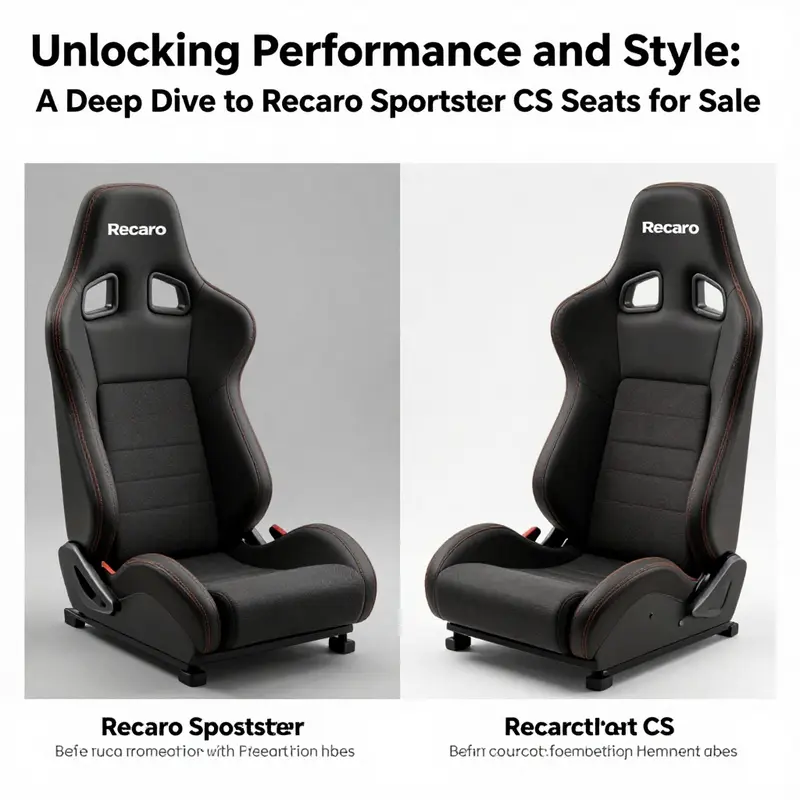
Premium sport buckets occupy a niche between luxury interiors and race-focused engineering. They must feel special in daily use while delivering strong support on fast corners. This chapter outlines how to evaluate a premium seat in terms of materials, ergonomics, technology, and price, with a view toward real-world ownership rather than standalone specs.
The materials are a telling signal: full-grain leather, Alcantara inserts, and carbon fiber trim often appear together. Leather provides durability and refinement; Alcantara offers grip to reduce slippage; carbon fiber adds stiffness without heavy weight. Together they form a balance of comfort and engagement that is more than cosmetic.
Ergonomics matter as much as aesthetics. A high-end bucket should support precise positioning, with enhanced side bolsters and lumbar support. The shell geometry aims to hold the body in a secure posture during hard cornering, while still permitting easy ingress and egress. The best options blend daily usability with track-ready performance.
Technology and comfort features such as ventilation, seat heating, and integrated climate control are not frivolities but performance enablers. When climate management is well integrated with the vehicle’s electrical system, it helps maintain comfort and alertness during long stints and variable conditions.
Price and availability influence decisions as much as capability. These seats sit in a premium tier, with price ranges that reflect materials, build quality, and brand heritage. Buyers should weigh longevity, warranty, compatibility with existing harnesses and rails, and the ease of installation and after-sales support.
In practice, the right seat offers a coherent package: refined daily usability plus credible track capability, modular fitment options, and a broader ecosystem that supports ongoing value. The market rewards seats that deliver comfort, control, and lasting perception of quality over time.
Final thoughts
Understanding the market for Recaro Sportster CS seats informs purchasing decisions that can enhance customer satisfaction and profitability. These premium seats, with their combination of lightweight design and aesthetic appeal, are far more than a luxury; they represent investment in quality and performance. Business owners should equip themselves with knowledge about availability, specifications, trends, and competitive products to position themselves as informed vendors in the automotive seating market.