

Selecting the right bumper for Mitsubishi Lancer models is essential for both aesthetics and functionality, particularly for business owners looking to maintain a professional image. This guide will delve into various bumper materials and their respective performance, explore the unique design features of different Lancer models, and provide an in-depth look at installation and maintenance practices to keep these critical components in top condition. We will also discuss emerging market trends and key decision factors that business owners should consider when purchasing bumpers, so they can make informed decisions tailored to their needs.
Front Bumper Materials and Performance: How the Lancer’s Front End Balances Safety, Weight, and Style
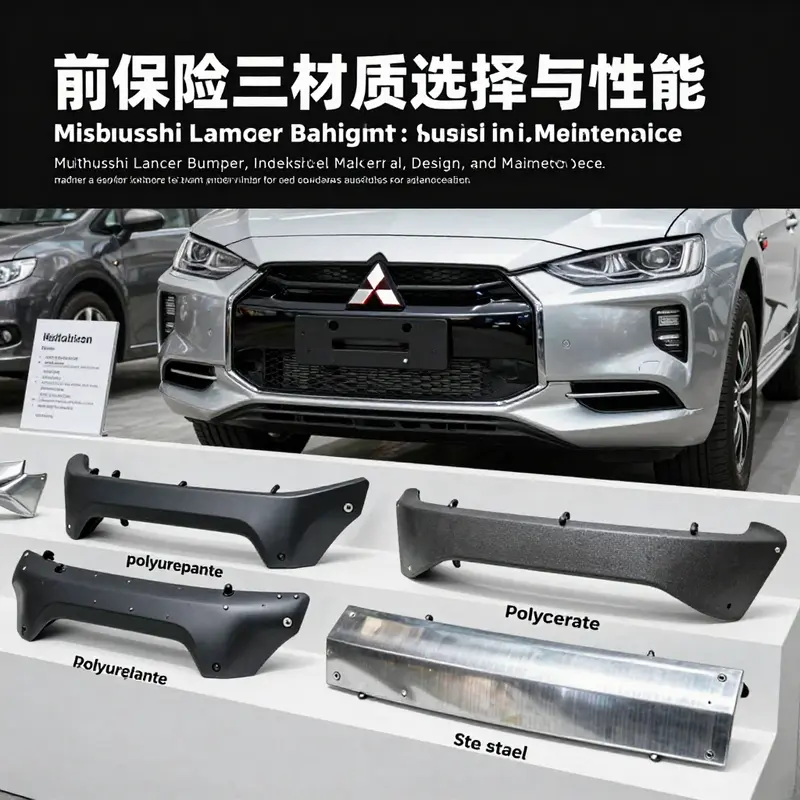
Front bumper materials do more than cover the car’s face. They govern crash energy management, weight distribution, and even how the car feels when you thread through a tight turn. For the Mitsubishi Lancer, a model long praised for its balance of reliability and agility, the choice of front bumper material is a quiet but decisive lever that shapes everyday driving and long-term maintenance.
The baseline is polypropylene (PP) in many factory bumpers. This engineering polymer, often combined with ethylene propylene diene monomer (EPDM) elastomer, yields a composite that breathes energy into the cabin and keeps the car light. In practice, the PP+EPDM blend absorbs minor impacts by allowing controlled deformation and energy dissipation, while the bumper behaves like a resilient shield that can spring back after small bumps. This elasticity is not just about preventing paint chips; it is about protecting the more rigid structural members behind it, and it aligns with modern safety logic that aims to cushion energy before it reaches the frame.
Weight is not a trivial matter. The Lancer’s chassis benefits from keeping mass to a minimum, preserving steering feel and braking response. Plastic bumpers accomplish this by shaving pounds compared with steel or heavy composites. Yet there is a wide spectrum of plastic performance. A bumper made purely of a rigid grade may crack under a moderate impact, but a well-designed PP+EPDM system tailors stiffness and rebound to protect both pedestrian and occupants without inviting excessive rigidity that could magnify injury in a collision. The balance here is a deliberate engineering compromise: enough stiffness to manage energy and aerodynamic stability, enough give to protect pedestrians and to prevent excessive cabin intrusion.
In the aftermarket sphere, other materials appear with different promises. Polyurethane piques interest for its superb resilience. It is more tolerant of UV exposure and temperature variation, a meaningful advantage in climates where heat can stiffen plastics or accelerate fatigue. The practical payoff is that a PU bumper can sustain repeated shocks and still return toward its original shape, a property valuable to owners who park in tight spaces or chase a sporty profile. However, polyurethane is not a simple drop-in swap. It tends to require careful fitment and professional spray work when color or texture must match the body panels. An imperfect color match or misalignment can produce creaks and rattles, undermining the very safety margins the bumper is designed to protect.
A different class of material focuses on impact resistance more than elasticity: polycarbonate. Known for high toughness and weather resistance, polycarbonate bumpers are often reserved for performance or show builds. They resist cracking under acute hits and hold their shape under sun and heat. The trade-off is higher cost and often more complex integration with the vehicle’s safety systems. Where the factory logic prizes energy absorption through engineered features within the bumper—crush cans, lattice structures, and reinforcement bars—the polycarbonate approach leans toward maintaining a sharp silhouette and resisting deformation in harsher conditions. This difference is not just cosmetic; it shifts the way energy is managed during a collision and changes how repairs are conducted after a mishap.
Fiberglass enters the scene as a lightweight yet moldable option. It can be shaped to fit aggressive air ducts, bold splitter lines, and intricate contours that modern Lancers with sportier visions demand. The upside is design flexibility and weight savings; the downside is repair complexity and higher maintenance costs after impact. For track or race-inspired builds, fiberglass can deliver the aesthetic and performance alignment enthusiasts crave, but it carries a practical caveat: it does not always recover from deformation in the same forgiving way as a robust plastic bumper, and the repair path can be more involved, often requiring shop intervention rather than a quick field fix.
Then there is the structural option that sits closer to the frame: high-strength steel. This is not common in everyday Lancer configurations, but it exists in contexts where safety and rugged endurance take precedence. A steel bumper’s mass grows, and with it the vehicle’s moment of inertia and steering feel. The advantage is durability and resistance to denting; the drawback is energy management under certain collision scenarios and greater weight penalties. In rural or harsh road environments, a steel-forward design can be appealing for longevity, but even there the safety logic remains centered on distributing energy and protecting occupant compartments.
Against this backdrop, a conversation about the Lancer’s bumper must reconcile OEM intent with aftermarket ambitions. The front bumper is designed as part of an integrated system. It is not just a shell but a crucial interface that hosts sensors, ambient air intake, and energy-absorption geometry tuned to specific collision scenarios. The inner structures—the crumple zones, the reinforcement beams, and the attachment points—are calibrated around the chosen material to deliver predictable behavior in a crash. The reality is that changing the bumper material alters how energy is stored, how quickly it dissipates, and how the surrounding bodywork responds. It also affects repair economics: a modern PP bumper might be repairable with heat and paint, while a fiberglass unit often becomes a replacement item after a collision.
Practical considerations frame the decision. The Lancer’s daily driving profile often leans toward a mix of efficiency and nimble handling. In cities and on winding back roads, light weight and predictable dynamics win over brute strength. Here PP-based bumpers are attractive because they preserve the character of the car: light steering effort, modest fuel penalties, and ease of replacement if a garage encounter occurs. In contrast, a sport-oriented or weather-challenged buyer might weigh polyurethane or even polycarbonate options for their impact resilience and environmental tolerance. The climate in the UAE, referenced in the external material, exemplifies a scenario where heat resistance and color stability matter. PU’s forgiving properties and ability to be colored to match an aggressive aesthetic can be compelling in hot climates. Yet the need for professional spray and fitment remains central to ensuring quiet operation and long service life.
Another layer involves the mounting and fitment reality. Regardless of the chosen material, proper installation matters. A bumper that is not correctly aligned can create aerodynamic drag, noise, and uneven load distribution. The alignment with the fenders, hood line, and grille must be precise to realize the intended energy management characteristics. In the Lancer’s context, alignment supports even air velocity across the radiator, aiding cooling in high-temperature environments and contributing to engine longevity in a car already praised for its balance of performance and reliability. For owners dabbling in aftermarket aesthetics, the temptation to push a bold bumper line can be strong, especially when the lines of the kit echo the track-inspired silhouette. But without thoughtful calibration—fittings, paint matching, and proper sealing—these upgrades can end up compromising not just comfort but safety.
The decision is also economic. OEM plastic bumpers, while not as flashy as carbon-loaded composites, offer a predictable cost path and repairability. Aftermarket variants may provide enhanced styling or airflow management, yet their performance depends on the quality of the molding, the resin system, and the mounting hardware that accompanies them. The economics extend to maintenance considerations: more complex materials or heavier bumpers can influence accelerator response, steering feel, and even tire wear in the long run, through altered weight distribution. A driver who spends long hours on highways might notice minor changes in ride quality if the bumper’s mass shifts the vehicle’s vehicle dynamic behavior, though the change is often subtle and overshadowed by tire and suspension characteristics.
One thread through this chorus of materials is safety. The bumper’s core job remains to absorb impact energy and mitigate intrusion into the passenger cell. The Lancer’s design language emphasizes a balance between form and function, where aesthetics do not trump safety. The energy-absorption performance is not solely about the bumper’s yield during a static test; it extends to how the entire crash protocol performs. The interior components—airbags, seat belts, and structure—work in concert with the bumper to maintain cabin integrity. A change in material can ripple through that system, altering how crash energy is channeled and how the occupant protection system deploys. In other words, the bumper is not a vacuum; it interacts with sensors and systems that, in the modern car, create a cohesive safety architecture.
The chapter of choices does not end with raw performance metrics. It inevitably comes back to the owner’s goals: daily reliability, a certain aesthetic, or a willingness to engage in a more involved maintenance plan. For someone who loves the stock look and regular service intervals, preserving the OEM PP bumper or choosing a like-for-like replacement keeps the car aligned with its original character and expected service life. For enthusiasts chasing a more aggressive stance, or those who want a bumper that can be easily repainted to reflect a unique color theme, looking at alternative materials can be part of a larger upgrade strategy. Even then, the narrative of choice centers on compatibility, repairability, and the long arc of ownership: will the bumper resist fatigue under the strain of everyday use, and will it remain easy to fix or replace after minor incidents?
In the end, the front bumper of a Mitsubishi Lancer is a quiet but vital steward of the car’s safety, weight, and personality. The decision seems modest, yet it threads through every corner of the vehicle’s behavior, from the way the car corners on a mountain road to the ease with which a body shop can repair a scrape. The material you select for the bumper expresses your priorities, whether you value lightness and agility, or you seek fortified protection and a look that commands attention. And because the Lancer’s design has historically valued a balanced, reliable persona, the material choice should mirror that ethos: keep the core structure intact, protect what matters, and allow the car’s personality to shine through the bumper’s shape and silhouette.
For readers who want a concrete link to a practical alignment with the Lancer’s bumper ecosystem, a detailed resource on factory and aftermarket options provides a useful reference point. See the 2016 Mitsubishi Lancer Front and Rear Bumpers page for mounting geometry, fitment notes, and common compatibility considerations. 2016 Mitsubishi Lancer Front and Rear Bumpers.
External reference: https://www.automotiveinsider.com/uae-lancer-ex-polyurethane-bumper-tech-details-2026
Front Bumpers Through Time: How the Mitsubishi Lancer’s Design Language Balances Speed, Safety, and Style

The bumper is more than a shield for the Mitsubishi Lancer. In the language of automotive design, it is the opening gesture that announces the car’s intent: a promise of protection, a statement of aerodynamics, and a personality cue that readers glimpse before the headlights even greet them. Throughout the Lancer’s lineage, the front bumper has evolved from a simple barrier into a carefully engineered element that articulates the balance between performance and daily practicality. Its presence on the car’s snout helps manage airflow, heat exchange, and even pedestrian impacts, while also signaling the era’s prevailing aesthetic—whether the car is meant to look refined and civic-minded or raw and race-ready. Reading the bumper as a design artifact reveals how engineering constraints, market expectations, and stylistic ambitions converge in a way that makes the Lancer’s front end uniquely expressive across generations.
Material choice is the first lens through which these differences become legible. In the earliest generations, the bumper’s backbone was a more conventional, cost-conscious selection. As the model line matured and performance variants gained more ground in the lineup, manufacturers experimented with materials that could absorb energy more efficiently and tolerate the stresses of aggressive driving. Polyurethane, for example, became a favored option for enthusiasts chasing a blend of resilience and moldable form. Its forgiving nature under minor impacts makes it appealing for drivers who want a sportier look without sacrificing everyday usability. Yet polyurethane’s advantages come with caveats: it often requires careful finishing and paintwork, and improper installation can provoke rattle or misalignment. In hot climates, the material’s flexibility and resilience also hold up better, reducing the risk of cracks that could mar the bumper’s lines after a few sizzling summers.
Polycarbonate entered the conversation as a higher-strength alternative. Known for exceptional impact resistance and weathering, this material supports more aggressive aesthetics without compromising structural integrity. It remains favored in high-performance or modified builds where the bumper needs to withstand track days and sportier driving while preserving a lighter overall weight than metal-focused counterparts. The payoff is clear: a bumper that can endure harsher use while preserving the sharp, high-contrast look that marks a performance-oriented Lancer’s front end.
For those chasing lightness and molding flexibility, fiberglass offers another path. The fiberglass route shines in racing-inspired or highly customized kits where designers push the boundaries of air dynamic performance. Its pliability makes it easier to sculpt complex contours that align with aggressive intakes and canards. However, fiberglass carries a cost and a repair reality that demands skilled hands. Cracking repairs or reinforcements are more involved than with thermoplastic options, so the owner who chooses fiberglass must also be prepared for a higher level of maintenance if the bumper experiences a heavy hit or needs frequent refinishing to stay fresh. These material choices graphically map the tension between everyday practicality and the thrill of a more radical visual statement.
High-strength steel remains a durable option for those prioritizing safety and longevity, especially on older cars or rural-driving scenarios where the bumper’s role is as much about real-world resilience as it is about appearance. The steel structure provides robust energy absorption and a longer lifespan under repeated stress, albeit with more weight and a different aesthetic footprint. This path appeals to owners who value proven durability and who live in environments where bumping into rough terrain or obstacles is a distinct possibility. The steel option, while less common in modern, mass-market trims, speaks to a usability-first philosophy—one that aims to protect investment while offering a sense of assuredness on rough roads.
Among the mass-market options, polypropylene emerges as the workhorse for everyday Lancers. Its lightness and cost efficiency make it a reliable replacement that does not demand a heavy price tag or complicated installation. The simplicity of one-piece, OEM-style replacements has a broad appeal for owners seeking straightforward maintenance and compatibility with a wide range of years and configurations. In this sense, polypropylene embodies a design philosophy centered on accessibility: a front end that looks right, fits well, and can be swapped in a pinch when the bumper experiences typical wear and tear.
Against this material spectrum, the Lancer’s model-specific design language reveals another layer of sophistication. The Evolution line, for instance, embodies a distinctly race-inspired approach. The front bumper on Evolution variants is typically more aggressive, featuring a large central air intake to feed the engine bay and cooling ducts that manage higher performance demands. The overall silhouette leans toward an aggressive, downforce-oriented look, with integrated lighting and inlet geometries that emphasize airflow management. This design language is not merely cosmetic; it underpins the car’s ability to cool a track-tuned engine and sustain high-performance driving under demanding conditions. The bumper’s lower section often completes this look with a pronounced splitter or a more sculpted undercarriage treatment, which helps channel air and reduce lift at speed.
The Ralliart variants carry forward the aggressive lineage while integrating a balance between track-ready aesthetics and street practicality. The undergrille geometry and the lower air channels tend to be more pronounced, with a focus on enhanced heat dissipation and improved airflow distribution around the engine and brakes. In day-to-day use, this translates into a front end that still projects a bold, sporting stance, but without alienating drivers who rely on the car for routine commutes.
Base models, ES, SE, and GT configurations demonstrate a broader spectrum of front-end identity. Here, the bumper design often aims for a harmonious blend of form with function. The idea is to present a front facade that remains visually balanced with headlights, grille treatment, and the hood line, while still delivering the necessary air intake geometry for cooling and performance. Across years, the evolution in these trims tends to manifest as refinements rather than revolutions: smoother lines, subtle reshaping of the lower lip, and revised fog-light housings or intake openings that improve ducting without altering the car’s overall silhouette.
The design shifts took a tangible turn in the sixth generation’s Evo. In this particular evolution, the front bumper shed some of the most dramatic protrusions seen in earlier generations. The surrounding lip and large, bold bumper components receded in favor of a more compact, integrated face. The fog lights, previously placed in a prominent central area, migrated to the sides, allowing the center of the bumper to host more streamlined air management features. The effect was twofold: maintenance access to engine components improved, and the front-end appearance became more cohesive and refined, signaling a shift from unbridled aggression toward a more purposeful, functional aggression. This move underscores a broader design philosophy: modern Lancers aim to optimize packaging and accessibility without sacrificing the visual muscle that makes the car instantly recognizable on a crowded street or a festive showroom floor.
This spectrum—from aggressive, high-contrast sportiness to refined, serviceable practicality—maps onto the practical realities of ownership. For enthusiasts who see a bumper as a canvas for performance identity, a fiberglass or polyurethane piece offers the best chance to mold a jaw-dropping front end around an engine that breathes more easily in the wind. For owners who view the bumper as a shield that must withstand harsh conditions and long commutes, a high-strength steel or a robust polypropylene replacement provides confidence and durability. And for those who appreciate a well-balanced compromise—stylish yet sensible—the base configurations with refined contours and dependable fitment reflect a pragmatic approach to customization.
Installation and procurement historically follow a similar arc. Whichever material or model alignment one chooses, the best practice remains to involve a skilled technician. The complexities of alignment, mounting points, and precise fitment can be nontrivial when switching between materials or when moving from a stock unit to a sport-oriented kit. The job complexity tends to escalate when the chosen bumper aims to preserve the vehicle’s original aerodynamics while accommodating additional cooling features or wider airflow channels. In many markets, the availability of both OEM-style replacements and aftermarket kits allows owners to tailor the bumper selection to their climate, use, and aesthetic ambition. Within this spectrum, it helps to consult catalogs or trusted suppliers that specify compatibility for the target year and trim, ensuring that mounting points, bumper sensors, and lighting align as intended. A thoughtful approach to installation minimizes risk and helps preserve the car’s integrity after the change.
To illustrate how these design choices translate into a practical sense of identity, consider a scenario that mirrors the model mixes discussed in the research. A sport-oriented Lancer from the late 2000s might pair a bold, lower-profile front bumper with wider vents and a more aggressive intake geometry. The driver who leans into daily driving but wants a track-ready edge can select a design with strong visual language yet reliable durability. A daily driver, on the other hand, may opt for a simple, well-fitting bumper in a material that resists cracking and remains forgiving in winter weather. Each path reflects a different reading of what the bumper should accomplish: stop energy transfer, channel air to cooling systems, and tell a visual story about speed—without saying a word.
A note on accessibility and the practical aspect of ownership: for those who want a ready-made solution while preserving broad compatibility, a universal or model-specific bumper replacement that is designed to fit multiple Lancer generations can be appealing. It keeps the door open for future upgrades without forcing a complete rework of the front end. For references and further references drawn from the broader community, a look at the front bumper catalog for Lancer models can be enlightening. To explore a representative example of a bumper lineup for a modern Lancer, you can visit a catalog page that documents a range of front and rear bumper options that span several years and configurations. See: 2016 Mitsubishi Lancer Front and Rear Bumpers.
In the end, choosing a front bumper for a Lancer is less about chasing a single universal ideal and more about aligning the choice with the car’s intended life. If the aim is maximum resilience and long-term ownership in challenging environments, the safer path leans toward robust materials and well-engineered mounting. If the goal is to express personality and achieve a strong on-road presence with a track-ready poise, sport-oriented shapes and performance-oriented airflow design are the guiding stars. And for those who prioritize daily practicality with a clean, modern look, a refined bumper with predictable fit and long-lasting color stability offers a satisfying balance. Across generations, the Lancer’s front bumper remains a key element of its identity: a tangible, visible link between the car’s performance ambitions and the driver’s everyday experience.
External reading can broaden the perspective on bumper performance, especially in markets where climate and road quality push materials to their limits. For a broader view on bumper materials and performance in hot climates, see an external resource that surveys material performance and installation considerations in demanding environments: https://www.automotiveinsider.com/uae-lancer-ex-polyurethane-bumper-tech-details-2026
Front Bumpers in Motion: Choosing, Installing, and Maintaining the Mitsubishi Lancer’s Protective Face

The front bumper is more than a shield; it is the car’s first line of contact with the road, a sculpture that communicates intent, aerodynamics, and the daily realities of use. For the Mitsubishi Lancer, this element carries particular weight. It must absorb impact, manage airflow, and harmonize with the car’s silhouette while standing up to the harsher realities of heat, dust, and road debris. In this chapter, we move through the practical and the perceptual—the materials that make up a bumper, how those choices affect performance and upkeep, and what it means to install and maintain a bumper that suits a Lancer as it exists on the street and, for some owners, on the track. The journey is about balance: durability without excessive weight, protection without sacrificing steering precision or aesthetics, and cost without compromising safety. Across climates and driving styles, the bumper becomes a partner in the Lancer’s ongoing story of reliability and expression.
There is no single answer to the bumper question because the Lancer accommodates a spectrum of philosophies. A polyurethane bumper, for instance, offers a rare blend of flexibility and energy absorption. It can bounce back after a minor collision, a characteristic that matters when you daily-drive a car through busy streets or uneven infrastructure. In hotter climates, polyurethane tends to perform well, resisting cracking that heat can induce in some cheaper plastics. It also invites customization: owners can spray custom finishes to reflect a sportier personality or a more understated look. But the flip side is real. If the installation is not precise, or if the finish is not correctly applied, you can wind up with rattles or misalignments that fade the intended look and feel. The key is to think of polyurethane as a performance property—resilience under stress—paired with professional finishing to maintain the integrity of the mounting surfaces.
Polycarbonate fills a different niche. This high-strength engineering plastic is built for impact resistance and weather tolerance. It resists cracking even under more severe conditions, which makes it attractive for owners who live in areas with dramatic temperature swings or who push for a higher level of protection on rougher roads. The Lancer, as a platform, can benefit from the stiffness and lightness polycarbonate provides, especially when pursuing a more aggressive appearance or a performance-oriented silhouette. The result is a bumper that stays visually sharp longer, preserving aerodynamics and the sense of purpose that sportier trims convey. Yet, polycarbonate tends to demand careful handling and, in some cases, more deliberate finishing work to achieve the same seamless paint match you expect from a factory look.
Fiberglass is another common choice in the Lancer community, especially for those chasing aero-driven aesthetics. It offers excellent moldability, enabling custom air ducts and dramatic lines that make a street car feel like a race machine. The upside is the freedom to craft complex shapes that align with a particular body kit or a custom front end. The downside is repair complexity and cost. Fiberglass damage can be stubborn to fix, often requiring specialists and retouching that extends beyond simple repainting. For a user who values a bold shape and is prepared for maintenance, fiberglass can be a compelling route that keeps weight reasonable while delivering a striking profile.
When durability takes precedence, high-strength steel enters the conversation. This material brings exceptional rigidity and energy absorption under heavier impact. It’s sturdy enough to endure rough rural roads and long-term use in an older chassis where cornering stresses and road debris accumulate over years. The trade-off is weight. A steel bumper adds mass, altering steering dynamics and, to some extent, fuel economy. For the Lancer owner who prioritizes protection and longevity over nimble handling in every maneuver, heavy-duty steel becomes a rational choice.
Among factory-based or budget-friendly options, polypropylene, or PP, remains a practical baseline. It is light, cost-effective, and straightforward to install. For many owners, especially those who perform regular maintenance themselves or prefer economical replacements after a minor collision, PP bumpers deliver dependable service without the higher price tag of performance composites. The material’s ease of replacement is a boon for residents who rely on quick, cost-efficient repairs, though the trade-off is a somewhat lower tolerance for extreme impacts and less sophisticated texture retention over time.
Variations by model and trim further shape the bumper’s role. The Lancer Evolution line, with its racing DNA, typically embraces aggressive aero elements: larger central grilles, integrated air channels, and bold lower lips designed to optimize cooling and downforce. Such designs improve air management at speed but demand careful mounting and alignment to preserve the intended airflow and sensor accuracy. By contrast, the Ralliart line blends track-inspired cues with practical adjustments for daily use, balancing downforce with road comfort and reliability. The standard or base Lancer, with its more restrained contouring, often emphasizes a harmony between aesthetics and everyday practicality, offering a spectrum of aerodynamic add-ons that cater to both looks and fuel efficiency. These differences are not merely cosmetic. They influence how the bumper behaves under gusts, how easily it can be repaired, and how compatible the unit is with nearby sensors and the car’s driver-assistance features in modern trims.
Installation is never purely cosmetic. It is a set of decisions that determine how well the bumper protects, how it communicates with the bumper-to-body interface, and how faithful it remains to the car’s geometry over time. Regardless of material, installing a bumper should be treated as a professional task when possible. Precision matters: misaligned mounting points can create squeaks, poor gap consistency, or accelerated wear on attachment points. If you purchase a bumper from an after-market source, verify compatibility with your exact year and trim, because the Lancer’s bumper architecture can shift with generations, updates to sensor housings, or changes in the fog-light arrangement. In many markets, owners consider both OEM-style replacements and high-quality replicas; each path has its caveats around fitment, finish, and long-term durability. When in doubt, lean into the perspective that a bumper is both a structural element and a visual touchpoint—the part that tells the story of your Lancer the moment you pull into a driveway.
For those who want to dial in year-specific accuracy, there are options tailored to particular versions. A resource that maps to the Lancer’s front-end iterations provides a practical touchstone for buyers who want to ensure the part aligns with the vehicle’s mounting points, sensor placements, and headlights. If you wish to explore options specifically oriented around a particular year, you can refer to the 2016 Mitsubishi Lancer front and rear bumpers collection, which presents a range of compatible choices while keeping alignment with OEM geometry. 2016 Mitsubishi Lancer front and rear bumpers.
The installation journey—from unbolting the old piece to seating the new unit and reconnecting the electrical harnesses—benefits from a methodical approach. Start by verifying that the new bumper matches your exact model and year. Gather the common tools: a range of socket sizes, screwdrivers, plastic trim tools, a torque wrench, and soft padding to protect the vehicle’s finishes. Before any wrench touches metal, disconnect the battery and ensure the vehicle is secure on a flat surface. The disassembly and reassembly involve detaching top mounting points under the hood, loosening wheel-arch retainers, and handling the fog-lamp or radar connectors with care. A two-person lift is often indispensable; the bumper is typically wide and awkward, and a second set of hands helps manage corners and alignment along the fenders. As you separate the bumper from the car, tag or photograph the harness locations to guarantee precise reattachment. When you mount the new unit, begin by aligning the top edge with the body’s locating slots, then gradually work outward to the sides, making sure gaps stay uniform—roughly a few millimeters of clearance at the fenders and lower edges. A gradual, sequential tightening—starting from the outer mounting points and moving toward the center—limits stress on plastic clips and metal anchors. Finally, reconnect the sensors and lights, if present, then perform a careful test of all systems. Fog lamps, parking sensors, and adaptive cruise systems have to be reprogrammed or calibrated in many modern Lancers; neglecting this step can leave you with false alerts or degraded performance. If your vehicle is equipped with radar-based safety features, a calibration at an authorized service center may be essential after bumper replacement to ensure safe operation.
Maintenance is the quiet chore that preserves performance year after year. Regular checks should verify that the bumper’s clips remain snug and that the paint finish remains intact against chips and micro-cracks. Clean the radar housings and lens areas with gentle, non-abrasive cleaners to maintain sensor accuracy. In cold or high-heat environments, apply caution: extreme temperatures can stress plastics, particularly if the bumper carries sharp aerodynamic profiles or exposed lip attachments. If minor scratches appear, polishing compounds and touch-up paint can restore the surface, but deeper cracks or impact-induced cracks should trigger a total panel assessment—repairing a cracked bumper in one season may save far more in prevention of secondary damage from misaligned energy absorption. For those who push their Lancer into spirited driving or occasional track days, keep a closer check on the lower lips and air dams. These elements experience the most direct contact with curbs and speed-bump strikes; a small dent or crack here can alter airflow patterns and lead to imbalance or increased drag.
Guidance on choosing the right bumper remains rooted in a blend of practicality and ambition. If the priority is resilience and long service life on rough roads or rural lanes, a steel or heavy-duty composite bumper offers a robust platform that can absorb significant energy at the cost of added weight. If your goal is sport-forward styling along with credible daytime reliability, a polyurethane or fiberglass setup that emphasizes a clean silhouette, precise fitment, and clean lines will serve well, provided you invest in proper sealing and paint finish. For cost-conscious daily use, a PP bumper can deliver consistent, predictable performance with straightforward maintenance and installation. Across all choices, the compatibility of the bumper with your Lancer’s sensors and driver-assistance systems is not a mere afterthought but a core requirement, especially in models with radar-guided features. The installation crew should review sensor positions and perform a post-installation calibration if needed to maintain the integrity of the car’s safety systems.
In sum, the bumper landscape for the Lancer is as diverse as the driving experiences it supports. The right choice depends on how you value protection, weight, aerodynamics, and budget, as well as how much you care about the car’s visual language. The path from selection to installation and maintenance is not about chasing the latest trend but about building a durable, coherent interface between the car’s body, its performance dreams, and the realities of daily life. For those who want to explore year-specific options further, refer to the dedicated page on 2016 Mitsubishi Lancer front and rear bumpers, which consolidates fitment guidance and aesthetic choices into a single, navigable resource. And for a broader perspective on polyurethane bumper testing and performance standards in hot climates, see external automotive research resources that discuss material behavior under UAE conditions and how it translates to real-world durability and compliance. External resource: https://www.automotiveinsider.com/uae-lancer-ex-polyurethane-bumper-tech-details-2026
前保险杠采购风向标:三菱蓝瑟在智能化、轻量化与定制化浪潮中的市场动向
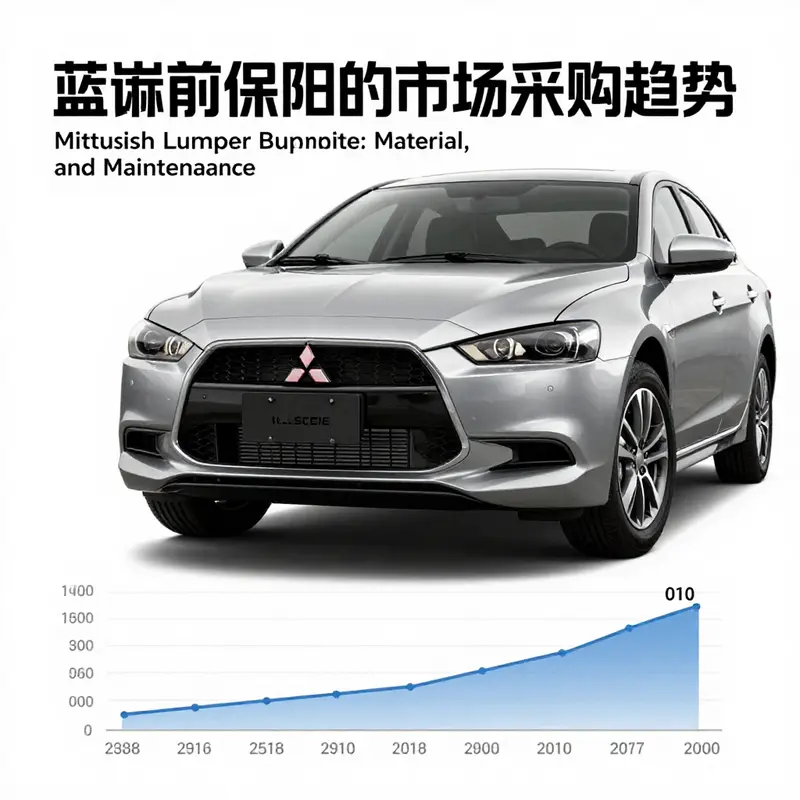
坐在驾驶席上,凝视前脸的轮廓,仿佛能看到一整套空气动力学与传感系统共同编织的蓝图。三菱蓝瑟的前保险杠,早已不仅仅是一个简单的护罩。它承载着主动安全的首道防线、先进传感器的安放空间,以及在不同道路条件下对车辆动态的细腧调控。2026年初至2月的市场研究揭示了一个清晰的趋势:前保险杠的采购不再只看是否能覆盖 bumper、是否能容纳雾灯与格栅,而是逐步向模块化、智能化与可定制化方向演进。这一切都在为车厂、改装厂以及车主个人的需求提供新的答案。整合式前保险杠的理念正成为主流。传感器、雷达与摄像头的位置正被设计成一个一体化的模块,既能更好地进行环境感知,又能简化装配与维护的流程。对于追求性能与安全并重的用户而言,这种集成化的前杠不仅提升了主动安全系统的响应效率,也为空气动力学参数的管理打开了新的可能性。更重要的是,模块化设计让后续的升级和维修变得更高效、更具可预测性。在这一潮流中,材料的选择不再单纯追求刚性与耐冲击的平衡,而是将轻量化作为核心目标之一。工程塑料、复合材料以及新型增强材料正成为主力,用以降低整备质量、提升燃油经济性和续航里程,同时确保在高温、潮湿等严苛环境下的稳定性。对环境友好与循环再利用的关注也在提高,这促使供应链与制造环节采用更环保的工艺与材料组合。模内装饰(IMD)、微发泡注塑以及数字孪生质检等先进工艺在不同生产线上的应用,成为提升外观质感、延展性与一致性的重要手段。通过数字化仿真来预测碰撞能量吸收与结构变形,企业能够在早期设计阶段就排除不利因素,从而在缩短上市周期的同时保障安全标准的合规性。如此综合的技术叙事,映射出一个清晰的采购逻辑:在同等价格区间,选材与制造工艺的差异将直接体现在整车的能耗表现、维修成本、长期耐久性以及保值率上。这种综合性的评估框架,是当前市场对前保险杠的回答,也是未来数年内的行业标尺。对采购链条的影响同样显著。全球供应链的竞争格局正在发生变化,跨国与本土化供应商之间的博弈逐步形成更为平衡的生态。大众市场的件件件件供应更侧重成本效益、交期稳定与广泛的覆盖能力,而高端与定制化需求则更多依赖在地服务能力、快速响应与可追溯的质量控制。对整车厂而言,这意味着在设计初期就要把前保险杠与传感系统、热管理、以及前格栅区域的热气流管理放在同一个系统级别进行协同。对改装市场而言,市场的需求点更偏向于如何在不牺牲安全性的前提下实现个性化外观与空气动力学优化。运动化外观、前保险杠唇、下部扰流等升级件的组合,正在成为提升车辆视觉冲击力与下压力的有效路径,同时要防止因安装不当而带来的噪音、间隙变化和长期松动等问题。这就要求消费者在选择时不仅关注外观效果,还要评估装配工艺、固定强度和长期维护成本。除了材料与工艺,法规与环保要求也在加速推动行业的转型。双碳目标与机动车运行安全相关标准的推进,促使前保险杠在设计阶段就必须考虑可回收性、再制造潜力以及在生命周期内的环境影响。回收利用、件件再制造、以及对废旧件的再利用,正在成为供应商与整车厂共同关注的议题。若能建立起一个闭环的材料与部件生命周期管理体系,将显著提升企业在市场中的长期竞争力。对三菱蓝瑟用户而言,这些趋势意味着在选购与升级前保险杠时,需要对以下维度进行系统性评估。首先是结构与集成度:是否能无缝对接传感系统、雷达、摄像头,以及车辆的电子架构;其次是材料与重量:在同等强度下,能否实现显著减轻、并保持耐久性与耐热性;再次是制造工艺:是否采用IMD、微发泡等工艺,以提升外观质感与一致性;最后是供应链与售后服务:能否获得稳定的供货、清晰的安装标准与可靠的售后支持。正是在这样的多维度背景下,采购决策开始更像是系统工程的选择,而非简单的件件替换。一个值得注意的信号,是市场对跨车型、跨年款的适配性需求正在增强。虽然不少 OEM 体系会强调严格配套,但在改装与升级市场,能提供更广泛适配、可定制的前保险杠组合的厂商,往往能以更高的性价比赢得忠诚客户。这也解释了为什么越来越多的消费者愿意接受部分通用件的改装方案,前提是这些通用件具备可预测的安装过程、可重复的质量控制以及清晰的保修条款。若把目光放在全球视野中,前保险杠的采购趋势不仅关乎单件部品,更是数字化供应链、绿色制造与高性能材料协同创新的缩影。跨区域的认证、测试与标准化接口,是确保不同市场之间顺畅流通的关键。为相关从业者提供一个清晰的导引,前保险杠的选型应把“兼容性、可维护性、可追溯性、以及整体生命周期成本”作为核心评价维度。对品牌与经销商而言,如何在保证质量的前提下提供灵活的定制化方案,是未来市场胜出的关键。为了帮助读者把握更多具体的站内资源与相关信息,可以参考站内的前后保险杠选购与适配页面,以获得更细致的参数对比、安装要点与兼容性说明。这一内部资源强调了一个核心原则:好的前保险杠不是只看外观,还要看与传感系统、热管理和整车安全体系的协同。进一步理解行业的宏观逻辑与区域性差异,有助于我们把握未来的采购策略。对追求更高性能与更低运营成本的车主而言,这些趋势也提醒我们,变革往往来自对细节的深挖:更轻的材料、更多的集成、以及更灵活的定制能力,正成为提升驾驶体验与长期价值的关键推动力。最后,若将这股潮流放在全球背景下观察,其背后是一套完整的产业体系在进化:材料科学、制造工艺、供应链管理、法规标准四者互为影响、互为驱动,形成一个不断自我迭代的生态。外部的研究与分析也不断印证这一点,即前保险杠的市场发展正在从单一防护部件走向系统解决方案。这种转变不仅满足了当下对安全与美学的双重诉求,也为未来的新能源车、智能网联和高性能车型提供了更充裕的设计空间。External resource: 2026-2030中国保险杠行业市场发展分析及前景趋势与投资研究报告,https://www.researchandmarkets.com/reports/5874397/china-bumper-industry-market-development-analysis
Front Bumpers for the Lancer: Fit, Materials, and Performance

The front bumper on a Lancer is more than a cosmetic piece. It is a first line of defense against road debris and a key component of the car’s aerodynamics and safety systems. When choosing a bumper, consider three core elements: fitment, material, and sensor compatibility. If reliability and everyday practicality are the goal, aim for a bumper that tolerates minor impacts without frequent repairs. If the aim is a more aggressive stance and improved cooling, prioritize shapes and ducts that guide air effectively while maintaining structural integrity. The final choice should weave fit, material performance, and aesthetics into a coherent package rather than a collection of separate parts.\n\nFitment should come first. The Lancer has multiple generations with different mounting points and contours. Always confirm the exact model code or year before purchasing. Variants with midlife updates or sport trims can differ in how the bumper attaches to the frame, the shape of the lower valance, and space for fog lights or vents. Ill fitment can cause rattles, sensor interference, and compromised crash performance, so match to the vehicle year and chassis code and verify dimensions against the product description. If in doubt, consult the seller or a professional installer.\n\nMaterial choices influence daily use and durability. Polypropylene is common in OE and replacement parts; it is lightweight and cost-effective but can soften or become brittle with heat and sun exposure. Polyurethane offers better energy absorption and fatigue resistance, with a tendency to recover from low speed deformations, but may require careful finishing and painting to avoid surface issues. Steel bumpers provide strength and longevity in rough conditions but add weight and can complicate sensor alignment on modern cars. Glass reinforced plastic and fiberglass offer mid range strength with more sculpted aero shapes; however repairs can be more involved and surface finish may require extra care. Carbon fiber is a premium option with exceptional stiffness and low weight but high cost and repair complexity; for most daily drivers, a well-made PP or FRP package remains a practical balance of weight, cost, and shape control.\n\nBeyond material, sensor and safety integration matters. Modern Lancers with forward radar, cameras, or driver assist features require precise mounting for sensors. Pre milled holes, reinforced inner surfaces, and space for housings help preserve safety features after installation. Hydrophobic coatings and robust sealants extend life in harsh climates and salt-prone environments.\n\nColor, finish, and fit should also be evaluated together. A bumper that matches the body color or provides a deliberate contrast should maintain a uniform gloss and shade across the front end. Proper curing, surface preparation, and paint adhesion are essential; even small misalignments can detract from appearance and durability. When sourcing parts online, verify that the listing specifies the correct year, chassis code, and trim level to avoid misfit or sensor conflicts. If a kit is advertised as bolt on, confirm that no trimming or specialty alignment is required for your exact vehicle.\n\nIf you want a concrete example, consider a bolt on variant designed for a sport oriented lineage that aligns with your Lancer’s front end architecture. This approach preserves mounting points while allowing a more aggressive look without compromising compatibility. For reference, you can review a well-documented option here: https://mitsubishiautopartsshop.com/cz4a-lancer-evolution-evo-10-front-bumper-red-color/\n\nIn short, the best bumper choice blends fitment reliability, material performance, and sensor compatibility into a coherent package that suits daily driving, climate, and your aesthetic goals.
Final thoughts
In conclusion, understanding the nuances of Mitsubishi Lancer bumpers, from material selection to design specifics and maintenance, empowers business owners to make informed decisions. By focusing on performance, cost-effectiveness, and market trends, you can ensure the longevity and visual appeal of your vehicles. Whether you’re considering improvements or simple repairs, each chapter of this guide aims to provide the necessary insights to support your endeavors.