
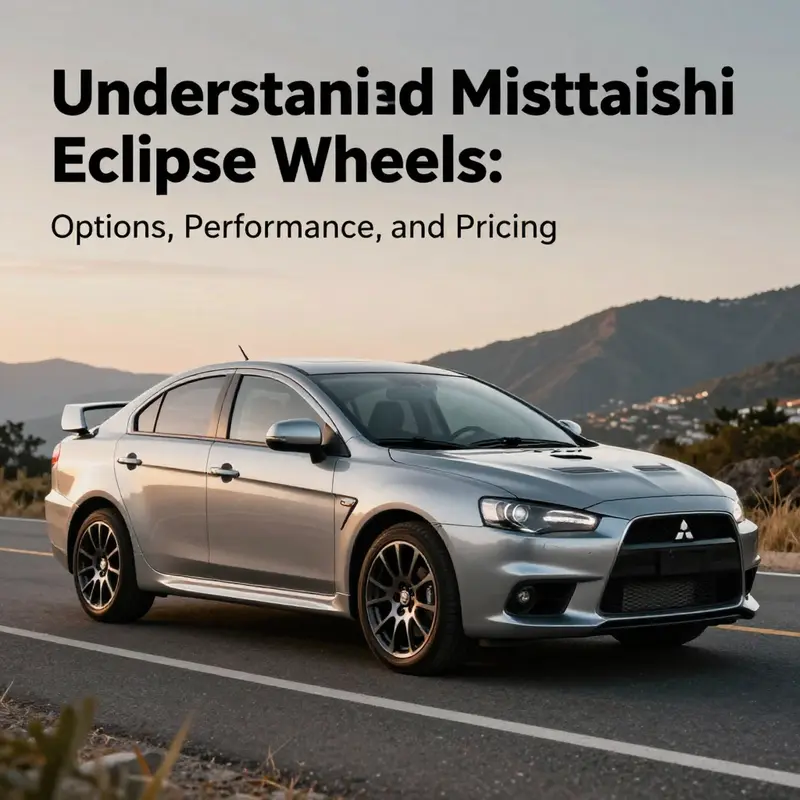
Choosing the right wheels for the Mitsubishi Eclipse can significantly impact both the vehicle’s performance and aesthetic appeal. With a rich history and various models, the Eclipse provides business owners with an array of options, from OEM to aftermarket wheels. This article explores the types and options available, the comparison between OEM and aftermarket choices, performance specifications and compatibility, and the latest pricing trends. Each chapter will deepen your understanding of how to select the best wheels for your Mitsubishi Eclipse, ensuring satisfaction in both form and function.
Wheels on the Eclipse: Navigating OEM Spirit and Aftermarket Possibilities for a Sporty Mitsubishi Coupe
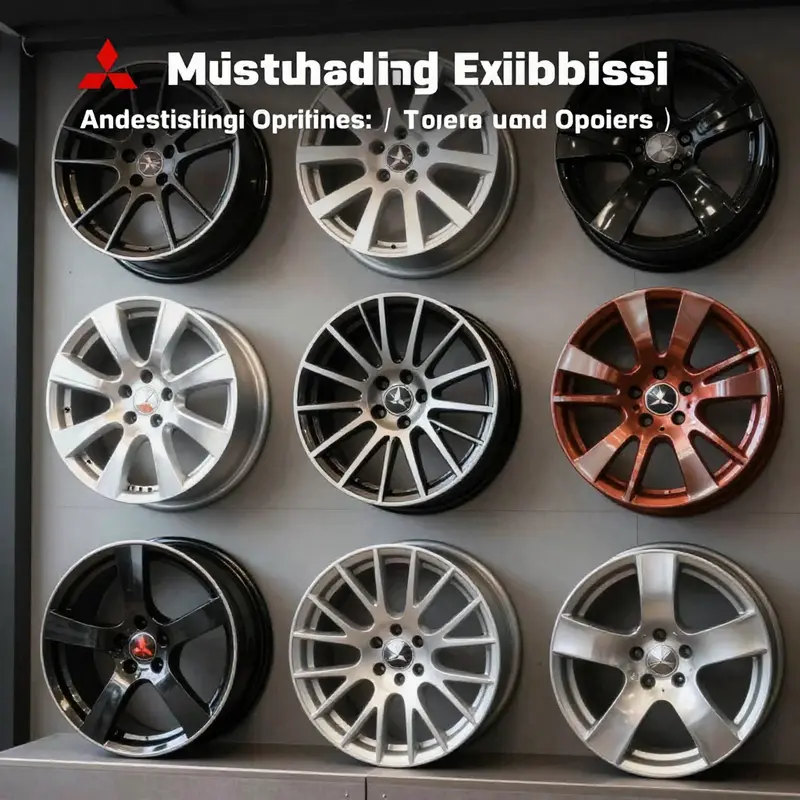
The wheel is more than a circular piece of metal tucked under a fender; it is a language spoken in thermals and tuning, a statement about how a car meets the road. For the Mitsubishi Eclipse, a car that has always balanced sprinting instinct with a clean, unmistakable silhouette, wheels carry both form and function in equal measure. They influence how the car looks in the garage, how it stops in the rain, and how quickly it manages the arc through a corner. This chapter traces a thread through the wheel options that have historically fit the Eclipse, emphasizing how enthusiasts can navigate between factory-original pieces and aftermarket solutions while preserving the car’s character and ensuring safe, predictable performance. It isn’t just about diameter or style; it’s about understanding fitment, compatibility, and the subtle conversations wheels have with brakes, suspension, and fenders. The Eclipse’s wheel choices reflect a broader truth about modern classics: the right wheel can sharpen handling, aid brake cooling, and redefine stance, but the wrong one can scrape a lip, rub a fender, or upset the mechanical balance that keeps a car reliable on a daily basis and thrilling on a weekend run.
Across the spectrum, wheel options for the Eclipse have tended to cluster around two broad paths: original equipment manufacturer (OEM) style wheels and reputable aftermarket designs. The OEM path emphasizes compatibility and preservation of the car’s intended dynamics. When a wheel is designed to the car’s exact specifications, it aligns with the factory’s tolerances for offset, hub bore, and lug pattern, minimizing the risk of clearance issues and vibration. Alloy wheels—lightweight, rigid, and often finished in finishes that convey a sense of speed even when the car is stationary—became a common choice for the Eclipse’s higher-trim or performance-oriented variants. These alloys typically featured multi-spoke geometries that balanced visual impact with efficient heat dissipation. The alloy’s lightness relative to steel offered a practical advantage: reduced unsprung weight helps the suspension respond more quickly, which can translate to crisper steering and more precise braking feel. In pure terms, OEM-style alloys preserve the car’s original design intent while maintaining a level of reliability that owners who rely on daily driving tend to appreciate.
In contrast, steel wheels provide a different kind of value. They are robust, inexpensive, and typically chosen for harsh weather use or as spare wheels. They lack the shimmer of alloy wheels and often look more utilitarian, yet they remain a practical solution for fleets, winter duty, or budget-conscious owners who still want a proper wheel and tire setup. For the Eclipse, where aesthetics have long aligned with a sporty silhouette, steel wheels might be seen less as a primary choice and more as a dependable backup or a functional add-on when seasonal or logistical considerations come into play. Yet even steel wheels can be chosen with care; a well-finished steel wheel paired with a quality tire can fill a wheel well with purposeful posture while keeping weight and cost in check.
Sizes tell a complementary story. The Eclipse’s wheel diameters historically span a middle ground around 16 to 17 inches, with widths generally in the region of 6.5 to 7.5 inches. Those choices were not arbitrary. They reflect a balancing act between ride comfort, handling grip, and the car’s clean, aerodynamic proportions. The 16-inch option can deliver a baseline, comfort-oriented experience, ensuring adequate sidewall height for everyday miles and light track days. A 17-inch setup, by contrast, often contributes to a more aggressive stance and lets the tires display a slightly lower sidewall profile, sharpening steering response and giving the brakes a little more room to breathe when pushed into a corner. Yet with larger diameters comes the need for mindful fitment. The Eclipse’s suspension geometry, fender clearance, and caliper size all interact to determine whether a wheel will clear without rubbing in compression or at full steering lock. Enthusiasts who go beyond stock sizes typically pursue wider sections or lower offsets to enhance handling, but any deviation must be checked against the car’s geometry to prevent clearance issues that could compromise safety or performance.
A fundamental thread that unites OEM and carefully chosen aftermarket wheels is fitment, and fitment is governed by a few non-negotiable specifications. The lug pattern is a primary concern. For a broad swath of Eclipse models, the common lug pattern is five lugs arranged in a circular pattern with a precise center distance. Without getting lost in the arithmetic, the simple practical takeaway is this: you must confirm that the bolt circle on a replacement wheel matches the hub’s configuration. The center bore—the hole at the middle of the wheel that centers it on the hub—matters just as much. If the bore is too large, the wheel will tend to center poorly, producing unwanted runout or vibration. If the bore is too small, the wheel cannot be mounted without machining or spacers, which introduces unnecessary risk or compromise. These two specs—lug pattern and center bore—define whether a wheel will simply mount or actually perform as intended.
Beyond those fixtures, the offset and backspacing of a wheel enter the equation. Offset determines how far the wheel sits toward or away from the suspension, which directly affects scrub radius, steering feel, and tire shoulder wear. A wheel with too aggressive a negative offset can tuck the tire into the fender lip, inviting rubbing with suspension components or even bodywork. A wheel with too much positive offset can push the tire inward, altering steering behavior and potentially diminishing brake cooling. For the Eclipse, as with many cars in this class, a careful balance is essential. Enthusiasts often seek a modestly lower offset to achieve a stronger stance and more aggressive fitment, but they do so with the understanding that clearance must be verified against the fenders and the brake caliper package. The aim is to preserve the car’s original intent—a confident, predictable response to steering input—while allowing a wheel and tire package that matches personal taste and driving goals.
The wheel selection journey for the Eclipse also intersects with the realities of the modern parts market. When owners consider replacing or upgrading, they frequently turn to OEM-equivalent or reputable aftermarket options that align with safety standards and dimensional accuracy. This is where the guidance of service manuals and trusted retailers becomes valuable. Reliable resources provide the detailed specifications necessary to verify compatibility, including the axle hub diameter for correct centering, the lug nut configuration, and the exact tire size recommendations that maintain the intended ride height and handling balance. The goal is not merely to find a wheel that looks right; it is to ensure that the wheel works harmoniously with the car’s braking system, suspension geometry, and chassis stiffness. A well-chosen wheel can aid heat dissipation in braking, improving the longevity and performance of the brake components during spirited driving or track days. Conversely, a poorly matched wheel can degrade braking efficiency, magnify vibrations, and shorten tire life through improper alignment of load paths.
In exploring the spectrum of options, several practical notes emerge. First, the role of OEM-like wheels in maintaining the car’s signature character cannot be understated. For owners who want to protect resale value or preserve the clean lines and proportions that define the Eclipse’s visual appeal, choosing wheels that mimic factory design cues—rather than bold, non-conforming shapes—helps retain the car’s intended silhouette and handling balance. This approach is not about nostalgia alone; it is about preserving a predictable, wipe-cleanable foundation on which performance and style can be layered without provoking uncertainty under load. Second, the aftermarket route offers the possibility of broader finish choices, from charcoal to graphite, polished faces to satin black, each finish nudging the car’s stance in a different direction. A more reflective finish can catch light in a way that enhances the car’s lines in a showroom or a late-afternoon canyon drive, while a darker, matte finish may retreat into the shadows, giving the Eclipse a stealthier, track-ready presence. In all cases, the care taken to ensure proper fitment remains crucial. Misalignment in any dimension—offset, center bore, or lug pattern—can translate into vibrations or uneven tire wear that distracts from the driving experience.
The practical realities of choosing wheels also reflect modern shopping habits. The internet has become a central hub for comparing options, verifying fitment, and validating compatibility with specific vehicle configurations. For Eclipse owners, reliable references are essential to separate sound guidance from hype. In this landscape, a carefully curated list of OEM-style or high-quality aftermarket wheels, matched to the car’s dimensions, becomes a compass for navigating the market. And while it is possible to rely on generic measurements in isolation, the most reliable path remains a combination of official service documentation, verified fitment data, and hands-on checks with a reputable parts retailer. The aim is to translate theoretical fit into a confident, road-ready setup that looks right and performs well under real-world conditions.
As the Eclipse evolves with its owners, the wheel conversation stays central. One practical way to explore contemporary options while respecting the car’s lineage is to examine specialized collections that curate OEM-compatible wheel families in sizes that suit modern tires. For readers curious about a modern interpretation of the Eclipse’s wheel options, a focused collection of 17-inch rims tailored for the Eclipse provides a direct, tangible starting point. This resource presents options that preserve the original spirit while accommodating newer rubber profiles and refined finishes. It serves as a bridge between the care taken in classic design and the demands of current road conditions, tire technology, and driving expectations. The link offers a concrete path for those who want to see how a contemporary wheel aesthetic can align with the Eclipse’s proportions and performance goals without sacrificing authenticity. 17-rims-fit-mitsubishi-eclipse-wheels-2018-2019-2020-2021-2022-2023-17×7-5-new.
For those who want to widen their context beyond the immediate aftermarket aisles, it remains prudent to consult established automotive resources that track wheel and tire compatibility across a spectrum of Mitsubishi models. These guides synthesize data from manufacturer specifications, service documentation, and practical field experience. They remind the reader that the ecosystem of wheels is a living thing, changing with new tire technologies, updated hub assemblies, and ongoing debates about stance versus clearance. The Eclipse’s wheel journey is not a static choice; it evolves with the owner’s needs—from daily reliability to weekend performance, from a subtle upgrade to a visible, personal expression. In this sense, the wheel becomes a narrative device, a tangible expression of how a driver relates to the road and to the car’s original spirit.
Ultimately, the wheel decision for the Eclipse hinges on a blend of respect for the car’s design intentions and a personal plan for how the car will be used. If the aim is to preserve the car’s appearance and maintain a predictable ride quality, one might favor OEM-like wheels that preserve factory geometry. If the goal is to sharpen handling, one can pursue a carefully chosen aftermarket wheel with a modest offset and a tire that complements the chassis balance. Regardless of direction, the most important discipline is to verify every critical specification—lug pattern, center bore, offset, and clearance—with the wheel manufacturer or a trusted retailer before finalizing a purchase. This diligence pays dividends in performance, safety, and long-term satisfaction.
External resource for further reading on wheel and tire compatibility can provide a broader frame of reference and confirm the practical aspects discussed here. For those seeking a comprehensive overview of compatibility and fitment in the broader Mitsubishi ecosystem, consult the resource catalog of established automotive data providers that maintain updated information on wheel geometry and hub details. https://www.rockauto.com/
Wheels of the Eclipse: Navigating OEM Precision and Aftermarket Freedom
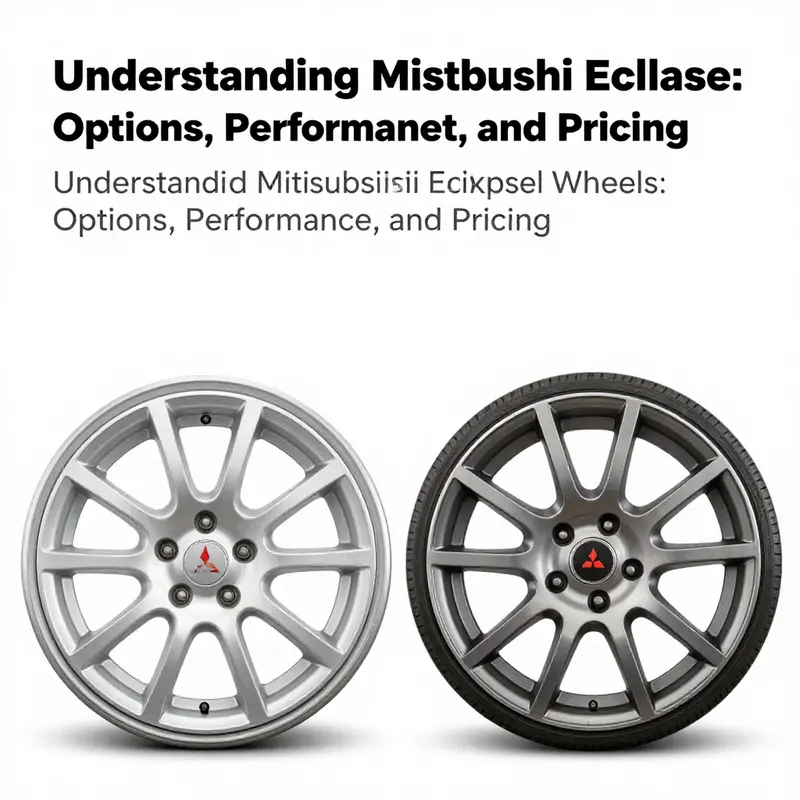
**Wheels do more than roll a car forward. On a Mitsubishi Eclipse, they shape what the road feels like, how the car responds, and how the whole machine presents itself. The choice between OEM wheels and aftermarket options isn’t simply a matter of appearance or price; it’s a calculation that touches fitment, performance, durability, and the everyday practicality of keeping a sport coupe reliable. When you pull into a driveway with a set of wheels that harmonize with the Eclipse’s proportions, you’re not just changing looks—you’re refining the vehicle’s geometry, its interaction with the braking and suspension systems, and the way that torque translates into real-world grip. This chapter follows that thread, exploring how OEM and aftermarket wheels each offer distinct advantages, and why the best choice depends on what you expect from your Eclipse in the long run.
OEM wheels are designed to achieve a precise alignment with factory specifications, a feature that may seem subtle but matters deeply once you drive. The term OEM implies more than branding; it signals a deliberate integration of the wheel with the car’s ABS, traction control, and electronic stability logic. The wheel’s diameter, width, offset, and hub bore are all tuned to maintain correct contact with the brake calipers, ensure the sensor rings read accurately, and preserve the intended steering feel. When a wheel is built to those exacting standards, the vehicle’s safety systems operate with the same confidence as they did from day one. That reliability translates into predictable handling, consistent braking responses, and fewer surprises when the road conditions change. A genuine OEM wheel is essentially a piece of the vehicle’s original design, curated to stay faithful to the Eclipse’s engineering blueprint.
A practical, everyday example of an OEM approach is the availability of 18-inch factory wheels produced to spec for certain Eclipse generations and related Mitsubishi platforms. These wheels, designed to mate with the car’s brake layout, caliper clearance, and wheelhouse geometry, often carry a level of integration that means fewer compromises in braking performance or sensor accuracy. For drivers who value quiet confidence and long-term compatibility, OEM wheels can be the safer harbor. They also tend to wear well under the car’s corrosion protection standards, given the same tests that the rest of the original hardware endures. In the context of the Eclipse, this translates into a wheel that not only looks appropriate in the wheel well but also preserves the intended dynamics of the chassis under braking, cornering, and load transfer.
Yet, OEM wheels come with constraints that are easy to underestimate. The most obvious is availability and cost. Factory wheels are produced in finite runs and often carry a premium because they’re tied to the vehicle’s original parts inventory. For some Eclipse owners, especially those with older generations or limited-production variants, sourcing new OEM wheels can be a time-consuming process or a financial stretch. The upside, however, is that every part aligns with the car’s designed tolerances, preserving performance across the spectrum of daily commuting to more spirited driving on back roads. If you prioritize a seamless, factory-perfect aesthetic and you intend to maintain the vehicle’s original ride and safety characteristics, OEM wheels remain a robust, time-honed choice.
In contrast, the aftermarket pathway opens a broader landscape of possibility. Aftermarket wheels bring a wealth of design language, sizes, and finishes that OEM lines rarely match—at least not without digging into accessory or limited-run programs. The most immediately visible advantage is customization: you can tailor the Eclipse’s stance, tone, and personality with wheels that vary in diameter, width, spoke pattern, and finish. A lighter wheel can reduce unsprung mass, potentially improving suspension responsiveness and steering feel. This possibility matters because the Eclipse’s dynamics hinge on precise weight distribution and how quickly the suspension can react to changing surface conditions. Lighter wheels, paired with appropriately matched tires, can sharpen turn-in, reduce inertia during mid-click steering inputs, and produce a more instantaneous response to steering corrections. The improvements, however, depend heavily on the wheel’s design, the brand’s manufacturing standards, and careful attention to the overall system, including tires, brakes, and suspension components.
But the aftermarket path isn’t without caveats. The breadth of options means a higher degree of variance in quality and in how well a wheel integrates with a vehicle’s systems. Not all aftermarket wheels meet the same safety and performance standards, and some configurations can introduce unintended compromises. A wheel’s center bore, bolt pattern, offset, and spoke geometry must align with the Eclipse’s specifications to avoid steering wobble, brake caliper contact, or compromised ABS function. The risk is not merely cosmetic; it can translate into dynamic discrepancies that become noticeable under spirited driving or during emergency maneuvers. That’s why many Eclipse owners who choose aftermarket paths prioritize wheels from manufacturers that subject their products to independent safety and performance certifications. When a wheel is properly certified and thoughtfully matched to the vehicle, the advantages—variety, lighter mass, and tailored aesthetics—can be realized without sacrificing reliability or safety.
For Eclipse enthusiasts who weigh cost against customization, the arithmetic often leans toward certifiable aftermarket options as a practical middle ground. You can find certified aftermarket wheel families that emphasize compatibility with the car’s braking architecture and with the factory wheel wells. The goal is to retain the protective and functional aspects of the original design while unlocking a personalized look and, potentially, a performance edge. The most important considerations remain consistent across OEM and aftermarket routes: fitment, durability, and how well the wheel supports the car’s safety systems and dynamic behavior. In considering fitment, several critical factors deserve emphasis. The diameter and width determine the tire’s contact patch and how it interacts with the suspension’s available travel. The offset, which governs how far the wheel sits in front of or behind the hub, affects steering geometry, brake clearance, and the alignment of wheel weights relative to unsprung mass. The bolt pattern and center bore must be precise to ensure a secure fit and proper sensor alignment. And the overall weight of the wheel matters for acceleration, braking response, and ride quality. When all these parameters are aligned with the Eclipse’s design, the wheel not only fills the arches with a purposeful stance but supports the vehicle’s dynamic intent.
From a practical perspective, many Eclipse owners explore a spectrum that includes both OEM-compatible and certified aftermarket options. The aim is to strike a balance: the security of factory fitment with a design language that expresses the owner’s tastes. This approach often involves verifying that a wheel’s certification aligns with the vehicle’s safety expectations. In addition to certification, it’s prudent to confirm that the chosen wheel maintains compatibility with the vehicle’s electronic systems, such as ABS, traction control, and stability programs. Even minor deviations in offset or center bore can cascade into small but meaningful changes in how the car responds to steering inputs, how the brakes feel under load, or how the system categorizes wheel speed data during cornering. Thorough due diligence—checking brake rotor compatibility, caliper clearance, and hub-to-wheel fit—is essential regardless of whether the wheel is OEM or aftermarket.
A notable practical nuance is the possibility of cross-compatibility among Mitsubishi platforms. Some wheels, especially those in the 18-inch Hyper OE category for certain Eclipse generations and related models, share enough dimensional compatibility to fit a broader family of vehicles. This broader compatibility can make it easier to source suitable wheels without sacrificing the intended fitment and performance. However, one should never assume compatibility. Even small differences in brake caliper contours or hub dimensions can require spacers, hub-centric rings, or slight alterations to achieve a clean, safe mount. The careful path—whether pursuing OEM or aftermarket options—is to treat wheel selection as a systems decision, not a standalone choice. The wheel must play well with tires, brakes, suspension, and the vehicle’s sensors, while also meeting the driver’s goals for aesthetics, stance, and handling.
For Eclipse owners who want to explore options, a practical route is to examine online listings that are specifically tailored to the Eclipse wheel ecosystem. A dedicated catalog often surfaces a range of 17- to 18-inch configurations that maintain factory proportions while allowing for individualized finishes. The beauty of the aftermarket route is that you can pursue distinct finishes—from gloss black to satin, or more adventurous textures—without compromising the underlying engineering. The safest tactic is to prioritize wheels that clearly advertise OEM compatibility or certified aftermarket status, and to cross-check the technical specifications with your vehicle’s year, trim, and brake configuration. In doing so, you can enjoy the best of both worlds: a wheel that respects the Eclipse’s engineering integrity and a look that reflects the owner’s personal taste.
For readers who want a direct reference to a specific wheel option that many Eclipse owners explore, consider the catalog entry that features 17-inch rims designed to fit the Eclipse platform, described in the listing for 17-rims-fit-mitsubishi-eclipse-wheels-2018-2019-2020-2021-2022-2023-17×7-5-new. This internal listing captures the practical reality that there are factory-inspired designs offered in a range of finishes and widths, sometimes at accessible prices, and with the intent of preserving the vehicle’s original geometry. It’s a reminder that the market recognizes the Eclipse as a platform deserving of careful wheel solutions, whether you’re aiming for a factory look or a more aggressive stance.
From the standpoint of a cohesive owner strategy, the choice between OEM and aftermarket wheels should hinge on goals rather than impulse. If your priority is to preserve the vehicle’s original character, safety, and long-term reliability, the OEM path remains a strong default. If your goals include a broader aesthetic palette, a potential handling edge, or a more tailored stance, a carefully selected, certified aftermarket option can deliver meaningful gains without sacrificing core safety and compatibility. Either path benefits from due diligence: confirm fitment with your specific Eclipse generation, verify clearance for brakes and suspension, and ensure the wheel’s certification aligns with industry standards. In the end, the right wheel is one that honors the Eclipse’s design language while enabling the driver to experience the road with confidence and style. For those who want to explore the practicalities further, the catalog entry linked above offers a concrete starting point for a 17-inch, Eclipse-specific wheel search, illustrating how modern shopping channels can align with precise engineering needs.
In terms of broader context, these decisions aren’t unique to the Eclipse. The balance between OEM fidelity and aftermarket exploration is a recurring theme across sport coupes and compact performance cars. The ideal wheel strategy respects the vehicle’s fundamental design while inviting the driver to personalize the stance, grip, and given braking performance. When you select a wheel that fits well, the car feels more connected to the road, more predictable in corners, and more expressive in its stance. The journey from initial curiosity to final installation becomes a test of engineering discipline and taste, a reminder that wheels are a bridge between the vehicle’s engineering core and the driver’s evolving relationship with the road.
For readers who want to investigate further, a broader external resource on wheel selection and performance considerations offers a wider lens on how professionals weigh fitment, material quality, and certification across a spectrum of vehicles. See Car and Driver for a comprehensive overview of wheel and tire considerations in performance applications: https://www.caranddriver.com/.
Internal link note: For readers curious about a specific 17-inch wheel option tailored to the Eclipse, explore the dedicated listing here: 17-rims-fit-mitsubishi-eclipse-wheels-2018-2019-2020-2021-2022-2023-17×7-5-new. This link anchors a practical example of how OEM-styled dimensions can appear in the aftermarket ecosystem and how a well-matched wheel set can maintain the Eclipse’s performance profile while expanding its stylistic possibilities.
null
null
Eclipse Wheel Market Guide: Pricing Patterns, Availability, and Smart Sourcing
Understanding the market for Mitsubishi Eclipse wheels means seeing prices and availability as parts of a single ecosystem. Wheels for the Eclipse appear across a range of channels and conditions. That reality shapes pricing patterns and buyer options. Condition, year, finish, and wheel specification drive price. Supply sources and regional demand set availability. When you follow those dynamics, you learn to find better value and the right fit for your car.
The most obvious variable is condition. New, unused wheels command the highest prices. OEM new stock retains appeal for owners who want factory fitment and design continuity. Refurbished and used wheels are cheaper, but quality varies widely. Scratches, bends, and repairs matter. Cosmetic blemishes often reduce price substantially, while structural damage can eliminate safety. Sellers frequently price individual wheels separately. Listings may show single rim prices, pairs, or full four-wheel sets. That affects the per-wheel math. A set can be a discount per rim, but shipping and return complexity rise.
Size and finish also shape market behavior. Popular sizes for the Eclipse include 17- and 18-inch wheels. The more common sizes are easier to source, so prices tend to stabilize. Special finishes, like machined charcoal or performance-style hyper finishes, attract buyers who pay a premium. Conversely, factory silver finishes often appear most in salvage inventories and sell at lower prices. Rarer sizes or limited-edition finishes can spike in value, especially when fitment compatibility is limited to certain model years.
Model year compatibility tightens or loosens the pool of available wheels. Early-generation Eclipses share bolt patterns with some other Mitsubishi models, widening options. Later years may require specific offsets and centerbores. Listings that clearly state fitment range, wheel part numbers, and OEM codes are more valuable. Buyers who can match a wheel’s OEM number to a parts catalog avoid costly returns. For example, some Hyper OE spec wheels, identified by specific model numbers, are known to fit certain Eclipse years and related models. Knowledge of those identifiers shortens the search and reduces wasted bids.
Marketplaces and seller types form the distribution backbone. Large online classifieds and auction platforms often host the widest selection. Those listings reflect frequent price adjustments and occasional promotions. Independent sellers may undercut dealers to move inventory quickly. Salvage yards and parts recyclers offer volume and lower prices, yet their listings require more diligence. Third-party suppliers and wheel refurbishers provide a middle ground: reasonable prices with some warranty or inspection history. Each seller type reflects a trade-off between cost, convenience, and certainty.
Regional demand matters. In areas with high performance and modification communities, aftermarket wheels for the Eclipse can sell quickly. That pushes prices up for popular styles. In regions with limited interest, supply lingers, and dealers lower prices to clear stock. Seasonal factors also influence listing volume and price. Spring and summer see increased demand from buyers who shop for upgrades before driving season. Winter months often produce more used stock as owners replace wheels for seasonal tires, creating buying opportunities.
Accurate pricing assessment starts with comparison. Look for recent sales data rather than asking prices. Listings can sit unsold for months at optimistic prices. Completed sales reveal what buyers actually paid. Also account for shipping, handling, and any refurbishment costs. Large or heavy wheels can incur high freight charges. A set that looks like a bargain can lose appeal after freight and balancing are added.
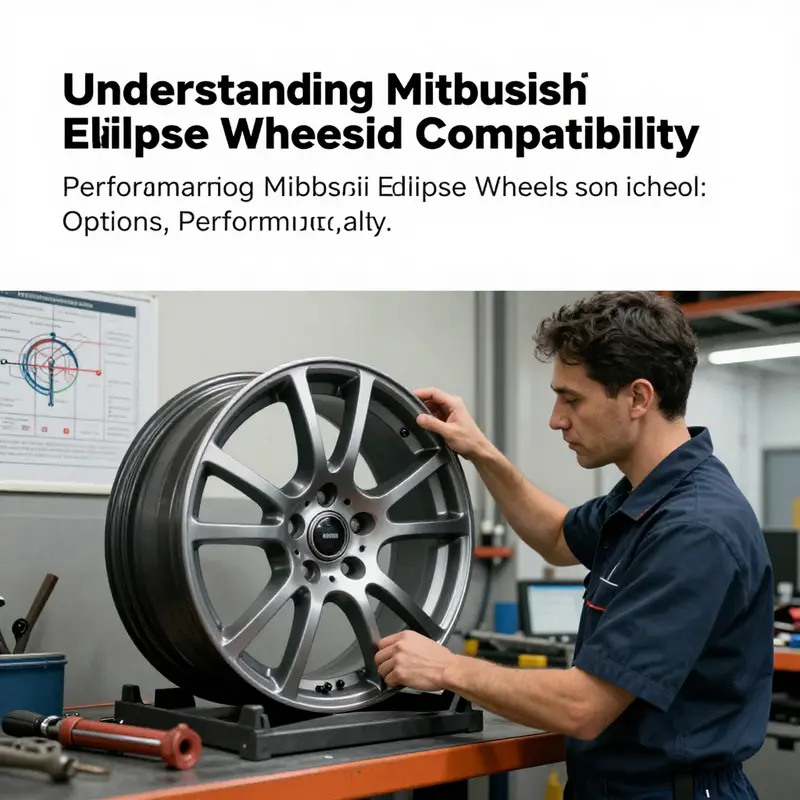
Buyers should verify fitment beyond diameter. Critical specs include bolt pattern, offset, centerbore, and load rating. Lugs and hub sizes differ across trims. Offset affects clearance with brakes and suspension. A wheel with the right diameter but the wrong offset can rub or change vehicle geometry. Many sellers list PCD (pitch circle diameter) and offset in the description. When a listing lacks those details, ask the seller. A photo of the stamped specs on the wheel backside is often decisive.
Condition reports and photos matter for trust. Sellers who show clear photos of hubs, inner barrels, and mounting faces reduce risk. Look for evidence of bends, curb rash, and corrosion. Ask about repairs. Some sellers disclose whether wheels have been welded or straightened. Repairs can be safe when done correctly, but they should be disclosed. Refurbished wheels often come with a painted or machined finish that hides flaws. Ask for before-and-after photos if possible. If you cannot inspect in person, choose sellers with return policies and trusted ratings.
Warranties and return policies change value. New or remanufactured wheels sometimes include limited warranties. Used wheels rarely do. Where warranty coverage exists, factor it into the overall cost. A slightly higher price with a solid return window may be the better deal. Consider inspection services and local wheel shops that offer assessment for a fee. A professional inspection before finalizing a purchase can protect against unseen structural damage.
Timing your purchase helps. Watch listings for price drops and relisted items. When a seller relists the same wheel after a long time, their motivation to sell increases. That can mean negotiation leverage. Bundled listings with tires attached sometimes offer savings, but tire condition matters. If included tires are worn or mismatched, the bundled save may vanish once you factor in replacement costs.
Aftermarket alternatives expand choices and influence pricing on OEM wheels. Popular aftermarket designs are widely available and often cheaper than OEM replacements. That keeps OEM prices from climbing too high. At the same time, a strong demand for an aftermarket style can raise prices for similar OEM finishes, as buyers seek aesthetic parity. Many buyers weigh the pros and cons: OEM preserves factory look and fit, while aftermarket offers broader styling and performance options.
Refurbishment is a market unto itself. Wheels can be cosmetically restored to near-new appearance. The cost for professional refurbishment varies by region and the work required. Paint, powder-coating, and machine-finishing all carry different price points. Some refurbishers specialize in restoring specific finishes, which can revive rare factory styles. When you buy refurbished wheels, ask about the process used and whether structural testing occurred. Refinished wheels that underwent non-destructive testing give greater confidence.
Negotiation practices benefit from transparency. Ask specific questions, bundle purchases when possible, and be prepared to walk away. Sellers with multiple listings may accept offers that move inventory fast. If a listing includes only one wheel, consider asking whether others are available. Occasionally, partial sets sell for a premium due to perceived balance needs, leaving buyers to hunt for matching rims.
When sourcing, prioritize documentation. A clear part number, fitment data, and visible condition images accelerate safe purchases. Keep a checklist: wheel size, bolt pattern, offset, centerbore, condition, repair history, and return policy. Compare the total landed cost, not just the listing price, and factor in balancing and mounting fees.
For those who want a practical next step, use focused searches that include specific sizes and OEM identifiers. That filters noise and pinpoints relevant inventory quickly. If you prefer a hands-off approach, seek sellers who offer inspection videos and acceptance guarantees. When buying remotely, select payment methods that include purchase protection when possible.
To stay proactive and avoid missing opportunities, monitor relevant listings and saved searches. Trends shift slowly, and persistence pays. When supply tightens for a specific factory wheel or finish, prices can rise quickly, especially if it fits multiple models. Conversely, abundant stock of common sizes means buyers can wait and buy at lower prices.
One useful internal resource outlines rims that fit Eclipse models, including modern 17-inch fitment options. For more on compatible rim sizes and fitment details, see this guide on 17-inch fitment for Mitsubishi Eclipse wheels: 17 rims fit Mitsubishi Eclipse wheels 2018–2023 17×7.5 new.
If you wish to cross-check live market prices and see current listings, review real-time marketplace results here: https://www.ebay.com/sch/i.html?_nkw=Mitsubishi+Eclipse+Wheels
This chapter frames the market realities for Eclipse wheels. Use it as a practical lens to evaluate listings, balance cost and risk, and make sourcing decisions that match your priorities.
Final thoughts
In summary, selecting wheels for the Mitsubishi Eclipse involves careful consideration of the various types and options available, understanding the differences between OEM and aftermarket products, evaluating performance specifications, and staying informed about pricing trends. A well-chosen set of wheels can enhance your vehicle’s aesthetics and performance, making it crucial for business owners to approach this decision with comprehensive knowledge. Whether you’re upgrading for style or functionality, make informed choices that align with your goals.