
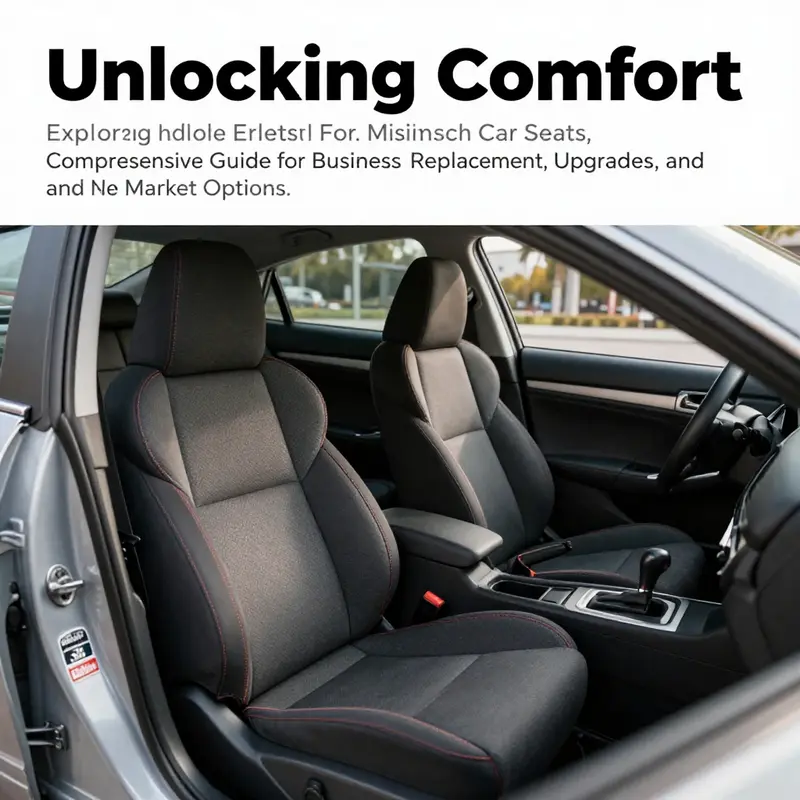
The Mitsubishi Eclipse, known for its sportiness and comfort, is equipped with seats that can seamlessly enhance both driving experience and interior aesthetics. For business owners, understanding the available options for seat replacements, performance upgrades, and quality enhancements for Mitsubishi Eclipse can translate into improved customer satisfaction and brand loyalty. This article delves into key elements that officers should consider, from selecting the right replacements tailored to unique needs, upgrading seats for performance benefits, and enhancing the overall interior quality. Each chapter will guide you through these pivotal aspects, ensuring you are well-informed when choosing Mitsubishi Eclipse car seats.
Choosing and Installing Replacement Seats for Your Mitsubishi Eclipse: Fit, Comfort, and Safety Considerations
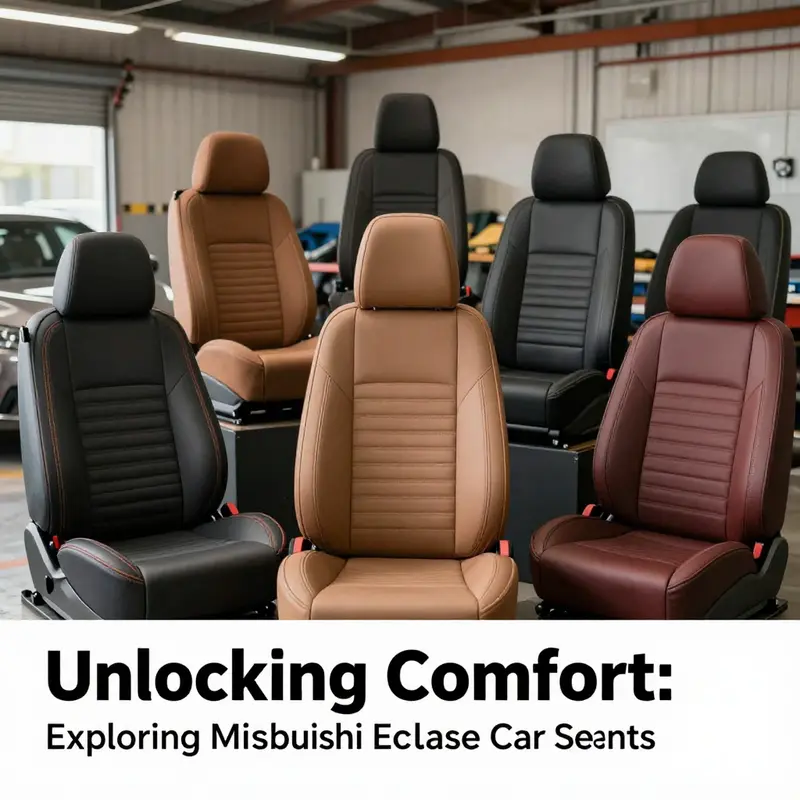
Replacement seats for a Mitsubishi Eclipse balance fit, comfort, and safety in one package. Owners replacing seats face a series of linked choices: whether to retain factory fitment and features, upgrade comfort and materials, or choose a custom look. Each path affects compatibility, installation complexity, and cost. Understanding the trade-offs and available options helps you make a confident decision that preserves safety systems while improving your driving experience.
Most owners begin by deciding between factory-original replacements and aftermarket alternatives. OEM options replicate the vehicle’s original specifications. That means correct mounting points, matching seat belt and airbag sensor interfaces, and identical electrical connectors for powered adjustments or heaters. Choosing an OEM-style seat minimizes surprises during installation. It also preserves systems that rely on seat-integrated sensors, such as airbag calibration and passenger detection. For those who want a seamless swap, this route avoids reprogramming or adding adapters.
Aftermarket seats, refurbished units, and custom reupholstery present a broader range. They can deliver better lateral support for spirited driving or premium materials for everyday comfort. High-quality refurbished seats often come from donor vehicles and are inspected, cleaned, and repaired before sale. Custom seat builds offer tailored foam density, lumbar support modifications, and upholstery choices like leather, synthetic leather, or specialty fabrics. These options allow owners to shape a personal interior style while addressing neck and lower-back comfort.
Compatibility is the single most important technical concern. Even a visually similar seat can differ in mounting bolt patterns, seat track widths, and wiring harness layouts. Modern seats often include built-in side-impact airbags and occupancy sensors. If the replacement seat lacks identical sensors or uses different connectors, you may see warning lights or compromise the safety system. This is why many professionals recommend verifying fitment for your specific year and model, such as an Eclipse coupe or an Eclipse GT with a V6 powertrain. Confirming compatibility with the vehicle’s wiring and mounting architecture prevents electrical faults and ensures occupant safety.
Installation complexity varies widely. A direct-fit seat typically removes with four bolts and a few electrical connectors. More involved swaps may require harness adapters, custom brackets, or seat track modifications. Bracket fabrication can ensure correct seat height and rake, but it must be done precisely. Incorrect bracketry can change airbag deployment geometry or impair seat belt performance. For safety reasons, any custom mounting work should meet automotive standards and be executed by an experienced technician.
When considering upholstery and material choices, think about long-term durability and climate. Genuine leather or high-quality synthetic leather resists stains and cleans easily, but can feel hot in summer and cold in winter without integrated climate control. Alcantara-like fabrics offer a suede feel and improve grip during lateral maneuvers. They also add a premium look without becoming slippery. If you opt for heated seats or ventilated inserts, make sure the electrical system supports them. Power functions and heating elements require correct wiring and fuses sized for the added load.
Comfort upgrades often include improved lumbar support and foam density changes. Many replacement seats include adjustable lumbar bolsters or memory settings. For drivers with chronic back pain, selecting a seat with targeted lower-back support makes long trips much easier. Custom foam inserts can be shaped to distribute pressure more evenly. When having seats reupholstered, ask about using high-resilience foam and durable stitching patterns. These details extend comfort and preserve seat shape for years.
For enthusiasts, sport-style seats offer enhanced lateral support. Semi-bucket or full-bucket designs keep occupants planted during aggressive cornering. These seats often use harness provisions that accept multi-point racing belts. Keep in mind that installing aftermarket harnesses may require additional reinforcement behind the seat to anchor shoulder straps safely. If you plan track use, choose seats certified for motorsport where necessary and ensure harness anchorage meets the required standards.
Refurbished seats can be a cost-effective compromise. They give you factory-fit components but with refreshed upholstery and repaired mechanisms. Rebuilds typically include replacement padding, resealing of recline mechanisms, new foam, and reconditioning of power motors. A quality rebuild will also address rust or corrosion in the seat frame that could compromise longevity. Ask sellers for a detailed condition report and for photos of the seat’s underside and track assembly.
Seat covers and tailored kits provide another route to change appearance and feel without replacing structural components. Well-fitted covers restore a cohesive interior look, protect original upholstery, and add features like extra lumbar support. For newer crossovers based on the Eclipse family, there are tailored leather kits with added lumbar bolsters and classic black colorways that elevate perceived interior quality. Covers also allow owners to try premium materials without committing to complete seat replacement. Ensure the covers are designed to accommodate side airbags and do not block sensor locations.
Safety considerations are paramount. Seats play a role beyond comfort; they help position occupants for optimal restraint performance. If replacements alter seating height, tilt, or belt geometry, restraint effectiveness can change. Any replacement or modification that affects airbag sensors must be validated. Professionals often recommend scanning the vehicle for diagnostic trouble codes both before and after seat replacement. This ensures that the vehicle’s safety systems recognize the new seat and function as intended.
Wiring and electronics deserve special attention. Power seats include motors for fore-aft travel, recline, and sometimes lumbar. Heated or ventilated seats add resistive elements and blowers. If adapters are required to connect aftermarket seats, use high-quality connectors and protect any exposed wiring. Fuses and relays should be checked and upgraded only when needed. Improper wiring risks short circuits and component damage. For vehicles with advanced occupant-detection systems, some adapters and interfaces replicate sensor signals to avoid fault lights.
Cost considerations run from budget seat covers to full custom builds. OEM replacements usually cost more but reduce installation headaches. Aftermarket and rebuilt seats can be less expensive and offer upgrades. Reupholstery ranges widely depending on materials and labor. When budgeting, include the price of brackets, wiring harnesses, seat covers, and professional installation. If you plan to sell the car later, keep documentation for replacement seats and any electrical work. That history reassures future buyers and may preserve resale value.
Sourcing replacement seats can be as simple as using the manufacturer’s parts catalog or as exploratory as searching specialized shops and marketplaces. The official parts catalog lists seat models, trim options, and part numbers for each model year. This resource helps verify exact fitment before purchasing. Specialized upholstery shops and performance garages can also advise on modifications and supply custom solutions. When buying used seats or refurbished units, inspect for wear on foam, tears in upholstery, and corrosion on the frame and track.
Practical tips for a smooth replacement: always disconnect the battery before working on seats with airbags or wiring. Mark connector positions and take photos during removal. Measure bolt patterns and seat track widths before ordering a new seat. Retain original hardware until the new seat fits correctly. If replacing only the covers, choose designs that accommodate airbags and preserve occupant detection. Finally, plan for a test drive to confirm seat comfort and that no warning lights appear on the instrument cluster.
Choosing the right replacement route depends on priorities. If original fit and safety are most important, a factory-equivalent seat is the fastest path. If comfort and material upgrades matter most, refurbished or custom seats shine. If budget constraints exist, well-made seat covers can produce an immediate interior uplift with minimal risk. In each case, confirm compatibility with your specific Eclipse model year, and account for electrical and safety integrations.
For owners who want definitive information on part numbers, compatibility, and official accessory options, the manufacturer’s parts and accessories catalog remains the authoritative source. It lists seats, trim options, and installation requirements for various model years and trims. Referencing this resource ensures you order parts that match your vehicle’s configuration and retain built-in safety and comfort features.
If you are exploring material upgrades or performance seating, consider consulting a trusted upholstery or performance shop. These specialists can evaluate modifications and provide solutions that maintain safety while delivering desired comfort and aesthetics. Thoughtful choices today protect your passengers and enhance the driving experience for years to come.
External reference for parts and compatibility: https://www.mitsubishicars.com/owners/parts-accessories
Internal resource for a seating material option: Alcantara front seats option
From Comfort to Control: Performance Seating Upgrades for the Mitsubishi Eclipse
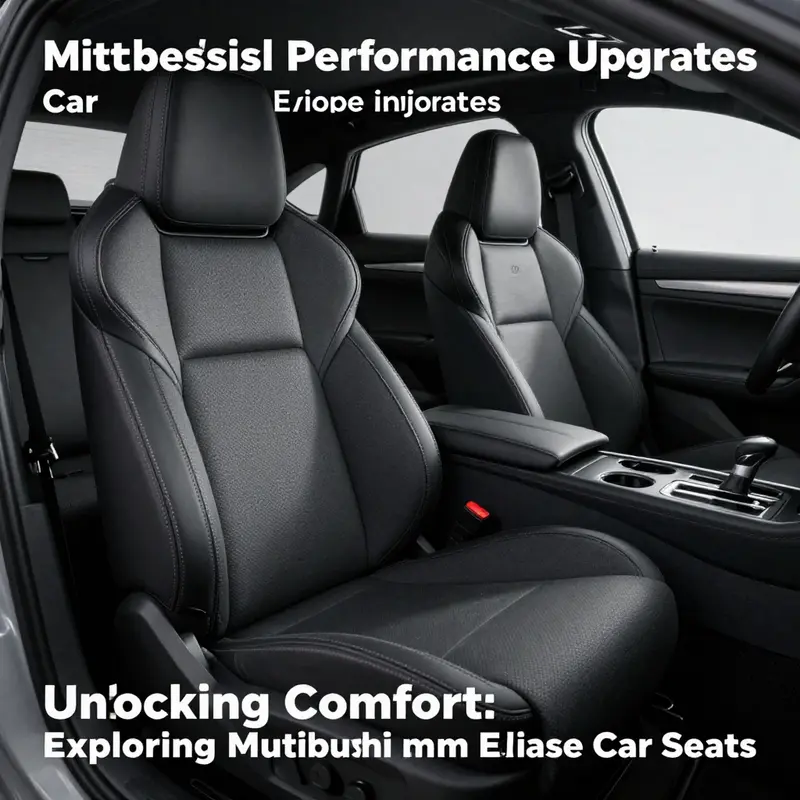
When drivers talk about upgrading a Mitsubishi Eclipse for performance, the cockpit often becomes a core focus. The seats are not merely a place to rest; they are a critical interface between the driver and the machine. A well-chosen seat can influence posture, awareness, and endurance, shaping how quickly a car responds to steering inputs and how long a driver can stay tuned to the road. The logic behind performance seating is simple: lighter, more rigid structures paired with supportive, grippy fabrics or leathers create a more direct and precise driving experience. Even small gains in seat design can ripple through the vehicle’s dynamics, affecting everything from weight distribution to center of gravity and, ultimately, braking and turn-in feel. In a car like the Eclipse, which blends compact agility with coupe-like poise, the seating layer becomes a decisive factor in translating a driver’s intent into real-time control. The path from comfort to control begins with understanding how seat construction, materials, and mounting interact with the car’s chassis and driver’s physique, and how an upgrade strategy can be tailored to both street and track ambitions without compromising daily usability.
One of the foundational ideas in performance seating is weight reduction without sacrificing support and safety. The analogy from the broader realm of vehicle composites—where lighter carbon fiber components are used to free up performance—offers a useful mental model for interior upgrades. In practice, this translates to seats built with lighter frames and carefully engineered foams or fabrics that still provide the necessary lateral support during aggressive cornering. The driver’s torso should be cradled by side bolsters that prevent fatigue and maintain posture during long drives, but those bolsters must not encroach on range of motion. A seat that feels superb when the car is cruising may suddenly reveal itself as a constraint on the track if its shape forces the driver to contort the spine to reach pedals or the steering wheel. Therefore, the best upgrades begin with a seat that holds the driver in a confident, natural position while allowing unimpeded movement for fast, repeated inputs. The emphasis is on balance: the seat must be light enough to contribute to a more nimble overall package, yet sturdy enough to endure the stresses of spirited driving.
Beyond raw weight and fit, the materials chosen for a performance seat carry substantial weight in overall behavior. Leather, synthetic suede, and high-quality fabric surfaces deliver different touchpoints for the driver’s skin, dictating both grip and comfort. Alcantara-like materials, for example, offer excellent grip in sweaty conditions, helping a driver stay planted during rapid throttle modulation and aggressive cornering. A common, practical approach is to select a seat cover or upholstery option that can tolerate regular driving with minimal maintenance while maintaining a premium tactile experience. In parallel with this, color and texture choices also impact perceived ergonomics and heat management—darker tones can keep surfaces cooler under sun exposure, while certain materials can channel moisture away from the body for longer, more comfortable sessions. For those who spend weekends on backroads or on track days, a seat that feels like a natural extension of the driver’s body is as important as any performance metric in the car’s data log.
The structural heart of a performance seat lies in its backrest and its mounting system. Adjustable recline, a firm lower cushion, and reinforced side supports are not merely luxury features; they define how the seat guides the driver into the car’s central line of vision and control. A seat with a well-tuned rake and height can align the driver’s eye level with the instrument cluster and the wheel hub, reducing cockpit clutter and improving response times. The Eclipse benefits from a mounting setup that can preserve seat position memory, so a driver who tracks a preferred posture can return to it quickly after a session on the road or know exactly where the pedals and wheel sit after a long drive. The mounting hardware itself matters as much as the seat shell. A robust bracket system that preserves seat rigidity while allowing precise fore-aft and height adjustments improves feedback through the steering wheel and pedals, making every steering input feel intentional rather than delayed or blurred by flex. When the installation uses purpose-built rails and brackets, the seat becomes more than a platform; it becomes a direct mapping of the driver’s intent to the car’s dynamic response.
In the realm of performance upgrades, the relationship between seats and safety is inseparable. While many drivers crave the tightened feel of a bucket-style chair, any upgrade must respect the Eclipse’s safety architecture and the ergonomics of belt anchors and seat rails. For street use, a seat with integrated lumbar support and a comfortable base reduces fatigue and helps maintain a stable driving posture over long commutes. For track days, drivers may seek more aggressive bolsters and harness compatibility. The simplest path is to introduce a seat with deeper side supports and a perforated surface that manages heat during prolonged sessions; the more advanced route involves harness-capable seats and a thoughtful selection of mounting brackets that accommodate 4-point or 6-point harness systems without compromising the vehicle’s standard safety features. In all cases, the goal is to preserve or enhance crash safety while upgrading the driver’s connection to the car. This often means verifying compatibility with airbag systems and ensuring that any replacement seat’s mount points align with the chassis’s load paths and seat belt anchors. The careful balance of safety and performance separates an upgrade that feels thrilling from one that merely looks the part.
As with many performance-oriented improvements, the best seat upgrades are purpose-driven rather than purely aspirational. Prospective Eclipse owners should start by clarifying what they want from the upgrade: faster lap times, more comfortable daily driving, improved perceived vehicle feedback, or a combination of these. A methodical approach helps avoid the trap of chasing the latest trend without regard to body type, driving style, and typical road conditions. A driver who spends hours behind the wheel will value a seat that reduces fatigue and supports the spine, enabling longer sessions with steadier concentration. Conversely, a driver who frequents twisty mountain roads or the track might prioritize aggressive lateral support and precise seat-to-wheel alignment to maximize the immediacy of steering responses. The key is to align seat choice with the car’s intended use, then tailor the rest of the cockpit around that choice. This involves selecting a seat that lends itself to integration with adjustable steering columns, pedal positions, and a steering wheel with appropriate diameter and grip texture to match the new seating geometry. When these elements weave together—seat, mounting, wheel, and pedals—they create a cockpit that not only looks purposeful but also breathes with the driver’s intent.
The integration of performance seats into the Eclipse ecosystem also has a strong interior aesthetics dimension. The driving environment is as much about feel as it is about function; a seat that complements the car’s lines, materials, and color palette elevates the entire experience. In many communities, owners pair premium upholstery with subdued colorways and a minimalist instrument panel to produce a cockpit that communicates discipline and focus. The goal is not to overwhelm the interior with flash but to craft a cohesive feel where every surface, from the seat fabrics to the dash treatments and door trims, contributes to a sense of purpose. While a high-performance seat can dramatically change the way the car feels during a corner, it should not clash with the daily realities of ownership, such as ingress/egress, cleaning, and wear over several seasons. Thoughtful choices ensure the Eclipse remains comfortable enough for daily use while delivering the driver-centric, race-inspired demeanor that performance seating promises.
For readers who consider taking their upgrade journey further, there are practical considerations that tie the ideas above to real-world outcomes. First, measure twice and trust the data: determine your torso length, leg length, and preferred driving position, then translate those measurements into seat dimensions and offsets. Second, test-fit becomes crucial when dealing with a new seat. The Eclipse’s floor pan, floor mats, and under-seat components can constrain the placement of deeper bolsters or wider backrests. If possible, borrow or trial a seat before committing to purchase, or work with a reputable installer who can model test fits on a dynamic basis. Third, plan for maintenance and longevity. A seat with sportier materials may demand more careful cleaning and conditioning, and the seat’s fabrics must withstand UV exposure and temperature swings. Finally, consider how the upgrade intersects with electronics and safety features. If your Eclipse uses advanced driver aids, airbags, or seat-mounted sensors, verify compatibility to avoid any nuisance warnings or service interruptions. The best outcomes emerge from a holistic upgrade approach that considers biomechanics, chassis dynamics, interior design, and long-term ownership. In the end, a properly chosen and installed performance seat is not just about how the car looks or sounds; it’s about how it feels when the road bends, how quickly the body can react, and how confidently a driver can push toward the car’s limits—always with a clear sense of control and connection.
For readers drawn to a tangible touchpoint in interior upgrades, consider a seating option that emphasizes premium materials and precise, restrained geometry. A modern Alcantara-like wrap—paired with a supportive base and contoured side supports—can offer a refined feeling without sacrificing grip or ease of maintenance. Such a choice can harmonize with the Eclipse’s overall design language, providing a cockpit that communicates seriousness and capability without tipping into ostentation. If a broader interior upgrade is on the table, pairing the seat with matching trim and a steering wheel that aligns with the new posture can create a coherent, driver-focused environment. The resultant experience is more than a seat swap; it becomes a re-tuned interface through which the driver can access the car’s performance envelope with improved clarity and less fatigue. The Eclipse, with its compact chassis and sporty heritage, rewards those who invest thoughtfully in the cockpit by delivering a driving experience that is more precise, more engaging, and more confident at the limits of grip and speed.
For those who want a concrete path forward, the upgrade process can be guided by practical steps: identify the precise driving role the car will fulfill, select a seat that offers the appropriate level of lateral support and lumbar comfort, match mounting hardware to the floor pan with the correct rail travel, and verify compatibility with belts and safety features. Document the baseline driving position, then document the new position after install to confirm that you have achieved your desired alignment. Finally, test under controlled conditions to ensure the seat performs as intended under acceleration, braking, and lateral load. The reward is a cockpit that feels custom-tailored to the driver, turning every drive into a more immersive and controlled experience. In the broad arc of performance enhancement, seat upgrades might be one of the most practical, impactful, and personally satisfying steps a Mitsubishi Eclipse owner can take—an investment that improves not just speed and response, but the very sense of connection between driver, car, and road.
To explore a concrete option that captures this balance of comfort, grip, and performance, see a widely discussed interior upgrade that emphasizes premium materials and refined fit. Brand-new Alcantara front seats offer a tangible example of how a carefully chosen surface and supportive geometry can transform daily driving into a more engaging, controlled experience. This kind of upgrade illustrates how the right combination of seat shell, cushion, grip fabric, and mounting system can shift the car’s feel from merely adequate to distinctly responsive, without requiring a complete interior overhaul. Of course, every vehicle and driver is unique, so the key is to approach the upgrade with a clear philosophy: enhance the driver’s contact with the car, reduce unwanted movement, and maintain safety and reliability in equal measure.
External resources provide additional context on how the aftermarket community approaches racing-seat upgrades for a car like the Eclipse. For readers seeking broader guidance or marketplace options, a reputable source of information and procurement remains a useful reference point. External resource: https://www.alibaba.com/product-detail/Upgrade-Your-Mitsubishi-Eclipse-Racing-Seats-in_1601079458479.html
Refining the Cabin: How Seat Covers and Replacement Seats Elevate a Mitsubishi Eclipse Interior
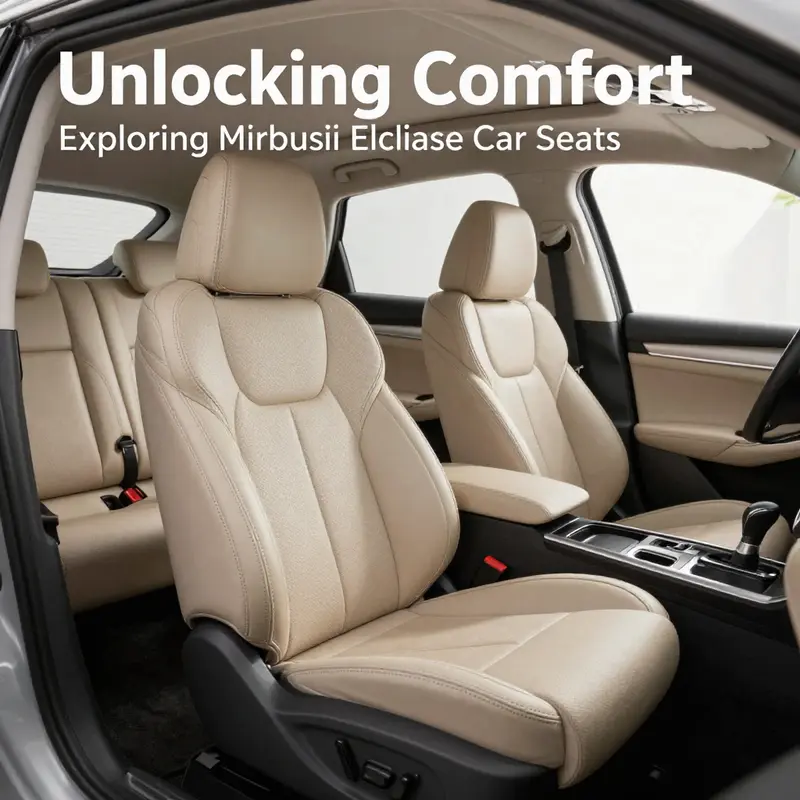
Upgrading the seating in a Mitsubishi Eclipse is one of the fastest ways to change how the car feels, looks, and performs for daily driving. Seats shape the driver’s contact with the car. They define comfort, posture, and the perceived quality of the cabin. Choosing the right covers or replacement seats goes beyond color and texture. It requires attention to fit, material performance, integration with safety systems, and long-term care. A thoughtful choice transforms the cabin from merely functional to inviting, and does so without erasing the car’s character.
Material selection sets the tone for any interior upgrade. High-quality leatherette and neoprene are popular because they balance durability and luxury. Leatherette reproduces the smooth, upscale look of leather while avoiding the cost and maintenance demands of full leather. It resists scuffs and is easier to wipe clean after a commute or weekend trip. Neoprene adds a sporty, utilitarian feel. It stands up well to moisture and abrasion, and it holds up when exposed to sunlight and fluctuating temperatures. Both materials offer a more refined feel than thin fabrics while being less prone to cracking than cheap synthetics. Choosing the right material means thinking about climate. In hot regions, look for materials with breathability or perforation to reduce heat buildup. In wetter climates, water-resistant options protect factory upholstery and make cleanup simple.
Fitment is the difference between a cover that looks aftermarket and one that appears factory-installed. A precise fit maintains the seat’s lines and preserves the vehicle’s design language. For many Eclipse years and trims, covers tailored to the model will account for seat contours, headrests, and side bolsters. Properly fitted covers avoid excess fabric that bunches, and they leave controls and airbags accessible. When shopping for replacements, verify compatibility with the exact model year and seat type. Small differences in mounting points or seatbelt anchor positions can make a big impact on safety and usability. Prioritize products that list model-specific fitment or offer a guarantee of fit. That avoids returns and the frustration of poor alignment.
Ergonomics matters as much as appearance. Seat upgrades that include lumbar support or improved side bolstering change how your back feels after long drives. Built-in lumbar support can be a subtle but meaningful addition. It reduces fatigue and encourages healthier posture by supporting the natural curve of the lower back. If you commute frequently or enjoy spirited driving, stronger side bolsters help hold the driver in place during cornering. Consider covers or replacements that integrate targeted padding in these areas. The right combination of support and cushioning should be firm enough for stability, but compliant enough to remain comfortable on long trips.
Integration with safety systems should never be overlooked. Modern seats often include side airbags or sensors for seatbelt reminders and occupancy detection. Any cover or replacement seat must not interfere with these systems. Look for covers that are explicitly cut to allow airbag deployment or that include labeled airbag panels. Replacement seats should be certified for automotive use and compatible with the vehicle’s mounting hardware. If a product lacks clear information about airbag compatibility, err on the side of caution. Maintaining the original safety performance of the vehicle is essential.
Durability and maintenance drive long-term satisfaction. The daily wear from ingress and egress concentrates stress on seat edges and bolsters. Seam construction, thread quality, and backing materials determine how well covers resist tearing. Reinforced seams and abrasion-resistant fabric in high-wear zones will extend service life. Evaluate how the material behaves when exposed to sunlight. UV-stable finishes and protective coatings help preserve color and prevent surface cracking. Maintenance should be straightforward. Removable covers that can be hand-washed or spot-cleaned simplify upkeep. For replacement seats, consider upholstery that resists staining and can be treated with protectants.
Aesthetic coherence keeps the cabin balanced. The goal is to complement the dashboard, trim, and steering wheel, not to dominate them. Classic black finishes remain a safe choice because they match most trim levels and hide dirt. Subtle stitching accents can introduce contrast. Textured inserts, perforated centers, or tonal piping elevate perceived value while preserving restraint. For owners who want a modern feel, a sleek, monochrome scheme with matte surfaces enhances a contemporary look. For a sportier stance, contrast stitching and bolstered shapes emphasize performance intent. Whatever the direction, aim for harmony between seat surfaces and other interior elements.
Installation approach affects both appearance and longevity. Slip-on covers offer convenience and quick refreshment but can allow movement if not secured. Seat-specific, tailored covers typically include hooks, straps, and fastening systems that tuck into factory creases. These deliver a snug, seamless look. Replacement seats usually require more effort during installation, including bolting to factory mounts and ensuring electrical or sensor connectors align correctly. A professional installation removes guesswork and preserves safety features, but many owners with the right tools can complete a careful installation at home. Follow torque specifications on mounting bolts and verify that airbags, seatbelt anchors, and electrical connectors are reattached properly.
Comfort on the road is both subjective and measurable. Cushion density determines how a seat feels after an hour behind the wheel. Medium-firm foam with progressive resistance often scores high for long-distance comfort. It supports without feeling hard. Memory foam inserts can increase perceived comfort, but they may retain heat. Ventilated designs reduce temperature buildup during summer. Heated elements add a comfort layer for colder climates. When possible, test seats in person. If that’s not feasible, read reviews and confirm return policies. Comfort is personal, and a well-informed purchase reduces the risk of disappointment.
Resale considerations deserve a practical look. A tasteful interior upgrade can raise the car’s appeal to a broader audience. Clean, well-fitted covers protect factory upholstery and preserve resale value. Replacement seats that match the car’s style and maintain factory mounting points generally help value. Overly bold or mismatched seats may limit the buyer pool. Think about the likely buyer when choosing finishes and colors. Neutral tones and high-quality materials appeal to more prospective owners. Documentation of professional installation and retaining original parts also reassures buyers that modifications were reversible and respectful of the car’s design.
Customization opportunities extend beyond fabric choice. Seat heating, lumbar adjustability, and trim inserts offer incremental upgrades without replacing the whole seat. Custom stitching, embroidered logos, or contrasting piping personalize the cabin. Some owners choose to pair new seats with complementary steering wheel wraps or floor coverings. If planning a coordinated makeover, map out the entire interior palette first. That prevents clashing textures or colors and produces a cohesive result.
Practical realities include budget, timeline, and access to parts. Aftermarket options range from economical slip-on kits to full replacement seats with race-inspired shapes. Set priorities before shopping. Decide whether comfort, appearance, safety integration, or cost ranks highest. Factor in installation expenses and any required adapters or wiring harnesses. Read seller descriptions carefully for model year compatibility. A small saving on a poorly fitting kit rarely pays off once installation issues arise.
Lastly, consider how upgrades change daily interaction with the car. A new set of covers or seats should make every drive more pleasant. They should be comfortable in both traffic and on back roads. They should preserve safety functions and simplify maintenance. They should reflect the owner’s taste while respecting the car’s proportions. Done right, seat upgrades breathe new life into an Eclipse interior, helping it feel modern and cared for. Thoughtful choices transform a routine commute into a more connected, comfortable experience.
For owners curious about high-end upholstery using premium materials and tailored designs, review detailed examples and product listings to assess fit and features. One such resource is available here: https://www.amazon.com/dp/B0B9KJQZ4D
For an example of performance-focused seating options that may inspire interior upgrades, see this listing of alcantara-style replacement seats: brand-new-alcantara-front-recaro-seatsoriginal
Choosing seat covers or replacement seats for a Mitsubishi Eclipse should be deliberate. Balance comfort, durability, safety, and style. Prioritize fitment and materials first. Then refine with ergonomic features and visual details. The result should feel integrated, durable, and true to the car’s character.
Where to Find Mitsubishi Eclipse Seats: Availability, Options, and Practical Choices
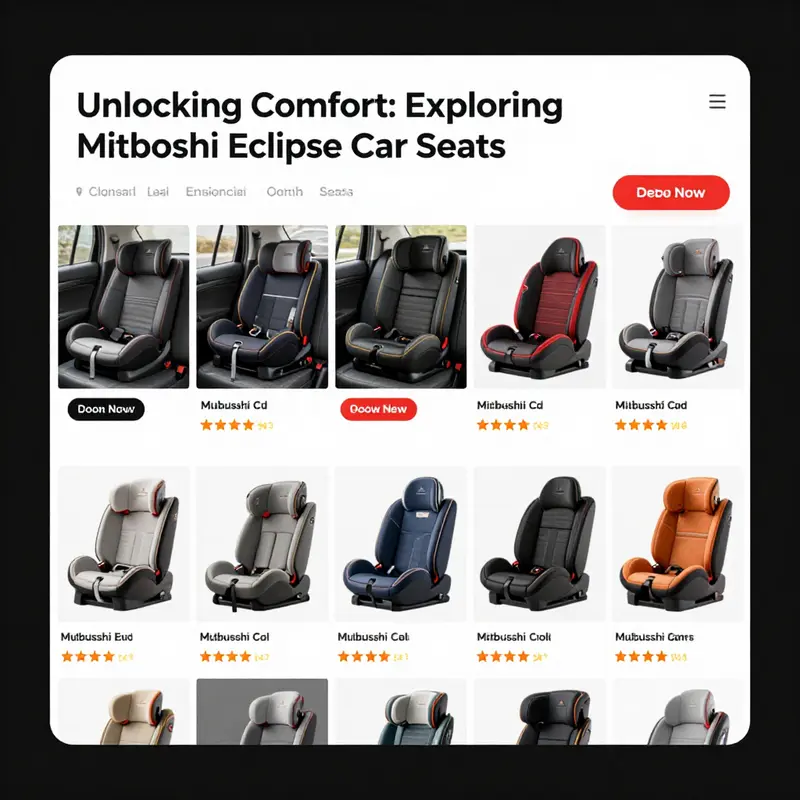
The Mitsubishi Eclipse Cross has an active market for seat replacements, upgrades, and protective covers. Choices range from full seat assemblies to tailored covers. Buyers can pursue original-equipment-style replacements, sport-oriented buckets, or leather-trimmed upgrades. They can also choose less invasive options such as custom-fit covers that protect original upholstery and refresh the cabin’s look. This chapter surveys that market and outlines practical considerations buyers should weigh when selecting seating solutions.
Market offerings fall into two broad streams: complete seat assemblies intended to replace the factory pieces, and seat covers designed to fit over the existing seats. Each path meets different needs. Complete seats change mounting points, trim, comfort levels, and often functionality. Seat covers are simpler to install and cost less. They also preserve airbags, heating elements, and occupancy sensors when chosen carefully. Understanding how each option interacts with the vehicle’s safety and comfort systems is essential before purchase.
A wide selection of complete seats exists for the Eclipse Cross model years. These seats include standard fabric replacements aimed at restoring original appearance after wear. They also include sport-style buckets that offer firmer bolstering and enhanced lateral support. Premium leather-trim alternatives are available for owners who wish to elevate interior perceived value. Many of these assemblies are made to bolt into the factory rails, but the buyer must confirm compatibility with their specific year and trim. Seat heaters, power-adjust functions, lumbar support units, and integrated side airbags vary by trim and year. Confirming whether a replacement seat includes those components is crucial. When replacements omit certain electronics, additional wiring and adapters may be required to restore functionality. Buyers should factor the cost of such adaptations when comparing options.
Aftermarket seat covers address a different set of priorities. They protect original upholstery from wear, stains, and UV damage. They also allow dramatic interior transformations at a fraction of the cost of full seats. High-quality covers are tailored to the seat shape and feature openings for headrests, side airbag deployment, and seat controls. Materials range from economical woven textiles to premium leatherette and water-resistant leather alternatives. Breathable fabrics reduce heat buildup while waterproof layers protect against spills. For Eclipse Cross owners, a custom five-seat set is often available, covering two front buckets and a three-seat rear bench. These kits commonly include elastic straps and quick-fit systems to minimize installation time while keeping a neat, factory-like appearance.
Fitment is the single most important practical issue. Metric measurements and photo references can’t replace a verified fit claim. Many sellers provide a guaranteed-fit promise for specific model years. Buyers should check that the product description explicitly lists compatibility with Eclipse Cross year ranges. Where fit is uncertain, look for products that include return or exchange policies covering fitment issues. A reliable seller will also provide mod or trim notes on optional features. For example, some seat covers are sold in variants to accommodate center armrests, folding rear seats, and integrated child-seat latches. Read product descriptions carefully and confirm the presence of features required by your vehicle.
Safety features deserve particular attention. Modern seats often house side-impact airbags and sensors. Replacing seats with non-OEM items can compromise those systems if the new seat lacks compatible airbag connectors or correct mounting geometry. Similarly, occupancy sensors under the passenger cushion trigger airbag deployment logic. If a replacement seat omits that sensor, the airbag system could detect an error or fail to operate as intended. When selecting full seats, verify that required connectors and sensors are present and compatible. If in doubt, consult a knowledgeable installer or the vehicle’s service manual before finalizing a purchase.
Electrical and comfort features can complicate replacements. Heated seats, powered adjustments, and memory functions rely on specific wiring and control modules. Some replacement seats may include these functions only as optional extras. Others may come prewired but require harness adapters for plug-and-play installation. If you value a heated seat or power lumbar, prioritize replacement seats that list those features explicitly. Installing an adapter harness or rewiring can be done, but it adds labor and parts cost. For many owners, high-quality seat covers provide similar perceived benefits, such as a leather look and improved cushioning, without complex wiring work.
Materials matter both for feel and durability. Standard woven fabric resists fading and can be easier to clean than light-colored leather. Leather and leatherette surfaces provide a premium look but can trap heat in warm climates. Breathable perforated materials help mitigate this. Waterproof or water-resistant variants are useful for households with children or pets. Foam density influences comfort and fatigue during long drives. Sport seats feature high-density foam and pronounced bolstering to hold a driver in place during spirited driving. Touring-oriented seats often use softer foam and broader support for long-distance comfort. Consider your primary driving style and local climate when choosing material and foam profiles.
Aesthetic choices influence resale value and owner satisfaction. Color, stitching patterns, and trim accents shape the cabin’s character. Black remains the most common choice for its neutrality and ability to hide wear. Contrasting stitching and piping provide a sportier flair. Alcantara-style materials offer a textured, high-end look and an improved grip compared to smooth leather. For owners aiming for a show-ready interior, custom upholstery or two-tone schemes can create a unique identity. Keep in mind that radical changes in seat appearance may not suit every buyer when it comes time to sell the vehicle.
Installation logistics vary widely. Seat covers are typically a do-it-yourself project, taking one to two hours for the front seats and somewhat longer for the rear bench. They require patience and careful routing of straps, especially if the vehicle has side airbags. Full-seat replacements often need professional installation. Bolting new seats into the factory rails requires torque compliance and sometimes new fasteners. Electrical connections should be handled by a trained technician if they involve airbag systems. Some installations may require recoding of airbag systems or seat position sensors. If a professional installer is used, include labor costs in the total budget.
Pricing spans a broad spectrum. Seat covers occupy the low-to-mid price range, offering immediate visual and protective benefits at modest cost. High-quality tailored sets fall in the mid-range and often include features such as waterproof membranes and breathability. Complete replacement seats are the costliest option. Their price depends on material, included electronics, and whether the seat is an OEM-style part or a performance-oriented aftermarket piece. When comparing prices, factor in shipping, duties, and potential installation expenses. Some sellers advertise a fit guarantee and cover returns. That reassurance can justify a slightly higher price for higher confidence in fit.
Supply channels are diverse. Online marketplaces, specialist upholstery shops, and OEM parts suppliers all stock options. Marketplaces tend to offer the widest selection and competitive pricing. Specialist shops provide custom work and fitting services. OEM channels deliver parts that match factory specification but often at premium prices. When shopping online, prioritize sellers that supply clear vehicle compatibility information, illustrated installation guides, and a straightforward return policy. If you prefer hands-on inspection before buying, local upholstery shops or salvage yards may have used parts in good condition.
Warranty, shipping, and returns can dictate the final choice. Seats and covers with robust warranties offer peace of mind against defects. Shipping costs can be significant for full-seat assemblies due to weight and size. Confirm the seller’s packaging methods and ask about insurance for transit damage. Return policies should be explicit about fitment disputes. Some sellers will cover return shipping for fit issues, while others only accept returns for manufacturing defects. Check for restocking fees and time windows for returns.
Customization and performance upgrades form another segment of the market. Owners who prioritize driving dynamics can find sport seats with deeper bolsters and firmer foam. These seats may pair with harnesses or different mounting brackets. Upholstery customization allows combination of materials and logos to suit personal taste. Keep in mind that some performance seats require specific mounting brackets. Verify anchor point compatibility or budget for adapter brackets. If you want a bespoke look without altering the structural elements, premium custom covers can emulate aftermarket seat styling while preserving factory equipment.
Practical buying tips can streamline the process. First, verify the vehicle year range stated by the seller. Second, request detailed photos or diagrams of connectors and mounting rails. Third, confirm the presence or absence of airbags and occupancy sensors. Fourth, ask about return shipping and restocking fees up front. Fifth, read recent reviews from buyers who own the same vehicle model. Verified buyer photos can reveal real-world fit and appearance beyond staged product shots. Sixth, consult an installer for jobs involving electrical or structural work.
For owners who want to explore examples of tailored seat options and material choices, one helpful resource showcases Alcantara-style front seat options that mirror premium trim without replacing factory seats. That page provides visual and fit references useful when comparing covers and upholstery approaches: Alcantara front seats.
A broad marketplace listing that aggregates many options for Eclipse seats can be viewed here: https://www.ebay.com/sch/i.html?_nkw=Seats+for+Mitsubishi+Eclipse
Final thoughts
Understanding Mitsubishi Eclipse car seats offers valuable insights for business owners aiming to enhance customer experiences. From effective replacements that ensure safety and fit to performance upgrades that promote luxury and drivability, every detail counts. Better seat quality not only elevates the vehicle aesthetics but also showcases a commitment to offering comfort. Engaging with the market options available can lead to making informed decisions that satisfy both customer needs and market trends. Investing in the right car seat could ultimately distinguish your business from competitors and foster loyalty among drivers.