
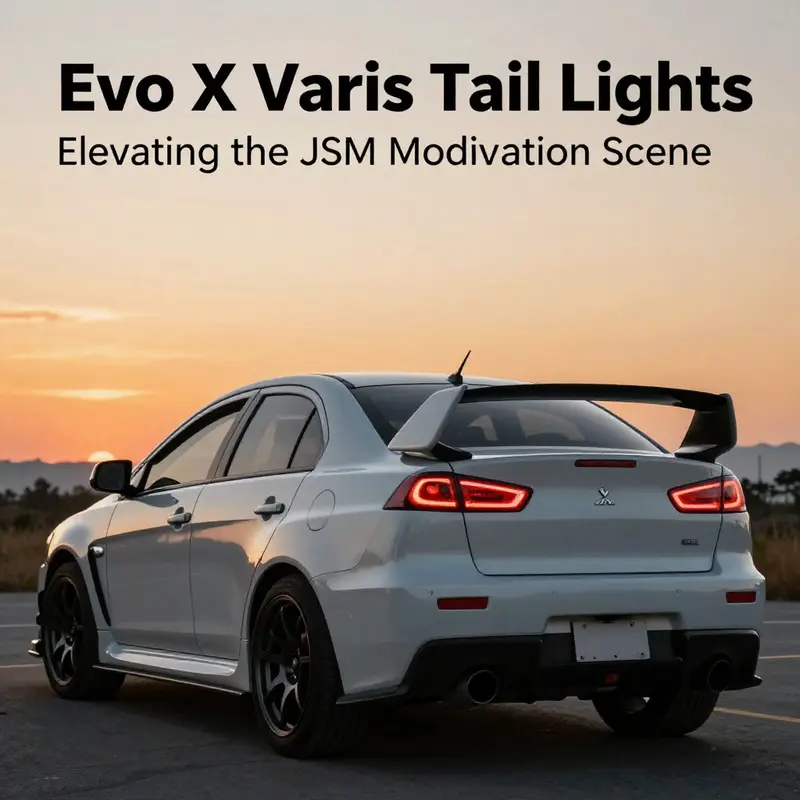
In the world of automotive customization, the Mitsubishi Evo X stands out as a symbol of performance and style, particularly within the Japanese Domestic Market (JDM) scene. Among the many modifications available, Varis tail lights have emerged as a key component in enhancing both the aesthetics and functionality of this iconic vehicle. This article delves into the importance of Varis tail lights, their impact on vehicle performance and aesthetics, the economic trends surrounding their market demand, societal influences driving customization preferences, and the latest technological innovations in their design and functionality. By exploring these aspects, business owners can gain valuable insights into the Evo X modification market and the significant role that Varis tail lights play within it.
How Varis Tail Lights Define the JDM Look on an EVO X

Varis tail lights changed how many EVO X owners think about rear-end styling. On a car rooted in rally heritage, the rear quarter is rarely an afterthought. Upgrading to Varis LED tail lights is a move that blends visual drama with functional improvement. This single component can reshape the car’s personality without calling for an entire rebuild.
The appeal begins with design. Varis units bring sharp geometry and layered detailing that contrast with the stock lights’ softer shapes. Their LED arrays are laid out to emphasize angles and depth, producing a modern, aggressive face to the rear. That visual precision pairs naturally with the crisp edges found in Varis bodywork, such as the front bumper and carbon lips, making the entire kit read as one coherent statement. On the early 2008 EVO X example recorded in late 2024, the owner paired Varis LED tail lights with a Varis front bumper and dual-layer carbon fiber lips. The result was a unified JDM tone that read as deliberate rather than piecemeal.
Materials are part of the story. Many Varis components use real carbon fiber and high-grade plastics that maintain fitment tolerances. The lights themselves often incorporate quality housings and lenses that resist yellowing. That matters when you compare long-term aesthetics and resale value. The carbon fiber accents found elsewhere on the car—such as a rear diffuser or lip—match the tail lights’ premium presence. When each element is chosen from the same design language, the visual payoff is multiplied.
Functionality is just as important as looks. LED modules provide superior brightness and faster illumination times than incandescent bulbs. The quicker onset of light offers a real safety benefit for braking and signaling. LED systems are also more energy-efficient, which places less load on the vehicle’s electrical system. For drivers who track their cars, that reliability becomes valuable. Varis tail lights balance style and function, so they serve both daily driving and spirited use.
Fitment considerations make these tail lights accessible. Varis designs the units to match OE mounting points and connectors as closely as possible. That direct-fit approach allows for installation with minimal modification. Many enthusiasts find they can swap the rear assemblies using basic tools in a garage. The factory-style fitment reduces alignment headaches and preserves body gaps. However, attention to wiring remains crucial. Some owners use plug-and-play harness adapters when aftermarket pinouts differ. Others retain stock wiring and add resistors or modulators to manage CAN-bus signals or turn-signal flash rates.
Installation touches deserve a brief practical note. Before removing the stock lights, take photos of the connector orientation and clip locations. Label any fasteners if you remove them in stages. When mating the new lights, test every circuit before reassembling trim. Confirm brake lights, turn signals, reverse lamps, and tail illumination. Seal any openings with silicone or rubber grommets to prevent moisture intrusion. Even with high-quality housings, long-term exposure to the elements can cause fogging if seams are left unprotected.
Aesthetically, Varis tail lights allow builders to fine-tune their car’s voice. Some owners use smoked lenses for a stealthy stance. Others embrace the raw contrast of clear lenses and visible LED arrays for maximum impact. On the referenced EVO X, the owner avoided a large wing intentionally. The Varis LED tail lights and rear carbon diffuser provided the aggression and balance they wanted without adding aerodynamic appendages. This shows that lighting choices can alter perceived performance cues. A properly chosen rear light assembly can shift focus from aero to detail, emphasizing craftsmanship over bulk.
Varis lights also integrate well with other common upgrades. Enthusiasts frequently pair them with lightweight wheels, upgraded intakes, and strengthened chassis components. When the rear end reads as purposeful, other mods feel more coherent. If you’re pursuing a classic JDM theme, choose elements that echo each other’s intent—sharp lighting, exposed carbon textures, and purposeful aero. For parts that extend the theme but require different vendors, pay special attention to finish and color matching. The right paint tone and clearcoat sheen are subtle but powerful in creating harmony.
Cultural context matters to many EVO X builders. JDM styling is not just a visual checklist. It reflects an appreciation for proportion, restraint, and detail. Varis tail lights are a part of that lineage. They are recognizable to aficionados and often signal a thoughtful build to onlookers. For owners who value authenticity, sourcing components that reflect the era and ethos of JDM tuning can be as important as performance gains. That cultural weight makes tail lights more than functional fittings; they become badges of intent.
Practical considerations extend to legality and insurance. LED conversions can require validation in some jurisdictions. Confirm local rules about lens tinting and replacement light specifications. Some aftermarket lights differ in beam patterns or intensities, which may affect compliance. Keep original parts or document the fitment and wiring when insuring a modified vehicle. Clear records help when discussing claims or inspections.
Finally, consider long-term value. Thoughtful upgrades that keep fitment OEM-like and maintain vehicle integrity tend to preserve or raise a car’s desirability. Varis components that match the EVO X’s lines and hardware help retain factory tolerances. When a build respects these boundaries, it feels finished and deliberate. That polished execution is why many enthusiasts choose Varis tail lights for JDM-style EVO X projects.
For owners who want to explore complementary rear-end options, there are useful resources showing compatible rear bumpers and diffusers. One practical reference for matching rear pieces is the guide to EVO X rear bumpers, which helps you plan the full rear treatment and maintain visual balance. (See the EVO X rear bumpers reference.)
For official product details and specifications about Varis EVO X components, consult the manufacturer for confirmation of materials, OEM-fit claims, and installation notes. External product pages provide technical drawings and visual references that help you evaluate fitment and finish before purchase: https://www.varis.co.jp/en/products/evo-x-widebody/
In short, Varis tail lights do more than modernize the EVO X’s rear. They anchor a cohesive JDM build, improve visibility and safety, and signal intentional design choices. Whether you seek a subtle factory-plus look or an aggressively styled show car, the right rear lighting defines the car’s final expression. Thoughtful selection and careful installation make the lights a transformative piece of the overall puzzle.
How Varis Tail Lights Shape the Evo X’s Rear Identity: More Than Just Glow
How Varis Tail Lights Shape the Evo X’s Rear Identity: More Than Just Glow
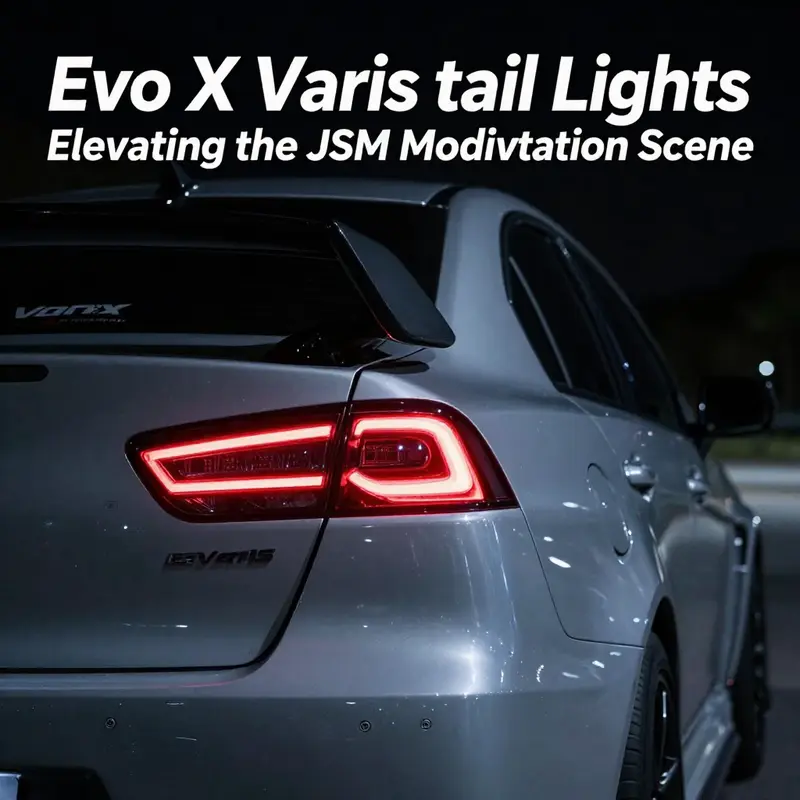
On a car as emotive as the Evo X, the rear end is where attitude, function, and identity converge. Tail lights are small components compared to bumpers, diffusers, or wings, but their role stretches beyond illumination. When a Varis tail light is fitted to an Evo X, the change reads as a deliberate design choice that ties together a wider modification strategy. Rather than isolating aesthetic tweaks from performance upgrades, the replacement of stock rear lamps with a branded LED assembly becomes an act of visual unification: it signals a coherent JDM-inspired intent while interacting with other modifications to alter perception, ergonomics, and even the car’s electronic behavior.
Visually, a distinct tail lamp reshapes the car’s rear silhouette. The Evo X’s factory geometry delivers a compact, purposeful look; a Varis LED cluster can accentuate that intent by introducing sharper lines, clearer light signatures, and modernized illumination patterns. When paired with a carbon fiber diffuser or a reprofiled rear bumper, the lights act as punctuation marks. They draw the eye to new contours and negative spaces, highlighting added depth or width created by bodywork. In practical terms, an after-market tail assembly can make rear fenders appear broader, improve perceived ride height, and lend continuity to a widebody or aero-focused kit—factors that matter in photo shoots, meets, and street presence. A well-chosen lamp balances brightness with style so the rear appears purposeful without overwhelming other elements.
Beyond pure looks, the switch to LED-based assemblies brings measurable advantages. LEDs illuminate faster than incandescent bulbs, improving reaction time for drivers behind the car by a few fractions of a second. That split-second advantage can reduce following drivers’ braking lag, a subtle but real safety gain. LEDs also draw less current, which marginally reduces load on the electrical system. For Evo X builds that add multiple electrical accessories—high-output sound systems, additional gauges, or complex engine management components—every amp saved matters. LEDs further boast longer lifespans and greater resistance to failure from vibration, which is particularly relevant for cars subjected to spirited driving or track use.
In performance terms, the direct effects of tail lights on handling or top speed are negligible. They do not alter downforce or airflow in any meaningful aerodynamic way unless the rear lamps are integrated into major bodywork changes or drive an accompanying diffuser redesign. Where a Varis tail light truly influences performance is in the holistic kit context. When a car receives a comprehensive Varis treatment—front bumper, lips, diffuser, and widebody panels—the rear lighting becomes part of that aerodynamic vocabulary. A clean, low-profile lamp can maintain smooth airflow across the rear surface, avoiding abrupt steps or gaps that might introduce unwanted drag or turbulence. Conversely, bulky or poorly fitted replacements could create small pockets of disturbed air; while the effect is modest, attention to fit and finish matters on high-speed runs.
Wiring and integration are practical aspects that often decide whether an aesthetic swap is a straightforward upgrade or a weekend of troubleshooting. Many modern Evo Xs use multiplexed electrical systems. Aftermarket LED tail lights sometimes require additional resistors, adapters, or reprogramming to prevent hyper-flashing or error messages. A thoughtful installation keeps the car’s CAN communications working cleanly and maintains functionality like sequential indicators or adaptive brake-light behaviors, if present. For builders who value reliability, choosing a lamp designed for clean integration with the Evo X reduces the need for splices and workarounds. It also preserves aftermarket warranty goodwill and reduces the risk of false battery drain concerns down the road.
When discussing authenticity and value, tail lights play an outsized role. Enthusiasts are attentive to the rear signature; it’s a quick determinant of originality and build intent. A set of branded LED lamps installed as part of a coherent Varis kit signals purposeful modification rather than random bolt-ons. That visual cohesion helps when appraising a modified Evo X for resale or show purposes. Buyers who appreciate JDM themes will value a rear that matches a Varis front bumper and carbon diffuser, recognizing that the change was orchestrated rather than haphazard. Conversely, mismatched or cheaply made lamps can undermine the credibility of an otherwise thoughtful build.
Installation choices also influence daily usability. Tail lamps with clearer lenses and brighter bulbs can improve nighttime visibility for the car itself, making it easier for owners to position the vehicle in tight driveways or see obstacles when reversing. Well-sealed assemblies resist moisture ingress, avoiding fogging and eventual electrical corrosion. These practical benefits are subtle but accumulate into a more dependable ownership experience—especially for cars that see varied climates or frequent track weekends.
The decision not to add a large wing while opting for recognizable rear lamps is telling. It demonstrates how lighting can function as a design lever, amplifying perceived aggression without altering the car’s aerodynamic footprint dramatically. A striking light cluster, combined with a carbon diffuser and a tidy bumper, directs attention to lower, wider elements. That choice preserves daily drivability and rear visibility while delivering the desired JDM performance-car aesthetic. In short, tail lights can be a low-impact way to raise visual stakes.
Careful buyers and builders also consider regulatory and safety implications. LED conversions should comply with local lighting standards for color and intensity, and that compliance is part of responsible modification. Choosing assemblies with proper reflectors and certification reduces the risk of failing inspections and ensures the car is both legal and safe on public roads.
Finally, the tail lamp’s role in the narrative of a build is cultural as much as mechanical. An Evo X wearing a Varis rear lamp tells a story: the owner pursued a particular lineage of Japanese performance styling, paid attention to material choices like carbon detailing, and favored subtlety over loud, add-on aerodynamic theatrics. That narrative affects how the car is perceived at meets, in photos, and by potential buyers.
For those considering the swap, think of the tail light as a strategic finishing move. It won’t transform lap times by itself, but it will anchor the rear visually, improve electrical efficiency, and contribute to a cleaner, more purposeful build direction. When paired with complementary parts—rear bumpers, diffusers, and carbon accents—the result is a rear end that reads cohesive, aggressive, and thoughtfully engineered. See Evo X rear bumpers for a related consideration when planning a full rear makeover: https://mitsubishiautopartsshop.com/2008-2015-mitsubishi-lancer-evo-x-rear-bumpers/
External reference: while specific performance metrics for tail-light swaps are scarce, broader discussions of LED advantages and integration practices can clarify installation expectations and safety implications.
Why Varis Tail Lights Hold Value for Evo X Owners: Market Forces and Buyer Behavior
Demand Rooted in Heritage and Visual Identity
The Evo X occupies a special place in the JDM tuning scene, and that standing directly feeds demand for premium lighting upgrades. Tail lights do more than signal braking; they define the rear-end silhouette. For many owners, swapping in a distinctive set of aftermarket lights is a high-leverage visual modification. That explains why certain branded tail lights for the Evo X remain desirable long after the car left production. Enthusiasts prize parts that reinforce the car’s heritage, and those parts routinely command higher prices.
Collectors and active modders both shape this market. Collectors seek originality and provenance. Modders look for parts that deliver a clear aesthetic or functional gain. Tail lights that feature recognizable design cues—clean LED layouts, unique halo elements, or tailored lens geometry—fit both profiles. That dual appeal sustains consistent interest and creates a pricing floor that is more resilient than ordinary accessories.
Scarcity, Brand Perception, and Pricing Dynamics
Scarcity is a primary economic driver. As manufacturer production runs end, new-old-stock items and genuine branded replacements grow scarce. When supply tightens and demand stays steady, prices rise. This effect intensifies for parts that are visually prominent and known for fit-and-finish quality. Buyers often pay premiums for verified authenticity, even when high-quality replicas exist. The willingness to pay reflects a mix of aesthetic preference and risk aversion: a genuine part reduces concerns about fitment issues, electrical compatibility, and long-term durability.
Brand perception plays a central role. Brands with a strong motorsport or JDM reputation can charge more. Buyers equate that reputation with superior engineering, precise fit, and a design philosophy that complements the Evo X. In markets where authenticity and brand story matter, aftermarket tail lights become collectible items rather than mere replacements.
Materials, Technology, and Value Differentials
Material choice influences cost and longevity. Polycarbonate lenses resist impact and tend to be the premium option. Acrylic lenses can offer clarity and lower cost, but they scratch and yellow faster. Internal construction matters as well: integrated LED modules with proper thermal management add complexity and price. Buyers often choose integrated LED options for modern illumination, faster light response, and the crisp look that suits JDM styling.
Lighting technology also affects perceived value. Tail lights that incorporate sequential signals, halo rings, or CCFL accents stand out visually. Those features command higher prices, and they often become focal points during show seasons, meetups, and digital showcases. The market rewards parts that photograph well and create a strong presence at events.
Marketplace Behavior: Where Buyers Look and How They Decide
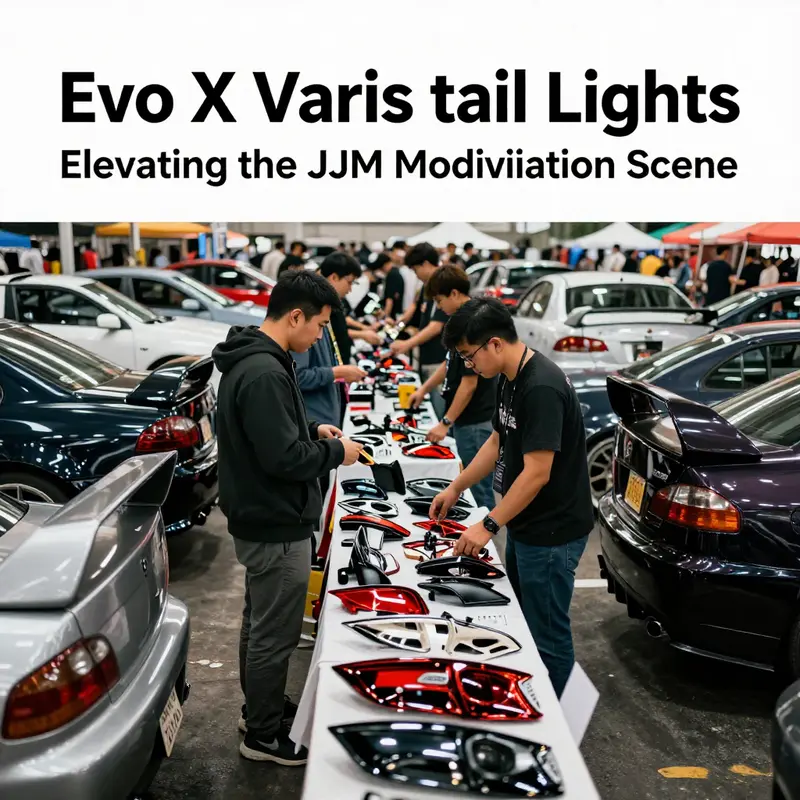
Online marketplaces remain the central exchange point. Listings for new and used branded tail lights appear across auction sites and specialty forums. Buyers rely on seller ratings, photos, and part numbers to assess authenticity. Listings that include thorough documentation and clear photos sell faster and for better prices. For crossover shoppers, transparency about material, LED type, wiring harness compatibility, and mounting hardware reduces friction and increases conversion.
Used parts trading is common. Well-preserved examples from low-mileage cars attract collectors. Meanwhile, active modders sometimes flip parts from completed builds, creating a flow of high-quality used inventory. This secondary market provides a price signal: pristine used units can approach the cost of new production runs, while flawed units drop sharply in value.
How Modification Trends Affect Tail Light Demand
Broader styling choices influence tail light demand. Owners building a JDM-leaning Evo X often pair recognized rear lighting with branded bumpers or carbon fiber diffuser pieces. Even when owners forego a large wing, swapping in a distinct set of tail lights can deliver the cohesive theme they seek. When lights visually align with front-end and diffuser upgrades, they provide a compact but impactful aesthetic package that confirms the builder’s intent.
This interdependence means that tail lights often sell better when paired with other upgrades from the same design language. Shops and private sellers sometimes list parts as packages. That approach streamlines buyer decisions and captures additional value compared to selling components individually.
Authenticity, Replicas, and Risk Management
Replicas play a nuanced role. High-fidelity reproductions expand access for cost-conscious buyers. They also place downward pressure on prices for lower-quality used originals. However, replicas do not eliminate demand for genuine branded items. Authentic parts remain preferred for concours builds, resale value preservation, and owners who prioritize exact fit and finish.
Buyers manage risk by checking seller reputations, asking for original part numbers, and reviewing installation instructions. Verified documentation, factory packaging photos, and wiring harness details increase buyer confidence and allow sellers to maintain higher asking prices.
Economic Resilience and Long-Term Trends
The Evo X parts market shows resilience. Enthusiast-driven demand persists even during broader economic slowdowns. That stability stems from two factors: a dedicated community that prioritizes specific upgrades, and the finite supply of authentic, well-made parts. As the platform ages, authenticity premiums often rise. Meanwhile, small production runs or reissues by specialty manufacturers occasionally refresh the market and create short-term price corrections.
Interest from social media and event showcases amplifies value. High-visibility builds that feature recognizable rear lighting can push demand upward, especially when a particular lighting style becomes tied to a subculture or aesthetic.
Practical Buying Guidance for Value-Minded Enthusiasts
Buyers aiming for lasting value should prioritize parts with clear provenance. Inspect photos carefully, confirm material types, and request part numbers where possible. Consider the total cost of ownership: shipping, customs, and potential rewiring or adapter costs can change the effective price.
For sellers, presenting thorough documentation is the best way to capture maximum value. Highlight material specifications, any included hardware, and compatibility notes. If selling used items, disclose cosmetic imperfections and, when possible, provide test images showing illuminated LEDs.
A practical resource for comparing listings and verifying market activity can be found on auction platforms where new and used branded lighting components are regularly traded. See this live example for reference: https://www.ebay.com/itm/354690281572
For further reading on complementary rear upgrades that influence buyer decisions, review this page about Evo X rear bumpers for context and fitment considerations: Evo X rear bumpers.
The interplay of scarcity, brand value, and visible impact keeps demand for premium tail lights steady. For the Evo X community, these parts are more than utilities; they are statements. That makes them a noteworthy segment of the aftermarket economy, with pricing behavior worth watching for both buyers and sellers.
Shadows and Signals: How Society Shapes the Evo X Tail-Light Aesthetics
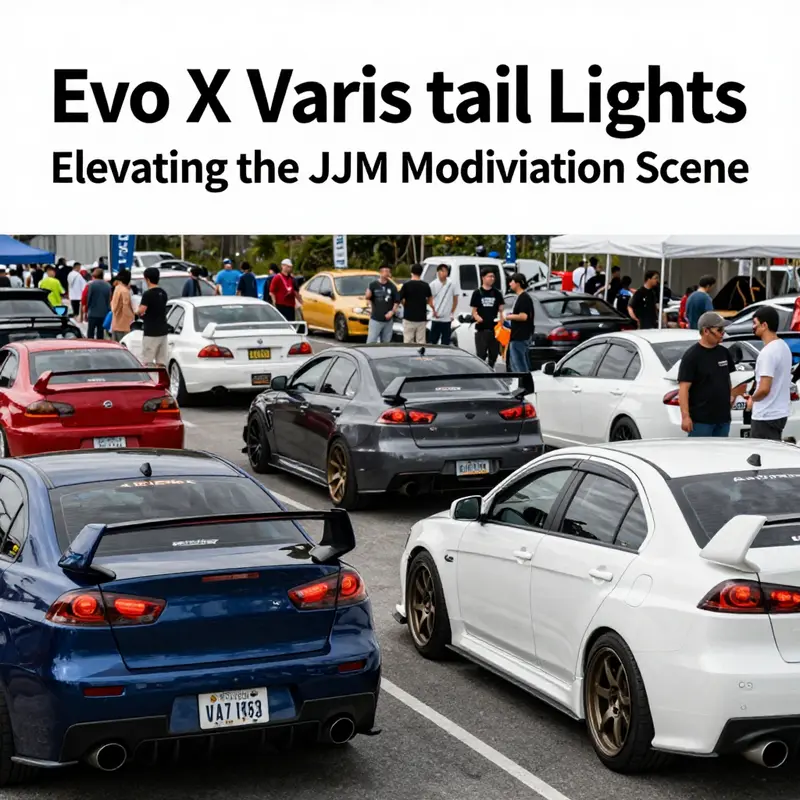
Across the Evo X scene, tail-light design has moved beyond a mere lighting solution. It has become a quiet billboard for how owners see themselves within a network of enthusiasts, designers, and social cues that orbit the car’s performance image. The tail-light is not just a function but a staged moment where the car’s silhouette, its stance, and its chromatic mood converge. In this space, the choice of what lights illuminate the rear is rooted in a dialogue between engineering practicality and cultural signaling. Owners arrive at these decisions through a layered process: they assess compatibility with a broader modification plan, consult a community that values precise engineering fit, and weigh the aesthetic vocabulary they want their car to speak in public and on screen. The result is a cohesive expression where performance intent and visual identity reinforce one another, rather than compete for attention.
When builders consider an LED tail-light upgrade for a car like the Evo X, the decision is rarely about brightness alone. It starts with a precise inventory of the car’s mechanical choreography: wheel fitment, offset, track width, the rear suspension geometry, and any camber adjustments that alter the car’s posture under load. This is where a social pattern emerges. The shadow of the road and the memory of track days share the same space with the glow of a tail lamp. Owners want light patterns that mirror the vehicle’s dynamic message: the hint of aggression when the car is at rest, and a controlled, legible signal when it is moving. In practice, this means seeking lighting that complements rather than conceals the vehicle’s lines and the way those lines reflect under urban and nocturnal lighting. The social expectation here is not just about glare or drama; it is about a visual continuity between chassis setup and tail-light tone. A car that has been widened or given a more aggressive front end often carries a parallel responsibility in the rear: the tail-lamp treatment should read as a deliberate continuation of the upgrades beneath the bumper and the fenders, a signal that every element has been tuned to work in concert.
This alignment between performance parts and lighting style is not incidental. It is an outcome of communities that prize a shared grammar of modification. Within the Evo X sphere, enthusiasts often discuss how a rear-end appearance can echo the precision of a tuned front end. The choice of lens finish, the degree of tint, and the radial arrangement of LEDs all contribute to a single impression: the car communicates a story of what it can do and how it was designed to behave. In this discourse, the tail-light becomes a chapter header rather than a closing note. It signals the same people who measure wheel fitment and track alignment that the owner respects the same engineering discipline that makes a car behave as a unified system. The social dimension here is subtle but powerful. It reinforces a sense of belonging to a like-minded group that values not just speed, but the integrity of a complete aesthetic and performance package. When these communities see a tail-light design that matches the car’s stance and its exhaust notes, they recognize a thoughtful build rather than a showpiece assembled for fleeting attention.
Cultural influences extend beyond the local garage and into wider trends in media, shows, and online sharing. The tail-light’s persona is shaped by the visual languages that circulate on social platforms. A segment of the community gravitates toward a more aggressive, high-contrast look – deep smoked lenses, crisp red LED segments, and sharply defined light signatures. This style reads as a badge of intent, signaling a readiness for high-speed feedback and a subtle defiance of stock restraint. Another faction leans toward a subtler, more restrained aesthetic – shades that blend with the car’s body lines, a refined glow that emphasizes silhouette rather than volume. This approach can project a sense of disciplined taste, a preference for understated performance rather than shock value. Both paths are legitimate within the broader ecosystem, and both channels rely on the same social machinery: sharing builds, comparing notes on fitment, and validating decisions through community feedback. The social currency here is credibility earned through engineering coherence, not just visual impact.
Regional tastes also shape preferences for tail-light design. In some markets, the appeal lies in a nocturnal presence – the look of a car that glows with a purposeful, almost ceremonial glow after dusk. In others, the emphasis is on a subdued, almost stealthy identity – a darkened lining aesthetic that minimizes glare while maximizing the night-time mystique. These regional tastes influence not only the hue and intensity of the LEDs but also the degree of transparency or smoke applied to the lens. The result is a mosaic of styles that share a common matrix: performance, visibility, and a stand-out silhouette that remains readable in dynamic driving conditions. Even the safest considerations – how a tail-light pattern informs other drivers of intent and surrounding traffic – enter the social calculus. The need for high-visibility signaling at speed must coexist with the desire for a distinct, recognizable rear identity. In practice, this balance is achieved through precise engineering choices, such as LED placement, reflector geometry, and the optical design of lenses that maximize signal clarity in both bright and dim environments.
The case study of a mid-2000s Evo X in early-JDM styling illustrates how these social dynamics crystallize into concrete choices. A car of that era often evolved toward a rear lighting solution that preserved a factory-like rhythm while injecting a strong identity. The owner’s narrative typically describes a careful integration: front-end parts, a two-stage carbon front lip, and a rear diffuser work in concert with a new tail-light configuration to preserve a factory-esque cadence while heightening the performance aura. Even when a large, bold spoiler is not part of the package, the tail-light upgrade becomes a primary mechanism for signaling a cohesive philosophy of design. It communicates that the car’s visual language was built, not borrowed, and that each element was selected with an eye toward the total system’s harmony. The social undercurrent here is clear: enthusiasts prize compatibility and engineering fidelity as much as dramatic effect, and the tail-light becomes a touchstone for that ethos.
This philosophy of compatibility is not purely about aesthetics; it also concerns practical considerations. The tail-light upgrade must resist misalignment through daily use and the occasional rough road. It should withstand the heat and humidity of everyday environments without compromising brightness or color stability. In this sense, the tail-light project mirrors the broader evolution of the car’s performance package: a step that respects both the physics of optics and the social expectations of the community. The ring of validation that comes from peers – comments on fitment, footage of nighttime testing, and shared results about durability – adds tangible value to the decision. It strengthens the idea that a well-considered lighting choice is not wasteful vanity. It is part of a disciplined approach to building a complete, coherent vehicle that embodies a specific philosophy of speed, style, and technical rigor.
For readers who want to explore how these pieces come together in the context of the Evo X, there is a practical pathway to understanding the broader ecosystem. The rear-end aesthetic is frequently discussed alongside other body-kit components, with forums and shops highlighting how the lighting integrates with existing rear bumpers and diffusers. A representative catalog entry for related components can illustrate how a contemporary build blends rear lighting with a coordinated set of parts, emphasizing the principle that the entire rear profile should read as a single, purposeful unit. See the discussion around rear bumper options for the Evo X, which provides a clear example of how practitioners coordinate multiple elements to achieve a unified rear stance. External resources offer broader context on how media representations shape these preferences and how the cultural discourse around customization continues to evolve.
Towards a Factory-Precision Glow: The Evo X with Varis Tail Lights and the Subtle Art of JDM-Inspired Lighting
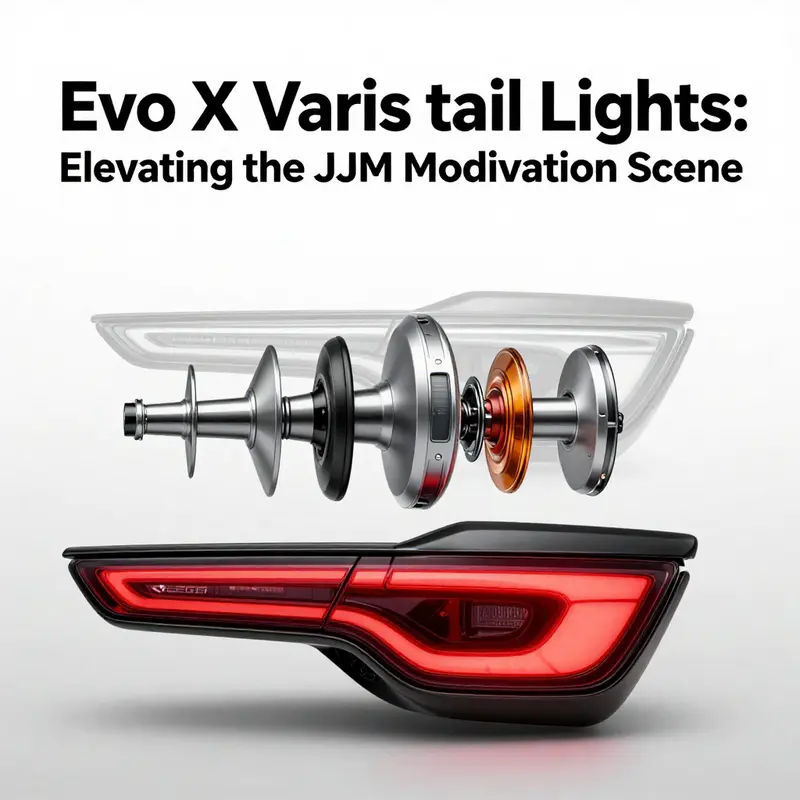
The tail light is a surprisingly underappreciated storyteller in the world of performance cars. On the Mitsubishi Lancer Evolution X, a chassis already celebrated for its balanced grip and razor-edged handling, the choice to adopt a Varis LED tail light kit marks a deliberate shift in how the car communicates its identity from rear quarter to rear bumper. The Evo X, born into a era when Japanese tuning culture prized precision, restraint, and a clear visual lineage to the factory silhouette, finds a natural ally in lighting that is bright enough to announce intent without shouting. In the sedan’s clean, angular rear, the Varis LED assembly plays a dual role: it sharpens the silhouette and reinforces the sense of engineering discipline that underpins the entire modification theme. This is not simply an aesthetic upgrade; it is a thoughtful integration that respects the car’s fundamental proportions while signaling a performance ethos that the owner wants to project at a glance.
What makes the tail light upgrade meaningful goes beyond the surface snapshot of a bright new rear end. The Evo X’s rear lighting, when replaced with a purpose-built LED unit from a brand known for aero and performance styling, becomes a study in light technology and signal design. LEDs, with their low latency and distinct color temperature, offer a consistent, crisp signature that complements the car’s high-contrast chrome and shadow play at night. The geometry of the LED array—its lines, its segments, the way illumination spreads across the housing—does more than illuminate the road behind. It shapes how the car appears in motion. Even when the vehicle sits still, the tail lights create a visual rhythm along the tail that echoes the car’s aerodynamic lines. In this sense, the lighting is a form of visual engineering, working in harmony with carbon fiber diffusers, front aero components, and a contemplated rear stance to deliver a cohesive performance theme.
A closer look reveals a careful consideration of optics and housing. The choice of LEDs, known for longevity and efficiency, reduces maintenance intervals and ensures brightness remains consistent across long drives and track sessions. The housing itself must contend with heat, moisture, and vibration, especially in a performance setup that often emphasizes aggressive driving and, at times, harsh wash-downs after a spirited run. Quality LED tail lights for the Evo X typically employ advanced sealants and gaskets designed to withstand the elements while preserving the chromatic integrity of the light emitted. The result is a lighting system that can endure rain, wash plans, and the occasional gravel road without sacrificing the sharp, diagnostic glow that is essential for signaling and visibility. The legal duty of tail lights remains intact: the LEDs still convey braking and turning intentions with clarity to following drivers, a baseline that any tasteful modification should respect even as the design pushes the envelope.
From a design perspective, the Varis tail light approach is about carving a shared language with the car’s other external components. The rear end can look more aggressive without leaning on a large spoiler or oversized wing. Instead, the tail light’s luminous cadence—its bright segments, its subtle diffusion across the lens—adds depth to the rear fascia. The chrome or smoked finishes that often accompany such assemblies also interact with the diffuser’s form and the carbon fiber accents that many Evo X builds favor. This is a deliberate, almost architectural decision: you modify a component, and multiple Design-Intent vectors respond in kind. The tail light becomes a pivot point for the car’s rear-end storytelling, a small but potent instrument in the broader narrative of performance, precision, and the quiet confidence that defines true JDM-inspired builds.
The psychological and perceptual impact of the tail light upgrade should not be underestimated. A car’s rear signature is a viewer’s first hint of the vehicle’s character when observed from behind at speed. The Varis LED arrangement tends to elongate the perception of width, subtly widening the rear silhouette in a way that pairs with the Evo X’s broad stance. In motion, the light signatures carve a distinctive trail that is easy to recognize among a sea of cars. This is particularly valuable in a market where branding is as much about perception as function. An LED tail light assembly, with its precision-cut lines and bright, defined boundaries, communicates modernity and technical competence. It signals that the vehicle’s performance is supported by contemporary engineering solutions, not merely by mechanical updates. The effect is a forward-looking yet understated aesthetic, one that aligns with the ethos of a well-curated JDM-style build where every component speaks the same language of speed, control, and precision.
Integrating a tail light upgrade into an Evo X build inevitably invites questions about compatibility and craftsmanship. The handoff between aftermarket lighting and the vehicle’s original wiring harness must be clean, robust, and reliable. Fitment tolerances matter: misalignment can create glare issues or a perception of cheapness, undermining the otherwise meticulous character of the modification. A quality installation addresses these concerns with precision mounting points, gasket integrity, and careful routing of electrical connectors to avoid heat or moisture exposure. In a well-executed project, the tail light swap does not feel like a bolt-on afterthought. Instead, it reads as a natural extension of the car’s engineering discipline—an upgrade that respects the car’s chassis performance while enhancing its visual language.
This approach of integrating Varis tail lights with other Varis-branded or similarly styled aero components—front bumper, carbon fiber lip extensions, and the diffuser—emphasizes a cohesive, factory-inspired look. The result is a cohesive narrative of form following function: lighting that keeps the car legible and expressive, aero elements that communicate speed and downforce, and textures that reflect the car’s mechanical seriousness. For enthusiasts who chase a specific vibe—one that nods to Japan’s domestic tuning roots while embracing modern LED technology—the combination becomes more than the sum of its parts. It becomes a visual manifesto about how a performance machine can wear its intent in both the direction of its airflow and the clarity of its rear signals.
Within this context, the Evo X with Varis tail lights serves as a bridge between two worlds. The rear lighting evokes a refined, modern aesthetic that does not abandon the car’s performance gravity. It is the kind of upgrade that can sit confidently next to other high-contrast, carbon-fiber accents and the more aggressive rear diffuser configurations that are common in performance-oriented builds. For the owner, it might be the choice to emphasize a particular silhouette—one that remains unmistakably Evo—while ensuring the vehicle remains legible on the road and at the post-race meetups that are a hallmark of this culture. The experience of driving a car with this kind of lighting becomes a study in perception: how light shapes the eye’s reading of speed, stance, and intention. It is a reminder that even the tail end of a performance machine can carry a powerful narrative, one that resonates with enthusiasts who value precision, continuity, and a sense that every facet of the car has been chosen with care.
In closing, the Evo X variant with Varis LED tail lights stands as more than a visual upgrade. It is a practical, design-led refinement that fits within the broader doctrine of JDM-inspired performance vehicles. It supports the car’s stance and lines while delivering a modern signaling system that remains faithful to the model’s identity. The choice to adopt such a tail light kit—especially in an early 2008 Evo X that already carries a distinctive character through its carbon accents and aero bits—speaks to a philosophy of restraint and consequence. Rather than chasing a loud, standalone statement, the build embraces a cohesive, factory-inspired glow that communicates intent with clarity. For readers exploring related lighting and tail-light conversations, a related discussion on historically authentic taillight options offers a window into how different generations and models have navigated the balance between heritage and innovation. See the discussions around authentic JDM tail light options for a broader sense of how similar design philosophies have played out in different Evo generations. For a broader technical perspective on automotive lighting design, an external reference provides context on the evolution of illumination technology and its impact on daytime visibility and night signaling: https://en.wikipedia.org/wiki/Automotive_lighting.
Final thoughts
The Evo X, equipped with Varis tail lights, not only exemplifies a commitment to performance but also echoes the strong sentiments within the JDM community for aesthetic and functional enhancements. As this market continues to grow, understanding the demand and societal influences surrounding these modifications becomes crucial for business owners in the automotive sector. The innovations in design and the economic trends indicate that Varis tail lights will remain a key player in the ongoing evolution of automotive customization.