
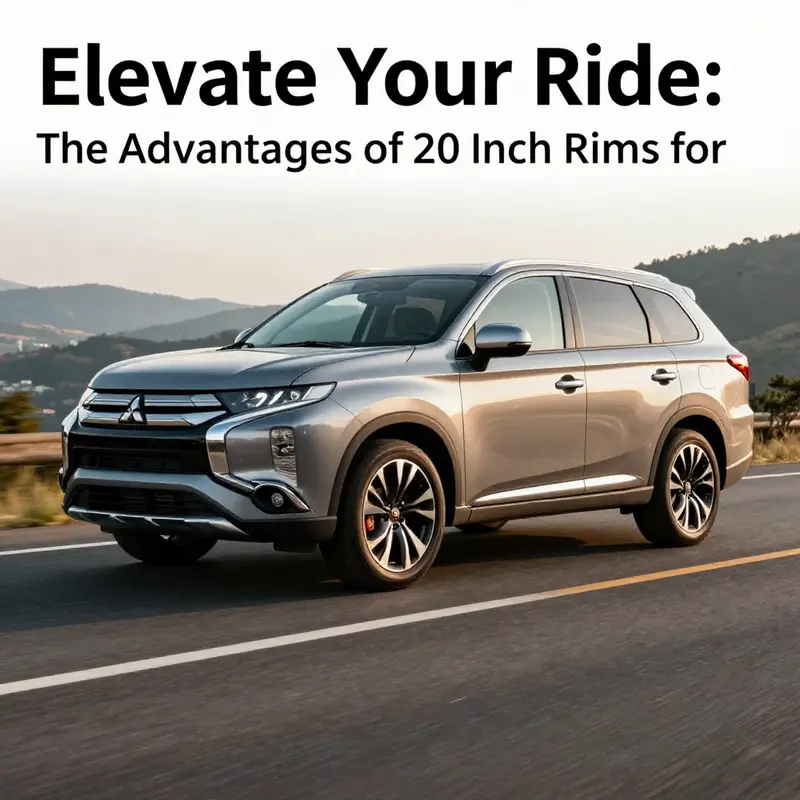
For business owners who rely on their vehicles, the performance and aesthetic appeal are crucial. One significant upgrade that can enhance both aspects is the installation of 20-inch rims on the Mitsubishi Outlander. This article delves into the specific features of these larger rims, explores the myriad of benefits they can bring to the vehicle’s handling and visual appeal, and provides essential considerations when selecting the right rims for your Outlander. Understanding these facets will enable business owners to make informed decisions that align with their operational needs and personal preferences.
null
null
20-Inch Rims on the Mitsubishi Outlander: A Practical Look at Fitment, Performance, and Style

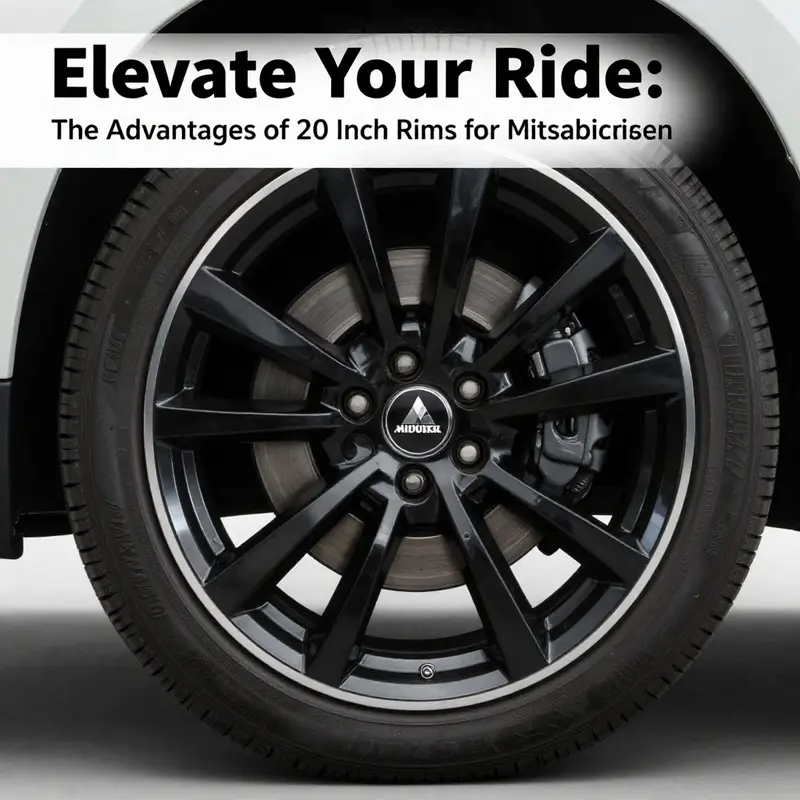
When you step back and view a Mitsubishi Outlander with 20-inch rims, the change is immediate and unmistakable. The silhouette tightens, the stance broadens, and the vehicle communicates a more assertive on-road presence. Wheels are a defining element of a car’s character, and 20-inch rims on the Outlander are as much about how it feels to drive as how it looks parked in a driveway or photographed on a city street.
A common configuration you’ll encounter is a 20×8.5 inch wheel with a 5×114.3 bolt pattern. The positive offset used in many aftermarket wheels keeps the wheel centered in the arch while providing enough clearance for brakes and suspension components. The finish—often a high-gloss black or other dark metallic options—adds visual depth that contrasts with the bodywork and adds a contemporary edge to the Outlander’s design.
From a handling perspective, the larger wheel paired with a lower-profile tire typically reduces sidewall flex. That translates to crisper steering response and more immediate turn-in, especially when navigating corners at speed. But this comes with trade-offs: ride quality can feel busier on rough pavement, and the risk of wheel and tire damage increases if you frequently encounter potholes or frost heaves. Proper tire selection and appropriate tire pressures are essential to balance grip, comfort, and durability.
Fitment is more than just bolt pattern. Clearances around the brakes, spokes, and inner fenders must be verified for any chosen wheel and tire package. Center bore matching or hub-centric rings help keep the wheel true at high speeds and minimize vibrations. The goal is to ensure the wheel is centered on the hub and that the tire’s footprint interacts with the suspension as intended, avoiding rub when the suspension compresses or the steering is turned to full lock.
Practical considerations also include the impact on the speedometer and overall rolling diameter. Switching to a larger wheel with a lower sidewall height can alter the measured speed and the odometer distance unless corrected. Some configurations require digital calibration or instrument-cluster adjustments to maintain accuracy. It is wise to calculate the new overall diameter and compare it with the factory specification before buying to avoid surprises in daily driving.
For those who want a streamlined path to a safe, well-fitting upgrade, consult official parts catalogs and trusted wheel and tire suppliers for fitment data specific to your Outlander model year and trim. That approach helps protect your warranty, preserve braking performance, and ensure you get the look and handling balance you want without compromising reliability.
If you are exploring this path, you may also consider how an upgrade fits with the Outlander’s practical mission as a family crossover. A wheel choice that harmonizes with the vehicle’s lines and keeps cabin comfort intact can elevate the ownership experience without turning daily driving into a rough ride. With careful selection, professional installation, and proper maintenance, 20-inch rims can enhance the Outlander’s presence and performance while remaining aligned with the model’s core strengths.
Fitting 20‑Inch Rims to a Mitsubishi Outlander: Practical Considerations for Safety, Performance, and Style
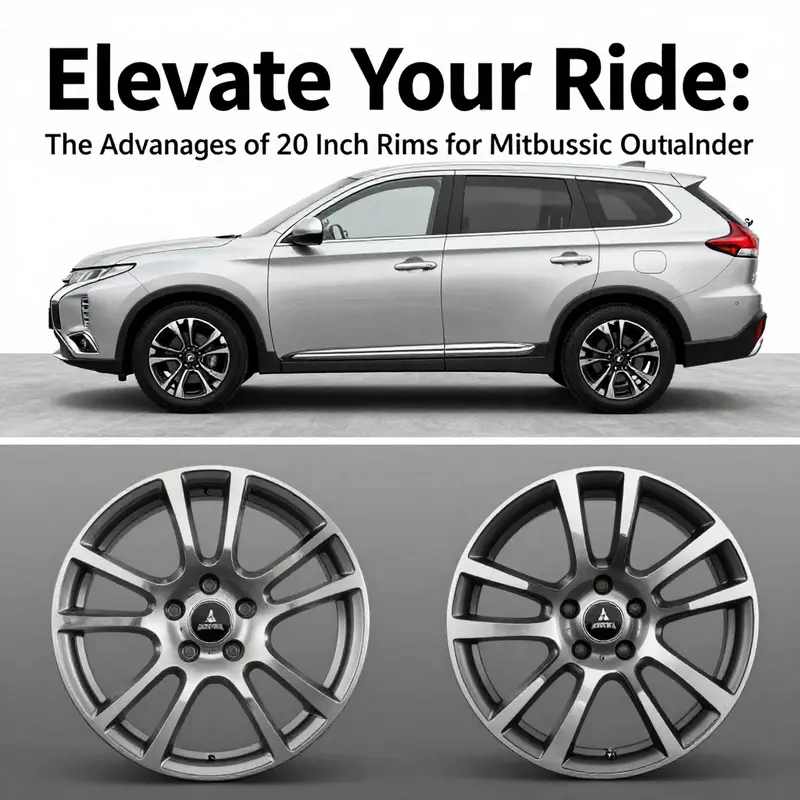
Choosing 20-inch rims for a Mitsubishi Outlander is about more than looks. It is a balance between aesthetics, handling, safety, and mechanical compatibility. A well-chosen wheel complements the vehicle’s design and its engineering limits. Poor choices can compromise ride quality, increase wear, and create unsafe conditions. This chapter walks through the technical and practical considerations in a single, coherent narrative so you can make an informed decision tailored to your Outlander.
Start by confirming your vehicle’s basic fitment parameters. Not all Outlander model years and trim levels are designed to accept 20-inch wheels. Higher trims sometimes come factory-fitted with larger wheels, and those variants usually have suspension and brake packages tuned for them. If your vehicle did not offer a 20-inch wheel from the factory, you must verify clearance and compatibility carefully. Check the hub bolt pattern, wheel center bore, and the vehicle’s recommended wheel offset range. A 20×8.5 wheel with a backspace close to 5.75 inches and a five-lug configuration often fits many Outlanders, but exact values can vary by year and drivetrain. Confirm those numbers against the vehicle’s hub dimensions before buying.
Wheel offset and how the wheel sits relative to the hub are central to fitment. Offset determines how far the wheel moves inward or outward in the wheel well. Even small deviations can create rubbing against suspension arms, brake calipers, or the fender lip. Backspace is another way to describe the same geometry. Use both offset and backspace to compare aftermarket wheels with OEM ones. If a wheel has too much negative offset, it may protrude beyond the fender and stress bearings. Too much positive offset can push the inner edge into suspension components. The right balance preserves steering geometry and maintains safe scrub radius values.
Weight matters in two ways: static weight and rotational mass. Alloy wheels are lighter than steel, but 20-inch wheels are still heavier than smaller-diameter equivalents when tires are mounted. Heavier rims increase unsprung weight and rotational inertia. That change affects ride comfort and steering response. Expect a firmer ride and crisper turn-in when you move up to 20 inches, because tires typically have lower sidewalls to maintain overall diameter. The trade-off is often sharper handling and a sportier look. But be mindful that increased rotational mass can degrade acceleration and fuel economy, particularly in hybrid or plug-in hybrid variants with a heavier powertrain. Confirm the wheel’s actual mass and match it against your priorities.
Tire choice is inseparable from wheel choice. A 20-inch rim will generally require a lower-profile tire to retain the vehicle’s rolling circumference. Lower sidewalls reduce cushioning and increase the chance of rim damage from potholes. They also transmit more road noise into the cabin. To keep speedometer readings accurate and to preserve traction control calibration, choose a tire size that keeps overall diameter within a small percentage of the stock measurement. A tire shop or a fitment chart can show which sizes maintain that balance. Wider wheels typically call for wider tires, which can improve grip but may also alter steering effort and increase rolling resistance.
Load rating and construction quality must meet or exceed the vehicle’s requirements. An Outlander, particularly a PHEV model, has weight and dynamic loads that demand robust wheels. Check the wheel’s load rating. It must safely carry the vehicle under full load, including passengers and cargo. Construction matters too: forged wheels are generally stronger and lighter than cast ones. High-quality cast wheels can also be safe and durable when designed correctly. Look for wheels that comply with recognized testing standards. Improperly rated wheels can fail under stress, so prioritize mechanical safety over a visual match.
Hub centricity and bolt pattern are simple but critical items. The bolt pattern must match exactly. Using adapters or incorrect patterns invites vibration and stress. The wheel’s center bore should sit snugly on the vehicle hub. If the wheel is not hub-centric, hub-centric rings can solve the mismatch. Avoid relying solely on lug nuts to center the wheel. Proper centering prevents runout and premature wear in bearings and brake components. Also confirm compatibility with the vehicle’s tire pressure monitoring sensors. If your Outlander has a TPMS, the wheel must either accept the sensor or allow reinstallation.
Brake clearance is another essential check. Larger wheels may permit larger brake calipers and rotors, but that only matters if the wheel offers appropriate spoke clearance. If the wheel’s inner profile interferes with the caliper, you must select a different design or consider spacer solutions. Wheel spacers change offset and can cause new problems if not chosen carefully. Spacers should be used only when absolutely necessary and installed with proper torque and hub-centric design. When in doubt, consult a trusted installer.
Suspension geometry changes when you alter wheel diameter and width. Larger wheels and lower-profile tires reduce sidewall flex and change cornering behavior. The car’s alignment will likely need adjustment after installation. Toe, camber, and caster values affect tire wear and handling balance. An alignment following wheel installation preserves even tire wear and keeps steering predictable. If your Outlander has adaptive suspension or electronic damping, the dynamics may change more noticeably. Verify that any such systems do not register faults after installation.
Steering feel and electronic aids must be considered together. Modern Outlanders use electronic power steering and various stability systems. The change in wheel inertia and grip profile from a 20-inch setup can subtly alter how traction control and stability management respond. In most cases these systems adapt, but mismatched tire diameters can mislead speed sensors and affect ABS and traction interventions. Maintain a rolling diameter close to factory by choosing an appropriate tire profile. If you change final diameter significantly, ask a technician about recalibrating speedometer and systems.
Ride comfort and road noise are practical outcomes of wheel and tire selection. Low-profile tires used with 20-inch rims reduce sidewall compliance. That yields a firmer ride and more road feel. If you drive on rough or unpaved roads, the trade-off may be unacceptable. Some aftermarket wheels come with special dampening features or finishes that resist road noise, but the tire choice has greater influence than the rim design. If comfort is a priority, consider tires with flexible sidewalls and tailored compounds that absorb impacts while still fitting the 20-inch rim.
Finish and corrosion resistance are long-term considerations. A high-gloss black paint finish typically looks stylish, but that finish must resist chips and curb rash. Salt and road chemicals corrode alloys over time. A durable clearcoat and proper maintenance protect both appearance and structural integrity. Consider wheels with corrosion-resistant finishes and a proven warranty for the coating. Regular cleaning reduces corrosive buildup and preserves the finish.
Installation details deserve attention. Lugs must be torqued to the manufacturer’s specified values with a calibrated torque wrench. Under-torqued lugs can work loose; over-torqued lugs can warp rotors and stress studs. If your Outlander uses wheel-specific lug nuts or locking wheel bolts, retain their patterns. When installing new wheels, balance them by a professional to minimize vibration. Proper balancing includes both static and dynamic procedures, ensuring the wheel-and-tire assembly rotates smoothly across speed ranges.
Wheel spacers and adapters deserve an explicit caution. While they can correct offset or bolt pattern mismatches, they alter the load path through the hub and studs. Extended stud leverage increases the chance of stud fatigue. Use hub-centric spacers designed for your vehicle, and keep spacer thickness to safe levels. When possible, choose wheels with the correct offset and center bore so spacers are unnecessary.
Tire pressure monitoring and sensor considerations are practical. If your new wheels cannot accept the factory TPMS sensors, you will need replacements compatible with the wheel valves. A faulty or incompatible TPMS leads to warning lights and potential compliance issues with road inspections. Have the TPMS sensors programmed and validated after installation.
Warranty, insurance, and legal implications also play a role. Some modifications can void parts of the vehicle warranty or affect coverage if an accident involves aftermarket components. Check your warranty terms and discuss modifications with your insurer to avoid surprises. Local regulations may restrict changes that affect lighting, fender coverage, or vehicle height. Ensure your chosen wheel and tire fitment remains within legal requirements.
A practical checklist helps turn considerations into action. Confirm model year and trim fitment. Verify bolt pattern, center bore, and offset. Check load ratings. Choose appropriate tire sizes that keep overall diameter close to stock. Ensure brake caliper clearance and TPMS compatibility. Plan for alignment and balancing post-installation. Inspect wheel finish and corrosion protection. Torque lugs to spec and recheck after a short driving interval. These steps reduce the risk of fitment problems and mechanical stress.
For plug-in hybrid or heavier Outlander versions, pay extra attention to load rating and unsprung weight. The additional weight of battery packs increases static and dynamic loads on suspension and wheels. Make sure wheel load ratings include a margin for increased mass. Also expect differences in acceleration and regenerative braking behavior when rotational mass changes. Careful selection minimizes adverse effects on range and braking feel.
Aesthetics matter, but they should not overshadow technical compatibility. A high-gloss black 20×8.5 rim can dramatically update the Outlander’s look. Yet finish and spoke design influence airflow to brakes and can change how heat dissipates from rotors. Open-spoke designs improve cooling but may expose brakes more to road grime. When choosing a style, consider both appearance and thermal management for the braking system.
When sourcing wheels, prefer reputable vendors and check for certification marks. Ask for wheel specifications in writing. Confirm offset, backspace, bolt pattern, load rating, and center bore. If a vendor cannot provide these details, consider a different supplier. A trusted installer can measure your vehicle’s hub and brake clearance directly and recommend compatible wheel options.
Balance the desire for larger wheels with practical concerns about repairs. Low-profile tires are more prone to rim damage from potholes. Have a plan for repairing curb rash or stone chips. Many finishes can be refreshed, but structural damage requires replacement. Consider keeping a spare wheel or a repair kit if you frequently drive on less-than-perfect roads.
Finally, plan for seasonal changes. If you live where winter roads are salted, consider a separate winter wheel and tire set. A dedicated set with smaller wheels and taller sidewalls can deliver improved winter performance and reduce wear on your 20-inch show wheels. Storing wheels properly during the off-season preserves finishes and prevents corrosion. Rotate tires according to recommended intervals and monitor wear patterns closely after any change in wheel size or offset.
For precise manufacturer guidance and the most current fitment details, consult official specifications. Reliable fitment charts and technical data help you match wheels and tires without guesswork. If you need related exterior parts while considering overall vehicle styling, see a resource covering exterior components like a front bumper for Mitsubishi Outlander (’19) to evaluate how wider wheels might affect bodywork or fender clearances. For authoritative, model-specific recommendations and updates, refer to the manufacturer’s site: https://www.mitsubishicars.com/.
Final thoughts
Upgrading to 20-inch rims for the Mitsubishi Outlander offers business owners not only a stylish aesthetic but also improved handling and performance that can enhance the overall driving experience. By understanding the specifications, recognizing the benefits, and considering key factors in selection, you empower yourself to make an informed choice that meets both your operational needs and personal flair. As you contemplate these upgrades, remember that the right rims can significantly impact your Outlander’s functionality and your satisfaction as a business owner.