
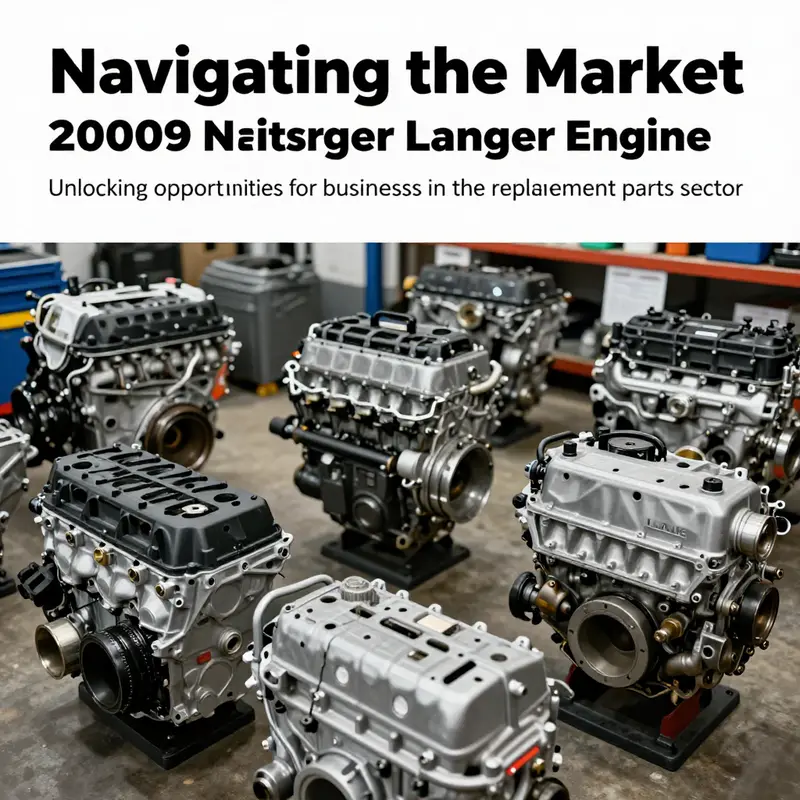
The automotive industry frequently bridges the gap between new technology and vintage charm, making older models like the 2009 Mitsubishi Lancer appealing for maintenance and restoration enthusiasts. With an increasing demand for replacement parts, engines from this particular year have found a notable spot in the market, carving a niche for business opportunities. This article will delve into four critical aspects: the availability and condition of the engine, economic considerations for potential buyers, the technical specifications that make the engine viable, and market trends influencing these transactions. Each chapter aims to provide clear insights that can help you understand the dynamics surrounding the 2009 Mitsubishi Lancer engine, enabling informed decision-making in your business endeavors.
Tracking Down a 2009 Mitsubishi Lancer Engine: Where They Turn Up and What Condition to Expect
Availability and Condition of 2009 Mitsubishi Lancer Engines
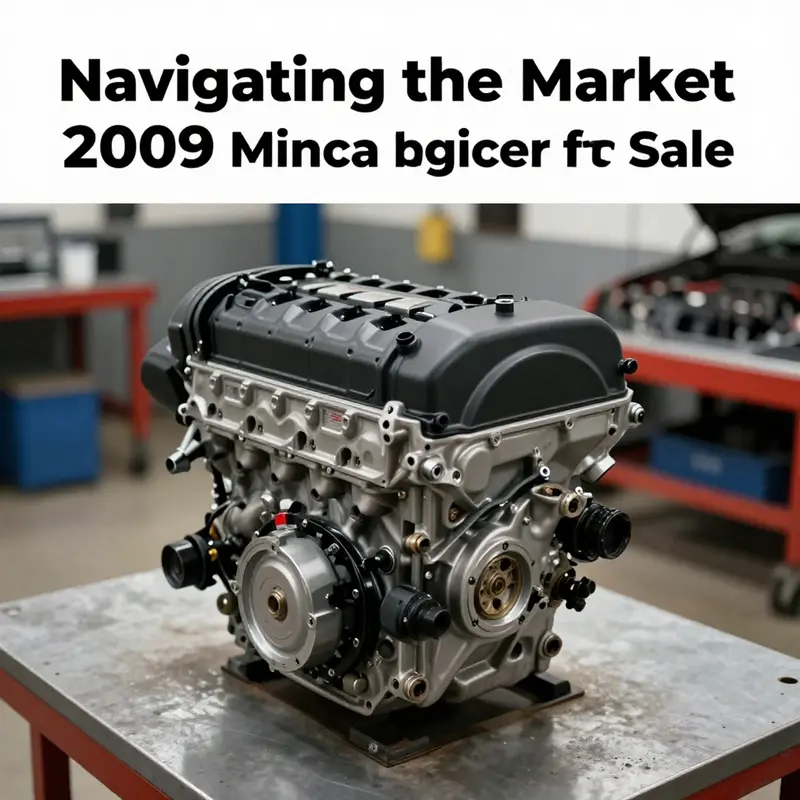
Finding a replacement engine for a 2009 Mitsubishi Lancer often begins with the same reality: the market is composed mostly of used cores and a few reconditioned units. Demand is steady among drivers who prefer to repair rather than replace their cars. The model’s longevity means many engines have high mileage but still serve as viable swaps. Listings appear across a mix of nationwide salvage networks, regional dismantlers, and online marketplaces, where sellers offer varying degrees of disclosure about mileage, history, and included warranties.
When scanning listings, one of the first things to note is how sellers describe the engine. Many entries identify engine displacement and mileage up front, such as 2.0L or 2.4L units with mileage figures that can range from under 100,000 miles to well over 150,000 miles. Descriptions that include the factory code or family name provide useful clues about compatibility. Some engines are sold as “complete” with accessories attached. Others are listed as long blocks or short blocks, meaning they include fewer components. Buyers should pay attention to these terms, because what arrives in the crate affects installation time and cost.
The physical condition of available engines varies widely. Some are advertised as removed from vehicles that had only body damage. These often present the best value, as the engine may have been maintained normally before removal. Other units come from higher-mileage trades or cars that experienced mechanical failure. Even when mileage is high, many blocks remain structurally sound. Wear items such as piston rings, valve guides, and bearings typically reflect mileage and maintenance. Engines that are claimed to run at the time of removal give buyers greater confidence, but such claims should be backed by recent compression tests or video evidence.
A subset of listings caters to enthusiasts and professional rebuilders. These include cleaned, inspected engines that are described as “new stock used” or lightly reconditioned. Pricing for these units reflects the extra work done to present them as ready-to-install. For example, some mid-range used engines may sell for several hundred dollars, while reconditioned long blocks command higher prices. The economics here depend on the depth of reconditioning. Units that have had heads serviced, valves tightened, and seals replaced will likely last longer when reinstalled. However, a thorough inspection upon arrival is still essential.
Mileage is a strong indicator, but not a definitive predictor of remaining life. A 2.4L engine with 94,000 miles may be more attractive than a 2.0L with 170,000 miles, all else equal. Maintenance records can flip that assumption. An engine with higher mileage but documented regular oil changes can outperform a lower-mileage engine that suffered neglect. Ask sellers for service history when possible. If none exists, budget for a tune-up after installation, including fresh fluids, filters, and possibly belts and hoses. These preventive steps reduce the risk of immediate failures.
OEM designation matters for many buyers. When sellers state that a unit is OEM, they mean it matches factory specifications and has not been heavily modified. OEM engines usually bolt up with fewer surprises and preserve vehicle value. Aftermarket or rebuilt cores may require additional parts. Keep in mind that some engines listed for similar model years share components across trims, which helps compatibility. Still, verify engine codes and mounting points before purchase. Using a unit intended for a different turbo or fuel system configuration can cause major headaches.
Warranties and return policies shift the risk profile of a purchase. Some sellers offer short-term guarantees that cover major mechanical failure for a limited period or distance. These can provide peace of mind when buying used cores. Other sellers provide no warranty but may allow returns if the engine arrives damaged. Warranty terms vary widely; ask for details in writing and get clarification on who covers removal and reinstallation costs if the engine proves defective. A clear warranty or a reputable source can justify a slightly higher price.
Seller credibility is an important filter. Established dismantlers and shops that specialize in parts often have reviews and business histories you can verify. Independent listings from private sellers may come with lower prices but higher risk. Look for sellers who provide photos from multiple angles, video of the engine running, and clear documentation of mileage and removal reason. Communication responsiveness is another hallmark of a reliable seller. If a seller avoids direct answers about engine condition or will not provide a compression test, consider other options.
Price expectations reflect the condition, mileage, and included components. Used cores with high mileage are typically priced lower, often in the mid-hundreds. Units with moderate mileage or partial reconditioning fall into a higher price bracket. Rebuilt or remanufactured long blocks, where available, can cost significantly more but reduce upfront uncertainty. Additional factors that affect price include included accessories, whether the engine comes with sensors and harnesses, and whether the transmission is bundled.
Shipping and logistics can add surprising cost. Engines are heavy and often require palletized freight. Many sellers offer crating and shipping at an added fee. Local pickup from a dismantler may save money, but plan for a proper vehicle or trailer capable of handling the load. Verify whether the engine is drained of fluids and whether any hazardous materials add to shipping constraints. Some sellers include a core charge, refundable if you return your old engine within a specified period. This practice can reduce net cost for buyers who can return their worn engine.
Compatibility and fitment details are non-negotiable. Verify engine mounts, transmission bell housing patterns, and wiring harness connectors. Even within a single model year, changes in emissions equipment or accessory layouts can require adaptors or bracket swaps. If you are not certain about part numbers, ask the seller for the engine code stamped on the block. Photographs of mounting points and the front cover area help installers anticipate necessary adjustments.
Inspection on delivery is critical. Open the crate and check for obvious damage. Look for signs of oil or coolant leaks, rust, or physical deformation. If a seller provides a running video taken before removal, compare the sounds in the video to the actual engine on arrival. If possible, perform a basic oil and compression check before committing to installation. If you find discrepancies, contact the seller immediately and document the condition with photos.
Deciding between buying a high-mileage used engine and investing in a reconditioned unit depends on your budget and long-term plans. For daily drivers where cost is the primary concern, a used engine with reasonable mileage and a short warranty may be the right call. For vehicles you plan to keep long-term or restore, a reconditioned or professionally rebuilt engine provides longer-term reliability. Remember that installation quality matters as much as engine condition. Poor installation can ruin even a solid core.
Negotiation is part of the process. Use mileage, condition, and required included parts as leverage. If an engine lacks key sensors or brackets, request a price reduction or ask the seller to supply missing pieces. If a seller refuses to provide additional photos or documentation, that reluctance is a bargaining chip. Be prepared to walk away if the deal seems risky.
Finally, consider salvage or donor cars as an alternative. Buying a donor vehicle with a good engine may yield a better value when you factor in included sensors, wiring, and accessories. This route can also provide a backup source of parts during installation. Check local dismantlers for donor options, and weigh the cost of transportation and part harvesting against the price of a stand-alone engine.
For buyers looking at specific engine families, there are internal resources that describe various Mitsubishi engine variants and their origins. One useful reference on a parts site details the 2.4L offering and its availability from JDM supply channels: Mitsubishi 4G69 2.4L JDM made in Japan.
When evaluating any listing, remember that transparency reduces risk. Mileage, removal reason, included components, and a clear return or warranty policy matter most. Budget for inspection and possible post-install preventive maintenance. With patience and careful vetting of sellers, a 2009 Mitsubishi Lancer engine can be sourced at a sensible price and installed to restore reliable service. For general marketplace browsing, start with broad auction and wholesale platforms to see current offers and pricing trends: https://www.ebay.com
Economic Prudence in Sourcing a 2009 Mitsubishi Lancer Engine: Weighing Price, Reliability, and Longevity
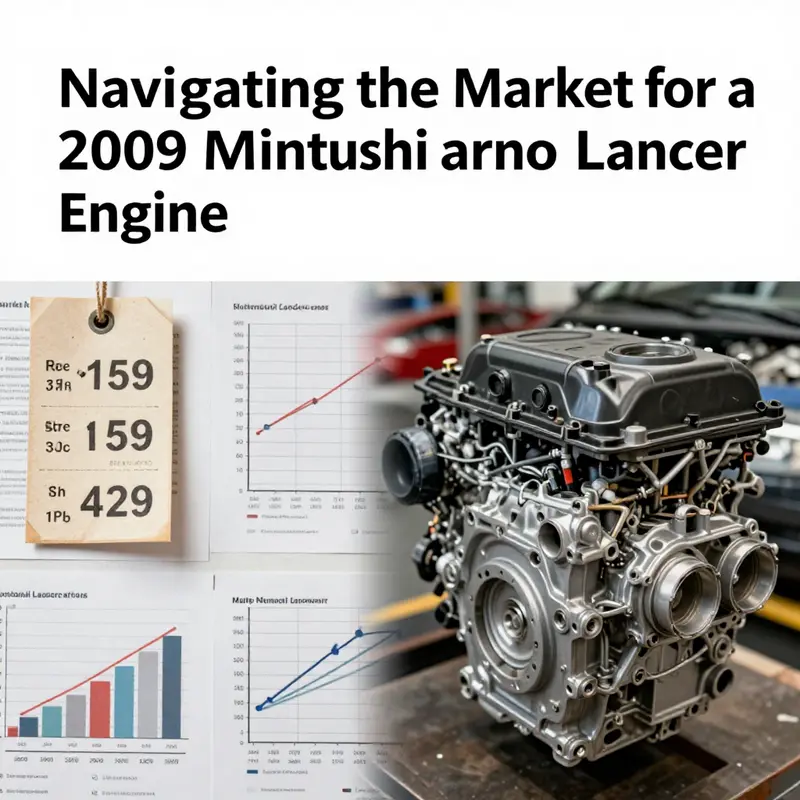
When a 2009 Mitsubishi Lancer needs a powertrain replacement, the market for engines becomes a critical crossroads of value and risk. The research landscape around this specific model year is dominated by the reality that OEM units with substantial mileage circulate in a niche, yet persistent, demand. A listing on a widely used marketplace highlighted an OEM engine clocking in at around 170,000 miles, a figure that speaks to the broader dynamic facing buyers who want to preserve or restore older vehicles. The price you pay for such an engine is not just a number; it is a signal of the balance you must strike between upfront costs and long-term reliability. The availability of engines for sale underscores a broader truth about the Lancer’s afterlife: there is a persistent willingness among enthusiasts and repair shops to invest in the parts that keep these cars on the road, even as the vehicles themselves age.
Economic considerations in this space are multidimensional. The price of a used or remanufactured engine can swing widely depending on condition, mileage, and whether the unit is OEM or remanufactured. In one corner of the market, a 2.4-liter engine listed for a 2009–2010 Lancer with 100,000 miles represents a relatively favorable blend of modern design and reasonable wear. In another listing, a 2.0-liter Ralliart variant with 159,000 miles exists at a different price point, illustrating how higher mileage generally dampens cost but may elevate future risk if internal wear is accelerating. The implication is clear: mileage is both a price signal and a reliability predictor, and buyers must calibrate their expectations accordingly.
To navigate this landscape with care, several factors demand close attention. First, consider condition and mileage together. A lower-mileage engine might fetch a premium, but buyers should also recognize that the internal health of the engine hinges on how it was used, maintained, and stored prior to sale. An engine that has spent years sitting idle may develop seals, gaskets, and timing components that require attention once installation begins. Conversely, an engine with higher mileage could still be a strong choice if it has a documented service history, recent Major components replacement, or evidence of careful maintenance. The risk calculus shifts when you factor in the reliability profile of the specific engine family involved. The Lancer’s 2.0- and 2.4-liter lines, for example, show varying patterns of component wear and common failure points, which can influence long-term performance and the probability of unexpected repairs.
Second, OEM versus remanufactured units serve as a major price lever and a quality signal. OEM engines promise exact fit, original specifications, and compatibility with the vehicle’s electronics and engine management systems. In many cases, that compatibility translates into fewer integration headaches during installation and fewer surprises after the engine is bolted in. Remanufactured units, while often more affordable upfront, carry a different risk profile. The reman route can offer modernized internals and updated components, but it may also introduce variability in warranty coverage, remanufacturer credibility, and the availability of matching accessories such as the ECU, sensors, and auxiliary parts. For some buyers, the peace of mind that comes with an OEM core—especially when coupled with a warranty—justifies the higher price. For others, a well-vetted remanufactured engine can deliver similar reliability at a lower entry cost, provided the seller offers transparent documentation and a dependable warranty.
Third, the cost of labor is a factor that must be weighed alongside the engine price itself. Replacing an engine is not a simple bolt-in task; it involves careful alignment of the engine, transmission interface, electrical connections, fuel lines, cooling systems, and exhaust components. Labor costs vary widely by region, shop, and the complexity of the installation. In certain markets, a typical engine replacement can require several hours of labor, plus time spent on engine breaking-in procedures, serpentine belt replacement, and the possible installation of new seals and gaskets. A buyer who underestimates labor may discover that the savings on the engine price are quickly eaten away by skilled labor charges. The practical takeaway is to obtain a detailed labor estimate before committing to a purchase, and to confirm whether the quoted rate includes any required ancillary steps, such as timing belt or chain replacement, water pump service, or ECU reprogramming.
Beyond the initial price and installation, the total cost of ownership is a framework that helps buyers evaluate risk and reward. A key element of this framework is the potential for future repairs. Engines with high mileage may push the boundary of reliability, increasing the likelihood of oil leaks, gasket failures, or timing components that require attention in the near term. When evaluating options, buyers should consider whether the engine comes with a limited warranty, what that warranty covers, and for how long. Some listings offer short-term warranties on external components or parts, while OEM-equivalent reconditions may include longer coverage on mechanical integrity. The presence or absence of a warranty can influence both the perceived value and the decision about whether to proceed with a purchase. In this decision calculus, it is prudent to estimate the probability and cost of follow-up repairs based on the engine’s history and the reliability profile of the Lancer’s 4B11/4B12 family, depending on the generation and market.
Market data and sourcing strategy are not merely about choosing a single engine; they are about assembling a portfolio of potential options, each with its own risk-reward profile. A prudent buyer will compare prices across multiple sellers, request a full service history when available, and verify the engine’s code and compatibility with the vehicle’s VIN and ECU calibration. Sourcing from reputable suppliers often yields better long-term reliability, even if the initial price is higher, because these sources tend to provide better warranty terms, clearer documentation, and more consistent part quality. The seller’s credibility can be a decisive factor, especially given the complexity of engine swaps and the risk of end-use mismatch with the vehicle’s electronics. A well-documented listing that includes a history of maintenance, recent component replacements, and a clear cosmetic and mechanical condition assessment can reduce the buyer’s due diligence burden and improve confidence in the purchase.
From a strategic perspective, the decision to buy a used OEM engine versus a remanufactured unit should reflect the buyer’s long-term plans for the Lancer. If the car is to remain a daily driver for several more years, the reliability and predictable performance of an OEM engine may be worth the premium. If the car is a limited-use project or a collector item in restoration condition, price flexibility may be greater, allowing a buyer to prioritize documented history and favorable warranty options over the raw cost. The market’s heterogeneity means no one-size-fits-all answer exists. The best approach is to craft a hedged plan that includes a contingency for potential additional repairs, a realistic estimate of annual maintenance costs, and a clear sense of the vehicle’s remaining resale value if restored or preserved.
An important nuance in this calculus is the source of parts beyond the core engine itself. Sourcing from reputable suppliers who specialize in Mitsubishi-era engines can yield advantages in long-term reliability and performance. These suppliers often provide compatibility assurances, reconditioning notes, and technical support that can help buyers navigate integration challenges. Even if the engine is not OEM, a strong provenance on the part and access to replacement accessories—such as gaskets, timing components, and sealing rings—can significantly lower the risk of early failure after installation. This approach recognizes that an engine swap is rarely a solitary component replacement; it is an integrated process that touches cooling, fueling, ignition, and electronics, all of which must be harmonized for lasting operation.
For readers who want a concrete example of how these factors play out in practice, consider the following. A prospective buyer might encounter a listing for the 2.4L engine option with a known mileage point and a credible seller who includes a limited warranty. Another listing could present a remanufactured 2.0L with updated internals and a longer warranty but at a higher price. The variance in price often reflects not only mileage, but the presence of documented maintenance history, the inclusion of ancillary components, and the seller’s confidence in the unit’s longevity. In such cases, the buyer should perform due diligence with care: verify the engine serial number, confirm that the engine code matches the Lancer’s intended specification, and request a run-test or receipt that demonstrates recent functional checks. A practical step is to request a compression test result, evidence of proper seating of piston rings, and a check for coolant and oil leaks. While not every buyer can perform these tests personally, a seller who provides verifiable documentation and offers a short-term, transferrable warranty can help bridge the gap between price and reliability.
The broader takeaway is that the economic decision around purchasing a 2009 Mitsubishi Lancer engine hinges on balancing upfront cost with the likelihood of dependable performance over time. The market’s diversity—with OEM and remanufactured options, different mileages, and a range of warranty structures—means buyers should adopt a structured approach. Start with a clear budget that includes a buffer for unexpected repairs and labor. Then weigh whether the chosen engine aligns with the car’s intended use, the owner’s tolerance for risk, and the anticipated remaining lifespan of the Lancer. The more transparent and well-documented the listing, the greater the likelihood that the purchase will deliver the intended value rather than become a source of ongoing headaches. Finally, remember that engine sourcing is not simply about the moment of sale; it is about setting up the vehicle for reliable operation in the months and years ahead, ensuring that the Lancer remains a capable, economical, and enjoyable drive.
For readers who want to see a concrete example of a potential option in the engine marketplace, consider exploring a representative listing that highlights how an engine option can be presented and evaluated within the broader framework of a Lancer’s maintenance and restoration plan. A relevant example to review is the 4G15 engine listing for Mitsubishi Lancer, which, while not identical to the 2009 model’s powertrain, provides a context for understanding how engine code, compatibility notes, and documented service history are communicated to buyers. This kind of reference helps illustrate how a buyer might approach cross-model comparisons without losing sight of the 2009 Lancer’s unique specifications.
As the market for used engines continues to evolve, it is essential to maintain a disciplined approach to the decision process. The best outcomes come from careful sourcing, transparent documentation, and realistic expectations about what can be achieved with a given budget. By foregrounding these considerations, buyers can make engine replacements that preserve value, maximize reliability, and extend the life of a 2009 Mitsubishi Lancer rather than compromise its performance or safety.
External resource: For a broader snapshot of current listings and pricing trends in the secondary market for engines and engine parts, you can consult current listings on a major online marketplace at https://www.ebay.com/sch/i.html?_nkw=Engines+%26+Engine+Parts+for+2009+Mitsubishi+Lancer
Under the Hood of a 2009 Lancer: The 1.8L MIVEC Engine, Its Specs, and the Market for an OEM Replacement
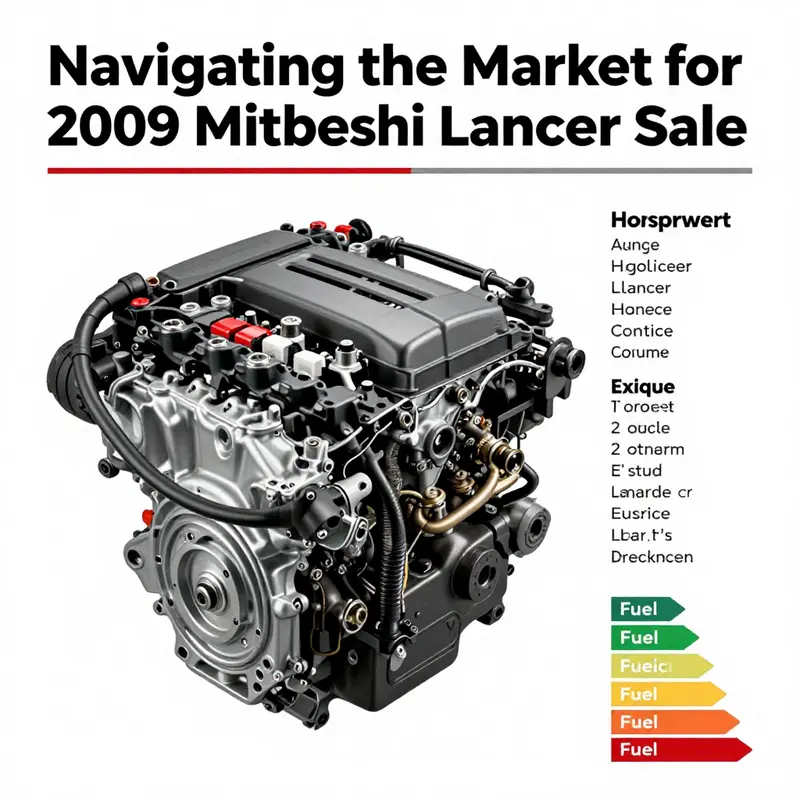
When a generation of compact performance cars ages into its late teens, the conversation shifts from new-car romance to practical resilience. The 2009 Lancer, with its blend of nimble chassis, all-around usability, and the promise of spirited driving in higher trims, remains a familiar project for owners who want to keep the car on the road rather than park it as a classic. A key part of that resilience is the engine that powers it: a 1.8-liter inline-four designed for efficiency and tractable performance, backed by Mitsubishi’s MIVEC variable timing system. In markets where the car has earned a devoted following, OEM replacement engines—especially ones with miles around the mid-to-high range—raise questions about value, reliability, and the long-term cost of ownership. The current market for a 2009 Lancer engine for sale reflects a niche but persistent demand: a chance to swap in a factory-specified motor, often sourced from salvage or reclamation channels, rather than thrash through a longer repair or a patchwork rebuild. The discussion begins with the engine itself, then widens to the realities of buying, evaluating, and installing an engine with substantial mileage, and finally to the broader implications for maintenance and the ongoing life of a car that many drivers still depend on day to day. The most common core in this year’s lineup is the 1.8L inline-four known in the community as the 4B11 MIVEC. This engine is compact yet capable, built to balance economy with a degree of performance that keeps the Lancer feeling responsive in urban traffic and comfortable on longer trips. The engine is configured as an inline four with double overhead camshafts and sixteen valves, a layout that supports smooth operation across a wide rev band. Displacement sits at 1,795 cubic centimeters, a neat size that provides enough torque for everyday acceleration while maintaining decent fuel efficiency. The fuel system is electronic, which aligns with the era’s move toward electronically controlled injection to optimize air-fuel delivery and emissions compliance. The variable valve timing system, branded as MIVEC, is a key differentiator. It adjusts the timing of the intake and exhaust valves to optimize breathing at different engine speeds, not only improving fuel economy at low RPM but also enhancing power delivery when the engine wakes up toward the higher end of the rev range. For buyers evaluating a used OEM engine, this is a meaningful feature. It implies a more sophisticated control strategy inside the head, a factor that can influence maintenance needs and potential diagnostic complexity over time. The official performance data for the 2009 model year presents a practical picture: roughly 125 to 135 horsepower at around 6,000 rpm and torque in the neighborhood of 125 to 130 pound-feet at about 4,000 rpm. Those numbers sit in a zone that supports confident city driving and provides adequate highway acceleration for a compact car that was built for everyday use rather than track work. The compression ratio is around 10.5:1, a balance that supports efficiency while maintaining robust response for typical driving scenarios. The cooling system is liquid-cooled, and the oil capacity is around 4.5 quarts with a filter change. Transmission options varied by trim, with a five-speed manual or a four-speed automatic depending on the specific configuration in the lineup. Taken together, these details sketch an engine that is manageable for a hobbyist with some mechanical inclination, yet modern enough to integrate with a wide range of maintenance tools and diagnostic interfaces. The inclusion of MIVEC transforms the engine’s character across different driving situations. At low RPMs, the system can favor fuel efficiency by adjusting valve timing to minimize pumping losses and reduce fuel consumption. As the revs rise, MIVEC can open the breathing path more fully, which helps deliver improved airflow, a more responsive throttle, and a sense of stronger acceleration at higher speeds. In a car that is already tuned to offer balanced handling and a comfortable ride, this internal engineering contributes to a user experience that remains relevant even as the car ages. The details above come from the most relevant official sources for the 2009 Lancer’s specifications, which confirm the core engine architecture and performance envelope. For anyone browsing listings that claim OEM legitimacy, those numbers provide a baseline to judge compatibility with the car’s wiring, sensors, and engine management system. They also serve as a yardstick for expectations around parts like the ECU, MIVEC solenoids, and related components that may accompany a used engine in a sale bundle. When a seller presents an engine with about 170,000 miles, a practical buyer thinks beyond the horsepower figure. The engine’s condition will hinge on prior maintenance history, the care taken during the last years of use, and how well the unit was stored when not installed. A high-mileage engine can still offer solid reliability if it has a clean oil history, no evident coolant leaks, and a recent service record that includes seals, gaskets, and a fresh oil change. In the context of a used engine on a marketplace platform, buyers are often evaluating a bundle of signals: photos showing exterior cleanliness, evidence of leaks, the presence or absence of ancillary items like the timing chain and tensioners, and the completeness of the kit that accompanies the engine—harnesses, sensors, and the ECU bracket compatibility. The variability in these factors is exactly why due diligence matters: it is not enough to know the number of miles or the listed horsepower. A careful inspection plan should consider the engine’s internal cleanliness, the condition of flanges and mating surfaces, and the integrity of the valve train and oiling system. Buyers often check for chemical odors in the oil or coolant reservoir, signs of head gasket seepage, and the presence of any external rust or corrosion on mounting surfaces, which can indicate long storage periods or exposure to harsh environments. It is within this frame that the decision to purchase a used OEM engine becomes more than a simple transaction. It becomes a careful calculation of cost, reliability, and the practicalities of installation. The market for these engines is heavily influenced by the availability of OEM components, the seller’s credibility, and any warranty offers that might accompany the sale. A typical listing on a large online marketplace can present a spectrum of options: some engines offered with a short-term warranty, others as-is with no guarantees. For buyers who want added reassurance, a seller might present a bundled deal that includes fluids, an intake manifold, exhaust components, or even a basic control module. Each of these add-ons can shift the perceived value and the total cost of ownership, especially when installation and labor are factored in. The choice to pursue a used engine is sometimes reinforced by the matching of the engine’s core performance data with the recipient car’s existing drivetrain and electronics. The 4B11 engine family shares certain interfaces with EFI, sensors, and the engine control unit, and those interfaces must line up with the vehicle’s harnesses and mounting points. To a careful buyer, this is a signal to verify compatibility before committing. The discussion of replacement engines would be incomplete without acknowledging the role of the suppliers themselves. Among the channels that enthusiasts and owners frequent, there is a market for OEM parts that values authenticity. The availability of an OEM engine with a documented low-to-moderate mileage history can offer a credible path to keep a project on track, especially when the goal is to preserve original performance and maintain resale value. It is not a mystery why buyers gravitate toward OEM units in these scenarios. They come with factory tolerances, known parts compatibility, and a more predictable integration with the car’s existing electronics than many aftermarket options. Still, even as OEM units hold appeal, the realities of mileage and wear require careful decision-making. A buyer should weigh the cost against the anticipated service life after installation, the likelihood of needing new gaskets or seals, and the potential for timing chain wear or tensioner replacement if the unit has logged substantial road time. In essence, the engine’s specifications offer a map of capability, but the map only becomes useful once the equipment has been vetted for condition and authenticity. For readers who want to explore a concrete example of a related component while considering the 4B11’s architecture, there is a detailed reference to a specific part that extends beyond the engine block itself. This resource, which discusses a particular upgrade option for the engine family, can provide additional context about the internal components that often draw attention in used-engine purchases. It highlights that a factory-block-focused upgrade can be part of a broader strategy to preserve reliability while accommodating performance needs. To locate this type of information, you can follow a dedicated product page that focuses on the internal block and related performance enhancements: 4b11t-billet-block. This reference helps illuminate how some buyers approach long-term durability and potential reconditioning on a platform that specializes in engine components and performance parts. The broader narrative around the 2009 Lancer engine for sale, therefore, sits at the intersection of technical specification and practical procurement. On one hand, the engine’s official spec sheet describes a compact, modern powerplant with MIVEC that supports efficient operation and strengths in the mid-range. On the other hand, the real-world decision to purchase a used engine involves a careful appraisal of the seller’s credibility and the engine’s documented history, as well as a candid assessment of installation costs, labor requirements, and compatibility with the car’s existing system. In this context, the engine’s mileage is not simply a number; it is a proxy for wear on critical components like seals, gaskets, and the valvetrain. The engine’s compatibility with the car’s transmission options also matters, particularly if a buyer plans to preserve the original five-speed manual configuration or adapt to the four-speed automatic that some trims employed. The maintenance implications extend well beyond the initial swap. Once installed, the vehicle will benefit from a thorough freshening of essential fluids and systems. A recommended sequence starts with a new oil and filter, followed by a coolant system service, which includes flush and refill with the correct specification coolant. The cooling system’s reliability is central to long-term engine life, especially for a compact engine that has served a diverse set of climates and operating conditions. The next steps involve inspection of the cooling fans, water pump, radiator hoses, and the thermostat, because age and mileage can stress these components. The air-fuel and ignition systems deserve attention as well, with checks on spark plugs, ignition coils, fuel injectors, and the fuel pump’s delivery pressure. A responsible maintenance plan also covers the engine’s sensors and actuators that interact with the vehicle’s ECU. MIVEC performance, in particular, depends on the health of the solenoids and the cam-phase control system; a degraded solenoid or sticking valve timing can lead to hesitation, rough idle, or reduced fuel efficiency. The chain of events that begins with a listed mileage and a marketplace listing ends with the practical decision to install and operate a dependable replacement engine. Buyers who approach the process with a plan—one that includes a professional assessment or a workshop inspection, clear documentation from the seller, and a solid understanding of the total cost of ownership—tend to experience smoother transitions from purchase to road use. The market itself reflects the enduring appeal of a well-connected, well-maintained inline-four that can deliver practical performance with reasonable efficiency. For enthusiasts, the 1.8L MIVEC engine embodies a blend of simplicity and sophistication: a compact, serviceable powerplant with an accessible maintenance footprint and a network of parts and support that continues to sustain older models. The sales conversations around this engine often revolve not just around numbers, but around the story of a car that remains part of daily life for many drivers. The engine, in this sense, acts as a hinge between nostalgia and practicality, reminding buyers that the road ahead for a 2009 Lancer can still be lively with the right unit, the right maintenance discipline, and the right support from knowledgeable sellers and technicians. External resources that document the official specifications for this era provide a factual anchor to the conversation, grounding expectations in verified data while the marketplace frames the experiential aspects—the feel of the drive, the confidence in a fresh start after installation, and the peace of mind that comes with using a genuine factory engine in a car that still has miles to go. For those who value precision and provenance, the 2009 Lancer’s 1.8L MIVEC engine remains a meaningful chapter in a vehicle’s long life, a chapter that can be opened again with a carefully sourced OEM unit and a thoughtfully planned maintenance schedule. External resource: https://www.mitsubishimotors.com/vehicles/lancer/2009/specifications
How Engine Variants and Market Forces Shape the 2009 Lancer Engine Marketplace
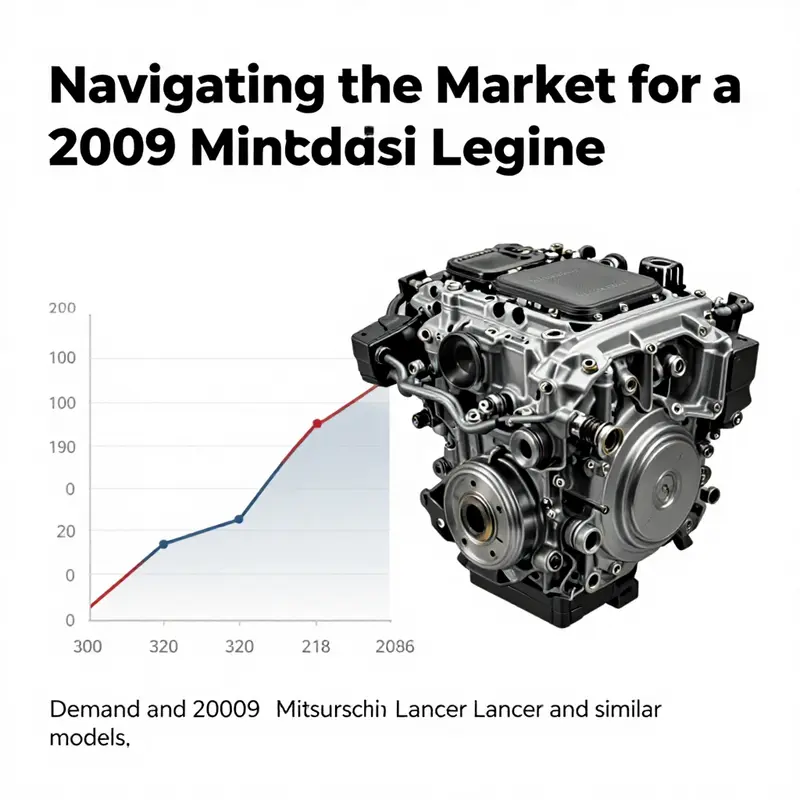
The market for a 2009 Lancer engine is shaped by two parallel forces: real-world mechanical realities and buyer expectations. On one side, decades of wear, repairs, and regional supply chains determine what engines reach the market. On the other, demand splits cleanly between pragmatic commuters and performance-minded owners. Together they create a dynamic used-engine economy where mileage, configuration, and seller trust dictate value.
Most 2009 Lancer engines you see listed are not fresh builds. They are used, often OEM, and frequently carry significant mileage. A common listing features an OEM engine with about 170,000 miles. That single detail—mileage—affects perception and price more than many other factors. Buyers interpret mileage as a shorthand for remaining life, internal wear, and likely upcoming maintenance needs. In practice, however, mileage tells only part of the story. How the engine was driven, how well it was maintained, and whether it was involved in a damage event matter just as much. Engines retired for transmission failure or body damage can still be mechanically sound. Conversely, an engine with low miles but poor maintenance may be a risky purchase.
Two engine families dominate the 2009 Lancer landscape. The 1.8L naturally aspirated four-cylinder appeals to economy buyers. It is straightforward to service and forgiving of minor neglect. The 2.0L turbocharged inline-four appeals to enthusiasts. It delivers stronger acceleration and richer tuning potential. Each choice brings trade-offs that ripple through pricing, availability, and long-term ownership costs.
For buyers seeking low-cost reliability, the 1.8L engines remain consistently in demand. They are simple, have fewer specialty components, and avoid the turbo system’s complexity. Because of this simplicity, salvage yards and independent dismantlers often have a steady supply. That keeps asking prices competitive while preserving resale values for well-cared-for donor cars. Mechanics generally find the 1.8L predictable to diagnose. Replacement parts are abundant, and labor times are modest, making swaps and repairs an economical option. This segment draws commuters, budget rebuilders, and fleet repair shops.
The turbocharged 2.0L, meanwhile, operates within a premium niche. Enthusiasts prize its extra torque and tuning headroom. This drives a separate aftermarket that supports performance upgrades and rebuilds. Demand for these engines has been rising, especially among buyers who want a tournament-ready swap or wish to restore a performance trim. However, the turbo system introduces more parts that can fail: oil lines, the turbocharger itself, the intercooler piping, and related seals. A well-documented service history is crucial here. Buyers often look for signs of proper oil-change intervals and evidence of responsible boost management. When those signs exist, a turbo engine can command a premium despite higher expected maintenance costs.
Price formation in this market is both rational and emotional. Sellers list engines based on comparable listings, salvage values, and perceived demand. Buyers respond to that pricing with skepticism until sellers provide convincing proof. Photos, VIN confirmation, and a clear description of included accessories are essential. Engines sold with wiring harnesses, ECUs, intake manifolds, and accessories are worth more because they reduce installation complexity. Conversely, bare short blocks or incomplete assemblies carry discounts but require additional spending to complete a return-to-service.
Seller credibility is a practical currency. Online marketplaces host a range of sellers, from professional recyclers to private individuals. The professional sellers often provide brief warranties and clear return policies. These protections matter because shipping a 300–450-pound crate across the continent introduces risk. A warranty or bench-test guarantee reduces perceived risk and thus supports higher prices. Private sellers may undercut those prices but transfer the risk fully to the buyer.
Shipping logistics and associated costs also influence listings. Engines shipped with secure crating and documented handling attract a higher price. Buyers must budget not only for the engine but also for freight, customs (if cross-border), and local pickup. Some sellers offer local delivery with installation options when partnered with regional shops. Others require buyers to arrange heavy-lift transport and engine hoists for installation. These practical considerations often influence whether a buyer will pursue a listing, especially when total landed cost approaches the price of a low-mileage donor vehicle.
Compatibility issues complicate the narrative. Even when an engine physically fits, matching harnesses, sensors, and ECU programming determine whether it will run cleanly. Emission components vary by region and model year, and installing an engine without the correct emissions hardware can create compliance problems. For the turbo engines, swapping a different ECU or mismatched turbo plumbing can lead to drivability issues. Savvy buyers check part numbers, request photos of the core plug locations, and verify that motor mounts and transmission mates match. In many cases, buying an engine with the attached transmission and ECU streamlines installation and reduces unexpected issues.
Remanufactured versus used engines presents another decision fork. Remanufactured units command higher prices but offer mechanical assurances. They undergo machining, replacement of wear items, and often a controlled testing protocol. Used engines are cheaper, but their internal condition is less certain. For budget restorations, a carefully inspected used engine with documented compression or leak-down numbers may be the best compromise. For high-mileage replacements where longevity matters, a remanufactured option or a low-mileage donor engine may be preferable.
Market trends reflect these distinctions. Regions with larger enthusiast communities show higher demand for turbo engines and parts. This supports a thriving aftermarket and stronger resale on performance units. In contrast, markets favoring fuel economy create stable demand for the 1.8L engines. These regional differences influence inventory and pricing. A turbo engine may be priced aggressively in a market lacking performance buyers while commanding a premium near tuning shops and motorsport communities.
A notable impact of these trends is on vehicle valuation. Cars with the turbo engine often retain higher values if the powertrain is healthy. Conversely, a salvage title with a good engine can still yield a worthwhile rebuild scenario. This interplay means the used-engine market subtly supports used-car prices. Availability of replacement engines keeps older models on the road longer, preserving parts circulation and supporting local repair economies.
For buyers assessing a specific listing, documentation beats rhetoric. Ask for the VIN of the donor vehicle and photos of the engine bay. Request a run test on a bench when possible, or at minimum a cold-start video showing free engine rotation and the absence of knocking. Compression readings or a leak-down test add confidence. Verify included components and clarify whether ancillary parts like alternators, starters, and sensors are included. Confirm warranty terms in writing and understand core-return policies if buying a rebuilt unit.
For sellers, transparent listings reduce negotiation friction. Include clear photos, part numbers, mileage, and a concise list of included components. Disclose known issues upfront. Offering a modest warranty or a short-term return policy increases buyer trust and often fetches higher realized prices. Packaging the engine properly demonstrates professionalism and reduces damage-related disputes.
Buyers and sellers both benefit from considering long-term service costs. Turbo engines typically require more attentive oil maintenance and occasionally turbo-specific repairs. The 1.8L’s lower complexity translates to lower ongoing ownership costs. When calculating the total cost of a swap or replacement, include parts, labor, any required ECU work, emissions compliance steps, and the likely timing of near-future maintenance items like timing belts, water pumps, and head gaskets.
Finally, the aftermarket shapes the engine market’s future. A strong parts supply and tuning ecosystem sustain demand for performance engines. Conversely, improved availability of remanufactured components and better logistics lower barriers for budget buyers. This duality keeps the 2009 Lancer engine market balanced: economical engines remain plentiful and affordable, while turbo variants retain a steady, passionate following.
For those who want deeper mechanical context on the 2009 Lancer and its engines, particularly how factory features influence long-term ownership, a detailed model review offers useful background. See the in-depth review at Car and Driver: https://www.caranddriver.com/mitsubishi/lancer/reviews/a26557976/2009-mitsubishi-lancer-review/.
If you are exploring turbo builds or need a reinforced short block, consider researching the 4B11T billet block option for strengthened applications. It is a specific upgrade path enthusiasts discuss when pushing power beyond stock limits: https://mitsubishiautopartsshop.com/4b11t-billet-block/.
Final thoughts
Understanding the availability, economic factors, technical specifications, and market trends regarding the 2009 Mitsubishi Lancer engine can equip business owners with the necessary insights to make informed decisions. The niche market surrounding replacement parts signals ongoing opportunities for those interested in maximizing their investments and supporting automotive restoration efforts. Engaging with this market can not only enhance business portfolios but also foster connections with a dedicated community of enthusiasts invested in preserving and restoring older vehicles.