
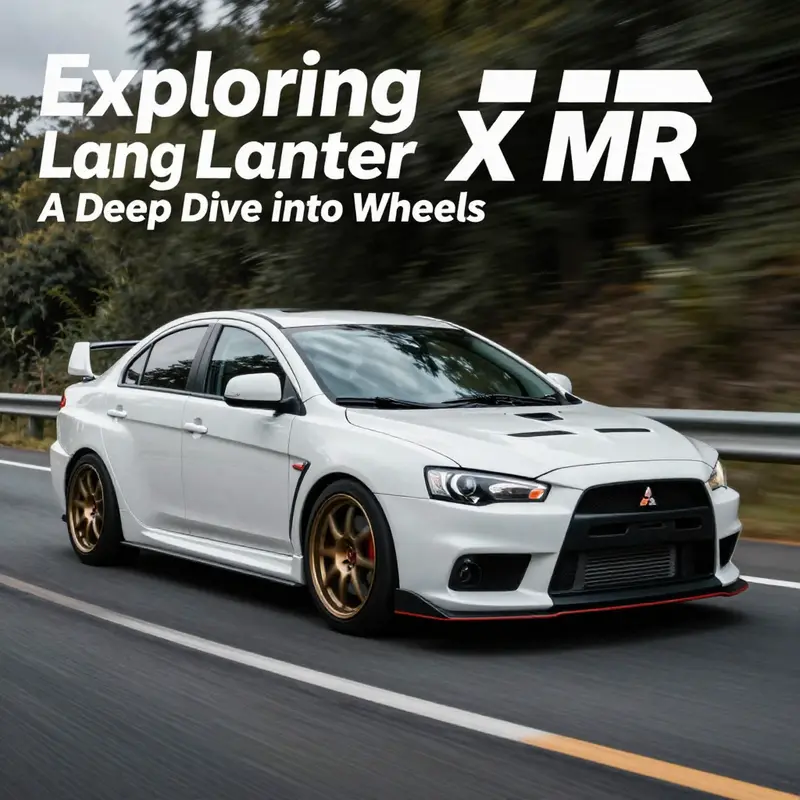
The Mitsubishi Lancer Evolution X MR is a beloved machine in the performance automotive community, revered not just for its powerful balance of speed and handling, but also for its distinctive and aggressive aesthetic. Central to this aesthetic and performance synergy are the BBS wheels, a defining feature that enhances both its functionality and visual appeal. This article will explore various facets of the Evo X MR BBS wheels, starting with an overview of their design and popularity, followed by an examination of their performance specifications, market availability, aftermarket options, and insights on installation and upgrades. Each chapter will provide critical insights for business owners interested in maximizing the potential of these high-performance wheels.
How the Evo X MR’s OEM-Style Deep-Dish Wheels Define Performance and Fitment

A unified look at the Evo X MR wheel story
The wheel choice on an Evo X MR says more than style. It defines handling, braking, and the car’s visual identity. The MR trim arrives with a distinct wheel fitment that balances factory intent with motorsport capability. Owners and builders who seek the original deep-dish aesthetic often pursue wheels that match the Evo X MR’s track-ready geometry. Those wheels typically measure 18×8.5 inches, use a +38 offset, and are built for a 5×114.3 bolt pattern. These numbers are not arbitrary. They reflect a harmony between fender clearance, suspension travel, and tire contact patch that the chassis was designed to accept.
Beyond those dimensions lies a set of engineering choices. Forged monoblock wheels made from aircraft-grade aluminum provide the highest strength-to-weight ratio. The forging process compresses metal grain structure, resulting in a denser, tougher wheel than cast alternatives. That toughness matters when the car sees track duty, where repeated loading and high temperatures push components to their limits. Multi-piece forged wheels, meanwhile, give tuners the freedom to vary widths and offsets precisely. For a widebody conversion or an aggressive five-millimeter change to track stance, a multi-piece setup lets builders tailor the outer lip and inner barrel independently. Each approach has trade-offs. Monoblock forged wheels tend to be lighter and simpler. Multi-piece wheels are adjustable and repairable but add fasteners and seams that slightly increase mass.
Material selection is central to performance gains. A6061-T6 aluminum alloy is a common specification in high-quality wheel production. It offers high tensile strength, good fatigue resistance, and consistent response to heat treatment. When manufacturers pair this alloy with validated production processes, the result is a wheel that meets impact and fatigue requirements. JWL and VIA certifications are practical benchmarks. They indicate that a wheel has passed standardized impact tests, radial fatigue cycles, and dynamic balance procedures. For any Evo X MR owner prioritizing safety and track reliability, those certifications are non-negotiable.
Fitment numbers, however, are what convert metallurgy into real-world behavior. The +38 offset on a standard 18×8.5 wheel centers the tire within the fender profile while maintaining proper scrub radius. This offsets steering feedback and limits unwanted loads on wheel bearings. Deviating from that offset changes scrub radius and can alter turn-in feel. Widening the wheel increases the contact patch and lateral grip, but may require rolling or flaring the fender lips to prevent rubbing during hard cornering. Spacers can achieve a flush look without changing wheel choice, but they move the load path outward and should be matched with longer studs or hub-centric hardware to preserve safety.
Unsprung mass is a phrase often used in tuning circles, and for good reason. Reducing the mass that the suspension must control improves both ride quality and handling precision. A lighter wheel accelerates and decelerates with the tire, sharpening throttle response and braking. It also reduces the energy the dampers need to dissipate when hitting bumps. For an Evo X MR, which combines forged internals and a high-performance suspension setup, the wheels’ weight directly shapes the car’s agility. Open-spoke designs enhance brake cooling too. Airflow through the spokes aids heat exchange away from the rotors and pads. On extended track sessions, that cooling translates to more consistent braking performance and reduced risk of overheating the brake system.
Sourcing wheels is part technical decision and part logistical exercise. The market includes original equipment wheels, verified low-mileage sets, and high-quality OEM-style replicas. For budget-conscious builders, finding a used original set can preserve factory aesthetics and fitment without the new-wheel premium. For those who need new rims but prefer the OEM look, precision-made replicas often come from large production centers that combine CNC machining, flow-forming, and heat treatment. These facilities can produce wheels that match the original dimensions and finish while offering modern improvements. When choosing between new replicas and used originals, weigh structural history. A previously damaged factory wheel might have hidden fatigue even after repair. New wheels, especially those with certification documents, remove doubt but require careful vendor vetting.
Fitment is not only width and offset. The centre bore and hub-centric alignment matter too. Hub-centric rings ensure the wheel seats accurately on the hub. They reduce vibration and stress on the lug nuts. Proper torque and a star-pattern tightening sequence keep the wheel secure without overloading studs. For cars that see changing wheels across seasons or tracks, a set of dedicated wheels for each purpose can limit repeated stress on any single pair. Tire selection and suspension settings are the next layer. Tire sidewall height, compound, and pressure affect how much the wheel contributes to ride and traction. A stiffer sidewall and grippier compound enhance turn-in but may transmit more road harshness. Matching tire selection to wheel width prevents uneven wear and keeps the contact patch predictable.
Aesthetic choices often drive the initial purchase. The deep-dish profile gives the Evo X MR a low, planted stance. Polished lips and multi-spoke faces contribute to a race-inspired look that complements aggressive aero and wide fenders. Yet appearance should follow function. A wheel that looks right but causes rubbing under compression will undermine the build. That is why many builders mock up wheels and measure suspension travel at full lock before finalizing a purchase. Wheel finishes also matter. Powder-coated, painted, and polished surfaces each require different care. Track salt and brake dust are corrosive, so a finish that resists chatter and corrosion extends wheel life and keeps fitment tolerances within spec.
Repairability and longevity are practical considerations. Monoblock forged wheels resist cracks and fatigue well, but heavy impact can still bend or fracture them. Multi-piece wheels can often be disassembled and have individual segments machined or replaced. This repairability can save high-end builders money over time. Always verify that replacement parts match original tolerances. Even a small mismatch in barrel curvature can shift alignment under load.
Finally, the cultural side of the wheel choice deserves mention. For many Evo X MR owners, the OEM-style deep-dish wheel represents authenticity. It signals respect for the platform’s heritage while offering a straightforward route to improved dynamics. Whether retaining a factory set, installing a carefully chosen replica, or upgrading to a bespoke forged multi-piece solution, the goal remains the same: to align wheel selection with intended use. Track-focused builds prioritize stiffness and weight. Street builds emphasize comfort and durability. Show cars value finish and stance. The best projects reconcile these aims through informed choices and measured trade-offs.
For a practical next step, consult a current supplier guide that evaluates OEM-style wheels, production methods, and supplier credentials. It helps to cross-reference measurements and certification documents before purchase. If you want a quick reference on sourcing and supplier comparisons, see this updated industry guide for detailed specs and market trends: https://www.b2bautomotiveinsights.com/2026/02/oem-style-bbs-wheels-for-mitsubishi-evo-x-b2b-supplier-guide/.
For a direct parts option related to original wheel sets for Lancer sedans, consider reviewing the listing titled “brand-new original BBS R18 rims for Lancer sedans” available through the parts archive linked above. This resource can help match part numbers, confirm bolt patterns, and compare finish options before committing to a purchase.
Forged in Flight: The BBS Wheel DNA That Shapes the Evo X MR’s Handling and Identity
On the Evo X MR, wheels are more than round metal; they anchor the car’s relationship with road and rhythm. The BBS wheel package, whether kept from factory equipment or celebrated in the tuning community, embodies a lineage of engineering that translates into every aspect of performance. Forged aluminum, typically drawn from high-strength alloys such as 6061-T6 or 7075-T6, is the core of this system. The result is a wheel that sheds weight without sacrificing rigidity, a combination that lowers unsprung mass and sharpens the chassis response. In practice, that means quicker turn-in, crisper throttle response, and more immediate feedback through the steering wheel. The feeling is not merely about speed; it is about control at the limit, where every gram matters and the tires rely on the wheel to carry load with minimal parasitic flex. When the road tightens and the car is driven with intent, the wheel becomes a translator of torque, steering input, and tire character, a precise instrument that rewards disciplined throttle management and smooth line selection.
Dimensional choices on the Evo X MR’s wheel setup are carefully tuned to harmonize with the car’s performance goals. The 18-inch diameter is a deliberate balance between weight, brake clearance, and tire availability. Width distribution—roughly eight inches at the front and toward nine inches at the rear—uses a measured offset to preserve geometry under compression and rebound. The bolt circle remains a common 5×114.3, a standardized foundation that supports both factory brakes and upgraded calipers. The offset, often in the mid-high range, is selected to keep the tire’s contact patch in close alignment with the suspension’s steering axis, reducing scrub and preserving linear steering during aggressive cornering. This setup also assists brake cooling, as the spoke geometry channels air across the rotor surface. The result is a wheel that not only fills the fender with poise but also serves as an active participant in thermal management during spirited driving and occasional track days.
From a performance perspective, forging offers a multi-faceted gain that goes beyond headline numbers. Lighter weight translates into quicker rotation, which lowers the lever arms of the suspension and reduces the load transmitted to the dampers. The car feels lighter on its feet, and acceleration seems more eager, especially in the mid-range when torque meets the chassis. Braking benefits arise from reduced rotating inertia, enabling stronger pedal feel and reduced fade on demanding sessions. The higher stiffness of forged wheels minimizes micro-variations in wheel alignment under hard cornering, preserving tire contact with the surface and maintaining consistent grip. In turn, that translates into more predictable handling and confidence-building behavior as drivers push the Evo X MR toward the limit. The spoke design, often engineered to maximize airflow, also helps brake cooling by drawing air through the wheel toward the rotors—an understated but meaningful advantage when sessions extend into longer stretches of high-speed work.
For owners who want to stay close to factory geometry while enjoying the benefits of modern wheel technology, options exist that honor the car’s original intent. Some pursue lightly used OEM wheels on the secondary market to retain authentic fitment and weight characteristics, while others seek OEM-style forged alternatives that mirror the factory lightness and stiffness. The emphasis across these choices is not simply weight reduction; it is preserving the rotational inertia that makes the car feel poised and precise when throttle is modulated in tight corners or during late braking. Alongside weight and balance, safety certifications such as wheel-related testing become a practical checkpoint for buyers navigating a crowded aftermarket landscape. A well-chosen wheel maintains the delicate relationship between tire footprint and suspension geometry, ensuring the steering remains communicative and the pedal effort remains manageable at daily speeds while still offering the sharp response demanded on the racetrack.
Beyond the closest-to-stock path, the market presents a spectrum of options that still honor the Evo X MR’s personality. Some enthusiasts seek original BBS rims on the pre-owned market to preserve that unmistakable identity, while others opt for high-precision, one-piece forged alternatives that nearly match factory strength and weight. Finishes range from matte to gloss, each chosen to endure heat and road grit without dulling the vehicle’s stance. Weight parity, dimensional fidelity, and the presence of safety certifications are common criteria, and buyers frequently weigh spare-part availability and supplier reliability as part of their decision. The aim remains consistent: to achieve the balance of stiffness and lightness that supports responsive handling, while ensuring that the wheel’s geometry does not disrupt brake clearance or tire contact under load. When a wheel set preserves the original wheel center geometry and maintains an appropriate offset, the Evo X MR remains a confident machine rather than a reactive unit. In this sense, the most satisfying choices often align with the car’s heritage, preserving an unmistakable sense of purpose in every drive. For readers curious about close-to-original, OEM-style options, there is a representative example worth noting: brand-new-original-bbs-rims-set-of-4-r18-rims-for-lancer-sedans.
From a broader vantage, the Evo X MR’s wheel strategy becomes a philosophy of performance integration. Weight reduction on its own does not guarantee faster lap times; that edge comes from engineering synergy. A forged wheel reduces inertia, but the car must also pair with tires that complement the reduced unsprung mass. The suspension layout, geometry, and damping must be tuned to exploit the lighter wheel without inviting chatter or unpredictable behavior at the limit. The braking system, too, benefits from cooler rotors and more efficient caliper loading, allowing the driver to stay consistent when the track temperature climbs. In practice, the wheel is a conduit that translates the driver’s intent into a measurable, repeatable response. It is a focal point where aesthetics meet engineering discipline, where a single set of forged wheels can influence turn-in, mid-corner balance, and exit stability in a way that few other upgrades can claim.
If the conversation turns toward the future, the path remains measured. Enthusiasts who chase incremental gains respect the trade-offs between lightness, strength, and reliability. They understand that the best wheel choice for the Evo X MR is not a gamble but a calculated refinement—an investment that sustains the car’s character while unlocking new levels of feedback and precision. The wheel’s role in maintaining the chassis’ dynamic balance becomes a quiet part of every drive, whether carving through a mountain road or lining up on a race-day pit lane. The synergy between forged wheels, a responsive tire, and a tuned suspension defines the way the Evo X MR communicates with the road, a dialogue that starts the moment the ignition roars and continues until the car rests back in the garage after a day of driven momentum.
External reference: https://www.bbs-wheels.com/
Tracking Down Evo X MR BBS Wheels: Availability, Verification, and Smart Buying
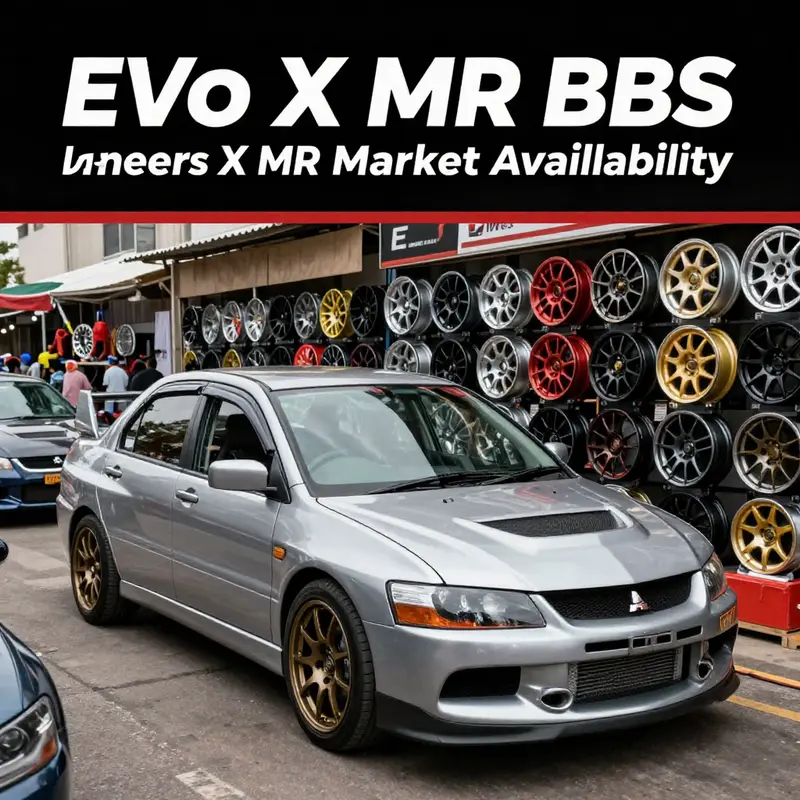
The BBS wheels paired with the Evo X MR are more than an aesthetic choice; they are a defining factory detail. Their specific bolt pattern and offset set them apart from other Evolution X trims. That rarity gives them cachet, but it also complicates sourcing. This chapter guides buyers through the current market landscape, explains where genuine wheels tend to appear, and details the checks and trade-offs that protect both performance and value.
Finding an original MR wheel starts with understanding why they are scarce. Production numbers for the MR trim were lower than mainstream trims. The MR package itself targeted discerning buyers who valued a precise balance of weight savings and handling. That meant the factory fitted wheels were limited-run, sometimes finished in distinct colors, and often carried a premium in resale. Over time, collector demand and the wheels’ lightweight construction kept many sets off the market, either locked in private collections or fitted to vehicles that rarely see daily drives. The result: only a handful of genuine sets surface each year, and they rarely stay listed for long.
Market channels reflect that scarcity. Genuine sets most often turn up in enthusiast circles rather than mass classifieds. Specialty importers and small dealers who focus on high-value Japanese performance parts will list them. Private sellers in online enthusiast communities, regional forums, and dedicated marketplace threads also release sets, often after vehicle upgrades or restorations. Less frequently, rare sets appear through auction-style listings, but these sales can be competitive and carry premium shipping and export costs. Because supply is thin, prepared buyers who monitor multiple channels see the best results.
For many, the used market is the sensible starting point. A genuine factory set will preserve original fitment, center bore size, and offset characteristics. When evaluating used wheels, examine key details closely. Look for casting or forging marks on the wheel inner barrel. Check for part numbers and logo stamps that match factory references. Inspect the mounting surfaces for machining marks consistent with OEM manufacturing. Confirm bolt circle and offset specifications. If possible, request clear photos of the inside barrel, the hub mounting face, and any weight or certification stamps. Ask the seller about prior repairs and whether the wheels were ever bent or welded. A disclosed repair history is better than a hidden one discovered after purchase.
Replica and OEM-style reproductions fill another corner of the market. These options satisfy owners who want the MR look without chasing an original set. Many reputable manufacturers produce one-piece forged wheels in similar dimensions. Some use high-grade aluminum alloys and employ certifications such as JWL or VIA to demonstrate safety compliance. These reproductions often deliver comparable stiffness and a small weight penalty compared to true OEM wheels. The advantage is availability and price: these wheels are produced in larger batches and therefore easier to source. The trade-off is provenance; they are not factory originals and may differ subtly in hub bore or inner barrel width. Buyers must measure and confirm fitment before committing.
Fitment considerations are critical with either genuine or reproduction wheels. The Evo X MR commonly uses a 5×114.3 bolt pattern and offsets close to the factory spec for the MR variant. Small offset changes affect wheel tuck and fender clearance. That, in turn, dictates whether spacers, fender rolling, or suspension tweaks are needed. Brake clearance is another factor. Some aftermarket wheels with deeper spokes may interfere with large calipers used on upgraded braking systems. Always confirm clearances with the wheels mounted and the car at ride height, and be prepared to adjust wheel spacers or suspension geometry accordingly.
Price dynamics reflect rarity and condition. Genuine sets in very good condition command higher sums than reproduction sets. Complete sets with center caps, bolts, and original hardware fetch a premium. Damaged or repaired wheels reduce asking price, but buyers should calculate the true cost including repair or refurbishment. Powder-coating or re-machining centers can restore looks but may mask structural repairs. If a set is priced significantly below market, question the provenance and verify serial numbers and logos. Low-ball pricing can represent a legitimate need to sell quickly, but it can also signal hidden issues.
Shipping and import logistics are practical barriers that shape the market. Wheels are heavy and bulky. International purchases often include extra handling fees, customs duties, and added insurance. Some sellers offer local pickup only, which limits buyers to regional transactions. For cross-border deals, use a courier that insures the wheels and documents condition during transit. Ask for crate specifications and packing photos. A modest investment in safe shipping can prevent damage and expensive disputes.
Verification best practices protect buyers. Always request high-resolution photos of inner barrel markings and the wheel back face. Insist on photos that show the wheel’s stamped or engraved identifiers. Where possible, verify these identifiers against known factory references. Get a wheel weighed; a genuine forged wheel tends to be lighter than a cast replica of similar size. If local inspection is possible, examine wheels on the car to test fitment. When dealing through a forum or enthusiast marketplace, prefer sellers with long-standing reputations and positive trade feedback. Escrow services or secure payment methods reduce risk for high-value transactions.
Community resources matter more than ever. Enthusiast forums and model-specific groups provide historical context, documented part numbers, and recorded sightings of factory sets. These communities act as informal verifiers, since long-time members often recognize subtle traits of authentic wheels. When a rare set goes up for sale, a post in an active enthusiast thread can quickly produce confirmation or red flags. For buyers who want an extra layer of safety, a trusted community can be the difference between a confident purchase and a costly mistake.
Alternatives to hunting for a genuine set include high-quality reproductions and modern high-performance wheel designs that match or exceed factory strength. These options let owners tune ride and tire choices more freely. Aftermarket one-piece forged wheels, for instance, allow for custom offsets and widths to suit widebody builds or aggressive track setups. Those who retain the original look often choose reproduction wheels that closely mimic factory styling while offering modern improvements in corrosion resistance and finish durability.
Finally, preservation matters. For those fortunate enough to own a genuine MR wheel set, proper care maintains both appearance and value. Store wheels in a dry, climate-controlled environment. Clean them with pH-neutral detergents and avoid abrasive brushes. Document any maintenance or repairs. If a set is sold later, a well-maintained history increases buyer confidence and resale value.
If you are actively searching, balance patience with preparedness. Monitor specialist channels and enthusiast threads closely. Be ready to act quickly when a genuine set appears. Verify serials, examine condition, and account for shipping. If a factory set proves elusive, a certified reproduction or a modern high-performance wheel can deliver the same benefits in handling and weight, with greater availability. For community-led trading and verification, the IW STi Forum remains a reliable reference for buyers and sellers alike: https://www.iwsti.com/
Wheels of the Evolution: Navigating OEM-Style Solutions for the Evo X MR
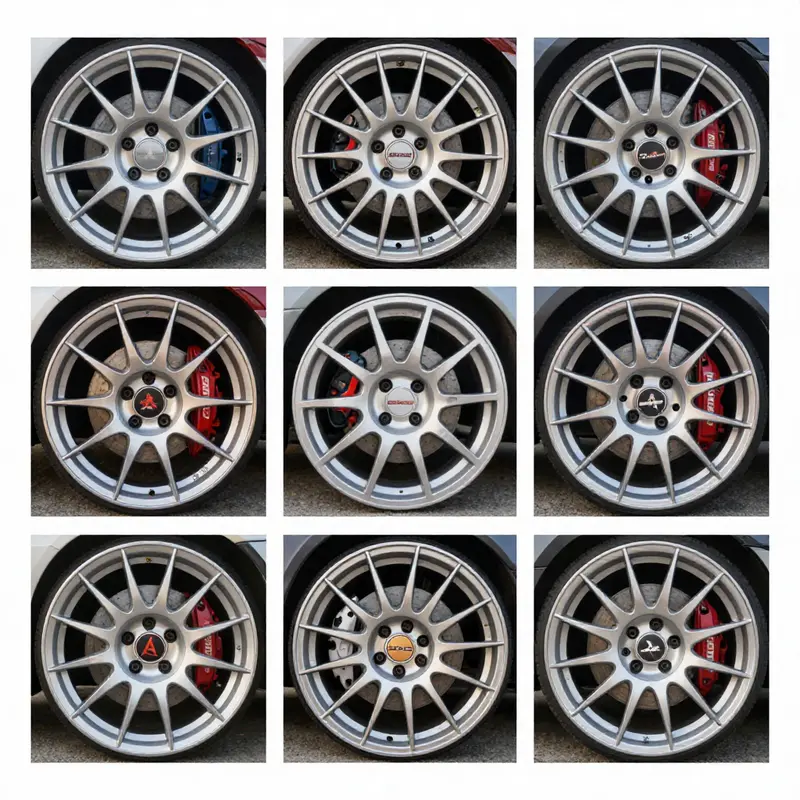
The Mitsubishi Lancer Evolution X MR stands as a milestone in the lineage, in part because its factory wheel setup is more than a mere component list. The MR variant originally rolled on 18-inch wheels that combined stiff construction with a measured offset to suit high-speed handling and brake performance. In the Evo X MR, these wheels are not just hardware; they are a signal of the car’s character—clean lines, precise engineering, and a visual stance that communicates intent even when the car is at rest. For owners who crave the same clean, factory look or who want to push for higher performance without veering into a wildly divergent aesthetic, the aftermarket wheel landscape offers a spectrum of options. The journey begins with an understanding of what the factory spec provides: the balance of rigidity, weight, and clearance that already aligns with the Evo X MR’s tuned suspension and braking setup. When you step off the dealership lot, the path you choose—whether you stay faithful to OEM cues, hunt for pre-owned original equipment, or embrace high-precision replicas—will ultimately shape the car’s on-road rhythm and its on-track potential.
From the outset, it helps to view aftermarket wheels as more than a cosmetic upgrade. They are an extension of the vehicle’s unsprung mass, a lever for steering response, and a player in heat management for brakes. The 18-inch diameter and the relatively broad width of the factory wheel work in concert with the Evo X MR’s front brakes and suspension geometry to maintain balance at the limit. When owners imagine alternatives, they weigh factors like weight distribution, rotational inertia, and the possibility of improved cooling through spoke design or more robust wheel centers. In practice, a wheel change can sharpen turn-in, sharpen throttle response, and—depending on tire choice—alter ride feel. Yet, for every bold claim of weight reduction or better brake cooling, there must be a careful check of fitment. A slightly different offset or a deeper dish can affect brake caliper clearance, hub mounting accuracy, and even tire contact patch. This is not merely about looking aggressive; it is about preserving the chassis’ delicate equilibrium under load, cornering, and braking.
For owners who prefer an original look without breaking the bank, the aftermarket ecosystem includes OEM-style wheels manufactured in Asia by established forging houses. These wheels aim to replicate the factory silhouette with meticulous attention to details like center caps, spoke geometry, and overall surface finish. The core advantages here are strength and reliability achieved through a one-piece forging process and careful alloy selection, typically high-grade aluminum that meets international safety standards. One-piece forged wheels deliver excellent rigidity and a favorable strength-to-weight ratio, which translates into more responsive handling and improved braking performance when paired with appropriate tires. The practical implication for Evo X MR enthusiasts is clear: you can retain that familiar, factory-inspired stance while benefiting from improved materials and manufacturing tolerances that modern forging can offer.
In terms of production geography, a network of manufacturing hubs across coastal and inland cities has become the backbone of these OEM-style offerings. Factories in regions such as the northern and eastern coast, as well as inland manufacturing clusters, operate with fully integrated supply chains. They deploy advanced CNC processing, precision flow-form lines, and robust heat-treatment systems to achieve a consistent balance of strength, weight, and wheel life. The material standard typically used is a high-grade alloy in conjunction with a heat-treating regime that stabilizes grain structure, bolstering fatigue resistance. The result is a wheel that stands up to the rigors of spirited driving, daily commutes, and occasional back-road blast without the compromises that plagued earlier generations of aftermarket products. For Evo X MR owners, this translates into a practical path to a high-quality, close-to-original aesthetic that does not demand the premium of authentic factory equipment.
Beyond one-piece forging, the market also hosts designs that branch into two-piece architectures. Two-piece wheels bring a different set of advantages, especially when it comes to customization and serviceability. A two-piece design can facilitate rim repair or refurbishment down the line, a valuable feature if wheels encounter curb damage or if owners wish to alter offsets and dish for a bespoke look. While the core benefit remains the same—reducing unsprung mass and improving stiffness—the two-piece approach allows for more flexible construction and repair workflows. For serious track enthusiasts, this tier of option can support deeper dish aesthetics, improved brake cooling through unique spoke geometries, and the potential for targeted weight reduction in select configurations. The trade-off, of course, lies in the added complexity of bolt patterns, wheel assembly hardware, and the need for precise torque control during installation.
Market choice for Evo X MR owners then falls into a spectrum: preserved OEM cues via reputable OEM-style replicas, genuine used OEM wheels sourced from trusted channels, or high-end forged variants that carry a refined, performance-forward philosophy without insisting on brand-name prestige. The first path keeps the vehicle closely aligned with its origin story, preserving the clean silhouette and the balance with the MR’s suspension calibration. The second route offers the convenience and cost-effectiveness of pre-owned gear with a plausible chance of authenticity, especially when sourced from established marketplaces and vetted sellers. The third path invites the most tangible gains in stiffness, impact resistance, and precise tolerances, often accompanied by more aggressive fitment options and a broader range of finishes. Each option can be compatible with the Evo X MR’s 5×114.3 bolt pattern, but fitment must be verified in terms of offset (ET), center bore, and tire width, ensuring that brake calipers, hub lips, and suspension components do not interfere under compression.
For buyers navigating this terrain, a practical procurement mindset matters as much as the aesthetic impulse. The better-equipped suppliers are not just selling wheels; they are offering a calibrated package that includes forged quality control, traceable heat-treatment records, and performance-grade alloys. When evaluating options, it helps to ask about forging capability—whether the wheel is truly one-piece forged or produced through a multi-step process that could introduce subtle variances in grain structure. Certifications matter too: JWL and VIA marks, for example, are indicators that a wheel has passed specific impact and safety tests relevant to the markets Evo X MR owners may inhabit. Beyond safety, supply chain stability becomes a practical concern for owners who intend to drive their car regularly, take it to occasional track days, or continue evolving the setup with tire and brake upgrades. A supplier with consistent export experience and a reliable production calendar will be better suited to support ongoing modifications, whether in the form of new finishes, different offsets, or compatibility with various brake configurations.
Aesthetics play a pivotal role in this domain as well. The Evo X MR carries a design language that favors clean lines and a functional stance rather than aggressive, overbearing sportiness. When choosing wheels, many owners opt for finishes that echo factory hues or offer a subtle contrast that accentuates the car’s silhouette without shouting for attention. The geometry of the wheel spokes—whether a traditional six- or eight-spoke blueprint or a more intricate mesh—speaks to different narratives about the car’s intent. A relatively simple spoke profile can emphasize the car’s understated elegance and improve brake airflow, while more complex meshes can convey a racing-derived edge that signals performance at a glance. In either case, the objective remains the same: to preserve the Evo X MR’s visual balance while optimizing the drivetrain’s performance envelope.
Prospective buyers also benefit from a practical reminder: compatibility demands attention to tire sizing and suspension setup. An 18-inch diameter is unlikely to change dramatically, but the width, offset, and brake caliper clearance must be checked carefully. The MR’s front-end geometry, caliper clearance, and wheelhouse clearance all interact with the chosen wheel, and a misstep can negate the gains from lighter weight or stiffer construction. In this light, a careful plan often includes confirming the wheel’s offset works with the front suspension’s camber and toe characteristics, ensuring that the tire’s contact patch remains optimal through steering inputs and under load. The correct combination can unlock more immediate steering feel, improved turn-in, and a marginally improved tire conformance under high cornering loads.
For those who want to explore more about OEM-style, high-precision wheels and their practical implications in the Evo X MR ecosystem, one curated resource aims to map the terrain for buyers and sellers alike. It discusses regional manufacturing hubs, material standards, and testing protocols that underpin the reliability of modern forged wheels. This broader industry perspective helps owners separate rumor from engineering rigor and provides a framework for evaluating fitment, safety, and long-term performance beyond initial looks. OEM-style rims can sometimes appear to be straightforward without understanding the underlying forging processes, but a well-informed decision considers the entire lifecycle of a wheel—from raw alloy and heat treatment to final installation on a performance car.
Taking all these threads together, Evo X MR owners can approach wheel upgrades with both restraint and ambition. The goal is not merely to replace a part but to harmonize the wheel’s mass, rigidity, and geometry with the vehicle’s acceleration, braking, and cornering personality. The best options offer a balance: strong, light, and safe enough to support spirited drives and occasional track sessions, while preserving the car’s clean, purpose-built visual identity. The aftermarkets ecosystem rewards those who study fitment guides, verify hub-centricity, and confirm that the chosen wheel-tire package harmonizes with the MR’s braking system and suspension geometry. When done with care, the result is a Evo X MR that continues to look as composed as it feels—an evolved machine whose wheels carry the same quiet confidence as its turbocharged heart.
Precision in Motion: Installation and Upgrades for the Evolution X MR Wheel System
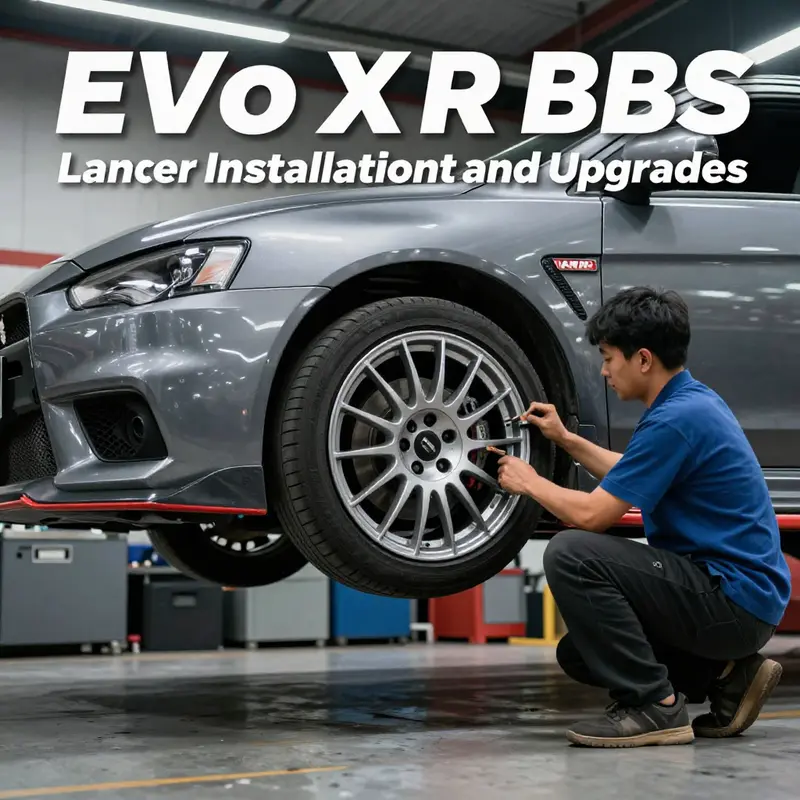
The Evolution X MR wheel system embodies a philosophy where performance and presence hinge not only on horsepower and suspension but also on the wheels that spin beneath the car. The factory configuration for this model has long been celebrated for merging rigidity with a refined, aggressive stance. In terms of the wheel package, the 18-inch diameter is a deliberate compromise between street manners and track-ready behavior. The widely embraced size, an 18×8.5 inch footprint with a +38 offset in a 5×114.3 bolt pattern, delivers the needed clearance for a capable brake setup while maintaining a broad, adhesive-ready contact patch. The wheel’s weight, its stiffness, and its ability to endure the stresses of rapid acceleration and hard cornering collectively shape steering feel, torque response, and overall livability. Enthusiasts who chase the next level of performance often circle back to the wheel as the most visible and immediate lever for improvement, and the MR wheel family sits at the heart of that conversation.
To approach upgrading with intelligence, it helps to regard installation and refinement as a single, flowing discipline rather than two isolated tasks. The process begins with a thorough compatibility check. Even though the MR wheel family has roots in high-precision engineering, every Evo X MR chassis behaves a little differently depending on the exact year, market, and any prior modifications. The critical questions revolve around diameter and width, offset, and the precise bolt pattern. In the Evo X, the five-lug, 114.3 millimeter bolt circle is a fixed anchor, but the wheel’s inner clearance, spoke geometry, and the central bore can create subtle fitment requirements. An incorrect offset, for example, can push the tire into the suspension components or alter steering feedback in ways that surprise a driver at the limit. These are not mere aesthetics; they shape steering effort, tire contact pattern, and how the car resumes stability after a hard corner.
Because the MR wheel family emphasizes both performance and precision, installation is not a one-step operation but a series of coordinated checks. The first requirement is a proper professional environment. Wheels this precise demand torque control, balanced assembly, and careful harmonization of wheel and tire tolerances. A trained technician will verify that the wheel studs or bolts are clean, undamaged, and correctly torqued to the manufacturer’s specification. They will also confirm that the wheel is centered on the hub, usually via a hub-centric design or, if needed, with a shim or a ready-made spacer, so the runout remains within a narrow window. The importance of correct balance cannot be overstated. Even minor imbalance can create dynamic loads that manifest as subtle steering wheel vibrations or uneven tire wear at speed.
The installation sequence itself follows a meticulous rhythm: ensure the vehicle is securely lifted and supported, then remove the old wheel with care. The new wheel must engage cleanly with the hub, and the mounting hardware should be tightened in a star pattern to distribute clamping force evenly. After the wheel is mounted, the tire must be balanced in combination with the rim, and it’s common to perform an initial road test to assess for any perceptible vibrations or steering quirks. In many shops, the difference between a passable installation and a precise, confidence-inspiring setup is the attention paid to the final alignment and corner balancing. A professional will typically re-check camber and toe settings after the wheel change, because even minor changes in mass distribution can shift alignment angles at the front or rear.
Beyond the mechanical steps, there is a broader caution about the wheel’s interaction with the rest of the chassis. The MR wheel lineage—like many forged, performance-oriented lineups—emphasizes a high strength-to-weight ratio, a virtue that translates into reduced unsprung mass. Lower unsprung mass means the suspension can respond more crisply to road irregularities, which, in turn, improves grip during transitions and under braking. Yet this advantage also raises the necessity of a matched tire choice. The tire selection should be tuned to exploit the new rotational inertia profile: a tire with sufficient stiffness and a profile that encourages even contact under dynamic load. In short, a wheel upgrade without a thoughtful tire plan risks leaving performance gains on the table or, worse, undermining stability at the limit.
The aesthetics of the MR wheel family also contribute to the overall upgrade equation. The classic multi-spoke silhouette, paired with high-gloss or satin finishes, communicates a visual assertiveness that many Evo X owners crave. The visual language is not merely cosmetic; the way light interacts with the spokes informs how the surface reads during cornering and at speed. A wheel with a robust finish and careful coating can resist curb rash and road debris for longer, preserving both function and appearance. Visual upgrades, when paired with a careful mechanical setup, create a coherent improvement package that enhances the car’s stance without sacrificing road manners.
To those who want to retain a factory-feeling look while pursuing higher performance, a spectrum of options exists. There are OEM-style forged wheels that mimic the geometry and weight reduction targets of the original MR wheel family while offering a sense of authenticity at a more accessible price point. Some owners also investigate secondary-market opportunities to source OEM-grade rims in good condition, which can be a pragmatic route for budget-conscious enthusiasts who still want real performance gains. The discussion often gravitates toward maintaining a balance between authenticity, weight, and durability, and the right choice will depend on individual driving goals and local road conditions. For readers who want a concrete example of a compatible, high-quality OEM-style option, a commonly referenced source in the community is the availability of a set of 18×8.5 wheels with a +38 offset and a 5×114.3 bolt pattern that matches the Evo X’s essentials.
A parallel path, embraced by many enthusiasts who seek the pinnacle of craftsmanship, involves shifting from standard OEM-style wheels toward premium forged wheels that push the envelope on stiffness and lightness. In this direction, the design language typically emphasizes a robust spoke count and a careful balance of mass among the wheel’s center, spoke junctures, and rim barrel. The performance dividend is not only measured in seconds per lap but also in how that new mass distribution behaves across long, high-speed straights and through tight, dynamic corners. The interplay with tire compounds becomes a central theme here: a high-performance wheel pairs best with tires that can exploit the extra responsiveness and the improved brake heat management. Sports tires, when aligned with a properly engineered wheel, deliver sharper turn-in, more predictable feedback, and a more stable mid-corner line.
Those contemplating upgrades should also consider the braking and suspension ecosystem that supports higher grip and faster chassis response. As the wheel’s stiffness and lightness rise, the demand on the brake system grows proportionally, particularly during repeated track-style braking or aggressive performance driving. The recommended path often includes concurrent evaluation of pad compounds, rotor geometries, and caliper clearance. A larger rotor or a more robust brake package can be a natural pairing for light, forged wheels, delivering consistent bite and reducing fade under sustained use. Suspension upgrades—such as sport-tuned struts, springs, and anti-roll bars—can further unlock the synergy between wheel and tire, preserving steering feel and ensuring the tire maintains an optimal contact patch through a wide range of inputs. In this integrated approach, the car becomes more than the sum of its parts; it becomes a precisely tuned instrument prepared for both daily driving and occasional track sessions.
As with any performance modification, maintenance becomes a core responsibility after the upgrade. Inspect the wheels regularly for cracks, distortions, or coating wear, recognizing that aggressive driving or a contact incident can introduce invisible faults that escalate if left unchecked. The environment can also take a toll on finishes; road salt, moisture, and grit can corrode or degrade protective coatings. The prudent owner schedules periodic inspections, particularly after aggressive driving or exposure to rough road conditions. If any vibration, noise, or steering irregularity emerges, it is essential to pause driving and seek professional assessment rather than continuing with a potentially unsafe condition. A well-maintained wheel setup not only preserves performance but also sustains the vehicle’s long-term value and appeal.
For readers who want to explore a concrete path toward a factory-inspired yet performance-oriented wheel configuration, a practical step is to consider OEM-style forged wheels that maintain the clean, classic look while delivering meaningful weight savings. In the broader aftermarket ecosystem, a range of options exists, including forged options that claim to replicate original geometry and fitment. When pursuing such paths, it is critical to confirm exact measurements and ensure compatibility with the Evo X MR’s braking hardware and arch clearance. In parallel, the maintenance and upgrade plan should incorporate an optimized tire strategy and a reviewed suspension setup to maximize the return from the wheel investment. The resulting effect is a car that not only looks the part of a high-performance machine but also behaves with heightened precision, balance, and confidence through every turn and straightaway.
To connect the practical with the aspirational, there is a natural compatibility between the wheel package and the broader ecosystem of performance components. A robust wheel upgrade acts as a keystone, enabling a more aggressive tire choice, a more controllable chassis dynamic, and a more cohesive visual statement. It is the kind of modification that rewards careful planning and disciplined execution, turning the Evolution X MR into a sharper, more responsive, and more cohesive platform for both street driving and occasional track sessions. For those who want to investigate real-world sourcing options that align with the look and feel of these high-performance wheels, there are catalog entries in the aftermarket sphere that mirror the 18×8.5 +38 specification, 5×114.3 bolt pattern, and hub-centric considerations typical of this family. The practical takeaway is simple: when you invest in wheels, you invest in the car’s immediate ability to sprint, stop, and stay planted through every corner.
An internal resource worth checking for practical, hands-on details about compatible, OEM-style rim options is a widely used catalog entry that lists a set of 18-inch rims designed for Lancer sedans. The link can provide a sense of fitment, bolt pattern, and diameter choices that align with the Evo X MR’s practical needs. brand-new original rims set of 4 for Mitsubishi Lancer sedans. This resource is helpful for readers who want to compare the feel and appearance of OEM-looking forged variants with the more track-focused, high-end forged options discussed in this chapter.
In sum, upgrading the Evolution X MR’s wheel system is a multifaceted journey that weaves together installation precision, mechanical and aero-harmony, and a thoughtful approach to tires and suspension. The payoff is a vehicle that communicates intent at every velocity, with steering that responds to even the smallest input and a stance that remains arresting in both daylight and dusk. The upgrade is not merely a cosmetic enhancement; it is a fundamental enhancement of how the car is felt when the road turns demanding. A disciplined, holistic approach to fitment, balancing, and validation will yield a chassis that remains composed as it approaches the edge, while still delivering the everyday poise and reliability that drivers rely on.
Final thoughts
Understanding the significance of BBS wheels for the Mitsubishi Lancer Evolution X MR opens doors for business owners to cater to a niche market of performance car enthusiasts. The emphasis on the functionality, aesthetic appeal, and upgrade potential of these wheels reflects not just on the car’s performance but also shapes customer loyalty and brand reputation. By offering a variety of options that include both OEM standards and innovative aftermarket alternatives, businesses can effectively position themselves in the automotive aftermarket landscape. Engaging with this community ensures sustained focus on quality and the adventures of automotive personalization.