
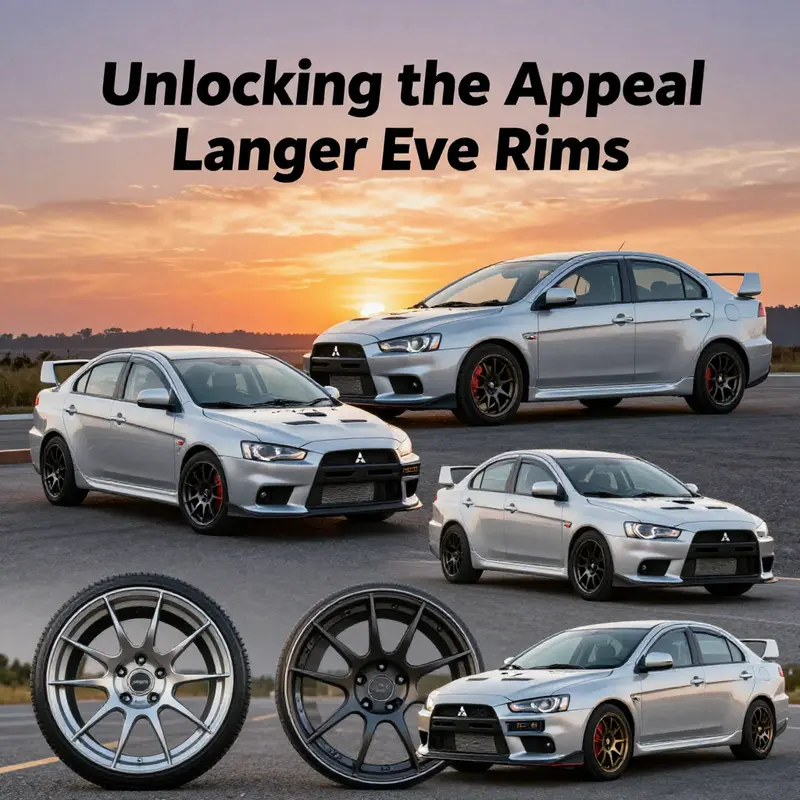
Mitsubishi Lancer Evolution, famously known as EVO, holds a revered place among performance vehicles, particularly due to its rims. These components not only enhance aesthetics but also contribute significantly to the car’s performance. In this exploration, we delve into three key aspects: the original wheelsets that showcase distinct performance and design, the market state reflecting their value and rarity, and the cultural significance they embody for driving enthusiasts. Each of these components highlights how automotive artistry marries with engineering excellence, creating a narrative that resonates with business owners invested in aftermarket automotive culture.
轮毂之魂:在三菱Lancer EVO上平衡原厂逻辑与改装理想
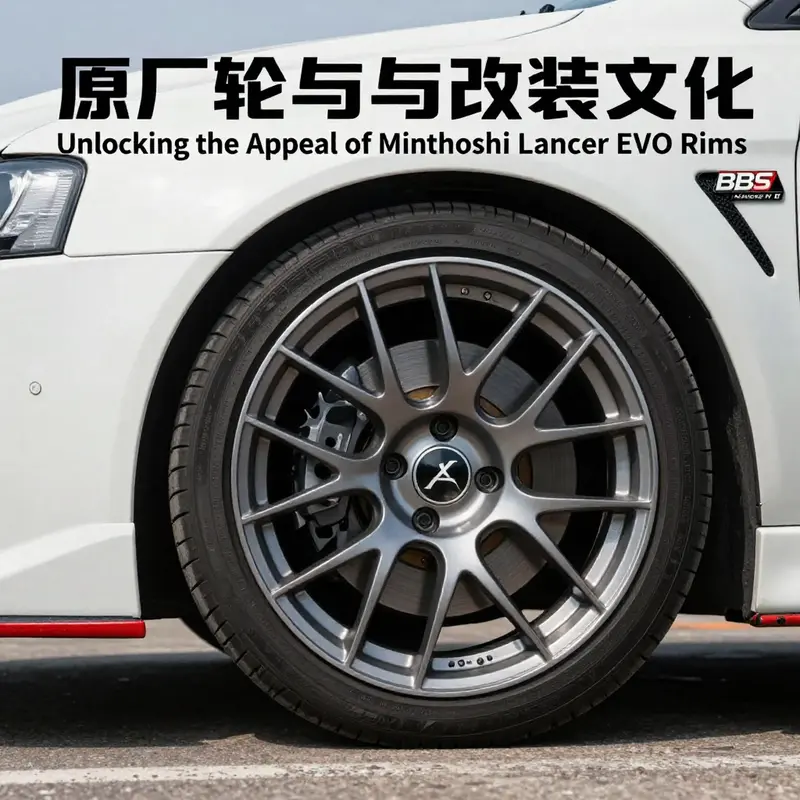
原厂轮毂对一辆三菱Lancer EVO而言,不只是视觉细节。轮毂决定了簧下质量、热管理、刹车间隙和车轮动态响应。它既是工程师用来实现整车性能目标的工具,也是车主表达个性和驾驶偏好的媒介。讨论EVO的轮毂时,必须把技术参数、美学诉求与改装文化放在同一张图上,才能理解为何同一套车型,消费者会在原厂与改装之间不断游走。
原厂轮毂通常以整车系统优化为前提。工程师在设计时,会考虑轮毂与悬挂、制动器、轮圈偏距和轮胎侧壁的配合。对EVO这类高性能轿车来说,原厂轮毂的尺寸、偏距和中心孔都经过场景化测试,保证在极限操控下的轮胎接地形态和刹车冷却效率。原厂材料与工艺强调均衡:既要轻量化以降低簧下质量,也要确保强度和疲劳寿命。这样,车主在激烈驾驶中能获得可预测的转向特性和一致的制动力分配,而不是瞬间的性能提升带来的潜在风险。
改装文化之所以兴盛,是因为它将原厂的稳定作为起点,而非终点。改装者寻求的是更明确的性能目标或更强烈的视觉表达。例如,一些车主追求尽可能低的簧下质量,以提高悬架的响应速度与路感反馈;另一些则希望通过加宽或缩短偏距来获得更宽的轮距,提升过弯时的机械抓地力与车辆姿态。改装轮毂的多样化提供了这些选择:材质工艺可以更轻,轮辐造型可以更激进,尺寸也可以更接近赛道化的标准。在此过程中,正确的参数匹配至关重要。错误的偏距会让车轮外倾,导致胎肩过度磨损;错误的中心孔或螺栓间距会带来安装隐患,甚至影响驱动系统的负载分配。
要在改装中获益,首要是理解参数背后的物理意义。轮毂直径影响轮胎侧壁高度和转速误差;宽度改变轮胎的接地面和侧向刚性;偏距决定轮圈中心相对于轮毂安装面的前后位置,进而影响轮距和轮胎与悬架、车身的间隙。合适的偏距可以将轮胎放置在理想的工作区间,从而在转向和侧向载荷下保持稳定的面接触。改装者应始终以车辆原有的刹车卡钳与悬挂安置为参考,避免盲目追求外观而牺牲可用的刹车间隙或导致悬挂行程受限。
材料与制造工艺的选择直接决定改装轮毂的性能取向。锻造轮毂通常在同等强度下更轻,且疲劳寿命更好,极适合追求快速响应与耐久性的车主。铸造轮毂成本更低,但在极限条件下可能出现裂纹或变形。多片式轮毂提供了尺寸和偏距的更多组合,方便精细调整,但在密封与耐腐蚀处理上需要额外注意。无论哪种工艺,质量不过关或缺少合格认证的零件,都可能带来安全隐患。因此,选择来源可靠的轮毂,并要求专业安装与动平衡,是改装的基本守则。
美学层面,轮毂是EVO外观最能瞬间改变气质的部件。原厂轮毂的设计通常偏向功能性与品牌调性,线条稳健,配色保守。改装轮毂则能将整车风格推进到赛道或街头极端。颜色处理、轮辋抛光与轮辐造型,会影响视觉重量与速度感。浅色轮毂能突出刹车卡钳,深色则让轮毂本身显得沉稳。封闭式轮辐在高速行驶中有利于空气流动,开孔式轮辐则更容易散热。美学选择应服务于用途:走向赛道的车辆应优先考虑散热与轻量化;日常驾驶的改装则可更多兼顾外观与耐久性。
价值保留与稀缺性是另一层面。停产车型的原厂轮毂,因其稀缺与与整车匹配的独特性,往往具备收藏价值。市场上优质二手轮毂的价格可以显著高于新件,尤其是完好无损且未改动的原厂套件。这种现象反映了收藏市场对“原装完整性”的偏好,也说明轮毂不只是改装组件,而是整车历史与身份的一部分。对于既想保值,又想改装的车主,常见策略是保留一套原厂轮毂作为收藏或在出售时恢复原状,而平时使用定制轮毂,这样既能享受改装带来的驾驶体验,也能在必要时维护车辆的市场吸引力。
改装带来好处,也携带风险。错误的轮毂尺寸或劣质轮毂,会在长时间使用中暴露问题。轮毂破裂、螺栓座螺纹损伤、以及因偏距不当引起的悬挂应力集中,都是实际案例中经常出现的故障。改装过程需兼顾安装质量和后续维护:正确的轮胎安装、动平衡、轮毂扭矩与周期性的检查,都是降低风险的重要环节。对于经常上赛道或高强度使用的车辆,建议与底盘调校师或有经验的技师沟通,确保轮毂选型与悬挂方式、轮胎扁平比能形成合理的工作圈。
轮胎搭配不可忽视。轮毂的宽度和直径会决定可选轮胎的侧比,从而影响车辆的整体表现。窄宽比的减小能带来更直接的转向感,但也会增加公路不平带来的传递振动。对于日常与偶尔赛道混合使用的车主,折衷选择常见的轮胎宽度与扁平比,往往能在舒适性与性能间取得平衡。赛道专用胎在高温下提供最佳抓地力,但在低温或潮湿路面上表现不佳,需要根据实际使用频率权衡。
细节决定成败。正确的螺栓或螺母规格、合适的扭矩值、以及是否需要使用轮毂定位环(以消除中心孔差异)等看似小的步骤,都会影响改装后的稳定性与安全性。轮毂的防腐处理和定期清洗也非常重要。含有刹车粉尘的环境会加速轮毂表面与螺栓的腐蚀,影响拆卸与安全联接。对于有意长期保存原厂件的车主,妥善存放原装轮毂,并记录改装变更,是负责的做法。
改装文化的真正价值在于尊重原厂逻辑的前提下,做出有目标的改变。优秀的改装不会盲目追逐极端数据,而是通过参数校核、材料选择与专业安装来实现性能的可预期提升。许多有经验的玩家会在改装中采用分阶段策略:先从轮毂与轮胎入手,改善响应与抓地力;接着是刹车与悬挂调整;最后在发动机与传动系统层面优化,以确保整车各系统协同工作。这种逐步验证的方法既节省成本,也降低了因一次性大幅改装带来的不确定性。
最后,轮毂的选择也是一种个人表达。对于一些车主,保持原厂状态是对车型历史与行驶体验的敬重;对于另一些车主,定制轮毂则是将愿景与驾驶风格具象化的方式。两种选择并非互斥。理解原厂设计的出发点,再用科学的方法和负责的态度去改装,才是长期享受EVO驾驶乐趣的正确路径。原厂是出发点,改装是旅程;在旅程中保持理性判断,才能把轮毂这一看似小件的部品,真正转化为驱动激情和美学表达的核心。
若你正在寻找原厂风格或同等规格的替换件,可以参考一套原装样式的轮毂选项,例如品牌描述为“brand-new-original-BBS-rims-set-of-4-R18-rims-for-lancer-sedans”。这样的原厂样式件,能在保留整车工程协调性的同时,满足对原始外观和配合性的需求。
更多关于原厂与改装轮毂的比较与文化背景,参考一篇深入分析日本改装文化与轮毂美学的文章:https://www.sohu.com/a/739512345_121056
轮毂如同藏品:三菱Lancer EVO轮毂的稀缺价值与市场生态
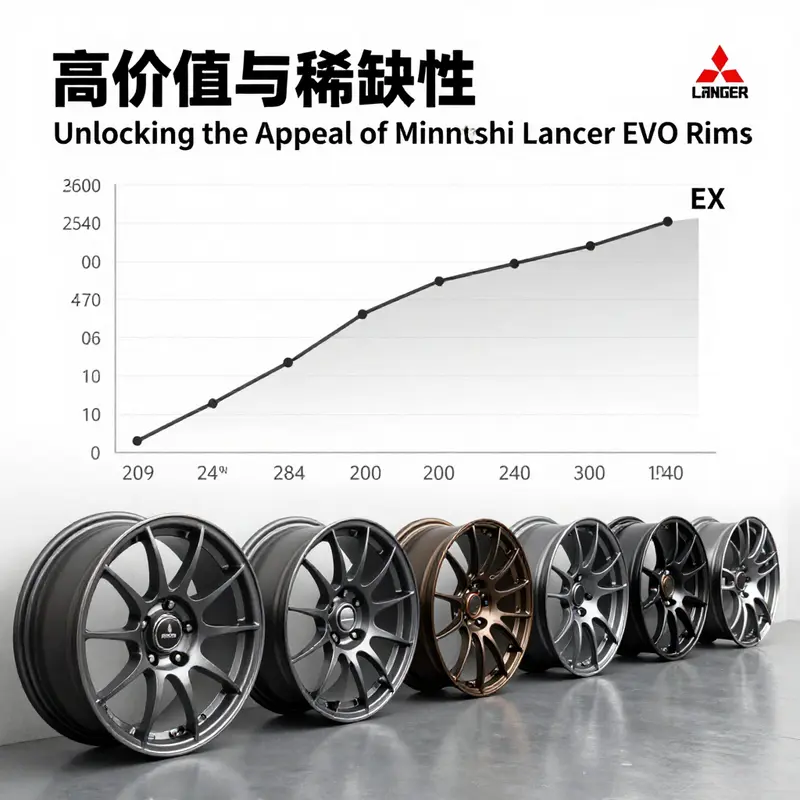
三菱Lancer Evolution的轮毂不只是金属与工艺的组合。它们承载着整车的赛道基因、生产年代的稀缺性与收藏市场的情绪。随着整车停产,多数车主在维修、翻新或改装时,面对的不是简单的“更换件”选择,而是要在原厂性、历史完整性与现代性能之间权衡。原厂轮毂代表了整车的出厂意图,是匹配悬架、制动与轮胎的工程成果;当这些轮毂离开原车进入二手市场时,它们的价值便不仅由铝合金和尺寸决定,而是被整车历史、型号、是否带原厂标识及品相等因素共同赋值。
在现实交易中,某些EVO车型的原装轮毂价格持续走高,源于几大可识别的价值驱动因素。首先是整车本身的稀缺性。以第十代和第九代为例,这些车型在全球范围内形成了强烈的追随者群体。整车成为“寻获难度高”的目标时,其核心零件自然也被视为稀缺资产。轮毂尤其如此:原厂轮毂的生产批次有限,又经常在事故或赛道使用中受损。因此,即便只是外观完好或经过翻新的套装,也能在二手市场获得不菲溢价。
其次是轮毂的功能与匹配复杂性。高性能车型的轮毂并非千篇一律。它们的直径、宽度、偏距、螺栓孔距和中心孔尺寸,都是工程师为悬架几何、制动器尺寸和轮胎项目量身设计的参数。错误的偏距或宽度会改变轮胎与车体的相对位置,影响转向手感、轮胎磨损,甚至制动散热表现。因此,收藏家与改装爱好者在购买时,往往更倾向于寻找与原车匹配的原厂件,或者以原厂为标准的高品质锻造件。正因如此,原装件的可替代性并不高,进一步抬升了其市场价值。
再者,情感与历史价值不容小觑。许多EVO拥趸将车辆视为时代符号,原厂轮毂则是那段时代记忆的可见证据。带有原厂标识或特定编号的轮毂,会被视为“完整车体”的一部分。对于收藏者而言,恢复车辆至原厂状态需要这些零件,任何缺失都将影响整车的文物属性和估价。因此,出价竞逐的不仅是物件本身,而是恢复完整历史的可能性。
市场上的这些轮毂,大多以二手或翻新件为主流流通形态。新品原厂轮毂稀少,因厂家早已停止相关生产线。翻新轮毂通常经过抛光、喷涂或轻微修正,但买家需要警惕修复质量与结构性损伤。轮毂在发生弯曲、裂纹或焊接修复后,力学性能可能受损,这对高性能驾驶风险极大。因此,业内经验丰富的买家会通过视觉检查、无损检测或询问来源证明,来评估其是否适合上车使用或仅作展示收藏。鉴别真伪和结构完整性,成为保护收藏价值与安全驾驶的第一步。
定价方面,交易平台与拍卖市场提供了直观的价格信号。一套保存良好的原厂轮毂在二手交易平台上的报价,往往远超同规格现货的成本。这一价格差距反映了其作为历史零部件的“溢价”,以及买家为完整性支付的额外费用。值得注意的是,价格并非始终与物件状态直接挂钩。某些极具标志性的轮毂,即便带有轻微痕迹,也能吸引高价出手,因为买家愿意为其稀缺性与出处买单。
面对高价值与稀缺性的现实,买家和卖家都发展出一套共赢的策略。卖家方面,注重保存与记录来增加可信度。提供完整的来源信息、装车历史、维护记录和高清图片,可以显著提升成交概率和价格。对轮毂做专业翻新且保留原始标识,是常见的做法。买家方面,更多依赖于专业渠道与社群推荐。加入品牌或车型的车友会、参与实体车展或拍卖,可以接触到更透明的来源。同时,懂得将轮毂作为整车恢复一环,而非单独商品来评估,能够避免后悔性购买。
与此同时,市场上也出现了理性的替代路径。为了兼顾安全与风格,一些车主选择高品质的锻造轮圈作为替代。相比于稀缺的原厂件,这类轮圈提供更优的轻量化和强度,同时能复刻原厂的外观风格。这种做法特别适合那些既追求操控性能,又不强求每一处都完全与出厂相同的车主。但对收藏者而言,替代品永远无法替代原厂件在文物价值上的地位,因此两种需求共存于市场,彼此不干扰但相互影响价格层级。
在跨国交易与海关环节,也对轮毂市场产生影响。许多高价值件会在不同国家的收藏者之间流动。运输与清关成本、法律限制以及关税政策,都会影响最终价格。当一套轮毂从某一国家流出并流向另一个国家时,整体成本可能上升显著,买家需要将运输和可能的认证费用计算在内。这也是为什么本地市场中,一套同型号轮毂的价格可能明显高于国际平台报价的原因之一。
保护与保存轮毂的最佳实践,也在不断被社区总结和传播。避免长期潮湿环境存放,防止腐蚀和喷漆剥落。若用于赛道,应定期检查轮辋是否有裂纹或变形,并在必要时进行无损检测。翻新时优先选择不会破坏结构完整性的工艺,例如避免过度热处理或不规范焊接。对收藏车而言,保持轮毂原始状态或仅做可逆处理,能最大化日后价值回收空间。
对于希望进入这一市场的新手,有几条实用建议。第一,了解轮毂的关键参数并牢记它们对应整车的意义;第二,通过能够提供来源证明的渠道购买原厂件;第三,若考虑改装或性能提升,权衡锻造替代件的长期收益与原厂件的收藏价值;第四,考虑把轮毂视为整车资产的一部分,而非单一零件来交易;第五,保持耐心,等待合适的品相与价格出现,匆忙购买常会导致未来修复或退市困难。
市场未来的走向,将取决于数个变量。整车的持续热度与活动相关性会继续支撑零部件价值;另一方面,新车型复刻风潮或官方再版的消息,也可能短期扰动价格体系。此外,随着对原厂件检验手段的进步,买家对品相和结构安全的判断会更精确,从而影响可交易件的数量与价格分布。无论如何,轮毂作为连接机械性能与审美情感的物件,其市场价值短期内难以回到低估水平。
最后要指出的是,轮毂的价值并非一个冷冰冰的数字。它同样包含了群体记忆、技术演变与个人情感。对许多车主来说,找到一套合适的原厂轮毂,不只是为了开回原厂手感,而是为了把一段机械历史延续下去。无论你是在寻找用于日常驾驶的高性能替代件,还是在物色可供收藏的原装套件,理解市场运作逻辑与保养要点,都会使每一次购买更具意义。
相关阅读:若想查看一套全新的轮圈套装详情,可参考该页面上的信息:brand-new-original-bbs-rims-set-of-4-r18-rims-for-lancer-sedans。
更多行业报道与新车资讯可参考外部报道:https://www.ifeng.com/c/8nYkPpZqKjH
Rims as Culture and Control: The Subtle Power of Mitsubishi Lancer Evolution Wheels
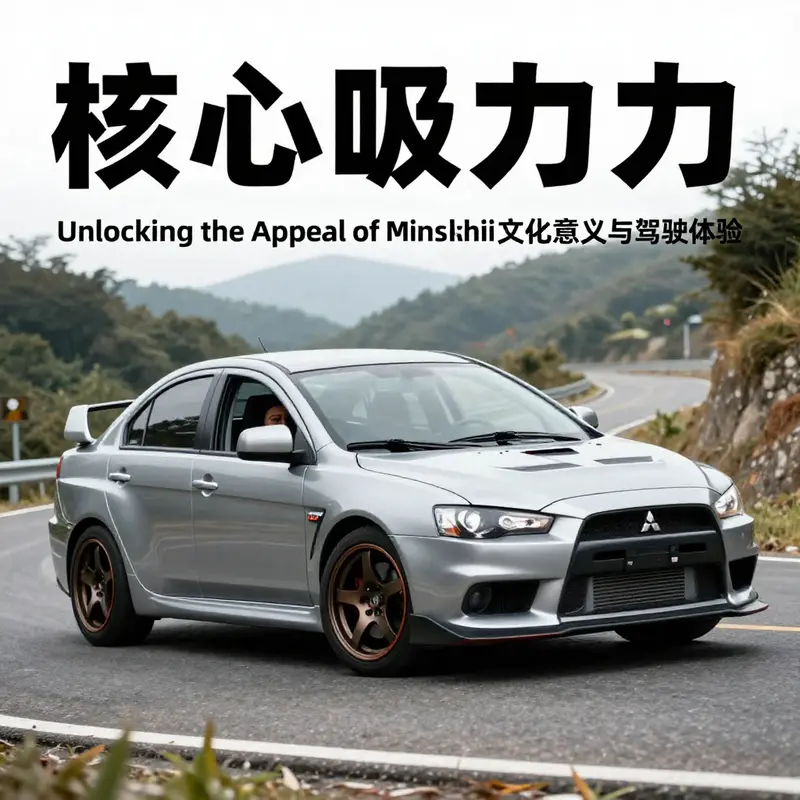
Wheels in high-performance cars are often mistaken for mere accessories, but in the world of the Mitsubishi Lancer Evolution, rims carry a deeper significance. They are not just anchors for tires or mere pages in a spec sheet; they function as a bridge between a car’s raw mechanical DNA and the way a driver experiences its potential on any given road or track. The rim is where engineering intention meets driving psychology. In the Evolution lineage, choosing a wheel is a quick, telling ritual that signals a car’s purpose, a owner’s palate for feedback, and a belief in a certain kind of driving discipline. The story of these rims begins with the practical needs of a high-torque, all-wheel-drive machine and extends into a broader culture of modification, competition, and personal expression. Far from being a static component, the wheel becomes a living part of the car’s identity, whispering promises about grip, steering feel, and the balance between speed and control. It is within this continuum that rims assume their true role: they are the cultural artifacts that translate a car’s track-born impulse into street-legal, emotionally immediate experience.
Culturally, rims have long functioned as a visual totem for performance-minded enthusiasts. In the Evolution community, the wheel’s profile, finish, and size have signaled not only a car’s aesthetic stance but also a driver’s readiness to engage a machine that can reorganize its relationship with the road on a moment’s notice. The mid-to-late generations of the Evolution earned a reputation for treating wheels as a canvas for performance ideology. Lighter, stiffer, and designed to optimize mass distribution, forged wheels became the preferred route for those who wanted to preserve the delicate balance between high cornering speeds and ride quality. The most recognizable symbols in this culture were not just slick finishes or eye-catching diameters; they were the legible signs of a performance philosophy. When a well-modulated wheel set graces the hub, the car radiates a clear message: this is not a mere commuter’s machine, but a precision instrument tuned for the demands of fast bends and quick transitions.
Within the broader spectrum of wheel engineering, the EVO’s wheel choices reflect a dual impulse: to reduce unsprung mass for sharper handling and to secure a robust mounting platform for high-performance tires that can withstand aggressive driving. The shift from heavier, more conservative factory wheels to lighter, forged, and rigorously engineered aftermarket options marks a philosophical turn—from simply chasing top speed to cultivating a nuanced, repeatable cornering ability. This is where the rim ceases to be a simple rim and becomes a lever that modulates how the chassis communicates with the driver. When the wheel is lighter, the suspension can respond more quickly to road texture, grip levels, and lateral forces, enabling a more immediate and precise steering input to translate into predictable, repeatable corner exits. In practice, this translates to a sense of driving that feels almost tactile: the road unveils its micro-variations, and the driver can respond with measured, almost intuitive adjustments.
The cultural resonance of rims in the Evolution world also rests on the interplay between OEM heritage and aftermarket innovation. Factory wheels were designed to accommodate the car’s full-time all-wheel-drive architecture, a system tuned for a broad envelope of grip and power delivery. When a driver begins to experiment with wheels beyond the factory set, the conversation shifts from mere fit and function to a dialogue about chassis balance and heat management. A lighter wheel reduces the inertia the brake system must control and improves the rate at which the suspension can re-center after a compression. Yet this is not a one-size-fits-all decision. Offset, width, spoke design, and even the tire’s contact patch—all become variables that a thoughtful owner weighs with attention. In a culture that prizes precision, the wheel is the first adjustment that can yield noticeable, repeatable gains in driving feel, whether on a damp back road or a dry, high-speed circuit.
Driving experience, in this sense, is inseparable from the wheel’s physical realities. The Evolution’s chassis responds to wheel choice as if it were a language being refined. A wheel that trims a little weight off the unsprung mass allows the suspension to follow the road with less delay, so the driver can feel every ripple and banking nuance through the steering wheel. The result is a more intimate connection with the pavement, a sense that the road is finally speaking the car’s language rather than the other way around. In wet or uneven conditions, such a wheel can deliver more precise feedback about grip thresholds, giving the driver additional time to adjust throttle and steering inputs before the car reaches the limit. As a rule of thumb among experienced drivers, the lighter the wheel, the more the chassis can articulate; and when chassis articulation improves, confidence rises. The circle closes: a wheel choice influences the driver’s perception of the car’s capabilities, which in turn informs how the car is driven and how its limits are explored.
Yet the wheel is also a canvas for a more communal and social language. The EVO owner who chooses a particular wheel profile often does so to align with a circle of like-minded enthusiasts who value the same balance of lightness, strength, and steering fidelity. In car meetups, the wheel becomes a shorthand for a shared philosophy about how to approach a corner, how to time a brake zone, and how to carry momentum through a turn. The wheel helps crystallize a driver’s aspiration: to feel connected to the machine in a direct, almost tactile way, to trust that each turn will be met with immediate, proportionate feedback. This symbolic currency is part of what makes the Evolution wheel story so enduring. It is less about chasing the latest trend and more about sustaining a discipline—the discipline of tuning a car to reveal its most honest driving personality.
From a practical standpoint, the wheel’s material and construction are central to this narrative. Forged wheels, produced through high-pressure, high-temperature processes, offer a significant advantage in strength-to-weight ratio over traditional cast designs. This strength is crucial when a car delivers high torque through a sophisticated all-wheel-drive system, especially in dynamic conditions that push grip limits. A lighter wheel also improves rotational inertia and spin-up behavior, which contributes to quicker changes in the vehicle’s yaw dynamics during aggressive cornering. In addition, the rim’s design influences heat management. The wheel is a primary route for brake heat to evacuate from the brake rotor, and a design that promotes efficient cooling can help sustain performance under repeated hard braking without fade. The cultural and the technological converge here: the wheel is not merely aesthetic hardware but an engineered instrument that supports the car’s most demanding performance behaviors.
Another layer of the wheel story is the market dynamic that emerges when a model stops production or becomes a classic. As the Evolution era ages, original equipment wheels and genuinely high-quality aftermarket options become rarer and, to many collectors and enthusiasts, more valuable. The emotional value attached to a complete, well-preserved wheel set multiplies because it anchors a car’s identity to a period when the model defined a certain convergence of technology and motoring culture. This scarcity also invites a careful, almost museum-like appreciation of the wheel’s role. It invites an understanding that choosing a wheel is more than a cosmetic decision; it is a strategy for preserving and extending the dynamic character that defined the car at its peak. And for those who want the car to evoke its heritage while remaining practical on modern roads, a well-chosen wheel can achieve both ends: authentic visual language and reliable everyday performance.
The practical implications of wheel choices often unfold in the real world through a simple, honest calculation. One must weigh the weight savings against potential compromises in alignment, fitment, and heat dissipation. The correct wheel choice respects the car’s four-wheel-drive dynamics and the tire’s role in delivering grip. In the absence of a wheel that matches the car’s intended use, the driver may experience increased scrubbing, altered steering ratio perception, or inconsistent locking of the differential during aggressive maneuvers. The awareness that these interactions are real—felt through the steering wheel’s feedback, the pedal’s precision, and the car’s overall balance—helps explain why the Evolution community treats wheel selection with such care. It is not a trivial bolt-on; it is a conscious, ongoing conversation about how to honor a car’s trackborn roots while adapting it to a street-driven reality.
Market value, provenance, and rarity also color this conversation. The practical challenge of locating authentic, undamaged OEM or high-quality forged wheels amplifies the sense of stewardship that many owners feel toward their cars. An original wheel set, if found in good condition, can be a badge of authenticity, a signal that the car has been cherished rather than used up in pursuit of mere cosmetic gains. In many cases, such wheels attract attention not only for their physical attributes but for what they symbolize—a commitment to maintaining the vehicle’s identity and performance heritage. The financial side, while not the sole driver, adds another layer to the wheel story: it is a reminder that these parts can represent investments in a car’s longevity and in the culture that surrounds it. Enthusiasts who understand this language often see wheel upgrades as a way to safeguard the vehicle’s value while simultaneously enhancing its driving character.
In the end, the Mitsubishi Lancer Evolution’s rims are more than metal and rubber. They are a cultural artifact and a practical lever that refines driving experience. They connect a driver to a lineage of engineers who tuned the car for a particular balance of speed, grip, and feedback. They link a community of like-minded enthusiasts through a shared vocabulary of weight, offset, stiffness, and heat management. And they remind every owner that wheels—these humble circular forms—are, in their own way, the most honest expression of a car’s true spirit: the willingness to hold a line through a bend, to chase imperfect traction with precision, and to celebrate the craft that makes driving more than a commute—a conversation between machine, road, and human intent.
For readers who want a concrete sense of what these dynamics can feel like in the real world, consider the practical implications of a wheel refresh on a car that has spent years refining its chassis and its temperament. A lighter, properly balanced wheel can sharpen throttle response and improve turn-in, especially when paired with a tire that matches the car’s handling philosophy. It can also reduce the unsprung mass that the suspension must manage, which translates into crisper steering feel and a more immediate sense of road texture through the steering wheel. Yet the discussion should remain grounded; a wheel that is too light or a sizing choice that disrupts suspension geometry can negate these gains, producing understeer or unpredictable rotation. The Evolution crowd knows that success lies in an integrated approach: the wheel, the tire, the brake system, and the suspension must speak with one voice. The rider’s hand, the tire’s grip, and the car’s chassis all must align to deliver the intended sensation: a chassis that responds to intention with clarity and confidence. When this alignment occurs, the road becomes a measured dialogue rather than a contest, and the driver experiences a refined, almost intimate trust in the machine.
To bring this back to a practical note, the constant thread through the wheel conversation is the balance between heritage and modern performance. Enthusiasts who honor the car’s lineage while embracing contemporary engineering understand that wheels are a central piece of the performance equation. They know that a well-chosen wheel can preserve authenticity, support high-performance driving sessions, and still remain a practical daily companion. The allure is not simply about a momentary visual impact. It is about the lasting impression of driving a machine that communicates with the road in an articulate, disciplined voice. The wheel is where culture meets control, history meets modernity, and personal aspiration meets measurable performance. In this sense, the Evolution wheel story is about more than speed. It is about the continuous negotiation between what a car once was and what it can still become in the hands of a driver who respects its heritage while pursuing a precise, repeatable driving experience.
Internal link note: A detailed look at wheel options that strike a balance between heritage, performance, and daily usability can be found in a resource that discussesOEM and aftermarket rim choices for Lancer models. See brand-new-rims-for-lancer-sedans for a practical overview of how a carefully selected wheel set can align with a vehicle’s chassis and driving goals. brand-new-rims-for-lancer-sedans
External resource for broader historical context: For a broader historical frame on the evolution of this family and its technical underpinnings, see the overview of Mitsubishi Lancer Evolution lineage. https://en.wikipedia.org/wiki/MitsubishiLancerEvolution_VIII
Final thoughts
The rims of the Mitsubishi Lancer EVO transcend mere utility; they embody a cultural phenomenon that merges performance, aesthetics, and community spirit. As business owners consider the growing aftermarket potential for these components, understanding their rich history and significance can inform strategic decisions in the automotive market. The dedication to craftsmanship and the integration of iconic designs highlight a timeless appeal that continues to resonate with enthusiasts and collectors alike. Whether sourcing original parts or exploring aftermarket options, the Mitsubishi Lancer EVO rims stand as a testament to what makes automotive passion enduring.