
As a business owner, the choice of suppliers can significantly impact your operations and bottom line. RockAuto.com has emerged as a notable contender in the online auto parts marketplace, gaining a reputation for reliability, quality, and value. This assessment not only explores the brand’s standing in terms of reputation and quality but also delves into its cost advantages, comprehensive product range, and the efficiency of its customer service and logistics. These aspects collectively contribute to a deeper understanding of why RockAuto might be a suitable option for your auto parts needs.
How RockAuto’s Reputation and Part Quality Really Stack Up for Budget-Conscious Buyers
RockAuto’s reputation rests on a simple promise: broad selection and lower prices. That promise attracts DIY enthusiasts and professional shops alike. What matters most, though, is how that promise performs when you need a part that fits, lasts, and arrives without hassle. This chapter examines the balance between value and quality, and offers practical guidance to get the part you expect while avoiding common pitfalls.
At the heart of RockAuto’s approach is a distribution model that sources parts from many suppliers. Instead of manufacturing parts, the platform aggregates inventory and passes wholesale pricing to buyers. This model produces clear advantages. First, you often pay far less than at traditional retail counters. Second, selection becomes a major strength. You can search for original-equivalent items, economy options, or higher-quality aftermarket alternatives. That choice lets buyers match parts to budgets and needs without a single sales clerk steering them toward a costlier option.
That same breadth, however, introduces variability. Not every supplier has identical quality standards. Some parts meet or exceed expectations consistently. Others perform unevenly. The difference often shows most clearly in precision components and tools. Small, tightly engineered parts require strict tolerances. When a supplier’s quality control slips, fitment or function can suffer. For basic maintenance items, the economy option can be perfectly acceptable. For mission-critical parts, buyers should be selective.
Fitment accuracy is a major reason many customers trust the site. The catalog is organized by vehicle year, make, and model. This reduces guesswork. For older or less-common vehicles, the catalog often provides parts that are otherwise difficult to find. That convenience is valuable. It prevents wasted time and helps independent mechanics source what they need quickly.
Customer experience is shaped by two parallel realities: the online shopping journey and the physical part you receive. The website does a good job with the first reality. Clear filters and part diagrams reduce errors during selection. Listings usually include multiple options and helpful identifiers. The technical data displayed often includes part numbers and vehicle coverage. That level of detail empowers informed decisions.
The physical part remains the ultimate test. Many buyers report satisfaction with parts that perform as expected. Brakes, filters, hoses, and many suspension components often match the description and function reliably. But complaints do appear in public feedback. Reports range from minor quality mismatches to outright failures on arrival. These incidents are not universal. They are informative, however. They suggest that buyers should treat each purchase as a separate decision rather than assume uniform quality across all lines.
Customer service and returns shape overall satisfaction. Shipping is usually prompt. The retailer’s logistics model moves parts through third-party carriers and distribution points. That often results in fast delivery for common items. When a part is defective or the wrong item ships, the returns process becomes decisive. Some buyers find returns straightforward, while others report friction when trying to get replacements or refunds. The variability seems tied to the type of item and the supplier responsible for that item. For larger or more expensive items, the return process can be more complex.
Tools illustrate an important caveat. While the catalog includes tools and diagnostic devices, user reports show greater inconsistency with these purchases. Tools have built-in expectations for durability and precision. A diagnostic scanner or a specialty heat tool that fails on arrival creates a bigger problem than a worn filter. For this reason, many experienced buyers prefer to purchase critical tools from established tool specialists, or choose higher-tier tool options when buying through RockAuto.
Warranties and guarantees are another area that deserves attention. The retailer’s listings typically describe warranty coverage from the part manufacturer or supplier. Coverage terms vary widely. Some suppliers offer robust limited warranties. Others provide only short-term protection. Reading the warranty language before purchase is essential. If a part is covered by a clear and helpful limited warranty, the purchase risk decreases significantly.
One practical approach reduces risk and preserves savings. First, make a habit of reading recent customer reviews for the specific part number you plan to buy. Reviews often reveal whether a supplier’s batch performs as expected. Second, choose mid-tier or higher-tier brands for complex components such as steering, engine internals, or electrical modules. For consumables like oil filters, brake pads, and hoses, economy lines often offer acceptable performance at a lower cost. Third, keep detailed records: order confirmations, part numbers, photos of packaging and the part itself. That documentation streamlines returns if needed.
Communication with installation professionals can avoid expensive mistakes. If you work with a mechanic, ask them which part tiers they trust. Many independent shops have experience with parts from multiple suppliers. They can advise whether a particular option is appropriate for your vehicle and intended use. A professional install paired with a budget part may yield long-term satisfaction. Conversely, installing a low-quality component in a critical system can lead to greater expense and downtime.
Thinking about compatibility extends beyond fit. Consider the longevity requirement for the part. Some owners replace certain parts as preventative maintenance and expect moderate lifespan. Others drive high-mileage or demand-performance vehicles that need parts built to higher standards. Buying decisions should reflect that context. For daily driving and routine maintenance, the savings often justify choosing middle-tier parts. For performance or longevity, higher-tier parts are worth the extra cost.
Shipping and packaging are usually fine, but verify condition upon arrival. Inspect every delivery before installation. Small defects often appear on first glance. If a part shows damage, contact support and open a return immediately. Delays or attempts to install a defective part complicate claims and may void warranties.
The community around the retailer is a resource. Forums and independent review platforms include large volumes of user feedback. Scanning recent threads about the specific parts you need often surfaces recurring themes about fit, finish, and longevity. Use that community knowledge to adjust expectations. When many buyers report the same issue with a given supplier, it’s a reliable signal.
Price transparency is another positive. The site usually lists multiple alternatives with price comparisons. That visibility lets buyers decide what trade-offs make sense. For example, paying a modest premium for a higher-tier component can reduce installation risk and increase the likelihood of a durable repair. The key is to weigh that premium against the cost of potential rework.
For large or complicated purchases, consider partial protection through third-party insurance or payment service protections. Some payment methods include purchase protection that can help when returns become difficult. That extra layer can be helpful when buying higher-cost components that might require shipping back in special packaging.
One final consideration is the changing nature of online marketplaces. Supplier performance can improve or decline. Past reviews are useful, but give equal weight to recent feedback. A supplier with consistently improving feedback indicates better quality control. Conversely, a recent spike in complaints about the same part is a red flag.
RockAuto delivers strong value for buyers who practice informed selection. Its catalog and pricing structure are its strengths. Quality is generally acceptable for many parts but variable across suppliers. Buyers who verify fitment, read recent reviews, document deliveries, and choose appropriately for critical systems will find the platform a powerful resource. Those who need guaranteed, high-end parts and white-glove support may prefer alternatives. Wherever you sit on that spectrum, a deliberate purchase process reduces risk and maximizes the platform’s advantages.
For real-world feedback from verified buyers, see the collection of recent user reviews on Trustpilot: https://www.trustpilot.com/review/rockauto.com
For an example of how aftermarket and OEM-style options compare in fit and finish, you can explore a vendor listing for a commonly replaced wheel component like original BBS R18 rims for Lancer sedans: https://mitsubishiautopartsshop.com/brand-new-original-bbs-rims-set-of-4-r18-rims-for-lancer-sedans
Value Without the Middleman: Why RockAuto Delivers Affordable, Reliable Auto Parts
Is RockAuto good? The question belongs to a broader conversation about value, reliability, and the realities of keeping a vehicle on the road without breaking the bank. For many owners who roll up their sleeves and do some of the work themselves, the platform often earns a favorable answer. The core appeal is straightforward: substantial cost savings achieved without sacrificing the essential goal of getting parts that perform as needed. But a practical appraisal asks for more than savings alone. It asks how these parts are sourced, what the shopping experience looks like, and whether the long-term reliability holds up under real-world use. When you pull back the curtain, you see a business model that is less about flashy marketing and more about an intentional configuration of supply, process, and service that centers on affordability and reach.
At the heart of RockAuto’s pricing is a direct-to-distributor approach. Rather than layering multiple middlemen between end users and the original manufacturers, the company builds its catalog by connecting with hundreds of global suppliers and manufacturers. This structure strips away a large portion of the markup that typically accrues as a part moves from factory to warehouse, to wholesaler, to retailer, and finally to the consumer. The result is a price landscape where parts that might carry a premium in a traditional storefront can appear at a fraction of the cost. The savings are not merely promotional; they are embedded in the way the network is organized and how volume is leveraged across North America and beyond. For customers, the practical effect is clear: the once-elusive bargain is now accessible in a straightforward online checkout, without the theatrics of a sale that suddenly drops prices for a few days.
The breadth of RockAuto’s catalog reinforces the impression that affordability does not come at the expense of relevance. The platform curates a wide range of parts across many makes and models, with a conscious effort to cover common maintenance items such as filters, brakes, and suspension components, as well as more specialized or aging hardware that can be hard to source from brick-and-mortar stores. What matters here is not simply how many SKUs sit in the database, but how usable the catalog remains for a typical home mechanic or a shop working with a mix of newer and older vehicles. The site design aids this objective through filters that align with vehicle identification data. Enter the year, make, and model, and the search narrows to parts that are most likely to fit. This is a practical feature for DIYers who want to avoid mismatches that lead to time-consuming returns or delays in repairs. The result is a workflow that respects a shopper’s time and uncertainties about compatibility, while still offering access to a broad spectrum of options.
Quality is the other pillar that sustains RockAuto’s reputation. The catalog is framed as offering OEM-equivalent and aftermarket solutions from reputable manufacturers. The emphasis is not on one or two price tiers but on a spectrum that accommodates different reliability expectations and budgets. In this arrangement, a typical user can locate a part that is clearly identified as an original-equipment equivalent or, in some cases, a premium OE-style option, while still enjoying substantial savings compared with dealership pricing. What makes this credible, beyond marketing language, is the transparent presentation of part types and the cross-referencing that helps buyers assess how closely a replacement aligns with the OEM specification. A careful buyer will take time to compare listings, read the included notes about fitment, and confirm the part’s compatibility with their exact vehicle configuration. The lesson here is not that every bargain is perfect, but that the platform equips you to make informed, value-driven choices rather than coercing you into a purchase you later regret.
The shopping experience itself contributes to the overall perception of RockAuto as a reliable option. The site is not designed to mimic the glossy storefronts of high-end retailers; instead, it emphasizes clear product information, straightforward navigation, and an uncomplicated checkout process. This efficiency matters when a part is needed quickly for a repair, or when a budget-minded project demands careful planning around costs. Shipping logistics, a frequent source of anxiety for online auto parts buyers, are handled with a practicality that many users recognize as the site’s strength. The parts come from a distributed network of warehouses, which means shipping can be fast for some items and longer for others, depending on their source and destination. In practice, most buyers report timely deliveries and parts arriving in good condition, a pattern that reinforces trust in the platform’s ability to meet expectations even when the catalog includes items with diverse origin points.
Of course, no long-term relationship with a parts retailer is based on price and availability alone. Reliability—how often a part actually fits, performs, and remains dependable over time—plays a pivotal role, especially for professionals who rely on predictable supply chains. RockAuto’s model abstracts some of the risk by offering parts from multiple tiers of quality. For a professional, this means options like basic, economy-grade components for non-critical systems, paired with OE-equivalent choices for systems where reliability matters most. A DIY enthusiast benefits similarly, selecting a part that aligns with the project scope and budget. Yet the onus remains on the buyer to perform due diligence: confirm exact part numbers, review notes on compatibility, and understand the warranty terms implicitly tied to the manufacturer rather than the retailer. This is not a warranty-free zone; rather, the warranty protections, if any, hinge on the originating maker’s policy, the condition of the part, and whether the item is returned under permissible circumstances. The practical takeaway is clear: RockAuto provides access, value, and choice; the guarantee of fit and function still rests on careful shopping and an informed purchase.
One compelling aspect of the RockAuto proposition is the way it supports both DIY projects and professional workflows. For the casual car owner who enjoys the satisfaction of a well-executed repair, the economic advantage reduces the anxiety of tackling maintenance that was once reserved for a shop visit. The savings can be reinvested into better tools, improved diagnostics, or even a rare upgrade that improves safety or performance. For the professional, the combination of breadth and price discipline translates into a practical queue-time advantage. A shop with a varied client roster benefits from the ability to source common parts at a predictable cost, reducing the pressure to pass higher prices onto customers. Yet even at professional scale, the same caveats apply: verify fit, cross-check part numbers, and respect the potential variability in shipping timelines and part origins. These are not obstacles but reminders that value in the parts economy is a function of correct information, disciplined research, and prudent expectations rather than a blind faith in any single vendor.
In contemplating whether RockAuto is good for a given situation, the context of the project matters. For a vehicle that demands frequent maintenance with many parts needing replacement, a platform that consolidates a broad catalog and emphasizes direct sourcing makes a strong case for itself. For a vintage project or a rare model where parts are scarce, the breadth of the catalog and the opportunity to compare across multiple manufacturers can be a decisive advantage. Still, the decision rests on a blend of factors: how comfortable the buyer is with the DIY process, how critical the specific system is to performance and safety, and how much time one is willing to devote to verifying compatibility before purchasing. The objective is to arrive at a purchase that balances cost, fit, and function, with a clear understanding that the savings are most meaningful when they do not compromise the vehicle’s reliability.
To illustrate the practical flavor of shopping through this channel, consider a scenario in which a project involves a Mitsubishi Evolution. The chassis and drivetrain in this family of cars can demand precise components for maintenance and restoration. A rear bumper replacement, for example, is a part that often sits at the intersection of aesthetics and function. In a context like this, reviewers and listings can direct a shopper to compatible options that match the vehicle’s generation and trim specifics. For readers who want to explore a tangible example, a listing such as the Mitsubishi Evolution rear bumper OEM alternative is accessible through detailed product pages. For a direct example of how such listings present themselves, you can explore a specific option here: Mitsubishi Evolution 8-9 rear bumper OEM. This reference demonstrates how a well-structured catalog can connect a precise part with a real vehicle, a core strength of the platform’s approach to the market.
The bottom line is that RockAuto presents a compelling value proposition for many buyers. It excels where price leverage, catalog breadth, and clarity of vehicle-specific search come together to simplify the purchasing process. It remains essential, however, to treat the platform as a tool within a broader purchasing strategy. Use it to compare, to explore a range of quality tiers, and to understand the true landed cost of a repair, including shipping and any potential returns. In this light, RockAuto is not merely a discount pagescape; it is a practical, scalable mechanism for equipping vehicles with parts that meet real-world needs at real-world prices. The prudent shopper who engages with the catalog thoughtfully will likely find that the cost savings are meaningful, the selection is robust, and the shipping and logistics are reasonably reliable for a broad set of common repair scenarios. For those who want to dive deeper into the pricing philosophy behind the model, detailed explanations of how the platform maintains affordability are available on the company’s pricing overview page. External resources that examine the pricing approach can offer additional context on how such models operate in the wider auto parts ecosystem: https://www.rockauto.com/en/why-rockauto-is-so-cheap
Beyond the Bargain Bin: A Closer Look at an Online Auto-Parts Giant’s Range and Accessibility
When you approach an online auto-parts platform with a reputation for vast catalogs and steep discounts, expectations rise quickly. The appeal is clear: a single storefront that promises to stock parts for a wide array of vehicles, from everyday filters and fluids to more complex assemblies. For both DIY enthusiasts and professional shops, the ability to locate parts across many makes and model years can translate into shorter repair timelines and fewer trips to physical stores. In practice, the core strength of such a platform lies in its product range and the accessibility it affords. It is not just about amassing stock; it is about making that stock legible and usable for the customer who may be working on an unfamiliar car or an elderly model that has slipped from mainstream manufacturing. The breadth of inventory becomes a kind of safety net. It reassures a user who faces a tight deadline or a scarce part that there exists at least one viable option somewhere in the catalog.
What sets a platform like this apart is not merely quantity but the way it scopes the catalog. It promises coverage from routine consumables—filters, gaskets, lubricants, belts—to the more daunting sections of the parts universe—engine components, transmissions, and assemblies that once required a trip to a dealer or a trusted specialty shop. In other words, the catalog is a map to parts for a vast spectrum of vehicles, including models that are older, rare, or no longer widely supported by local retailers. For professionals who must source quickly for a diverse client base, the prospect of finding compatible parts in one place is a practical advantage that translates into reduced downtime for vehicles and fewer vendor calls to chase down the right piece. DIY buyers often find the breadth particularly compelling when they encounter a repair that spans more than a single subsystem. The confidence that comes with finding a compatible part in a single search session, rather than navigating multiple stores, becomes a meaningful value add that can tilt a decision toward using this platform over others.
Yet breadth alone does not guarantee a smooth experience. The same catalog that promises comprehensive coverage can also complicate the search path for a user who wants a precise, straightforward shopping process. In practice, the catalog depth is matched by an interface that some users deem outdated. When a site has to balance the breadth of its inventory with efficient navigation, the result is often a trade-off. Some shoppers report that the layout feels dated and the search and filtering tools are not as intuitive as those found on newer e-commerce platforms. The friction can slow a search, especially when the user is trying to verify exact compatibility with a particular vehicle identification. The risk, then, is not merely ordering the wrong part; it’s spending extra time confirming that the chosen part will fit, function, and install correctly. For a customer in a busy shop or a homeowner racing against a deadline, such friction can meaningfully affect the perceived value of the platform.
The practical upside, however, is hard to ignore. The pricing narrative for a catalog this expansive is typically strong. Direct relationships with a broad range of suppliers and manufacturers can suppress the markup that often accrues when a buyer cycles through intermediaries. The platform’s business model, built around aggregating demand across wide geographies, enables bulk pricing that translates into a substantial savings relative to dealership lists or small independent retailers. In the end, affordability is a potent differentiator. When a buyer compares the lifetime cost of ownership for an automotive repair—parts, time, and the added cost of error—the price advantage of a catalog with deep supplier connections becomes a compelling factor. For many, the savings justify a measured amount of friction; the money saved on every order can offset the time spent navigating a less modern search experience.
Accessibility extends beyond price and availability. It includes how reliably a site can be reached, how quickly a customer can complete a purchase, and how well it supports troubleshooting or post-purchase issues. In this space, the platform has earned a mix of praise and weariness from users. Shipping practices are frequently cited as efficient, and there is a track record of reliable delivery when the parts are available. Customer service, too, is a common touchpoint in the feedback loop. Positive experiences often center on responsiveness and the willingness to resolve issues related to fitment or shipping delays. But there are also reports of variability in service levels, a reality that many buyers accept as part of navigating a large, global network of suppliers. The consensus among many users is that the overall value proposition—vast range, strong pricing, and dependable shipping—outweighs occasional service inconsistencies, especially for those who prioritize cost and catalog depth.
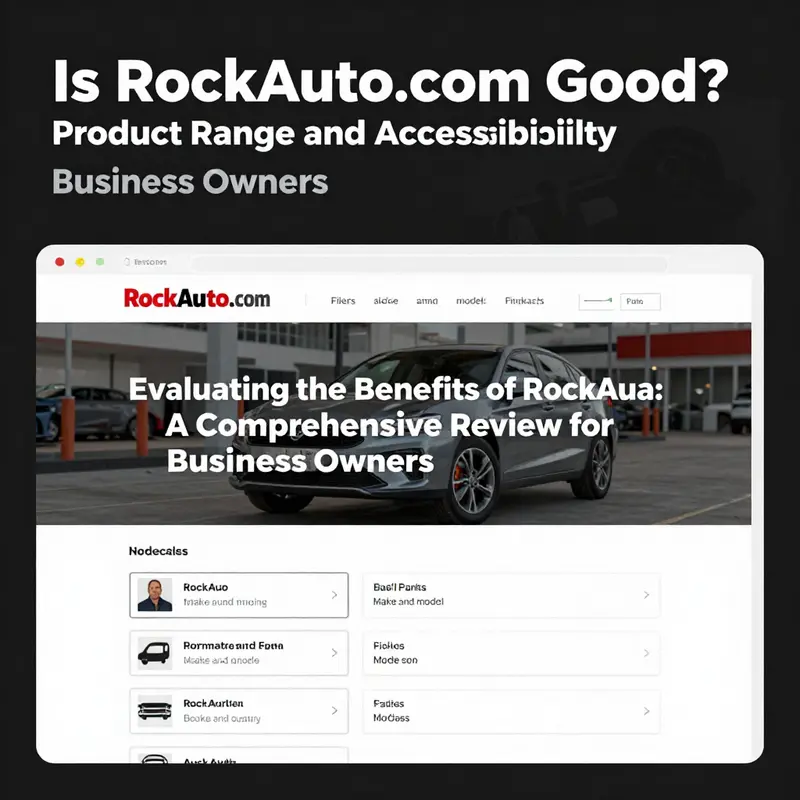
For those who prize a dependable and comprehensive catalog, there is a notable edge in how the platform filters its inventory. The presence of vehicle-specific filters helps ensure that a user can home in on parts that match their exact model, engine type, and generation. This is a practical feature that counters the potential downsides of a deep catalog: it steers users toward compatibility and reduces the chance of ordering a non-fitting part. It is precisely this balance—deep depth paired with targeted filtering—that makes the catalog a viable, even attractive, option for both mass-market repairs and specialized restoration projects. The catalog’s reach can be especially valuable for owners of older or less common vehicles, where local stock may be sparse or unreliable. In those cases, the ability to source a compatible part from a broad supplier network represents a tangible, real-world advantage.
In one sense, the platform serves as a vast, data-rich bridge between a vehicle owner’s repair needs and an ecosystem of suppliers ready to meet them. In another sense, it embodies a larger truth about the online auto-parts market: scale can be a virtue, but it requires a user interface that can keep pace with the scale. The tension between breadth and usability is not unique to this site; it is a common dynamic across many large online marketplaces. Still, the experience offered by this platform illustrates a critical point for prospective buyers. If your priority is to maximize the odds of finding a compatible part at a lower price—even if that means navigating a slightly less polished interface—you are likely to come away impressed by what the site can deliver. If, instead, you value a fast, frictionless search and a modern checkout flow, you may encounter a feeling of mismatch between expectation and execution. In practice, both experiences can coexist: a buyer may love the catalog depth and price while acknowledging navigational friction, using the platform to complement more streamlined sources.
The question, then, becomes less about absolutes and more about alignment with a buyer’s priorities. For the budget-conscious buyer who is comfortable with a little extra search time in exchange for substantial savings, the platform’s breadth and direct supplier network offer a compelling value proposition. For the professional shop that must source for a broad client base, the sheer catalog size can reduce the number of order sources and simplify procurement logistics, even if it occasionally means wrestling with a less modern interface. For the hobbyist who wants a quick, no-nonsense purchase, the friction may be a deterrent, suggesting the prudent path of using the site for certain parts while relying on alternative retailers for others. The real measure of goodness, then, is not simply the size of the catalog or the lowest price; it is the alignment of the platform’s strengths with a buyer’s specific needs, tolerance for navigational quirks, and the urgency of their repair timeline.
To illustrate how a catalog can support both breadth and specificity, consider how niche catalogs handle highly specialized models. In practice, even a single listing for a rare component—a carbon-fiber hood for a highly sought-after performance model, for example—can signal the platform’s potential to serve as more than a stopgap. Such listings demonstrate how large catalogs can coexist with targeted, high-value parts, enabling a repair or restoration project that would be far more challenging to complete with a narrower inventory. This interplay between breadth and precision is at the heart of the platform’s value proposition and a useful heuristic when evaluating whether the service is right for a given repair scenario. For readers curious about how such catalogs manage specialized models, one example is a listing for a carbon-fiber bonnet hood for a specific high-performance Lancer Evolution model. You can explore that listing here: brand-new-original-carbon-fiber-bonnet-hood-for-mitsubishi-lancer-evo-x.
The broader takeaway is nuanced. The platform can be a powerful ally for those seeking value through an expansive, globally sourced catalog. It offers access to parts that might be difficult to locate through traditional channels and wraps them in pricing advantages that appeal to DIYers and professionals alike. But it is not a guaranteed smooth ride. The user experience can feel lagging next to modern, more streamlined e-commerce experiences, and past connectivity hiccups remind buyers that availability can hinge on the platform’s ongoing reliability. When planning a repair or project, a prudent approach is to treat the platform as one of several tools in the toolbox. Compare parts across multiple retailers, verify compatibility with the vehicle’s VIN or identification details, and factor in potential delays or returns into the repair timeline. In that light, the catalog’s breadth and the value it unlocks emerge as the core reasons to use the platform, tempered by a practical awareness of UX constraints and occasional accessibility issues.
In sum, the question Is it good? does not yield a simple yes or no. For buyers who prize an exceptionally broad supply network, robust price leverage, and the ability to source parts for hard-to-find models, the platform offers a compelling proposition. For those who prioritize modern interface, ultra-fast search results, or a perfectly frictionless checkout, there may be better fits in the marketplace landscape. The real decision rests on how these factors—range, price, accessibility, and reliability—align with a buyer’s repair goals, timeline, and tolerance for a few navigational quirks. As a component of a broader procurement strategy, the catalog excels at expanding the universe of what’s possible in auto repair and restoration, while reminding us that even large, well-stocked platforms must earn trust every time a user hits the search button and confirms a part that will make a vehicle roll again.
External resource: https://www.rockauto.com
Quality, Service, and Delivery: A Real-World Look at RockAuto’s Goodness

When evaluating an online auto parts retailer, a reader naturally weighs three core pillars: the breadth of inventory, the fairness of pricing, and the reliability of service and logistics. RockAuto (as a marketplace) has built a reputation that skews toward a practical blend of all three. It is widely seen as a dependable source for parts for a broad spectrum of vehicles, with an emphasis on value and accessibility. The central question — is RockAuto good — cannot be answered with a single criterion. It requires weighing how the site performs in typical repair scenarios, how its pricing stacks up against traditional channels, and how smoothly its logistics and customer support actually operate in day to day practice. Read as a whole, the picture that emerges is not one of perfection but of a resilient, scalable platform that tends to deliver solid results for the average DIYer and for professional shops alike, especially when a balance between price, range, and timing matters most.
A key part of RockAuto’s appeal lies in its business model. By maintaining direct relationships with a vast network of suppliers and manufacturers worldwide, the platform minimizes typical middleman markups. The implication is straightforward: parts can be priced well below those found at dealerships and many local retailers. That price discipline is not merely about offering lower prices; it is tied to a philosophy of simplicity and efficiency. The website presents a streamlined catalog where a user can search by vehicle, part category, or even by a VIN, hoping to land on a compatible option with minimal back-and-forth. The value proposition resonated with a broad audience because it translates into tangible savings over time, especially for owners who perform routine maintenance or moderate repair work themselves. Even professional shops, which often juggle inventory across multiple vehicle lines, find a practical advantage in RockAuto’s ability to aggregate demand across North America and beyond. It becomes a question of whether the savings justify any trade-offs in service speed or access to a human adviser for a tricky fitment issue. In many cases, the answer is yes, the savings do justify risk, provided the buyer approaches the purchase with a clear method and a plan to double-check compatibility.
The breadth of inventory is another pillar that supports RockAuto’s standing in the market. The catalog spans a wide range of makes and models, with parts that cover basic wear items through more complex components. What matters in practice is not simply the raw variety but how the site makes that variety navigable. The filtering tools and vehicle-specific search options are designed to reduce the cognitive load on the buyer. Enter a vehicle identification and you are presented with a curated subset of options that fit that particular chassis. This ease of discovery is particularly valuable for DIY enthusiasts who may not have the time to cross-reference every aftermarket label with a parts desk at a traditional retailer. It also helps professional technicians who need to pull a quick part for a specific job without wading through a sea of irrelevant options. The downside, as with any vast catalog, is the potential for missteps when customers do not verify exact fitment. Compatibility can vary not just by make and model year, but by submodels, revisions, and regional specifications. The prudent buyer double-checks part numbers, leverages the product descriptions, and, when in doubt, contacts the seller or consults the vehicle’s service documentation before finalizing an order. In this sense, RockAuto’s strength is best realized when the buyer applies a careful, deliberate approach rather than a careless impulse purchase.
The quality and reliability story is nuanced. RockAuto presents options that span OEM-equivalent and aftermarket categories, with claims of sourcing from reputable manufacturers. The practical upshot for many buyers is straightforward: they can obtain parts that are functionally equivalent to what a dealer might supply, often at a fraction of the price. This approach aligns well with the needs of many owners who value durability and performance without paying premium for a dealership’s markups. It is important to recognize that the marketplace model can also place a greater onus on the buyer to verify that the chosen part matches the intended application. The variability in supplier practices means that while most parts perform as expected, there can be occasional inconsistencies in packaging, labeling, or included hardware. Those who value predictability might prefer to cross-check with their trusted mechanic or to select parts that carry explicit assurances of compatibility. For many, the assurance comes less from the brand aura and more from a stylistic sense of certainty that the catalog and the checkout flow have guided them toward an appropriate choice. The wearer of the buyer’s hat here is diligence; the reward is a favorable balance of cost and quality that makes RockAuto a practical option rather than an aspirational one.
On the customer service front, experiences tend to cluster around accessibility and responsiveness. RockAuto is typically reachable by phone or email, and the feedback from the community often highlights timely and helpful responses about orders, part compatibility, and shipping logistics. Yet, as with many large-scale online retailers, experiences vary. Some customers report prompt resolutions, especially for straightforward issues such as order tracking, part returns, or simple compatibility clarifications. Others note longer response times during peak periods or holidays when demand surges and staff bandwidth shifts. The broader takeaway is that RockAuto generally maintains a steady, serviceable support channel, with a willingness to address concerns and rectify issues when they arise. For a DIYer wrestling with a tricky fitment or a shop juggling multiple orders, this responsive backbone is essential. It reduces uncertainty and enhances the overall reliability of using the platform as a main source of parts rather than a supplementary catalog.
Logistics and shipping are the operational engine behind RockAuto’s practical appeal. The logistics framework is described as an integrated network, with a dedicated entity handling international shipments and freight forwarding. This setup helps to streamline cross-border deliveries, which can be a critical factor for customers outside the United States, as well as for domestic buyers who value predictable transit times. The fact that U.S. customs records show a consistent pattern of importing goods into the United States signals a well-established supply chain. In practice, shipment times are typically reasonable, with the caveat that delivery duration can hinge on location, the specific product ordered, and the current demand landscape. Peak seasons can bring occasional delays, usually attributable to high volumes rather than systemic inefficiencies. The practical impact of these logistics realities is that RockAuto can be a dependable source most of the time, but buyers with urgent timelines should factor in potential delays and plan accordingly. The presence of a robust logistics infrastructure also reduces the risk of hidden costs or surprise shipping surcharges, which can otherwise erode price advantages.
The real-world test of any retailer lies in its overall value proposition and its alignment with user expectations. RockAuto wins points for price discipline, broad reach, and a logistics backbone that supports international purchases. It is not a universal panacea; there are trade-offs to consider. The price advantage, while meaningful, is most meaningful when the buyer is comfortable validating the compatibility, and the returns process remains practical if a part does not fit. The customer service experience often improves with the clarity of the buyer’s questions and the complexity of the issue at hand. If you suspect you need a part that is particularly niche or one that requires subtle sub-model distinctions, RockAuto can still be a strong starting point, especially for routine upkeep and standard replacements. For those with a taste for more specialized or exotic parts, a broader ecosystem of niche retailers and independent shops can complement the catalog, offering assurance from vendors whose core business is limited to certain makes or generations. The contrast is not a fault of RockAuto; it is a reminder that the auto parts market functions as a spectrum, with different players excelling at different segments of needs and timelines.
To illustrate a point about niche parts and the broader ecosystem, consider how specialized shops curate items outside the mainstream catalog. A representative example can be seen in niche listings such as the brand-new original carbon fiber bonnet hood for a particular model. This kind of item highlights how niche suppliers operate in parallel with large marketplaces, offering high-end, model-specific, or performance-enhancing parts that exist outside the commodity mainstream. The anchor text for this example, linked here as an illustration of the concept, is the slug brand-new-original-carbon-fiber-bonnet-hood-for-mitsubishi-lancer-evo-x. This juxtaposition—mainstream breadth versus specialized precision—helps buyers gauge when RockAuto is the best place to start and when it is prudent to supplement with sources that cater to niche interests. It is a reminder that a savvy parts procurement strategy often blends both approaches: the broad, value-driven catalog for common needs, and targeted shops for unique, performance-oriented, or era-specific components.
As a closing note, the evidence from user experience and supplier networks suggests that RockAuto is a robust, reliable option for many car owners and repair professionals. Its strengths lie in price competitiveness, inventory breadth, and a logistics framework capable of handling cross-border shipments with a reasonable degree of predictability. The occasional caveats—response time variability, the need for careful verification of fitment, and potential delays during peak periods—are not obstacles so much as reminders to adopt a methodical purchase approach. By pairing the platform with due diligence and a willingness to compare options, a buyer can achieve a favorable balance of cost, quality, and delivery speed. For many, this means RockAuto serves as a dependable baseline source for everyday parts, while more specialized or urgent requirements are addressed through supplementary channels. In the end, the question of whether RockAuto is good depends less on absolutes and more on alignment between a buyer’s needs and the marketplace’s strengths. When these align, RockAuto is not just a good option; it becomes a pragmatic, repeatable part of how a modern vehicle is kept on the road.
Final thoughts
In summary, RockAuto.com presents itself as a viable and strategic option for business owners seeking reliable, high-quality auto parts at competitive prices. With its strong reputation bolstered by a vast selection of products and exceptional customer service, RockAuto stands out in the automotive parts landscape. As you weigh your options for suppliers, their emphasis on value and comprehensive logistics can provide a solid foundation for driving your business forward.