
In an era defined by discerning consumers and competitive markets, the significance of premium auto parts reviews has never been more pronounced. Business owners in the automotive industry must recognize how the reputation and quality of high-end auto parts affect customer satisfaction and purchase decisions. The Better Business Bureau (BBB) serves as a vital resource for assessing the trustworthiness of brands and products. This article delves into the nuances of premium auto parts reviews within the framework of the BBB, offering insights into their importance for consumer trust, a comparative analysis of brand ratings, invaluable user experiences, and navigating customer complaints. Each chapter will elucidate a different facet of this landscape, helping business owners leverage reputation and quality for sustained growth.
How to Read BBB Reviews to Judge Premium Auto Parts and Suppliers
When you buy a high-end auto part, a third-party view matters. The Better Business Bureau (BBB) provides structured profiles, complaint histories, and consumer reviews. Taken together, these sources reveal whether a supplier honors warranties, communicates clearly, and ships on time. They also show recurring quality issues that single reviews can hide.
A smart reader treats BBB content as one piece of evidence. Start with the basics on a company profile. Look at accreditation status and how long the account has existed. Accreditation signals a willingness to meet certain standards. Longevity reduces the chance of fly-by-night sellers. Then examine the complaint log. Pay attention to complaint categories and how the business responded. A pattern of unresolved fitment or warranty disputes is a stronger signal than a single negative comment.
Beyond counts and badges, read the text of reviews. Customers describe real-world problems in simple terms. Watch for repeated mentions of durability, fitment accuracy, and warranty fulfillment. These are the core attributes that distinguish truly premium parts from those that trade on appearance alone. A part that looks great but slips out of specification can create more cost than value. Conversely, repeated praise for longevity and exact fit suggests engineering and quality control are reliable.
Not all positive ratings are equally useful. Short, generic praise adds little. Detailed reviews that describe installation, mileage, and environmental conditions offer a far richer picture. Notes such as “fit required minor trimming” or “failed after 10,000 miles” let you estimate real costs and labor required. If you rely on premium parts to improve resale value or comfort, these specifics matter.
Use the BBB review timeline to spot changes. A supplier with improving response times and fewer complaints over a year may have reworked its quality control. A sudden spike in complaints often coincides with a change: a new supplier relationship, a shift in materials, or a sales event that stretched logistics. Correlate complaint timing with product launches or promotional spikes. That will help you decide whether a problem was temporary or systemic.
Reading reviews through a sourcing lens changes the emphasis. Procurement teams should focus on repeatable processes. If BBB complaints cite unclear warranty terms, demand contract language that clarifies coverage. If shipping damage recurs, require specific packaging standards and liability terms. The BBB profile is often the first place such behavioral patterns surface. Use it to build a vendor scorecard that goes beyond price.
Many premium parts offer benefits that are not purely mechanical. They can enhance comfort, finish, and aesthetics. Yet the BBB often shows whether those promises are backed by service. Does the supplier honor returns for mismatched color or finish? Do they provide replacement parts promptly? For parts where appearance matters, such as exterior panels or interior trim, reliable returns and color-matching processes are critical.
Beware of marketing that uses the word premium without substance. BBB reviewers frequently call out misleading descriptions. Terms like “premium finish” or “high performance” should be supported by measurable claims. Look for reviews that mention objective tests, independent fit checks, or third-party certifications. If reviewers are the only source of support for a claim, treat the claim as unverified.
Warranty language is an area where BBB reviews shine. Complaints about denied warranty claims often include the fine print that caused the denial. Read a representative sample of such complaints to spot common pitfalls. Are claims rejected due to improper installation? Is evidence like mileage or professional installation receipts required? These details let you anticipate the documentation you will need during a claim.
Communication and resolution style matters nearly as much as product quality. The BBB shows whether a supplier responds to complaints, and how politely they do so. A vendor who engages respectfully and resolves problems publicly demonstrates operational transparency. That behavior predicts how disputes will play out after purchase. If a supplier avoids BBB messages or offers defensive replies, escalate caution.
Combine BBB findings with technical verification. Reviews tell you about outcomes, not test data. Cross-check product specifications, material certificates, and manufacturing origin information. If a supplier lists component costs or minimum order quantities in public materials, compare those figures to market norms. For example, small structural or trim components often have known cost ranges. If a quoted price is far below typical costs, investigate whether the supplier has cut corners.
Use community feedback to enrich BBB insights. Forums and independent review sites often include installation photos, teardown reports, and mileage follow-ups. Those details can confirm or contradict BBB claims. If both a forum and the BBB report the same fitment issue, the problem is likely real. If only one source flags a problem, dig deeper before drawing conclusions.
Assess shipping and returns based on complaint content. Reviews often reveal whether parts arrive damaged, delayed, or incorrectly labeled. For premium parts, packaging standards matter. A repeated pattern of cosmetic damage indicates inadequate packing or rough handling in transit. Ask suppliers for packaging photos and damage thresholds. Require insurance for high-value shipments and clear return pathways.
Procurement professionals can also use BBB information to negotiate terms. Present documented complaint patterns and ask for specific remedies: extended warranties, no-cost returns for fitment issues, or faster replacement lead times. Suppliers who value long-term relationships will accept such terms to reduce complaint volume. If a supplier resists, weigh that resistance against the potential cost of dispute resolution later.
When you identify a reputable supplier on the BBB, verify operational details. Confirm manufacturing locations, minimum order quantities, and per-piece pricing. Small components, like column parts or OEM-like replacements, often have published price bands. Knowing typical price ranges helps you spot outliers. If a supplier’s price seems too low compared to market norms, ask for traceable material certifications and production photos.
Installation practices influence outcomes and warranty coverage. Many complaints arise because a part was installed incorrectly. For complex components, insist on professional installation or documented installation guides. Ask whether the supplier provides technical support or fitment guarantees. Some reputable vendors will offer live guidance during first installations to reduce returns and complaints.
Keep an eye on systemic signals, not isolated events. A single negative review is not conclusive. A cluster of similar complaints across months is. Use the BBB to identify those clusters and to time your buying decisions. For example, if complaints spiked during peak selling months, consider delaying non-urgent purchases until the supplier stabilizes.
Finally, document your own experience. If you buy a premium part, leave a clear, detailed review. Note fitment, lifespan, and how warranty claims were handled. Your contribution helps the next buyer and adds to the public record that procurement teams rely upon. Over time, a robust corpus of reviews improves market transparency for premium parts.
For a practical demonstration of how BBB records look in context, consult the BBB profile and review pages for automotive parts retailers. They show complaint timelines, responses, and consumer narratives you can use as a template for evaluating suppliers.
For further reading and to check specific supplier profiles and complaint histories, visit the BBB reviews page linked here: https://www.bbb.org/business-reviews/automotive-parts-and-supplies/auto-parts-warehouse-inc-in-los-angeles-ca-10005873/reviews
If you need a hands-on example of a premium exterior component and how supplier transparency affects buying decisions, review a supplier listing for a carbon fibre bonnet for Evo X. That example highlights fitment notes, finish concerns, and packaging expectations that frequently appear in BBB complaints. https://mitsubishiautopartsshop.com/brand-new-original-carbon-fiber-bonnet-hood-for-mitsubishi-lancer-evo-x/
Quality, Confidence, and Compliance: How BBB-Evaluated Premium Auto Parts Shape Consumer Trust
Trust in the automotive aftermarket rests on performance, safety, and transparent information. As vehicles and parts ecosystems grow more complex, consumers rely on credible signals about quality when selecting premium components. BBB evaluation provides a framework that emphasizes alignment with manufacturer standards, strong warranties, and open communication that helps buyers compare claims with observable evidence.
Premium auto parts are typically engineered to meet or exceed original equipment manufacturer (OEM) specifications. This alignment reduces guesswork and enhances confidence in fit and performance. The BBB framework notes that when parts are designed to match OEM standards, drivers experience more predictable results and fewer surprises over a part’s service life.
Warranties are a central signal of a company’s confidence in its product. A robust warranty shifts some financial risk away from the consumer and demonstrates a manufacturer’s commitment to quality. Premium parts often come with longer or more comprehensive coverage, which can translate into lower long-term ownership costs and added peace of mind during the vehicle’s early miles and beyond.
Transparency is another core BBB criterion. Clear product data, independent test results when available, and straightforward explanations of performance claims empower buyers to verify what a part can do. Visible test data, certifications, and accessible customer support help prevent mismatched expectations and strengthen trust across the purchase lifecycle.
Choosing premium parts is a strategic decision about reliability and value, not just a higher sticker price. When evaluating options, consumers should assess OEM-alignment, warranty terms, and the availability of post-purchase support. The BBB approach encourages buyers to seek brands that publish detailed specifications, share test data when possible, and provide clear guidance on installation and compatibility.
In practice, the road from consideration to purchase is smoother when information is complete and verifiable. A thoughtful buyer weighs certainty of performance against upfront cost, and looks for evidence across testing, claims, and real-world experiences. The BBB perspective helps foster an ecosystem where accountability, clarity, and customer care keep trust strong from shopping through ownership.
Chapter 3: Reading the Market’s Credit Signals: A Comparative Analysis of Premium Auto Parts Brands and BBB Ratings
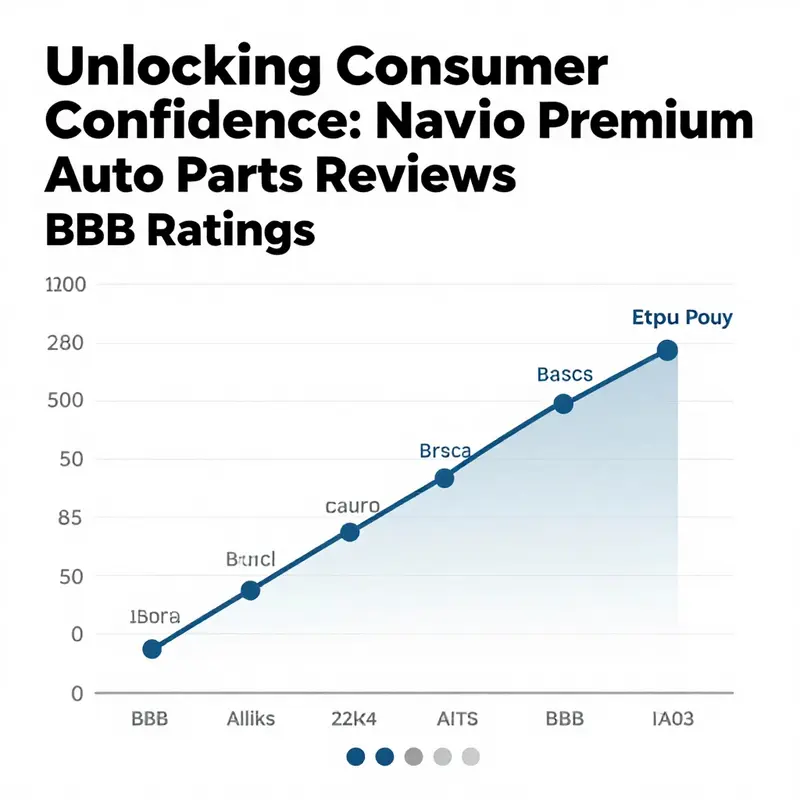
In the premium auto parts market, buyers encounter more than glossy catalogs and bold marketing claims. They confront credibility signals that travel beyond product specifications and design sketches. While premium parts promise enhanced appearance, comfort, and even resale value, the decision to invest at the higher end hinges on a broader assessment of risk and reliability. A coherent framework emerges when buyers integrate three layers of evidence: the financial health of the supplier, the quality assurance and service capabilities behind the parts, and the feedback from independent reviews and end-user experiences. In this context, credit ratings and the credibility signals they accompany become practical anchors for decision-making. They are not a guarantee of performance, but they are a distillation of a company’s capacity to sustain supply, support warranties, and weather market fluctuations that could affect availability or price stability. The Fitch Ratings assessment of Genuine Parts Company, assigning a first-time BBB- issuer default rating (IDR) with a stable outlook, offers a concrete example of how such signals translate into a widely recognized risk benchmark. This rating implies that, at a baseline, the company possesses a solid operating platform, diversified revenue streams, and a resilient balance sheet that can underpin long-term relationships with B2B buyers in automotive and industrial segments. The stable outlook reinforces that the core business model can endure cyclicality, shifting demand patterns, and the logistical demands of a broad parts-distribution network. For buyers who rely on consistent access to premium components, such stability matters because it underpins reliable procurement terms, predictable lead times, and the capacity to support complex programs that demand timely replenishment and tight warranty administration.
Comparative landscape matters as well. In the same macro space, other large participants exhibit credit profiles that align with similar risk factors, underscoring a shared market discipline among major distributors and retailers in the automotive aftermarket. For instance, a prominent peer group displays a BBB rating with a stable outlook, indicating that scale, geographic reach, and diversified product streams collectively support prudent financial management and steady operating performance. The presence of a BBB- rating for one firm and a BBB rating for another—both with stable outlooks—highlights a common market expectation: large-scale automotive distributors that coordinate extensive supply chains, dealer networks, and service operations tend to maintain comparable credit quality. This parity matters for buyers because it suggests that the capacity to fund inventory, support service networks, and honor extended warranties is not solely a function of price competition but of long-horizon financial resilience.
Within the domestic landscape, additional peers illustrate the spectrum of credit standing in the sector. A U.S.-based auto parts retailer with a BBB- or BBB rating, accompanied by a stable outlook, signals a business model that can sustain capital-intensive activities such as stocking high-end, specialty components, financing custom orders, and investing in after-sales support infrastructure. A similar profile—BBB/Stable or BBB-/Stable—for another major operator reinforces the idea that the market recognizes a tier of suppliers capable of maintaining performance through downturns, supplier disruptions, and scale-driven operational demands. In parallel, broader assessments of the automotive ecosystem show that OEMs and global manufacturers also carry robust ratings, such as a BBB+/A-2 standing for a leading global player. The common thread across these ratings is not a simple measure of profitability, but a signal of structural strength: disciplined capital management, diversified earnings, and the ability to sustain critical investments in supply chain resilience and aftermarket services. For buyers of premium parts, that translated strength translates into a lower perceived risk when locking in long-term supplier arrangements, especially where large, bespoke orders or multi-year maintenance programs are involved.
What does this mean for the procurement mindset when sourcing premium components and specialized tools? It means widening the lens beyond the first-price question to include a robust view of risk and continuity. A strong credit profile in a supplier’s ledger often correlates with operational stability, the capacity to absorb cost fluctuations, and the discipline to maintain safety stock and supplier risk management practices. It also tends to reflect a sustained commitment to service quality—an essential factor when premium parts demand precise fit, rigorous testing, and consistent warranty coverage. The implication for buyers is practical: credit health becomes a predictive element about a supplier’s willingness and ability to honor bulk orders, accommodate customization requests, and provide reliable post-sale support, all of which reduce the total cost of ownership and the frequency of disruptive supply interruptions.
Yet finance and risk are parts of a larger mosaic. The BBB framework—while valuable—should be viewed as one dimension among several that shape confident purchasing decisions. Independent consumer and professional reviews, industry testing, and credible journalistic assessment fill in the gaps that no balance sheet can capture. Trustworthy consumer platforms and respected automotive media outlets deliver granular perspectives on performance, fit, and sustainability that help buyers verify claims about premium quality. A credible supplier who couples a strong credit signal with transparent warranties, visible quality-control processes, and rapid after-sales responsiveness becomes a rational choice for long-term partnerships. In other words, the strongest premium-part suppliers are those who integrate financial stability with a proven track record of quality assurance and service reliability—an alignment that sustains customer trust even when the market grows more complex or price competition intensifies.
Adopting this integrated approach has concrete implications for how buyers evaluate suppliers behind premium offerings. The process becomes iterative but targeted: first assess the supplier’s financial resilience through credible third-party ratings; then verify operational reliability by examining quality-control frameworks, inventory management, and warranty performance. Finally, triangulate with independent evaluations from trusted sources—consumer opinions, professional test results, and recall or safety records—to ensure that appearance and comfort claims are matched by durable performance and dependable service. When suppliers demonstrate a balanced combination of credit strength, quality assurance discipline, and favorable service metrics, the buying decision gains a dependable ballast that supports premium investment over the long horizon. This is particularly important in areas where high-end components intersect with specialized competencies, such as advanced programming tools or calibration services, where uptime, continuous support, and software updates can be critical to customer satisfaction and operational efficiency.
The practical takeaway for readers navigating premium auto parts markets is straightforward: use credit signals as an initial screening rather than a sole determinant. A robust credit profile signals that a supplier can sustain the operational cadence needed for premium products, but it must be corroborated with rigorous quality controls and responsive service. BBB listings, complaint histories, and business practices snapshots, when interpreted alongside independent reviews and professional evaluations, provide a balanced picture of a supplier’s reliability. This multi-layer approach helps buyers avoid overreliance on marketing narratives that emphasize aesthetics over durability, and instead promotes partnerships grounded in trust, accountability, and measurable performance.
In practice, this mindset translates to concrete sourcing decisions. Buyers should seek suppliers with demonstrated financial stability, a track record of fulfilling large or complex orders, and transparent, warranty-backed commitments. They should also cross-check with independent reviews or testing coverage to confirm that premium claims align with real-world outcomes. For premium parts that carry higher upfront costs, long-term value depends on stability, service, and quality assurance as much as on immediate appearance or perceived luxury. The BBB lens adds a credible, standardized reference point for assessing reliability, but it is most effective when integrated into a holistic risk-management framework that recognizes the interdependence of financial strength, operational excellence, and customer experience.
To illustrate how these ideas surface in real-world decision-making, consider the role of supplier credibility in niche investments such as high-end carbon-fiber components. The supplier’s reliability in terms of on-time fulfillment, material consistency, and warranty handling can be as critical as the technical performance of the part itself. In such contexts, the credibility of the partner—their track record of service, the transparency of their supply chain, and their willingness to stand behind their products—becomes a central factor in determining whether a premium upgrade yields durable, satisfying outcomes for the customer. This is why many buyers place thanks to credible signals of stability alongside the tangible attributes of the parts themselves.
The landscape is evolving, and so are the risk-management tools at the disposal of buyers. The synergy of strong credit health, quality-control discipline, and credible customer feedback creates a robust framework for evaluating premium auto parts suppliers. It helps buyers differentiate between firms that offer genuine long-term value and those that capitalize on momentary trends. The resulting decisions tend to deliver not only improved aesthetics and comfort but also dependable performance, sustained by the resources and processes needed to maintain high standards across the lifecycle of a premium component.
External reference: https://www.fitchratings.com/research/automotive/financing-genuine-parts-company-first-time-bbb-idr-280126
Internal link: premium carbon-fiber bonnet for Mitsubishi Lancer Evo X
This integrated view—combining credit signals, quality assurances, and independent evaluations—serves as a practical compass for buyers navigating the premium auto parts market. It emphasizes that the best purchasing choices are not driven by price alone but by a disciplined synthesis of risk, performance, and service that aligns with the long-term goals of the shop or the end-user. In turn, the market rewards suppliers who demonstrate steadiness, accountability, and a clear commitment to supporting premium quality over the course of multiple product cycles, ensuring that the premium label translates into real-world reliability and value.
How User Experiences and BBB Signals Shape Trust in Premium Auto Parts
User feedback is the compass buyers use when investing in premium auto parts, and Better Business Bureau (BBB) information is one of the gauges that helps measure seller credibility. This chapter examines how first-hand experiences, complaint patterns, and third-party credibility signals combine to form a reliable picture. It also shows how to read those signals with an analytical eye. The goal is a practical method to translate scattered reviews and business records into confident buying decisions.
Start with what people actually report. Real user accounts reveal fitment issues, perceived material quality, installation quirks, and long-term durability. These are the touchpoints that matter once a part is in your hands or on the car. When many independent buyers report the same problem, a pattern emerges. If reviewers mention inconsistent fit across different builds of the same model, that signals a quality-control or specification mismatch. If threads of praise repeatedly reference finish, comfort, or improved resale value, that suggests the product delivers on its premium promise.
However, raw reviews need context. Volume matters. Ten glowing reviews out of twenty thousand sales are less meaningful than a high satisfaction rate from a few hundred purchasers. Look for reviews that describe the reviewer’s vehicle, installation experience, and timespan since fitment. Detailed entries are more useful than short praise or terse complaints. The most actionable insights come from posts that explain what was done, what tools were used, and how the outcome compared with expectations.
BBB records focus on business behavior rather than technical performance. They document complaint counts, company responses, resolution history, and accreditation status. These elements reveal how a seller handles problems. A supplier can ship a very good component yet fail at customer service. BBB complaints and resolution patterns are a direct window into that dimension of quality.
Treat BBB data as a reliability lens, not a product test bench. A low complaint rate and fast resolution times indicate robust after-sales support. Accreditation signifies that a business meets certain operational standards. Conversely, repeated unresolved complaints about returns, warranties, or misrepresentation signal operational risk. Cross-referencing these signals with user reviews helps separate isolated bad experiences from systemic issues.
Read complaint narratives closely. Short summaries can mislead. Many complaints start with a billing or shipping issue rather than a product defect. These matters still affect buying experience. A common thread of shipping delays, incorrect parts shipped, or no response to return requests is as important as the part’s quality. Note the timestamps. A burst of complaints during a short period might trace to a problematic batch, a logistics disruption, or even a seasonal surge. Sustained complaints over months point to deeper problems.
Quantify what you can. Track complaint frequency relative to how widely a company distributes. If a supplier reports modest sales but accumulates a handful of complaints, that ratio is alarming. If a large distributor has the same number of issues, the scale matters. Also observe response behavior. A business that replies quickly and offers refunds or replacements shows operational maturity. A pattern of ignored messages or promises without follow-through is a strong red flag.
User experience platforms add technical depth that BBB records lack. Forums and review sites often include installation photos, torque values, and compatibility notes. These communities compare OEM fitment to aftermarket alternatives. They also discuss modifications needed to achieve a perfect fit. That practical intelligence shifts the conversation from theoretical to applied knowledge. Learn to read the language of those discussions. Terms about tolerances, trimming, or adapter parts highlight hidden steps buyers should expect.
Professional outlets bring controlled testing into the mix. They analyze materials, measure tolerances, and perform longevity simulations. Those results are complementary to user accounts and BBB records. While a pro review may isolate a part’s mechanical merits, user reports reveal how those merits hold up in diverse, real-world scenarios. A well-rounded decision uses both.
Pay attention to warranty and return policies. Premium parts command higher prices because they promise better fit and finish. That premium should be matched by clear warranty coverage and a straightforward return channel. BBB records and company policy pages will usually reflect how easily buyers can claim remedies. A short, transparent policy with documented returns success is a positive indicator. Vague guarantees or complex RMA procedures are potential cost centers when things go wrong.
Consider source information such as price bands and supply details. Knowing typical pricing and minimum order quantities helps detect anomalies. For example, reported supplier price ranges of inexpensive components may signal commodity-grade production rather than high-end craftsmanship. If a seller markets parts as premium but prices fall consistently within commodity ranges, ask for supporting evidence like material specifications or production audits. Conversely, a higher priced item with strong, detailed documentation and positive user feedback often merits the extra cost.
Evaluate seller transparency. Premium suppliers who publish clear technical specs, fitment guides, and origin details earn trust. Transparent communications about lead times, batch numbers, and quality checks reduce uncertainty. If a seller refuses to provide simple clarifications, assume that seeking alternatives is wise. A transparent seller reduces the chance of unpleasant surprises.
Use a layered verification strategy. Start with BBB checks for business behavior. Then read a sample of recent user reviews for fitment and quality notes. Next, consult community forums for installation and long-term feedback. Finally, look to professional tests for objective material and performance data. This layered approach reduces bias. Each source has strengths and blind spots. Combined, they form a much clearer picture.
Assess narrative consistency across sources. If professional reviews praise construction but user reports say the part fails after a few months, something is off. The discrepancy may indicate a manufacturing variance, fake product distribution, or improper installation among end users. Investigate by asking sellers for batch traces or by seeking warranty claim data. Consistency across independent sources is the strongest signal of reliability.
When in doubt, buy from sellers who offer product protection and clear return logistics. Even a trusted seller can occasionally ship a mismatched part. Having an easy return pathway and fast replacements reduces the effective risk. Check whether sellers cover return shipping and whether they require photographic documentation. Clear, fast exchanges are a mark of professional operations.
Community reputation is sticky. A brand that invests in solving issues and learning from complaints builds strong loyalty. Even a few public mistakes handled well can improve long-term trust. Watch for sellers who publicly acknowledge faults and then document corrective actions. That behavior indicates organizational learning, which is a predictor of better future experiences.
Finally, archive your own experience. If you purchase a premium part, document fitment, torque specs, and how it performs over time. Post your findings on community forums and review platforms. That contribution helps others and strengthens the collective intelligence that buyers rely on. If you encounter a service problem, file a concise, factual complaint with the business and with third-party platforms. Clear records improve the signal quality for everyone.
For practical inspiration on product listings and fitment considerations, see this original carbon fiber bonnet/hood listing. It illustrates how detail in a listing can aid decision-making: https://mitsubishiautopartsshop.com/brand-new-original-carbon-fiber-bonnet-hood-for-mitsubishi-lancer-evo-x/
For direct BBB company profiles and complaint data, consult the official BBB portal: https://www.bbb.org
Chapter 5: Trust Under Fire—Navigating BBB Complaints in the Premium Auto Parts Market
In the premium auto parts ecosystem, consumer trust is a currency that can be earned or eroded with equal speed. The BBB, as a leading arbiter of business credibility, becomes a lens through which buyers scrutinize not only product performance but also the integrity of a brand’s promises. When high-end components fail to meet expectations—whether because they arrive defective, malfunction under warranty, or are advertised in ways that feel misleading—the BBB often becomes the first public stage on which these tensions play out. For buyers, understanding how these complaints are handled, and what they reveal about a company’s culture and processes, is essential to making informed choices in a market where premium pricing is paired with elevated expectations for fit, finish, and longevity. For retailers and manufacturers, a transparent, proactive stance toward BBB complaints is more than good customer service; it is a strategic investment in long-term credibility and repeat business in a space where perception often mirrors the parts’ perceived value.
Complaints about premium auto parts tend to cluster around a few themes that consistently surface in BBB reports and related consumer feedback. Defective parts or components that fail soon after installation are not merely product issues; they become trust breaches that force the buyer to reassess the seller’s quality control and testing standards. Delivery delays compound frustration when customers have counted on precise timing for installation windows or showpiece builds. Warranty disputes frequently reveal gaps in coverage, clarity, or execution—issues that feel personal when a vehicle is off the road for days or weeks while a replacement part is secured. Finally, misleading advertising—where claims about performance, compatibility, or aesthetics outpace the actual product’s capabilities—strikes at the heart of what buyers expect from a premium purchase. These patterns are not incidental; they signal underlying processes that define how a company translates its premium price into premium experience.
From the company’s perspective, the resolution pathway matters as much as the problem itself. The literature on complaint handling consistently emphasizes the impact of early acknowledgment and transparent communication. When a firm promptly admits a misstep, outlines concrete steps to remediate, and sustains clear updates through the resolution process, customers are significantly more likely to maintain trust, even if the initial outcome is imperfect. In contrast, vague replies, evasive excuses, or delays in honoring warranties often transform a single issue into a cascade of negative perceptions. In the BBB’s public-facing ecosystem, those perceptions are not contained; they spread and can color the broader understanding of a brand’s reliability in the premium segment.
A central dynamic to grasp is that premium auto parts buyers are not simply purchasing torque and load ratings. They are investing in an experience—an expected level of precision, finish, and compatibility that aligns with the vehicle’s overall quality narrative. Appearance, comfort, and the feel of a well-integrated upgrade often matter almost as much as measurable performance gains. When a company handles complaints with empathy and accountability, it reinforces the sense that every customer is part of the brand’s elevated standard. Conversely, when a complaint remains unresolved or is addressed with defensiveness, the reputational cost can be steep. The BBB’s public complaint history amplifies these effects, turning a single unresolved case into a symbol of systemic weakness in the eyes of potential buyers and industry observers.
To navigate this terrain effectively, firms operating in the premium auto parts arena should think beyond the immediate fix and embed feedback into the design and service architecture. The most effective response strategies begin with a disciplined, data-informed approach. Companies should triage complaints to identify root causes—whether they lie in supplier quality, assembly instructions, compatibility charts, or warranty terms. The next step is a deliberate, customer-centric remediation: a prompt door-to-door replacement or a no-hassle return where appropriate, a transparent explanation of what went wrong and why, and a compensation plan that acknowledges the customer’s time and inconvenience. These actions do not merely resolve the individual case; they serve as concrete signals to the BBB and to the broader market that the brand treats premium customers with the respect they expect and deserve.
Another layer involves closing the feedback loop. Effective complaint management uses BBB-reported data as a diagnostic tool to identify recurring issues that may require product redesign, supplier changes, or revised quality-control practices. By weaving complaint insights into product development and service scripting, a company can reduce the likelihood of future escalations and strengthen its premium positioning. The literature supports this approach, showing that firms which actively use resolution outcomes to reduce escalation over time experience fewer formal disputes and better customer retention. This evidence is particularly relevant for brands seeking to protect or rebuild a high-end reputation in a marketplace where buyers are highly discerning and quick to share experiences on independent platforms. For readers who want a rigorous, empirical view of these dynamics, a recent study on the impact of firm resolution strategy on complaint escalation provides a strong theoretical and practical grounding for these moves. See the external resource at the end of this chapter for more detail.
In practice, the best engagement with BBB complaints blends transparency, accountability, and continuous improvement. A credible response often includes several common elements: an immediate acknowledgment of the issue, an apology that does not shift blame, a clear explanation of steps toward resolution, and a specific timeline for updates. It also entails honoring warranties in a posture that balances fairness with business sustainability. Buyers are frequently sensitive to how a company explains its warranty terms and whether it honors them without unnecessary friction. When a premium brand treats warranty claims as a cooperative process rather than a battlefield, it tends to preserve trust and reduce the odds of a complaint mutating into a public-relations incident on the BBB platform or in consumer forums.
The public dimension of BBB complaint history means that brands must invest in credible, consistent communications. This does not mean scripting heroically polished responses that masquerade as accountability; it means sharing concrete information that helps the customer understand what was done, what remains unresolved (if anything), and how future purchases will avoid similar issues. In the premium auto parts context, customers often look for clarity about compatibility with specific vehicle models, the availability of OEM-equivalent standards, and the alignment of advertised benefits with real-world outcomes. Providing precise fitment data, transparent sourcing channels, and verified warranty details can transform a potential setback into an opportunity to demonstrate reliability and care. Such practices can convert negative experiences into testimonials of resilience, reinforcing a premium brand narrative rather than undermining it.
Internal stakeholders—from product teams to customer-service agents—also bear responsibility for shaping outcomes that withstand BBB scrutiny. Training should emphasize empathetic listening and the delicate balance between honoring a warranty and maintaining rigorous quality standards. Staff should be equipped to document every interaction, capturing the customer’s perspective, the steps taken, and the rationale behind decisions. This documentation becomes a rich feedback asset that can illuminate systemic gaps and drive improvements across supply chains and production lines. When teams operate with a unified, customer-centered view, the organization presents a cohesive front to the BBB, to customers, and to the wider market. In a premium segment where every interaction can influence word-of-mouth and long-term loyalty, this alignment matters more than any single remedy.
For readers who are evaluating brands in this space, attention to how a company manages BBB complaints is a meaningful signal of its overall governance and commitment to premium standards. A robust BBB profile—characterized by timely, transparent responses and demonstrable remediation—often correlates with stronger trust signals across other consumer feedback ecosystems, including independent review sites and automotive media. Conversely, a backlog of unresolved issues or inconsistent communication can overshadow even a superficially strong product lineup. In such cases, buyers may weigh not just the component’s technical merits but the company’s capacity to stand behind its promises when things go wrong. The credibility calculus in premium auto parts thus becomes a composite judgment: product quality, delivery reliability, warranty integrity, and the credibility of the company’s response to feedback all contribute to a buyer’s final verdict.
Embedded in this discussion is a reminder that consumer reviews and professional assessments should be viewed as complementary sources of information. While BBB complaints reveal risk signals and organizational response patterns, third-party reviews from automotive media or independent consumer platforms can illuminate actual on-vehicle performance and long-term durability that the BBB does not measure directly. The most informed buyers cross-check multiple sources, using BBB records to gauge accountability and warranties, and turning to performance and real-world reliability commentary to judge long-term value. In this ecosystem, a premium auto parts brand that pairs transparent complaint handling with rigorous product testing and clear, accurate advertising builds a durable competitive edge, especially among discerning buyers who are willing to invest more for a superior buying experience.
Internal link note: for readers exploring how premium parts are showcased and validated in the market, a hands-on example of product authenticity and compatibility discussions can be found in practice on a dedicated product page such as authentic-jdm-evo-9-mr-taillights. This kind of listing illustrates the level of detail buyers expect when assessing premium components and their fit with a specific vehicle.
Ultimately, the BBB is more than a complaints channel; it is a feedback system that, when approached constructively, can strengthen a brand’s premium promise. The behavior a company demonstrates in response to complaints—acknowledgment, transparency, timely remediation, and ongoing improvements—tells a compelling story about who they are as a business. In a market where buyers scrutinize every claim, how a firm handles disputes often weighs as heavily as the parts themselves. This is not about accepting defeat but about turning a potential setback into a demonstration of commitment to quality, service, and continuous enhancement. As the data and experiences of the premium auto parts landscape continue to evolve, firms that embrace these principles will not only reduce escalation but also cultivate lasting loyalty among customers who demand more from their purchases and from the brands they trust.
External resource: For a rigorous examination of how firm resolution strategy affects complaint escalation, see the study “Navigating Consumer Complaints: The Impact of Firm Resolution Strategy on Complaint Escalation” (2025). https://www.sciencedirect.com/science/article/pii/S1877389925001234
Final thoughts
In conclusion, navigating the landscape of premium auto parts reviews on the BBB is essential for businesses aiming to enhance credibility and consumer trust. By understanding consumer evaluations, business owners can strategically position their products and foster lasting customer relationships. From assessing brand ratings to gaining insights from user experiences and effectively managing complaints, the BBB serves as a valuable resource for ensuring quality and transparency in the automotive parts market. As the competition grows, leveraging these insights will empower businesses to thrive and maintain a strong reputation.