
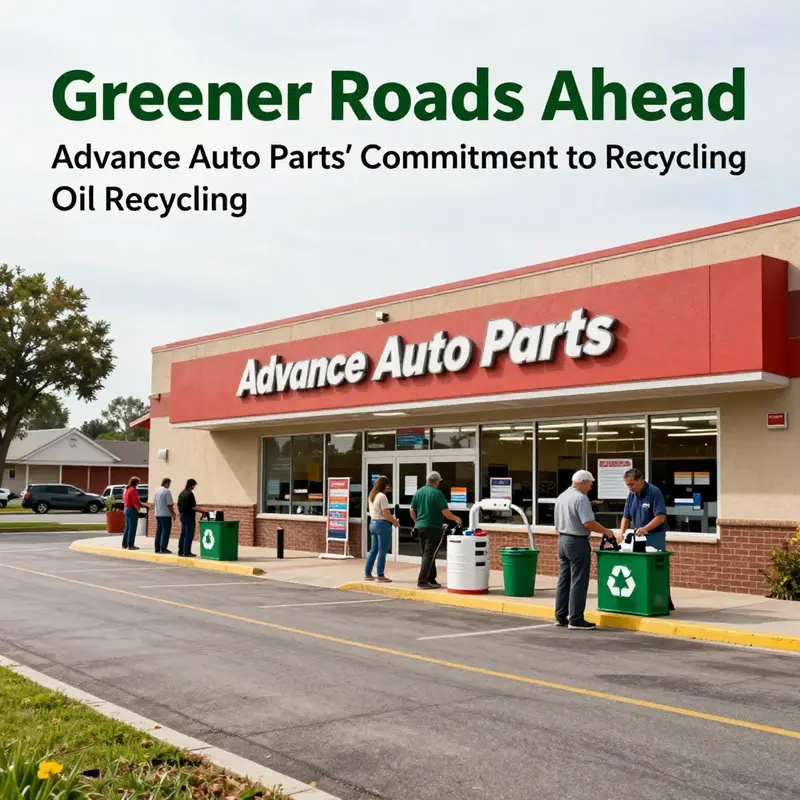
Used motor oil recycling is a crucial topic for business owners as it directly impacts environmental sustainability and customer engagement. As a leader in the automotive sector, Advance Auto Parts has recognized the importance of recycling used oil, implementing a comprehensive oil recycling program in many locations. This article delves into the specific services offered by Advance Auto Parts, highlighting the environmental benefits of oil recycling, and emphasizing the company’s role in community engagement and education. Each chapter builds on the previous one, providing a well-rounded exploration of Advance Auto Parts’ oil recycling initiatives.
Turning Used Oil into Value: How Advance Auto Parts’ Store Recycling Works
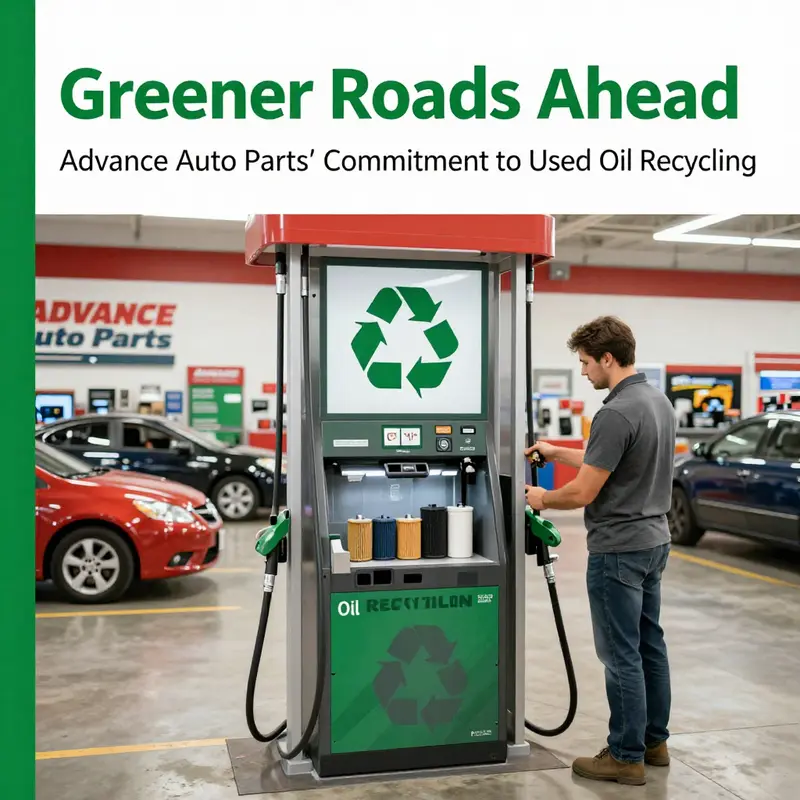
Advance Auto Parts has built a practical path for drivers who want to dispose of used motor oil responsibly. Many locations accept used motor oil and oil filters, and they handle collection in partnership with licensed recyclers. This chapter explains what that service looks like for a typical customer, what to expect at store level, and why using these drop-off points matters for local communities and the environment.
At the store, oil recycling begins with clear guidelines. Participating locations generally ask customers to bring used motor oil in sealed containers. These containers should be clean of non-oil contaminants and must not be mixed with other liquids. Drained oil filters are often accepted too, provided they have been allowed to drain according to local requirements. Stores will typically post or provide details on accepted materials, quantity limits, and hours for drop-off. Because not every outlet participates, checking with the specific location before making the trip avoids surprises.
The practical steps are straightforward and sensible. After changing oil at home, allow the oil to cool to a safe temperature. Transfer it into a sturdy, leak-proof container with a tight lid. Clear plastic or metal containers with screw tops work well. Label the container if its origin or content might be unclear, and keep the container upright during transport. For filters, let them drain for a few hours into a pan, then store them in a sealed bag or container. When you arrive at the participating store, a designated drop-off area or employee will tell you the next steps. Staff may accept the materials directly or direct you to a clearly marked receptacle. Some stores keep separate receptacles for oil and filters to make later processing easier.
Advance Auto Parts works with licensed recyclers and waste service providers to move collected materials through formal recycling channels. After drop-off, the store consolidates used oil and filters on site until scheduled pickup. A licensed hauler then transports the waste to a permitted facility. At the recycling facility, used motor oil undergoes processing that removes contaminants and separates by-products. Re-refining turns used oil into base oil suitable for lubricants again. In other processes, used motor oil can be reprocessed into fuel or blended into asphalt and road products. Filters are typically crushed or processed to remove residual oil, and the metal components are recovered for scrap recycling.
This chain of custody matters because used motor oil is a hazardous waste if mishandled. One gallon of spilled oil can contaminate thousands of gallons of groundwater. Proper collection and processing help prevent such pollution. Retailer-based programs reduce the likelihood of improper disposal down storm drains, onto soil, or into municipal waste streams. They also reduce the need for virgin crude oil inputs when re-refining takes place. Re-refining used oil saves significant energy compared with refining crude oil into similar lubricant base stocks.
There are limits and rules to observe. Participating locations may cap the volume they accept from individuals. This is often a practical response to storage limits and local regulations. Large commercial generators must follow different rules and typically use contracted waste handlers. Similarly, not every type of fluid will be accepted. Some stores strictly take motor oil and oil filters. Others accept automatic transmission fluid, gear oil, or small amounts of other automotive fluids. It is important to verify accepted materials with the specific store before drop-off. Mixing oil with water, antifreeze, paint, or solvents can render the whole batch unrecyclable and unsafe to handle.
Customers should also be aware of simple safety practices. Always store used oil in secure, labeled containers. Avoid using drainable cardboard or weak plastic where leaks could occur. Keep oil containers away from open flames, heat sources, and children. If a spill happens during transfer or transport, clean it up immediately with absorbent materials, and dispose of those materials according to local hazardous waste directions. When bringing used oil to a store, place containers in the trunk or a stable area to prevent tipping. If filters are messy, contain them in a sealed bag. These small precautions reduce the risk of exposure and make the recycling process smoother for store employees.
Beyond the immediate environmental benefits, retailer-run recycling programs provide practical community advantages. They increase convenience for do-it-yourselfers who prefer to change their own oil. A network of nearby drop-off points reduces travel time and encourages responsible behavior. These programs also help build awareness. When a driver sees a designated drop-off location, they are more likely to follow through with proper disposal. Retail recycling efforts can be part of broader municipal and state waste-stream strategies, complementing community hazardous waste collection events and municipal drop-off programs.
For the company running the program, there are corporate and compliance incentives. Retailer-supported recycling helps fulfill environmental responsibility commitments. It can reduce the company’s own waste stream and lower liability by ensuring used oil does not accumulate unsafely in store bins or on site. Working with licensed recyclers ensures regulatory compliance. Recyclers provide manifesting, tracking, and documentation required under many state and federal hazardous waste rules. This documentation shows the materials were managed properly from collection to final processing. When customers participate, they help close the loop by returning oil that can be reprocessed into new industrial feedstocks.
Local regulations can shape how the program operates. State and local governments often regulate used oil more strictly than other wastes. Rules can cover storage, labeling, transport, and the permitted destinations for used oil. Some jurisdictions require a minimum set of precautions for retailers accepting used oil. Others may limit the quantities that can be stored on site without special permits. That is why participating stores keep their policies visible and why customers are encouraged to contact the store directly. What is accepted in one county may differ in the next. Calling ahead ensures compliance with local rules and avoids inadvertently transporting non-accepted fluids.
From a materials science perspective, recycled motor oil remains valuable. Re-refining separates contaminants and additives from base oil molecules. Modern re-refining technologies can restore used oil to near-new specifications. The output becomes a base stock used by lubricant blenders. Where re-refining is not feasible, used oil often serves as a fuel for industrial burners. Properly processed used oil can substitute for heavier petroleum-derived fuel oils in many industrial processes. In some asphalt manufacturing processes, used oil is blended into asphalt cement to modify performance properties. Recovering metal from filters also contributes to resource conservation and reduces the demand for virgin metal mining.
Community engagement and transparency strengthen these programs. Stores that provide clear instructions and signage reduce confusion. Some participating outlets post the hours for oil drop-off and list quantity limits publicly. This approach saves time for customers and reduces improper drop-offs. Educational materials supplied by retailers can show how used oil is processed and why it matters. When drivers understand the final destination of their returned oil, they feel more confident about contributing to a circular economy.
There are practical differences between store-based programs and alternative disposal options. Many municipalities host household hazardous waste collection days. These events accept a wider range of materials and often handle larger quantities. Local transfer stations might accept used oil and filters as well. Independent recycling centers also operate in many regions. Compared with those options, participating retail stores can be more convenient for routine, small-volume disposals. But for bulk or commercial volumes, the alternatives may be more suitable and may offer pickup services tailored to businesses.
A few common questions arise among drivers. One is whether the oil must be in the original container. The short answer is no. A secure, clearly labeled replacement container is acceptable. The key is that the container must not leak and must remain closed during transport. Another frequent question is whether a small amount of cooling water from an engine wash invalidates the oil. Even minor contamination can complicate recycling. Any evidence of water in oil may lead a recycler to reject the material. It is best to avoid washing oil into containers and to keep used oil free of water.
Timing matters, too. Some stores schedule pickups on regular cycles. If a store is nearing its storage limit, it may temporarily pause acceptance. Seasonal events, store deliveries, and local rules can affect availability. Calling ahead ensures that your drop-off will be accepted. Many stores also have limited staff for handling hazardous materials. Following posted procedures reduces the burden on employees and keeps the service running reliably.
Using store-based recycling programs also has an educational ripple effect. New drivers, hobbyists, and experienced DIYers see the process in practice. They learn how to prepare materials for recycling and how to package filters. This knowledge spreads informally through communities and online forums, improving overall environmental practices. Retail programs can act as hubs for environmental best practices, because the point-of-sale or drop-off experience is often someone’s first encounter with regulated waste management.
There are some realities to accept. Not all locations will accept every fluid. Some rural stores may lack the infrastructure to participate. Others may only accept materials from residential customers. The best practice is to verify participation and limitations before disposal. If a store cannot accept your used oil, municipal programs or dedicated recycling centers are the next best options. They can handle broader waste types and larger volumes.
Finally, proper oil recycling is not merely a matter of convenience. It is part of a pragmatic approach to resource stewardship. Recovering and reusing oil and metal reduces extraction pressures on natural resources. It also reduces pollution risks to soil and water. Retailer-based programs provide accessible, local solutions that fit daily life. They make responsible disposal the easier choice for many vehicle owners. To confirm whether a nearby store accepts used oil and to learn the specifics of their program, check the official oil recycling information available from the retailer.
For details about store participation and program specifics, see the retailer’s official Oil Recycling Program page: https://www.advanceautoparts.com/oil-recycling-program
Turning Used Oil into a Cleaner Drive: The Environmental Impact of Recycling at a National Auto Parts Retailer
In the broad landscape of automotive care, a simple act often goes unnoticed: disposing of used motor oil in a responsible, recycled form. Yet that small moment—pulling into a familiar retail storefront, unfurling a bottle, and handing it to a courteous associate—carries outsized environmental weight. The chapter unfolds not as a litany of regulations, but as a narrative about everyday stewardship. It reveals how a national auto parts retailer, by embracing a comprehensive used oil recycling program, helps keep soils and waterways free from hazardous contamination, strengthens the circular economy, and models a practical pathway for countless car owners to participate in sustainability with minimal friction. The core idea is straightforward: keep the waste out of landfills and waterways, and reuse the value embedded in used oil to create new lubricants or energy sources. When a retailer makes this easy, the action becomes part of routine maintenance rather than an additional chore. The result is a chain reaction that begins at the curb and ends in re-refined oil and responsibly recycled materials.
To understand the impact, it helps to map the journey of used oil through the lens of a nationwide storefront network. Customers arrive with used motor oil and, often, accompanying filters. In many locations, the program is offered free of charge, a deliberate choice to remove barriers to participation and to emphasize environmental accountability as a standard service. That infrastructure—convenience, accessibility, and clear guidance from store staff—transforms a potentially hazardous waste stream into a resource stream. It is not merely a drop-off point; it is a point of interception where hazardous waste is diverted away from landfills, soil, and waterways. The physical act of handing over a container is synchronized with an intelligent downstream process. Collected oil travels through a regulated chain of custody, handled by trained staff and certified recyclers who ensure proper containment, labeling, and transport. The objective is to preserve the integrity of the oil, prevent leaks, and maintain a clean handoff from consumer to recycler.
The environmental rationale for such programs rests on well-established science and policy. Used motor oil, unlike many other automotive fluids, is a potent pollutant if mishandled. It can contaminate soil and groundwater, harming ecosystems and creating long-term environmental and public health concerns. By keeping this material out of landfills and drainage systems, the recycling program reduces the risk of soil contamination and waterway pollution. But the story doesn’t stop there. Reclaiming used oil through recycling processes enables the material to re-enter the economy in a refined form. Re-refining used oil into new lubricants conserves crude oil resources, lowers energy consumption, and reduces the greenhouse gas emissions associated with producing virgin oil. In other words, the act of recycling is a strategic leverage point—one that turns a waste product into a sustainable input for future vehicle maintenance.
From an organizational perspective, the retailer frames the initiative as part of its broader commitment to environmental stewardship. The sustainability pages and environmental policies outline governance structures, partner relationships, and performance metrics designed to ensure accountability. The program’s reach is nationwide, spanning stores across diverse urban and rural landscapes. In each location, store teams act as the first line of defense against improper disposal. They provide practical guidance about what can be recycled, how to prepare containers for drop-off, and how the collected material is transported to certified recyclers. This human element—trained staff offering clear instructions and answering questions—makes the policy tangible. It invites customers to participate with confidence, reinforcing the sense that responsible disposal is both achievable and meaningful.
The downstream lifecycle of the collected oil is a thread that connects local actions to global outcomes. The recycled material is processed by certified recyclers who specialize in safely handling automotive fluids. The recycling process typically involves separating impurities, removing contaminants, and preparing the oil for refinement. Re-refining used oil can produce base oil suitable for new lubricants, thereby conserving crude oil and reducing dependence on newly extracted resources. In addition to the oil, related materials like filters and containers follow their own recycling streams, forming a broader system of material recovery. Each step is subject to environmental regulations, quality controls, and traceability requirements that protect both the environment and the consumer. The outcome is a looped supply chain where what was once waste becomes a resource, re-entering the economy with a clearer environmental footprint.
A key dimension of this narrative is the quantified impact. The sustainability reporting and environmental policies associated with the program indicate that thousands of gallons of waste oil are diverted from disposal each year. Those numbers—though still evolving as markets and policies shift—reflect a meaningful reduction in the overall waste burden. The exact figures vary by year and by location, yet the trend speaks to a consistent, scalable impact: a nationwide retailer can mobilize a broad and recurring flow of material that would otherwise pose environmental challenges. Of course, this is not a solitary effort. The effectiveness depends on partnerships with certified recyclers who adhere to stringent standards and on the consumer’s willingness to participate. When both sides commit—retailer to streamline access and consumer to practice responsible disposal—the system works as designed.
Beyond diversion rates, the environmental benefits extend to emissions and energy efficiency. Recycling oil requires less energy than producing new base oil from crude. Fewer emissions, lower energy consumption, and reduced tailpipe footprints are outcomes that align with global climate goals and local air quality improvements. Moreover, the initiative supports a circular economy in the automotive sector. Instead of a linear path where used oil becomes waste, it becomes a feedstock for ongoing use. This approach recognizes that materials carry value even after their initial life cycle ends. It also cultivates a culture of reuse and responsibility among drivers who may not previously view used oil as part of a larger system, but rather as a disposal problem. When customers recognize the connection between a responsible drop-off and a measurable environmental benefit, they are more likely to continue participating and to influence others to do the same.
The narrative would be incomplete without acknowledging the operational realities that accompany a program of this scale. A nationwide network must harmonize customer convenience with environmental compliance. This balancing act includes staff training, clear signage, standardized procedures for container handling, and robust record-keeping to ensure that collected material is properly documented and tracked. The engagement with certified recyclers is a cornerstone. By partnering with recyclers who meet established environmental and safety standards, the retailer helps ensure that collected oil does not escape the control of responsible professionals. This partnering is more than a procedural step; it is a statement about what the retailer values and how it translates policy into practice on the ground. It also helps to reassure customers that their contributions are not merely symbolic but are integrated into a responsible, compliant supply chain.
An essential aspect of the chapter is the consumer experience. Many customers are drawn to the program not by abstract sustainability arguments but by convenience, clarity, and trust. A customer-friendly process lowers friction: a dedicated drop-off point, friendly guidance from staff, and transparent messaging about what is being recycled and why it matters. The convenience factor matters because environmental action is most effective when it sits alongside everyday routines. If dropping off used oil required special scheduling, moves to a distant site, or complex paperwork, participation would likely decline. Instead, the program’s design embeds recycling into a routine maintenance activity—an implied promise that responsible disposal is as normal as purchasing motor oil or changing a filter. The practical design removes barriers and invites ongoing participation, which compounds the environmental benefits over time.
For readers seeking a fuller understanding of the program’s governance and performance, the retailer’s sustainability resources offer a window into long-term strategy. These documents describe the approach to setting targets, monitoring progress, and reporting results. They also emphasize the ethical responsibility the company bears as a large stakeholder in the automotive ecosystem. The message is not merely about compliance, but about leadership: a publicly visible commitment to reduce environmental impact through everyday operations. This leadership is important because it normalizes sustainable practice across the industry. When a major retailer demonstrates that environmental stewardship can coexist with strong customer service, it provides a replicable blueprint for others in the supply chain to adopt similar approaches.
There is also room to imagine how the program could evolve. One avenue is deeper consumer education that helps drivers understand how used oil fits into a broader sustainability narrative. Another is expanding the network of drop-off locations in regions with historically higher barriers to recycling, ensuring that rural communities share in the benefits as readily as urban neighborhoods. A third area is exploring technology-enabled tracking that provides customers with feedback about the volume of material diverted and the downstream outcomes. Such enhancements would not only strengthen accountability but also deepen the sense of participation. If customers could see tangible indicators—a running total of gallons recycled or the estimated emissions saved—it would turn an individual action into part of a larger collective achievement. While these ideas remain aspirational to some extent, they point to a path where the operational engine of recycling becomes more transparent and more inspiring.
The story, ultimately, is about trust and practicality. The retailer’s use of a nationwide network to support safe disposal demonstrates how scale can be harnessed for environmental good. It shows that environmental stewardship can be embedded in the routine experience of car ownership, rather than requiring separate trips, special events, or new habits that feel burdensome. For the reader, the core takeaway is that responsible disposal is not an optional add-on but an integral part of the automotive maintenance ecosystem. The environment benefits from the diverted oil, the energy system benefits from reduced refining demands, and drivers benefit from a straightforward, trustworthy way to contribute to a cleaner, safer road environment. As with any large-scale program, success rests on continuous attention to safety, compliance, and stakeholder engagement. When these elements converge, the impact multiplies—genuinely turning used oil into a cleaner drive for all.
In a broader sense, the chapter underscores a fundamental truth about consumer-facing sustainability: the everyday choices we make behind the wheel are powerful when they are easy to adopt and clearly connected to meaningful outcomes. That is precisely the design logic behind the retailer’s used oil recycling effort. It signals to customers that environmental responsibility is not an abstract ideal but a daily practice that starts at the curb and ends in responsible treatment by certified recyclers. It is a practical example of how a large retail network can align business operations with environmental goals, creating value not just for shareholders, but for communities, workers, and future generations who will inherit the roads we keep clean and the resources we preserve.
As this chapter closes, the enduring impression is straightforward: when used oil is kept out of landfills and waterways, and when recovered oil is returned to productive use, every mile driven carries a little less environmental cost. The journey from drop-off to re-refining is a tangible demonstration that responsible consumption and responsible waste management can reinforce one another. It is a reminder that everyday acts, when supported by a system designed for accessibility and accountability, can deliver real, measurable environmental dividends. The path forward is not a single policy change but a continuing commitment to process, partnership, and participation—an ongoing invitation for drivers to turn a routine maintenance task into a meaningful contribution to the health of the planet. For readers, the takeaway is clear: reclaiming used oil is not only good policy; it is good practice that empowers individuals to protect soils, waterways, and the energy reserves of tomorrow. And in this simple act lies a compelling example of how a retail network can drive environmental progress through everyday engagement.
External resource: For a detailed overview of the retailer’s environmental initiatives and sustainability metrics, see the Sustainability Page. https://www.advanceautoparts.com/sustainability
Steering Toward a Cleaner Community: How a National Auto Parts Retailer Expands Oil Recycling Education and Practice
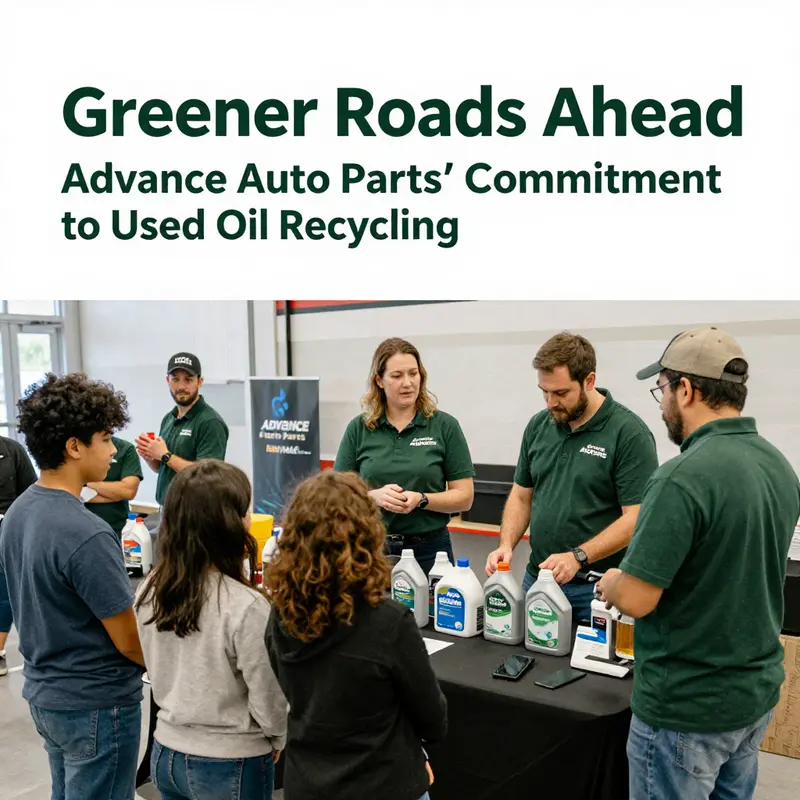
Oil is a core part of modern life, powering engines and keeping vehicles moving. Yet the waste stream that results when oil is used has the potential to cause harm if it is not handled properly. Heavy metals, hydrocarbons, and other contaminants in used oil can migrate into soil, groundwater, and waterways, threatening ecosystems and public health. In this context, a national auto parts retailer has pursued a strategy that blends accessible disposal options with ongoing education. The aim is not merely to provide a service, but to cultivate a culture of environmental responsibility in communities that extend far beyond the checkout counter. This approach recognizes that effective recycling is as much about changing everyday habits as it is about providing a physical drop-off point. When a customer drops off used motor oil and filters, they are participating in a system that treats waste as a resource to be recovered rather than as a nuisance to be managed at arm’s length. The retailer’s effort to make oil recycling free at many stores lowers one of the most persistent barriers to participation: cost. It removes a friction point that can deter people from acting responsibly in the moment they realize their oil needs disposal. By removing price as a hurdle, the program invites a broader cross-section of customers to engage in proper disposal, which in turn supports healthier local environments and more efficient recycling infrastructure over time. In this sense, the initiative serves as a practical civic function, turning everyday car maintenance into a moment of environmental stewardship that resonates in households, schools, and neighborhood associations alike.
What makes the retailer’s model distinctive is the combination of convenience, education, and transparency. The program operates on a simple promise: drop off your used oil and filters at participating stores, and the materials will be processed through an appropriate recycling channel. The simplicity is intentional. People often know that used oil is hazardous, but they may not know where to take it or how to handle it safely. By providing a clearly marked, no-cost option at familiar retail locations, the retailer lowers the cognitive and logistical barriers that otherwise keep households and small businesses from acting. This is not merely about compliance with environmental regulations; it is about creating predictable, reliable systems that people can trust. The trust, in turn, helps communities move from sporadic, ad-hoc recycling to regular participation, which amplifies the environmental benefits of the program.
The practical mechanics of the program are guided by established safety and environmental standards. In-store staff play a crucial role as stewards who can answer questions, guide customers through the drop-off process, and ensure that the materials are collected in ways that minimize risk and maximize recyclability. The materials accepted typically include used motor oil and oil filters, with clear instructions about containment, labeling, and transportation to appropriate facilities. While the exact makeup of accepted items can vary by location and local regulation, the overarching principle remains consistent: keep the waste stream separate from other refuse, prevent spills, and maintain records that demonstrate the chain of custody from the customer to the recycling facility. The importance of these steps cannot be overstated. When oil is recycled correctly, it can be re-refined into base oils, blended into lubricants, or used as a feedstock for other products. Each of these outcomes preserves resources, reduces dependence on virgin petroleum, and minimizes the energy required to manufacture new lubricants. The cumulative effect across thousands of interactions is substantial, translating to cleaner environments and more resilient waste management systems in communities nationwide.
Education is the thread that ties the drop-off experience to a larger social purpose. The retailer’s approach treats the act of recycling as part of a broader educational mission rather than a one-off transaction. In-store signage, educational pamphlets, and face-to-face conversations with staff are all deployed to convey why oil recycling matters beyond individual convenience. The message emphasizes that used oil left inappropriately disposed containers can leak into soil and water and that proper recycling prevents pollution and protects public health. This educational emphasis is reinforced by outreach that extends into schools, community centers, and local groups, where volunteers and employees collaboratively discuss the lifecycle of used oil, the importance of proper disposal, and the ways communities can improve waste management outcomes. When people understand the consequences of their choices, a simple drop-off becomes a meaningful civic act, a contribution to local environmental goals, and a small step toward a more sustainable regional economy.
A critical component of this educational work is the emphasis on process transparency. Communities are more willing to support and participate in environmental initiatives when they can see how the system works from end to end. The retailer’s model recognizes this by making information about handling, storage, and recycling pathways readily accessible. Customers learn not only where to drop off their used materials but also how those materials are processed, what outputs are produced, and how those outputs may be reused. This transparency fosters a sense of shared responsibility. It invites customers to compare the oil recycling process with other environmentally responsible practices they may already perform, such as recycling glass or paper. The parallels are instructive; like those other streams, used oil has value when it is kept separate from other waste streams and routed through designated facilities equipped to handle hazardous materials. The educational narrative thus helps customers connect their everyday car maintenance choices with broader environmental outcomes, transforming a routine task into a valued civic practice.
Integral to this educational effort is the use of digital tools that help bridge households and local recycling infrastructure. An online platform that helps customers locate nearby centers for disposal of used motor oil and related materials can dramatically increase participation. The platform serves as a virtual guide that demystifies the logistics of recycling. It reduces the effort required to find a drop-off point, clarifies hours and accepted materials, and often provides directions that accommodate busy schedules. In many communities, the combination of a convenient physical drop-off and an accessible digital resource creates a synergistic effect. Curious residents who might not otherwise engage with recycling learn where to go and when, then have a positive experience at the point of disposal that reinforces the habit for future needs. The education embedded in this model is ongoing and adaptive. As local regulations change or as new facilities come online, the communication strategy can be updated to reflect new realities, ensuring that the community remains informed and empowered to participate.
The geographic scale of the initiative matters as well. A national retailer can standardize certain practices across stores while still tailoring outreach to local contexts. National guidelines help ensure that every store adheres to consistent safety protocols, clear signage, and reliable record-keeping. Yet local partnerships and community programs can adapt to the peculiarities of each region: the weather patterns that affect storage and transport, the presence of nearby recycling centers, and the specific concerns of local water and soil protectors. This balance between standardization and local customization helps maximize the public good. It means that even as customers travel from one city to another, they encounter a familiar, dependable system for disposing used oil, which reduces confusion and increases trust. Over time, this consistency reinforces the social norms around responsible disposal, gradually shifting expectations about what is considered proper stewardship in everyday life.
Another dimension of the program’s educational reach is its potential to inspire action beyond the oil itself. When people engage with a transparent recycling process, they often become more curious about other hazardous materials associated with vehicle maintenance. They may seek information about coolant disposal or the handling of car batteries, or they may become advocates for stronger local recycling programs in their own neighborhoods. In this way, the oil recycling initiative acts as a gateway to broader environmental literacy. The retailer’s educational outreach can spark conversations in local clubs, classrooms, and family gatherings about waste streams, resource lifecycles, and the connection between personal choices and community resilience. The chain, by providing both the service and the learning environment, situates itself as a trusted partner in this extended educational ecosystem rather than a mere point of sale.
The social and environmental benefits of education through disposal are complemented by measurable outcomes. Stores track volumes of oil recycled, the number of customers engaged through educational materials, and the diversity of community groups participating in outreach events. While the specifics of these metrics may vary by location, the underlying principle remains constant: transparency about outcomes builds public confidence and fuels continued participation. Communities can observe progress over time, see how their own actions contribute to larger environmental goals, and recognize the tangible difference that responsible disposal can make. The data-driven aspect of the program demonstrates accountability, which is essential for sustaining public trust and regulatory support. In turn, this trust feeds back into the educational effort; people who believe in the integrity of the program are more likely to engage with its messages and spread the word within their networks.
Looking ahead, the education and outreach strategy can expand in several directions without losing its core focus. First, partnerships with local schools and youth organizations can embed oil recycling topics into science curricula and service projects. This approach would cultivate environmental awareness from a young age and help normalize sustainable practices as part of daily life. Second, collaborations with community leaders and environmental non-profits can widen the program’s reach, ensuring that diverse neighborhoods benefit from accessible disposal options and culturally resonant education. Third, enhancements to the digital platform can incorporate interactive tools that simulate the lifecycle of used oil, from disposal to re-refining, to help users visualize the impact of their actions. Such features can deepen comprehension and heighten motivation to participate consistently. Finally, integrating the disposal program with broader municipal waste management initiatives can strengthen alignment between retailer efforts and city or county sustainability plans, creating a more coherent and comprehensive approach to hazardous waste management in the region.
The chapter’s discussion circles back to a simple, enduring truth: effective oil recycling is as much about people as it is about processes. A retailer that is accessible, transparent, and engaging positions itself as a catalyst for civic responsibility. By reducing barriers to action, by educating with clarity and empathy, and by connecting individual behavior to community health and resource stewardship, the program contributes to a healthier environment and a more informed citizenry. In this sense, the retailer’s oil recycling initiative transcends its immediate transaction. It becomes a channel for learning, a bridge between home garages and local ecosystems, and a model for other sectors seeking to turn waste management into an everyday act of stewardship. The result is not only cleaner water and soil but also a more confident public that understands how to participate in sustainable systems and why that participation matters for future generations. The story of oil recycling, when told through the lens of community engagement, reveals a practical pathway for translating environmental ideals into daily life—one drop-off at a time.
For readers seeking a direct route to participate, the program offers a straightforward path: visit a participating store, bring your used motor oil and filters, and hand them over to trained staff who will guide you through the process. The emphasis remains on safety, accessibility, and clear communication, ensuring that disposal is not a burdensome chore but a reliable, positive contribution to the local environment. In every community where this approach has taken root, residents gain confidence in the system, and the local landscape begins to reflect that confidence in tangible ways. With continued attention to education, transparent reporting, and ongoing collaboration with community partners, the oil recycling initiative can expand its reach while maintaining the personal, service-driven touch that makes it trustworthy and effective. The ripple effects extend beyond the immediate act of disposal, shaping habits and expectations that will contribute to a cleaner, healthier environment for years to come.
In sum, the chapter on community engagement and education around oil recycling illustrates how a retail model may be more than a place to buy parts. It can become a platform for environmental literacy, a facilitator of practical responsibility, and a partner in local sustainability efforts. By combining free, accessible disposal, thoughtful staff guidance, and scalable educational content, this approach addresses both the practical and the moral dimensions of waste management. The result is a multisided value proposition: customers benefit from a straightforward disposal option, communities benefit from reduced pollution and increased recycling rates, and the broader environment benefits from a more robust and conscientious recycling infrastructure. This comprehensive, people-centered approach serves as a compelling blueprint for how retailers can contribute meaningfully to environmental stewardship while maintaining a durable, customer-focused business model. The chapter thus points toward a future in which everyday car maintenance becomes a catalyst for learning, collaboration, and shared responsibility for the places we call home.
External resource for further information: For more information about the program and to locate nearby recycling facilities, visit the official program page at https://www.advanceautoparts.com/recyclesearch.
Final thoughts
Advance Auto Parts plays a pivotal role in both the automotive industry and environmental conservation through its used oil recycling services. Business owners can benefit from a partnership with such an environmentally responsible company, aligning their practices with sustainability goals. As we have explored in this article, the recycling services not only mitigate environmental harm but also promote community engagement and education. By supporting these initiatives, you can contribute to a healthier planet while enhancing your company’s reputation among environmentally conscious consumers.