
Recycling auto parts is not only a responsible choice for businesses but an opportunity for potential profit and sustainability. As global environmental regulations tighten and consumer awareness increases, business owners must understand the optimal channels for recycling auto parts. This article breaks down the landscape of auto parts recycling through specialized recycling companies, offline markets, online platforms, legal considerations, and best safety practices. Each chapter is designed to ensure business owners can make informed decisions that enhance both their operational efficiency and environmental responsibility.
Where to Recycle Auto Parts: How Specialized Recyclers Turn End-of-Life Components into Resources
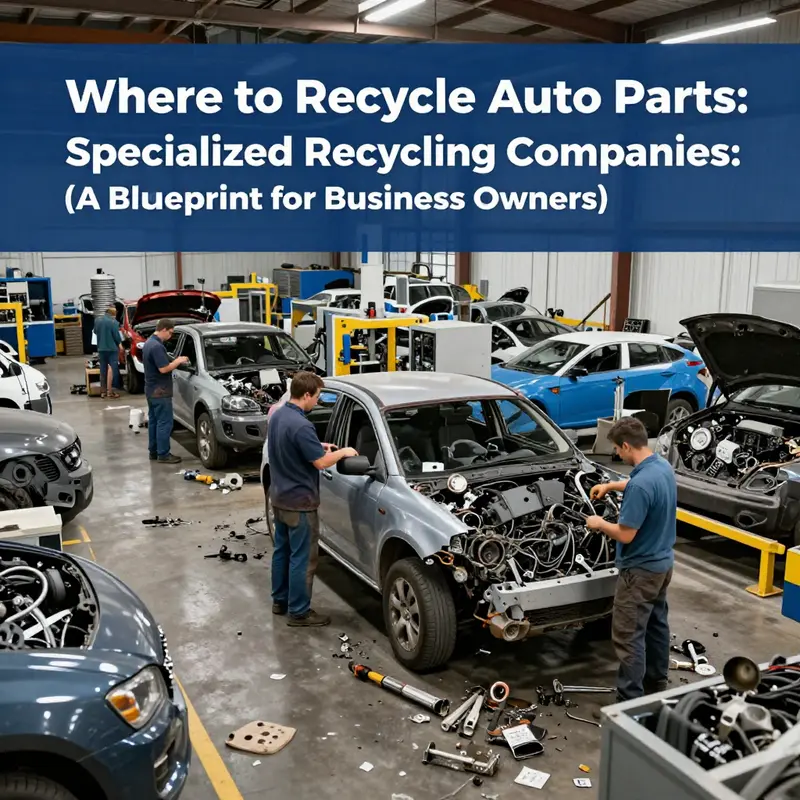
When it comes to recycling auto parts, specialized recycling companies—often called professional recyclers—stand as the most reliable and environmentally responsible option. These facilities are built to handle a wide range of automotive materials safely and efficiently, ensuring that valuable resources are recovered and hazardous substances are managed properly. They operate with a clear aim: reduce landfill waste while reclaiming usable materials for new life in the supply chain. In this context, choosing the right recycler becomes not just a matter of convenience, but a decision that affects the health of local ecosystems, the integrity of the industry, and the financial value of the parts you hand over.
A central principle of professional recycling is that it is possible to recover a broad spectrum of materials from a single vehicle without compromising safety. Engines and transmissions, tires and batteries, metal frames, and a variety of plastics and fluids all pass through disciplined sorting streams. Advanced processing lines separate metals such as steel, aluminum, and copper from plastics and residuals, and they channel fluids like used oil and coolant into proper recycling loops. This level of separation is essential. It reduces contamination, preserves material quality, and enables reuse with minimal environmental impact. By design, professional recyclers create opportunities to reintroduce valuable components into the market, not as waste but as building blocks for new products and repairs.
The industry recognizes the importance of standards. A national trade association in auto recycling maintains a directory of certified members who adhere to strict environmental and safety practices. The locator tool they provide helps buyers, suppliers, and municipalities locate reputable local recyclers with confidence. The aim is not merely to transfer a part from one pile to another; it is to ensure that every step—from intake to final material recovery—is documented, traceable, and auditable. This level of accountability differentiates licensed, professional recyclers from informal dismantling operations and underscores the legitimacy of recycling as a responsible sector. By using a certified recycler, you support practices that comply with environmental regulations and help protect communities from improper disposal.
One of the most significant advantages of turning to a professional recycler is the broad range of components that these facilities can handle. They are equipped to process engines, transmissions, batteries, tires, and metal frames, among other items. This comprehensive capability matters because it means more parts are evaluated for potential reuse, and more materials are recovered for recycling rather than being discarded. In the case of high-value items, such as catalytic converters and certain high-grade metals, the value is real and substantial. A properly documented part can fetch strong prices on the resale market, reflecting both its material content and its potential for reuse. The key is strict handling and documentation, which protects both the seller and the buyer by ensuring provenance and compliance with regulations.
Safety is another pillar of professional recycling. Vehicles contain hazardous substances under normal operating conditions, and some components pose significant risks if mishandled. airbags, high-voltage batteries, refrigerants from air conditioning systems, and used motor oil all require specialized handling. DIY dismantling or untrained disposal can lead to accidents, fires, or the release of toxic substances. Licensed recyclers have trained staff, proper protective equipment, and established procedures to manage these risks. They also have containment systems for fluids and filtration systems for oils and coolants, ensuring that environmental contamination is minimized and that workers remain safe throughout the process. This professional approach aligns with broader environmental stewardship and community health goals, illustrating how recycling can be both economically viable and socially responsible.
The economic dimension of professional recycling is often overlooked in casual conversations, but it is essential to understanding why this path matters. Recyclers separate and recover metals such as steel, aluminum, and copper, which can be reintegrated into manufacturing streams. Plastics extracted from interiors and exteriors find new life in countless products, reducing the demand for virgin materials. This closed-loop dynamic supports a circular economy in the automotive sector, where a car’s parts can continue to perform useful work even after its primary service life has ended. The value chain here is not a single transaction; it is an ongoing ecosystem in which each participant—from the vehicle owner to the dismantler to the end-user of the recovered materials—benefits in proportion to the efficiency and integrity of the process.
A practical path to engaging with professional recyclers begins with awareness and verification. Even when a company claims to provide green services, verification matters. The best practice is to work with a recycler that is licensed and that follows recognized environmental and safety standards. Certification provides a signal of reliability, giving buyers confidence that the parts they obtain will meet quality expectations and that the recycling workflow complies with applicable laws. This is important for both individuals and businesses that rely on reclaimed parts for repairs or resale. The assurance that a recycler can demonstrate compliance reduces the risk of fines, contamination, or substandard performance in the parts market.
Another often-underappreciated benefit of professional recyclers is convenience. Many facilities offer door-to-door pickup or arranged drop-off points, which can simplify the process of turning end-of-life vehicles or unwanted components into real value. This service is especially helpful for fleets that accumulate parts from routine maintenance or for households that want to responsibly manage a vehicle’s remnants without dealing with the logistical complexities of storage and transport. The combination of convenience, compliance, and accountability makes professional recycling a compelling option for those who want to do right by their environment while preserving financial value.
To a vehicle owner or business contemplating disposal, the choice of recycler shapes the experience from start to finish. A well-run operation will begin with a straightforward intake assessment, often supported by digital or documented records that identify the parts’ condition, provenance, and potential reuse pathways. In many cases, parts that cannot be reused in their original form are redirected to material streams where they can be reprocessed into new feedstocks. This continuous flow is what keeps the recycling cycle robust and resilient, ensuring that precious resources do not vanish into landfills. It is also what makes professional recyclers valuable as partners in the sustainability narrative of the automotive world. When parts are processed correctly, their environmental footprint shrinks, and their economic value can be realized again in ways that support both repair culture and manufacturing innovation.
For readers who want to take an informed step, a starting point is to consult the directory of certified recyclers maintained by a national industry association. While the landscape includes a range of operators—from small independent shops to larger processing centers—the shared commitment is to environmental stewardship, worker safety, and transparent practices. The locator tool is designed to help you identify reputable options close to your location, enabling you to compare services, certifications, and pricing with greater confidence. This approach keeps the focus on lawful, ethical, and responsible recycling while ensuring you benefit from the best possible outcomes for your components and your community.
In sum, specialized recycling companies bring together expertise, compliance, and practical value in a way that few other pathways can rival. They are equipped to handle the full spectrum of automotive materials, apply rigorous separation and processing techniques, and recover metals, plastics, and fluids in environmentally responsible ways. They also deliver peace of mind by supporting safety, regulatory compliance, and the long-term health of our ecosystems. If you are considering recycling auto parts, choosing a licensed, professional recycler is the cornerstone of a responsible, efficient, and economically meaningful path. It is through this disciplined, expert approach that end-of-life parts are transformed into resources, ensuring that the lifecycle of a vehicle contributes to broader sustainability goals rather than becoming a burden on the environment.
External resource: For a trusted starting point to locate certified recyclers, you can consult the industry-wide directory of certified recyclers at https://www.autorecycling.org/find-a-recycler.
Where to Recycle Auto Parts: The Real-World Trail Through Markets and Scrap Yards
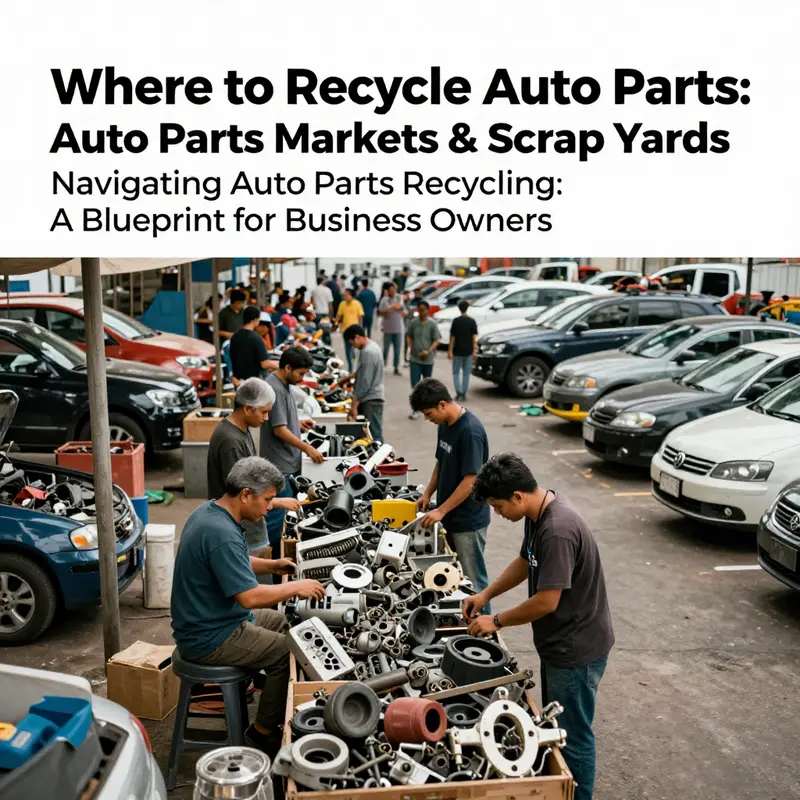
Recycling auto parts through offline, real-world channels offers a tangible, community-centered path to keeping vehicles out of landfills while keeping useful components circulating. The journey often starts at markets and scrap yards, places where vehicles arrive in pieces and either find a new life or contribute their materials back into the recycling stream. These sites welcome both damaged and used parts, and they frequently compensate sellers with cash or store credit on the spot. The immediacy of a face-to-face exchange, the chance to inspect items firsthand, and the opportunity to strike a deal with a local trader all contribute to why many do this in person, rather than relying solely on online listings. For professionals and hobbyists alike, offline routes can be faster and more predictable, especially when parts are needed quickly for a repair or a project. Mechanic shops and DIY enthusiasts often rely on these centers as reliable sources of reusable components, while simultaneously ensuring that anything unsalvageable is disposed of responsibly and in line with local environmental standards.
Auto parts markets and scrap yards function in a way that makes practical sense for recycling. At a typical market, you wander through aisles and stalls where buyers and sellers mingle. Parts are organized by category—engines, transmissions, body panels, electrical components, tires, rims, and more—so you can quickly assess compatibility and condition. Prices reflect a mix of factors: the part’s demand, its wear or damage, and whether it can be cleaned, tested, or repurposed for resale. In many places, the market environment is a micro-economy of reuse; a once-common part can fetch a modest sum, while a rare or high-demand component might attract multiple offers. The cash payout rewards informed negotiation and careful presentation of the part’s condition. For someone who wants to finance a new project or simply offset the costs of car ownership, this direct, in-person exchange can feel straightforward and fair.
Scrap yards and junkyards represent the backbone of the metal-recycling chain. They dismantle aged or totaled vehicles with an eye toward salvaging usable components and then processing the remainder for recycling. The operation is often more process-driven than a market stall, with a clear separation between salvageable parts and the metal that will be recycled. These facilities may feature dedicated sections for tires, batteries, fluids, and refrigerants, and they typically follow rigorous protocols to prevent leaks or uncontrolled emissions. Licensing and environmental compliance are more visible here, because the scale demands adherence to local and national regulations. The value of collectible or specialty items can be higher when a yard can match a buyer’s exact need—an engine part, a transmission, or a body panel in a specific color and condition. Yet even when parts don’t meet resale standards, the yard contributes to the circular economy by ensuring the metal and other materials are properly recovered and recycled.
Local repair shops and independent garages often act as a crucial bridge between the two worlds. These businesses buy back usable parts from customers or purchase reclaimed parts to stock their operations. They rely on established networks of yards and markets to source components that suit a particular vehicle’s make, model, and year. The advantage for the consumer is twofold: the chance to recover value from a part that would otherwise be tossed, and the possibility that a shop will install or resell the part in a controlled, warranty-friendly setting. This local ecosystem thrives on trust and familiarity. A shop owner who knows a yard’s inventory cycle or a market’s restocking pattern can anticipate common requests and keep a steady flow of affordable, compatible components available for customers who walk in with a need.
Preparing for an offline exchange can make the experience smoother and more profitable. Before you go, it helps to inventory what you have and to be precise about parts’ conditions. Remove fluids where possible, such as oil or coolant, and secure any components that could leak during transport. Label parts clearly with year, make, model, and any identifying numbers. If you can, bundle related pieces—like a set of rims, or a starter and alternator—from the same vehicle to increase the chance of a sale. Cleanliness matters too; parts that are free of excess grime and corrosion can fetch better offers and be easier for a buyer to evaluate. When dealing with items like catalytic converters, batteries, or high-voltage components, bring any manufacturer labels, part numbers, and documentation. These details can significantly impact resale value and help a buyer verify compatibility.
To illustrate the practical, hybrid nature of offline and online approaches, consider how a buyer might navigate between the two worlds. An offline market can provide immediate access to certain components, but an online listing may reveal a sought-after part that isn’t currently in stock locally. A seller can test the waters by visiting a market with a few likely candidates in hand, then cross-checking listings on a relevant platform to gauge market price and availability. In some cases, this cross-pollination is what makes the offline route so compelling. It offers the tactile certainty of a physical exchange while still benefiting from the broader reach of digital marketplaces. For readers curious about how a specific part might be described and valued in an online catalog, a representative listing in a dedicated product page can illustrate the language used by sellers and buyers alike. See a sample listing such as the hood for a Mitsubishi Evolution Evo-X, described and priced for online buyers at this page: 08-15-mitsubishi-lancer-evolution-evo-x-hood-phantom-black-oem-u02.
All of this takes place within a framework of practical, everyday regulations and safety practices. Legally, there are limits to what can be dismantled and sold, especially when it comes to major assemblies like the engine, transmission, or chassis. Dismantling or transferring these components typically requires authorization and adherence to licensing rules. Buyers and sellers should always work with licensed recyclers or established markets that operate within environmental and safety standards. The risk of illicit disposal is real, and the consequences extend beyond legal trouble; improper handling of fluids, refrigerants, or airbags poses genuine safety hazards for workers and the community. For anyone exploring offline routes, this underscores the value of partnering with reputable facilities that maintain documented procedures for testing, cleaning, and handling parts, as well as properly disposing of non-reusable materials.
Beyond legality and safety, there is also a broader environmental imperative. Reusing parts where feasible reduces the demand for new manufacturing resources and the energy required to produce new components. It slows the consumption cycle, lowers emissions, and minimizes waste. The environmental benefits are extended when the facilities adhere to strict fluid management, refrigerant recovery, and waste handling practices. Consumers who value responsible stewardship can, by choosing licensed recyclers or compliant markets, contribute to a circular economy that benefits both the road and the planet. In this way, the offline path to recycling auto parts becomes not just a practical choice but a principled one, aligning small-scale decisions with larger environmental outcomes.
For those who want a bridge between the offline and online worlds, online listings can supplement the offline journey. A person may visit a local market and later search for a compatible listing to confirm pricing or to locate an exact variant of a part that is not immediately available on the shop floor. This approach requires careful verification of the part’s compatibility with a specific vehicle, including model year, trim, and regional variations. It also means noting the part’s condition and any wear, testing, or refurbishment that may be necessary before reuse. In other words, the offline experience is enriched by online information, while the online marketplace gains credibility from the legitimacy of established offline channels. An example of this dynamic can be found in the online descriptions and inventory offered by dedicated parts shops, which often present high-value or performance-oriented components with clear specifications and compatibility notes. The integration of these channels helps builders, mechanics, and owners assemble a practical recycling plan that fits their schedules and budgets.
For researchers and policymakers, the offline ecosystem reveals how communities implement sustainable practices at a local scale. It demonstrates how the boundaries between consumer activity, repair culture, and environmental stewardship intersect in real time. It also highlights opportunities for improvement, such as standardizing intake and testing procedures at markets and yards, ensuring consistent fluid-handling practices, and increasing transparency around pricing and part history. The EPA provides a comprehensive framework for automotive recycling, outlining best practices for hazardous waste disposal and the safe handling of fluids and refrigerants. This guidance helps ensure that the local, hands-on work done in markets and yards translates into a broader, compliant, and environmentally responsible system. For readers seeking a broader federal perspective on automotive recycling and hazardous waste disposal, the EPA Automotive Recycling resource offers authoritative guidance and location-based tips. External resource: https://www.epa.gov/epawaste/hazard/tsd/autorecycling
In sum, the offline route to recycling auto parts—through markets, scrap yards, and local repair shops—offers a practical, community-minded path to reuse and responsible disposal. It combines the immediacy of cash and the assurance of in-person inspection with the reliability of established networks that value compliance and environmental stewardship. While online platforms extend the reach of buyers and sellers, the real energy of recycling often lives in the physical spaces where vehicles are broken down, parts are tested, and a diligent ecosystem of professionals ensures that every component finds its next purpose. If you are preparing to engage with these channels, approach with a clear list of what you need, stay within licensed facilities, and keep safety at the forefront. The local routes you explore can be both financially rewarding and environmentally meaningful, a small but important part of a larger circular economy for autos.
Online Marketplaces as Green Highways: How to Recycle Auto Parts Through Digital Platforms
Online marketplaces have emerged as indispensable conduits in the auto parts lifecycle, turning what once felt like a fragmented local scavenger hunt into a streamlined, data-driven flow. For anyone looking to recycle auto parts, the digital ecosystem offers efficiencies that traditional channels struggle to match. Rather than traveling from yard to yard or calling shop after shop, sellers and recyclers can connect through online platforms that aggregate inventories, verify part compatibility, and standardize the evaluation and recovery process. The result is a more transparent, faster, and often more financially rewarding path to recycling, with the added benefit of reducing waste and conserving resources in ways that protect the environment as much as they help balance the books.
At the heart of this transformation are three intertwined online pathways. First are specialized B2B platforms, which function as centralized marketplaces for original equipment manufacturer (OEM) parts, used or remanufactured components, and recovered materials. These communities are designed for professional operations—dismantlers, rebuilders, repair shops, and distributors—where the scale of transactions and the complexity of parts require robust catalogs, trust-building mechanisms, and standardized processes for testing, cleaning, and reselling usable components. The advantage of this route lies in its efficiency and reliability. Large catalogs enable buyers to search by model, year, and part number, reducing misfits and returns. Sellers, in turn, gain access to a broader, more consistent stream of buyers who understand the provenance and condition of the parts they’re purchasing.
Second, general e-commerce and classifieds platforms broaden access for individuals and small businesses. Platforms that host a mix of new, used, and remanufactured parts create a marketplace where wheels, catalytic converters, engines, and other components circulate beyond traditional repair shops or scrap yards. This democratization of the parts market can unlock value from items that might otherwise sit idle, converting surplus inventory into cash while still supporting reuse rather than disposal. The dynamic is especially compelling for parts with wide compatibility but varying availability, as buyers can compare options, check compatibility notes, and coordinate logistics with relative ease. Third, dedicated recycling and reuse networks specialize in circular economy practices within the automotive sector. These platforms tend to emphasize standardized evaluation and recovery workflows, quality control, and transparent tracking of parts from scrapped vehicles to ready-to-install components. They can shine in scenarios where safety, environmental compliance, and traceability matter—that is, when a consumer wants confidence that a component was properly assessed and will perform as expected in a vehicle.
The decision to use online platforms often hinges on the part in question and the seller’s objectives. For high-value items like catalytic converters, aluminum wheels, or immobilized electric motor units, the online route can unlock substantial value by reaching buyers who prioritize authenticity, documentation, and provenance. In such cases, keeping the original manufacturer’s label and accompanying paperwork can significantly influence resale outcomes, as buyers frequently seek verifiable history and compliance records. When the item is more common or lower in value, the convenience of an online marketplace can still deliver meaningful returns by connecting a seller to a broader audience of automotive enthusiasts, repair shops, or remanufacturing outfits willing to take a risk on slightly older models.
The online landscape does not exist in a vacuum. It sits alongside offline channels—licensed recyclers, auto parts markets, and local repair shops—that provide physical points of transfer, inspection, and pickup. The digital layer, however, enhances these traditional pathways by enabling more precise matching and faster fulfillment. A seller can begin by listing a catalog of parts on a B2B or consumer-facing platform, then leverage online filters to reach the most relevant buyers. The buyer, in turn, can vet listings, review seller feedback, and arrange shipping or pickup with clarity about condition, pricing, and lead times. This synergistic interaction helps maximize recovery value while maintaining the safety and environmental standards that govern the recycling industry.
Within this online fabric, one encounters several practical considerations that determine the quality of the recycling outcome. For any platform, trust is not merely a buzzword; it is built through verifiable documentation, reliable packaging, accurate descriptions, and transparent pricing. When dealing with high-value components, buyers may request serial numbers, refurbishment reports, or OEM compatibility mats to ensure the part will perform as intended when installed. Sellers should maintain meticulous records—labels, purchase receipts, and repair histories—to support claims about condition and origin. From a safety perspective, the digital route must also respect the boundaries of responsible handling. Hazardous materials, such as refrigerants in AC units or high-voltage battery packs from electric vehicles, require professional containment and disposal that no do-it-yourself approach can safely address. Platforms can help by clearly communicating handling requirements, offering guidelines for safe packaging, and directing sellers to licensed recyclers when needed.
The online ecosystem also fosters environmental accountability through standardized workflows that track the lifecycle of a component. Reuse rates rise when platforms implement consistent evaluation criteria, quality control checks, and post-sale support. Buyers benefit from predictable outcomes and warranties that cover the drivetrain, electronics, or structural components they bring into a project or repair. Sellers gain by earning trust through verified listings, visible history, and documented chains of custody that show a part’s journey from end of use to end of life. The digitization of these processes reduces ambiguity, improves compliance with environmental regulations, and makes the entire recycling chain more resilient to disruptions.
Within this landscape, a practical illustration of how online platforms work in tandem with local actors can be found in regional listings and catalog-driven sales. A listing on a local shop page, for instance, can showcase a recent batch of components extracted from a damaged vehicle, with clear notes on model compatibility, condition, and pricing. In such cases, the catalog acts as a working directory for potential buyers who visit the page, compare options, and reach out to arrange pickup or shipping. This is where the value of an integrated approach becomes evident: platforms provide the searchable infrastructure, while local shops and yards supply the hands-on testing, cleanliness, and packaging that buyers rely on to reduce surprises after delivery. A concrete example of a catalog-driven listing appears on a shop page that specializes in Mitsubishi parts, where a set of rims, hoods, or front bumpers is presented with dimensions, finish, and compatibility notes. The accessibility of these listings shortens the gap between disposal and reuse, promoting faster turnover and a more circular economy for automotive components.
For readers who want to explore concrete examples from the offline-to-online spectrum, one can navigate to a site that hosts a range of Mitsubishi parts and see how such listings are structured, including images, part numbers, and pricing that reflect condition and demand. The host page demonstrates how a well-maintained catalog can guide both buyers and sellers through the decision process, reducing the friction that often accompanies parts exchanges. This approach, when combined with broader international platforms, expands the potential buyer pool even further and can yield returns that exceed those from traditional channels alone. The strategy is not to replace physical channels but to complement them, layering digital visibility over known networks of dismantlers, repair shops, and reuse advocates so that every component has a second chance at life.
While online platforms offer numerous advantages, users should proceed with a discerning eye. Legal compliance remains essential: certain major assemblies, such as engines and transmissions, require appropriate authorization for dismantling and sale. Selecting a licensed, reputable recycler is not just a cautious move; it is a safeguard for environmental integrity and consumer protection. High-value items demand careful handling, including preserving labels and documentation that substantiate authenticity and origin. Safety is non-negotiable—do not attempt to handle hazardous components like airbags or high-voltage packs without professional training and protective equipment. And beyond legality and safety, environmental responsibility should guide every transaction. Choose platforms and partners that follow proper procedures for handling fluids and hazardous materials, comply with refrigerant regulations, and support responsible disposal when reuse is not feasible.
In this way, online platforms and marketplaces become more than mere storefronts. They are engines of trust, stewardship, and efficiency that help close the loop on the auto parts life cycle. They connect people who want to recover value from what would otherwise end up in waste with the technicians and shops that can install, repurpose, or refurbish those components. The result is a more transparent, economical, and environmentally responsible approach to recycling auto parts, one that aligns with a broader commitment to a circular economy and a cleaner planet. For individuals and businesses alike, embracing these digital avenues can transform a routine act of disposal into a strategic decision that benefits the wallet, the workshop, and the environment alike.
To illustrate how online listings translate into tangible opportunities, consider the following example from a local shop’s catalog. A listing for a set of wheels highlights weight, bolt pattern, offset, and finish, with clear compatibility guidance for several popular models. The listing includes high-quality photos and a precise price, along with a policy outlining warranty terms and return options. Such clarity reduces the risk of misfit parts and returns, enabling both seller and buyer to proceed with confidence. This is the kind of reliability online platforms bring to the recycling process, turning a one-off transaction into a repeated pattern of value recovery across the automotive ecosystem. For readers seeking a representative example of a catalog-driven listing, a real-time look at a product page on a car parts shop site demonstrates how these details come together to inform a confident purchase decision. See the entry linked here: brand-new-original-bbs-rims-set-of-4-r18-rims-for-lancer-sedans.
External resources can broaden understanding of how specialized and general marketplaces operate within the recycling landscape. For those looking to explore a broader online ecosystem that connects buyers and sellers in the automotive aftermarket, a leading global platform provides a wide catalog and international shipping options that illustrate how cross-border exchanges can support reuse and reduce waste. External resource: https://www.partking.com.cn/.
Where to Recycle Auto Parts: Navigating Recyclers, Rules, and Real Value
Recycling auto parts is a careful blend of practicality, ethics, and opportunity. When a vehicle reaches the end of its road life, the parts it carries do not have to end up as waste. Proper recycling preserves value, protects people and the environment, and supports a circular economy that keeps materials like metals, plastics, and fluids from becoming pollution. The core idea is straightforward: seek licensed, professional options that can handle the parts safely and legally, then connect those parts with buyers who can reuse them. This approach is more than a good habit; it minimizes risk, maximizes return, and reduces the environmental footprint of every vehicle that crosses the end-of-life line. In practice, the best route usually combines three channels—specialized recycling companies, offline markets such as auto parts markets and scrap yards, and reputable online platforms—each offering distinct benefits depending on the inventory you hold and your local context. The most valuable items, such as catalytic converters, aluminum wheels, batteries, and high-end audio components, tend to reward careful care and professional handling. A single catalytic converter from a luxury car can fetch well over three thousand dollars, highlighting why proper processing matters as much as proper pricing. Yet value alone should not drive the process; safety, legality, and environmental stewardship are equally important. The right recycler will test, clean, and verify parts before resale, ensuring that what goes back into the market is both usable and traceable. This combination of value and responsibility is what makes licensed recyclers the preferred option for most end-of-life parts, while offline markets and online marketplaces provide complementary paths for parts that are in demand locally or in specific networks. When you begin this journey, you are not simply selling a used part; you are reinforcing a system built to reclaim materials and reduce waste with accountability.
Specialized recycling companies, in particular, offer a comprehensive ecosystem for dismantling vehicles and recovering components. They are equipped to handle a wide range of parts and to manage the delicate steps of testing and cleaning, which are essential to maintaining part quality. In addition to the practical workflow, these firms often provide door-to-door pickup or convenient drop-off options, which can be a real time-saver for busy owners or fleets. High-value items, such as catalytic converters rich with platinum-group metals, aluminum wheels, batteries, and even electric motors from EVs, are especially likely to yield meaningful returns when processed through professional channels. The value is not merely monetary but also strategic: avoiding the legal and safety hazards of DIY dismantling and reducing the chance of improper disposal that could cause environmental harm.
Offline options, including auto parts markets, scrap yards, and local repair shops, anchor the recycling ecosystem in geographic reality. Auto parts markets present a centralized venue where buyers and sellers converge to exchange used components, new-to-you bargains, and salvage-ready assemblies. Scrap yards and junkyards remain a primary source for dismantling vehicles and sorting reusable parts from scrap metal, often within a regulated framework that governs environmental stewardship. Licensed yards are expected to follow environmental rules, manage fluids responsibly, and track the flow of parts and materials. Local repair shops often participate in these networks as buyers of reclaimed parts or sellers of items salvaged from customer trade-ins. Their familiarity with regional recycling networks can help households and fleets find reliable, nearby options and move parts along the chain more efficiently.
Online platforms create another axis of opportunity. A simple search for auto parts recycling near you, or for used car parts, can surface a spectrum of options, from dedicated marketplaces to general marketplaces that host automotive listings. When using online channels, it is essential to verify the part’s provenance, condition, and compatibility, as well as the reliability of the seller or recycler. Reputable platforms emphasize service histories, part testing, and transparent descriptions. They can widen access to buyers in other regions, support more specialized parts, and sometimes simplify paperwork through digital records. In all cases, proceed with due diligence: confirm ownership, request documentation of testing and cleaning where available, and ensure the transaction aligns with local regulations.
The legal and regulatory dimension of recycling cannot be overstated. Many jurisdictions treat the dismantling of major vehicle components—the five major assemblies—not as a casual task but as an activity requiring proper authorization. Working with licensed recyclers helps ensure that dismantling complies with the law and minimizes risk to you and to the environment. High-value parts, particularly catalytic converters, are subject to theft prevention laws and tracking requirements in many places. Reputable recyclers often require proof of ownership and may report transactions to law enforcement databases to deter illicit activity. This transparency protects both the recycler and the customer, and it contributes to a stronger, cleaner market for recycled parts.
Environmentally, the picture is clear. The safe handling of used motor oil, antifreeze, batteries, refrigerants, and other fluids is essential. EPA standards in the United States, along with equivalent environmental protections in other countries, guide how these substances are disposed of or reclaimed. Licensed facilities have processes to capture, recycle, or dispose of hazardous materials without contaminating soil, groundwater, or air. They also have established practices for preventing leaks, spills, and improper storage of fluids during the dismantling and storage phases. For end users, this means that choosing the right recycler is not only about the monetary outcome but about the assurance that every step aligns with environmental responsibility and public health.
So how does a thoughtful recycler selection unfold in everyday practice? Start with licensing and credible credentials. A licensed facility demonstrates adherence to environmental regulations and a traceable disposal and resale chain. Ask for documentation of disposal methods for fluids and hazardous components, and request evidence of compliance in the form of permits or certifications. A focus on safety means ensuring the facility handles hazardous parts with trained technicians and appropriate safety gear, rather than allowing casual, unregulated handling. When high-value items are involved, keep the original manufacturer labels and any accompanying paperwork; these details often influence resale value and compliance with tracking requirements. Documentation matters beyond valuation: it protects you from liability and supports law enforcement and regulatory oversight against theft and illicit activity.
Choosing between specialized recyclers, offline markets, or online platforms should be guided by practicality and the specific inventory you hold. If you have a complete set of parts from a single vehicle or a mix that includes high-value components, a specialized recycler is likely the most efficient option. For smaller batches or locally accessible parts, a scrap yard or local market may offer faster turnover and simpler logistics. If you possess unusual parts, rare trims, or components that appeal to a regional or online audience, reputable online platforms can connect you with buyers beyond your immediate neighborhood. In every case, prioritize transparency and verification: ask for evidence of ownership transfer, confirm testing or refurbishing processes, and ensure the transaction is traceable and compliant with local rules.
To the extent possible, anchor your process in official guidance and reputable directories. Government and environmental agencies maintain portals and programs designed to help consumers identify compliant recyclers and to understand the legal landscape surrounding auto part disposal. For example, EPA guidance and state programs offer curated lists and checklists that help you evaluate potential partners and prepare the necessary documentation. In addition, independent resources summarize best practices for recycling different vehicle types and parts. These tools can be invaluable for fleet managers, shops, and individual owners alike, helping them navigate the sometimes complex requirements without sacrificing performance or value.
Ultimately, the practical goal is clear: recycle through channels that are licensed, responsible, and efficient; preserve the value of high-demand parts; and uphold safety and environmental standards every step of the way. The end product is not only recovered materials but a system that is more resilient, transparent, and sustainable for everyone who drives, repairs, and recycles. If you need a reliable starting point for understanding compliant recycling options and best practices, consult official resources and well-regarded guidance in your region. For more guidance on choosing compliant recyclers and understanding the process, see the external resource linked here: https://www.autowise.com/recycling
Where to Recycle Auto Parts: Navigating Safe, Legal Pathways for a Circular Automotive Economy
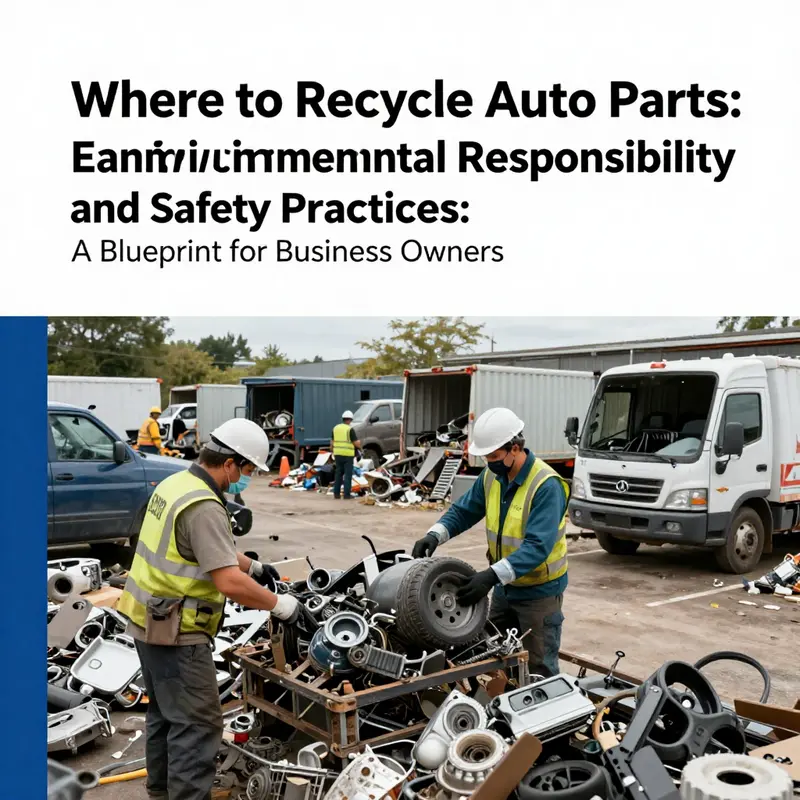
Recycling auto parts is more than an act of waste management. It is a deliberate bridge between consuming and conserving, between the urge to fix or upgrade a vehicle and the responsibility to protect people and the environment. When done with care, recycling reduces the volume of end‑of‑life vehicles that end up in landfills, lowers the need for new raw materials, and prevents hazardous substances from leaking into soils, groundwater, and the air. The aim is not just to dispose of parts, but to recover value while preserving safety, complying with laws, and supporting a broader circular economy in which materials are kept in use for as long as possible. The most effective pathways are those that pair professional discipline with transparent processes. In practice, that means leaning on licensed, experienced recyclers who can test, clean, and resell usable components; turning to reputable markets and scrap yards with established environmental controls; and using online and offline matchmaking platforms that connect buyers and sellers under clear guidelines. Each channel offers distinct advantages, and a well‑considered recycling plan often combines more than one approach to maximize value while safeguarding people and ecosystems.
At the core of responsible recycling is expertise—the capability to handle parts safely, assess their condition accurately, and determine the appropriate fate for each item. Specialized recycling facilities, equipped to dismantle vehicles and separate fluids, metals, and polymers, are often best positioned to recover high‑value components with the least environmental impact. These facilities go beyond simple resale; they test parts for functionality, perform careful cleaning, and document their handling so buyers can trust the integrity of the parts they purchase. They also possess the systems to extract and refine precious metals that are embedded in certain parts, such as catalytic converters, which contain platinum, palladium, and rhodium. The value of these specific components is significant, reflecting the ongoing demand for precious metals in industrial processes and the energy transition. Such facilities also have established processes for dangerous materials, ensuring that substances like refrigerants, oils, coolants, and brake fluids are collected and recycled or disposed of safely in compliance with regulations and best practices.
Beyond the specialized recyclers, the wider network of the auto parts ecosystem includes offline avenues that many drivers and shops already trust. Large auto parts markets and licensed scrap yards act as hubs where dismantled vehicles are broken down, and both reusable components and raw materials are routed for reuse or recycling. These facilities provide a practical entry point for individuals who want to recover value from a no‑longer‑needed part or for small businesses that buy and resell reclaimed components. Local repair shops and garages often participate in this system as well. They may buy back engines, transmissions, certain body parts, or interior components, then reintroduce them into the repair ecosystem where they can extend the life of other vehicles. This network, when properly regulated, helps prevent waste and reduces the demand for new parts.
The online layer of recycling brings accessibility and scale to the process. People can search for nearby options, compare quotes, and connect with recyclers who can meet their needs for specific parts. Online marketplaces and catalogs provide visibility for both used and reclaimed parts, enabling buyers to locate items across a wider geographic area. However, as with any marketplace, buyers should exercise caution: verify the credibility of sellers, confirm the condition and compatibility of parts, and insist on documentation that proves safe handling and lawful disposal of fluids and hazardous materials. While online connections expand options, they should be balanced with in‑person assessments or the input of trusted professionals whenever possible.
A few guiding considerations help ensure that recycling is responsible and effective. First, legal compliance is essential. It is illegal to dismantle certain major assemblies—such as engines, transmissions, or chassis—in ways that bypass proper authorization, safety requirements, and environmental controls. Working with a licensed recycler reduces the risk of illegal dumping and ensures that the dismantling process occurs in a controlled environment with proper emission controls, containment of fluids, and secure handling of components. Second, high‑value items deserve special care. Components like catalytic converters should be kept with their original labeling and documentation when possible, as documentation can influence resale value and verification of origin. Third, safety matters at every step. Do‑it‑yourself dismantling of hazardous parts—such as airbags or high‑voltage battery packs—can pose serious risks. Professional handling is not just a legal obligation but a practical safeguard for people and property. Fourth, environmental responsibility must underlie every choice. Recyclers should have robust procedures for handling fluids (oil, coolant) and hazardous substances (refrigerants, brake fluids), along with systems for preventing leaks, spills, and cross‑contamination. A trustworthy recycler will disclose their environmental certifications, waste streams, and disposal methods, and will provide clear indicators of compliance with relevant federal and state rules.
For individuals and businesses looking to recycle auto parts, the practical question becomes: which path best aligns with goals for safety, legality, and value recovery? A unified approach often yields the best results. Start by locating a licensed, professional recycling company that can perform a comprehensive dismantling and reclamation process for major parts and fluids. If you have a diverse mix of items—from engines and transmissions to tires and small interior components—consider pairing this with a reputable auto parts market or scrap yard that can sort and redistribute usable items to repair shops or retailers. Online platforms can augment this process by helping to locate specific parts and verify market demand, but they should be used as a supplement to the in‑person checks that ensure reliability and safety. When documenting and organizing parts for recycling or resale, keep receipts, part numbers, provenance, and any available manufacturer documentation. This practice not only helps with valuation but also supports traceability and compliance, which are critical in a world where environmental rules and consumer expectations are increasingly stringent.
A robust, ethical approach to auto‑part recycling also carries broader benefits. It advances a circular economy by extending the life of components and reusing materials rather than extracting new raw resources. It reduces the environmental footprint of vehicles long after their road life ends, cutting emissions associated with material extraction, manufacturing, and disposal. And it protects communities by ensuring that hazardous elements are managed responsibly, preventing soil or water contamination and reducing the release of pollutants into the air. In short, the pathways described here are not simply about getting rid of a part; they are about integrating the vehicle’s life into a system that values stewardship, transparency, and measurable outcomes.
To help people and businesses make informed choices, comprehensive resources exist that map certified recyclers and provide guidance on compliant practices. For those seeking a reliable directory that aligns with federal and state environmental laws, the Vehicle Recycling Partnership maintains a Recycler Locator that consumers and organizations can consult to locate nearby facilities that handle end‑of‑life vehicles and their components in a responsible manner. This resource supports readers in taking concrete steps toward safe and compliant recycling, ensuring that what is removed from a vehicle becomes a resource rather than waste. For more information and to locate certified recyclers near you, visit the Recycler Locator at https://www.vrp.org/recycler-locator.
Ultimately, choosing where to recycle auto parts is about balancing practical considerations with ethical obligations. It means privileging licensed professionals who can manage complex components safely, respecting environmental regulations, and recognizing the value embedded in reusable materials. It also means collaborating with the broader ecosystem of repair shops, scrap yards, and online platforms in a way that strengthens the industry’s integrity and resilience. As the automotive world continues to evolve—with electrification, advanced materials, and sophisticated embedded systems—the importance of responsible end‑of‑life management will only grow. By following these pathways, participants in the auto‑parts lifecycle contribute to a cleaner environment, protect public health, and sustain a supply chain of parts that serves both current and future vehicle owners.
Final thoughts
Understanding where to recycle auto parts is vital for business owners looking to enhance their sustainability efforts while creating value. From specialized recycling companies to plentiful offline and online marketplaces, there are ample opportunities for responsible recycling. Now more than ever, prioritizing legal compliance, safety, and environmental responsibility will ensure that your recycling practices contribute positively to your business reputation and the planet.