
As the automotive sector faces increasing scrutiny over environmental impact, recycling auto parts emerges as a pivotal strategy. For business owners, understanding how to efficiently recycle automotive components not only aligns with corporate social responsibility but also opens avenues for profitability and compliance with evolving regulations. This comprehensive guide delves into the core principles of automotive recycling, helps identify valuable parts, navigates the array of recycling channels, outlines essential procedures, and highlights the multifaceted benefits of structured recycling programs. Each chapter equips you with actionable insights, empowering your business to contribute to a sustainable future while maximizing resource efficiency.
Recovery, Reuse, and Responsibility: The Core Principles Guiding Auto-Part Recycling
End-of-life vehicles are not waste but a resource stream that, if managed wisely, can fuel a sustainable loop of materials and parts. The chapter you are reading centers on three interlinked ideas that drive sound recycling decisions: recovery, reuse, and responsible disposal. These principles are not abstract goals; they shape every step from pre-treatment of dangerous substances to the final fate of every metal, plastic, and glass fragment. When practiced together, they transform a car’s final journey into a sequence of resource-saving choices that lower environmental impact while preserving economic value. The path begins with pre-treatment, a stage essential for safety and for the integrity of downstream processes. Hazardous substances have to be removed before any dismantling starts. Draining fluids like oil, coolant, brake fluid, and transmission fluid is not just prudent; it is a legal and environmental obligation in many jurisdictions. Refrigerants from air conditioning systems are recovered with certified equipment to prevent greenhouse gas emissions, while lead-acid batteries are separated and sent to facilities designed to reclaim lead and plastics efficiently. Catalytic converters, which house precious metals such as platinum, palladium, and rhodium, are isolated for high-value recovery. This pre-treatment step safeguards workers and aligns with international standards that govern end-of-life vehicle recycling, such as the EU End-of-Life Vehicles Directive, which emphasizes controlled material flow and safety throughout dismantling.\n\nOnce hazardous materials are under control, the dismantling phase begins in earnest. This is where recovery relies on careful inspection and selective removal of functional components. Engines, transmissions, electrical systems, suspensions, and steering assemblies are scrutinized for reuse or refurbishment. The goal is to reuse or re-manufacture parts whenever feasible, rather than merely salvage raw materials. Reuse is not nostalgia; it is a practical strategy that saves energy and reduces the demand for virgin resources. Refurbished components are cleaned, tested, and if necessary, repaired—sometimes with precision processes such as re-machining or seal and gasket replacement—to restore reliability. Research in the field indicates that refurbishing and reusing engines and transmissions can dramatically cut energy use compared with manufacturing new parts from scratch. This is a cornerstone of the circular economy in automotive repair, where durable parts are given a second lease on life and kept within the market rather than discarded.\n\nThe third pillar—responsible disposal—ensures that materials with limited reuse potential still contribute positively. Metals are shredded and separated, plastics are sorted by polymer type using advanced techniques like near-infrared spectroscopy, and rubber and glass are directed to appropriate recovery streams. The acceptance of these material-specific paths is what differentiates good recycling from merely scrapping. In practice, many facilities sort metals for recycling into ingots, while plastics are pelletized for use in a range of next-generation products. Notably, advances in polymer recycling, including closed-loop concepts for durable plastics and engineering resins, are moving the industry toward reclaiming higher-value materials. Some of these plastics can be reused in new automotive parts or repurposed into higher-grade products, depending on purity, additives, and contamination levels. The shift toward closed-loop recycling where materials are returned to use in similar or identical applications represents a meaningful upgrade from open-loop downcycling.\n\nIn the broader ecosystem of auto-part recycling, the channels and networks that handle recovery, reuse, and disposal matter just as much as the techniques themselves. Professional recycling companies offer end-to-end solutions with standardized procedures and strict compliance. They evaluate parts for direct reuse, arrange safe removal of hazardous substances, and oversee legal obligations. Online marketplaces and platforms connect sellers with trusted recyclers, enabling rapid valuation and scheduling of pickups. Local repair shops play a role too, especially for smaller components like bulbs or interior trims. Scrap yards and dismantlers function as centralized hubs where vehicles are broken down and their reusable parts sorted for resale. Each channel has its own value proposition, but the unifying principle remains clear: preserve value through careful handling and accurate assessment. If a practitioner wants to access high-value salvage components in a way that respects the chain of custody, they might explore specialized salvage resources such as evo-x-halfcut, which demonstrates how specific, high-demand assemblies can be redirected into reuse streams while maintaining quality controls. This reference is illustrative and points to the broader idea that access to preserved, tested components supports faster, safer, and more economical recycling outcomes.\n\nBeyond the yard and the workshop floor lies the question of materials science and how different streams are treated. Metals, both ferrous and non-ferrous, are melted and recast into new products. The plastics in automobiles, often exceeding a hundred kilograms per vehicle, are sorted by polymer type and processed into pellets for new parts or other applications. Innovations in polymer recycling, including technologies that target glass-filled nylon and other advanced composites, have opened doors to higher-value closed-loop reuse. Rubber from tires and seals becomes crumb rubber or reduces waste streams in road surfaces and other consumer products. Glass—windshields and windows—is separated and reclaimed as cullet for new glass or as an aggregate in construction. The interplay of these material streams underpins the environmental and economic rationale for auto-part recycling. It is a deliberate, technically informed process that turns what could be landfill into a pipeline of materials for new products.\n\nRegulatory frameworks shape how this work is carried out and tracked. Across regions, standards exist to ensure transparency, accountability, and environmental integrity. In the European Union, the ELV Directive targets high recycling and reuse performance for vehicles, and many jurisdictions require licensed dismantling to prevent illicit disposal or unsafe handling of hazardous substances. In the United States, state-level rules often require certified recyclers and traceability of dismantling activities. Compliance is not a burden but a guardrail that protects workers, communities, and the integrity of reclaimed materials. The common thread is clear: when recovery, reuse, and responsible disposal are executed within a compliant system, the environmental and social benefits multiply. The result is a greener automotive ecosystem in which the life of a vehicle does not end in waste but pivots toward renewed usefulness.\n\nAs you move through the practical terrain of auto-part recycling, the three core principles guide your choices at every turn. If your aim is to maximize value while minimizing environmental impact, prioritize the safe removal of fluids, batteries, refrigerants, and catalytic converters during pre-treatment. Seek out parts with proven reuse potential and insist on proper testing and refurbishment processes to extend their life. When disposal is unavoidable, direct materials to appropriate streams so they can be recycled into the next generation of products. In doing so, you participate in a global movement toward a closed, resilient loop that turns end-of-life into a strategic resource rather than a waste problem. And for those who want a tangible example of how high-value salvage components are routed through legitimate channels, a look at specialized salvage options such as evo-x-halfcut can illuminate how these paths work in practice while reminding us that quality and traceability should accompany every reuse decision.\n\nFor readers seeking broader context, regulatory insights, and technical case studies, the EU End-of-Life Vehicles Directive serves as a foundational reference that informs best practices and targets for material recovery. See the directive for a regulatory benchmark that complements the practical know-how described here, reinforcing the idea that responsible recycling is both technically sound and socially responsible.\n\nExternal resource for context: EU End-of-Life Vehicles Directive. https://ec.europa.eu/growth/sectors/automotive/end-of-life-vehicles_en
Identifying Recyclable Auto Parts in a Circular Economy
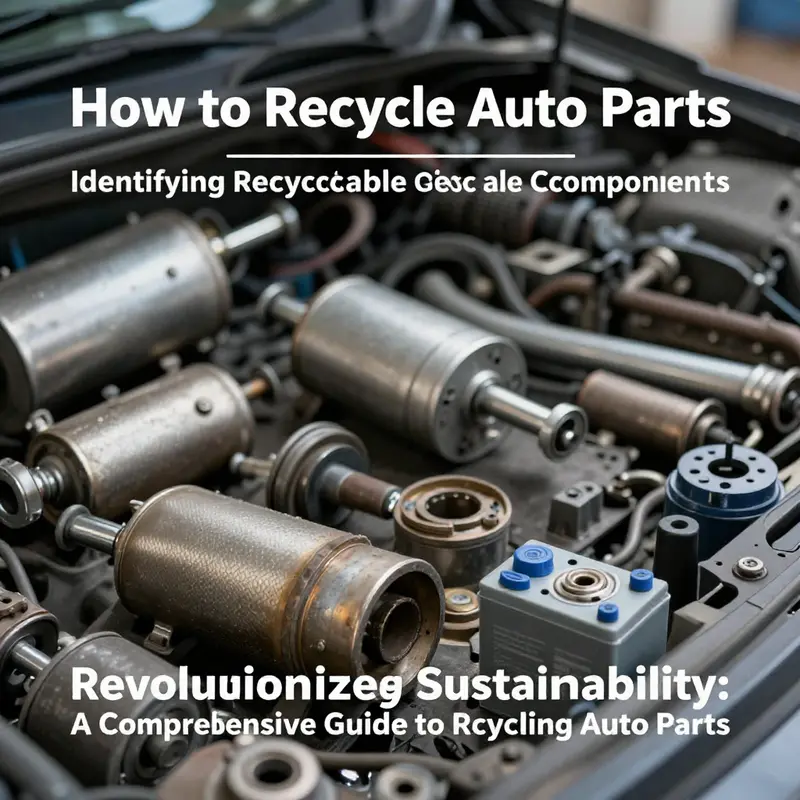
Identifying recyclable auto parts begins with a practical mindset: view a vehicle at end-of-life as a map of materials with value, opportunity, and a place in a closed-loop system. The core idea is simple yet powerful: certain components are designed for materials recovery and reuse, while others are better redirected to specialized streams. Recognizing these parts early in the dismantling process helps protect the environment and sustain the supply chain of recycled materials. It also aligns with the broader principle that compliant dismantling, material sorting, and tiered utilization should guide every step from collection to end use. Keeping the process legal, transparent, and traceable ensures safety and maximizes recoverable value for the parts owner and the planet.
The first practical step is to separate by material class and end-use potential. Metals such as iron, steel, aluminum, copper, and certain alloys have clear recycling pathways. Engine blocks and transmissions are typically heavy, metal-rich components that can be recycled for their content or directed to remanufacturing streams when in good condition. Catalytic converters sit at the high-value end due to their precious metals and the specialized processes required to extract them safely. Wheels, radiators, and battery housings also offer strong recovery value. Tires can be repurposed or used for energy recovery in certain settings. A practical rule of thumb is to identify parts by their material core and the consistency of their end-of-life pathways.
Beyond materials, design for end-of-life matters. Parts with standardized fasteners, modular assemblies, and easily separable subcomponents tend to flow more smoothly through recycling channels. Modern manufacturers increasingly label materials clearly and use compatible connectors to facilitate disassembly. This design-for-recycling trend makes it easier for recyclers to sort, assess, and route parts into direct reuse, remanufacturing, or material recovery streams. This is the result of a future-proofing approach and a shift toward cradle-to-cradle thinking. The path from salvaged item to recycled product becomes more predictable and less guesswork.
In practice, a well-structured identification process includes an inventory of commonly recyclable items and a selective lens for parts needing specialist treatment. The engine block and transmission draw immediate attention for metal content and resale value. Catalytic converters require careful handling. Wheels, radiators, and battery housings are obvious targets, with clear downstream routes. Some aluminum components and heavy-duty metal housings often end up in metal recycling streams after separation from mixed materials. The broader takeaway is that a successful identification strategy blends material literacy with knowledge of end-of-life pathways and local recycling networks.
As the marketplace context matters, recyclers increasingly rely on certified facilities that follow environmental regulations and employ sorting technologies. Direct reuse remains critical for parts that work after inspection. If reuse isn’t feasible, remanufacturing offers a second life through repairs. For ends of life, material recovery using magnetic separation and shredding ensures metals, plastics, and rubber enter their respective cycles. Some facilities leverage AI-enabled image recognition to speed damage assessment and classification, helping technicians distinguish reusable components from those needing material recovery. Identification is a dynamic process that adapts to technology, regulations, and market demand.
Knowing where to send recyclable parts is essential. Licensed recyclers and scrap yards handle the full spectrum of end-of-life vehicles, from direct resale of clean components to salvage and metals recovery. Online platforms can connect sellers with recyclers, enabling parts to be valued, scheduled for pickup, and moved into appropriate streams. Local avenues such as repair shops and dismantlers may also accept items for reuse, particularly interior fittings, bulbs, and minor accessories. These channels vary in pricing and certainty but each plays a role in directing parts toward best-use outcomes and reducing landfill burden.
To illustrate practical pathways, consider high-demand parts such as a specific half-cut assembly for certain models. Such components may appear in online listings or marketplaces, showing how well-identified, condition-verified parts can command strong interest from buyers. This approach demonstrates that identification is not just about broad categories but also about niche components that meet market needs. Documentation of what is found, how it is classified, and where it will go supports traceability and compliance, and helps ensure subsidy or incentive programs can add value to recycling efforts.
External resources can provide broader context for environmental standards. For example, guidelines published by environmental agencies offer frameworks that complement hands-on knowledge gained in yards, shops, and online platforms. By identifying recyclable parts with diligence and integrity, individuals and businesses contribute to sustainable manufacturing and waste reduction.
null
null
null
null
Turning Car Wreckage into Resources: A Guided Journey Through Recycled Auto Parts

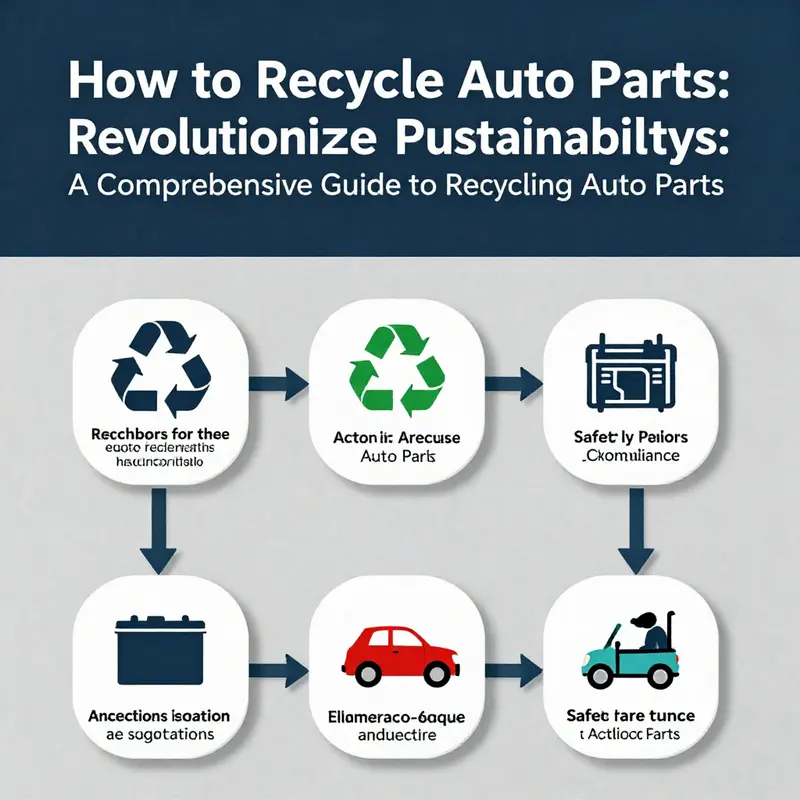
Recycling auto parts turns what would otherwise be waste into durable resources. The process blends environmental stewardship with practical economic opportunity. It rests on three guiding ideas that keep work safe, efficient, and effective: compliant dismantling, careful categorization, and tiered reuse. When these principles guide every decision from how a vehicle is prepared to how recovered materials are processed, the result is a robust loop that reduces landfill waste, lowers the demand for virgin metals and plastics, and supports a healthier supply chain for vehicle maintenance. The flow follows a clear arc: collect and sort, dismantle under proper oversight, evaluate condition, and decide whether a part can be reused directly, remanufactured, or broken down for material recovery. This mindset treats waste as a resource with value and aligns with broader aims of environmental protection and economic resilience.
The process operates within a regulatory framework designed to preserve safety and public trust. In many regions certain high value assemblies must not be privately dismantled. Engines, transmissions, front and rear axles, steering gear, and frames typically require licensed facilities and oversight to prevent theft, ensure proper handling, and maintain traceability. Dismantling proceeds through certified channels where documentation, inspection, and proper disposal are built into the workflow from the start.
The value of careful compliance becomes clearer when considering the parts market realities. Recyclers and repair shops rely on components that they can trust to perform as intended. This trust comes from meticulous labeling, clear condition grading, and a transparent history of the part. When a part is categorized accurately whether for direct reuse, remanufacture, or material recovery the entire chain gains efficiency. Direct reuse can shorten repair times and reduce costs, remanufacturing can restore worn components through techniques such as bore repair or piston replacement, and material recovery extracts value from items that cannot be reused by turning metals, plastics, and rubbers into feedstock for new products. Across paths the emphasis remains on safety, environmental compliance, and reliability.
The most valuable insights come from high recovery parts that drive the economics of recycling. Catalytic converters contain precious metals whose value fluctuates with market conditions but offer meaningful returns when recovered through compliant channels. Batteries from electric or hybrid vehicles present opportunities and challenges that require professional assessment of state of health and safe handling. Aluminum wheels, interiors plastics, and certain electronics also contribute value when prepared properly. An important tip is to preserve original labels and emission tags where possible; these details improve traceability and can bump value by signaling compatibility and authenticity to buyers.
The journey runs from collection to processing through steady partnerships with repair shops, dealerships, scrap yards, and vehicle owners who understand that legitimate recycling hinges on consistent intake and reliable documentation. Vehicles are prepared with care: power sources isolated, batteries removed or isolated, and the vehicle cleaned to reduce contamination and hazards. Preparation reduces risk to workers and prevents cross contamination of materials that would complicate downstream recycling. Technicians wear protective gear and follow safety protocols because handling fluids, refrigerants, and high voltage systems poses real risks. VINs are preserved with clear photographs creating a traceable record that supports audits and future resale.
Dismantling is a careful staged process. The goal is to maximize the potential of every component while ensuring illegal or unsafe practices do not creep into the workflow. Critical assemblies are secured under supervision, other parts are sorted by material type and usable condition. High value assemblies are assessed for direct reuse immediately, worn but repairable parts are earmarked for remanufacturing using established techniques, and non reusable parts move to the material recovery stream where metals are separated magnetically, plastics are shredded into pellets, and rubber from tires is repurposed for industrial uses. This classification benefits from accurate record keeping standard grading and clear labeling so buyers and shop technicians can make informed decisions quickly.
Advances in technology quietly reshape the pace and precision of this work. AI powered image recognition and sensor data speed up damage assessment, reducing the time between intake and disposition while improving accuracy of what qualifies as direct reuse versus remanufacture. Digital inventories standardized part codes and real time pricing dashboards give repair shops and consumers confidence that a recycled part will perform as expected. Yet technology does not replace judgment; it augments the expertise of technicians who know how wear corrosion and micro damage influence a part s value. The result is a more transparent market where buyers can compare condition, price, and warranty terms across a legally compliant set of options rather than guesswork from scavenged components.
Choosing the right path for a given part comes from governance and provenance. Seek licensed recyclers or regulated platforms that can document origin processing steps and final disposition. This documentation including product history inspection notes and disposal records creates a credible trail that supports resale insurance decisions and potential subsidies designed to reward responsible recycling. The best outcomes emerge from a mindset that respects the entire life cycle of a part its use phase its end of life stage and its rebirth as a resource in a new product. The environmental dividends are tangible reduced landfill lower greenhouse gas emissions relative to new manufacturing and a smaller footprint for the automotive sector.
For readers curious about how cataloging inspection and compatibility information translate into real world options consider the way catalogs present listings that pair technical details with pricing and usability. A catalog style listing can illuminate how a catalog might describe a recovered unit as ready for direct reuse or indicate a remanufactured state after targeted refurbishment. If you want to explore a catalog style listing you can see a sample here: dashboard evo 9.
The broader context of this work is as important as the mechanics. Recycling auto parts supports reducing landfill waste conserving metals and plastics and lowering emissions tied to new manufacturing. It also stabilizes repair costs for consumers and fosters a green economy by promoting the growth of licensed facilities and responsible logistics networks. The value captured extends beyond the price of a single part; it feeds a closed loop system that incentivizes ongoing innovation in materials science waste management and environmental oversight. External resources provide guidelines on handling hazardous materials and ensuring safe disposal across the industry. For example widely recognized environmental guidelines offer in depth information on waste management and circular economy principles at the EPA website.
Final thoughts
Recycling auto parts presents an opportunity for businesses to thrive while championing sustainability. By grasping the core principles, identifying valuable components, selecting appropriate recycling channels, adhering to proper procedures, and understanding the benefits of this process, business owners can foster a positive environmental impact and boost revenue streams. In a world increasingly focused on sustainability, taking action to recycle auto parts is not just a responsible choice—it’s a strategic business move that promises a better future.