
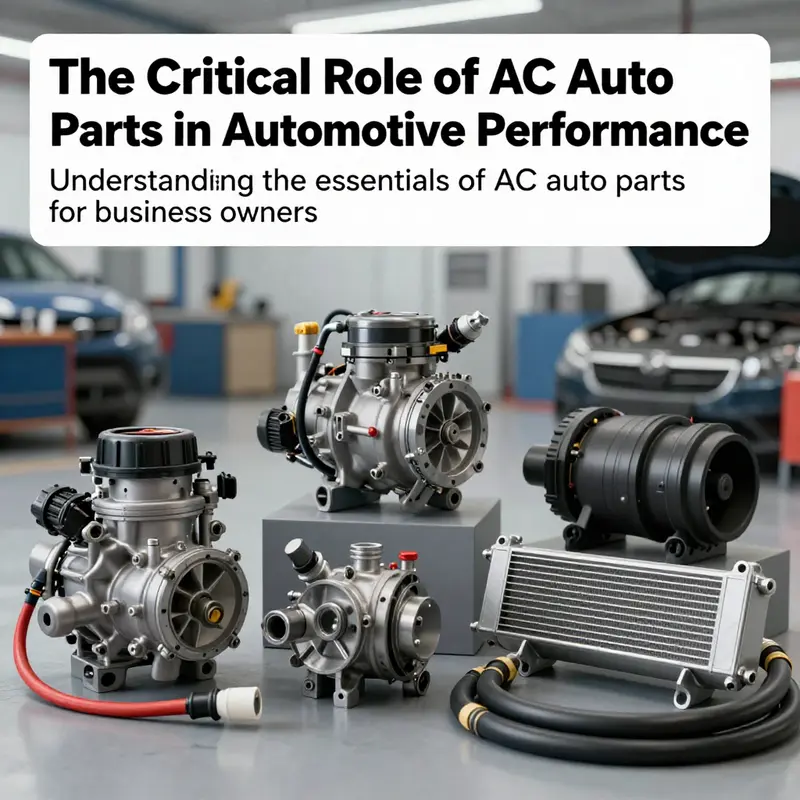
In the automotive industry, AC auto parts play a vital role in ensuring vehicles operate efficiently and comfortably. As temperatures fluctuate and customer demand for reliable air conditioning rises, it is essential for business owners to grasp the significance of these components. This article delves into the core components of AC auto parts, particularly the air conditioning compressor, and their implications on market trends and economic factors. Each chapter will provide in-depth insights that connect AC auto parts with broader socio-economic themes, highlighting their importance in both the automotive sector and the consumer landscape.
空调压缩机:汽车AC系统的核心驱动与能效源泉
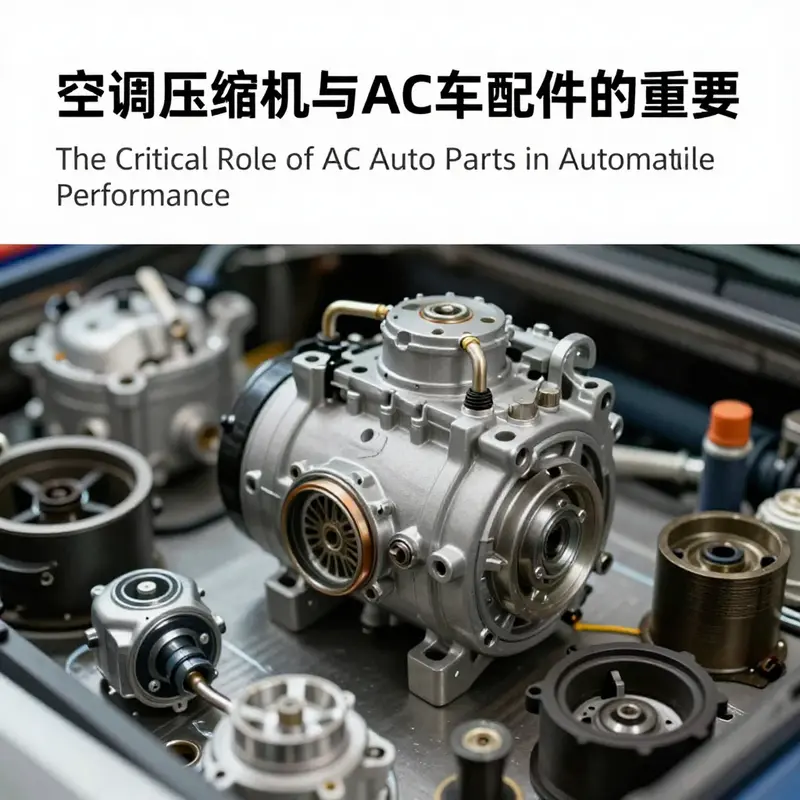
空调压缩机是汽车空调系统的核心驱动部件,其性能直接决定了车内温度控制的效率与能耗水平。它负责将低温低压的制冷剂压缩为高温高压的气体,并通过冷凝器、蒸发器和膨胀阀等组件形成闭环制冷过程。变频压缩机的应用使转速根据需求自动调整,从而实现更稳定的出风温度和更低的燃油消耗。润滑与油路清洁同样关键,油品的质量、状态以及回路的密封性都会影响寿命与能效。
维护要点包括:保持制冷剂与油品在规定范围内、定期更换储液干燥器、检查密封件与管路、以及在专业点进行真空抽排和旧制冷剂回收。选型方面,需考虑车辆的空调负荷、管路布局以及控制策略,优先选择带有智能控制的变频系统以提升舒适性与能效。只有在压缩机与整套系统协同良好时,才可能实现快速制冷、稳定输出和低能耗的平衡。
车内舒适的幕后英雄:汽车空调配件结构与协同解析
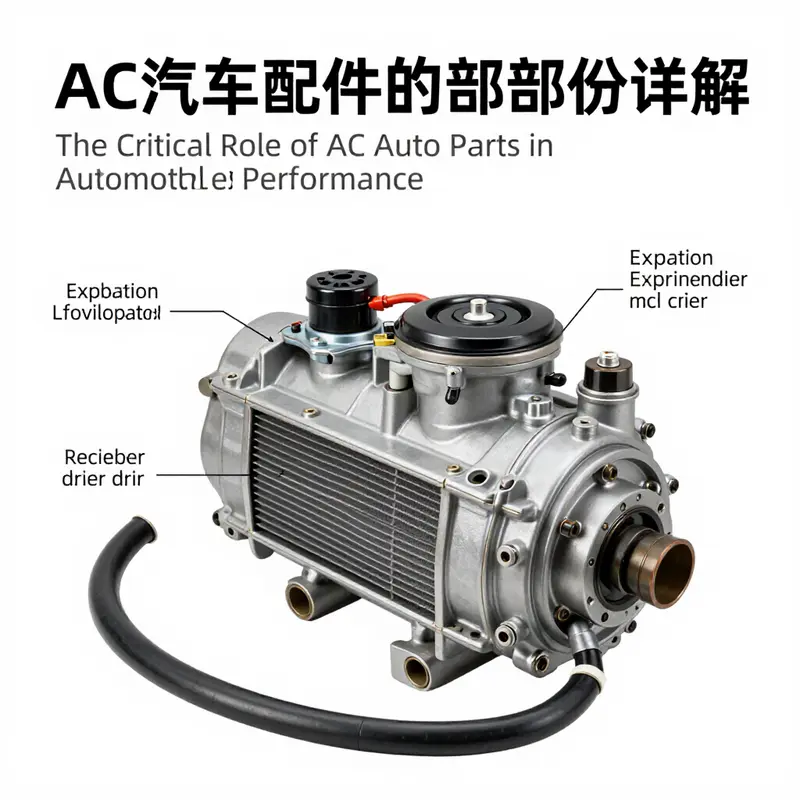
汽车空调系统并非单一零件,而是一套相互依赖的机械与热力环路。 每一个配件都有明确功能,彼此协作,完成从吸热到散热的循环,从而为车内提供恒定、可控的温度和空气质量。理解这些部件如何互为因果,有助于更准确地诊断故障、选择匹配的配件,以及在维护时节省成本。
压缩机常被称为系统的“心脏”。它吸入来自蒸发器的低温低压制冷剂气体,压缩后变为高温高压气体,并推动这一物质流向冷凝器。压缩机的类型和状态直接影响制冷循环的效率。常见问题包括轴承磨损、离合器打滑或内部泄漏,任何问题都会导致系统制冷力下降或完全失效。定期检查压缩机油位与皮带张力,能显著延长其寿命。
冷凝器通常布置在车辆前部,紧邻散热器的位置并非巧合。其任务是将压缩机送来的高温高压气体冷却并液化。冷凝器的散热翅片结构决定了热量交换效率。堵塞、弯曲或腐蚀都会降低冷凝效率,导致系统压力异常上升,进而增加压缩机负担。保持冷凝器外表清洁并及时修复轻微曲折,能防止更严重的冷却故障。
膨胀阀或节流装置负责限制制冷剂进入蒸发器的流量,并使高压液态制冷剂骤减为低温低压的湿蒸汽。膨胀阀的精准调节保证蒸发器在合适的负荷下工作,避免过冷或过热。节流孔设计简单、结构固定,但更依赖系统内制冷剂量的稳定性;膨胀阀则更智能,能根据温度和压力动态变化调节流量。错误的节流装置或堵塞会导致蒸发器结冰或制冷不足。
蒸发器是将制冷效果带入车舱的核心。它位于仪表台内部,通过热交换吸收车厢空气的热量,使空气降温后送回车内。蒸发器表面常积聚灰尘和水分,这会滋生霉菌并降低换热效率。保持蒸发器的清洁与干燥,不仅提升制冷效果,也改善车内空气质量。遇到蒸发器泄漏,修复通常复杂且费用较高,因此防护与定期检查尤为重要。有关仪表台与内部组件的参考,可见内部结构示例:Evo 9 仪表台组件参考。
储液干燥器承担两项关键职责:储存系统中可能的多余制冷剂和滤除制冷剂中的水分与杂质。水分在低温环境下会结冰,堵塞毛细管或膨胀阀,且会导致制冷剂与冷冻油产生酸性物质,腐蚀金属部件。干燥器内的吸湿剂有使用寿命,一旦饱和,整个系统的可靠性将下降。更换干燥器通常与更换管路或大型维修同步进行,以确保系统中无残余湿气。
管路与接头将各部件串联成闭环。高压管、低压管与接头必须密封良好,以防制冷剂泄露。橡胶密封圈、O型圈与法兰接口是常见泄漏点。老化会导致脆化或硬化,尤其在高温与振动的双重影响下更为明显。使用合规规格的管路并在安装时正确扭矩紧固接头,可显著减少泄漏风险。
风道与鼓风机将蒸发器冷却后的空气导入车舱,并促进空气循环。风道设计直接影响气流分配与温度均匀性。鼓风机除了不同的风速档位外,其电机和电阻器也是故障高发区。遇到鼓风机不转或气流减弱时,先排查电源与电阻,再检查风道是否被异物堵塞。
控制面板是人与系统互动的桥梁。无论是简单的手动旋钮,还是带有自动恒温控制的电子模块,控制面板负责指令传达与反馈显示。现代系统通过温度传感器、压差开关与压力传感器来闭环控制压缩机和风扇运转。控制单元故障会表现为错误读数、失灵或无法切换模式。维护时不仅要检查面板本身,还要校准或更换与之配合的传感器。
在理解各部件功能的基础上,认识它们之间的协同尤为重要。制冷循环遵循“吸热—压缩—散热—节流—再吸热”的节律。任何环节出现异常,都会在系统压力、温度曲线或油温上留痕迹。举例来说,压缩机效率下降会使冷凝器承受更高热负荷,冷凝器效率下降又会使膨胀阀进入异常工作区,最终在蒸发器产生结冰或制冷不足的症状。因此故障诊断不能孤立看待单件,而要从系统角度分析数据与症状。
配件选择与安装也需要面面俱到。首先确认型号与车辆冷媒类型的兼容性。不同年代或地区的车辆可能使用不同类型制冷剂,混用会造成化学反应。其次考虑零件的耐久性与维修便利性,例如可拆卸式管路或可更换的吸湿罐会让后续保养更省心。安装时必须使用规范工具完成抽真空与充注程序,确保系统内无空气与水分残留。最后记录维修中的制冷剂重量与油量,便于未来判断异动。
保养方面,定期的系统检查包括高低压表读数验证、压缩机电流测试、冷凝器外形检查以及鼓风机和风道清理。每次大修后都应更换干燥器,并检漏确认系统密封性。遇到异味或雾气问题,应优先检查蒸发器与风道清洁状况,并考虑更换空气滤清器与清洁鼓风机壳体。
从长远看,理解各配件的作用和它们如何协同工作,不仅能让你在选购替换件时做出合理选择,也能在故障初期识别症状并采取准确措施。合理的维护周期、规范的安装流程和系统化的诊断思路,是保持车内舒适度与延长空调系统寿命的关键。欲了解更多关于汽车空调系统的基础概念与历史发展,可参考外部资料: https://en.wikipedia.org/wiki/Automotiveairconditioning
市场重构下的空气调节零部件:需求变迁、技术驱动与经济效应解析
市场重构下的空气调节零部件:需求变迁、技术驱动与经济效应解析
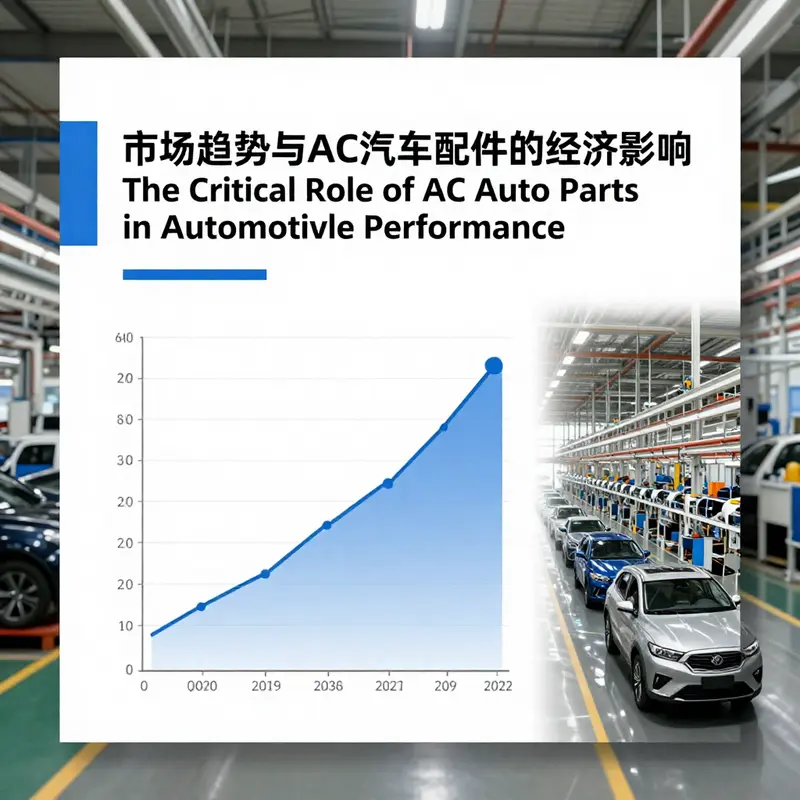
中国汽车市场进入新的结构性调整期,这对与空调和热管理相关的零部件产业产生了深刻影响。宏观政策由刺激增长转向注重质量和结构优化。财政和货币政策保有一定宽松空间,同时重点扶持新能源与基础设施领域。这种政策取向正在改变消费者购车和用车的偏好,使得空调零部件的市场逻辑发生转变。消费者对温控系统的期待已不仅是冷气输出,而是整体乘坐体验、能耗效率和系统可靠性。对制造与售后企业而言,这意味着既有产品线要升级,也要重塑商业模式。
需求端变化首先体现在动力类型的替代。随着电动系统渗透率显著提高,传统以发动机余热为基础的热管理体系逐渐让位于以电驱为核心的热控方案。电动车对空调系统提出两类新要求:一是高效、低能耗的制冷与热泵技术,二是与整车电控高度协同的热管理策略。前者推动电驱空调压缩机、电子膨胀阀以及高效换热器的市场扩展。后者则催生温控单元的集成化设计需求,要求零部件具备更强的控制精度和通信能力。换言之,单纯的机械零件开始被带有电子控制的模组所替代,单品利润向系统化解决方案倾斜。
技术推进同样改变了产业链分工。固态电池与轻量化材料的应用,促使整车厂在热管理侧加大投入。为了保护电池效率和安全,车企更愿意与供应商联合开发热管理整体方案。此举一方面拓宽了空调零配件企业的产品边界,另一方面提升了技术门槛。中小企业若依然停留在传统零件制造,将面临被供应链边缘化的风险。因此,具备快速迭代能力、能在热管理与车电系统间做接口、并掌握一定控制算法的供应商,将更容易参与到主机厂的高价值项目中。
后市场的结构性变化同样显著。新车市场在部分细分领域承压,使得售后市场成为重要增长点。连锁化、标准化服务逐步占据主导地位,大型售后连锁通过规模效应和标准流程,提高了配件流通效率和品牌影响力。对于空调零部件企业,这意味着渠道策略要从分散的单店供货转向与连锁体系进行更深度绑定。规模化合作可带来稳定订单,并降低销售成本。但这也会压缩议价空间,迫使供应商提升内部效率,降低库存周期,并通过差异化技术和质量服务来维护毛利。
与此同时,下沉市场提供了可观的增量机会。三四线及更下沉区域的汽车保有量继续增长,维修与更换的刚性需求较高。但该市场的价格敏感度显著,配件结构复杂且数字化程度低。要在此处取得成功,企业需要采用本地化连锁与数字化赋能相结合的策略。标准化配件包、透明化定价、以及通过移动端实现的配件追溯和备件配送,将显著提升下沉市场的渗透率。值得注意的是,建立信任需要时间,企业应通过区域服务中心与本地门店的联动,逐步形成口碑效应。
数字化转型则是贯穿供需两端的共同主题。供应链管理的透明化、库存的实时可视、以及基于大数据的需求预测,能够显著降低库存成本并提升响应速度。对空调零部件企业而言,实施企业资源计划和物联网监控,不仅能提升生产与物流效率,也能在售后阶段提供基于车辆运行数据的预防性维护建议。这类服务增强了与经销商和终端用户的粘性,使配件销售从一次性交易向持续服务转变,从而带来稳定的附加值收入。
经济效应上可分为短期冲击与中长期结构性利好两部分。短期内,政策调整对特定价位车型造成波动,直接影响燃油车相关机械式空调配件的销量。市场份额由燃油车向新能源车迁移,将在过渡期内带来产能利用率与库存调整压力。中长期而言,技术升级带来的高附加值需求将提升行业整体利润率。以电动空调压缩机、集成热管理模块以及智能控制单元为代表的产品线,形成新的营收增长点。同时,连锁后市场与数字服务能够稳定售后销量,使收入结构更为多元化。
面对上述变化,企业需要在战略层面进行调整。首先,聚焦热管理与温控系统的研发投入,是应对电动化趋势的首要选择。通过模块化设计与平台化生产,企业既能降低研发成本,又能满足不同车型的适配需求。其次,推动产品智能化——包括传感器融合、远程监控与自适应控制算法——将把单纯的零件转化为可售卖的服务能力。第三,渠道策略应向连锁化与数字化并重。与大型售后连锁建立长期供货与技术服务合作,能确保稳定订单并扩大市场覆盖。与此同时,在下沉市场试点标准化门店与移动配送体系,将带来规模化扩展的机会。
从运营角度看,供应链和制造的柔性化是关键。采用模块化库存策略,结合基于云的订单管理,可以在短时间内响应市场波动,减少冗余库存。与物流伙伴建立协同机制,实现备件的区域就近备货,能进一步降低交付时间并提升门店满意度。最后,人才与组织结构的调整不可忽视。企业需要既懂传统制造又懂电子控制的复合型人才,同时建立跨部门的项目管理流程,加速从样机到量产的转化。
总体来说,空调相关零部件行业正处于由传统制造向系统化解决方案转型的窗口期。技术创新、渠道重构与数字化能力,将决定谁能在新的市场秩序中占据优势。那些能把握热管理升级机会、并在售后连锁和下沉市场建立稳固布局的企业,将在接下来的周期中获得较为稳定的增长与更高的利润空间。更多关于宏观消费与政策趋势的详细分析,可参考下列权威报告链接了解背景依据。
外部参考: https://www.sohu.com/a/738921567_120012345
AC Auto Parts in Geopolitical Crosswinds: Building Resilient, Regionally Anchored Supply Chains
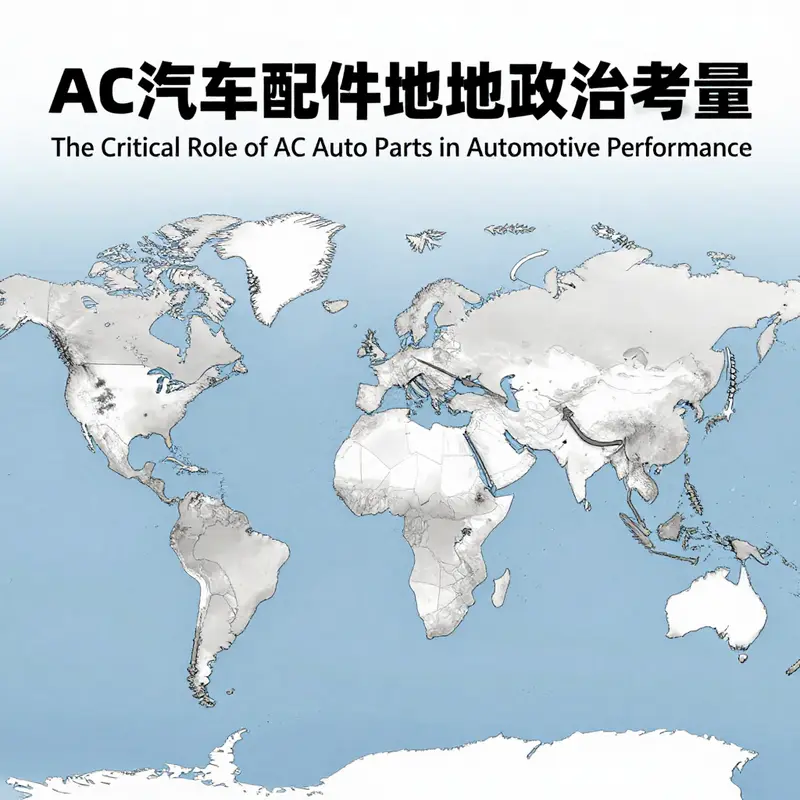
AC auto parts are not merely the collection of devices that chill a cabin or regulate airflow. They are embedded in a sprawling, fragile web of global production that stretches from raw material mines to precision machining plants, from refrigerant supply hubs to logistics corridors that traverse oceans and borders. The components themselves compress the refrigerant, condense heat, expand the working fluid, and filter and route a critical medium through a sealed system. Yet the fate of these parts is seldom decided by performance specs alone. It is shaped by the politics of denial and sanction, the gravity of labor costs and tariffs, and the stubborn inertia of infrastructure. As geopolitical risk has risen, the automobile industry has begun to treat AC parts and their supply chains as strategic assets. The shift is not simply about whether a compressor spins efficiently or a condenser dissipates heat well. It is about how a company negotiates risk, diversifies sourcing, and leaves space for disruption without hollowing out its customer promise. In this sense the chapter on geopolitics reveals as much about risk management as it does about engineering finesse, and it asks a broader question about how modern manufacturing can stay both innovative and secure when the map itself is in flux.
The core chain that yields an air conditioned cabin starts with a handful of standard components each with its own vulnerabilities and its own set of suppliers. The compressor, often the heart of the system, relies on high precision machining and a steady inflow of tool steel and lubricants from a network that spans continents. The condenser and evaporator depend on consistent supply of aluminum extrusions, copper tubes, and durable plastics, all shaped by metal markets and trade policies. The expansion valve or orifice tube, along with the receiver and dryer, requires a steady supply of refrigerant and filtering media that can be tightly regulated for purity and moisture content. The AC hoses and lines knit these pieces together under heat, vibration, and the occasional impact of a long supply cycle. When any one of these links falters, the entire climate control reliability for a vehicle enters a risk zone that is measured not in degrees but in days of potential downtime, inventory carrying costs, and price volatility.
In the United States, the recent strategic emphasis on supply chain resilience has translated into explicit expectations that parts sourced from abroad be reassessed with an eye toward risk reduction. It is widely understood in executive suites that a disruption in supply can ripple quickly through production calendars, dealer networks, and aftermarket service. The decision to phase out certain foreign sourced components by a future date is seldom about the lowest initial cost and more about the probability of long term continuity. In practical terms this means rethinking which suppliers and what regions can deliver not just the best price, but the best odds of on time, on spec delivery even amid tariffs, export controls, and sudden regulatory changes. For the automaker and its vast network of suppliers, the forecast becomes a map of regional anchors, where parts are manufactured close to where they are consumed or where political stability and transparent trade rules can be counted on. The result is less about a single factory and more about a mosaic of regional hubs that can be scaled up or down with predictability.
The European scene presents a parallel but distinct set of pressures. The European Union has parried the challenges of a shifting global tariff landscape by pursuing localization strategies that emphasize domestic production capability and diversified supply sources. The push toward strategic autonomy in critical sectors has turned AC components into a focal point for industrial policy and cross border collaboration. In this environment, traditional carmakers may collaborate with partners that bring new technical ecosystems into the region, blending legacy engineering with digital and software driven approaches for control and monitoring of climate systems. The strategic calculus here is not only about meeting demand during steady growth; it is about sustaining serviceability and calibration across a broad geographic footprint with tightening environmental and safety standards. In practice this elevates the importance of standardized interfaces, modular design, and robust supplier qualification programs that ensure a consistent baseline of quality even as local content rises and cross border flows become more complex.
Beyond the borders of any single market, the trend toward near shoring and regionalization reframes the geography of the AC parts sector. Mexico, Southeast Asia, and India have emerged as significant nodes where production can be reoriented to serve multiple markets with shorter lead times and reduced exposure to long haul transport disruptions. Yet the shift is not a clean decoupling from China or any other origin. The deeper truth is that many ecosystems still rely on Chinese raw materials, semi finished components, and critical know how. The phenomenon has earned the descriptor near shoring rather than outright offshoring, a distinction that reflects how embedded dependencies persist even as manufacturing footprints migrate. It is precisely here that the calculus becomes intricate. Firms must balance the benefits of proximity with the realities of global supply networks, including the fact that some upstream materials or specialized tooling are not readily available in every location. The outcome is a sophisticated threading of manufacturing capabilities that seeks local presence without severing the flow of essential inputs from elsewhere. In practical terms this means establishing flexible supplier portfolios that can switch sources within defined parameters, maintaining traceability and compliance, and investing in local talent and process capabilities so regional plants can standalone for core tasks while remaining integrated with the broader system.
The concept of resilience enters not as a boutique attribute but as a core design principle. It reshapes not only where parts are made but how they are engineered and validated. Companies are building redundancy into supplier networks, creating contingency inventories, and deploying digital monitoring tools that can anticipate disruption. The goal is less about stockpiling and more about adaptive planning that preserves performance and cost discipline when a political storm erupts. As a result, a climate control system is designed to tolerate a certain degree of variance in input quality or supply timing without compromising cabin comfort or safety. This requires robust interfaces between different components, standardized testing protocols, and a common language across manufacturing locales. Standardization becomes a shield against fragmentation, enabling the same quality criteria to apply whether a compressor is produced in the northern region or the southern hub. The upshot is more stable service for customers and less dependence on a single, brittle chain segment.
For suppliers and automakers, the geopolitical arc creates both risk and opportunity. On the risk side, there is the threat of tariff surges, export controls that complicate certification, and the possibility of supply interruptions that could cascade through the chain. On the opportunity side, regional production footprints can unlock faster customization for local markets, enabling tailored climate solutions that reflect climate, altitude, and consumer preferences. In this milieu, smaller, well capitalized suppliers may find pathways to participate in multiple regional networks, offering modular and scalable solutions that can be integrated with ease. The net effect is a more dynamic market where the advantage accrues to those who can blend engineering excellence with political and logistical savvy. It also places a premium on transparency, compliance, and sustainable practices, since regulators and customers increasingly demand clarity about where and how parts are made, and about how the materials entering a system have been sourced and treated in the supply chain.
What does this mean for the daily experience of drivers who rely on dependable climate control? Prices for replacement parts may become more volatile as trade and currency trajectories shift. Availability in local service networks may improve in some regions as production expands closer to demand, while tightening in others if regional capacity stalls or if regulatory hurdles slow approvals. Calibration and maintenance practices will need to reflect a more diverse supply base, requiring technicians to be conversant with a wider range of component variants and to understand how regional differences in components can influence performance. This point underscores a broader consequence: resilience is as much about people and process as it is about parts. Training programs, supplier audits, and cross regional knowledge exchange become essential to maintain consistency in service quality. In short, the geopolitics of AC auto parts is a narrative of adaptation, not withdrawal. It asks manufacturers to think in terms of fluid, multi local ecosystems rather than mono regional supply lines.
From a strategic standpoint, the industry is discovering new modes of collaboration. Rather than a simple race to the bottom on price, there is a push toward co development that couples regional manufacturing with shared standards and joint problem solving. This approach reduces lead times, improves predictability, and accelerates innovation in climate control systems that can respond to evolving vehicle architectures and energy sources. The shift also reshapes aftersales economics, encouraging service networks to diversify their sourcing strategies and to cultivate a knowledge base that spans multiple regions. In an era where political signals can swiftly alter market conditions, the ability to pivot while preserving core performance becomes a competitive advantage that is as valuable as any technical specification.
Finally, this geopolitical lens helps explain why the AC auto parts segment might increasingly resemble a microcosm of broader industrial strategy. It is not only about making the right component but about aligning that component with a broader set of policies, partnerships, and regional capabilities. The most enduring players will be those who can blend a strong engineering culture with a disciplined geopolitical radar, balancing cost, quality, and security while maintaining a flexible stance toward where and how things are produced. As regions continue to experiment with localization, near shoring, and selective integration with global networks, the AC parts ecosystem will likely emerge as a model of adaptive manufacturing. It will demonstrate how climate control in a single cabin can become a proxy for resilience in a global economy, a reminder that every part, down to the smallest fitting and seal, can carry the imprint of political risk and regional strength.
External resource for further context on globalization trends and manufacturing realignment: https://www.acqiche.com/article/123456
From Components to Choices: How AC Auto Parts Reshape Car Owners’ Buying Behavior
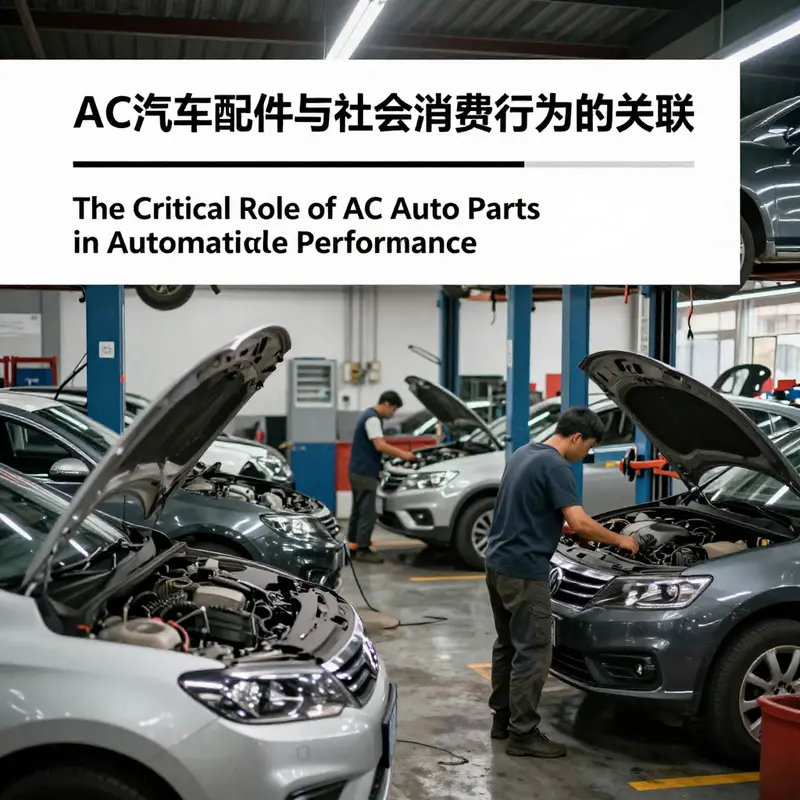
AC auto parts are more than spare components. They sit at the intersection of technology, regulation, and daily decision-making. The parts that make a vehicle’s climate system work—compressors, condensers, evaporators, expansion devices, driers, hoses—also shape how owners perceive value, trust providers, and decide when to repair or replace. This chapter traces that influence and explains why changes in parts flow, pricing, and service access rewrite consumer behavior.
Car owners now choose repair services with different priorities than a decade ago. Loyalty to a single brand or dealer has weakened. Instead, reliability of outcome and ease of interaction guide choices. When an AC compressor fails, owners want a clear diagnosis, a fair quote, and a fast resolution. Their decision spans several moments: researching symptoms, comparing offers, judging parts quality, and evaluating post-repair assurance. Each moment is sensitive to information clarity and perceived fairness.
Information has become the currency of trust. Digital reviews, repair forums, and transparent pricing tools lower the barrier to comparing parts and labor. Owners who once accepted standard dealer quotes now seek evidence: part numbers, warranty terms, and installation details. This creates pressure on the parts supply chain to provide traceable, verifiable products. When a condenser or evaporator carries clear origin and compatibility data, consumers feel safer choosing independent repair shops. The result is a gradual shift from passive acceptance to active selection.
Regulation plays a pivotal role. Rules that enforce transparent pricing and prevent anti-competitive conduct reduce the ability of any single actor to control parts availability or price. When regulators tighten oversight of aftermarket conduct, consumers gain leverage. Price transparency reduces information asymmetry between sellers and buyers. It also encourages repairers to justify their recommendations more carefully. For owners, the effect is practical: less suspicion about overcharging, and more willingness to shop across service providers.
At the same time, technological change reconfigures demand patterns. The emergence of new vehicle platforms and refrigerant standards means parts are not always interchangeable. Owners face trade-offs: choose a lower-cost aftermarket compressor, or pay more for a unit with explicit compatibility and longer warranty. These decisions depend on individual risk tolerance and the perceived competence of the repair provider. When technicians can explain differences in plain language, owners feel empowered. Conversely, opaque explanations push owners toward providers they already trust.
A critical structural challenge is the growing gap between repair demand and authorized technical support. As vehicle fleets mature and warranties expire, more cars require service. Independent workshops often lack access to original equipment parts or technical authorizations. The result is a market where availability varies widely. Some owners find convenient, affordable options nearby. Others confront long waits or limited choices. The shortage of certified technicians amplifies this problem, raising labor costs and elongating repair timelines. Consumers respond by adapting their expectations, pre-booking maintenance, or seeking alternative mobility solutions while their vehicle is repaired.
This environment encourages new forms of consumer engagement. Platforms that combine user feedback, shared buying, and repair education change the dynamic between owners and providers. Consumers who participate in co-creation—testing parts, sharing installation insights, or rating service outcomes—gain influence. They help shape which aftermarket parts gain trust. The tactile nature of AC components makes this especially potent: a well-documented success with a particular compressor model spreads quickly and can drive adoption across a local market.
Price sensitivity remains central. Owners weigh immediate repair costs against longer-term reliability. For AC systems, this calculus often includes multiple parts. Replacing a compressor may require new hoses, an accumulator, and refrigerant charging. Transparent bundling options simplify decisions. When parts and labor are itemized and explained, owners make choices aligned with their budgets. Without clarity, many opt for the cheapest visible option, risking repeat repairs. This behavior ties directly to how parts are marketed and distributed.
Supply-chain openness affects consumer confidence, too. A competitive aftermarket ensures alternatives to original parts. When parts flow freely, shops can offer varied price points and warranty packages. Open channels also reduce the risk of monopolistic pricing. For owners, the practical outcome is better bargaining power and more predictable service costs. However, openness demands stronger quality control. If low-quality parts flood the market, trust erodes rapidly. Rebuilding that trust requires rigorous certification, clear labeling, and consistent post-sale support.
Digital tools transform buying pathways. Mobile apps and online marketplaces expose owners to product specs, user reviews, and instructional media. For AC parts, visual aids and compatibility checks reduce installation errors. Shops that adopt those tools gain a competitive edge. They can show customers the exact part number, expected lifespan, and repair steps. That evidence reduces post-service disputes. Over time, such transparency forms a new baseline expectation for consumers, who increasingly demand the same clarity across all vehicle systems.
The social dimension is notable. Repair decisions are seldom solitary. Owners consult family members, friends, and community forums. A positive story about a fair repair experience spreads through social networks. That social proof influences both emergency and planned services. AC failures are emotionally charged; discomfort motivates quick action. A trusted referral that promises a competent technician and fair parts pricing will often trump a marginally cheaper unknown provider.
Long-term value perception drives replacement cycles. Some owners view AC parts as commodities—replace and move on. Others treat them as investments in vehicle longevity. The deciding factor is the seller’s ability to demonstrate long-term benefits. Clear warranty coverage, documented parts traceability, and visible installation standards convert buyers into repeat customers. Service providers who can back claims with data gain sustained loyalty without relying on opaque pricing tactics.
For the parts industry, the behavioral shifts imply concrete priorities. Suppliers must invest in traceability, quality assurance, and clear technical documentation. Distributors should facilitate rapid availability to avoid service delays. Repair shops need to translate technical complexity into simple decisions for owners. All players must recognize that consumers value fairness as much as functionality. A fair quote and a reliable part together create perceived value that transcends raw price.
As the market evolves, the boundary between consumer and co-creator will blur further. Owners who engage with parts testing and platform feedback help refine product lines. They become ambassadors for particular solutions. This user-driven refinement improves parts fit and performance. It also builds resilient local ecosystems of suppliers and technicians.
The relationship between AC auto parts and consumer behavior is dynamic. Parts availability, pricing transparency, and service quality directly affect how owners search, compare, and choose. Consumer expectations push the industry to open data flows, certify product quality, and prioritize accessible service. The outcome is a more competitive, user-centric aftermarket that aligns parts engineering with the realities of everyday vehicle use.
For a deeper look at how regulatory change is opening up the aftermarket and shifting consumer power, see this in-depth analysis: Bloomberg: China’s Auto Aftermarket Opens Up as Regulators Crack Down on Price-Fixing.
Final thoughts
As AC auto parts establish their importance not only in vehicle performance but also as drivers of economic trends, understanding their intricacies is essential for business owners. The air conditioning compressor, along with other components, plays a pivotal role in ensuring customer satisfaction and loyalty. Additionally, with global market trends, geopolitical dynamics, and changing consumer behaviors influencing supply and demand, it is crucial to stay informed. Embracing the full spectrum of AC auto parts knowledge equips businesses to navigate this competitive landscape effectively.