

The Mitsubishi Lancer Evolution X, especially in its high-performance MR and Final Edition trims, is renowned for its track-proven capabilities and compelling design. A core component of this esteemed vehicle is the BBS forged aluminum alloy wheels, which underscore its sporty character and engineering legacy. This article delves into the significance of BBS rims in the Evo X, their specifications, performance advantages, market position, comparison with other brands, and synergistic accessories that enhance overall functionality. Each chapter will build a comprehensive understanding of why BBS rims are not just an aesthetic choice but essential upgrades that resonate with automotive enthusiasts and business owners alike.
How BBS Wheels Define the Evo X: Performance, Fitment, and Value
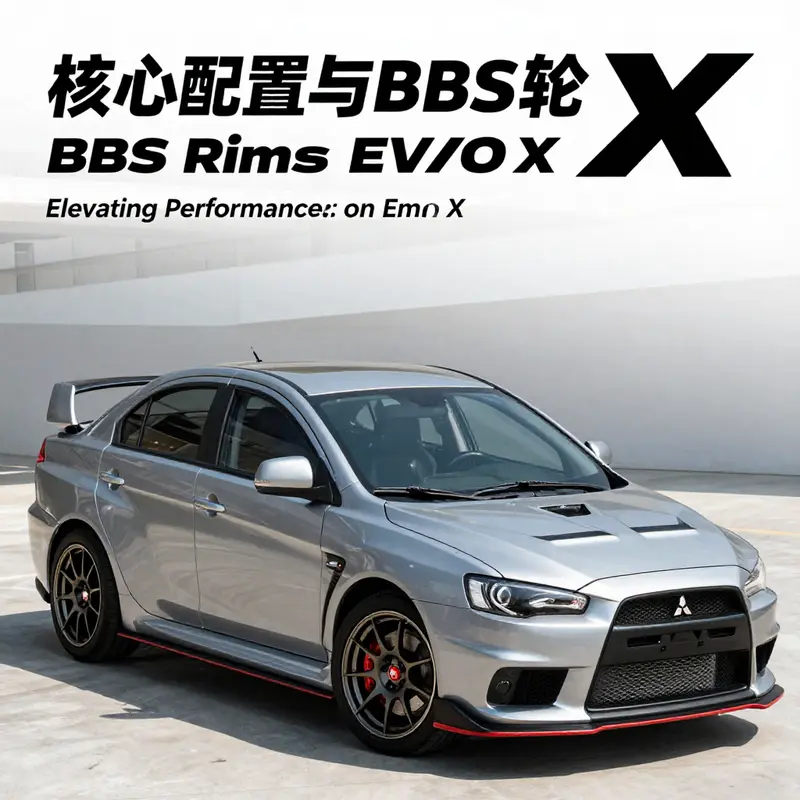
BBS wheels are more than a cosmetic choice on the Evo X; they are a functional component that helps define the car’s character. On high-spec variants, the factory-fitted forged 18-inch wheels arrive as an integral part of a matched performance package. That package includes wide high-performance tires, large brakes, and tuned suspension. Together, these parts let the chassis deliver sharper responses, stronger braking, and a planted feel when mid-corner. Discussing the BBS fitment and role on the Evo X reveals why many owners see these wheels as a worthwhile upgrade or a factory differentiator.
The wheel specification used by the high-end trim is purposeful. The diameter is 18 inches, width is 8.5 inches, and the offset sits at ET+38. This geometry is matched to a 245/40 R18 tire size. That combination balances contact patch, sidewall height, and wheel mass for a performance sedan that must behave on both road and track. The 18-inch rim provides enough sidewall to protect the wheel from impacts while keeping steering feedback sharp. The 8.5-inch width allows a reasonably wide tire without forcing extreme fender work. The ET+38 offset keeps the tire footprint centered in the arch, preserving suspension kinematics.
What elevates the factory wheel choice is the manufacturing method. Forged wheels achieve a higher strength-to-weight ratio than cast alternatives. The forging process compresses the metal’s grain structure, creating a denser, tougher wheel that resists fatigue and handles high loads. For the Evo X, that means reduced unsprung mass and lower rotating inertia. Reduced unsprung mass improves the suspension’s ability to follow road contours and maintain tire contact during quick changes. Lower rotational inertia helps acceleration and braking feel more immediate. These are measurable gains, but they also translate directly into what the driver senses: crisper turn-in, tighter steering feel, and more confidence at the limit.
The wheels do not operate in isolation. On the Evo X, the forged rims pair with large-diameter brake rotors and multi-piston calipers. Those brakes, when combined with the wheel’s ability to shed mass, shorten stopping distances and maintain consistent pedal feel under repeated use. The stock suspension hardware—firm dampers and well-calibrated springs—works with the reduced wheel mass to sharpen transient responses. The outcome is a chassis that feels more alive and more predictable. On a technical level, the forged wheels reduce vertical and rotational inertia, giving the dampers an easier job and improving the system’s overall bandwidth.
Visual identity matters for enthusiasts, and BBS designs often take a minimal, performance-led aesthetic. That cleaner visual language aligns with the Evo X’s purposeful styling and the exposed brake hardware. Many owners cite the way the wheels showcase the calipers and rotors as a key appeal. But the value argument is not just aesthetic. When the manufacturer offers genuine forged wheels as a differentiator between trims, a subtle price premium reflects tangible benefits. A modest extra cost at purchase yields a durable, high-performance component that holds appeal for both street and track use. For buyers who plan to extract the car’s handling potential, that initial investment often proves sound over time.
Comparisons with alternative wheels often focus on cost and design rather than raw performance. Well-known aftermarket brands produce high-quality wheels that may match forged originals in stiffness and weight. Yet the factory fitment brings two advantages: guaranteed fit and a validated package. Factory wheels are tested with the vehicle’s braking, steering, and suspension geometry in mind. That reduces the risk of clearance problems, unexpected rubbing, or improper load distribution. It also simplifies consumer decisions—buyers get a proven setup out of the showroom, with no guesswork about offsets, hub-centric fits, or brake clearance.
Beyond fitment, there is the question of aftermarket intent. For many owners, the factory forged wheels provide a strong base for future upgrades. Because they are high-strength wheels, they serve well under increased power and heavier brake upgrades. For those who want to add bigger slotted rotors, upgraded calipers, or stickier tires, the forged rims adapt well. Conversely, owners who intend wide-body conversion or extremely flush fitment may still replace the factory wheels. In that case, the original set remains a valuable spare or resale item. The durability and brand recognition of forged wheels maintain their market value.
Tire choice remains critical. The factory pairing of 245/40 R18 tires is a compromise that favors a blend of grip, rolling comfort, and sufficient sidewall for daily use. Owners who pursue track use often move to stickier, lower-profile tires, but this change alters ride quality and can expose the wheels to more abuse. Stiffer, lower-profile tires reduce sidewall flex and improve lateral grip but increase peak forces transmitted to the wheel and suspension. This is why the forged wheels are favored: they resist deformation under higher loads and sustain repeated track sessions better than many cast alternatives.
Maintenance and durability are practical considerations often overlooked in enthusiast debates. Forged wheels resist cracks and fatigue better than similar cast wheels under comparable stress. That resilience matters for owners who track their cars. Road hazards still pose risk; curb strikes can deform forged wheels, but repairs are sometimes possible. Proper cleaning and protection preserve finish and prevent corrosion at the barrel and spokes. Owners should also periodically check torque at the hub and inspect wheels for stress signs after heavy use. These simple routines extend service life and maintain safety margins.
Another facet involves resale and rarity. On certain models, the availability of a factory forged wheel option can create a perceived premium in the marketplace. Collectors and performance-minded buyers often prefer cars that left the factory with genuine high-performance components. That preference helps retain value. When a car with factory-forged wheels trades hands, it signals that the vehicle was equipped and likely maintained to a higher standard. For one extra cost at purchase, the long-term market perception can deliver a return.
Finally, aesthetics and identity deserve a closing note. A wheel’s design must align with the car’s character. On a high-performance sedan, the right wheel balances restraint and aggression. The factory forged design tends to emphasize lightweight structure and functional form. That approach mirrors the car’s mission as a capable road and track tool. Owners who value that union of form and function find the wheels integral to the Evo X experience.
For those researching parts, one available source lists an original set of factory R18 forged wheels designed for these sedans. That listing can be a reference for buyers seeking genuine replacements or spares: Brand New Original BBS R18 Rims for Lancer Sedans.
In short, the factory-forged wheel on the Evo X is a strategic component. It reduces unsprung and rotational mass. It works with brakes and suspension to improve response. It provides a validated fit that simplifies owner decisions. It adds aesthetic cohesion and holds resale appeal. For drivers who demand a car that behaves predictably at the limit, the wheel choice is not incidental. It is part of the engineering that makes the chassis deliver the experience enthusiasts prize.
Reference: BBS technical analysis and a deeper look at forged wheel benefits can be found in a detailed write-up here: https://www.klauto.com
How the Original BBS 18‑Inch Wheels Shape the Evo X MR: Exact Specs, Fitment and On‑Road Gains
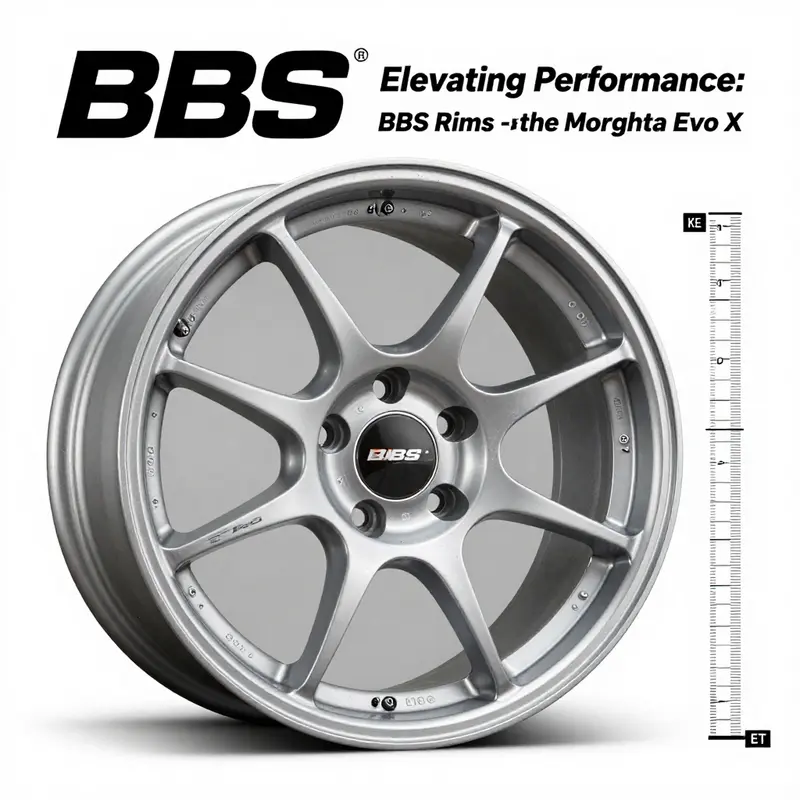
BBS wheels on the Evo X are more than a styling choice; they are a calibrated performance component. On high‑end trims like the MR and the Final Edition, the 18‑inch forged wheels are part of the car’s engineering intent. These wheels are specified to work with the car’s suspension, brakes, and tires as a system. Their nominal size—18 inches in diameter and roughly 8.5 inches in width with a positive offset in the +30 to +40 range—was chosen to balance tire contact patch, steering response, and fender clearance. On factory MR examples the widely reported spec is 18×8.5 with an offset around +38, and tire pairing commonly used is 245/40R18, giving the Evo X a predictable contact patch and responsive steering feel.
Those numbers matter because wheel diameter, width, and offset directly alter the behavior of the car. An 18‑inch wheel allows use of lower‑profile, higher‑grip tires without dramatically changing rolling radius. The 8.5‑inch width gives enough shoulder support for modern high‑performance tires, while the +38 offset keeps the track width and scrub radius in a window the chassis was tuned for. Changing any of those variables shifts suspension geometry. The factory BBS option avoids that uncertainty: it matches the brake calipers, fender clearances, and the car’s ride and handling balance out of the box.
Beyond the dimensions, the way these wheels are made is the real performance story. Forged aluminum construction produces a very high strength‑to‑weight ratio compared with cast wheels. The forging process compresses the alloy’s grain structure and eliminates many of the internal voids and weak points found in casting. This raises fatigue resistance and impact tolerance while allowing designers to remove unnecessary metal and reduce mass. Lower unsprung mass improves the suspension’s ability to follow road contours and speeds up the system’s response to bumps and steering inputs. On a car like the Evo X—whose quick steering and all‑wheel drive system reward precision—the reduced unsprung mass is noticeable in both agility and ride quality.
Stiffness is the second measurable advantage. A forged wheel resists flexing and deformation under braking, cornering, and lateral loads. That stiffness means the tire contact patch maintains its intended shape under load, improving consistency and feel. At the same time, many BBS designs use open spoke patterns that aid brake cooling. The combination of an open design and lightweight structure helps keep brake temperatures lower during repeated high‑load events. On Evo X models fitted with high‑performance calipers, this synergy reduces fade and preserves pedal feel on long spirited drives or track days.
Fitment considerations go beyond width and offset. Bolt pattern (PCD) and center bore must match to ensure a safe and vibration‑free installation. The Evo X platform commonly uses a five‑lug pattern consistent with many modern sedans. The factory wheels are engineered to either match that pattern directly or use hubcentric design to center the wheel precisely on the hub. When owners shop for aftermarket alternatives, verifying bolt pattern, hub centering, and correct stud or lug nut engagement is essential. Small errors in these details produce vibration, uneven wear, or compromised wheel retention under extreme loads.
Tire pairing is another critical piece of the puzzle. The factory choice of high‑performance tires in 245/40R18 format is a compromise between grip and compliance. That tire size works with the 8.5‑inch wheel to provide adequate sidewall support in hard cornering while preserving enough sidewall flex to absorb road imperfections. Lower profile tires on wider wheels might sharpen turn‑in but will amplify harshness. Conversely, narrower tires reduce lateral grip and change vehicle dynamics. The factory wheel and tire combination is tuned for a balance—precise enough for enthusiastic driving yet usable on everyday roads.
Durability and real‑world abuse also shape how these wheels perform. Forged wheels resist fatigue from repeated loading cycles, which benefits owners who see both street and track use. The stronger structure tolerates hard curb impacts better than many cast wheels, which can crack under concentrated force. That said, forging is not invincible. Severe gouges or sustained high‑impact events can still damage the wheel, and repairability varies by manufacturer and damage type. Factory wheels often come with detailed maintenance and repair guidance, so owners understand when a wheel can be safely reconditioned or must be replaced.
Aesthetic and psychological impacts are not trivial. The clean, purposeful styling of the factory wheel—often a multi‑spoke yet uncluttered pattern—signals the Evo X’s performance intent. It pairs visually with red brake calipers and aggressive bodywork to communicate capability even at a glance. But the benefit is more than skin‑deep. Drivers frequently report a more direct, confident connection to the road once the vehicle wears these wheels. That sensation is rooted in measurable changes to unsprung mass, rotational inertia, and suspension response. In short, the wheels alter what the driver feels underfoot.
Owners weighing the value proposition often compare the factory wheels to reputable alternatives. Some brands offer similar forged designs that match or nearly match the factory spec for weight and strength. Others deliver aesthetic choices with complex spoke patterns. When performance parity exists, the deciding factors become fitment convenience, warranty coverage, and brand preference. The factory wheels’ advantage is a known, OEM‑validated fit and finish. In markets where the MR trim was sold with the forged wheels, that option helped differentiate the model from lower trims and contributed to its resale cachet.
Practical installation notes matter when replacing or upgrading wheels. Accurate measurement of offset and backspacing prevents unwanted changes in scrub radius and fender clearance. Torque specifications for lug nuts must be followed precisely, and hub cleanliness is essential to ensure proper seating. For those retaining factory brakes, verifying clearance between spokes and calipers avoids rubbing under suspension compression. Where wheel spacers are used, owners should understand the load shifts and potential need for extended studs or different torque procedures.
On track, the advantages manifest clearly. The lighter rotating mass reduces gyroscopic resistance, helping the car change direction more readily. Lower unsprung mass improves wheel control over surface irregularities, maintaining traction during cornering transitions. Stiffer wheels reduce energy loss to flex, making throttle and brake inputs feel more immediate. Those qualities translate into measurable lap time improvements when a car is driven at its limits.
That said, wheel choice is not a silver bullet. Tires, suspension tuning, alignment, and driver skill remain the dominant determinants of performance. The right wheels amplify and refine those elements; they do not replace them. For owners seeking a balanced upgrade that preserves day‑to‑day comfort while enhancing dynamic feedback, a properly sized, forged 18‑inch wheel is often the most pragmatic choice.
For owners and enthusiasts wanting the authentic fitment, original sets labeled as factory 18‑inch forged wheels remain available through specialist parts channels and sellers. Choosing an original set avoids fitment guesses and ensures the wheel was engineered to the Evo X’s systems. For an example of an available factory wheel set for Lancer sedans, see this vendor listing for original 18‑inch wheels: Brand‑new original BBS R18 rims set for Lancer sedans.
A final practical reference: an industry piece that outlines the single‑piece forged wheel concept and its advantages offers helpful context. For a concise overview from an automotive media platform, see this general resource: https://www.sohu.com
null
null
Forged in Performance: BBS Rims on Evo X and the Competitive Wheel Landscape
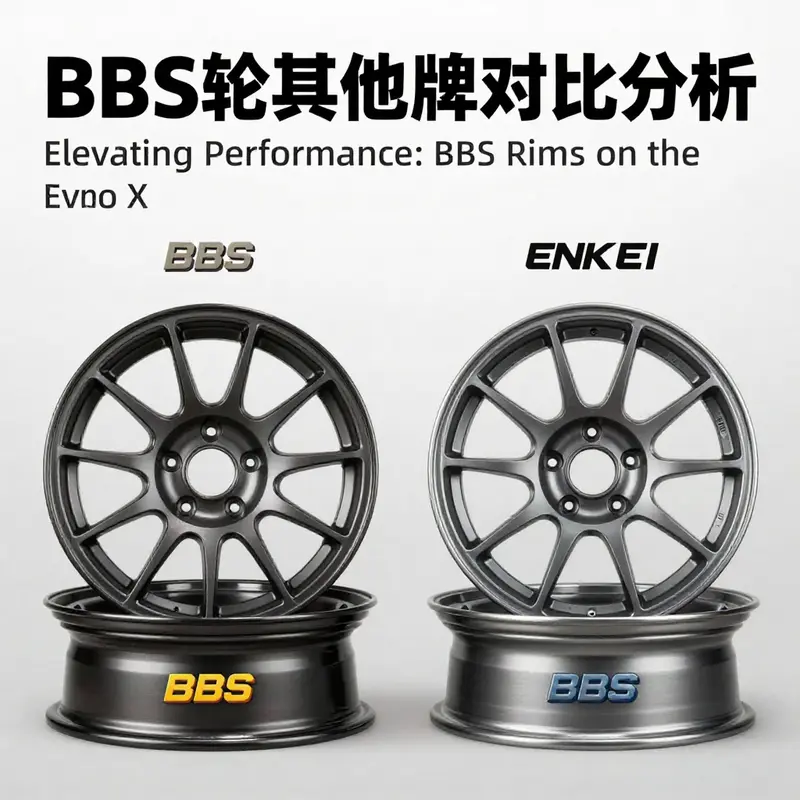
On the Evo X, the move to 18-inch BBS forged wheels on the MR and Final Edition marks more than a cosmetic upgrade; it signals a commitment to performance through lightening unsprung mass and sharpening response. The 18×8.5 wheels with an offset of +38 paired with 245/40 R18 tires balance grip, steering precision, and ride quality. Forged construction reduces rotating inertia, delivering quicker throttle response and more immediate turn-in, especially when the road is uneven or the tires are pushed toward the edge of grip.
BBS as a brand embodies racing heritage and engineering discipline. The dual-track manufacturing approach, with forging for high-end performance and cast for broader market reliability, allows a range of products that suit both daily driving and track use. On the Evo X, the forged 18-inch option emphasizes lightness and stiffness, improving how the suspension, brakes, and tires work together. The car feels more responsive, with reduced inertia during corner transitions and more predictable brake modulation under heavy braking.
In many markets, the look of the BBS wheel and the accompanying red Brembo calipers signals a performance-oriented package. The wheels are not just cosmetic; they are a core performance component that interacts with the tire and suspension to shape handling, braking, and feedback. The result is a chassis that communicates more clearly through the steering wheel, empowering the driver to pursue a higher limit with confidence.
Comparisons with other brands like Rays, HRE, or OZ reveal how BBS differentiates itself: authentic racing pedigree, a broader craft philosophy, and a balance of weight, strength, and price. The Rays tend to emphasize lightweight forged performance with a strong street-to-track continuum, HRE offers bespoke customization and high-end service, and OZ leans into European race heritage with efficient, lightweight designs. BBS maintains a strong halo through sport involvement and factory race programs, which often translates into a perception of reliability and engineering rigor that resonates with Evo X enthusiasts.
When considering value, owners weigh the weight savings and performance gains against cost and fitment realities. A forged BBS wheel can enhance throttle response, steering feel, and braking consistency, but it also requires compatible high-performance brakes, tires, and suspension tuning to fully realize the potential. The result is a holistic upgrade that rewards those who plan the wheel-tire-suspension package as an integrated system.
For readers curious about practical options, a common route is to install the forged BBS wheels as a direct-fit upgrade, preserving factory fitment while gaining rotational mass reduction and improved acceleration responsiveness. Some owners opt for staggered or slightly wider setups to broaden the contact patch, provided the chassis and tires are selected to match handling goals. The BBS option remains attractive due to its engineering pedigree and the sense of heritage it carries on the Evo X platform.
Finally, the conversation extends beyond Mitsubishi. The same engineering principles behind forged wheels translate to other enthusiasts and models, highlighting how the wheel choice can shape a car’s identity and performance capability. BBS remains a benchmark for many, emblematic of a philosophy that merges lightness, rigidity, and durability under load.
Harmonizing BBS Rims with EVO X: A Cohesive Blueprint of Wheels, Brakes, and Suspension
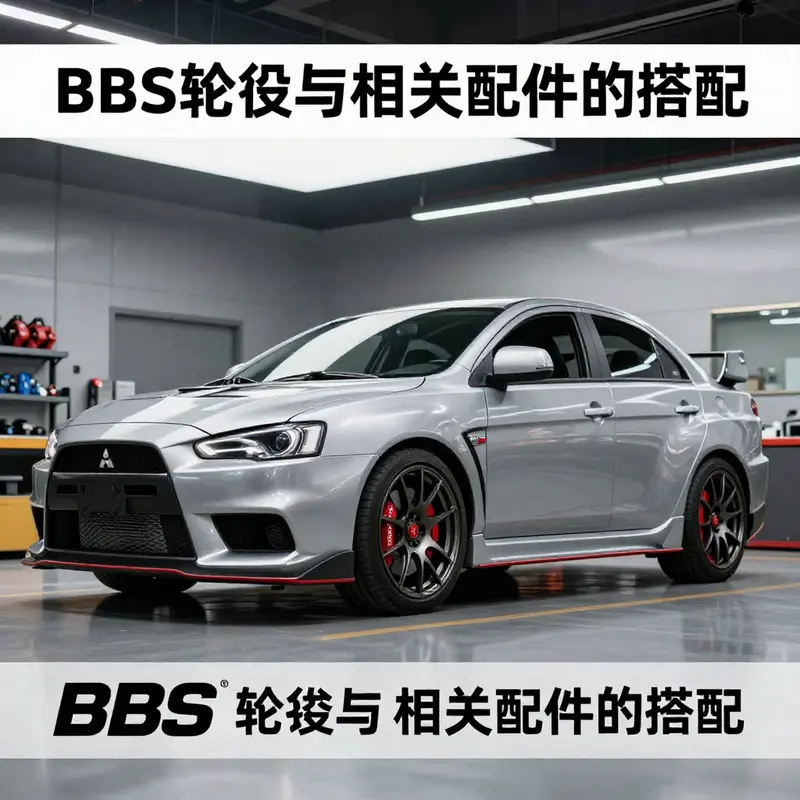
The EVO X MR and Final Edition carry a clear performance identity, and nothing signals that identity as distinctly as the factory BBS forged wheels that come shrouded in red Brembo calipers and 18-inch machined seascapes of light. The 18×8.5-inch wheel with a +38 offset is not a mere cosmetic flourish; it is a carefully calibrated component that reduces unsprung mass, enhances steering response, and supports the chassis in a way that makes the long doors feel shorter and the corners tighter. The 245/40 R18 tires paired with this wheel package are a deliberate compromise between grip and daily usability. In this combination, every rotation is an assertion of intent: the car wants to accelerate with minimal inertia and to brake with direct, linear feedback that communicates tire grip and road texture to the driver. This is not about chasing the biggest wheel or the loudest stance; it is about achieving a fluent, cohesive ride where wheel, tire, suspension, and braking system operate as a single, harmonized system. The BBS forged wheel is a central piece of that system, delivering strength, lightness, and durability that set the EVO X apart from its more pedestrian siblings. The engineering philosophy behind forged rims is straightforward yet powerful: removing mass from the hub while maintaining structural integrity translates directly into improved handling precision and faster response times. When the car is mid corner, the reduced inertia of the wheel keeps the steering signals clean, letting the driver feel the tire contact patch more clearly through the steering wheel. When the car accelerates, the reduced rotating mass shifts energy toward grip rather than inertia, so the halo of power around the tires translates into tangible acceleration benefits with less throttle lag. In the EVO X, that effect is amplified by the car’s chassis geometry and the torque delivery of its powertrain. The resulting dynamic is a refinement rather than a revolution—an evolution of the driving experience that a forged wheel can unlock without demanding radical changes to the car’s behavior.
The choice of 18 inches is part of a broader design philosophy. On the EVO X MR and Final Edition, the wheel size is not merely about size. It is about balancing the load path through the tire with the suspension’s ability to articulate and the brake system’s heat dissipation. A wheel that is too wide or too heavy can sap acceleration and increase unsprung mass, dulling steering feedback and reducing cornering grip. Conversely, a wheel that is too small or too narrow can starve the brakes of needed pad area and air flow, compromising braking performance. The 18×8.5 with ET +38 placement is a careful compromise chosen to provide adequate brake clearance, a generous tire sidewall that cushions irregularities, and a contact patch that remains predictable under high-G loading. The 245/40 profile is not arbitrary; it delivers a stable footprint at high speeds while preserving enough sidewall to absorb road imperfections without transmitting every bump to the cabin. This pairing embodies a tactile, driver-centric philosophy: the car should respond linearly to throttle and steering input, with a road feel that is communicative but not punishing.
Beyond the wheel itself, the tire’s load index and profile are critical. In an EVO X running genuine forged rims, the load rating should meet or exceed OEM specifications to preserve the intended handling balance and safety margins. The lighter wheel reduces unsprung mass, but tires still carry most of the vehicle’s dynamic load, so the tire’s stiffness and construction must align with the wheel’s characteristics. A high-performance tire with solid cornering grip and predictable tire wear properties becomes a natural partner to the BBS wheel, maximizing the chassis’ potential while keeping road feedback coherent. In practice, that means selecting a tire known for a balanced blend of grip, stability, and durability, rather than chasing lap-only performance at the expense of daily usability. The pairing of forged BBS wheels with a capable tire is a synergy that shines when the road narrows and the apex tightens, revealing how all components work together to translate intent into motion.
The brake system is another critical axis of this harmony. The EVO X, particularly in MR and Final Edition configurations, learns its confidence from its brakes as much as from its tires or its suspension. Large-aperture calipers and ventilated discs demand a wheel that can breathe—literally and metaphorically. The forged wheel’s lighter mass reduces the inertia the brake system must overcome during shift in load, allowing the calipers to present their maximum clamping capability with less lag. In many EVO X setups, the aesthetic cue of red Brembo calipers reinforces the mission of sport-oriented performance, but the visual is more than cosmetic. The color-coded calipers often sit in the line of sight when the wheel is spinning, and the wheel’s spokes must be designed to avoid heat pockets and ensure enough airspace for brake cooling ducts. A wheel that seals airflow or reduces brake venting can compromise stopping power in spirited driving, even if it looks the part. The BBS forged wheel, with its refined spoke geometry and generous open areas, contributes to brake cooling while keeping the weight down. A well-matched wheel design will avoid rubbing or heat-related deformation at high speeds and heavy braking, preserving brake feel even after repeated stops from high speed. In this sense, the wheel and brake system are a single feedback loop: the more efficiently the wheel carries the caliper and vented rotors, the more directly the driver can gauge brake performance and modulation.
The functional considerations extend to the small but essential accessories that accompany the wheel setup. The OEM center caps, finished in black or gold to complement the wheel’s palette, are more than cosmetic. They seal the wheel bore, deter dust and grime, and preserve alignment tolerances that keep wheel balance pristine. The lug hardware, too, matters. Using genuine BBS hardware or equally well-engineered equivalents guarantees thread engagement, torque accuracy, and sustained clamping force under dynamic loads. Counterfeit or ill-fitting fasteners are not merely an aesthetic risk; they can alter the wheel’s clamping force, thermal behavior, and even camber during aggressive driving. The practice of pairing forged wheels with high-grade center caps and lug hardware is a reminder that performance is a sum of parts, each playing a part in maintaining balance, ride quality, and safety.
From a visual standpoint, the integration of wheels, tires, and suspension plays a major role in the EVO X’s stance and character. For owners seeking a flush or slightly aggressive look, an air suspension system can be harmonized with the BBS wheel’s footprint to create a cohesive silhouette from curb to tire tread. The aesthetic result is striking and disciplined: a wheel that appears to cease time as the body sits in a poised, dynamic equilibrium. The color story also matters. The gloss or matte finish of the wheel, the brake caliper color, and the tire sidewall’s contour all contribute to a sense of motion even when the car is stationary. A carefully choreographed combination of wheel finish, tire profile, and suspension height can produce a visual rhythm that communicates performance intent to onlookers and drivers alike, while preserving ride quality in daily driving.
To illustrate how this wheel ecosystem can adapt to broader vehicle contexts without diluting the EVO X’s core identity, consider the principle of compatibility rather than mimicry. The same forged wheel design can be configured to suit different chassis widths, offsets, and PCDs, provided the installation tolerances are respected. It is not about forcing a single wheel onto every car but about delivering a coherent wheel platform that respects the vehicle’s fundamental geometry. The EVO X, with its balanced chassis and responsive steering, benefits from a wheel that complements this architecture rather than eclipsing it. The end goal is a cohesive, performance-forward package where wheel weight, tire rigidity, braking efficiency, and suspension compliance converge into a single, intuitive driving experience. This is the essence of a well-executed BBS wheel integration for the EVO X: wheels that sharpen the car’s instincts, tires that translate grip into controllable traction, brakes that invite confident modulation, and suspension that carries the ride with elegance and poise.
For readers seeking practical steps that align with this philosophy, the journey begins with confirming the core specifications: 18 inches in diameter, 8.5 inches in width, and a positive offset that preserves steering feel and brake clearance. Then, validate the tire’s load index and aspect ratio to ensure the combined package can sustain daily use while delivering the intended performance gains. When selecting brake components and caliper colors, prioritize compatibility and airflow. Finally, complement the setup with authentic center caps and appropriate lug hardware to maintain clamping force and balance. A properly matched wheel-tire-brake-suspension ensemble does not merely change a car’s appearance; it refines its dynamic response and enhances the driver’s confidence behind the wheel.
For those curious about authentic OEM accessory details, see brand-new-original-bbs-rims-set-of-4-r18-rims-for-lancer-sedans. This resource offers a concise snapshot of the official parts ecosystem that supports the BBS wheel family and its integration with Mitsubishi platforms, underscoring the principle that authenticity and engineering integrity remain central to performance upgrades. As with any high-performance wheel program, the aim is to maximize the EVO X’s potential while preserving reliability and safety across daily use and track-ready sessions. The journey from factory look to race-ready poise is not a leap but a measured progression, one that keeps the vehicle’s handling characteristics intact while inviting more precise feedback and greater driver engagement.
External context anchors this discussion in a broader engineering perspective. For a deeper look into wheel design and performance practices, follow a detailed technical resource that offers insights into forged wheel architecture and thermal management. This broader reference helps illuminate why forged rims, especially in a performance-focused chassis like the EVO X, contribute to a more predictable and controllable driving experience. https://www.klauto.com/article/123456
Final thoughts
In summary, BBS rims are not merely an aesthetic upgrade for the Mitsubishi Evo X; they encapsulate the essence of performance and precision engineering. Their specifications, alongside their pivotal role in enhancing vehicle dynamics, position them as essential components for any serious enthusiast or business owner looking to invest in high-performance aftermarket parts. Whether you are a dealer, a performance shop owner, or an enthusiast, understanding the value of BBS rims leads to better decision-making for enhancing automotive performance. As interest grows in customized vehicles, leveraging the prestige and performance benefits of BBS wheels can significantly impact business outcomes and customer satisfaction.