

The Mitsubishi Lancer Evolution X (2007-2017) has long been a favorite among car enthusiasts, especially those who crave modifications that enhance both performance and aesthetics. One such enhancement is the Varis V2 Style front bumper, which is not only a visual showpiece but also a significant contributor to aerodynamic efficiency. This article will delve into the intricate design features and superior materials used in this bumper, examine its compatibility and installation process, and discuss its market value and availability. Collectively, these insights will help business owners understand the importance and appeal of this aftermarket component in the automotive performance industry.
Shaping Speed and Identity: The Evo X Varis V2 Front Bumper as Aero and Aesthetics

The Mitsubishi Lancer Evolution X arrived at a moment when aerodynamic engineering became as much a statement of intent as a measurable performance upgrade. Its distinctive shark nose front end defined not only airflow but the car’s visual DNA. This chapter follows the Varis V2 Style Front Bumper for the Evo X, a component that embodies a philosophy where function and form fuse to produce a more aggressive, track ready silhouette while reshaping the car’s aerodynamic behavior. The Varis V2 approach does more than enhance appearance; it recalibrates the front end’s interaction with the air, guiding a flow that reduces lift at speed, channels cooling where it matters, and sharpens the overall stance so that the Evo X communicates intent even when it is standing still. In this sense, the bumper is both a performance device and a badge of identity for enthusiasts who see the Evo X as a platform to push the boundaries of handling, cooling, and aero fidelity.
At the core of the Evo X’s recognizability is that shark nose design language, a blend of sportiness and efficiency. The factory configuration prioritizes a balanced aero package, with the grille acting as the primary gateway for air into the radiator and the engine bay, while carefully placed ducts aim to keep temperatures in check under demanding driving conditions. The Varis V2 Style Front Bumper builds on that foundation but reinterprets it through a more angular, edges-forward lens. Where the OEM design leans toward smooth curvature and a symmetrical profile, the Varis variant leans into sharp lines, pronounced edges, and a more aggressive lower splitter. This is not a mere cosmetic upgrade; it is a deliberate aerodynamic re-sculpting. The bumper’s lines are crafted to encourage a more controlled separation of airflow around the core of the car, reducing front-end lift and creating a stable pressure distribution ahead of the wheels. The V2 aesthetic, characterized by tighter geometry and a more pronounced edge, speaks to a philosophy that a car’s front end can be as capable in the wind as it is in the corners.
The Varis V2 Style Front Bumper’s design language includes prominent air intakes and integrated channels that work in concert with the Evo X’s cooling architecture. The intake geometry mirrors the model’s need for engine cooling, and the additional channels serve cooling demands that intensify on track days or hard driving. The hood’s functional air intakes, while part of the stock Evo X, become visually integrated with the bumper’s front fascia, creating a cohesive front-end narrative. The brake cooling ducts, positioned on the sides of the bumper, remain crucial for maintaining pad and rotor temperatures, especially during extended braking zones encountered on circuits or spirited road sections. In a high-speed context, those ducts become a practical necessity, ensuring that the braking system can sustain performance without thermal fade. The Varis V2 design recognizes these realities and enhances them with a geometry that preserves air for the engine while channeling exhaust and friction-generated heat away from vital components.
The materials chosen for a bumper of this type often include high-strength options like carbon fiber or GRP. Carbon fiber, with its renowned stiffness-to-weight ratio, reduces the front-end mass and can contribute to more immediate steering response and a more planted feel at high speeds. GRP variants, while potentially heavier, offer durability and cost considerations that can be appealing for daily drivers or track-day enthusiasts. The material selection also affects usability: carbon fiber parts typically demand careful inspection for structural integrity and can require attention to fitment tolerances during installation. The lightweight nature of carbon fiber aligns with the Evo X’s performance heritage, where every kilogram matters on a circuit and even small reductions can translate into meaningful gains in responsiveness and handling feel. The Varis V2 style’s combination of a wide, angular silhouette with a robust splitter contributes to a lower, more aggressive stance, which not only improves aerodynamic efficiency but also creates a visual cue that the car is ready to lean into the next corner.
Fitting a Varis V2 bumper onto an Evo X is a process that emphasizes compatibility with the car’s front end architecture. The Evo X platform from 2007 through 2017 carries a front-end assembly designed to cooperate with factory components such as the headlights, hood, and front lip. The Varis unit is engineered for a seamless installation, but enthusiasts should anticipate how the modified leading edge and the bumper’s mounting points align with the stock fasteners and supporting structure. The aim is to preserve the integrity of the cooling system, to avoid interfering with the headlights’ beam pattern, and to keep the overall width and wheel alignment within the vehicle’s design tolerances. In practice, the install may involve minor adjustments to the mounting points and, in some cases, refinements to the lower splitter or lip assembly to ensure a flush, secure fit. The payoff is not merely a revised look; it is a front end that behaves differently in the wind, with a predictable stall behavior and a more consistent ride quality at higher speeds. To maintain compliance with lighting regulations and ensure the bumper does not obscure critical lighting components, careful measurement and alignment are essential during the installation phase.
The ethical and practical considerations of upgrading the Evo X front end extend beyond aesthetics and into performance legitimacy. The Varis V2 Style Front Bumper is intentionally designed to work with the car’s aerodynamics to deliver a more assertive presence without compromising cooling or lighting. The concept of a performance-oriented customization is not new, but it is particularly salient in a platform like the Evo X, where enthusiasts are accustomed to balancing power, grip, and airflow. The V2’s sharper geometry and aggressive lip are intended to generate additional downforce at speed, a sensation drivers phrase as being more planted at the apex. Such downforce should be achieved without substantially increasing drag or disturbing lift characteristics at the front. The intent is to preserve the Evo X’s mid-corner behavior while adding a measure of stability that enhances driver confidence. This kind of aero refinement invites a more disciplined approach to road and track driving, inviting the operator to push the car further with a more predictable front end.
A key aspect of this design conversation is the interplay between modification and regulation. The Varis V2 bumper, like many aftermarket aero parts, emphasizes the need to verify compatibility with the vehicle’s cooling system and the car’s lighting regulations. It is not enough to achieve a dramatic look or a high-tech aero profile; the component must maintain or improve cooling efficiency and must not interfere with the vehicle’s lighting requirements. The balance between form and function is delicate. The bumper’s intended role is to channel and shape air in ways that improve front-end stability and heat management while preserving access to critical components for maintenance. This balance explains why the Varis V2 style often appeals to enthusiasts who value a track-minded, cohesive look that remains practical for street use.
The market reality surrounding Varis and similar high-performance aero parts offers another layer of context. Collectibility and value emerge from the combination of engineering sophistication, brand heritage, and the car’s cult status within tuner culture. In some listings, you may find carbon fiber components and front-end lips priced at a level that reflects not only material quality but also the enduring appeal of a distinctive, aggressive Evo X persona. The wider adoption of Varis and its V2 line demonstrates a desire among drivers to pair an unmistakable silhouette with purposeful aero features that serve a measurable performance function. The resulting combination the shark-nose Evo X with an angular Varis V2 bumper creates a car that is not only faster through the air but easier to recognize on the street, at events, or on the grid.
As an example of the broader ecosystem surrounding these parts, it is worth noting how manufacturers and suppliers present compatibility with factory components, such as headlights, hood, and lip, when describing fitment. The emphasis is on a seamless integration that respects the Evo X’s dimensions and on ensuring the part complements the vehicle’s overall design language. To illustrate the ongoing dialogue between OEM references and aftermarket interpretations, consider the presence of genuine front bumper options that reflect a careful consideration of fit and color matching that appeals to purists who demand that aftermarket parts respect the vehicle’s original architecture. The reality is that the Varis V2 bumper exists at the intersection of performance engineering and visual identity, providing both a function-forward engineering solution and a bold stylistic statement.
For readers contemplating the next step in their Evo X project, the lesson is clear this is not a cosmetic upgrade alone. It is an aero-aesthetic decision that anchors a broader pursuit of balance, performance, and presence. The Varis V2 bumper serves as a case study in how aftermarket aero parts can redefine the front end’s dialogue with the wind, how they can influence cooling paths, and how they can reinforce a driver’s sense of control as speed increases. It also demonstrates the importance of thoughtful compatibility ensuring the part works with the vehicle’s cooling system and lighting setup, and that it can be installed with the care necessary to maintain structural integrity and aesthetic harmony. The Evo X, with its already strong design language, becomes a canvas for these aerodynamic refinements, inviting owners to push beyond stock limits while preserving the car’s essential character. In the end, the Varis V2 bumper is not just a modification; it is a conduit for a more deliberate and expressive expression of speed and engineering on a platform that remains a milestone in modern import performance. For those who want to read more about the official dimensions and specifications that frame this conversation, the manufacturer’s page provides a foundational understanding of the Evo X’s aero approach and how aftermarket components strive to align with it: https://www.mitsubishimotors.com/vehicles/lancer-evolution-x/.
null

null
Precision at the Front: Evo X V2-Style Front Bumper Fitment and Compatibility
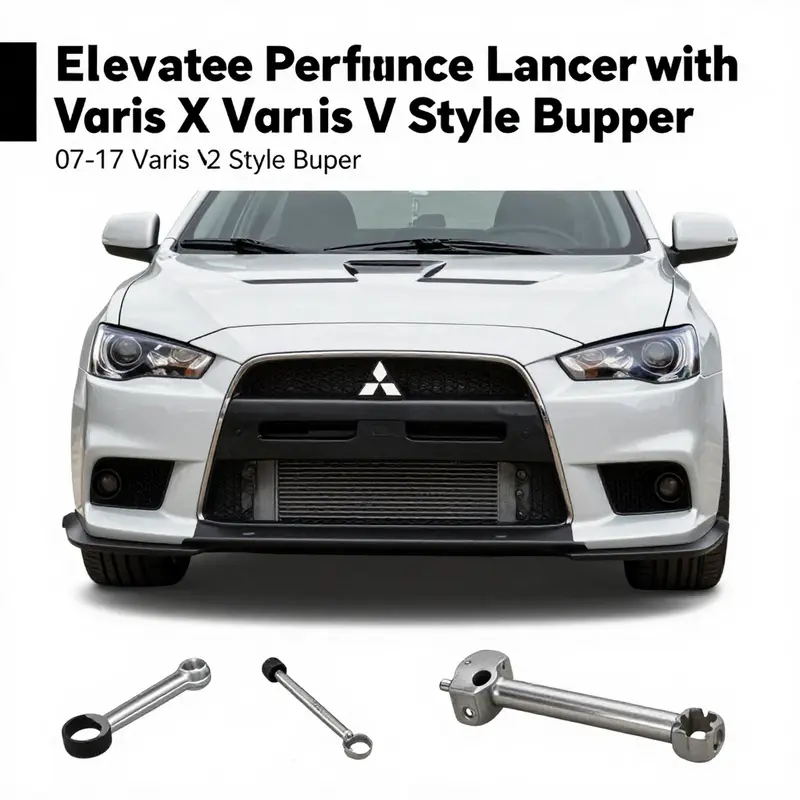
When upgrading the Evo X with a V2-style front bumper, compatibility is about more than just bolting on a shell. It is a careful alignment exercise that respects factory mounting points, headlight geometry, cooling ducts, and the lip or splitter silhouette. The goal is a precise fit that preserves OEM gaps, maintains airflow paths, and avoids interference with sensors, wires, and the hood latch. Material choices, whether carbon fiber or GRP, influence tolerances and the ease of trimming if minor fitment adjustments are required. A well-planned installation proceeds from pre-fit mockups to snug fastening, followed by careful seam finishing and test-fit checks at wheel lock and suspension travel. With attention to detail, the result is a front end that looks intentional and breathes with the engine bay, an upgrade that balances styling with performance without compromising reliability.
null

null
Final thoughts
The Mitsubishi Lancer Evo X Varis V2 Style front bumper is a prime example of how aftermarket components can elevate both the performance and aesthetics of a vehicle. Its thoughtful design and premium materials ensure not just style but also enhanced aerodynamics, making it a sought-after addition for enthusiasts and businesses alike. Understanding the compatibility, installation process, and market trends surrounding this bumper allows business owners to make informed decisions regarding their inventory and customer offerings. Investing in products like the Varis V2 Style front bumper can significantly enhance a business’s reputation in the automotive modification market, capitalizing on the growing demand for high-quality performance parts.