

三菱欧蓝德是一款受欢迎的SUV。轮毂不仅影响外观,还影响操控与安全。随着市场对后备件需求的增加,选择轮毂变得更为多样。本文将从四个方面分析轮毂的规格、材料、替换选项以及市场采购途径,以帮助车主和商家做出更明智的决策。
Rim Sizing, Style, and Safety for Mitsubishi Outlander: A Practical Guide
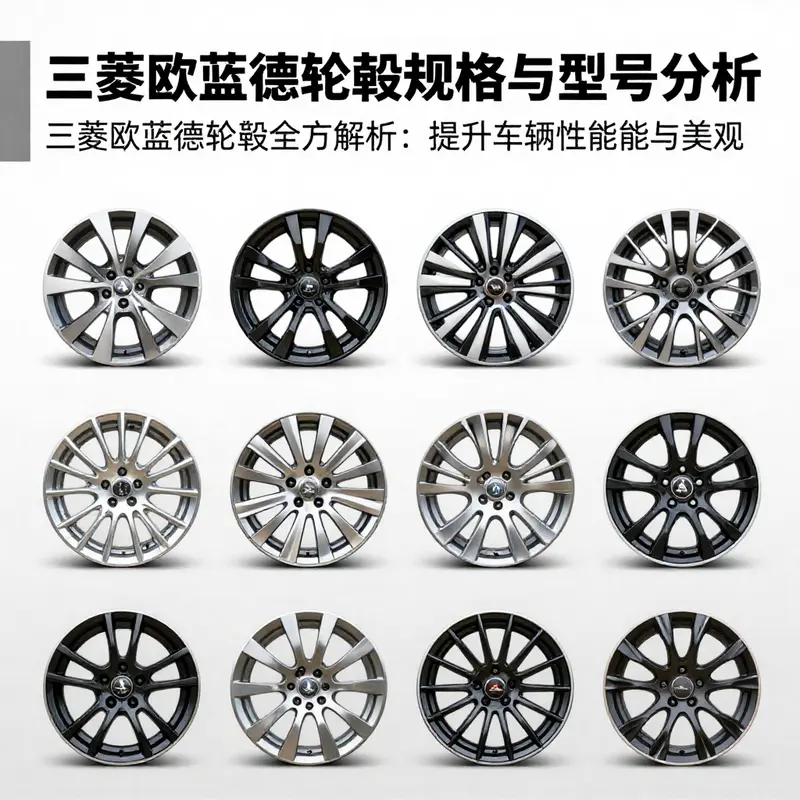
The wheel is more than a cosmetic detail on a Mitsubishi Outlander; it is a critical interface between the road and the vehicle’s behavior. Rim size, material, and design influence ride quality, steering feel, brake cooling, load capacity, and even efficiency. Across generations and markets, Outlanders have offered a spectrum of wheel options that balance affordability, performance, and appearance. Understanding this spectrum helps owners move beyond aesthetics to select rims that harmonize with engineering and driving needs.
The practical wheel options tend to cluster around three sizes: 16-inch, 18-inch, and 20-inch. The 16-inch option has often served as the default on entry level trims and lower powered configurations, commonly paired with tires around 215/70 R16. This size prioritizes comfort, durability, and winter usability, with taller sidewalls that cushion rough roads and snow. The 18-inch wheel is the mainstream choice for many trims, typically paired with 225/55 R18 tires, offering a balance of ride comfort and sharper handling. The 20-inch variant appears on higher trims and some markets, delivering a more assertive stance but a firmer ride and greater exposure to road imperfections; it is usually matched with tires such as 255/45 R20. When selecting wheel size, consider local road conditions, desired ride quality, and how much performance a given setup will deliver in daily driving.
Beyond diameter, fitment matters as much as style. Outlander rims use a five lug pattern, and the hub bore must match the vehicle hub to ensure proper centering. The width and offset (often referred to as ET) control where the tire sits in the wheel well and can affect steering feel and brake clearance. Incorrect width or offset can lead to rubbing, altered steering geometry, or unintended load on bearings and suspension components. Always confirm the exact specifications for the year, engine, and market from the vehicle’s data plate or owner’s manual, and when considering aftermarket rims, seek wheels designed for Mitsubishi platforms with the correct bolt pattern and safe offset range.
Most Outlander rims are aluminum alloy and come in finishes that range from classic to contemporary two tone designs. Alloy rims offer a favorable balance of light weight, strength, and heat dissipation for braking performance. When shopping for refurbished OEM rims or aftermarket alternatives, inspect for straightness, structural integrity, and a durable finish that stands up to curb contact and road salt. OEM wheels typically guarantee easier fitment and clearer warranty terms, while well selected aftermarket rims can broaden styling options if they remain properly matched to the vehicle’s geometry.
Tire compatibility remains inseparable from rim choice. Standard factory sizes commonly seen are 215/70 R16 on 16-inch setups and 225/55 R18 on 18-inch configurations; 20-inch wheels may pair with 255/45 R20 on applicable trims. The factory spare is typically a compact 215/70 R16 designed for temporary use, so plan tire replacements that maintain the same rolling diameter to avoid ABS or traction control issues and to keep spare compatibility practical. When upgrading wheels, align the wheel and tire package with the vehicle’s spare configuration and verify speed rating and load capacity align with your tires and payload expectations.
In practical terms, the safest path is to identify the exact OEM specification for the year and market and then explore aftermarket options that preserve the established geometry. Check the VIN based specification plate, consult the owner’s manual, and verify bolt pattern, center bore, width, and offset. For buyers considering refurbished OEM rims or aftermarket wheels, ensure the parts are labeled for the correct five lug pattern and that the center bore matches or exceeds the hub diameter. The right combination maintains brake clearance, steering response, and suspension geometry, preserving safety and performance while letting you customize the vehicle’s appearance.
For readers seeking additional context on wheel and tire fitment, be mindful of how tires interact with rims and the broader suspension and brake components. The correct pairing supports predictable handling, reliable braking response, and long term durability. The Outlander rim ecosystem is broad enough to support a range of stylistic choices, yet anchored enough to ensure the driving experience remains safe and comfortable across seasons and road conditions.
Rim Material, Form, and Feel: The Subtle Engineering Shaping the Mitsubishi Outlander’s Wheels
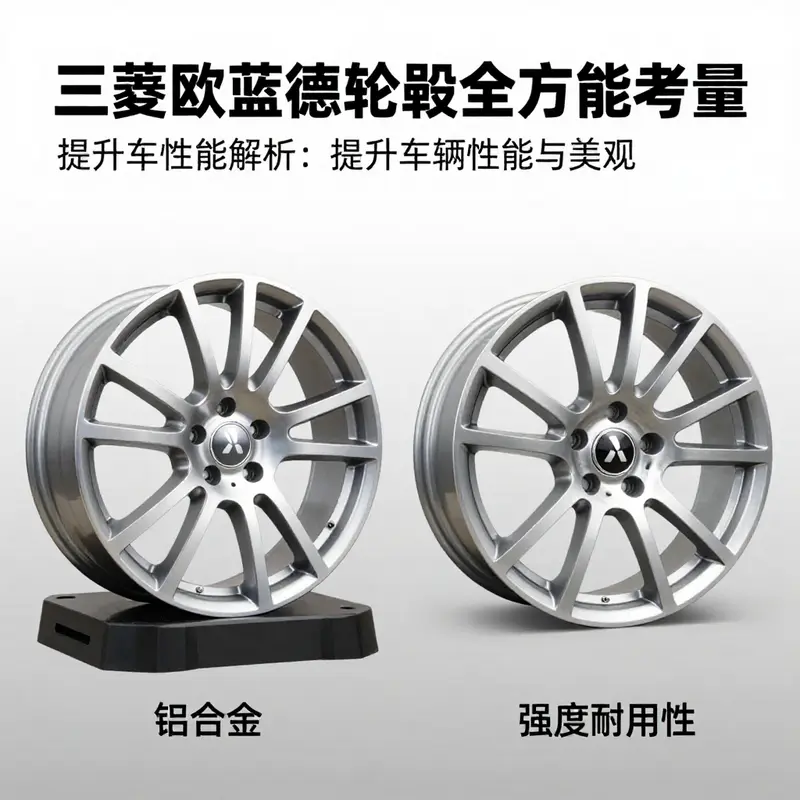
Wheels are easy to overlook in the grand scheme of an SUV’s design, yet they anchor the vehicle’s performance, safety, and everyday comfort. When you lift the hood or catch a glance at the side profile, the rim—the gleaming ring that encircles the tire—does more than frame the wheel. It is a quiet actuator of weight, stiffness, and balance, a component whose choice echoes in the ride quality, steering response, and even the subtle feel of road texture through the chassis. For the Mitsubishi Outlander, a model that blends practicality with a touch of refinement, the rim is a decisive companion to the vehicle’s engineering package. The story of its rims begins with a simple, common material: aluminum alloy. Across generations of the Outlander, the factory wheel rims have leaned toward aluminum alloy, a choice driven by the relentless pursuit of lightness without sacrificing strength. Aluminum alloy rims are inherently lighter than their iron or steel counterparts, and this lightness translates into tangible, measurable benefits. Reducing unsprung mass—the portion of the vehicle not supported by the suspension—allows the suspension to respond more freely to road irregularities. It improves tire contact with the surface, which in turn supports better grip, more predictable handling, and a smoother ride. In practice, this means less vertical and horizontal wobble, lower balance errors, and a smaller rotational inertia that otherwise resists changes in speed or direction. These mechanical advantages are not merely abstract. They translate into a more responsive steering feel, quicker turn-in, and reduced fatigue on long drives where tiny shifts in weight can accumulate into a perceptible harshness or a hesitant ride. The dynamic stability of a vehicle—the way it resists disturbances in steering, braking, and acceleration—also benefits from lighter rims. Aluminum rims, with their favorable stiffness-to-weight ratio, help maintain the intended tire footprint through corners and lane changes, promoting consistent grip. In turn, drivers perceive steadier tracking on highway sweeps and more composed cornering, especially when the road surface is uneven or damp. Beyond the mechanical, the structural and architectural role of rims should not be underestimated. The rims contribute to the overall integrity of the wheel assembly by providing a precise mating surface for the hub, the bearings, and the tire bead. A well-made aluminum rim features tight tolerances and high concentricity, which minimizes vibration and deviation in rotation. The result is a quieter cabin, a more stable ride, and less stray wobble when the tires are under load during braking or acceleration. These attributes are not accidental; they reflect a chain of careful choices about alloy composition, forging practices, and finishing processes that ensure balance, lateral rigidity, and long-term resilience. It is the same reason aluminum rims are favored for their ability to be precisely machined, to accommodate a secure center bore, and to accept a reliable bead seating for a wide range of tire sizes. The Outlander’s design and engineering philosophy consistently prize versatility and reliability, and the rims align with that ethos. As a family-hauling SUV, the Outlander must perform across a broad spectrum of conditions—from slick urban streets to backroads and light-duty towing. Aluminum rims support that versatility by offering enough strength to manage daily demands while keeping the mass within a range that preserves fuel economy and ride comfort. The material’s inherent corrosion resistance is another practical advantage, especially for drivers who encounter road salt in winter or humid coastal air. Aluminum alloys form a protective oxide layer that, with proper care, resists the corrosive effects of moisture and salts. The Outlander’s rims are therefore less vulnerable to surface pitting and rust that can otherwise mar aesthetics and compromise long-term performance. Yet the story of rims on the Outlander is not purely about stock configurations. The aftermarket landscape demonstrates a spectrum of options that speaks to the vehicle’s adaptability and the owner’s personal taste. Some owners, especially early models, have experimented with iron rims—steel, in essence—paired with widebody styling and hand-finished paintwork. This combination creates a striking, individual appearance that some enthusiasts describe as a bold, street-appropriate stance. Iron rims, while offering exceptional durability and cost efficiency, come with tradeoffs. They are heavier than aluminum, which increases unsprung mass and can influence ride quality, steering response, and braking performance. The larger question becomes one of balance: how far a driver wants to tilt toward aesthetics or toward dynamic performance. It is a tension that reveals the broader ethos of wheel customization. Another axis of choice centers on forged aluminum rims, which offer a higher strength-to-weight ratio than standard cast aluminum. Forged rims can enable larger wheel diameters and wider widths without excessively increasing weight, potentially boosting handling and braking performance while maintaining a lean overall mass. For some Outlander owners, upgrading to a larger forged-aluminum wheel is a pathway to a more premium feel—an accelerated sense of precision during aggressive maneuvers and sharper feedback through the steering wheel. The temptation of larger wheels, like 20 inches, is real. It is a visual upgrade that also carries performance implications. A larger wheel can fill the wheel well more assertively and may provide improved braking feel because the contact patch can be tuned with corresponding tire profiles. But the downsides are not trivial. Heavier wheels increase unsprung mass, potentially raising ride stiffness and compromising ride comfort on rough roads. Tire sidewall height must also be considered, because the tire’s profile interacts with the wheel’s diameter to preserve braking performance, traction, and ride quality. The practical takeaway for most Outlander owners is a disciplined approach to wheel sizing: understand the exact dimensions required by the vehicle’s year and trim, verify the bolt pattern and center bore, and confirm that the tires chosen preserve the proper overall diameter for speedometer accuracy and ABS function. The original equipment manufacturer specifications, while helpful, cannot replace careful measurement and professional advice when selecting aftermarket rims. For Outlanders, a common reference point remains the 18-inch size found on several configurations between 2016 and 2019, framed by a wheel width that supports both everyday comfort and modest capability enhancements. This is not merely about angle and aesthetic; it is about preserving the relationship between the wheel, the tire, and the suspension geometry—the trio that determines how the car feels at its limit and how it remains composed through everyday undulations. When the discussion turns to fitment, the center bore must align, and the wheel’s offset must be compatible with the suspension and brake calipers. The offset, or ET, determines how deeply the wheel sits inward or outward relative to the wheel arch. An improper offset can push the tire into the fender, alter scrub radius, or create rubbing under compression. Even tire choice matters. With a given wheel diameter, the tire’s width and aspect ratio tune ride comfort, cornering grip, and rolling resistance. The wheel and tire system is a package, and the rim is the core that anchors it. In this sense, choosing a rim is less about chasing the flash of appearance and more about respecting the mechanical dialogue between hub, tire, and suspension. The Outlander’s ownership experience—peaceful highway cruising, predictable city handling, and stable winter performance—benefits when the wheel assembly remains within the original design intent. Yet the aftermarket spirit thrives in the Outlander community. It is not unusual to encounter a project that pairs a refined forged aluminum rim with a widened body kit, achieving a modern, assertive stance that eschews bling for a cohesive personality. The aesthetic payoff can be meaningful, but the engineering cost must be weighed. The wheel is the unsung steward of balance and boundary. There is a delicate balance between weight, strength, and resilience, between the serene ride on a smooth boulevard and the precise feedback needed on a rougher road. In a market that emphasizes a blend of performance and practicality, the rim stands as the hinge that links the Outlander’s inertial dynamics with the human experience of driving. To navigate this landscape wisely, owners should consult the vehicle’s documentation and rely on technicians who understand the interplay of wheel diameter, offset, center bore, lug pattern, and tire size. The goal is a harmonious combination that preserves speedometer accuracy, ABS reliability, and steering feel while delivering the owner’s intended mix of aesthetics and performance. For readers curious about how rim sizing translates across different Mitsubishi models, a broader look at rim compatibility across platforms can be enlightening. A practical reference point is a guide addressing rims for popular Mitsubishi configurations, which discusses how wheel diameter and width influence fitment and appearance across model lines. This resource highlights the universal truth that rims are not an isolated feature but a critical component of overall vehicle dynamics. In the context of the Outlander, this means recognizing that a rim’s weight, stiffness, and precision have cascading effects on ride quality, handling steadiness, and even the tactile connection the driver feels through the steering wheel. As a final reflection, consider the rim as a form of personal expression that also serves as a guardian of safety and performance. The Outlander invites owners to balance practical concerns—center bore compatibility, correct bolt pattern, appropriate tire-to-rim relationship, and a level of durability suited to daily use—with the desire for a distinctive, confident presence on the road. The material choice—predominantly aluminum alloy in stock configurations—provides a reliable foundation for both mundane commuting and more ambitious projects. It offers the best of both worlds: weight savings that support efficiency and dynamics, and the durability and corrosion resistance that suit a versatile family vehicle. The aftermarket options—whether iron, forged aluminum, or larger diameters—present a spectrum of possibilities. Each path has its own logic, cost, and consequence for ride quality and handling. The key is to move deliberately, informed by the vehicle’s original geometry and by a realistic appraisal of how changes will resonate through steering, braking, and suspension. For readers who want a concrete starting point when exploring rim options, consider looking at discussions that compare rim sizes across different Mitsubishi models and how those choices translate to fitment realities. The practical takeaway remains clear: determine the exact size, offset, and bore your Outlander requires, and pair them with tires that match the intended use and the local road conditions you encounter most often. This approach respects the engineering intent of the vehicle while allowing room for personal expression. If you want to see how rim choices align with the broader ecosystem of wheel options, you can explore related discussions that guide readers through the nuanced relationship between wheels and overall vehicle dynamics, including how different wheel configurations can influence ride quality and steering response under a variety of conditions. For readers who are curious about cross-model rim compatibility, a relevant resource on rims used in other Mitsubishi models can provide useful context and help frame decisions within a wider engineering perspective. Rims fit Mitsubishi Eclipse wheels 2018-2023. This kind of cross-model lens often clarifies which dimensions and offsets tend to be compatible across generations, even as you respect the Outlander’s unique suspension geometry and bodywork. As with any significant modification, it’s prudent to consult a qualified technician, verify wheel-to-hub clearance, and ensure that the tire selection preserves the vehicle’s overall diameter to keep the speedometer and traction-control systems functioning as designed. External references that deepen the understanding of wheel physics—such as the fundamental treatment of a wheel’s role in vehicle dynamics—offer a theoretical backdrop for practical decisions. A comprehensive overview of wheels and their function in road vehicles can be found at baseline reference materials on wheel design. External reference: https://en.wikipedia.org/wiki/Wheel_(vehicle).
跨越轮毂边界:欧蓝德轮毂升级全景指南
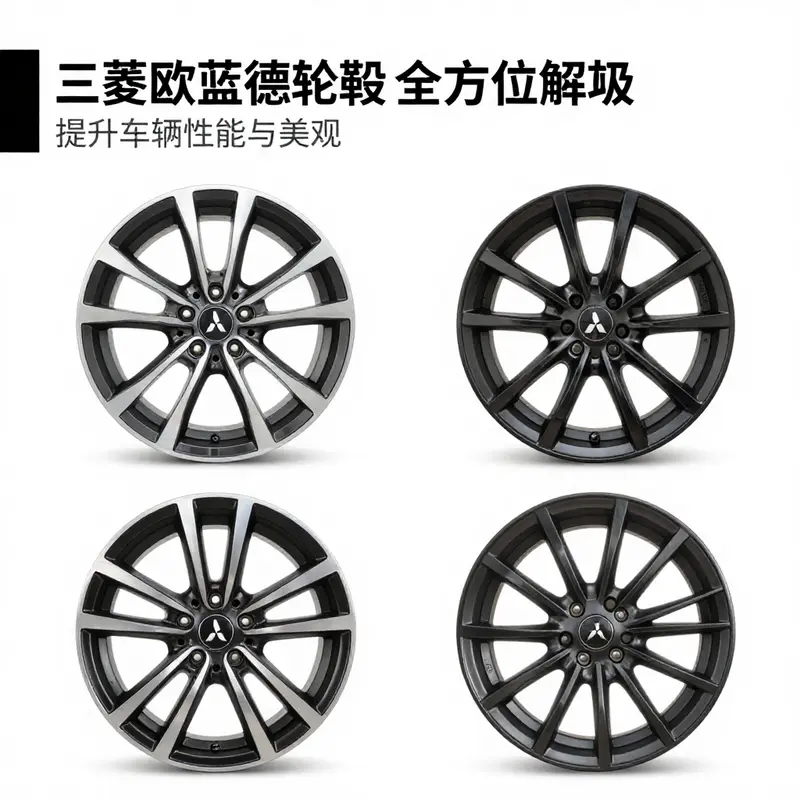
在日常使用中,轮毂不仅承载轮胎,还会影响驾乘体验、操控与外观。本指南聚焦三菱欧蓝德的轮毂替换与升级,强调尺寸、偏距、中心孔径等关键参数的匹配,以及与轮胎、悬挂和制动系统的协同优化。
购买时请核对轮毂的直径、PCD(螺栓孔圆距)、ET值和中心孔径,并确保新轮毂能与现有轮胎规格无缝衔接。常见选项包括18、19和20英寸的轮毂,选择需结合驾驶习惯、路况与原厂底盘调校进行权衡。
18英寸轮毂性价比高,舒适性与操控较均衡;19英寸更强调运动风格,需匹配更合适的轮胎和悬挂设置;20英寸则追求外观与极致性能,但对悬挂、轮胎以及制动系统的协调要求更高。无论尺寸大小,轮毂升级应与轮胎、制动和悬挂的综合调校同步进行,避免单一部件的升级导致整车性能失衡。
定制轮毂与宽体气动系统可带来个性化外观,但涉及宽度、轮拱间隙以及法规合规等复杂因素,应在改装前进行充分评估。本章也提醒读者在不同地区存在的法规限制,改装前请咨询当地管理部门或专业机构。
若需要直达参考,可查阅内部资源中的相关条目与外部资料,以帮助判断不同车型的尺寸逻辑与匹配点。
在道路与风格之间:欧蓝德轮毂的市场、兼容性与采购之路
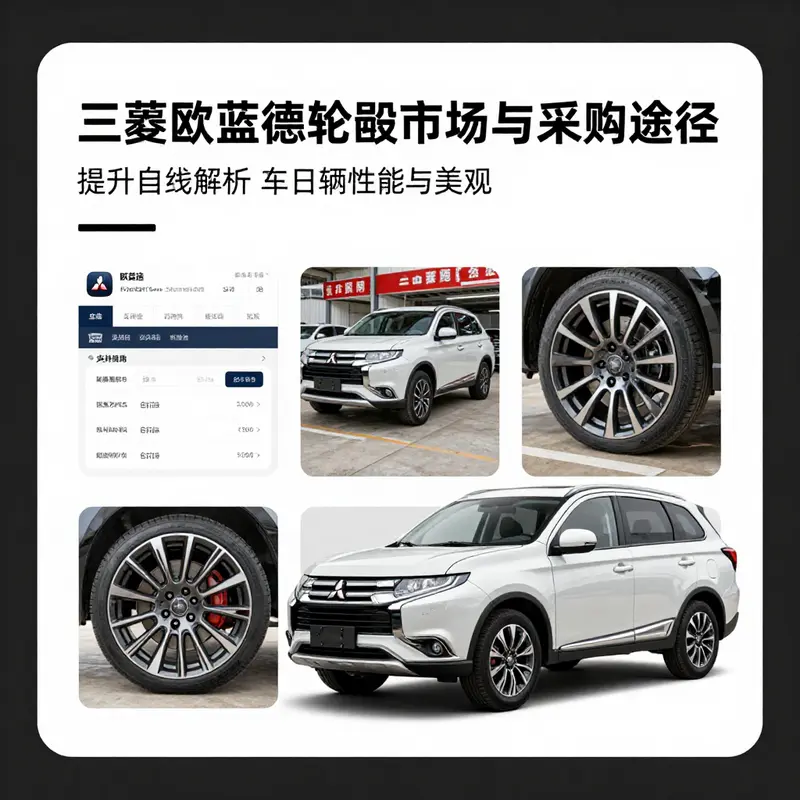
轮毂,往往被视作改装热潮中的一个小部件,但它承载的职责却远不止外观。它是轮胎与车身之间的直接接口,决定了路感、稳定性、制动散热以及在不同路况下的安全边界。对于家用SUV如欧蓝德而言,轮毂的尺寸、材料、偏距和中心孔径以及与轮胎的配对,都会在日常驾驶的舒适性与长途可靠性之间起到关键作用。这一章的叙述意在揭示欧蓝德轮毂的市场格局、采购渠道的细微差异,以及在不同年份与配置之间的兼容性考量,让读者在面对成千上万的选项时,能够在预算、需求与安全之间找到平衡点。
在市场的纵览中,原厂轮毂(OEM)与替换件的分野并非一成不变。对于2016年至2019年的欧蓝德及欧蓝德运动款,常见的18英寸轮毂多以18×7英寸的铝合金为主,部分型号作为翻新原厂件进入市场。这类件在价格与可得性之间往往提供了一个折中方案——它们在尺寸与基本几何公差上更贴近原车的设计逻辑,装配到车辆上后能更好地维持出厂时的轮胎组合与道路响应。不过,翻新件的风险也不可忽略,关键在于厂商提供的偏距、中心孔径以及轮圈强度等级是否与车型需求完全匹配,尤其是在高里程或极端季节条件下对热管理和疲劳寿命的影响。市场上也存在通过跨境电商或专营渠道获取的翻新原厂件与改装件,购入时需仔细核对产品描述中的尺寸、材料、涂层工艺以及是否提供原厂风格的防护涂层。
在采购渠道方面,线上平台已经成为主流入口。以国内主流电商平台为例,某些品牌和型号的轮毂通过京东等综合平台提供,面向新旧款车型的兼容性信息通常更为明确,价格区间、售后保障与正品保障也较为清晰,便于车主在预算内快速筛选合适尺寸与风格。与此同时,批发和专业平台则以量级优势著称。1688等平台聚合了大量供应商,覆盖从16英寸到18英寸的多种尺寸,能够满足维修店与改装店的批量采购需求。与零售渠道相比,批量采购在议价空间、交货周期以及供货灵活性方面往往更具吸引力,尤其当企业或维修站需要对多辆车维保或升级时。这种渠道的优势在于能够更好地进行库存管理和长期供货规划,降低单位采购成本。
需要特别关注的是特定型号的采购渠道。对于需要精准型号或原厂配件的场景,零部件专用采购平台成为重要信息源。例如,某些轮毂单元可在阿里巴巴等平台以询价方式联系厂家,获取最新报价与供货信息,便于车辆维修与关键部件替换的精确匹配。此类信息通常会列出型号代码、材料、生产地、重量等参数,帮助专业人士进行比对与技术评估。当你在不同车型版本之间做出替换决定时,务必对比偏距(ET)、中心孔径、螺栓孔径与对位轮毂的后续改装需求,确保新轮毂不会干涉制动卡钳、悬架避震与轮胎内圈的清晰度。
在实际采购路径的选择上,个人用户与专业经销商的需求存在差异。个人用户通常更看重可获得性、正品保障和售后便利,倾向于通过京东等综合性平台进行购买,以便获得明确的退换货政策与售后支持。专业经营者则更关注供货稳定性、价格区间和灵活的批量订购方案,这使得1688等专门化平台成为更具吸引力的选项。无论走哪条路径,最核心的原则始终是对比尺寸与公差,确保轮毂的尺寸、偏距、中心孔径与轮胎的组合在具体车型、年份和配置上能够无缝适配,避免在安装阶段或日后行驶中出现摩擦、碰撞或偏心的问题。
在这一切的背后,信息可得性与核对能力成为决定性因素。车主在网购或线下采购前,应当清楚了解所需轮毂的确切规格,并尽量获取原厂数据表或可靠的车型适配清单以佐证选型。若追求更接近原厂风格的外观,原厂风格的铝合金轮毂往往在设计语言上更容易与车体线条、涂装及轮胎轮廓相互呼应,提升整体美感与均衡感。
对于希望扩展阅读与进一步比较的读者,一个值得关注的内部参考渠道是高端轮毂供应商的产品信息页。通过品牌信息与规格对照,可以更清晰地理解不同轮毂在重量、铝合金成分、涂层工艺以及强度等级方面的差异。具体的采购信息与型号对照在下方某些渠道均有展示,便于快速比对与决策。为了便于读者在跨渠道之间建立联系,我在此提供一个内部链接,帮助你直达一个典型的BBS风格轮毂的商品信息页:
brand-new-original-bbs-rims-set-of-4-r18-rims-for-lancer-sedans。这一链接旨在展示高端轮毂的风格与规格对比,为正在考虑外观升级的车主提供参考,而这类信息也有助于理解同等尺寸下不同品牌的设计取舍。
此外,外部资源也能提供有价值的参考维度。一个实用的外部资源是大型电商平台的轮毂商品页,它通常包含图片、尺寸标注、重量、材料说明以及买家评价等信息,能帮助车主快速判断是否符合自身需求。具体参考链接如下,供你在作出最终决策前进行核对与比较:外部参考资源: https://item.jd.com/100058812345.html
Final thoughts
了解欧蓝德轮毂的规格与材料选项以及替换和采购渠道对车辆性能与外观的重要性。对商家和车主而言,掌握这些信息能提升选购信心和决策速度。选用合适的轮毂不仅提升外观,还关系到行车安全和性能优化,因此在选购时应综合考虑尺寸、材质、强度和兼容性。