

Understanding the specifications and options available for Mitsubishi Outlander wheels is essential for business owners looking to optimize their fleet’s performance and aesthetic appeal. With the right wheel size and compatibility, businesses can ensure safe and efficient transportation. The aftermarket sphere offers numerous personalized options that can enhance not just the looks but also the functionality of the Outlanders in a commercial setting. Furthermore, considering performance and aesthetic customization can make a significant difference in vehicle efficiency and marketability. This article delves into essential aspects of Mitsubishi wheels for the Outlander—including size, aftermarket choices, performance advantages, customization opportunities, and future design trends—to provide a holistic view for business owners seeking to maximize their investment.
Mitsubishi Outlander Wheels: Precision Sizing, Fitment, and the Road to Seamless Style
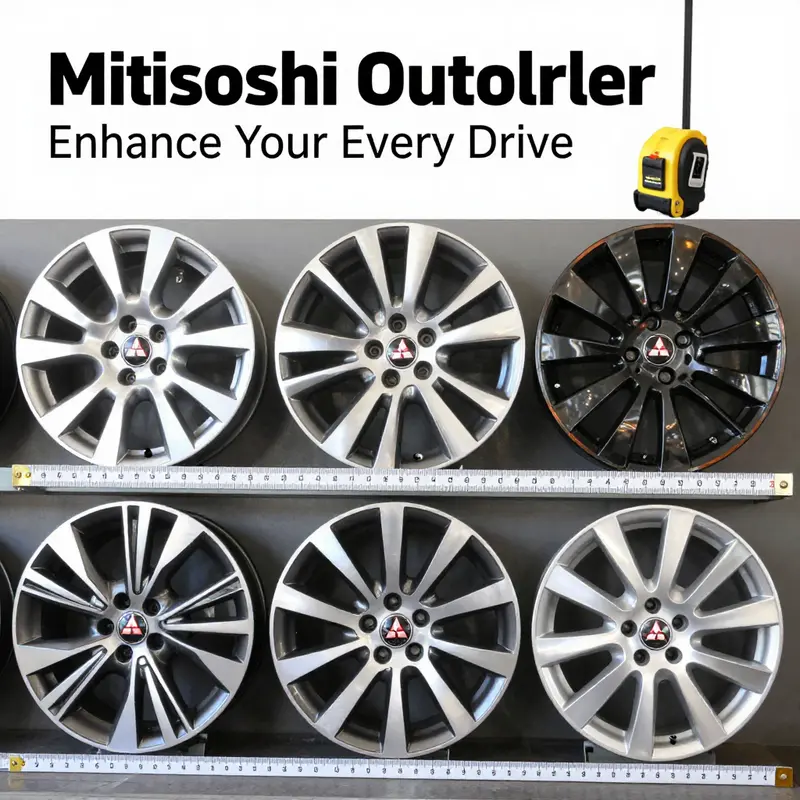
Wheels are more than a glossy circle under the fender; they are a foundational link between the Outlander’s design language, its dynamic performance, and the daily realities of driving. The Outlander’s appeal lies in its versatility, a vehicle that moves from city streets to light-duty trails with a quiet confidence. The wheels you choose—and, just as important, the way they fit—shape everything from steering response to ride comfort and even fuel efficiency. In the current generation, and across its lineage, Mitsubishi has steered wheel sizing toward a balance: enough diameter to deliver confident handling and a premium look, but not so large that ride quality, clearance, or traction are compromised. Understanding that balance requires looking at the ranges the Outlander has typically shipped with, and then mapping those to what aftermarket options can offer today without upsetting the vehicle’s geometry or safety margins.
For most Outlander models, the standard call from the factory has long been 18 inches in diameter. This size provides a solid compromise between a capable grip on the road and a compliant ride on varied pavement. As the line has evolved, higher-end trims have elevated the aesthetic and handling expectations by adopting larger wheels—specifically, 20-inch rims—to enhance the vehicle’s on-road presence and cornering feel. It’s a simple, but important, reminder that wheel size is not a static décor choice; it’s a functional component that interacts with tire construction, suspension tuning, and even aerodynamics. In contrast, older or more basic configurations may have settled into 17-inch wheels, which can yield a visibly different ride quality and a slightly taller tire sidewall that absorbs road irregularities a bit more softly. The practical implication is clear: wheel size is inseparable from the year, trim level, and even regional market specifications.
With this landscape in mind, choosing aftermarket wheels for an Outlander becomes a careful exercise in compatibility as much as style. The pivotal compatibility basics are the bolt pattern, the offset, and the center bore. For the Outlander, the widely observed bolt pattern is 5×114.3 millimeters. This means that any aftermarket wheel must align with those lug holes, ensuring that the wheel seats properly on the hub and that lug engagement remains within safe limits. The offset, which describes how far the wheel sits in relation to the hub face, is another critical data point because it directly influences how the tire bead sits within the fender and against the brake calipers. An offset that is too far inboard or outboard can shift steering geometry, alter scrub radius, or even cause rubbing under full lock or during suspension travel. The center bore size matters too; a mismatch can introduce vibration and improper wheel seating. In short, a wheel that does not match the vehicle’s hub specifications is a disruption waiting to happen, no matter how attractive the wheel looks.
To navigate this, the most reliable path is to cross-check your Outlander’s exact configuration against official guidance and a reputable fitment database that can interpret your VIN. The VIN acts as the vehicle’s fingerprint, ensuring that the wheel’s diameter, width, offset, and center bore align with the platform you own. The official sources emphasize consulting the owner’s manual for the charted wheel sizes and any trim-specific notes, because even subtle differences between model years can influence fitment. When you engage with a buyer or retailer, a VIN-driven fitment check minimizes the risk of selecting wheels that would compromise steering response, braking clearance, or suspension geometry. And while the lure of a bold new look is strong, the safety and reliability of your Outlander rely on matching the wheel to its intended design envelope.
For those stepping into the aftermarket space, it’s essential to frame the decision around a few interlocking truths. First, even if a wheel appears identical in diameter and bolt pattern, a change in width or offset can cascade into handling behavior. A wider wheel with a lower offset may enable a stiffer steering feel and a broader tire contact patch, but it can also reduce clearance, affect wheel bearing load, and demand a tire with a shorter sidewall to keep the overall diameter in check. Conversely, a wheel that sits inboard with a higher offset can spare you from rubbing but may diminish steering precision and alter the vehicle’s stance. These considerations are not merely aesthetic; they translate into real-world effects on brake clearance, CV joint angles, and how the vehicle senses the road beneath it. When evaluating wheels, weight is another practical factor. Heavier wheels increase unsprung mass, which can blunt suspension responsiveness and alter traction, especially on imperfect surfaces or when the vehicle is loaded for a trip. In urban driving, a balanced, lighter wheel can contribute to nimble steering and improved acceleration feel, while on longer highway stints, a wheel engineered for strength and reliability supports consistent handling characteristics and reduces fatigue over time.
Tire sizing adds another layer of complexity to the upgrade equation. The stock to near-stock pairing—commonly in the neighborhood of 225/55 R18 for 18-inch wheels and up to 255/40 R20 for the larger 20-inch configurations—embeds a harmony between sidewall height, summer or all-season grip, and the vehicle’s brake and suspension tolerances. Changing wheel diameter usually implies a corresponding tire size adjustment to maintain overall diameter and speedometer accuracy. If the overall rolling diameter drifts by more than a few percent, you risk altered speed readings, altered gearing feel, and unexpected shifts in ABS or traction control behavior. Modern wheel and tire packages are designed to preserve the factory’s intended geometry, and many reputable retailers and fitment tools now stress this alignment, often offering packaged solutions that preserve the Outlander’s original performance envelope while delivering a refreshed aesthetic.
Another practical thread in the wheel conversation centers on the market environment. Aftermarket wheels exist in a spectrum—from fashion-forward, low-profile designs intended for urban cruising to rugged constructions meant for light off-road use. The Outlander’s platform can accommodate this spectrum, but the final choice should reflect your typical driving profile, climate, road quality, and, crucially, your braking system’s clearance. Buyer beware: some retailers offer “guaranteed fitment” claims, which can be helpful, but they should be backed by a thorough fitment check that uses your VIN and the exact trim and year. A careful approach minimizes missteps and ensures that your new wheels perform as intended without introducing safety risks.
For readers seeking a concrete example of how wheel sizing logic translates across Mitsubishi platforms, consider how rim options can illustrate the broader principle. A reference point that demonstrates the range and considerations involved is the discussion of 17-inch rims and their fitment across various Mitsubishi models, underscoring that even seemingly small diameter shifts ripple through the vehicle’s geometry and dynamics. While Outlander-specific aftermarket guidance should rely on VIN-based data and official manuals, the broader principle holds: size, offset, and hub bore must all align with the vehicle’s design tolerances to sustain performance and safety. To explore a closely related rim sizing example and to glean how 17-inch options have been treated in similar Mitsubishi lineups, you can review material categorized under 17-rims-fit-mitsubishi-eclipse-wheels-2018-2019-2020-2021-2022-2023-17×7-5-new. The linked resource serves as a practical illustration of the decision matrix—diameter, width, offset, and bore sizing—that Outlander owners face when evaluating aftermarket rims, even if the exact model differs.
All told, the path to successful wheel upgrades for a Mitsubishi Outlander rests on disciplined verification and a clear-eyed view of what you want from the ride. If your goal is a sharper road feel and a more assertive stance, a larger diameter wheel with a compatible tire can deliver that look and response—provided the wheel is matched to the car’s hub and suspension geometry. If ride comfort and highway manners are paramount, staying near stock sizing or choosing a slightly narrower width with a higher sidewall can preserve the character of the vehicle while still enabling a tasteful aesthetic update. In every case, rely on VIN-based checks and official specifications as your anchor. The Outlander’s wheel system is a carefully tuned component of a broader design philosophy that prioritizes safety, efficiency, and adaptable performance across a spectrum of road conditions.
External reference: Official Mitsubishi Motors site – detailed specifications for current and past Outlander models, including recommended wheel sizes and compatibility details: https://www.mitsubishi-motors.com/vehicles/outlander/specifications
Rims and Roads: A Practical Guide to Aftermarket Wheels for the Mitsubishi Outlander

The Mitsubishi Outlander is known for a balanced ride and practical design, and the wheel setup is a critical, often overlooked part of that equation. A well-chosen aftermarket rim can sharpen steering feel, refine braking response, and refresh the vehicle’s stance without sacrificing everyday comfort.
Cost and value: aftermarket wheels typically start in the hundreds of dollars per wheel, making a noticeable upgrade accessible. A single OEM wheel can be pricier, and a full four-wheel OEM set can run into the high thousands, depending on trim and generation. The choice often comes down to value, integrity, and the ability to pair the wheel with an appropriate tire package.
Sizing envelope: the Outlander commonly accepts rims from 18 to 20 inches in diameter, with tires ranging from 225/55 R18 to 255/40 R20. Larger diameters alter the look, but ride quality and tire protection can suffer if the sidewall is too short or the tire and wheel harvest too much space in the fender.
Fitment fundamentals: bolt pattern for most Outlanders is 5×114.3 mm, hub bore roughly 67.1 mm, and offset often in the +40 to +50 mm range, though exact figures vary by year and trim. Correct center bore and proper offset are essential to avoid vibration, brake clearance issues, or rubbing with suspension travel or steering.
Materials and construction: alloy wheels are standard for lightness and strength; forged wheels push weight savings further but at higher cost. Quality, tolerances, and finishing processes matter, as they influence durability and curb protection, not just appearance.
Practical steps: verify fitment data against your vehicle year and trim, use reputable fitment tools, and confirm hub bore and brake clearance. Professional mounting and correct tire sizing are essential; mounting a larger wheel without adequate tire sidewall or confirmation can compromise ride, handling, and warranty.
Finishes and tradeoffs: wheel design choices range from multi-spoke to simpler rims; finishes include gloss, satin, and matte. Heavier wheels raise unsprung mass and can dull steering feel, while lighter options improve economy and response—balanced with wheel strength and durability.
Bottom line: the journey to upgraded wheels should blend personal style with sound engineering. Take the time to measure, compare fitment data, and test with a trusted shop before making a purchase, ensuring the wheel and tire package maintains safety, warranty, and performance.
Wheels of the Outlander: Performance, Precision, and Practicality in Mitsubishi’s SUV

The wheel system of a midsize SUV like the Outlander is more than a decorative detail or a simple rotating mass. It is a carefully integrated component that binds the vehicle’s steering, braking response, ride quality, and overall efficiency into a single, dynamic package. When we talk about Mitsubishi Outlanders across generations, the dialogue naturally centers on how wheels influence everyday usability and the on road confidence that owners rely on. The fourth generation, introduced in 2021 and continuing today, exemplifies a balance between efficiency and capability. Its wheel strategy emphasizes control and durability, while still offering room for personalization through a range of appropriately sized rims. In practice, this means that the size selection, material, and fitment become a set of informed tradeoffs rather than a mere aesthetic choice. The way a wheel carries load, dissipates heat during braking, and interacts with the suspension will ripple through every turn, every acceleration, and every encounter with rough pavement or highway chop. That is the essence of performance consideration in the Outlander, not a single spec but a coherent philosophy tying comfort, safety, and drive feel together.
Material and structure are foundational. Most modern Outlander wheels combine aluminum alloy with a design that aims to minimize unsprung weight without compromising strength. Lighter wheels reduce the momentum that the suspension must control, allowing the springs and dampers to respond more quickly to surface irregularities. This translates into crisper steering feedback and more immediate rotation of the wheels when inputs occur, without the tradeoff of a harsher ride. Aluminum alloys also tend to offer better heat dissipation, which is a salient factor during repeated braking on winding roads or in traffic where brake fade could otherwise become a concern. The efficiency of heat transfer helps keep the braking system within its intended performance envelope, preserving both stopping power and pad life over time. The resulting effect on the Outlander’s dynamic behavior is a smoother, more predictable feel at the steering wheel, a more linear brake pedal response, and a chassis that communicates with the driver in a way that supports confident cornering and steady highway cruising.
Size and fitment are the practical levers of performance. Across the Outlander lineup, wheel diameters typically span from 18 to 20 inches, with tire diameters and aspect ratios chosen to balance ride comfort and road grip. In the 18-inch range, there is a greater sidewall height that cushions hits and potholes, preserving ride quality and reducing the risk of wheel and tire damage on imperfect surfaces. Moving to 19 and 20 inches reduces sidewall height, which tightens the wheel–tire contact patch’s cushion against impacts but increases steering precision and cornering stability at the expense of ride compliance. Tire options commonly range from 225/55 R18 up to 255/40 R20, a spread that allows the Outlander to tailor grip, noise, and rolling resistance to the demands of daily driving or spirited weekend trips. The interplay between wheel diameter, width, offset, and bolt pattern is not merely a matter of compatibility; it is a precise calibration that affects track alignment, steering feel, and how the vehicle reflects its load and speed through the steering wheel and seat design. A mismatch in offset or hub bore can introduce slight changes in steering geometry or vibration that discipline and engineering have spent decades to avoid. The careful selection of wheel size, together with matching tire specifications, is a quiet but powerful contributor to handling predictability, braking confidence, and overall vehicle temperament.
The safety and reliability dimension of wheel choice should never be overlooked. Wheels must meet the manufacturer’s load ratings, with appropriate material strength and structural integrity to handle dynamic loads during rapid lane changes or emergency maneuvers. Correct lug pattern, hub bore size, and center alignment are essential for even load distribution, which in turn supports consistent braking performance and long tire life. Proper torque during installation and professional balancing are nonnegotiable steps because even the best wheel design can degrade if mounted incorrectly. When wheels are balanced and aligned with precision, steering becomes smoother, tire wear is more uniform, and the risk of vibration at highway speeds diminishes. The Outlander’s stability control and all wheel drive system rely on a coherent wheel–tire package that behaves consistently under varied conditions, from rain-slick streets to gravel drives. In this context, choosing OEM equivalents or certified aftermarket options—options that preserve the original vehicle geometry and load ratings—becomes a matter of sustaining the integrity of the drive system as a whole rather than chasing a single performance metric.
From a dynamics perspective, dynamic balance and installation precision are often the invisible forces shaping the wheel’s real-world performance. Even a wheel with high strength and light weight will underperform if not installed with proper torque and balance. An imbalanced wheel can induce steering wheel shake, uneven tire wear, and fluctuating braking forces. In everyday terms, this means reduced steering confidence in wet or uneven pavement, a subtle but persistent drift in highway lanes, and even small changes in fuel efficiency as energy is spent correcting for the imperfect rotation. The braking system, competitors aside, benefits from well-vented, well-fitted wheels as well. Adequate clearance for brake rotors prevents heat buildup from instigating pedal fade and ensures consistent bite during repeated braking. These considerations are especially relevant in the Outlander’s common duty—commuting, family trips, and light-to-moderate off-road use—where a predictable pedal feel and stable handling contribute to safer, more assured driving experiences on mixed surfaces.
The aesthetics versus performance debate is a familiar one for owners who want to customize their Outlander. A broader range of aftermarket wheel options means owners can tailor the vehicle’s stance and appearance. Yet every stylistic choice carries implications for performance. Wider wheels can broaden the footprint and increase grip, but they may also alter torque distribution and the character of the ride, especially if paired with a tire profile that differs from factory recommendations. To keep the Outlander’s safety margins intact, it is prudent to prioritize compatibility and overall system harmony over purely visual gains. The goal is to preserve the vehicle’s handling response, ride comfort, and braking performance while allowing for a touch of personal flair. Those who decide to customize should verify fitment against the specific year and trim and prefer options that preserve the intended performance envelope. A measured approach to wheel selection—one that accounts for load, offset, brake clearance, and tire choice—ensures that any visual enhancement does not erode the fundamental driving confidence the Outlander offers.
For readers exploring how different platforms manage wheel sizing and compatibility, a useful reference point can be found in resources that catalog rim dimensions across models. As a practical example, a rim options page focusing on similar wheel architectures can offer insight into how offset, width, and diameter choices influence ride and handling in a vehicle with a similar ride height and suspension layout. This kind of cross-model comparison helps frame the Outlander’s choices within a broader engineering context, highlighting that the wheel is not a standalone part but a critical interface between the car and the road. The discussion remains anchored in the Outlander’s real-world operating envelope—daily driving, family safety, and occasional adventurous traction—where performance considerations are measured not just in track numbers but in the quality of the everyday driving experience. When owners make informed decisions about wheel and tire combinations, they preserve the Outlander’s hallmark balance of comfort, capability, and efficiency while still enabling a personal touch that reflects their driving priorities.
Internal reference for further context on rim options can be explored here: 17 rims fit Mitsubishi Eclipse wheels 2018-2023. This resource illustrates how rim dimensions interact with tire sizing and vehicle geometry, reinforcing the idea that the wheel is a system component rather than a standalone accessory.
External reference for official specifications and safety considerations can be found at the official automotive brand site: https://www.mitsubishicars.com/
Wheels in Focus: Personalizing the Mitsubishi Outlander Through Aesthetic Customization
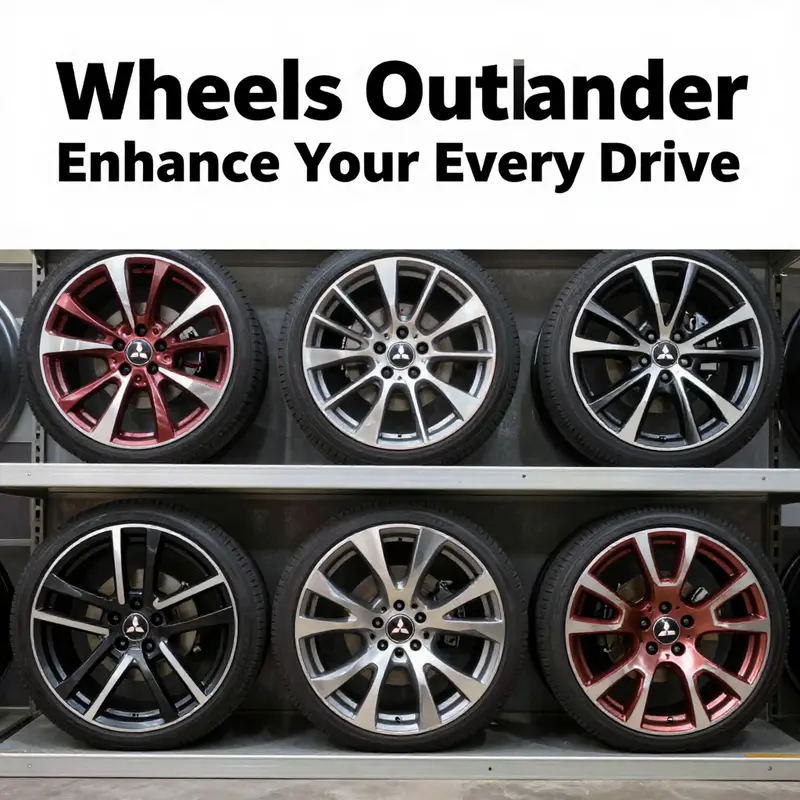
The wheel is more than a circle of metal; it is the conduit through which the Mitsubishi Outlander speaks its style, intention, and personality. In the realm of compact SUVs, the Outlander blends practicality with modern design cues, and its wheels offer a high-impact avenue to express personal taste without compromising the vehicle’s core functions. Aesthetic customization is not just about looking good; it is a deliberate act that can influence how the vehicle sits on the road, how it fills the wheel arches, and how the overall silhouette communicates the owner’s philosophy of driving. The current generation, rolling from 2021 onward, has been engineered with an eye toward handling efficiency and fuel economy. Yet beneath that efficiency lies a vast field of aftermarket possibilities that empower owners to tailor their Outlander’s presence while preserving, or even enhancing, performance and safety. Across trims, owners encounter a practical range of stock wheel sizes, typically spanning 18 to 20 inches in diameter, with tires that run from 225/55 R18 to 255/40 R20. Those figures are not mere numbers; they signal fitment boundaries, load capacities, and the subtle dance between grip, ride comfort, and rolling resistance. Choosing compatible rims becomes a careful balance of ensuring correct fitment for the year and trim, preserving braking clearance, maintaining correct speedometer readings, and, crucially, achieving a look that aligns with the driver’s vision. The decision-making process begins with understanding what the stock setup already offers and then evaluating how a change in wheel diameter, width, offset, and design might alter the Outlander’s stance and dynamics. While the idea of larger wheels often conjures images of bolder aesthetics, it is essential to weigh the potential impact on ride quality and fuel efficiency. Lighter alloy wheels can deliver a tangible improvement in unsprung weight, contributing to more responsive steering and better suspension compensation during uneven pavement. Heavier, larger wheels, conversely, can dull acceleration, slightly raise rolling resistance, and tax the suspension. This is not merely a test of style; it is a practical engineering conversation about how the vehicle interacts with road surfaces, energy use, and everyday driving rhythms. The beauty of the Outlander’s design language—clean lines, a modern SUV stance, and a balanced profile—provides a versatile canvas for wheels that complement both sportier and more refined aesthetics. The choices span finishes and designs that dramatically alter the vehicle’s visual impact. Finishes such as matte black deliver a restrained, contemporary look that can amplify the SUV’s urban-ready vibe. Chrome finishes offer a classic gleam that can elevate the Outlander’s presence, especially when paired with chrome accents on the grille or door handles. Custom color accents open a pathway to personalization, allowing a deliberate contrast or a harmonious match with the exterior paint. The wheel designs themselves offer a spectrum of personalities. Multi-spoke configurations often radiate a sporty confidence, while deep-dish wheels can push a more aggressive line that accentuates the tire sidewall and stance. Five-lug patterns, a common footprint in aftermarket offerings, provide a reliable, widely supported basis for rim choices across many brands and models, ensuring compatibility with a broad ecosystem of hubs, centers, and lug nuts. Each design choice contributes to the Outlander’s character, shaping not just how the vehicle looks but how it feels as you maneuver through traffic, park, or corner a rural road. The aesthetic transformation is habit-forming in a sense: the wheels become a visual shorthand for what the owner values—efficiency, sportiness, luxury refinement, or a blend of all three. In the spirit of discovery, many Outlander enthusiasts look to social media and gathering spots for real-world examples of wheel upgrades. Pinterest, in particular, serves as a treasure trove of curated ideas, ranging from color-contrast accents to intricate spoke patterns and complementary brake caliper finishes. A highly relevant and up-to-date collection of these ideas can be found here on Pinterest. The visual catalogs can help owners gauge proportions, how a wheel’s width interacts with fender clearance, and how a certain finish harmonizes with body lines and lighting. While the search for the perfect wheel can be deeply personal, it benefits from practical guidance. Aftermarket wheels introduce a broader ecosystem of options beyond the OEM catalog, and they invite owners to consider a variety of finishes, designs, and manufacturing materials. The resulting look can be exactly what the owner desires, but it demands attention to fitment details that matter beyond surface appeal. Compatibility remains a central theme: size, offset, and center bore must align with the Outlander’s hub system and braking architecture. The stock range—from 18 to 20 inches—suggests that there is ample latitude to customize within a safe envelope. This is where a careful, educated approach matters. It is not just about whether a wheel fits; it is about how the wheel interacts with the vehicle’s weight distribution, suspension geometry, and steering feel. In many markets, platforms like auction-style or marketplace sites enable owners to source wheels with fitment guarantees. The assurance of fitment helps mitigate the risk of a wheel that looks right but performs poorly or, worse, interferes with braking or suspension components. The conversation must also extend to the mounting ecosystem: properly sized tires, correct tire aspect ratio, and appropriate load rating contribute to predictable handling and consistent road feedback. The goal is to preserve, or even enhance, the safety envelope while enabling a visual transformation that respects the Outlander’s practical essence. It is also worth noting that wheel upgrades can be coordinated with other exterior updates for a cohesive look. A coordinated approach might pair a new wheel with a refreshed front fascia or a revised bumper to bring a unified, intentional stance to the vehicle. For readers considering such a broader refresh, there is a practical touchpoint worth noting: the front-end components of the Outlander can be part of the same visual language as the wheels. For owners who want to refresh the face as part of a full aesthetic package, the Outlander front bumper page offers a comprehensive starting point for exploring how the new wheels interplay with the vehicle’s overall silhouette. front-bumper-mitsubishi-outlander-19. In this way, wheel customization becomes part of a holistic styling narrative rather than a series of isolated tweaks. The process of choosing wheels combines art with restraint. It invites owners to weigh how a particular finish, spoke geometry, or dish depth will resonate with the Outlander’s lines, how it will render under typical lighting, and how it will survive daily use—scrapes, curb contact, road debris, and the occasional off-road excursion when the weather demands it. The practical aspect remains non-negotiable: ensure correct hub bore size, appropriate offset, and adequate brake clearance. Confirm that the chosen tire size aligns with the wheel width and overall diameter in ways that preserve speedometer accuracy and transmission gearing behaviors. When in doubt, professional installation and a post-installation alignment can safeguard steering feel and tire wear, turning a simple upgrade into a lasting improvement. Beyond the technicalities, the emotional resonance of wheel customization endures. A thoughtfully selected wheel set can make the Outlander feel new again, inviting more confident daily driving and turning routine commutes into a small, personal victory of design. It is this blend of form and function, aesthetics and practicality, that makes wheel customization a compelling chapter in the broader story of the Mitsubishi Outlander. For those seeking further inspiration, explore visual ideation on reputable mood boards and collections that showcase how color, finish, and geometry translate to real-world looks. External inspiration can be found on Pinterest via curated boards that illustrate various wheel aesthetics and how they harmonize with body lines and paint tones, offering a practical sense of proportion before a purchase decision is made.
Wheels of Tomorrow for the Mitsubishi Outlander: A Unified Look at Future Design Trends

The wheel is more than a decorative ring around the tire; it is a precisely engineered interface where engineering meets aesthetics, affecting handling, efficiency, safety, and the vehicle’s evolving identity. For a compact SUV like the Mitsubishi Outlander, today known for its practicality and growing electrification, the next generation of wheel design will tighten that alignment even further. In this chapter we explore material choices, aerodynamic ambitions, smart technology, and design language to picture how wheels will shape the Outlander’s performance and character in the years ahead. The story connects today’s car with its electrified future, where every gram of unsprung weight and every millimeter of airflow contributes to a more efficient, more responsive drive.
At the core of future wheel design lies a shift in materials. Lightweight alloys remain dominant because they deliver gains in efficiency and handling without sacrificing strength. High-strength aluminum leads, while magnesium composites and advanced coatings push the envelope. The result is not only improved straight-line efficiency but also ride quality and cornering stability, where reduced unsprung mass translates to crisper responses to road irregularities. Sustainability reshapes material choices and manufacturing processes, with recycled content and lower-emission steps becoming expected parts of wheel development. For the Outlander, environmental considerations are not cosmetic but a strategic lever for efficiency, durability, and value preservation over time.
Aerodynamics is moving from a passive backdrop to an active contributor. Future Outlander wheels may feature streamlined profiles that minimize drag while preserving brake cooling. Partial or fully enclosed spokes reduce turbulence and can extend range for hybrid and electric variants. In more ambitious implementations, active elements such as vanes or vents could adjust with speed, braking, or thermal load to optimize airflow. The result is a wheel that helps preserve energy, particularly important as the Outlander pushes further into electrified mobility.
Smart technology is redefining what a wheel can do. Embedded sensors and connectivity are increasingly common, turning the wheel into a data source as well as a mechanical component. Tire pressure monitoring systems will evolve toward real-time health indicators that integrate with vehicle diagnostics. Wear and temperature sensors can warn of emerging issues, enabling proactive maintenance and safer driving. This data-rich wheel can inform predictive analytics across the vehicle, from tire management to adaptive suspension and stability controls. The practical effect is a more connected Outlander with earlier alerts, steadier grip, and improved confidence on long trips and in challenging conditions.
Design aesthetics will continue to evolve to reflect technology and materials. A future wheel should communicate rugged SUV character while embracing contemporary lines suitable for electrified powertrains. Finishes, spoke geometry, and depths will balance the look of strength with efficiency. Expect bolder silhouettes for performance-oriented trims, paired with refined finishes for eco-friendly or family-focused configurations. The objective is a wheel that signals capability and progress at a glance while aligning with braking, cooling, and safety systems. As electrification progresses, the wheel design may trend toward streamlined geometry that harmonizes with the broader language of electric mobility without losing the Outlander’s capable, outdoor-ready persona.
The future wheel is the product of a dialogue among materials, aerodynamics, technology, and aesthetics. The wheel may be light yet strong, aerodynamically aware, and sensor-enabled, all while fitting precisely within the vehicle’s braking package and wheel arches. For owners who want to personalize their Outlander, wheel choice matters beyond appearance; it affects ride quality, efficiency, and safety. Stock sizes historically range from 18 to 20 inches with tires such as 225/55 R18 to 255/40 R20. Changes must respect offset, hub bore, load rating, and braking clearance to maintain steering feel and system performance.
Aftermarket options remain relevant for those who seek balance between weight, strength, and fitment. A carefully chosen aftermarket wheel can reduce unsprung mass, improve brake cooling, and enhance dynamic balance when matched to the year, trim, and tire combination. The key is preserving OEM tolerances while enabling personal expression. If you are considering an upgrade, seek options that preserve accurate fitment and safety margins, ensuring compatibility with the vehicle’s electronic systems.
In this larger ecosystem, wheels for the Outlander sit within a family of Mitsubishi platforms. While each model has unique requirements, the joining thread is fitment accuracy, appropriate load rating, and a design language that respects the vehicle’s engineering intent. This approach helps maintain ride quality and highway manners as the platform evolves.
Looking ahead, the Outlander’s wheel program will continue to fuse material science, aerodynamics, sensing, and design language. Lighter yet stronger wheels reduce energy drain; aerodynamic architectures complement the body’s airflow; sensors connect the wheel to the car’s safety network; and a clear visual language communicates the brand’s electrified direction. Together, these threads produce wheels that do more than roll—they actively contribute to efficiency, safety, and the Outlander’s evolving identity as a practical, capable, and progressively electrified compact SUV.
Final thoughts
In summary, understanding the various aspects of Mitsubishi Outlander wheels—from size compatibility to aesthetic customization and performance considerations—is crucial for business owners. With the right interventions, such as selecting the ideal aftermarket options and staying informed about future design trends, businesses can enhance their fleet’s effectiveness and appeal. Investing in suitable wheels not only optimizes vehicle performance but also gives the Outlander a distinct look that can attract attention and support brand identity. Making informed decisions about wheel specifications will ultimately result in safer and more efficient driving experiences.