
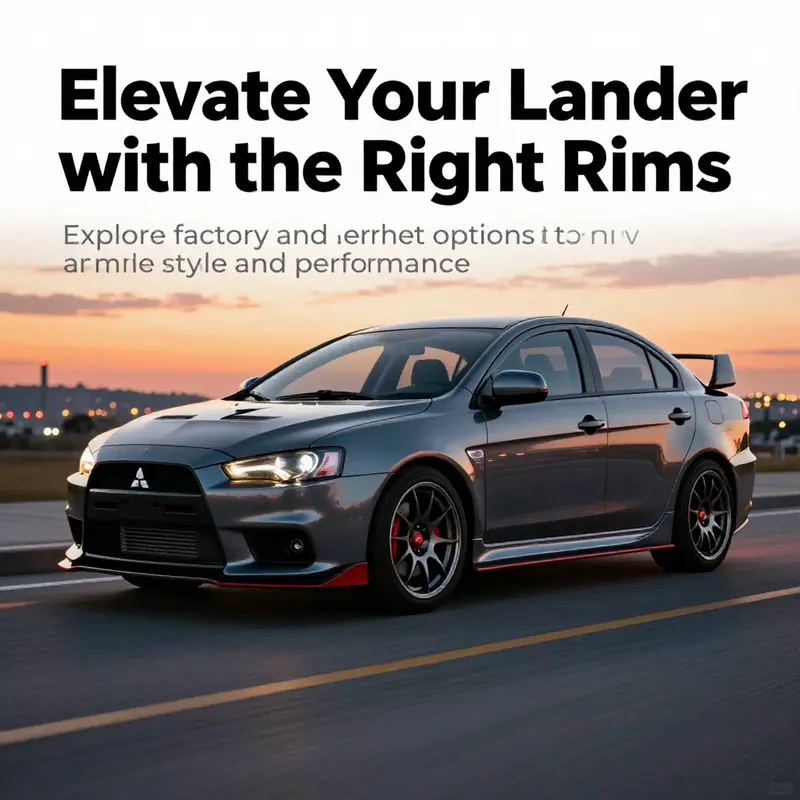
The wheels of your vehicle are more than just functional parts; they define its character and influence performance. For Mitsubishi Lancer owners, choosing the right rims can significantly impact aesthetics and driving experience. Whether you prefer the sleek appearance of factory rims or the dynamic style of aftermarket upgrades, understanding your options is crucial. This article will delve into the differences between factory and aftermarket rims, examine the technical specifications necessary for compatibility, and provide practical advice for selecting the ideal rims tailored to your vehicle and lifestyle.
OEM vs Aftermarket Rims: Defining the Mitsubishi Lancer’s Style and Stance
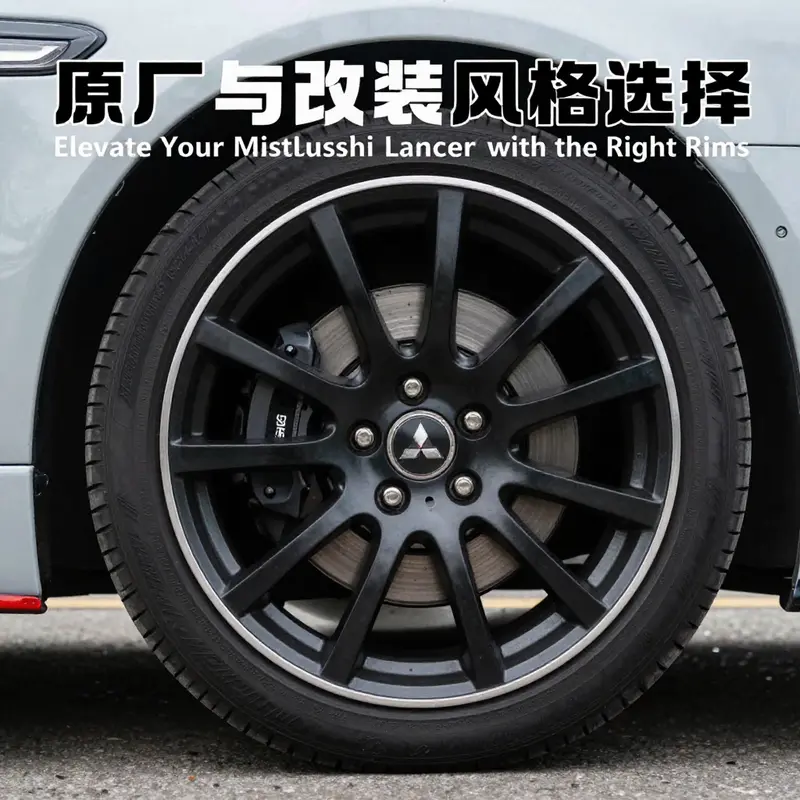
Rims do more than dress the wheels; they set the tone of a car’s stance, influence its dynamic behavior, and quietly narrate the owner’s approach to driving. In the case of the Mitsubishi Lancer, a model with a storied rally heritage and a modern, technology-forward sensibility, the choice between OEM wheels and aftermarket rims is not merely a cosmetic decision. It is a statement about how the car should feel on the road, how it should respond to throttle and brake inputs, and how resilient it must be when the pavement throws its rough edges at the tires. When a Lancer rolls off the dealership lot, it carries a design language that blends sportiness with practicality. The factory wheels are calibrated to this language, reinforcing the car’s balance between ride comfort, steering precision, and the braking performance that a family sedan on a slightly more aggressive path demands. The decision to swap or retain those wheels thus becomes a nuanced negotiation between reliability and expression, between a cohesive factory personality and the owner’s fingerprint on the machine.
OEM wheels, by design, are the product of tight integration with the entire vehicle architecture. Consider the 2017 Mitsubishi Lancer EX Luxury Sport as a representative example: it ships with 18-inch wheels paired with 215/45 R18 low-profile tires. This combination is not chosen as a visual flourish alone; it is the result of a careful balance among unsprung weight, suspension geometry, tire contact patch, and the ability to absorb road irregularities without sacrificing steering feel. The 18-inch diameter creates a visual sense of purpose, a connection to the car’s performance character, while the 45-series sidewall preserves a degree of damping that helps maintain composure over blemishes in the road. In a broader sense, OEM rims reflect the brand’s engineering discipline: the materials, the machining, and the coating are all vetted to work in concert with anti-lock braking systems, stability control, and the vehicle’s chassis dynamics. For a owner who values predictability, maintenance, and the peace of mind that comes with factory fitment, OEM wheels provide a straightforward, low-risk path to a cohesive driving experience.
In more recent years, the Lancer lineup has introduced design elements that elevate the perceived value and character of the wheel package itself. Official design language can translate into what many observers describe as a more aggressive, sport-leaning silhouette, with the wheels playing a central role in that aesthetic. The 2026 variant, for instance, has been observed with what the automaker terms a smoked or dark-finish wheel treatment. This isn’t mere coloration; it is part of the overall design narrative—an intentional alignment with the car’s lowered stance and the family Dynamic Shield front end. The smoked look contributes to the vehicle’s visual gravity, echoing the low, planted posture of performance-oriented machines while remaining within the bounds of a street-friendly, daily-driven vehicle. It is a reminder that wheels are a point of convergence where styling and functionality meet, and where the paint and finish on the wheel can be part of the same design conversation as the body panels, grille, and lighting.
For owners who crave a more personal statement or an upper-level performance edge, aftermarket rims present a wide field of possibilities. The allure of aftermarket rims lies not only in their aesthetics but also in the potential for improvement in the car’s performance envelope. A common theme among enthusiasts is the pursuit of lighter weight and greater stiffness. Forged alloy wheels, typically crafted from aluminum or magnesium alloys, are a prime example of this philosophy. The principle is straightforward: reducing unsprung mass—the portion of the vehicle not supported by the suspension—allows the suspension to respond more quickly to road inputs, improving steering response, braking feel, and overall agility. In practice, a lighter wheel translates to quicker turn-in, sharper cornering, and a more responsive throttle response, especially when paired with a tire that complements the wheel’s mass and rigidity. Yet weight is only part of the equation. The finished wheel must also integrate with the car’s braking system, maintain proper clearance to calipers and rotors, and preserve the intended ride quality. Forged rims, while often more expensive, achieve a level of strength and resilience that cast wheels sometimes struggle to match, especially in harsher driving conditions or on vehicles that see spirited use.
The variation in wheel sizing across generations of the Lancer is a practical reminder that rims are not a one-size-fits-all accessory. Earlier models, sometimes nicknamed with affectionate monikers in motoring circles, used more compact wheel diameters and taller sidewalls, which could foster a different dynamic feel compared with the broader wheel packages found in later, more performance-focused iterations. The “轻骑兵” era of Mitsubishi’s Lancer lineage referenced smaller diameters and taller tires as a way to emphasize ride comfort and robust midrange torque delivery. Modern iterations typically lean toward larger wheels, with lower-profile tires that sharpen steering and reduce the yawing moment during aggressive cornering. This evolution mirrors shifting consumer preferences—toward bolder looks and heightened road feedback—while also reflecting ongoing advances in tire technology, braking systems, and chassis tuning. When a Lancer owner contemplates new rims, the choice is inseparable from the tire size, a relationship that is as much about safety as it is about style.
Yet there is more to the discussion than diameter and weight. The geometry of the wheel—offset, backspacing, and center bore—plays an equally critical role in how a wheel integrates with the car. Offset, measured in millimeters, determines how far the wheel sits inboard or outboard relative to the hub. A subtle change in offset can alter track width perceptibly on the road, influencing cornering stability and the likelihood of the tire rubbing against fenders or suspension components during full travel. Backspacing and hub bore compatibility ensure the wheel rings true on the hub without inducing runout that can vibrate through the steering wheel at highway speeds. The Lancer’s design language includes provisions for a precise hub bore and bolt pattern that, if not matched, can create uncomfortable vibrations, imprecise steering, or even brake clearance issues. Enthusiasts who pursue aggressive handling often pay close attention to these attributes, recognizing that a high-performance wheel must align with the car’s engineers’ intent for weight distribution and brake-system clearance.
The practical implications of these choices extend into the daily driving experience. A wheel that is too heavy or ill-matched to the vehicle’s suspension can dull steering response, increase pedal effort, and degrade braking effectiveness by altering the dynamics of how the tire contacts the road under braking load. Conversely, a wheel that is too light or too wide for the brake rotors can underperform under spirited driving, leading to brake fade or unpredictable behavior as heat builds. This is where the OEM path and the aftermarket path diverge, yet both paths converge on a common goal: a safe, predictable, and enjoyable driving experience. For owners who prize reliability and want a seamless ownership experience, staying with OEM wheels minimizes the risk of misalignment or interference with the vehicle’s electronic stability systems. For those who chase a more customized look or a measurable performance uplift, a carefully chosen aftermarket wheel must be selected with the same attention to fitment and safety that a factory team would apply to any collaborative design.
In evaluating aftermarket options, the conversation naturally turns to the balance of aesthetics and performance, including how a redesigned wheel interacts with the tire’s footprint and the car’s suspension geometry. A common pitfall is choosing a wheel that looks perfect but creates unintended consequences. Some wheels may look stunning on a social-media photo, yet rub against the brake caliper or the inner fender at full wheel lock. Others may fit visually but alter the vehicle’s ride height or compromise the alignment. The right aftermarket rim, in contrast, can enhance the Lancer’s aggressive, road-ready persona without sacrificing safety. The visual impact is not merely about color or finish; it is about how the wheel’s shape, spoke geometry, and surface texture interact with light and air to shape the car’s presence on the street. A concave face, a multi-spoke design, or a dark satin finish can transform the silhouette of the wheel, subtly echoing the car’s lines and contributing to a perceived sense of motion even when the vehicle is stationary.
The choice between OEM and aftermarket rims is often framed as a tension between “reliability and individuality.” If reliability is the priority, OEM wheels offer an optimized package that aligns with the car’s safety systems, suspension tuning, and warranty expectations. The factory finish, the coating, and the exact tolerances are all parts of a deliberately engineered system. This is especially important for owners who daily-drive their Lancer, carry family members, or drive in regions where winter conditions and road debris impose stricter wear demands. If individuality takes precedence, the aftermarket route offers an expansive canvas: colors from stealth black to gleaming chrome, finishes from matte to polished metal, and a breadth of wheel silhouettes—from lightweight deep-dish rims to lightweight forged wheels with aerodynamic considerations. Here, the owner’s taste becomes a co-driver: it guides the choice of spoke pattern, the degree of concavity, and the wheel’s perceptual weight, all while attempting to maintain the precise alignment and mechanical compatibility required for safe driving.
Among the nuanced considerations, the alignment of the wheel with the car’s intake of air, brake cooling, and heat dissipation deserves attention. A wheel’s design is not just about aesthetics; it can influence brake cooling, caliper clearance, and even the path of airflow around the brake rotor. A wheel with substantial open areas may aid cooling in hot conditions or mass-track sessions, but it must still respect the rotor diameter and caliper geometry. Conversely, a wheel with a shallow or restricted opening might look sharply tailored but risks overheating during extended performance use. The Lancer’s engineering team has often balanced these needs by offering wheel designs that preserve adequate brake clearance while delivering the desired visual impact. Aftermarket designs, when well chosen, can maintain or even improve this balance by selecting appropriate widths, spoke geometries, and spoke profiles that leave enough breathing room for calipers and rotors while still contributing to a light, stiff wheel assembly.
For owners who want a seamless blend of original styling and a hint of personal flair, there are practical paths that respect the car’s heritage while offering a modern edge. One approach is to opt for wheels that closely resemble the OEM profile in diameter and width but feature a different finish or a slightly reworked spoke pattern. This preserves much of the car’s established geometry but reflects the owner’s taste in texture, tone, and light reflection. It is a choice that keeps the visual language coherent while enabling the car to present a new face to the world. For those who crave a more radical departure, the aftermarket route might involve a more aggressive wheel size, perhaps with a lower aspect ratio tire and a broader wheel. This can visibly widen the stance and sharpen the car’s lines, but it also demands careful attention to clearance at full steering lock, to the tire’s sidewall’s compatibility with the vehicle’s fenders, and to the possibility of altering the steering feel. In any case, the most responsible path remains one of measured experimentation: choose a wheel that preserves the Lancer’s core geometry and dynamics, then test, observe, and adjust the tire pressures and alignment settings to maintain safety and comfort under real-world driving conditions.
A practical pitfall to avoid is neglecting the tire dimension and profile in the pursuit of a more dramatic wheel. A large wheel with a low-profile tire can look striking, but it can also amplify road imperfections and transmit more harshness through the suspension, especially on imperfect pavement. Conversely, a very tall sidewall on a smaller wheel can soften the ride but smear steering feel and reduce feedback. The art lies in aligning the wheel diameter, width, and offset with an appropriate tire aspect ratio that preserves the intended ride quality and handling characteristics. The goal is not merely to fill the wheel wells; it is to maintain a balanced contact patch, preserve adequate tire deflection under load, and ensure that the steering wheel’s responses stay linear and predictable at highway speeds and during rapid lane changes. A well-matched wheel-tire package honors the Lancer’s natural balance while offering the driver an enhanced sense of connection with the road.
In summary, deciding between OEM and aftermarket rims for a Mitsubishi Lancer is a nuanced proposition that blends engineering prudence with stylistic ambition. OEM wheels offer a reliable, tested combination that protects the car’s warranty, ride quality, and safety systems. They provide a coherent, understated aesthetic that complements the car’s design language, including the smoked wheel finishes seen on newer models. Aftermarket rims, when chosen with care, can elevate the Lancer’s performance envelope and express the owner’s personality, delivering lighter weight, sharper response, and a distinctive look that differentiates the vehicle in everyday traffic or on a winding country road. The key is to approach the selection with a clear understanding of fitment parameters, including wheel diameter, width, offset, center bore, and lug pattern, and to pair those with a tire that harmonizes with the wheel’s design and the car’s chassis characteristics. Whether you lean toward the confidence of OEM fitment or the expressive potential of a carefully chosen aftermarket setup, the journey toward the perfect rim is really a journey toward a more precise, more engaging driving experience for the Mitsubishi Lancer. And with thoughtful selection, the wheel becomes more than a component: it becomes a statement about how you want the Lancer to meet the road—steadfast, stylish, and ready for whatever curves or straights lie ahead.
For readers who want a practical reference point that aligns with the kind of OEM-like fitment that preserves the Lancer’s original character while offering a nod to customization, there is a resource that explores the idea of matching wheels to the intended vehicle profile. This page presents considerations on standards, compatibility, and the relationship between wheel choice and the broader suspension and brake systems. It offers a perspective that helps bridge the gap between factory perfection and the personalized touch that aftermarket rims represent. You can explore a page that discusses original-style or high-quality wheel options for Lancer sedans through this dedicated rims resource: brand-new original rims for Lancer sedans.
From a broader viewpoint, the conversation about rims for the Mitsubishi Lancer extends beyond individual fitments and finishes. It reflects a philosophy about how a performance-oriented compact car communicates with its driver: through tactile feedback, through the firmness of the ride, and through the subtle but unmistakable language of the wheel’s silhouette. The evolution of the Lancer’s wheel design—from practical, dimension-conscious choices to more expressive, contemporary finishes—mirrors the ongoing dialogue between engineering reliability and personal expression in modern automotive culture. In this sense, rims become an extension of the car’s identity, not just a peripheral accessory. They frame how the car sits in space, how it gathers light, and how it launches forward when the throttle is opened. They are, in the most tangible way, a connection point between the car’s inherited engineering ethos and the owner’s intent for daily usability or weekend excitement. The result is a dynamic that is both grounded in the Lancer’s proven performance heritage and open to the fresh energy that new wheel designs can impart.
External reference for broader context: For a broader overview of official Lancer rim configurations, see the detailed insights provided by the following external resource: https://www.autohome.com.cn/vehicle/3246997/ .
轮毂适配与规格解码:为三菱 Lancer 选择安全、兼容与性能并重的轮圈
规格与适配的关键点
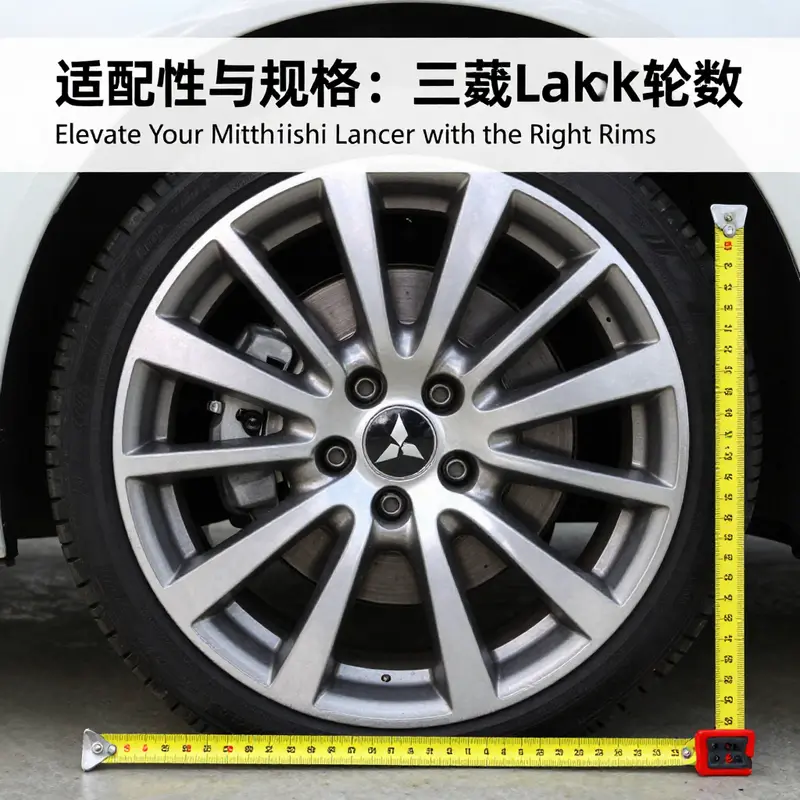
选择适合三菱 Lancer 的轮毂,既是外观改装的核心环节,也是安全与行驶性能的基础。轮毂看似只是金属圈,但它与轮胎、刹车系统、悬挂几何与车身间隙紧密耦合。把技术参数弄清楚,可以避免昂贵的错误,减少安全隐患,并真正实现预期的操控与视觉效果。
直径、宽度与轮胎配合决定车辆的接地方式。Lancer 各代车型原厂轮毂直径常见为16、17或18英寸。较小直径更利于舒适性与成本控制,较大直径有利于轮胎侧壁变薄,从而提升转向响应与操控感。宽度影响轮胎接触面,宽圈配宽胎能够提升抓地力,但需要保证轮拱间隙充足。实际换装时,务必参考车型年款的出厂配置,再在安全范围内调整轮毂直径与宽度。
螺栓孔数与节圆直径(PCD)是决定轮毂能否直接安装的首要参数。很多 Lancer 传统车型使用 4×100 毫米 的 PCD,但部分高配或不同年代的版本可能采用 5×114.3 毫米 或其他规格。安装时若 PCD 不匹配,需要使用转换法兰或更换轮毂,这会带来力学与安全隐患。优先选择与车辆原厂 PCD 完全一致的轮毂,能最大限度保持安装稳定性与受力均匀性。
中心孔(center bore)是轮毂与轮毂中心台(hub)同心安装的关键参数。一般 Lancer 的中心孔常见为 64.1 毫米,但不同车型有差异。若轮毂的中心孔比车轴小,则无法安装;若比车轴大,则需要使用合适的中心垫圈来实现“hub-centric”定位。优先选择 hub-centric 设计,可以将载荷通过轮毂中心承受,减少由螺母或螺栓承担的偏心力矩,降低振动与螺丝松动风险。
偏距(offset,通常以 ET 值表达)定义轮毂安装面相对于轮毂中心平面的距离。ET 值直接决定轮胎在翼子板内外的相对位置。Lancer 常见的 ET 在 ET35 至 ET45 之间。偏距减小会让轮胎向车外突出,拓宽车辆轮距,有利于弯道稳定性,但可能与前唇、轮眉或转向系统产生干涉。偏距增大会将轮胎收回靠近车身,有利于防止轮胎刮擦,但会降低一些横向抓地感。任何改变 ET 的决定,都要同时考虑刹车卡钳与悬挂行程的空间。
材质直接影响重量、刚性与耐久性。普通入门轮毂多用钢制,耐腐蚀且成本低,但重量大,增加簧下质量,降低悬挂响应。铝合金轮毂是主流选择,兼具轻量化与造型可塑性。高性能场景会使用锻造铝或镁合金轮毂,它们在重量与强度间取得更好平衡。对于追求赛道表现的用户,轻量化轮毂能显著改善加速、制动与换向反应,但成本与维修考量也相应提高。
载重等级和动平衡是两项常被忽视的技术细节。轮毂必须满足车辆的最大轴荷与行驶速度等级。改装轮毂若承载等级不足,会在长期行驶中引发裂纹或变形。动平衡和径向/径向跳动(runout)关系到行驶时的振动与轮胎磨损。购买或装配轮毂时,务必检查制造商提供的载重与速度等级数据,并在安装后做精准的动平衡与正向检查。
轮胎尺寸匹配不仅影响舒适性,也会改变里程表与速度表的读数。轮胎的外径决定滚动周长,进而影响车速与里程显示。放大轮径而不正确配套轮胎断崖式降低侧壁高度,会造成实际外径变化,从而导致速度表误差。一般推荐在换圈换胎时把外径变化控制在±3%以内,除非同时调校车速表或车辆电子系统。
轮缘中心化设计(hub-centric)与螺栓中心化(lug-centric)两种安装方式各有利弊。hub-centric 的安装更稳固,车轴承受力通过轮毂中心传递;而 lug-centric 依赖螺栓夹紧实现中心定位。对于高性能行驶或长时间高负荷行驶,优先选择 hub-centric 轮毂,或配套合适的中心环(hub ring),以确保轴承寿命与乘坐舒适性。
刹车卡钳和制动盘尺寸对轮毂适配提出硬性限制。特别是升级大尺寸刹车系统时,新轮毂必须提供足够的卡钳和盘片间隙。常见问题包括轮毂内缘与卡钳接触,以及轮毂叶片与盘片摩擦。改装前,应把刹车卡钳的外廓尺寸纳入选择规则内。
轮毂与悬挂几何互动影响车轮定位。改变轮毂宽度或偏距,等于改变轮距,这会影响前束和外倾角在车辆动态下的实际表现。更宽的轮距可以提升横向稳定,但也可能改变转向感觉与轮胎的磨耗模式。安装新轮毂后,建议做四轮定位,以恢复原厂的前束与车轮角度设定,或微调以适配新的轮胎接地特性。
安全安装细节不可忽视。螺栓或螺母应按制造商规定的扭矩值分阶段交叉拧紧。使用防松垫圈或螺纹锁固剂应谨慎,优先采用扭矩控制工具。定期复检扭矩值,尤其是在换轮或长期跑长途后。轮毂螺栓的长度与螺纹规格必须与轮毂厚度匹配,过短会影响夹紧力,过长则可能伸入刹车鼓或影响制动部件。
轮胎压力监测系统(TPMS)兼容性是现代车辆的一项必需考虑事项。更换轮毂时,如果原车配备 TPMS,应确认新轮毂能容纳原装或通用的 TPMS 传感器。若更换为没有预留阀位的新款轮毂,需要购买适配的传感器并复位系统。缺乏正确的 TPMS 兼容性将导致车辆报警,或在没有压力监控时产生一定安全风险。
在实际选购过程中,优先查询车辆用户手册或基于 VIN 的配件数据库来获取最精确的参数。这能避免因年份或市场差异而产生的误配。对于同一车型,不同年代或市场版本的 PCD、中心孔或 ET 值会出现变动,盲目套用单一数据会导致安装失败或行驶风险。
对于那些追求个性化的人来说,轮毂的形式与功能可以兼得。采用适当的铝合金轮毂既能减轻簧下质量,又能呈现满意的视觉效果。若强调赛道性能,可选择更细的轮辐设计或锻造轮毂,以降低质量并保证刚性。但要注意,极端轻量化可能会牺牲耐久性与抗撞击能力,城市道路的坑洞与杂物冲击会对轻质轮毂造成更大损害风险。
当不得不使用轮圈垫片(spacers)来调整偏距时,应选择高质量、合适厚度的产品。垫片会改变轮轴载荷与悬挂反馈,若厚度过大,可能增加轮轴弯矩,带来轴承过早磨损。尽量在原厂可接受范围内调整,不建议大幅度外扩轮距。
外观方面,磨损与腐蚀也是长期考虑的要点。低质涂层或喷漆在盐雾或碎石环境下会提前破坏,产生剥落与锈蚀。选择耐腐蚀的喷涂或阳极氧化处理,能延长轮毂寿命。冬季若行驶在撒盐路面,应特别注意清洗轮毂,避免盐分侵蚀金属与涂层。
最后,安装后的检测与保养同样重要。新轮毂装配并平衡后,应在行驶 50 到 100 公里后复检螺栓扭矩与动平衡。半年或每行驶一定里程后,做一次视觉检查,查看有无裂纹、弯曲或涂层脱落。对性能敏感的用户,建议定期测量轮毂的径向与反向跳动,保证长期行驶的平顺与安全。
如果你倾向直接购买与 Lancer 匹配的成品套装,可以参考适配 Lancer 轿车的原装 R18 轮圈套装以确定期望的尺寸与偏距,从而简化选择流程。更多关于厂方的精确规格,建议以官方技术文档为最终参考。
更多官方技术数据请参考厂方发布的车型规格页面:
https://www.mitsubishi-motors.com/tech/specs/lancer.html
从外观到尺寸:为三菱Lancer选对轮毂的系统性指南
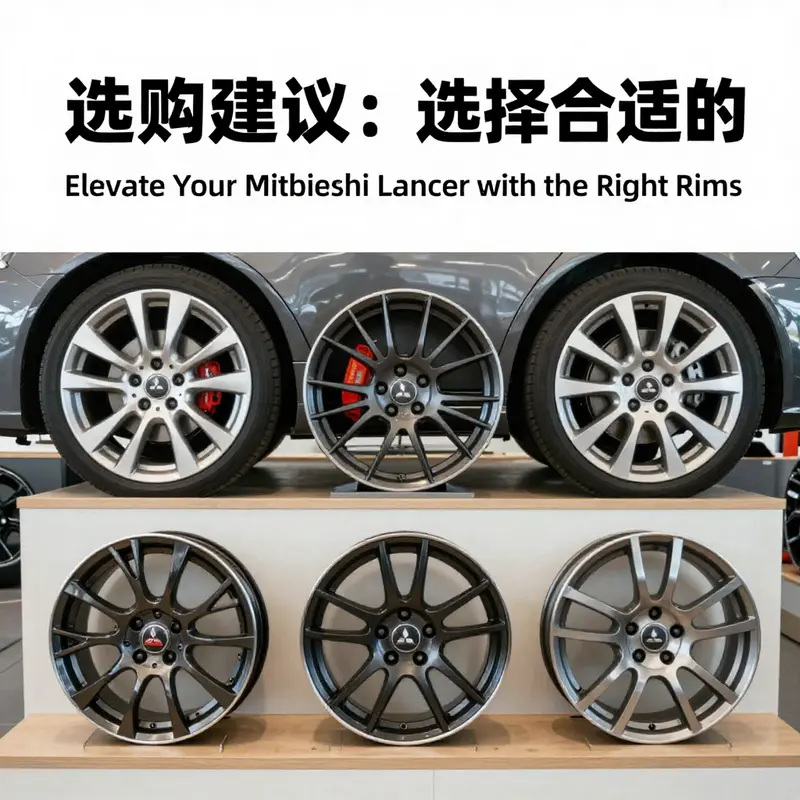
轮辋在一辆车的整体气质中扮演着极为关键的角色。对于三菱Lancer这样的车型,轮毂不仅决定了路面气味的第一印象,也直接影响到悬挂、操控、制动散热和燃油经济性。2026款的Lancer在外观设计上引入了“熏黑轮毂”的细节,与其低趴的姿态和家族式Dynamic Shield前脸共同营造出更强的战斗感。这种原厂设计的美学并非单纯的装饰,而是一种工程学的选择,考虑到轮毂的重量、强度与热管理等方面的综合表现。对于追求个性与性能的车主,市场上也提供了大量改装轮毂选项,既能提升视觉冲击力,也能在一定程度上优化驾驶体验。然而,改装轮毂的选择并非越大越好,越轻越好,越亮越好。它需要在安全、合规与实际使用之间寻找平衡点。理解这一点,才能在改装的旅程中避免走弯路,获得稳定且可持续的驾驶乐趣。
在制定轮毂选购策略时,最重要的,是把关注点从“看起来酷”提升到“与车辆本身的匹配度”这一本质问题。一个系统性的选购框架应当从车型年份与版本、原厂规格、改装目标(外观、性能、舒适性)以及相关法规这几条入手。结合最新的信息,可以把选购过程分解为若干清晰但不冗长的要素,然后将它们自然地编织成一个连贯的叙述,而非在文中堆叠大量无关联的细节。为了帮助读者在日常使用场景中做出明智的决策,我们将逐步揭示每一个要点,并在文末给出一个简明的对比与建议。
明确原车轮毂参数,是打开改装之门的第一把钥匙。在大多数三菱Lancer家族车型中,轮毂参数并非一成不变,而是随年份、车型及市场版本的不同而略有差异。常见的核心参数包括轮毂尺寸、PCD(螺栓孔距)、中心孔径CB、以及偏距ET。对于传统的Lancer Evolution系列,轮毂尺寸在不同代之间有显著差异。以往的标尺可能显示17英寸到18英寸的区间,而更现代的版本则可能使用更大直径的轮毂来匹配更宽的轮胎与改良的悬挂系统。PS:在实际选型时,必须以官方手册或原厂标注为准,但理解常见参数区间本身就能大幅降低试错成本。
具体到参数层面,标准化的参考点包括:轮毂尺寸通常在17到18英寸之间,早期车型可能仍然保留较小直径的选项;PCD多为5×114.3mm,这一参数在绝大多数三菱Lancer车型上具有广泛的兼容性;中心孔径CB通常为67.1mm,确保轮毂可以顺利套入车轮毂轴承;偏距ET通常在40到46之间。为了获得更宽的轮胎贴合感与视觉效果,改装时人们常将ET调整至45左右,甚至在不影响悬挂与转向清晰度的前提下,配合更宽的轮毂与轮胎组合。注意,改动ET并非越小越好,它需要与车辆的悬挂行程、刹车系统和防擦边设计协同工作,避免与避震器、刹车卡钳、轮拱等部件发生干涉。
在明确了原车数据之后,便可以进入两条核心的改装路径的权衡:17寸轮毂与18寸轮毂,以及它们各自对应的轮胎尺寸与驾驶感受。对于追求日常性价比与舒适性的车主,17寸轮毂成为平衡点的首选。常见搭配是17×7.0J或17×7.5J,PCD保持5×114.3,CB为67.1,ET在40以上,轮胎通常选择215/50R17。这样的组合在车身高度、悬挂行程与胎壁柔软性之间达成稳定的折中,能提供更广泛的轮胎选择与更易获得的维护成本。外观上,17寸轮毂也能带来相对平滑的轮毂线条和合适的轮胎侧壁比例,令整车视觉上不过分张扬却依然显眼。
若目标是极致外观与更高转角下的操控表现,18寸轮毂则成为极少数改装爱好者的选择。18×8.0J的宽度搭配5×114.3的PCD、67.1的CB和ET45左右的偏距,常见的轮胎规格是225/45R18。这类组合在转向响应、侧壁刚度与过弯支撑方面具备明显优势,视觉冲击力也更强。需要强调的是,18寸轮毂会带来簧下质量的增加,行驶舒适性或和起步动力性可能略有下降,同时对避震系统的要求也更高。若原厂避震性能并不充足,升级为更具稳定性的避震器或悬挂系统将是与轮毂升级并行的必选项。
在材质与工艺方面,铝合金轮毂因其轻量化、强度与散热性能的综合优势,被广泛推荐作为主流改装选择。相较于钢制轮毂,铝合金轮毯能有效降低簧下质量,提升加速、制动与转向的响应速度,同时对燃油经济性产生正向影响。关于品牌与价位的选择,市场通常将轮毂分为高端性能与性价比两大类。高端性能轮毂强调材料纯度、加工公差以及热处理工艺,其价格更高但在长期使用中的稳健性更有保障。性价比轮毂则在保证核心参数和安全标准前提下,提供更具竞争力的价格与更广的可获得性。无论选择哪一类,核心在于确保轮毂的中心孔、螺栓节圆、偏距及轮毂宽度等关键参数与车辆规格完全匹配,且轮毂质量符合当地安全标准。
在安全与合规方面,应将改装车辆的法律属性放在第一位。根据不同地区的法规,轮毂与轮胎的更换往往属于车辆改装范畴,部分地区要求在登记前后完成变更登记,否则可能影响年检或上路许可。在进行改装之前,最稳妥的做法是咨询专业技师,确认轮毂直径、宽度、PCD、ET与轮胎外径等参数在安全范围内,并避免与刹车、悬挂、转向系统发生干涉。改装后应定期检查轮毂螺栓扭矩、轮胎磨耗程度及整车姿态,从而确保在各种路况下都保持稳定与安全。
综上所述,选购三菱Lancer轮毂时,最明智的起点,是明确原车参数,结合自身需求在17寸与18寸之间做出权衡。若追求日常使用的综合平衡,17寸轮毂与215/50R17轮胎的组合是稳妥且友好的选择;若目标是提升视觉冲击与极致操控,18寸轮毂与225/45R18轮胎的配置在适度升级避震系统后,能带来更一致的路感与转向精度。无论走哪条路径,材料与工艺的选择应以铝合金为主,并结合安全、合规与可维护性进行综合评估。最后,别忘了在具体实施前,核对官方手册中的参数、尺寸范围及配对建议,以确保改装在法律许可与安全边界内稳健推进。
在探索更多案例和选型细节时,可以参考一个相关的示例页面来感受不同尺寸对比与安装兼容性的具体表现: 17-rims-fit-mitsubishi-eclipse-wheels-2018-2019-2020-2021-2022-2023-17×7-5-new。这个案例并非直接针对三菱Lancer,但在同一平台上对轮毂尺寸、轮胎匹配、偏距与轮毂宽度的协同关系提供了直观的参照,帮助读者理解在实际改装中应如何把参数一个一个核对、一个一个排除潜在的干扰点。通过对比,可以更清晰地看到原厂规格与改装目标之间的关系,以及在不同使用场景下的权衡点。
最后,谨记一个简单却关键的原则:改装并非越多越好,而是越适合越好。适当的轮毂选择不仅提升外观,还能在日常驾驶中提供更可靠的操控与舒适度。若你是初次尝试改装,优先选择17寸轮毂搭配215/50R17轮胎的组合,这在成本、可及性与日常使用的综合表现上都更为稳妥。若已经具备一定改装经验,且愿意投入更多时间来优化悬挂与制动系统,那么18寸轮毂带来的综合收益将更为明显。通过理性、渐进的改装策略,三菱Lancer的轮辋不仅能彰显个性,更能在安全与性能之间实现稳定的平衡。
外部资源参考: https://www.bitauto.com
Final thoughts
Selecting the right rims for your Mitsubishi Lancer is a key decision that affects both the appearance and performance of your vehicle. By understanding the distinctions between OEM and aftermarket options, the necessary technical specifications, and practical considerations in choosing suitable rims, you can make an informed decision that enhances your driving experience. Take the time to explore your options, and don’t hesitate to consult with professionals to ensure you find the perfect match for your Mitsubishi Lancer.