
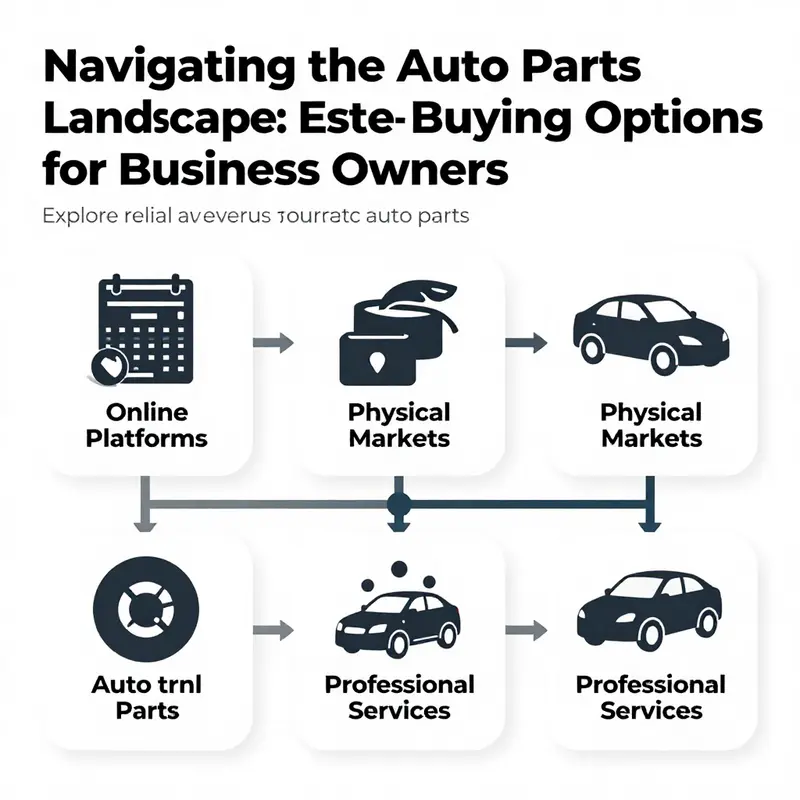
In today’s competitive automotive market, sourcing reliable auto parts is vital for business owners seeking quality and efficiency. Understanding the diverse options available—from online marketplaces to local physical retailers—empowers business owners to make informed decisions and optimize their operations. This article delves into three primary channels: online marketplaces, which offer extensive selections with convenience; physical retailers and auto parts markets, allowing for hands-on verification; and professional platforms, which enhance connections between suppliers and buyers.
Navigating Online Marketplaces to Buy the Right Auto Parts for Your Vehicle
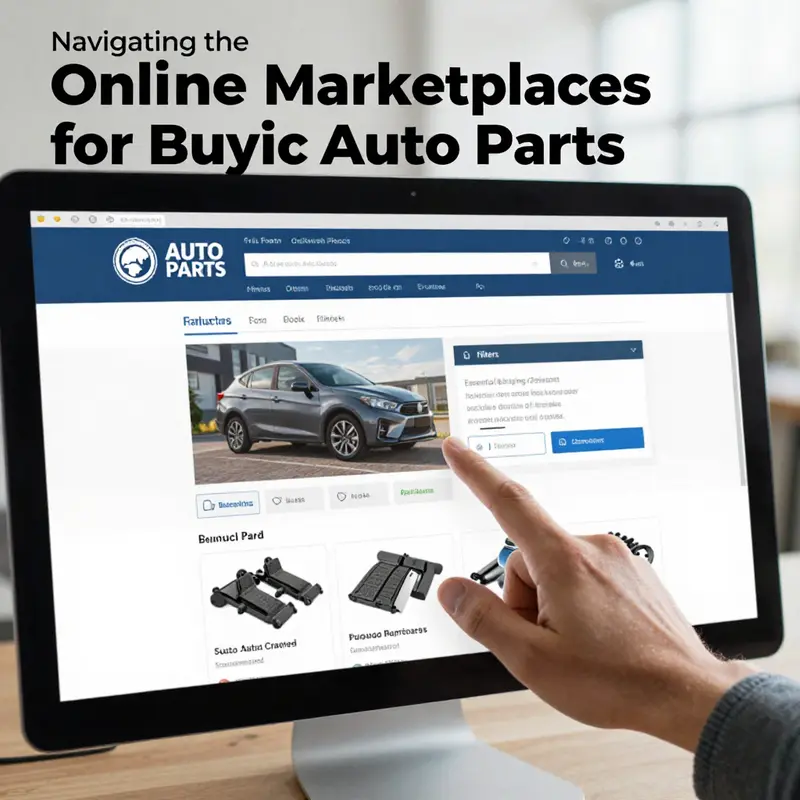
Online marketplaces have changed how drivers source parts. They bring vast selections, varied price points, and delivery speed together in one place. For anyone asking where to buy auto parts, these platforms are often the first stop. Yet convenience comes with new responsibilities: you must verify fitment, confirm quality, and protect yourself from buying the wrong component. This chapter guides you through the practical steps to find parts that fit, last, and arrive as expected.
Buying a part online starts with a clear target: know exactly what you need. A vehicle identification number (VIN) or the original equipment (OE) part number removes much guesswork. These identifiers tell sellers the precise configuration of your vehicle and help algorithms surface compatible items. If you lack these numbers, take the time to locate them before shopping. Using them reduces the risk of fitment errors and future warranty disputes.
Once you have the VIN or OE number, use it in the marketplace search field and in any message you send to sellers. Many listings include vague ‘fits many’ claims. Treat those with caution. A listing that explicitly shows compatibility with your VIN, model year, and engine code carries far less risk. Cross-check the part number listed in the description with other trusted references. If a listing lacks clear identifiers, ask the seller for the part’s catalog number or a clear photograph of the label. Sellers who respond with documentation and photos are typically more reliable.
Quality is the second pillar of success when buying parts online. Marketplaces aggregate products from OEM sources, aftermarket manufacturers, and used-part sellers. Each category has trade-offs. OEM parts often match factory specifications precisely. Aftermarket components may offer improved performance or lower cost, but they vary widely in build quality. Used parts can be economical and genuine, yet they risk hidden wear. Before committing, review product photos for casting marks, part stamps, and visible damage. Read the full item description. Look for statements about material grade, warranty length, and return policy.
Seller reputation matters more online than in a physical store. Ratings and reviews are key signals. Prioritize sellers with a history of positive feedback and detailed reviews that mention parts being as described. Pay attention to how sellers resolve complaints. A vendor with a strong dispute record who still earns positive reviews often handles returns and replacements professionally. When reviews are sparse or overly generic, assume greater risk.
Examine the return and warranty terms carefully. Some sellers offer limited returns due to the item being a consumable or a safety-related part. Others allow returns within a set window if the part is unused. Longer warranty periods typically indicate confidence in product quality. Make sure return shipping costs are spelled out. If a seller requires the buyer to cover return freight for a misfit part, that cost can erase any initial savings.
Shipping and logistics deserve attention, especially for heavy or fragile components. Verify whether the vendor ships from a local warehouse or overseas. Local warehouses often reduce transit times and customs complications. International shipments can involve import duties, longer delivery windows, and the risk of damage in transit. Ask for the package’s tracking number and opt for carriers that provide reliable tracking. If a part is critical to a safe repair, choose a shipping method with insurance. Inspect the package on arrival for signs of rough handling and document any damage with photos before opening.
When evaluating listings, detailed images and measurements provide strong confidence. If pictures show the exact part number, bracket locations, bolt patterns, and connector types, you can often confirm fitment without a visual inspection of your vehicle. If images show only generic shots or stock photos, request additional photos showing the part number and mating surfaces. For electrical parts, ask for the connector pinout and terminal count. For suspension components, confirm bushing types, splines, and orientation. Small differences in tabs or hose fittings can make a part unusable, so probe these details before purchase.
Search strategy helps you find the best match. Use specific terms like OE numbers, engine codes, or model-chassis designations rather than generic phrases. Filter results by vehicle compatibility, seller location, and shipping time. Sort by reliability metrics such as seller rating or number of sales instead of price alone. When comparing two similar listings, the cheaper option may lack warranty or require longer shipping. Factor those trade-offs into your decision.
Counterfeit and knockoff parts remain a risk on broad marketplaces. They often mimic OEM appearance while skimping on critical internal materials. Signs of counterfeits include misspelled labels, low-resolution photos, implausibly low prices, and sellers that avoid answering technical questions. When a listing cites a factory guarantee or serial number verification, verify that claim with the manufacturer when possible. If a part affects safety systems—brakes, airbags, steering—buy from sellers who provide traceable authenticity documentation or choose a more controlled supply channel.
Payment protection is a practical concern. Use the marketplace’s recommended payment methods. They typically offer buyer protection programs that include dispute resolution and escrow options. Avoid sellers who ask for direct bank transfers or off-platform payments. Keep a record of purchase confirmations and all correspondence with the seller. If the part arrives damaged or not as described, these records will support your claim.
For performance or specialized components, generalized marketplaces may not be the best choice. Some parts require precise engineering tolerances or specialist testing. When accuracy matters—such as for engine internals, fuel system components, or turbochargers—look for sellers who specialize in that category. Specialized sellers often provide detailed specifications, testing documentation, and installation guidance. If the part is rare or tailored to a particular powertrain, a specialist can confirm compatibility using your vehicle’s technical details.
Used parts present a separate set of rules. Salvage listings can be economical. However, assess the part’s wear history and reasons for removal. For engines and transmissions sold from donor vehicles, ask for compression tests, oil analysis, or a run-in video. For body panels, inspect for plate-stretcher repairs, paint overspray, and alignment data. When purchasing used electrical modules, request that the unit be tested in a bench environment. Used airbags and seatbelt pretensioners are sensitive and often regulated; be cautious and check legal restrictions in your region.
Documentation and community resources can de-risk purchases. Forums, enthusiast groups, and social media communities are excellent venues to verify compatibility and quality. Experienced owners often share part numbers, fitment notes, and installation tips for specific models. Combine community feedback with item descriptions to form a clearer picture of what you will receive.
Installation considerations should factor into the purchase decision. Some parts are straightforward to replace. Others require tools, calibration, or software programming. If a component needs reprogramming or adaptation to your vehicle’s control modules, ensure you have access to the necessary tools or a shop that can perform the work. Buying an inexpensive module that then requires expensive programming can be a false economy. Factor in labor or additional service costs when comparing parts.
A strong practice is to keep an audit trail for every parts purchase. Save all listing pages as PDFs, keep seller communications, and store invoices. If a warranty claim or dispute arises, these records prove the item was purchased and document the description you relied upon. When returning items, repack them exactly as received and follow the seller’s packaging instructions to avoid damage and ensure the return is accepted.
International purchases can unlock rare items but introduce complexity. Confirm whether the part is compatible with your market’s regulatory standards. Emissions equipment, lighting, and safety systems sometimes differ between regions. Customs classifications and import taxes can add significant costs. Get a shipping and customs estimate before purchase to avoid surprises. If the vendor offers consolidated shipping or local drop-shipping through a regional warehouse, those options often reduce delays and duties.
When dealing with high-value or critical components, obtain third-party verification where available. Some marketplaces provide serial number checks or factory verification services. If the seller can supply a certificate of authenticity or a stamped invoice from the original factory, that adds confidence. For collectors or restoration projects, such documentation preserves value.
Mind the language and measurement units used in listings. Sellers may list dimensions in imperial units while your local parts catalogue uses metric. Misreading a bolt pitch, thread diameter, or hose diameter can lead to an unusable part. Convert units and confirm measurement tolerances. If a listing is in another language, use translation tools and clarify technical phrases before buying.
A balanced approach to pricing yields the best outcomes. If a listing undercuts market rates dramatically, scrutinize it closely. The savings might come at the cost of inferior materials or missing warranties. Conversely, the most expensive option is not always the best. Compare similar listings and consider seller reputation, return terms, and warranty coverage. When in doubt, choose a listing that offers reasonable price, clear documentation, and vendor responsiveness.
After the part arrives, inspect it immediately. Confirm the part number, check for shipping damage, and test any electronic components before installation when possible. For bulky items, document the unboxing with photos. If the part does not match the description, contact the seller right away and open any available dispute resolution within the marketplace. Waiting too long can complicate returns.
Finally, know when to step away from a marketplace solution. If fitment cannot be confirmed, if the seller avoids technical questions, or if the part is critical to safety and lacks authentication, choose a controlled supply channel instead. Dealerships and authorized vendors often cost more, but they provide part traceability, guaranteed fitment, and support. These options are worth the premium for critical repairs.
For hands-on shoppers who still prefer marketplaces, treat the experience as a combination of detective work and risk management. Gather VINs and part numbers. Vet sellers and documentation. Ask for photos and measurements. Confirm returns, warranties, and shipping details. Use payment protections and keep a clear paper trail. When you follow these steps, online marketplaces become powerful tools for finding the parts you need.
If you want an example of an aftermarket listing relevant to body panels and cosmetic upgrades, review this carbon-fiber bonnet listing. It illustrates how specific measurements, mounting locations, and finish details are presented in a listing, helping you confirm compatibility before purchase: carbon-fiber bonnet listing.
For additional vendor discovery and marketplace options, consider this resource that aggregates parts listings and search tools: https://www.ebay.com/sch/i.html?_nkw=auto+parts
This practical approach reduces uncertainty and helps you buy auto parts online with confidence. Use methodical verification, protect payments, and prioritize documentation. The right combination of preparation and caution makes marketplaces a fast, effective place to source parts for routine maintenance and complex repairs.
Finding and Buying Auto Parts In Person: Markets, Shops, and Smart Inspection
Finding and Buying Auto Parts In Person: Markets, Shops, and Smart Inspection
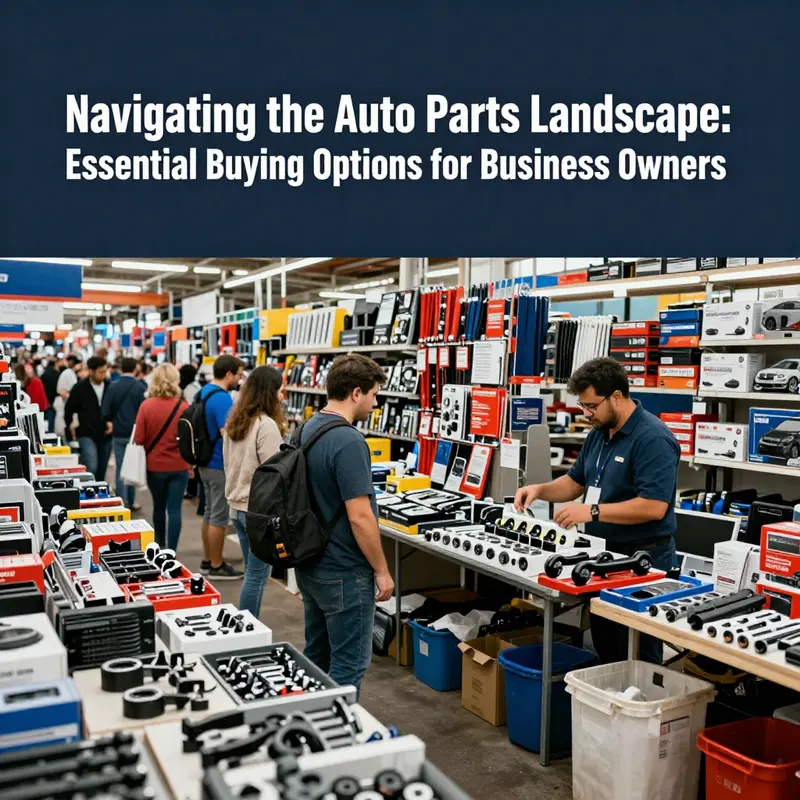
Physical retailers and auto parts markets remain essential for anyone who needs parts now, wants to inspect components in person, or prefers hands-on help. These places vary from tidy storefronts with clear shelves to sprawling market complexes where stalls cluster by category. They offer immediacy, face-to-face expertise, and the chance to evaluate a part’s condition before paying. For local mechanics, DIY enthusiasts, and people facing urgent repairs, those advantages matter more than ever.
When you walk into a well-stocked parts store, you’ll usually find a broad inventory that covers routine maintenance and common repairs. Shelves hold filters, belts, hoses, and fluids. Bins contain fasteners and small hardware. Larger items, like brake assemblies or alternators, are kept in back or displayed on racks. Staff can pull up fitment guides and check part numbers. In many cases they will cross-reference your vehicle’s identification details, helping you avoid the frustration of a near-miss purchase. That human verification is the single most practical reason to visit a physical store: a knowledgeable person can reduce uncertainty quickly.
Auto parts markets multiply that advantage. These markets are often organized into zones: engine components in one area, electrical parts in another, and body panels in a separate section. They combine new, used, and recycled parts side by side. For buyers hunting discontinued items or vintage components, markets are a valuable resource. A shop owner may know where to source a rare thermostat housing or a specific trim piece. They can also often arrange custom orders when a local supplier lacks stock.
Quality and consistency differ across markets. Some stalls sell factory-new items with warranties. Others specialize in reclaimed parts harvested from salvage vehicles. When you browse a market, keep a clear checklist: confirm part identity, inspect for wear or damage, and ask about any warranty or return policy. For used parts, verify functionality where possible. For metal components, look for cracks, distortion, or signs of corrosion. For bearings and moving parts, check for free movement and absence of binding. For electronics, ask if the part has been bench-tested. For hoses and rubber components, inspect for brittleness, swelling, or prior repairs.
A practical way to avoid mistakes is to bring the old part with you. Matching the physical item against shop stock eliminates guesswork. If the old part isn’t available, bring the vehicle identification number (VIN) and the original equipment (OE) part number if you have it. These identifiers enable precise matching. Many vendors will also accept photos taken on your phone. A clear image of the mounting points, connectors, and any stamped numbers can be decisive.
Negotiation and price comparison are routine in markets. Wholesale sellers and market stalls often provide volume pricing. If you’re buying multiple items or parts for a repair shop, ask about trade discounts. Payment terms can sometimes be extended for business customers. However, price should not override quality. A cheaper part that fails quickly becomes more costly. Ask about warranty length and what it covers. If a seller offers only limited or no returns on used parts, factor that risk into your decision.
Authenticity and counterfeit avoidance deserve careful attention. Look for consistent casting marks, uniform finish, and proper packaging where applicable. Many legitimate parts have identifiable marks: serial numbers, manufacturer stamps, or consistent machining. If packaging looks homemade or labels are poorly printed, treat the offer as suspect. For critical components—safety systems, braking parts, airbags, steering elements—priority should be given to verified, warranted items. When in doubt, prefer parts that offer a clear return policy or come through a recognized supply channel.
A common trade-off when buying in person involves OEM versus aftermarket choices. Original-equipment parts are designed to match factory specifications precisely. They often cost more but reduce risk of fitment issues. Aftermarket parts can offer comparable quality at lower price points, and some are performance upgrades. The key is to verify fitment and function before purchase. Ask the seller about interchange numbers, and if possible, compare the aftermarket item to the original part physically. Some aftermarket suppliers also provide limited warranties; check the terms.
For components that require calibration or reconditioning, such as transmissions or electronic modules, ask whether the seller provides or coordinates installation and programming services. Some markets and shops either offer these services on site or maintain partnerships with nearby repair facilities. If a part requires calibration after installation, ensure you’ll have access to the necessary tools or skilled technicians. Installing a complex component without proper programming can make the vehicle inoperable.
Documentation and record-keeping are practical habits that pay off. Always get a detailed receipt that lists part numbers, descriptions, quantity, price, and any warranty terms. If a part fails within the warranty window, the receipt will be your primary evidence. Take photos of the part and the packaging at the time of purchase. If the vendor offers a limited guarantee, note any serial or batch numbers and the date of sale. These simple steps make returns and warranty claims far easier.
Used part markets have a special set of considerations. Recycled components extend the life of many vehicles and reduce waste. But they also introduce variability. Reclaimed engines, transmissions, and body panels can be bargains if they are properly inspected and, where applicable, reconditioned. Confirm whether a used engine has been tested for compression and oil condition. For transmissions, ask about leak-free seals and whether the unit was drained or filled before sale. Request a short-term warranty when possible. Many reputable used parts dealers will stand behind their work for a limited period.
Shipping and logistics are often overlooked when buying from markets. If you source a bulky component, ask about packing and delivery options. Many market vendors will arrange freight, and some provide nationwide delivery. For heavy items, request secure packaging to prevent damage. If you plan to transport a large part yourself, ensure your vehicle and securing methods are appropriate for the load. Also confirm the return policy if an item arrives damaged in transit.
When purchasing from a physical retailer that serves both consumers and trade customers, it helps to develop a working relationship. Regular customers often receive better stock access, priority when parts are scarce, and occasionally, price breaks. If you run a repair shop, registering as a trade account can unlock business-only prices and extended credit terms. Independent mechanics who cultivate local supplier relationships often solve supply chain issues more rapidly than occasional buyers.
Safety regulations and legal considerations apply to some categories of parts. For example, safety-critical components may be subject to specific standards and installation rules. In many regions, using salvaged airbags or tampered emissions equipment is restricted or illegal. Check local regulations before purchasing and installing regulated items. If you are unsure, ask the vendor for documentation that proves compliance. This protects you from downstream liability and potential inspection failures.
A good in-person shopping strategy begins long before you enter the store or market. Prepare by identifying the part number or at least a clear description. Inspect the old component and photograph it. Research typical price ranges online so you recognize a fair deal. Prepare payment options; some market vendors prefer cash and may offer better prices for it, while larger stores accept cards and electronic payments. Bring tools if you plan to do a quick fit check at the vendor’s premises. A socket or wrench that allows you to remove a few bolts can confirm fitment instantly.
Inspecting electrical parts in person requires particular care. Look for clean connectors and intact pins. Corrosion, bent pins, or damaged housing often indicates hidden faults. If possible, ask the seller to demonstrate the part on a testing rig. Many reputable merchants will have simple testers for alternators, motors, and solenoids. If a seller cannot demonstrate basic functionality, consider a guaranteed return period before purchase.
For body panels and cosmetic parts, examine mounting points closely. Warped mounting plates or misaligned bolt holes can turn a bargain into an expensive retrofit. Compare paint finishes when buying painted panels. Mismatched color or inconsistent texture can cost more to correct than paying a premium for a properly finished component. For trim and interior parts, inspect attachment clips and fasteners; replacements can be hard to find if clips are broken or missing.
Core charges and exchanges are common for certain items like starters, alternators, and some fuel system components. A core charge is refundable once you return your old unit in acceptable condition. If a vendor charges a core fee, ask what condition your old part must be in for a full refund. Keep the old part in a labeled bag and retain it until the exchange completes. This preserves your refund eligibility.
Ask questions about provenance when buying imported or specialty parts. Markets often stock items from a variety of sources. If a part is sourced from a third party, request information on where it originated and any refurbishment it underwent. Transparency is a sign of a trustworthy seller. If the vendor avoids provenance questions, treat the offer cautiously.
Timing your purchase can also save money. Markets and stores may discount slow-moving inventory at the end of a season or during clearance events. If you can plan maintenance ahead, you may secure better prices. Conversely, emergency purchases during weekends or holidays often carry a premium. Weigh convenience against cost when making urgent decisions.
Finally, consider the environmental and economic benefits of buying in person. Recycled and remanufactured parts reduce material waste and often cost less than new equivalents. Local purchases keep money in the community and reduce shipping emissions compared to overseas shipments. At the same time, balance these advantages against the need for safety and reliability.
For additional guidance on navigating retail options and evaluating sellers, consult an industry resource that outlines retailer types and shopping tips: https://www.autoparts.com/retailers-guide.
Where to Buy Auto Parts Like a Pro: Platforms for Accurate Matching, Bulk Supply, and Fast Delivery
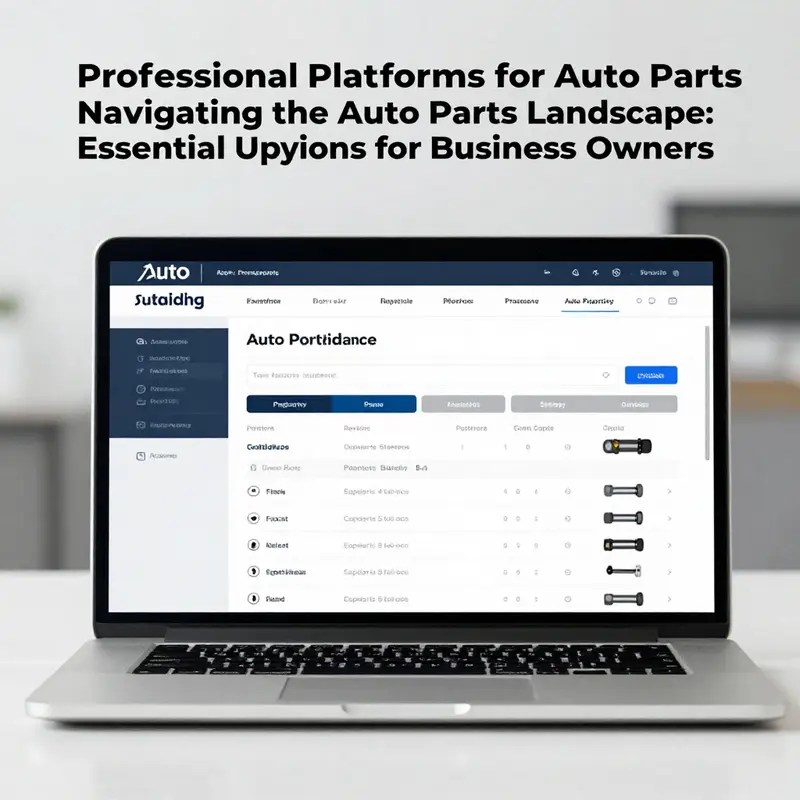
Professional platforms change how people and shops buy auto parts. They turn a messy, time-consuming search into a reliable process. When you know which platform fits your role—consumer, DIYer, repair shop, or distributor—you reduce errors, cut lead times, and protect vehicle safety.
What makes a platform professional? It’s not just a large catalog. It’s precise vehicle matching, clear part identification, dependable logistics, transparent pricing, and tools for verification. It is also the ability to handle bulk orders, returns, and technical questions without friction. For repair shops and distributors, the right platform becomes part of daily operations. For consumers, it removes guesswork and ensures the part you buy will fit and perform.
Start with accurate identification. A platform that supports VIN, OE number, or a detailed vehicle profile saves time. VIN-based searches match exact trim, engine, and production variations. OE lookups link the same part across brands and manufacturers. When a listing shows multiple cross-references, compatibility becomes easier to confirm. A professional platform will display these identifiers prominently, not buried in product descriptions.
Next, evaluate matching and search intelligence. Some platforms use algorithmic matching that compares your vehicle data with supplier inventories. Others offer guided selection tools that narrow down choices based on model year, engine code, and trim. These intelligent systems reduce mismatches. They also flag parts that are similar but not identical, and they list compatible alternatives when an exact match is unavailable. For shops that manage many vehicles, this feature is essential. It turns a manual look-up into an automated procurement step.
Inventory depth and sourcing matter. Wholesale and B2B-focused platforms provide full-line inventory across categories. They list complete assemblies, core engine parts, electronic modules, and consumables. For a workshop, having access to multiple suppliers through one interface streamlines ordering. You can compare prices, minimum order quantities, and lead times on a single screen. Platforms built for dealers and distributors prioritize availability and bulk pricing. They also often provide integration options for inventory management systems, helping you forecast and reorder based on usage.
Logistics and delivery options define operational reliability. Professional platforms offer varied shipping methods, from express courier to palletized freight. They may include nationwide networks or regional consolidation centers. For urgent repairs, next-day or same-day delivery options can make a shop competitive. For heavy or bulky items, consolidated shipping with tracking and damage claims support is critical. Look for platforms that share tracking numbers and provide visibility into the shipping chain. That reduces phone calls and helps schedule installations accurately.
Quality assurance is non-negotiable. A professional platform should have mechanisms to verify authenticity and quality. This includes supplier vetting, product certification displays, and clear return policies. For critical components, platforms that enable factory-direct sourcing protect warranties and maintain safety standards. Transparency about manufacturer origins, packaging photos, and serial numbers helps you verify what arrives against what was promised.
Pricing transparency goes beyond a sticker price. Professional platforms show unit prices, bulk discounts, and freight estimates. They also list lead times and restocking charges. When comparing suppliers, these details reveal total landed cost. Some platforms show historical price trends, which helps plan purchases in seasonal cycles or when currency fluctuations affect imported items. Cost comparison tools that include delivery and return costs reduce surprise expenses.
Procurement workflows differ by user. Independent consumers usually need one-off purchases with simple returns and clear installation guidance. Small garages prefer platforms that support repeated orders, saved vehicle profiles, and quick reorders. Larger repair shops and regional distributors need purchase orders, invoice consolidation, and supplier performance metrics. Many professional platforms include user roles and permissions, letting managers approve orders, while technicians place requests. This separation keeps spending under control while speeding operational tasks.
Technical support and after-sales service make a platform usable. Platforms that offer expert chat, parts specialists, or direct lines to suppliers shorten resolution times. When a mismatch occurs, rapid support prevents downtime. Look for platforms that document dispute resolution timelines and offer return windows that align with workshop schedules. A 15-day return policy is helpful, but extended windows for larger components add practical value.
Data tools and integrations multiply efficiency. Platforms that provide APIs or connectors let shops integrate orders into their shop management or accounting software. Inventory updates can trigger reorder suggestions. Work orders can link to parts estimates and then convert directly to purchase orders. For businesses tracking profitability per job, this integration is a major advantage. Even for serious DIYers, the ability to export order history and build a parts list across projects is useful.
Search sophistication matters for niche and imported parts. For hard-to-find items, a platform that supports cross-brand number searches and global supplier networks increases success rate. Some platforms specialize in matching hard-to-source import parts and used components. They can search salvage pools and remanufactured inventories. For classic vehicles or rare models, these platforms often maintain databases with historical part numbers, making identification faster.
Supplier reputation and review systems are a practical safeguard. A professional marketplace with verified reviews, seller ratings, and transaction history simplifies vetting. Pay attention to comments about packaging, delivery timeliness, and post-sale responsiveness. Some platforms verify reviews to limit manipulation. For high-value purchases, prioritize sellers with long track records and documented returns handling.
Payments and financing options ease cash flow. Repair shops can benefit from platforms offering net terms, consolidated billing, or credit lines. Platforms that support multiple payment methods make transactions smoother for consumers. Secure payment processing and clear invoicing build trust. For high-volume buyers, consolidated monthly billing reduces administrative work and streamlines reconciliation.
Returns, warranty, and claims processes must be straightforward. Professional platforms provide clear steps for returns and part exchanges. Policies that allow returns with minimal restocking fees help shops test parts when diagnosing issues. Platforms that facilitate warranty claims with manufacturers accelerate reimbursements. Documentation that includes return shipping labels, step-by-step claim assistance, and photos reduces disputes.
User experience and interface design matter more than you might expect. A cluttered catalog costs time. Clear filters for vehicle model, part category, and compatibility save hours. Mobile-friendly interfaces let technicians place orders from the bay. Saved vehicle profiles and frequently ordered lists speed repeated tasks. Visual cues like exploded diagrams, fitment guides, and installation notes make the difference between a correct purchase and a service delay.
How to choose a platform depends on your role and priorities. Consumers and DIYers value authenticity, simple returns, and fast shipping. Small shops need dependable lead times, flexible returns, and cost-effective pricing. Large workshops and distributors prioritize bulk availability, API integrations, and credit terms. Importers and specialty shops require deep catalogs, global sourcing, and cross-reference capabilities. Match platform strengths to your operational needs.
Blend platforms to cover gaps. Use search-focused marketplaces for quick consumables and local wholesalers for urgent bulk parts. Employ data-centric platforms for compatibility checks and B2B marketplaces for bulk buying. For hard-to-source or performance parts, lean on specialized international platforms that aggregate niche suppliers. Combining platforms helps you balance cost, speed, and quality without overreliance on a single source.
Verification best practices reduce errors. Always confirm VIN or OE numbers before ordering. Cross-check images, dimensions, and connector types when buying electronic modules. If possible, have a technician verify fitment during diagnosis to avoid unnecessary returns. Keep detailed order histories that note the job and vehicle, so future purchases are informed by past outcomes.
Negotiate when you buy frequently. Suppliers on professional platforms often offer better pricing and terms for consistent buyers. For repair shops, consolidating orders with one supplier can unlock volume discounts. Discuss lead time guarantees and return arrangements before committing to long-term supply relationships. Clear expectations and written agreements protect both parties.
For shops expanding their service range, platform features that support bulk purchasing and logistics scale are essential. Consolidated shipments, palletized deliveries, and supplier-managed inventory options reduce storage pressure. Some platforms also offer dropship services, where parts ship directly to customers. These options support new business models like remote installation coordination and white-label parts delivery.
Security and compliance should not be an afterthought. Platforms that verify supplier credentials and provide documentation for regulatory compliance reduce liability. For parts subject to safety recalls or emissions regulations, platforms that flag affected items protect customers and businesses. Ensure the platform maintains secure payment systems and protects customer data.
A professional platform is also a learning tool. Many offer technical documents, fitment diagrams, and installation tips. These resources help technicians diagnose and install parts correctly. For consumers, clear installation notes and torque specifications reduce mistakes. Knowledge resources on a platform strengthen long-term relationships and foster trust between buyers and suppliers.
Finally, plan for growth and contingency. Use platforms that let you scale supplier relationships. Maintain backup suppliers for critical lines. Monitor supplier performance metrics like fill rates, on-time delivery, and return rates. These metrics reveal weak links and guide strategic sourcing decisions. A diversified sourcing strategy reduces the risk of downtime during supply disruptions.
For a concrete example of a shop-level procurement solution, explore a specialized B2B platform built for matching vehicle data to supplier inventory. It demonstrates how intelligent matching, automated purchase requests, and consolidated logistics can streamline operations. You can review its capabilities and contact path here: https://www.baturu.com
If you want a specific parts example or a hands-on product guide, see this internal reference that covers a high-performance bonnet hood and its fitment notes: brand-new original carbon fiber bonnet hood for Mitsubishi Lancer Evo X.
Selecting the right professional platform transforms how you buy parts. It changes ordering from a reactive chore into a planned, data-driven process. With accurate matching, clear logistics, and reliable support, parts arrive on time and fit as expected. That reduces warranty work, improves customer satisfaction, and keeps vehicles moving.
Final thoughts
In sum, business owners have access to a variety of channels for sourcing auto parts. Whether utilizing online marketplaces for their variety, visiting physical retailers for immediate needs, or leveraging advanced professional platforms for enhanced connectivity, each avenue offers unique benefits. By understanding these options, business owners can optimize their procurement processes, maintain quality standards, and ensure the smooth operation of their automotive ventures.