
For business owners in the automotive industry, the resale of used auto parts can represent a significant source of revenue and sustainability. Whether you’re looking to declutter excess inventory or seeking to capitalize on high-demand components, understanding where to sell used auto parts is crucial. This comprehensive guide delves into specialized online marketplaces, local salvage yards, automotive repair shops, and dedicated online communities. Each of these avenues plays a distinct role in enabling business owners to engage effectively with customers while maintaining profitability in the competitive auto parts landscape.
Specialized Online Marketplaces: How to Reach the Right Buyers for Your Used Auto Parts
Choosing the Right Online Marketplace and Preparing Listings
Specialized online marketplaces are where focused buyers look first. Sellers who use them reach restorers, mechanics, and enthusiasts who need specific parts. These platforms combine searchability, buyer intent, and tools that simplify transactions. To make the most of them, treat each listing like a small storefront. Present clear photos, accurate descriptions, and honest condition notes. Buyers on these sites often know what they need. They search by part number, vehicle fitment, and condition. When your listing matches their search terms, your item moves faster and commands a fair price.
Start by matching the part to the platform’s audience. Some marketplaces cater to national or international buyers who restore classic cars. Others emphasize quick, local trades for everyday repairs. If you sell rare or model-specific components, prioritize sites that attract collectors and restorers. If you have common wear items, local listings avoid shipping headaches and cut costs. Listing on multiple platforms widens exposure, but it requires careful inventory control. Mark items as sold across channels immediately. Consider using a cross-posting tool to save time and reduce double-sales risk.
Great photos matter more than a long description. Use natural light and neutral backgrounds. Capture multiple angles: overall view, mounting points, part numbers, wear spots, and any identification tags. Close-ups of serial stamps, OEM marks, and stamped dates build buyer confidence. Include a photo of the part installed when possible. That helps buyers confirm fitment and provenance. File names and image captions should include the vehicle make, model, year, and exact part name to improve search visibility.
Descriptions must be precise. Begin with the essential fitment information: vehicle range, engine code, and OEM part numbers when available. Follow with a concise condition report. Say whether the part is used, refurbished, rebuilt, or core. Note any functional limitations. If a mechanical component has been bench-tested, state the result. For cosmetic pieces, describe chips, cracks, fading, or dents and where they are located. Transparency reduces returns, speeds up negotiations, and builds a reputation for honesty.
Set competitive but realistic pricing. Research completed listings for similar items to understand what buyers actually paid. Price slightly higher than the lowest comparable listing if your part has verifiable advantages—fresh refurbishment, new hardware, or recent testing documentation. For high-demand pieces, auctions can generate a better return. For heavy or bulky items, factor shipping costs and insurance into the price or offer local pickup only. If you accept offers, set a minimum price in your mind and stick to it.
Shipping and packaging require thought. Small items fit into padded envelopes or small boxes. Use foam or crumpled paper to prevent movement. For fragile or irregular parts, double-boxing gives better protection. Heavy items such as engines, transmissions, and panels need sturdy crates or palletized shipping. Obtain quotes from freight carriers before listing so you can provide accurate shipping estimates. Offer shipping options and state handling times. If you offer local pickup, indicate a secure, well-lit meeting place and whether the buyer must bring transportation or help loading.
Payment and buyer protection influence where you list. Some marketplaces include integrated payment systems with buyer and seller protections. Those platforms reduce fraud risk and make disputes more manageable. Other classifieds rely on cash and meetups. For higher-value transactions, insist on traceable payments or use escrow-style services. For local deals, accept cash or verified instant transfer methods. Always verify the funds before releasing a part or allowing pickup.
Trust and reputation matter. Maintain a short, polite, and professional listing tone. Respond promptly to messages. Provide additional images or measurements when requested. If a buyer asks about fitment, ask for their vehicle identification details instead of guessing. After a successful sale, ask satisfied buyers to leave feedback. A small history of positive feedback increases future conversion and allows you to command stronger prices.
Handling inquiries efficiently separates fast sellers from slow ones. Create a short FAQ in each listing that addresses common questions: compatibility notes, return policy, shipping times, and whether additional parts or hardware are included. Use templated responses for routine queries, but personalize them to avoid sounding robotic. When negotiating, remain firm but fair. Time-bound offers encourage quicker decisions. If a buyer flouts your return policy or tries unreasonable bargaining tactics, be willing to walk away. Reputation and safety outweigh quick, low-margin sales.
When a part is rare or valuable, auctions or specialist listings are often best. Rare model-specific components draw competing bids from collectors and shops. Provide thorough documentation: photos, provenance, and, where possible, installation history. For mechanical items, include any dyno results, bench-test videos, or rebuild receipts. Auction-style listings create urgency and can exceed fixed-price returns. However, they require clear reserve pricing and shipping plans for international buyers.
Keep an eye on seasonal demand. HVAC components sell more in spring and summer, while heating-related parts gain traction in fall and winter. Off-season buyers might be bargain hunters or immediate-repair customers, so adjust prices and descriptions accordingly. Monitor local salvage and wrecking market trends to anticipate demand spikes for accident-damaged parts.
Safety for local transactions is crucial. Always arrange meetups in public, well-lit areas. If an item requires loading into a truck, ask if the buyer can bring help. For engine or transmission pickups, provide lifting recommendations and suggest professional transport for long distances. Avoid meeting at your home alone if possible. If a buyer seems evasive or requests unusual payment methods, decline and re-list the item.
Tax and legal considerations matter too. In many jurisdictions, selling used parts occasionally is a casual transaction that does not require a business license. However, regular sales at scale may count as a business activity. Keep records of sales, receipts, and any business-related expenses. If you sell across state or national borders, be aware of customs declarations and export restrictions. Some countries restrict the export of certain automotive components or require specific paperwork.
Cross-posting and inventory control streamline multi-platform selling. Keep a master inventory spreadsheet that lists part numbers, condition, platform listings, prices, and sale status. Mark items sold immediately and remove listings. Consider simple automation tools to delist sold items or sync inventory. This prevents double-selling and the customer-service headaches that follow.
Protect yourself from fraud. Watch for overpayment scams where a buyer sends a payment for more than the listed price and asks you to refund the difference. Insist on cleared funds before shipping. Avoid unconventional escrow services that you did not initiate. If a buyer requests immediate shipping to a different address than their account profile, confirm details and proceed cautiously. For large transactions, consider meeting at a bank to process verified payments.
Build longer-term sales by nurturing relationships with local repair shops and restorers. Offer bulk discounts, consistent availability, and flexible pickup schedules. A single shop that trusts your parts can provide steady demand and reduce listing time. Consider compiling a small catalog or inventory list to email to shops when new items arrive. This quiet, direct channel sometimes yields higher per-item prices and fewer transaction hassles.
Finally, track metrics. Note how long listings take to sell, which descriptions convert best, and what price points attract offers. Use those insights to refine future listings. Test different keywords, photo styles, and price strategies. Over time, you will develop a sense for which platforms supply the buyers you need and which items are better handled locally.
For an example of a specific rare engine listing that travels well through specialized channels, see this detailed listing for a low-mileage engine: genuine-jdm-low-mileage-1995-1999-jdm-mitsubishi-4g63t-2-0l-dohc-turbo-engine-evo-7-bolt-eclipse-talon-awd-automatic-transmission-and-ecu-attached.
For convenience, here is a commonly used global marketplace link where sellers often begin when listing used auto parts: https://www.ebay.com/sch/i.html?nkw=used+auto+parts&sacat=4025
This chapter emphasizes practical listing choices and processes. By preparing accurate listings, choosing platforms that match your part, and handling payments and shipping with care, you increase sale speed and final prices. The right marketplace connects the part with buyers who value it most. Treat each listing as an offer to a specific audience, and you will find repeat business, stronger returns, and fewer headaches.
Turning Spare Parts into Cash: A Practical Path Through Local Salvage Yards and the Online Market
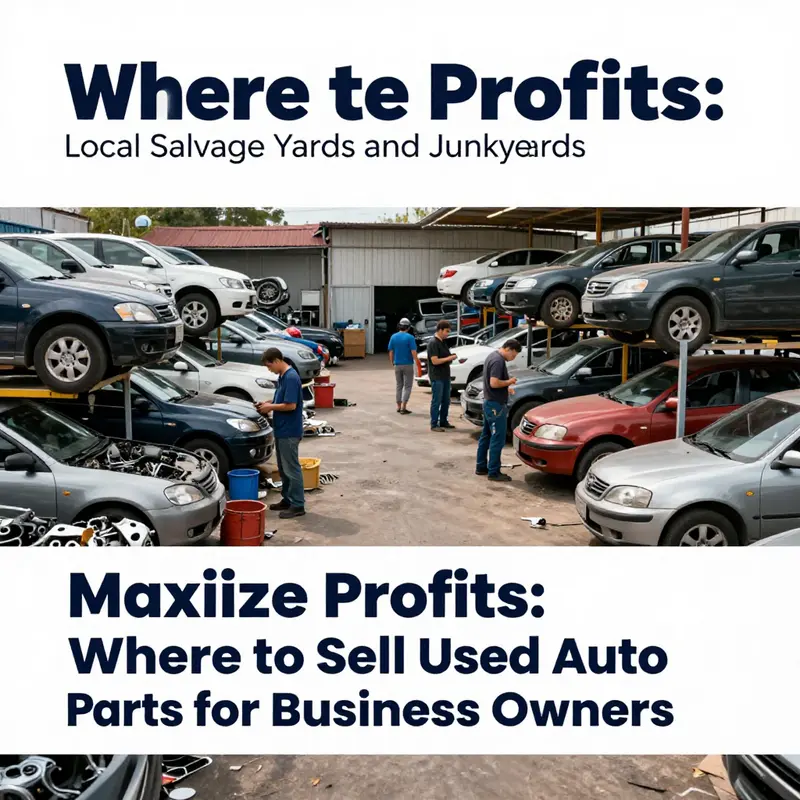
The decision to sell used auto parts often starts in a simple garage with a few odds and ends. A radiator that still works, a set of hoses, or a transmission that was rebuilt can find a new home. Local salvage yards and junkyards often offer the fastest path to cash, while online marketplaces extend your reach far beyond your neighborhood.
The key is to prepare for both speed and clarity: know what you have, document its condition, and price with realism. At the yard, parts are valued for how quickly they can be installed and used. Large items like engines, transmissions, and body panels may fetch the best prices when grouped into a compatible set. For best results, present a clean, organized bundle and let the appraiser see the whole picture.
When selling online, provide precise part numbers, clear photos, and a careful compatibility note. Honest descriptions reduce returns and disputes and help buyers feel confident. Include any testing notes and specify what is included with the part, shipping details, and pickup options. Safety matters too: confirm ownership and use tracked shipping for expensive parts.
Selling Direct to Mechanics: How Repair Shops Can Be Your Most Reliable Buyer
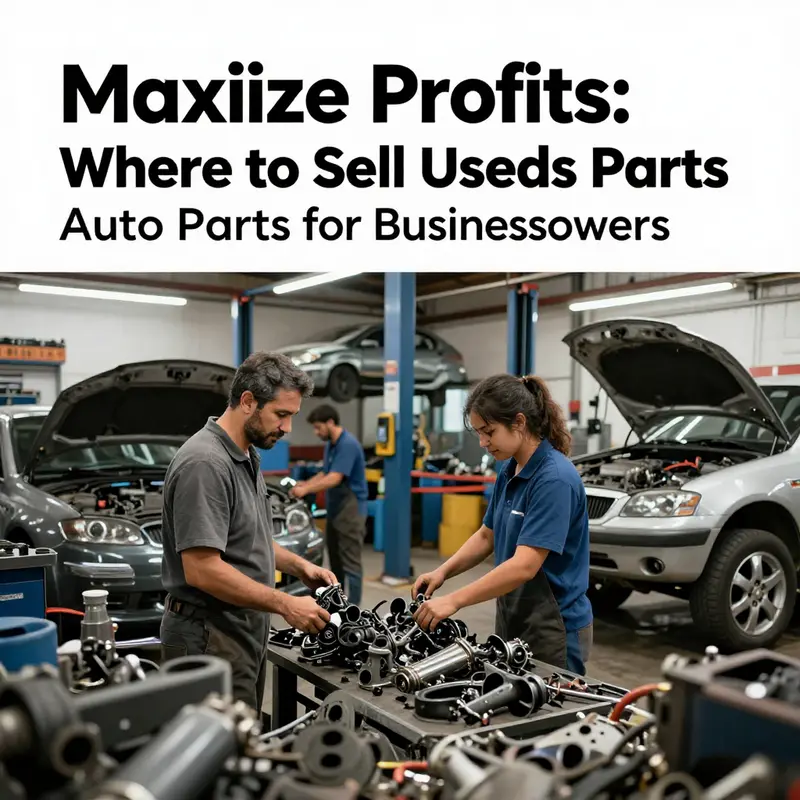
How repair shops buy parts and why they matter
Automotive repair shops and independent mechanics are among the most practical buyers for used auto parts. They repair cars every day and know which components prove reliable in real-world use. For sellers, that direct link to someone who will put the part back into service can reduce turnover time, avoid shipping hassles, and often yield better prices than a classified ad. Shops are motivated by cost control; using a functional used part can save them money and increase their margins while keeping a satisfied customer on the road.
Mechanics value parts that come with clear history and obvious condition. High-demand items such as engines, transmissions, turbochargers, radiators, alternators, and suspension pieces are frequently bought in bulk or one-off. Shops look for parts that will minimize diagnostic time and risk. That means components that are clean, tested when possible, and documented. If a part reduces labor hours or avoids a follow-up visit, a shop will often pay a premium relative to what a private buyer will offer.
Because shops need parts quickly, local proximity matters. A nearby garage can inspect and accept parts faster than a remote buyer. Independent mechanics also trade within local networks. When you sell to one shop, that part can circulate among several businesses. That creates steady demand for commonly replaced components and makes shops reliable repeat buyers.
Specialization increases interest. A shop that focuses on certain brands or vehicle types will value related parts more highly. For example, a European car specialist will pay more for matching-drive axles, model-specific engine sensors, or trim pieces than a generalist. Identifying shops that work on the vehicle make you’re parting out improves your chances of a quick sale at a good price.
Preparing parts so shops want them
Presentation matters. Mechanics inspect parts visually and by function when possible. Clean the part and remove grease or debris. Label the component with the donor vehicle’s year, make, model, engine code, mileage, and any known fault history. If you pulled the part yourself, write down when and why it was removed. A simple printed label or a handwritten tag gives the buyer confidence.
Testing or bench-checking parts boosts value. For electrical components, confirm connectors are intact and pins are clean. For starters and alternators, spin them and note any noise. For engines and transmissions, provide any service records and, when feasible, show compression numbers or a short test run if the assembly is drivable. If you cannot test, be transparent about that and offer a modest warranty window. Shops often accept shorter guarantees in exchange for lower prices.
A photograph of the part installed or showing serial numbers helps. Include images of wear items like threads, flanges, or mating surfaces. A clear shot of tag information or casting numbers can prevent costly identification errors. When you advertise to a shop, use a concise parts sheet: description, compatible models, condition, removal date, and a firm price or acceptable range. This saves time and builds trust.
How to find and approach the right shops
Start locally and narrow by specialty. Use directories, trade associations, and word-of-mouth to compile a short list of garages that work on the vehicle type. Call or visit during quieter hours and ask for the parts manager or head mechanic. When you contact a shop, be direct and prepared. State the part you have, the donor vehicle details, and any tests done. Mention immediate availability and whether you can deliver.
Mechanics value clarity and speed. Have your bottom-line price in mind before negotiating. Shops may offer less than a retail buyer, but they can close quickly. Be ready to accept cash or a prompt bank transfer. If you prefer, offer the option to drop the part at the shop and pick up payment the same day. That convenience often improves the offer.
If a shop refuses, ask if they know another place that might buy it. Many mechanics operate informal networks. A declined offer today can become a sale later through a referral. Consistent, professional behavior builds a reputation, and over time shops may call you when they need specific components.
Pricing, negotiation, and fairness
Shops base offers on perceived risk and the profit they can make. They factor in inspection time, potential warranty work, and how quickly they can use or resell the part. For rare or high-demand items, shops may pay near retail. For common or heavily used parts, expect lower offers.
Set a realistic asking price before contacting a buyer. Research recent sale prices or auction results for the same part. If you can, list a firm price and offer a small negotiated range. Explain any work you did to make the part ready. Shops appreciate concise justification for price and will respond with a counteroffer.
Be prepared for bulk offers when you have multiple items. A shop may propose a single price for several parts. Bulk purchases reduce their per-item handling cost and often benefit both parties. If you’d prefer to sell items individually, make that clear. You might accept a slightly lower bulk price to move inventory fast.
Logistics and payment
Decide how you will transfer the part before finalizing a price. Delivery by you increases the likelihood of sale. Many shops are willing to pick up large, heavy parts if you can help load them. For small items, bring them in during business hours. Always get a written receipt for the transaction. The receipt should list the part, the donor vehicle, the agreed price, the date, and the buyer’s shop information.
Choose secure payment methods. Cash is simplest and immediate. Electronic payments work too, but allow for confirmation before relinquishing a high-value item. Be wary of checks unless from a verified business account. If a shop requests a short-term payback or trade credit arrangement, write the terms down.
Paperwork, cores, and warranties
Mechanics and shops often ask about core returns or exchange components. Items like alternators or starters may have core credits within the shop’s supply chain. Offer parts cleanly and separately, and label a core if it applies. If you removed a used core, note whether the core is included, and if so, mention any visible wear.
Provide copies of vehicle documentation if you have them and if applicable. This can include maintenance records, salvage titles, or proof of ownership. Shops will not buy parts from unknown or suspicious sources. Proper documentation speeds the sale and prevents future legal questions.
Agree on a simple short warranty if you can. Shops will be more willing to pay a higher price if the seller provides a brief guarantee. A common term is a 30-day return for failure under normal operation, except for wear items. Put that in writing.
Maximizing long-term income through relationships
A single sale can turn into a steady buyer relationship. Show up on time, be honest about condition, and price fairly. Ask if the shop wants you to call first before bringing certain types of parts. Some shops prefer only engines and transmissions, while others accept small sensors or trim pieces.
Keep a basic inventory list and contact information for shops you’ve worked with. When you acquire new parts, shoot a short message or photo to the mechanic. This low-effort outreach keeps you top of mind and often results in quick sales.
Offer flexible terms for trusted buyers. For instance, allow a mechanic to reserve a part for a short period while they check compatibility with a customer vehicle. That flexibility frequently secures repeat business. You might also offer to hold parts at a minimal fee for urgent shop needs.
Common pitfalls and how to avoid them
Don’t misrepresent condition. Hiding defects leads to disputes and damages your reputation. Avoid selling worn or unsafe parts as serviceable. If a component is for core or scrap only, label it clearly.
Understand a shop’s priorities. They often need predictable availability. If a shop counts on you and you fail to deliver, that relationship can sour. Keep commitments and communicate delays promptly.
Avoid overvaluing rare components without proper proof. Shops will ask for serial numbers, casting codes, or other identifiers. If you cannot verify rarity, expect conservative offers.
Beyond the sale: community and professional networks
Many independent mechanics belong to local trade associations or aftermarket groups. These organizations help shops source parts and maintain industry standards. Cultivating contacts in these networks can widen your buyer base. When you bring high-value parts, mention you can supply related components. Over time, you may find shops that prefer to buy multiple related parts from a single reliable source.
If you have specialized parts from performance or niche models, target shops that service those vehicles. Their customers are often willing to pay more for correct, tested components. A targeted sale strategy beats casting a wide net for certain items.
When you sell to shops, you also gain insights into market demand. Pay attention to what shops ask for repeatedly. That information helps you prioritize parts removal when parting out vehicles. It also helps you choose which donors are worth dismantling for sale.
If you want to learn more about how repair shops source used parts and related industry practices, the Automotive Aftermarket Industry Association provides useful resources: https://www.autocare.com/.
For an example of a high-interest engine listing that demonstrates how detailed listings attract professional buyers, see this internal listing for a low-mileage engine: genuine JDM low-mileage 4G63T engine.
Selling to repair shops and mechanics is a practical, efficient route. It rewards transparency, preparation, and good communication. Invest a little effort in presenting parts professionally and you’ll likely find faster sales, fairer prices, and repeat business that turns sporadic sales into steady income.
Where to Sell Used Auto Parts: Tapping Enthusiast Hubs Through Online Forums and Community Groups
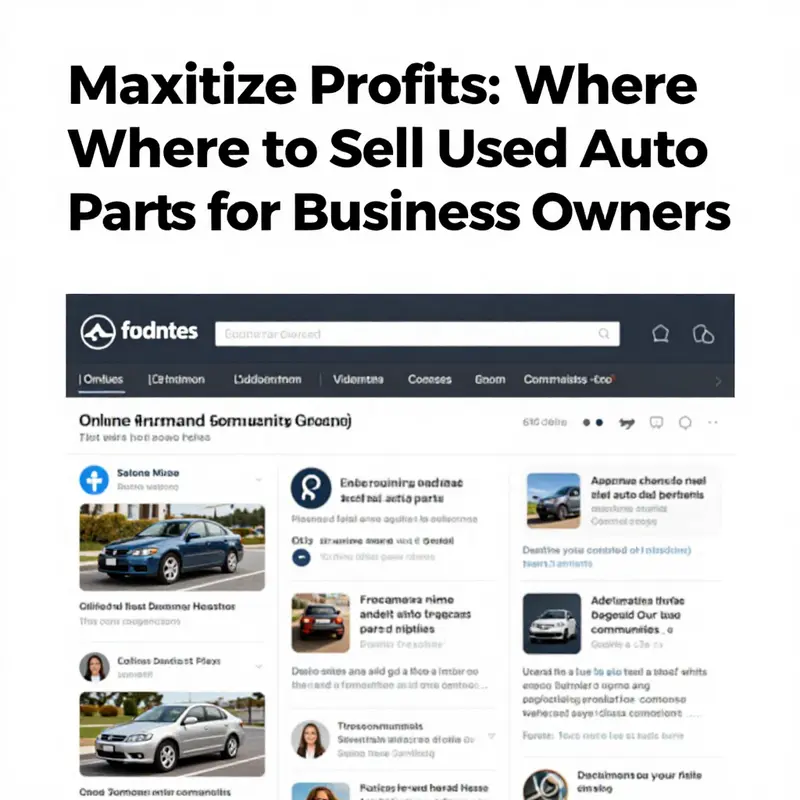
In the evolving marketplace for used auto parts, the communities built around car culture can be as valuable as any marketplace platform. Online forums and community groups bring together enthusiasts, technicians, and owners who understand the nuance of fitment, condition, and value. They are not just places to post a part and wait for a sale; they are ecosystems that reward clarity, reliability, and respectful negotiation. When you enter these spaces with a plan, you’re not simply hoping to offload a component. You’re presenting a credible offer to a network of buyers who care about specificity—the exact model, year, trim, and accessory package that makes a part work as intended. That detailed, trust-centered approach is what often turns a slow local sale into a brisk, well-informed transaction within a targeted community.
Online forums and community groups operate differently from broad marketplaces. They thrive on shared knowledge, active participation, and reputational signals. A listing here isn’t just an ad; it’s a message to a group that reads your post against a backdrop of other posts, threads, and threads’ responses. The audience is often smaller but more engaged. They are enthusiasts who understand the language of part numbers, compatibility charts, and mechanical quirks. This depth of understanding means your descriptions need to be precise, your photos clear, and your expectations transparent. In return, you often benefit from faster responses, local assemblies of buyers who can pick up parts in person, and a higher likelihood of finding a buyer who values a genuine, well-described item over a quick cash-offered price from a random browser.
To make this approach work, the first priority is selecting the right community. Dedicated forums for a specific platform—whether a broadly popular brand or a niche model—tends to yield the best results. Members of these spaces frequently post listings for engines, transmissions, body panels, and interior components that fit particular makes and models. This is where the value of a targeted audience becomes clear. You’re not competing with every possible listing; you’re competing with a pool of buyers who are actively seeking the exact piece you’re selling. In addition, the sense of community can add a layer of trust. Members often accumulate reputations through posts, replies, and thread participation. A seller who demonstrates knowledge, responsiveness, and honesty tends to gain credibility and, with it, permission to negotiate in ways that a casual buyer might not.
Within these ecosystems, several practical strategies emerge. Begin by choosing a marketplace that specializes in your target audience. A forum focused on a specific car line or era will likely have a more receptive audience for specialized components than a general, broad marketplace. When you decide where to post, you’ll set the tone for the rest of your listing: you’ll be more concise about fitment, more unit-specific about condition, and more proactive about shipping and pickup options. A well-crafted post should do more than describe a part. It should demonstrate why the buyer would care about it—the exact compatibility, the state of wear, any included hardware, and the potential value it delivers in a repair or restoration project.
The narrative of a strong listing often centers on three pillars: condition, fitment, and price. Condition is not just a label like “used” or “good.” It’s a transparent appraisal that acknowledges cosmetic wear, functional status, and any known flaws. For a part with a documented history, sharing that story can be a powerful selling point. For example, if you’re listing a salvaged engine, you might include its mileage, whether it was running when removed, any recent maintenance performed, and whether you have the accompanying ECU, sensors, or harness plugs. If you’re selling a body panel, emphasize whether it’s straight, unprimed, or already color-mmatched. The more precise your description, the less back-and-forth you’ll face in private messages.
Fitment is the second pillar and perhaps the most important for buyers in these forums. A buyer will want to confirm that the part matches their exact vehicle, down to the trim and production date when applicable. Providing a part number, year range, and a quick compatibility note can save everyone time. If you’re unsure about cross-compatibility, be honest and invite the buyer to confirm specifics before negotiating. In many cases, a posted item gains credibility when you include a quick compatibility checklist or refer to official service manuals or manufacturer diagrams. Even a simple photo of the part’s label or stamping, if present, can help buyers verify fitment at a glance.
Price is the third pillar and often the most dynamic. Forums reward fairness, but they also reward a seller who understands demand. Price your item competitively for your local market or the forum’s typical audience, then be prepared to justify it with precise details. For rare or vintage components, buyers may pay a premium, but you should still anchor expectations with realistic market comparisons. Some sellers opt to start with a firm price and offer a considerate window for negotiation, while others invite offers with a clearly marked minimum they’re willing to accept. A transparent approach to price—stating the condition, the included hardware, and any warranties or return windows—helps establish trust from the first post.
Photography matters more than most people expect. In a forum environment, a buyer can’t physically touch the part, so your photos are the primary vehicle for credibility. Start with a clean surface, natural lighting, and a few angles that capture the part’s essential features. Include close-ups of important identifiers, serial numbers, labels, and any damage. When you photograph a box or packaging, show that the item ships complete and intact. If you’re listing a used engine, include photos of seals, belts, and the overall exterior condition, as well as evidence of recent maintenance if available. A short video clip showing the part’s function or a brief walk-around can also ease buyer concerns and reduce back-and-forth.
But listing quality is only part of the equation. Responding promptly and personally to inquiries builds momentum and trust. Forum buyers often post questions about whether the part can be shipped, whether it’s compatible with a particular variant, or whether a return is possible if it doesn’t fit. Your fastest, most careful answers—clarifying models, confirming wheel bolt patterns, or outlining shipping constraints—create the impression that you’re a reliable seller. Even a polite reminder of a reasonable processing time or a clear timeline for dispatch can set the right expectations and prevent a flurry of misunderstandings after a sale.
Shipping versus local pickup also plays a defining role in the forum experience. Consider offering both options, but tailor your pricing to reflect each path. Local pickup can be a strong incentive for buyers who want to inspect the part before money changes hands. If you offer shipping, specify packaging standards, insured transit, and the exact method of sending the tracking number. When you describe shipping, mention the carrier, the estimated cost, and the maximum weight or dimensions you can accommodate. Buyers in enthusiast communities often value speed and reliability; if you can guarantee a same-day or next-day shipment in the continental United States for small parts, that can be a decisive edge.
Transparency about condition is especially critical in forums and groups. If a part has any known issues—cosmetic scratches, reduced performance in certain conditions, or missing hardware—state them clearly. A buyer will appreciate honesty and will be less likely to claim misrepresentation after the sale. Including a simple disclaimer about the absence of a warranty on used parts can also help, though you can pair this with your own short-term return policy if you choose. A fair, clearly communicated policy reduces disputes and fosters repeat business from buyers who recognize you as a trustworthy source.
The social dynamics of these communities can support repeat sales. When a buyer has a positive experience, they might return with new needs, or they might recommend you to others in the same forum. Building a relationship often means you’ll see recurring opportunities—especially if you maintain an accurate catalog of your parts, respond professionally to inquiries, and keep your inventory up to date. Some sellers create a standing posting style or a checklist that helps them maintain consistency across listings. They reference key data points in every listing: make, model, year, part number, condition, included hardware, price, and shipping details. The uniformity of presentation helps buyers compare options quickly and confidently.
An important caveat concerns moderation and etiquette within forums and groups. Spamming is a quick way to lose credibility. Don’t flood a thread with multiple, redundant posts. Instead, post a single, well-crafted listing, then respond to questions with timely, direct answers. Use private messages for sensitive negotiations or when arranging payment details, but keep public threads transparent to the community at large. Respect the group’s rules about posting format, price, and provenance of parts. Some communities require a certain minimum post count or a history of constructive participation before a seller can post a listing. Adhering to these norms signals you’re in it for the long haul, not just a one-off sale.
Taken together, these practices—selecting the right community, crafting precise, honest listings, and participating with courtesy—turn online forums and community groups into powerful channels for selling used auto parts. They offer access to buyers with a genuine interest in specific parts, reduce the friction that often comes with broad marketplaces, and create opportunities for local transactions that can be completed in person with confidence.
To illustrate how a listing in this space can take shape, consider a practical example for enthusiasts who know the exact model they’re targeting. For a Mitsubishi Evolution rear bumper from a particular generation, a seller might reference a representative listing in the community store of a trusted platform: 03-06 Mitsubishi Evolution 8-9 JDM Rear Bumper OEM. This anchor demonstrates the value of precise identifiers and a clean, model-specific descriptor that speaks directly to buyers who know the part’s fitment and styling cues. Such a reference helps the seller establish credibility while guiding potential buyers to a model-specific resource that reinforces the concept of accurate, compatible parts rather than generic substitutions.
For those who want to broaden their understanding of the community-driven approach, the long-form guidance from established automotive communities emphasizes a few non-negotiables: authenticity, precision, and responsiveness. The Automotive Forum and other enthusiast hubs highlight how buyers use threads to confirm part compatibility, how sellers can provide visual evidence of part integrity, and how local pickup can accelerate the closing of a deal when both parties can inspect the item together. These communities reward sellers who bring knowledge to the table—knowledge that reduces risk for buyers and speeds the transaction for everyone involved. In addition, Facebook groups with region-specific bargains and character-filled subreddits like r/CarAdvice or r/WhatIsThisCar become micro-hubs where enthusiasts trade, discuss, and troubleshoot, often moving parts through a quick network of trusted neighbors and friends. The synergy between technical clarity and personal trust is what makes these forums and groups a compelling supplement to more generalized marketplaces.
The bottom line is straightforward. If you approach online forums and community groups with clarity, honesty, and a willingness to engage, you unlock a channel that often yields faster, more predictable sales and a buyer who appreciates the care you’ve taken with the listing. You’re not merely placing an advertisement; you’re participating in a specialized dialogue about the parts you’re selling. And in this dialogue, your expertise—however niche—becomes your strongest salesperson.
For readers who want a concrete starting point, consider exploring a practical example that aligns with the core principles discussed here. When you list, think of your post as part of a conversation rather than a binary transaction. Include a clear, model-specific statement, a few high-quality images or a short video, and a straightforward price. Invite questions and offer to share additional details or documentation. If you’re dealing with a rare component, acknowledge its rarity, outline why it’s valuable, and provide a transparent past-use narrative. The more you align your listing with the forum’s culture and its members’ expectations, the more likely you are to move the part quickly and with fewer post-sale headaches.
In closing, online forums and community groups represent a nuanced frontier in the sale of used auto parts. They combine the targeted reach of small audiences with the trust of peer-to-peer credibility, delivering better alignment between buyer needs and seller intentions. When used thoughtfully, they can complement larger marketplaces and salvage-yard networks by connecting you with buyers who truly understand the value of the part you’re offering. The result is not just a sale, but a meaningful connection within a community built on shared knowledge and practical know-how. If you’re ready to enter this space, start by identifying the forum that best matches your part, craft a precise, honest post, and engage with buyers in a respectful, timely way. The returns—both in speed and in price realism—often justify the extra care.
External resource: For broader insight into reputable online automotive communities and how they shape buying and selling behavior, see The Automotive Forum: https://www.theautomotiveforum.com/.
Final thoughts
In today’s automotive landscape, maximizing the profitability of used auto parts requires a comprehensive understanding of the various sales avenues available. By leveraging specialized online marketplaces, establishing connections with local salvage yards, banking on automotive repair shops, and tapping into vibrant online communities, business owners can enhance their bottom line while contributing to a sustainable auto parts ecosystem. Embracing these strategies not only facilitates sales but also promotes recycling and resourceful use of automotive components, driving the industry forward.