
Understanding who buys auto parts locally can significantly enhance your business strategies in the automotive sector. Whether you own an auto repair shop, a dealership, or are involved in the supply chain, knowing your customer base helps you optimize your offerings and marketing efforts. This article delves into key aspects, from identifying the local buyers and understanding their profiles to exploring market dynamics and the importance of both online and offline channels. Gain insights for better targeting and serving the specific needs of auto parts customers in your vicinity.
Mapping the Local Market: Who Actually Buys Auto Parts Near Me
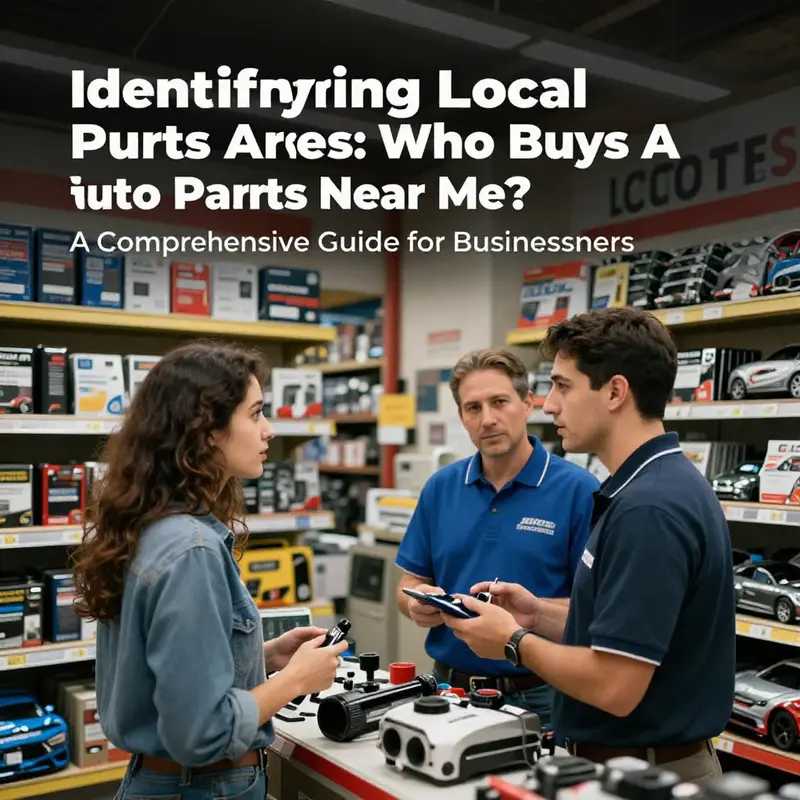
Finding buyers for auto parts near you starts with understanding the real, active local market. Most people imagine a single storefront or an online listing. The reality is a network of buyers with different needs, buying patterns, and priorities. Recognizing who buys parts locally helps you decide where to sell, what to stock, and how to price goods. It also helps buyers know where to look for the parts they need. This chapter walks through the primary local buyers of auto parts, explains what each values, and offers practical steps to reach them.
Independent repair shops and mobile mechanics form the backbone of local demand. These operators need a steady supply of consumables and replacement parts. Brake pads, filters, batteries, ignition components, bulbs, and fluids are daily items for them. They value quick availability, consistent quality, and competitive pricing. For them, time equals money. A supplier who can deliver the right part the same day gains a repeat customer. Small shops often build relationships with a few trusted suppliers. That trust covers part fit, warranty handling, and straightforward returns. If you want to sell parts, prioritize timely delivery and transparent returns. Offer small-quantity packs and flexible payment terms to fit their cash flow.
Individual vehicle owners are another large local buyer group. Their purchases range from simple maintenance items to upgrade components. Many shoppers prefer a nearby store where they can compare parts by feel and packaging. Others use local repair shops as a one-stop solution, letting the mechanic source and fit parts. These buyers value convenience, clear labeling, and friendly advice. They also respond well to warranties and clear installation guidance. If you serve individual owners, make your shop easy to find. Display common parts and provide free or low-cost diagnostic help. Clear signage and staff who can explain fitment in plain terms will turn first-time buyers into regulars.
Local auto repair and maintenance shops overlap with independent mechanics, but many operate at a larger scale. These businesses buy in larger volumes for routine service work. They want predictable pricing and supplier reliability. For them, streamlined ordering systems or a dedicated account manager is valuable. They appreciate consolidated invoices and scheduled deliveries. If you sell parts to this group, offer bulk discounts and an efficient ordering channel. Consider simple digital ordering via messaging apps or a basic web portal. Keeping stock for common service intervals—such as timing belt kits or suspension components—will make you a preferred supplier.
Fleet operators buy differently from other local customers. Companies that manage vans, taxis, delivery vehicles, or rental cars run regular maintenance cycles. They require parts on a predictable schedule and often in higher volumes. Fleet buyers put a premium on consistency, warranty coverage, and total cost of ownership. They may require service records or replacement tracking for compliance. Winning fleet business often involves a formal bid or a maintained service agreement. Offer reliable delivery windows and flexible invoicing. Demonstrate your capacity to handle volume and to ensure minimal downtime for their vehicles.
Used parts resellers and salvage yards are a vital segment for local markets. They buy used components in bulk and re-sell tested parts to budget-conscious buyers. These resellers favor parts that are still in good working order and are easy to test. Engines, transmissions, body panels, and interior components keep their inventory moving. If your goal is to sell salvage parts locally, focus on cleanliness, accurate descriptions, and records of functionality. Offering shipping or pickup options increases the appeal for resellers who source continually.
Local auto parts markets—large clusters of specialized shops—are a different breed of buyer. These markets serve both retail consumers and trade customers. They are excellent for matching niche demand with specialized supply. Parts markets are particularly useful for buyers looking to compare multiple vendors face-to-face. If you supply parts, having a presence in such a market increases visibility and gives customers a way to negotiate and inspect goods. For buyers, these markets provide a breadth of options and immediate access to parts for rare or older vehicles.
Online platforms and marketplace aggregators bridge local buyers with wider inventory. Many local buyers now combine in-person shopping with online checks. Repair shops often use online catalogs to source parts and compare prices before buying locally. Individual owners use platforms to confirm part numbers or to read reviews. For sellers, integrating local pickup and fast delivery options is crucial. Buyers who want parts immediately will search for convenient pickup points. Make sure your online listings clearly indicate local availability and pickup times.
Car clubs, enthusiast groups, and social media communities form informal but powerful buying networks. Enthusiasts often trade or sell specialty parts among themselves. These communities are laser-focused on fitment and originality. If you have rare or classic components, connecting with local enthusiast groups yields quicker sales and better prices. Participate in meetings, local forums, and social channels. Be honest about condition and provenance. Reputation in these circles is easily earned and quickly lost.
Understanding what each buyer values helps you tailor offers. Mechanics and shops want speed and reliability. Individuals want convenience and straightforward advice. Fleets value volume, warranty, and scheduling. Resellers look for tested parts and bulk deals. Markets and online platforms prioritize availability and visibility. Mapping buyers in your area lets you prioritize inventory and service models.
Practical steps to connect with local buyers are straightforward. Start by listing your inventory and categorizing it by the buyer type most likely to purchase. Label parts with fitment details, compatibility notes, and testing results. For used parts, include mileage, condition descriptions, and any warranties or return terms. Next, create a simple outreach plan. Visit local shops with a concise introductory package. Offer a small discount on first orders and include a few commonly used items. Join local trade groups and message boards. Regular visibility builds trust.
Logistics and payment options influence local buying decisions. Many smaller shops prefer cash or simple immediate payments. Larger shops and fleets require invoicing. Offer flexible payment and simple terms for trusted partners. Provide same-day delivery using a local courier or in-house runs for high-turnover items. For bulky parts like engines or body panels, provide pickup options or partner with reliable freight companies. Clear return policies and quick processing increase repeat purchases. Maintain detailed records of transactions to simplify warranty claims.
Pricing strategy matters. For daily consumables, match local competitive pricing. For specialty or rare parts, highlight provenance and testing to justify higher prices. Offer bundled deals for shops to encourage larger orders. Provide transparent discounts for regular customers. Publicize limited-time offers, especially during peak maintenance seasons. For fleet customers, present a per-vehicle cost breakdown to show savings over time.
Building relationships is the most durable advantage in the local market. A supplier who knows the needs of their buyers gets the first call when a car breaks down. Simple actions build loyalty: accurate stock listings, prompt responses, consistent part quality, and occasional follow-ups. Training your staff to identify urgent needs and to offer alternatives increases trust. For makers of specialized parts, offering installation guidance or partnering with a local mechanic adds value.
If you are a buyer evaluating local sellers, use a few quick checks. Confirm fitment using manufacturer or aftermarket part numbers. Ask for testing records for used components. Compare delivery windows and return terms. Read local reviews and ask other buyers about their experiences. For larger purchases, request references from other local customers. For sellers, maintaining transparent practices will help attract and retain a broader buyer base.
Local demand is dynamic. Seasonal peaks, vehicle fleets, and local economic patterns affect what sells. Keep an eye on service cycles—timing belt seasons, winter tire swaps, and inspection windows all shift demand. Adjust stocking levels and outreach accordingly. Use local map searches and directory listings to keep contact details current. When you link with local buyers, the friction of finding parts drops dramatically for both sellers and buyers.
For sellers of notable used items, consider showcasing a standout listing online to draw attention. For example, a specific listing for a low-mileage engine can attract mechanics and resellers quickly. That kind of listing acts as a door-opener to larger local deals. Embed clear images and documentation to accelerate trust. An example of a detailed listing for a high-demand engine is available as a reference for how to present provenance and condition: genuine JDM low-mileage 4G63T engine listing.
For immediate, local discovery, using a map search helps buyers and sellers connect. Try a local maps search like this: https://www.google.com/maps/search/auto+parts+near+me
Understanding who buys auto parts near you unlocks better selling and buying choices. Focus on the needs of each buyer group, tailor service and logistics accordingly, and build lasting relationships. That approach turns occasional transactions into reliable local trade.
Who Buys Auto Parts Near Me? Reading Local Customer Profiles to Shape Stores, Services, and Sense-Making

Shopping for auto parts in the neighborhood is more than finding a part that fits your car. It is a window into the people who live nearby, their routines, and the ways they prefer to solve problems on four wheels. When you start with the question who buys auto parts near me, you are not simply listing potential buyers. You are mapping a living ecosystem made up of DIY enthusiasts, professional technicians, fleet operators, and casual shoppers who stop by because a neighbor recommended the shop or because a map pin shows open doors and friendly hours. A well-crafted customer profile captures this ecosystem in a way that guides inventory decisions, service design, and the messages that arrive in a shopper’s inbox the moment they cross the threshold or click a link from their phone. The result is not a catalog of random customers but a flowing understanding of needs, expectations, and opportunities that can turn a one time purchase into a long, productive relationship.
In the simplest terms, a local buyer is a person who has a vehicle, a problem, and a sense of the options available nearby. But this framing is too flat to guide real-world decisions. The DIY mechanic is often motivated by cost, control, and timeliness. They want parts they can trust, guidance they can rely on, and a store that respects their time. They may compare prices, check compatibility, and value assemblies that reduce labor. They will also respond to a store that can provide the right consumables with quick turnaround times, because their projects hinge on being able to complete work without delays. A profile of this buyer blends geographic proximity with behavioral signals: the part they bought last time, the frequency of visits, and the channels through which they prefer to communicate. It is a portrait that helps a retailer anticipate needs and anticipate questions before they arise.
Then there is the professional, the shop owner or technician who treats parts buying as a core operation. This profile is not about a single purchase but about reliability, bulk access, and predictable logistics. Professionals care about stock turns, warranty coverage, and the ability to source exact OEM or high-grade aftermarket parts when a vehicle requires specific compatibility. They want a partner who does not nickel and dime them, who can offer technical support and, ideally, on-site installation or rapid in-house service. A local parts professional might take a more strategic view of inventory—prioritizing items that reduce time in the bay, such as filters, brake components, lubricants, and fast-moving sensors—while still maintaining a curated selection of specialized parts for makes and models that show up in larger repair orders. The profile here is not merely about who buys but about who buys in volume, who needs consistent lead times, and who relies on a trusted network to keep a shop operating smoothly.
A third axis of the local buying profile comes from the vehicle owner who operates fleets or small service businesses. Fleet buyers are often guided by total cost of ownership, predictable pricing, and the ability to manage multiple vehicles at scale. They look for straightforward procurement routines, clear credit terms, and the capacity to coordinate delivery across several sites. Their purchasing decisions are not just about a single part or a single vehicle; they are about the stability of operations, the ease of reordering, and the quality of the supplier relationship. The same principle applies to other high-utility segments, such as performance enthusiasts who need a specific class of components for tuning projects or road-track day use. These customers do not merely buy parts; they buy assurance that the parts will perform as expected under the demanding conditions they subject their vehicles to. A local business that understands these profiles can tailor its stock and its conversations. It can highlight a small but meaningful set of items that frequently appear in high-value orders, while offering faster lanes for quick in-and-out customers who simply need a routine maintenance part.
To put this into practice, imagine an auto parts retailer that uses a customer profiling approach to balance its shelves and its service. The profile blends tangible data with a human sense of the neighborhood. A DIY rider who often purchases oil, filters, and wiper blades might be flagged as a maintenance-focused consumer who benefits from bundled reminders and a loyalty incentive for future replacements. The same customer would value a clear, simple path to pickup or a reliable same-day delivery option. A shop owner who buys in bulk would be nudged toward midrange pricing on commonly used items and access to an easy re-order workflow, so they do not have to re-enter the same order week after week. A professional technician serving multiple clients would want stocked, genuine parts for common repair scenarios, plus access to technical support that can verify compatibility and vehicle-specific requirements. This can translate into a targeted newsletter offering technical tips, availability alerts, and a schedule for parts returns or warranty processing.
The real power of understanding who buys auto parts near me emerges when the profiling effort is integrated across channels. The customer who visits the store in person may also research on a mobile device, compare prices on a tablet at home, or call for a delivery window. Each touchpoint leaves a data trace, and when those traces are connected, a retailer can build a more accurate picture of what a given customer wants, even if the customer does not fill out a form or tell the store directly. A unified view that spans in-store purchases, online orders, and service histories enables a retailer to see patterns that would otherwise be invisible. For example, a customer who purchases brake components and oil filters on a regular cadence could be flagged for proactive maintenance reminders, budget planning tips, and recommendations for related products such as brake cleaners or lubricants. The retailer can then automate interactions in a way that feels personal rather than robotic, nudging the customer toward a solution that aligns with their known routines.
This is where modern data integration becomes a practical engine for local commerce. It is not enough to have a directory of customers or a log of past purchases. The value comes from stitching together data from various sources to create a single, real-time view of each customer. Think of it as assembling a mosaic where every color chip represents a data stream: past purchases, service history, geographic location, preferred channels for contact, and even the times of day when a customer tends to engage. With a unified profile, a local parts retailer can tailor its inventory decisions and its marketing messages to the actual needs in the neighborhood. The goal is not to push more products but to reduce friction, increase trust, and help customers solve problems quickly and reliably.
In the era of data-driven retail, the tools exist to turn this profile into action that feels almost intuitive. A system that can merge duplicate records, reconcile contact details, and recognize a recurring customer across multiple channels becomes an invisible conductor guiding the customer experience. When a customer who has historically purchased brake components returns, the system can surface a reminder about brake service intervals and propose compatible items that might be needed for preventive maintenance. The guidance can feel anticipatory, not intrusive, because it is anchored in actual behavior rather than guesswork. The same approach helps distinguish high-value segments, such as a regional fleet operator or a performance hobbyist, and design campaigns that speak to their particular needs. The fleet operator might receive prioritized pricing, bulk ordering options, and a streamlined reorder workflow, while the performance enthusiast might receive invitations to limited-run parts, maintenance tips for more demanding driving conditions, and access to expert advice on compatibility and upgrades.
Practical profiling, however, hinges on responsible data practices and respect for privacy. The map of who buys auto parts near me is only as useful as its accuracy and its safety. A robust profiling program requires consent-based data collection, transparent usage policies, and clear opt-out options. It also requires governance about how data is stored, shared, and used, so that customer trust remains intact. When done well, profiling translates into a smoother shopping experience. A customer might walk into the store and be greeted by name, with the staff ready to pull a recommended starter bundle for routine maintenance, the right filter compatible with their vehicle, and a quick-lane option if they need to pick up a part between meetings. The same customer might receive a targeted email with a maintenance checklist and an offer for a cost-saving bundle that consolidates a set of consumables for the season ahead. The aim is to create a sense of alignment between the local store and the customer’s real-world needs, rather than shouting generic promotions that feel blind to context.
Advanced customer profiling is not just a clever marketing tactic. It is a way to optimize the physical and digital storefronts for the neighborhood. Inventory decisions become more precise when the profile reveals which parts are most likely to move quickly in a given area, and which lines are better suited to larger regional demand. Staff training and customer service scripts can reflect the realities of local buyers, so that conversations feel natural and helpful rather than scripted or salesy. In practice, this means the retailer’s teams can answer questions with confidence, present the most relevant alternatives, and provide maintenance guidance that reflects what the customer already knows about their vehicle and its history.
A key element in turning profiling into a reliable, real-world advantage is the ability to unify data from multiple sources into a single, real-time customer view. This is where modern customer profiles arrive as a practical tool for local auto parts retailers. They can incorporate data from in-store transactions, online orders, service history, and even sentiment from post-transaction surveys to gauge satisfaction and adjust the approach accordingly. When a customer shows an expressed preference for quick in-and-out service, the store can adjust the layout so popular items are placed in fast-access locations and self-serve kiosks are optimized for the frequent user. When a customer indicates a need for technical guidance, staff can be equipped with the expertise and the right supporting materials so that advice is informed and actionable. The human benefits of profiling—clear recommendations, reduced decision fatigue, and faster service—are complemented by measurable business outcomes such as higher average order value, greater repeat purchase rate, and improved customer retention.
One of the most compelling visions for local profiling is its potential to create a more intimate, community-focused shopping experience. As neighborhoods evolve, the auto parts ecosystem must respond to changing demographics, driving patterns, and vehicle trends. A store that understands who buys auto parts near me is better prepared to adapt when the neighborhood shifts from predominantly older vehicles needing basic maintenance to a mix of newer models requiring more specialized components. It can expand its skill base, stock a wider variety of parts, and partner with repair shops that share its emphasis on reliability and speed. In this sense, profiling becomes an instrument for local resilience: it helps the business anticipate demand, reduce waste, and build a reputation for dependable, convenient service.
Specialists in data-driven customer profiling point to the value of integrating experiences across channels. A consistent, well-informed approach helps maintain a sense of continuity for the customer, whether they are browsing a website, communicating with a store via chat, or picking up parts in person. The goal is to harmonize the threads of the customer journey so that each touchpoint reinforces the others. This alignment matters because the local market is not a static place; it is a dynamic place where people work, commute, and repair with a sense of pragmatism. When a retailer translates profile insights into inventory, service, and communications, the business becomes a reliable neighbor—someone who can be trusted to have the right part, at the right time, in the right way.
For readers who want to see the practical architecture behind this vision, consider the way customer profiles can be built using modern data orchestration. A system that brings together data from customer relationship management, e-commerce activity, service history, and analytics can reveal patterns that inform both micro-level actions and macro-level strategies. For example, a store might use a scoring mechanism to identify high-value customers, such as commercial fleets or professional technicians, and then tailor offers, support options, and delivery arrangements that align with their business needs. At the same time, the majority of neighborhood buyers who come in for routine maintenance can be offered easy-to-use bundles and speedier checkout experiences that reinforce loyalty without requiring elaborate decision-making. The result is a flexible, human-centered approach that scales from the one-person DIY project to the multi-vehicle fleet.
This chapter has traced the logic of who buys auto parts near me, moving from a simple proximity-based idea to a robust, data-informed understanding of local buyer personas. It has shown how profiling supports better inventory decisions, improves service quality, and enhances the overall shopping experience. It has also acknowledged the responsibilities that come with handling customer data and the importance of earning and protecting trust in the local community. As the landscape of auto parts retail continues to evolve—with new channels, better analytics, and more connected services—the neighborhood shop that knows its buyers best will be the one that can respond with speed, relevance, and genuine expertise. In the next part of the narrative, we will explore how these profiles translate into specific store operations, from shelf layout and staffing to marketing campaigns and after-sales support, all with the aim of turning everyday purchases into enduring relationships.
As a practical illustration of how profiling can inform assortment and conversations in a real-world setting, a retailer might curate a compact, high-demand set of items that reliably appeal to maintenance-focused buyers in the area. This approach keeps shelves lean while ensuring that customers can quickly locate the essentials, and it provides a pathway for cross-selling through thoughtfully designed bundles that reflect common maintenance cycles. In the larger arc of the article, the same logic scales up to regional strategies, where profiles help determine which markets deserve broader stock, which items should be featured in local promotions, and how to coordinate with repair shops to create a seamless, end-to-end experience for the customers who live and drive in every neighborhood. The bottom line is simple: knowing who buys auto parts near me is not about profiling a faceless mass; it is about recognizing real people, with real vehicles, choosing real stores, and repeatedly finding the right solution at the right moment. That is the essence of a customer-centric local parts ecosystem.
For readers who want to dive deeper into the systems that enable these profiles to come alive, there is a practical resource that describes how a multi-source customer profile can be built and maintained in real time. It explains how integrating data from diverse channels creates a unified customer view that supports personalized experiences across touchpoints. This approach is especially valuable for auto parts retailers who want to serve both DIY builders and professional shops with equal deftness. See the concept here: https://aws.amazon.com/connect/customer-profiles/ . In addition, if you would like to explore a tangible example of a product within the automotive parts ecosystem that illustrates the kind of specialized inventory that profiling can help surface, you can also browse a selection such as the brand-new original carbon fiber bonnet hood for Mitsubishi Lancer Evo X. brand-new original carbon fiber bonnet for Mitsubishi Lancer Evo X
Around the Corner and Online: The Market Pulse of Auto Parts Buyers Near You
When you ask who buys auto parts near you, the answer is not a single profile but a spectrum that mirrors the way people live with their vehicles today. The neighborhood is a living marketplace where repair shops, DIY enthusiasts, fleet operators, big-box retailers, and nimble online platforms all compete for the same goal: getting the right part, at the right time, for the right price. The question of proximity reveals more than geography. It exposes the rhythms of trust, the incentives of speed, and the evolving expectations that connect local shopping with global supply chains. The modern pattern is not just about finding a part; it is about navigating a system that blends hands-on expertise, real-time information, and flexible logistics into a seamless experience for the customer who lives near you.
Local auto parts stores and automotive supply shops remain the most immediate option for many buyers. In a world of same-day emergencies and scheduled maintenance, a walk-in visit to a familiar store often pays dividends in time and confidence. These shops are the touchpoints where people rotate through maintenance tasks—oil changes, filters, spark plugs, wiper blades, batteries—often driven by a sense of reliability as much as price. The staff’s ability to confirm compatibility, check fitment against a year, make, and model, or alert a customer to a potential aftermarket substitute can turn a routine purchase into a learning moment. For some buyers, the ability to hold a part, inspect its construction, or see it tested in-store is worth the premium over a distant online listing. The social dynamics matter here too: recommendations from a trusted clerk or a neighbor who previously solved a stubborn problem can steer choices and speed up decisions.
Yet proximity is seldom the sole determinant. The rise of large auto parts retailers—those with wide footprints and standardized inventories—reframes the near-me question. These operators offer breadth: a spectrum of consumables, replacement parts, and performance components under one roof, plus warranties and in-house installation services where offered. The model emphasizes convenience and predictability. A customer knows they can pick up a set of items, return or exchange with ease, and rely on a consistent shopping experience across locations. For more complex repairs or higher-stakes replacements, a buyer might still seek OEM parts or factory-recommended equivalents, which introduces the dealership channel as a logical extension of proximity, offering guaranteed fit and long-term warranty coverage that some prefer for premium vehicles.
The landscape is equally transformed by the online-to-offline dynamic. Platforms that enable delivery or pickup blur the line between digital convenience and physical immediacy. For many, the near-me decision begins with a digital inquiry: a search on a map for the closest store, followed by quick comparisons of price, stock, and lead time. Consumers and professionals alike benefit from real-time inventory indicators, price matching, and the ability to reserve a component before stepping into a store. The comfort with this model grows as more platforms integrate reliable logistics and honest seller feedback. The core value proposition is simple: you want to know soon whether the part exists nearby, whether it will fit, and how swiftly you can have it in hand to keep a project on track.
Among local buyers, repair shops and service centers are especially influential. Independent garages, particularly those that specialize in certain make or model families, act as steady demand drivers for a curated set of parts and accessories. They often require reliable procurement partners capable of supporting bulk orders, rapid restocking, and post-sale technical questions. Fleet maintenance providers and contractor teams also play a pivotal role. When a business has a daily maintenance schedule or a predictable cycle of service visits, it relies on the stability of supply and the ability to forecast needs. This creates a layered market, where a shop may buy both from traditional retailers for quick-turnaround items and from wholesale or B2B platforms for more substantial orders or specialized components. In urban centers and inland hubs, the concentration of suppliers accelerates this dynamic, enabling faster replenishment and a broader assortment that covers a wide range of vehicle types.
Inland hubs bring an additional dimension to the near-me buying equation. Regions that invest in logistics and manufacturing capacity tend to develop robust supplier ecosystems. In large inland centers, you will often find a higher density of precision component makers, integrated systems providers, and technical support networks that bridge the gap between simple parts and complete repair solutions. The result is a market where not only the quantity but the quality of options expands. For buyers who need more than a basic filter or a brake pad, these hubs offer the potential for smarter choices—parts that integrate with auxiliary systems, modules that communicate with vehicle control units, and components with enhanced durability or efficiency. The presence of skilled engineers and technicians near these suppliers further strengthens the value proposition: parts come with access to guidance, compatibility notes, and even customization options when required.
This trend toward smarter procurement is also reshaping the profile of B2B buyers. Business buyers increasingly demand more than a catalog number; they want an ecosystem. Suppliers who offer not just components but also integration services, installation support, and after-sales technical assistance gain a strategic edge. This shift mirrors broader changes in the vehicle landscape, where more cars are connected, more systems are interdependent, and the risk of downtime translates directly into lost productivity. When a fleet manager selects a supplier, they are weighing not only price and lead times but also the capacity of the supplier to stand behind a solution—whether that means a training resource for technicians, a guarantee of compatibility across multiple vehicle variants, or access to data sharing that improves shop-to-supplier communication.
In parallel, consumer buyers are increasingly discerning about the sourcing channel. The long-standing tension between OEM parts and aftermarket alternatives persists, but the decision now sits within a broader framework of total cost of ownership and risk management. For some drivers with newer or luxury vehicles, OEM parts provide a measure of guaranteed fit and warranty coverage—an advantage when the risk of misfit or subpar performance is perceived as high. For others, a well-reviewed aftermarket part can deliver equivalent performance at a lower price, especially when accompanied by clear compatibility information and a reliable return policy. The market dynamics thus reward transparency. Buyers expect clear cross-reference data, independent reviews, and easy access to return or exchange if a part proves unsuitable.
To navigate this landscape effectively, buyers frequently lean on directories and B2B platforms that vet supplier quality and track records. These tools act as a credibility filter in a market where the pace of change is rapid and the supply chain can be complex. Verified suppliers, transparent lead times, and documented service histories help reduce risk, whether the purchase is for a single bottle of oil or a dozen specialized components that power a fleet operation. The idea is to create a trusted matchmaking process: a buyer can confidently identify nearby options, compare them against a curated set of criteria, and close the transaction with confidence that the supplier will stand behind the product and the delivery timeline.
The practical upshot for the average buyer—be they a DIY enthusiast, a shop owner, or a fleet manager—is to think in terms of a sourcing ecosystem rather than a single storefront. Proximity matters because it reduces the friction of pick-up and returns, but proximity alone does not guarantee value. The best choices come from a mix of local accessibility, platform-supported transparency, and an ecosystem of partners that can address both immediate needs and longer-term enhancement of vehicle performance and reliability.
To illustrate how a near-me strategy can manifest in real life, consider how a typical local buyer might approach a project. A DIY motorist spotting a warning light might first check the local shops’ hours and stock levels online, then visit the closest store for a rapid assessment and recommended substitute parts if the exact item isn’t on hand. If the project requires a specialized item—perhaps a rare connector, a high-performance cap, or a precise fitment part for a discontinued model—the same shopper may pivot to an online platform that supports pickup or direct delivery from a nearby warehouse. The decision may involve cross-checking OEM numbers, consulting with a shop’s technician on fitment, and weighing the risk of delay versus the certainty of compatibility. This is where the concept of a well-integrated supply chain becomes tangible: the consumer experiences a network of touchpoints—retailer staff, online inventory, regional distribution hubs, and repair professionals—working in harmony to minimize downtime and maximize reliability.
A practical cue for readers aiming to map out their own near-me strategy is to recognize the role of specialized markets and regional hubs. In many regions, large, multi-vendor marketplaces offer access to a broad range of new, used, and aftermarket parts at competitive prices. For those who live near such hubs, the opportunity to compare products in person and negotiate terms can be a meaningful advantage. This is especially true for bulk buyers, fleet operators, or repair shops planning long-term procurement. The most effective buyers cultivate a sense of the market beyond their immediate neighborhood: they keep an eye on supplier directories, track new distribution channels, and stay informed about how inland logistics changes might affect availability and price.
For readers who want to anchor their sourcing in concrete steps, a few guiding practices help translate market dynamics into action. First, build a local map of procurement touchpoints: the nearest independent shop with a strong reputation, the dominant big-box retailer in your area, the dealership network that can supply OEM parts, and any regional markets or supplier clusters within a short drive. Second, establish a quick-check routine for part compatibility, including cross-reference data, OEM numbers, and, when possible, a technician’s validation. Third, leverage online platforms for price comparison and stock visibility, but pair that with a real-time check of store capacity and pickup options. Finally, engage with professional communities—local repair groups, fleet maintenance teams, and even industry forums—that can point you to trusted suppliers and reliable logistics partners.
What all this means in practical terms is that the near-me buyer has become more than a shopper. They are a member of a networked marketplace where speed, reliability, and technical support are central to value. The best buyers approach procurement not as a single transaction but as a continuous optimization problem: how to reduce downtime, minimize risk of wrong parts, and maximize uptime at the lowest possible total cost. This perspective aligns with the growing emphasis on integrated solutions and technical assistance. B2B buyers, in particular, look for suppliers who can offer consulting on fitment, compatibility across models, and even data-driven recommendations based on past usage and repair history.
From a sourcing standpoint, the near-me narrative also invites a cautious optimism about the supply chain. The market remains dynamic, with shifts in regional emphasis, changes in logistics networks, and evolving expectations from both DIY buyers and professional buyers. For a reader seeking to stay ahead, the invitation is to view the near-me strategy as a system: it integrates physical proximity with digital transparency, trusted human expertise, and scalable options for bulk and recurring purchases. And because the story of who buys auto parts near you spans both personal and business needs, the most resilient buyers embrace a mix of channels and cultivate relationships with suppliers who can adapt to their evolving goals—whether that means faster turnaround for a stalled project, consistent quality for a fleet, or access to a broader catalog for a performance upgrade.
A concrete example of how to translate these dynamics into a practical action is to explore representative sources that demonstrate the kind of depth a near-me approach can deliver. For readers who want to see how a catalog-like catalog experience translates into real-world options, a sample listing from a specialized parts catalog illustrates how a store or supplier can present precise fitment data, installation notes, and compatibility guidance, alongside price and availability. This kind of resource highlights the value of bridging offline and online channels and reminds buyers that near-me decisions increasingly hinge on the ability to verify information quickly, understand the maintenance implications, and access reliable support when needed. For readers who want to peek at a concrete example within the broader ecosystem, consider this catalog entry: 08-15-mitsubishi-lancer-evolution-evo-x-hood-phantom-black-oem-u02. While the surrounding narrative is general, this link serves as a reminder of how a local shopper can connect with a specific part through a trusted source, bridging the gap between search results and a hands-on, informed purchase.
In closing, the neighborhood auto parts market is not a simple map of stores. It is a living ecosystem shaped by who buys near you, how they shop, and how suppliers respond to a changing world of mobility. The near-me buyer is a processor of information, a negotiator of terms, and a partner in maintenance. The most successful buyers move with the market, leveraging local availability while embracing digital tools, and treat procurement as an ongoing collaboration with suppliers who can deliver not just parts but confidence: confidence in fit, in timing, in quality, and in service. The result is a more resilient, efficient, and responsive approach to keeping vehicles healthy and roadworthy—whether the trip to the parts aisle is a quick stroll to the corner shop or a more deliberate decision made after comparing a handful of options online and in a showroom. And as the market continues to evolve, the near-me approach remains a practical compass for navigating the complex, interconnected world of auto parts.
External resource for deeper context on evaluating suppliers in 2024:
https://www.b2b-sourcing-guide.com/automotive-suppliers-2024
Mapping Buyers to Channels: Finding ‘Auto Parts Near Me’ That Fit Your Needs
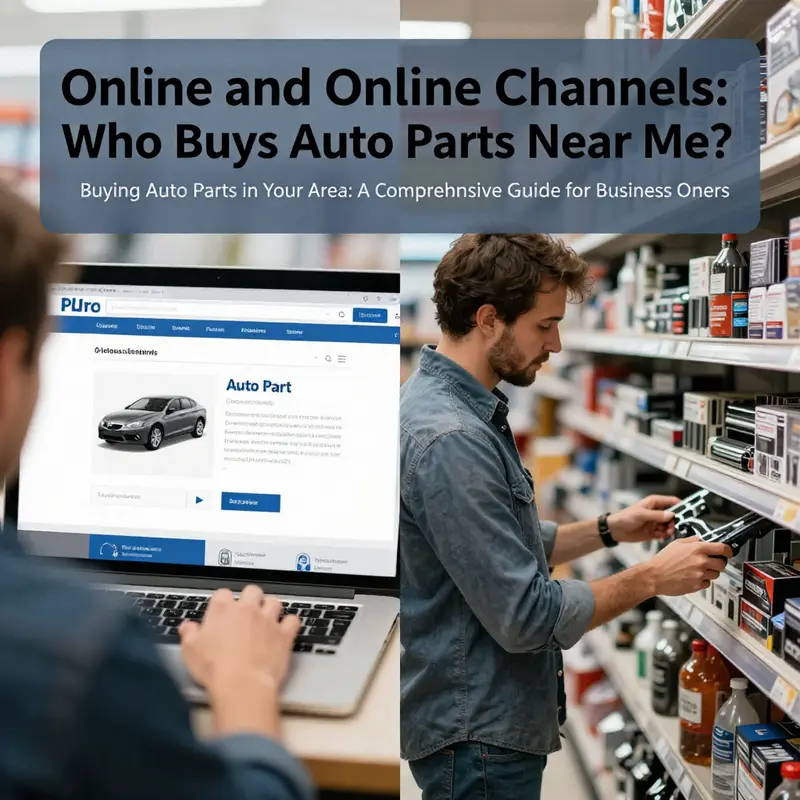
When you search for “auto parts near me,” the results are not just a list of stores. They represent distinct channels that match different buyer needs, budgets, and timelines. Understanding who buys which parts where helps you cut through noise and find the right source quickly. This chapter ties the common buyer profiles to the available online and offline channels and gives practical steps to pick the best route for any part.
People who buy auto parts fall into recognizable groups. Each group chooses channels for clear reasons: urgency, cost, confidence in fit, desire for warranty, or the ability to install parts themselves. A homeowner changing a windshield wiper wants speed and low cost. A restoration hobbyist seeks hard-to-find original pieces. A small repair shop needs bulk pricing and reliable supply. A dealership customer expects OEM fit and warranty. Knowing these motivations lets you prioritize options when you type “auto parts near me” into a map app.
For quick, common needs—fluids, filters, bulbs, wipers, and batteries—local auto parts stores are the usual first stop. These shops stock consumables and common replacement items for a wide range of vehicles. The advantage is immediate pickup and the chance to speak with knowledgeable staff. Staff can confirm fitment over the phone if you give make, model, and year. If you need hands-on help, some stores offer installation or can recommend a local installer. Walk-in convenience and quick troubleshooting are the main draws here.
When exact fit and brand authenticity matter, many buyers go to authorized dealerships. Dealerships provide original equipment parts tailored to the vehicle by VIN or model specification. This is important when safety components or warranty-sensitive parts are involved. Dealership parts cost more and often take longer to arrive, especially for imported models. Still, the trade-off is certainty: you get parts that match factory standards and dealer-supported warranties. For fleet managers and cautious owners, that certainty is worth the premium.
Large regional auto parts markets and multi-vendor malls attract a different kind of buyer. These hubs serve repair shops, sourcing agents, and experienced DIYers who want to compare multiple sellers in one visit. Prices are often negotiable, and selection includes both new aftermarket items and used parts. If you enjoy bargaining, or you need a rare item, these places are ideal. They also allow you to inspect a part physically before purchase, which matters for cosmetic parts, trim pieces, and used components.
Online marketplaces have reshaped how many people buy parts. General e-commerce platforms and specialized parts marketplaces both serve a broad audience. The typical buyer here values convenience, variety, and price transparency. Online platforms let you compare prices across sellers, check user reviews, and often filter results by make, model, year, or VIN number for accurate fitment. Delivery is fast for many consumables, and some platforms offer verified sellers for greater confidence. For non-critical parts and repeat purchases, online shopping is efficient and time-saving.
Specialized online parts retailers attract buyers who want detailed fitment data and technical diagrams. These platforms let you search by engine type, part number, or VIN. Repair shops and technically minded DIYers benefit from the specificity such sites provide. They often stock obscure parts and publish compatibility tables that reduce the risk of ordering the wrong item. For those unwilling to gamble on fit or quality, these targeted marketplaces bridge the gap between broad e-commerce and dealership certainty.
Used and salvage parts markets are the cost-conscious buyer’s domain. Junkyards and salvage yards offer significant savings on components that don’t require new seals or factory warranties. Classic car restorers and budget-minded mechanics frequently rely on these sources to find rare or discontinued parts. Online classifieds and marketplaces also list used parts from private sellers. When buying used, the buyer accepts risk: parts may need testing, reconditioning, or cleaning. Yet when a used component is perfectly suitable, the savings can be substantial.
Auto repair shops often serve as both a point of purchase and a value-add. Many buyers prefer letting a shop source and install parts because it simplifies logistics. The shop’s expertise reduces compatibility errors, and shops typically warranty their labor. For non-technical buyers or those who want a turn-key fix, this channel bundles parts and service and removes the need to shop around. Small garages may source parts from local markets or online suppliers, balancing cost with availability.
Choosing between online and offline channels becomes a decision based on four practical factors: time, cost, confidence, and installation.
Time: If you need a part immediately, an in-person store or a nearby repair shop is the fastest solution. If you can wait a few days, online ordering often saves money and offers more choices.
Cost: For routine items and bulk buys, online platforms and wholesale markets usually offer the best prices. Authorized dealers charge a premium for OEM parts and warranty coverage.
Confidence: If a part affects safety or is hard to fit, dealers or verified specialized retailers are the safest option. For low-risk consumables, general e-commerce and local stores work well.
Installation: If you plan to install the part yourself, ensure the vendor provides clear fitment information. If you prefer professional installation, buy through a shop or a dealer to include labor warranties.
A simple decision path helps most buyers: 1) Identify the part type and urgency. 2) Check fitment needs—VIN or part number if possible. 3) Compare local store inventory with online options. 4) Vet sellers by reviews, return policies, and warranty. 5) Decide whether to buy and install yourself or have a professional do it.
When searching locally, use map apps with search terms like “auto parts near me,” “car accessories store,” or “auto repair shop with parts.” Filter results by ratings and opening hours. Calling ahead saves time: give your vehicle details and ask if the part is in stock. For larger markets, know the typical bargaining culture and whether sellers accept returns. For online purchases, check seller ratings and the platform’s buyer protections. If the site supports VIN lookup, use it to confirm compatibility before buying.
There are also hybrid solutions to consider. Some platforms let you order online and pick up in a local store. This provides the speed of a physical pickup with the convenience of online shopping. Some specialty marketplaces offer real-time logistics and allow repair shops to access supplier inventories directly. These options are especially useful for independent shops and mobile mechanics who need predictable lead times.
Buying used parts requires extra care. Ask for a part number and condition details. Request photos and, when possible, a return window. For engines and transmissions, insist on a seller warranty or proof of testing. Salvage yards sometimes offer reconditioning services, which can extend the life of a used component.
One practical example of an offline-to-online crossover is when enthusiasts need body panels or specialty trim. You can locate a listing that matches your needs, inspect it in person if it’s local, and then arrange shipping or pickup. For instance, if you’re sourcing a replacement hood, you might find a listing on a specialty site and then coordinate local pickup to inspect fit and finish before final purchase. For a representative example of a parts listing that demonstrates this crossover, see this OEM carbon fiber hood listing: OEM carbon fiber hood listing.
Finally, for highly specific parts or to research compatibility deeply, specialized online platforms are invaluable. They let you search by make, model, year, and engine type and often provide diagrams and precise compatibility notes. These resources help minimize mistakes and speed up procurement for shops and experienced DIYers. For a broad, vehicle-specific search experience that illustrates this kind of marketplace functionality, explore this specialized parts resource: https://www.autoparts.com
Knowing who buys what and why lets you aim your search at the right channel. Match urgency, part criticality, and your willingness to install to the strengths of each option. That approach saves time, reduces returns, and gets the right parts into the right hands—fast.
Final thoughts
Understanding the landscape of local auto parts buyers is essential for any business owner in the automotive sector. By identifying who your customers are, exploring their profiles, and recognizing the market trends, you can tailor your approach more effectively. Additionally, leveraging both online and offline channels will enhance your ability to connect with and serve your customers’ needs. As you navigate through these insights, consider how they can shape your strategies for growth and customer satisfaction in the competitive auto parts market.