
The automotive industry has seen a significant shift toward using used auto parts for various reasons, including cost savings and niche demands. Repair shops, DIY enthusiasts, exporters, used car dealers, and individuals with older vehicles all contribute to this burgeoning market. Understanding who buys used auto parts allows business owners to identify opportunities within this sector, making informed decisions about inventory and sales strategies. Each chapter will delve into these groups, highlighting their motivations and purchasing behaviors to provide a comprehensive view of the used auto parts landscape.
Secondhand Solutions: How Repair Shops Harness Used Auto Parts to Deliver Affordable, Reliable Fixes
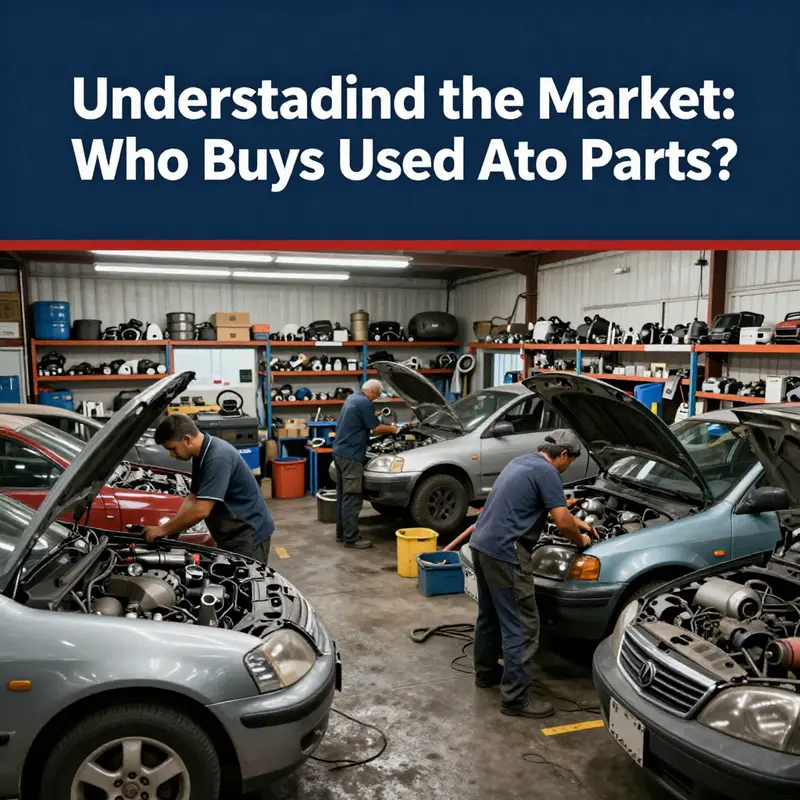
In the repair ecosystem, used auto parts operate as a quiet engine of affordability and reliability. Repair shops and independent mechanics sit at the center of the market for secondhand components, a position earned not just by price discipline but by a disciplined approach to sourcing, testing, and installing parts that still meet safety and performance standards. The financial logic is straightforward: a shop can dramatically cut repair costs—often by 40% to 60%—without sacrificing the quality customers expect. That equation matters most for vehicles with high-value components whose replacement with new parts would quickly erase any margin. An engine or a key transmission from a wrecked vehicle may come in at a fraction of the price of a new part, and when a shop can safely integrate such components, it changes the economics of the repair, enabling price points that attract more customers and sustain service levels across a broader range of models and ages.
This dynamic has produced a robust, if sometimes understated, ecosystem of sourcing and refurbishment. Local garages and specialty repair shops actively seek out used or refurbished components—especially engines, transmissions, and suspension parts—that can be repaired, tested, and reinstalled with confidence. The emphasis is not merely on the cheapest option, but on parts that can be integrated with predictable outcomes. Shops develop checklists for compatibility, verify condition through inspection and testing, and maintain relationships with suppliers who can provide access to secondhand stock in a reproducible way. The result is a lean supply chain that reduces downtime for customers and avoids the longer lead times and higher costs often associated with OEM replacements.
Around the world, communities have formed around the reuse of auto parts, turning salvage networks into core repair economies. In Dholaikhal, Bangladesh, for example, skilled mechanics have built a reputation for repairing and refurbishing secondhand car parts, including complex European-made engines. They source hard-to-find components, recondition them, and put them back into service, showcasing not only technical expertise but a sustainable model for vehicle maintenance. The example illustrates how local knowledge and regulatory support can elevate what might otherwise be seen as a stopgap into a practical, ongoing business case. As one mechanic observed, with appropriate policy backing, this industry could grow even further, underscoring the compatibility between environmental stewardship and steady, legitimate commerce.
Regulatory clarity has also begun to reinforce trust in the market. In 2024, the U.S. Federal Trade Commission affirmed that auto recyclers and repair shops can legally sell and install used auto parts in vehicles that are still under warranty, provided the parts meet certain standards. The ruling, supported by industry leaders and organizations, validates the quality and reliability of certified recycled parts and helps normalize their use in professional repairs. This development matters not only for shops seeking to manage costs but for customers who want assurance that the vehicle remains protected by warranties and safety requirements after a component is replaced with a recycled part. It also signals a broader shift toward transparency and accountability in the used-parts supply chain, which reduces the stigma that can accompany secondhand components and keeps legitimate buyers well within the bounds of consumer protection and vehicle safety expectations.
For individuals who are newer to selling or trading parts, the path is often straightforward: contact local repair shops, especially independent or specialized ones, and present parts in good condition that are compatible with popular models. Direct sales to mechanics can yield faster transactions and better prices than going through online marketplaces or intermediaries, because the seller can demonstrate the part’s condition and confirm immediate demand. This direct-sourcing route reinforces the idea that the used-parts market thrives on trust, speed, and practical knowledge about what parts fit which vehicles and under what conditions they perform reliably after refurbishment. While most shops engage in legitimate and efficient transactions, there are real concerns about misuse in some corners of the market. Reports of fraud—where insurance payouts are leveraged against OEM pricing and then used to acquire cheaper used parts—highlight the need for vigilant buyers, transparent documentation, and standardized processes that distinguish legitimate repair work from opportunistic exploitation.
Against this backdrop, what buyers value most becomes a blend of compatibility, reliability, and turnaround time. Shops assess whether a part is a suitable substitute, not a perfect replica, by weighing factors such as weight, mounting points, electronic interfaces, and performance history. They also consider the refurbishment that may be required to bring a used component to an acceptable standard. A core principle in this work is that the project’s success rests on the ability to guarantee performance within the constraints of a warranty framework and the shop’s own quality assurance. The 2024 FTC ruling is often cited in shop conversations as a benchmark: it signals that the market can function under regulatory oversight and that certified recycled parts can be integrated into repairs with the same expectations customers have for new parts. This shift reduces reputational risk for shops and supports a broader, more sustainable repair culture.
A thriving used-parts market also benefits the broader repair ecosystem by expanding access to parts for older or rarer models. When manufacturers discontinue certain components, a well-connected used-parts network can keep vehicles on the road longer, preserving resale value for customers and maintaining a steady workflow for repair shops. The practical implications are tangible: a community workshop can source a difficult-to-find transmission or a scarce engine block, refurbish the piece in-house, and deliver a repair that would have been financially impractical with new parts. In many cases, the most valuable stock is not the latest, but the right older part that still meets safety standards after refurbishment. This is how the market stretches limited resources further and supports a pragmatic approach to vehicle maintenance, even as new parts remain the preferred option when feasible.
For shops seeking to optimize their inventory, certain salvage routes offer consistent opportunities. High-demand, high-turnover components are what keep a repair shop’s bay lines moving. To illustrate the sourcing dynamic without naming brands, some listings and catalog pages provide a glimpse into the kinds of parts that circulate through repair workshops—items that can be identified, inspected, and tested for reliability before installation. A representative salvage listing demonstrates the sales cycle—from intake and assessment to refurbishment and installation—and underscores how a shop balances risk with potential savings. In this context, a single, well-curated salvage listing can become a reference point for a shop’s procurement strategy, helping technicians predict lead times and apply quality controls that protect warranties and customer satisfaction. When a shop develops a steady cadence of sourcing and validates its refurbishment processes, it can maintain consistent margins even as the market for used components evolves with new car models and shifting repair costs.
The practical rhythm of this work becomes clear when one considers the end-to-end flow. A shop identifies a compatible used part, assesses its condition, and determines whether refurbishment is required. If refurbishment is needed, technicians perform cleaning, inspection, and any necessary remanufacturing steps, then reassemble the part with tested components, restore performance, and document the work for warranty purposes. The customer-facing narrative then emphasizes cost savings, timely repairs, and the reassurance that the performance of the used part stands up to daily driving. In many communities, the economic logic feeds into larger social benefits: households save money, small repair businesses stay competitive, and the maintenance of older vehicles remains viable rather than abandoned. The legitimacy of this practice—bolstered by regulatory support—encourages more shops to participate openly, which in turn strengthens the reliability of the repairs that customers depend on.
For shops that study market signals and build supplier networks, the sourcing landscape is not static. It requires ongoing attention to part compatibility across different vehicle generations, as well as awareness of regulatory changes and consumer expectations. The 2024 FTC decision did more than validate recycled parts; it prompted shops to invest in documentation, traceability, and standardized testing. In practice, this means better records, clearer warranties, and more transparent communication with customers about what a used part can and cannot do in a given repair. The result is a more predictable repair experience and a more resilient business model, one that can adapt to fluctuations in new-part availability and the ongoing evolution of vehicle technology.
While the market rewards legitimate, well-managed operations, it also invites careful scrutiny of sourcing practices. Some shops actively educate customers about the role of used parts, the refurbishment steps involved, and the safeguards that ensure safe performance. Others participate in regional networks that emphasize quality standards and ethical practices, partnering with certified recyclers and independent refurbishers who share a commitment to safety and accountability. The overarching narrative is one of maturity: when a repair shop treats used parts as legitimate, traceable, and well-supported options, customers gain access to affordable repairs without compromising the vehicle’s integrity. The continued growth of this market will hinge on maintaining that trust, expanding access to vetted parts, and continuing to align industry practices with consumer protections and warranties.
As the market for used parts becomes more integrated with professional repair workflows, many shops will increasingly rely on curated inventories that emphasize compatibility, documented refurbishment, and rapid turnaround. A practical illustration of sourcing strategy can be seen in the way some shops approach high-demand salvage components—checking compatibility against multiple model years, validating electronic interfaces, and performing functional tests before installation. For those curious about the nuance of salvage sourcing, a representative listing can provide a window into the process and demonstrate how a shop translates a lower purchase price into a reliable customer repair while staying within warranty guidelines. The chain from intake to installation remains anchored in professional judgment, robust testing, and a transparent customer experience. The future of repair work, in other words, rests on the same core commitments: affordable parts, dependable performance, and a trusted relationship with customers who value both savings and safety.
For further reading on how the broader industry codifies and supports these practices, see the industry’s go-to resource on recycled auto parts and regulatory standards. evo-x-halfcut offers a glimpse into the kind of salvage inventory that helps shops meet demand quickly, though the real takeaway is the disciplined approach to sourcing and verification that governs every legitimate used-parts transaction. External perspectives from industry bodies emphasize that the legitimate use of recycled parts is part of a larger conversation about sustainability, safety, and consumer protection, a conversation that continues to shape expectations for shops, suppliers, and customers alike.
External resource: https://www.auto-recyclers.org/
How DIY Enthusiasts and Modders Hunt Used Auto Parts to Save Money, Find Rarity, and Build Identity

For many hands-on car owners, used auto parts are more than a bargain. They are a way to assemble a vision, preserve authenticity, and stretch a budget without sacrificing performance. This group spans casual weekend tinkerers, serious restorers, and young modifiers who treat the car as a canvas. What unites them is a clear set of priorities: cost-effectiveness, fitment certainty, and access to components that manufacturers no longer make. They buy used parts to keep projects moving, to add unique touches, and to capture the character of a vehicle that new parts often cannot match.
Cost is usually the first magnet. A major drivetrain piece or specialized exterior panel can cost a fraction of its new equivalent. For a DIY mechanic, a used gearbox or body shell may reduce project expenses by 40–60%. Those savings enable risk-taking. An enthusiast can try a performance upgrade or a radical cosmetic change without worrying about sinking a budget into an experimental idea. This practical affordance is especially appealing to younger owners who prioritize customization but lack deep pockets.
Beyond price, many buyers are motivated by originality. Restorers hunting for period-correct trim, rare badges, or original upholstery prefer genuine used components. Authentic parts preserve a car’s provenance and appeal. For classic models, finding a correct headlight bezel or interior bezel can be the difference between a faithful restoration and a project that looks off. Even subtle mismatches in materials or finishes matter. For that reason, community trust and documentation often matter more than the cheapest price.
Online marketplaces and enthusiast forums have reshaped how these buyers find parts. Listings once limited to local salvage yards are now available worldwide. Forums, social groups, and auction platforms provide searchable inventories, seller feedback, and negotiation tools. The net result: a global supply of rare components, matched with local buyers who can install them. The growth of online shopping means a DIYer in one country can source a hard-to-find bumper or wiring harness from another, then ship it across borders. A common example is the half-cut or donor assembly. These large modules allow buyers to harvest multiple serviceable components from a single vehicle, often at better per-part prices than buying items individually. For those seeking a donor for specific model swaps, an example listing for a donor assembly can provide both parts and reference measurements.
Sourcing is not only about finding a part. It requires verification and a practiced eye. Experienced buyers insist on clear, detailed photos that show wear patterns, part numbers, and mounting points. They request measurements and condition reports. They probe the seller’s history, asking about mileage, storage conditions, and any repairs performed. For high-value items, buyers often ask for short video clips to confirm moving parts function correctly. These steps reduce the risk of receiving a damaged or non-matching component.
Inspection and testing are practical next steps. A transmission, for instance, should come with notes on how it was removed and whether fluid leaks were present. Electrical items benefit from continuity checks or demonstration of operation. Buyers frequently ask for the part’s identification numbers to cross-check compatibility. A conservative DIYer will also budget for reconditioning — bearings, seals, and gaskets may be replaced before installation. Reconditioning keeps costs low while ensuring reliability.
Trust and reputation play a central role in online transactions. Enthusiast forums and marketplace feedback loops help weed out bad sellers. Repeat sellers with photographic histories and consistent descriptions become preferred sources. Local swap meets and dedicated parts markets also remain vital. There, buyers can physically inspect items before purchase and sometimes test-fit components on the spot. This face-to-face purchasing reduces uncertainty and builds relationships that yield return business.
Shipping logistics are another practical consideration. Bulky or fragile parts need secure packaging and careful carrier selection. Buyers factor shipping cost into the total price, and they often coordinate consolidated shipments when purchasing multiple items from the same seller. For large donor cuts or complete body panels, local pickup is common. In some cases, buyers split costs with others in their network to make a long-distance purchase worthwhile.
There is also a sustainability story. Reusing parts reduces waste and extends the useful life of materials. Many DIYers appreciate the environmental benefit of refurbishing a component rather than buying a newly manufactured replacement. This ecological advantage dovetails with the economic one, creating a dual incentive to seek quality used parts.
But the market has pitfalls. Compatibility mistakes, undisclosed damage, and outright fraud can appear. To mitigate these risks, savvy buyers rely on cross-referencing part numbers, seeking third-party opinions, and using secure payment methods that offer buyer protection. They document all communications and insist on return policies when possible. Where laws and platform protections are weak, community standards and reputations fill the gap.
Trends point to continued growth in this segment. Younger owners increasingly prefer online sourcing and are more willing to buy sight unseen if seller reputation is strong. A notable share of shoppers actively hunt for deals, and many avoid physical stores entirely, choosing the convenience of marketplaces. These trends push sellers toward clearer photo standards, quicker responses, and bundled shipping options to remain competitive.
Practical advice for a DIY buyer begins with research. Confirm exact fitment using part numbers and fitment charts. Ask for photos of the part number tag or casting marks. Request video demonstrations for mechanical or electrical items. Budget for reconditioning or replacement of wear items. When dealing with large modules, consider transport logistics and the likelihood of hidden damage. Build relationships with reputable sellers and participate in community groups to learn common red flags.
Finally, the cultural value of used parts should not be underestimated. For many modifiers, the hunt is part of the experience — the thrill of finding a rare trim piece or an original badge fosters a sense of belonging in a larger community. Used parts marketplaces act as meeting places where knowledge, skills, and stories are exchanged as often as hardware. Over time, these interactions help preserve vehicles and keep projects alive that might otherwise be abandoned.
For a practical example of a donor listing often used by modifiers and restorers, see an Evo X half-cut listing. For broader industry context on selling and sourcing parts online, refer to this recent analysis: https://www.forbes.com/sites/forbestechcouncil/2025/01/07/how-to-unlock-the-multibillion-dollar-opportunity-of-selling-auto-parts-online/
null
null
The Thin Line: Used-Car Dealers, Fraud, and the Market for Used Auto Parts
The used auto parts market sits at the intersection of necessity and opportunity. This chapter examines how legitimate buyers—repair shops, technicians, and DIY enthusiasts—must balance price with provenance. While most participants act with integrity, a shadow edge exists where some dealers and individuals push rules for higher returns. The chapter explains why those pressures matter for anyone who buys used parts and how careful sourcing, verification, and documentation help protect buyers, sellers, and drivers. Key risks include stolen parts, salvage-origin components without traceable histories, and vehicles damaged or titled in ways that misrepresent condition. Buyers should demand clear provenance: chain-of-custody records, original part numbers, documented rebuild histories, and testing results. They should verify histories across sources, including salvage records and vehicle-history reports, and insist on independent inspections when in doubt. The market benefits from transparent sourcing and credible documentation, which build trust and reduce the chance that a bargain hides a liability. Ultimately, responsible buyers and reputable sellers treat provenance as a product feature—demanding visibility into history and authenticity to protect safety, warranties, and value.
Keeping Classics Alive: Who Buys Used Auto Parts for Older Vehicles and Why They Do It
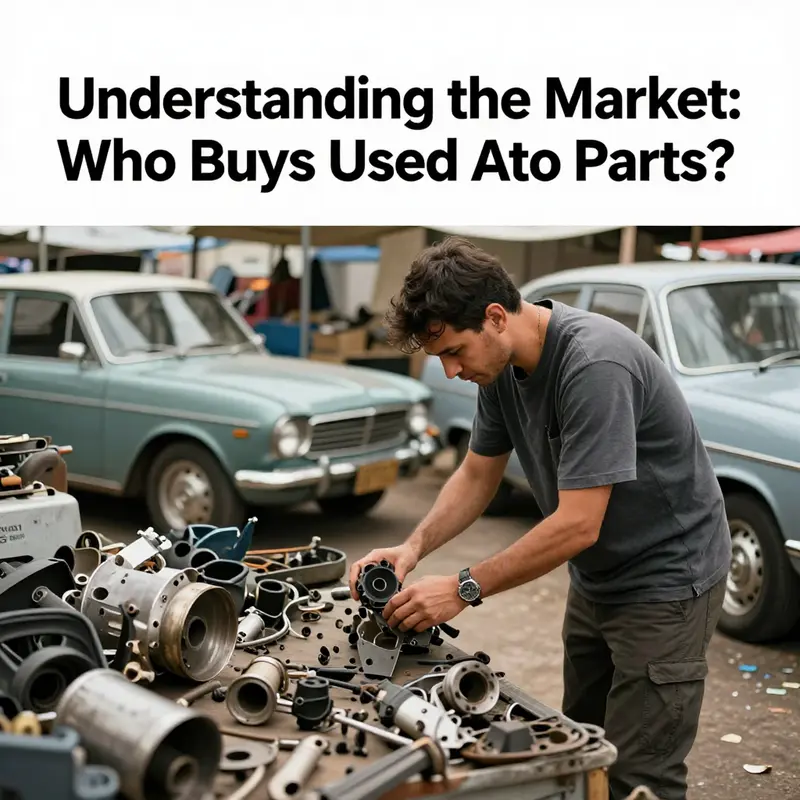
When we look at the market for used auto parts, a recurring pattern emerges through the stories of people who hunt for pieces to keep older vehicles on the road. This chapter centers on individuals who buy used parts for older models, a group often overlooked in headlines that highlight big fleets or repair shops. Yet it is precisely this audience—drivers and collectors who refuse to surrender to the fault lines of obsolescence—who keep the broader ecosystem of used parts vibrant. Their motivations are practical, emotional, and increasingly strategic, and they illuminate how the secondhand parts economy actually functions in places where the vehicles they chase once ruled the roads.
For many, the pursuit begins with a simple reality: new components are frequently out of reach for older models, whether because manufacturers discontinue lines, or because the price of contemporary parts erodes the appeal of a vintage project. In this context, used parts become not just a workaround but a lifeline. The logic is straightforward and compelling. A salvage or wrecked vehicle can yield engines, drivetrains, or body components at a fraction of the price of new parts. This price differential creates a buffer that allows repairs to be offered at lower costs while still preserving reliability and safety. In practice, buyers notice the math immediately: a used engine or other core component can dramatically shorten the break-even point for a repair, a factor that income-minded shops and hobbyists alike watch closely when they plan a job or a build.
Online and offline markets present two faces of the same core dynamic. On the one hand, online platforms expand access to a broad spectrum of parts, while on the other, physical markets offer the tactile assurance that many older-vehicle buyers prize. The two channels together form a coherent and practical map for those who hunt for older parts. Online, platforms in the region host a mix of listings that range from “as-is” components to those labeled as OEM or compatible with particular makes and models. A careful shopper learns to parse listings with care: photographs, part numbers, mileage, and the seller’s history all matter. In this space, buyers often cross-check with forums and social groups where enthusiasts share notes about part fit, compatibility, and the quirks that rare vintage components can present. The internet lowers the barrier to discovery, but it is not a substitute for judgment and hands-on verification.
In parallel, physical markets anchor the experience in something tangible. Markets such as the Garden Gate Auto Parts Market in Hangzhou, the Jincheng Auto Parts City in Dongguan, and the broader bazaars in Tangshan offer a setting where buyers can inspect items directly, test for obvious wear, and negotiate face-to-face. The value of this inspection cannot be overstated for older vehicles, where even a small flaw can translate into a cascade of problems after installation. By handling a part in person, buyers gain confidence that the cost savings do not come at the expense of quality or safety. This is not merely a shopping trip; it is a form of due diligence that complements any online research. It is also a social ritual of the parts community—an exchange that passes on tacit knowledge about fitment, quality signals, and the practical realities of restoration work.
For the individual buyer, the appeal of used components often lies in the balance between cost and continuity. The same impulse that drives a restoration project or a daily driver’s maintenance schedule also sustains a broader ecosystem of reusability. A buyer might be chasing a discontinued water pump, an aging transmission, or a steering component that is no longer stocked in new cameos of the modern supply chain. These older parts can be essential to keeping a car roadworthy, not to mention the environmental benefits of extending a vehicle’s life through reuse. The narrative here is more nuanced than a simple bargain-hunt story. It is about preserving access to mobility and, for some, keeping a piece of automotive history alive through practical means rather than collecting dust.
Quality and authenticity emerge as the two most significant concerns for this group. The risk profile is different from buying a new part, where warranties and clear manufacturing provenance are more straightforward. In the used-parts world, buyers rely on a blend of seller reputation, review histories, and the practice of cross-checking part numbers against the vehicle’s internal data. They also benefit from the availability of OEM parts dealers who curate stock with an eye toward repair shops that value reliability as much as price. The tension between cost savings and quality is real, and it trains buyers to become more discerning. In some cases, the same logic that makes a part affordable can also tempt sellers to misrepresent a part’s condition or origin. For this reason, buyers often favor platforms or markets that offer some form of quality assurance, whether through documented provenance, return policies, or vendor reputation.
The interplay between buyer types within this segment is telling. Repair-focused buyers—whether independent mechanics or small workshop operators—tend to see used parts as a way to safeguard margins while delivering service without sacrificing safety. Their approach is methodical: they verify compatibility, inspect for corrosion, test critical interfaces, and keep detailed records. The goal is a durable, serviceable repair that respects the vehicle as a system rather than a collection of disconnected components. DIY enthusiasts view used parts through a different lens. Their priorities tilt toward cost-conscious experimentation and customization. For them, used components can be a gateway to performance tuning or distinctive styling without the premium price tag of new parts. The economic calculus for a DIY buyer is often more flexible; the risk tolerance is higher, and the payoff—both tangible and intangible—can be measured in personal achievement and the satisfaction of a job well done.
Export-oriented buyers present a third dimension to the older-parts narrative. In international markets, particularly in regions like the Middle East and Southeast Asia, certain older or rarer parts command premium prices. A transmission that might fetch a modest sum domestically can yield a significantly higher return when exported, reflecting regional demand and the costs of supplying legacy models with scarce components. This international interest reinforces the idea that older vehicle parts are not merely a domestic convenience but a tradeable resource with global reach. It also raises questions about logistics, documentation, and compliance, all of which buyers navigate as a matter of course in pursuit of a viable margin.
Yet not every buyer acts with purely legitimate intent. The chapter would be incomplete without acknowledging the misuses that occasionally surface in the used-parts market. Some buyers—typically linked to broader systems of vehicle repair and insurance—may seek to substitute genuine OEM pricing models with lower-cost used components in ways that could enable fraudulent activities. This risk underscores the need for diligence across the entire chain: sellers who accurately describe parts, buyers who verify fit and function, and platforms that provide some form of accountability. Such concerns do not negate the value of used parts; they simply frame the responsibility that accompanies access to a wide, diverse market.
In this ecosystem, the path to finding the right older-part solution often begins with a clear sense of the vehicle’s needs and a pragmatic assessment of the options. A buyer with an older model understands that the catalog of available parts is shaped by a history of production runs, dealership footprints, and the unpredictable cadence of manufacturer support. They learn to navigate the tension between price and reliability, to differentiate between parts that will function as intended and those that may require additional attention or adaptation. The process emphasizes not just the part’s fit, but the fit between the buyer’s expectations and the part’s real-world performance after installation. This alignment—between the car, the part, and the buyer’s anticipations—transforms the act of purchase from a transactional move into a careful, value-driven decision.
To illustrate the paths buyers take, consider the availability map that many regional enthusiasts know by heart. Online, Taobao and Xianyu host an extensive range of listings from individual sellers across China, often at competitive prices. Buyers should exercise caution and carefully verify the quality and authenticity of the parts, as these are consumer-to-consumer platforms with variable seller reliability. Some sites cater to repair shops with access to genuine OEM stock, offering a higher level of assurance though at a different price point. A useful example within the online landscape is a listing described as authentic OEM parts, which can be navigated by practitioners who understand the importance of provenance. For instance, a well-known option presented in the market includes authentic-jdm-evo-9-mr-taillights, a reminder that the older-vehicle parts market does not exist in a vacuum but is deeply connected to the wider ecosystem of specialized components.
Meanwhile, the physical markets anchor the experience with tactile confidence. Buyers who prefer to inspect before purchasing have found that markets in Hangzhou, Dongguan, and Tangshan offer a practical route to confirming condition and negotiating price. The ability to view wear, identify potential damage, and assess finish quality is a uniquely valuable part of the process for older vehicles. Local repair shops and salvage yards also act as important nodes in this network, often serving as sources for hard-to-find or discontinued components that smaller markets cannot maintain in stock. The combination of in-person scrutiny and online convenience creates a robust, multi-channel system that serves diverse buyers—each with their own reasons for choosing used parts over new. And while the stakes can be higher when tampering with older vehicle systems, the careful, informed buyer can still secure reliable replacements that extend the life of a beloved car or a critical daily driver.
In closing, the older-vehicle-parts buyer is not a monolith but a spectrum of pragmatists who share a fundamental belief: that reuse can both save money and honor the ongoing life of vehicles that deserve to be kept on the road. They approach the market with a blend of diligence, curiosity, and community knowledge. The online marketplaces open doors to new possibilities, while the physical markets deliver a confidence that complements digital listings. Together, these channels sustain a niche but essential economy—one that makes it possible for drivers to maintain older machines with dignity, responsibility, and a sense of practical stewardship. The story of these buyers reinforces a broader truth about the used auto-parts market: its value lies in trust, verified fit, and a shared commitment to keeping vehicles moving, well beyond the point where new components would have justified retirement.
External resource for further context on consumer protections and repair practices can be found here: https://www.consumer.ftc.gov/articles/0106-auto-repair. The journey of older-vehicle parts buyers is as much about safeguarding buyers as it is about preserving cars. As the market evolves, the focus on transparency, reliable fit, and quality assurance will continue to shape who buys used parts and how they do it, ensuring that the pursuit of affordability never comes at the expense of safety and longevity.
Final thoughts
As the market for used auto parts grows, understanding the diverse buyer demographics becomes crucial for businesses in the automotive sector. Each group has distinct needs and motivations that must be addressed to foster long-term relationships and capitalize on market opportunities. By recognizing the roles of repair shops, DIY enthusiasts, exporters, used car dealers, and individuals maintaining older vehicles, business owners can tailor their offerings and marketing strategies effectively. The evolving landscape of used auto parts reflects broader automotive trends, emphasizing sustainability and cost-effectiveness.