
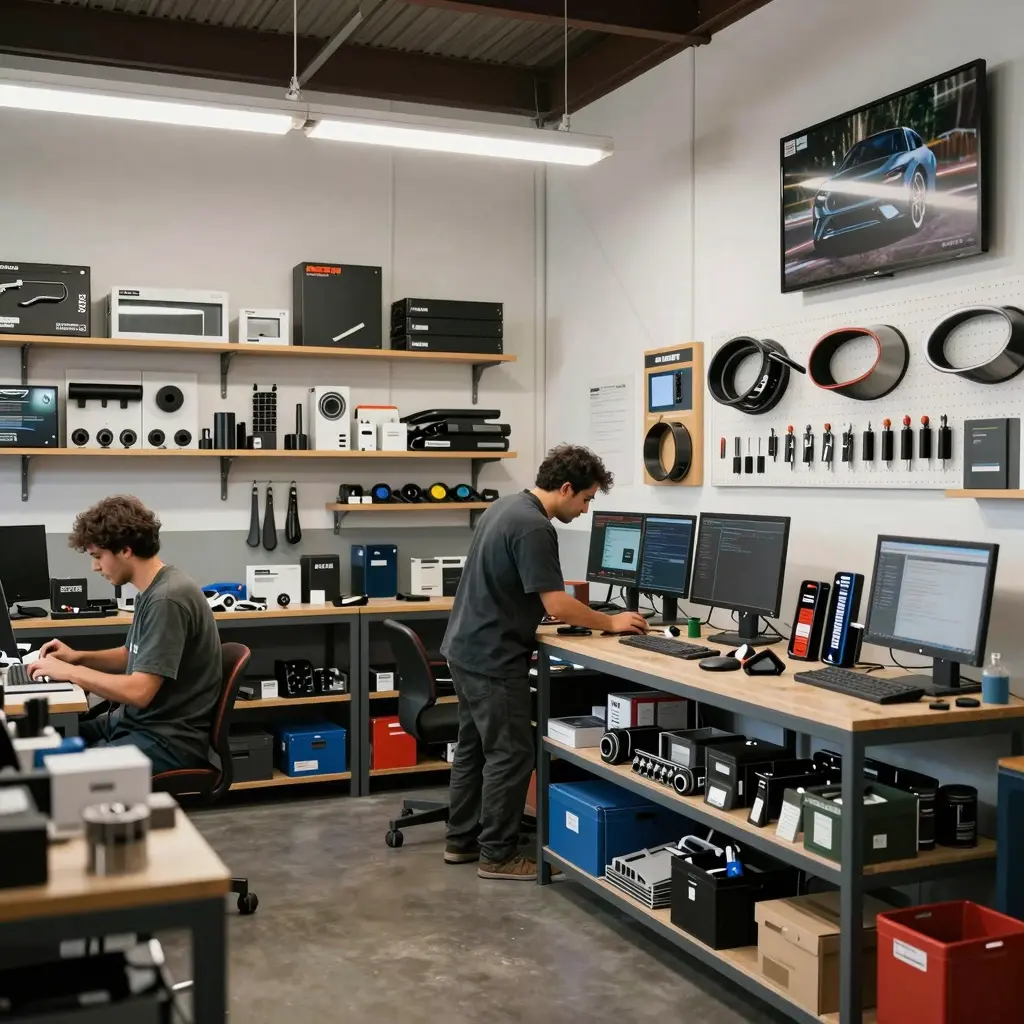
In the ever-evolving automotive industry, aftermarket auto parts have emerged as essential components that significantly impact both vehicle performance and business profitability. Aftermarket parts are products not made by the original equipment manufacturer (OEM) but rather by independent manufacturers. These parts are crucial for business owners as they offer a blend of quality and cost-effectiveness, allowing shops to cater to a wider array of customer needs without compromising safety and performance. Business owners can take advantage of the variety of aftermarket options available, from replacement tires to high-performance enhancements, enabling them to provide tailored solutions to clients. In addition, sourcing aftermarket parts often results in reduced costs, which can translate to better margins for automotive businesses. For instance, consider innovative options like carbon fiber hoods that not only improve aesthetics but also contribute to vehicle performance. Embracing aftermarket parts truly cultivates a competitive edge in this dynamic market.
Benefits of Aftermarket Auto Parts
Aftermarket auto parts offer a compelling alternative to Original Equipment Manufacturer (OEM) parts, especially for business owners managing repair shops, fleets, or automotive resale operations. The primary benefits include cost savings, wider availability, and a broader selection, all of which can provide operational flexibility and economic advantages.
Cost-Effectiveness
One of the most significant advantages of aftermarket auto parts is their cost. Aftermarket parts are typically less expensive than OEM parts because they are produced by third-party manufacturers without the brand premium associated with OEM. This often results in substantial savings without significantly compromising quality when sourced from reputable suppliers. For businesses, lower part costs can translate directly into higher profit margins on repairs or vehicle refurbishments.
Greater Availability
Aftermarket parts tend to be more readily available than OEM parts. OEM components often come with limited production runs and are tied to the original vehicle manufacturer’s distribution network, which can sometimes delay shipments or create shortages. In contrast, numerous third-party manufacturers produce aftermarket parts, leading to a diverse and extensive stock. This ensures quicker turnaround times for replacements, minimizing vehicle downtime-a critical factor for fleet maintenance and busy repair facilities.
Extensive Selection and Customization
The aftermarket industry offers a vast range of parts that OEMs may not provide, including performance upgrades, custom modifications, and discontinued components for older or rare vehicles. This variety allows businesses to offer tailored solutions to customers, such as enhanced performance parts or custom aesthetics that meet specific needs or preferences. For example, aftermarket carbon fiber hoods or specialized bumpers can provide both functional and stylistic improvements over standard parts.
Competitive Quality
While OEM parts are benchmarked as the original components, many aftermarket parts match or exceed their quality standards, especially those manufactured by well-known aftermarket brands. Rigorous quality control and certifications have increased the reliability of aftermarket parts, making them a trustworthy option for business owners concerned about warranty and customer satisfaction.
Summary Table
| Benefit | Description | Business Advantage |
|---|---|---|
| Cost Savings | Typically lower pricing than OEM parts | Higher profitability on repairs and refurbishments |
| Availability | Broad manufacturing base means readily stockable items | Reduced vehicle downtime |
| Selection | Variety including upgrades and custom parts | Ability to cater to niche or performance-driven markets |
| Quality | Many meet or exceed OEM standards | Maintained customer trust and warranty compliance |
For further insights on OEM parts versus aftermarket options, check out this detailed overview of OEM Mitsubishi Evolution parts and explore the options for Mitsubishi Lancer Evolution upgrades.
In conclusion, aftermarket auto parts provide business owners with cost-efficient, accessible, and versatile options that can boost their operational efficiency and customer satisfaction. By leveraging these benefits, businesses can better serve diverse automotive needs and stay competitive in the marketplace.
| Feature | Aftermarket Parts | OEM Parts |
|---|---|---|
| Cost | Generally 20-60% cheaper than OEM parts | Higher cost, but offers guaranteed quality |
| Quality | Variable, can range from low to high | Consistent quality and fit |
| Availability | Widely available | Limited to specific manufacturers |
| Customization | Often available in more styles/options | Restricted to factory designs |
| Warranty | Varies by manufacturer; often shorter | Usually includes a manufacturer warranty |
| Performance | Can potentially outperform OEM | Built to the manufacturer’s specifications |
| Compatibility | May require more research for vehicle fit | Guaranteed compatibility with specific models |
Business owners should weigh these factors when deciding between aftermarket parts and OEM options, depending on their specific needs and the demands of their customers. To understand more about the advantages of using quality parts, learn more about OEM parts and the differences in auto parts.
Understanding Aftermarket Auto Parts
Aftermarket auto parts are components manufactured to replace or enhance the original parts of a vehicle. These parts can be categorized into three main types, each serving different purposes and offering unique benefits for business owners in the automotive sector.
1. Performance Parts
Performance aftermarket parts are designed to enhance a vehicle’s performance and efficiency. This category includes exhaust systems, turbochargers, and suspension kits that can significantly improve speed, handling, and fuel efficiency.
- Importance: These parts attract customers looking for enhancements, allowing businesses to capitalize on the growing demand for high-performance vehicles. Learn more about performance upgrades.
2. Replacement Parts
Replacement parts are designed to restore a vehicle to its original operating condition. This category includes essential components such as brake pads, filters, and belts.
- Importance: Businesses can provide cost-effective solutions for repairs, vital for maintaining customer loyalty and satisfaction. The growing number of older vehicles on the road ensures a steady demand for replacement parts.
3. Accessories
Accessories are aftermarket components that enhance a vehicle’s aesthetics or functionality rather than its performance. Examples include custom rims, floor mats, and lighting systems.
- Importance: These products allow businesses to provide personalization options to customers, tapping into the lucrative market for vehicle customization. Explore stylish accessories here.
Conclusion
In summary, aftermarket auto parts encompass a wide array of products that can significantly contribute to a business’s revenue and customer satisfaction. By understanding and utilizing these categories effectively, business owners can better serve their clients and enhance their offerings in a competitive market.
Buyer’s Guide for Aftermarket Auto Parts
If you’re a business owner in the automotive industry, understanding aftermarket auto parts is vital for offering your customers quality alternatives to original equipment manufacturer (OEM) parts. Aftermarket parts can lead to cost savings, enhanced performance, and more options for both you and your clients. Here’s a practical guide on how to choose the right aftermarket auto parts based on quality, price, and compatibility.
Understanding Aftermarket Auto Parts
Aftermarket auto parts are products made by companies other than the vehicle’s original manufacturer. The primary differences between OEM and aftermarket parts are price and availability. While OEM parts tend to be more expensive, aftermarket parts can be much more affordable, providing a competitive edge. Learn more about the differences between OEM and aftermarket parts.
Tips for Choosing Quality Aftermarket Parts
- Research Manufacturers: Look for reputable brands with positive reviews in the market, such as CARDONE Industries, which produces a range of remanufactured and new parts. More information can be found at CARDONE Industries.
- Look for Certifications: Ensure that the parts meet recognized safety and quality standards; certifications can be a good indicator of reliability.
- Warranties: Consider purchasing parts that come with a warranty. A good warranty can protect your investment and provide peace of mind to your customers.
Evaluating Price vs. Quality
When evaluating parts, it’s essential to balance price and quality. While it might be tempting to choose the cheapest option, opting for lower-quality products can lead to more significant issues down the road. Consider comparing prices and quality between various suppliers to find the best deals without compromising on the product’s integrity.
Ensuring Compatibility
- Vehicle Specifications: Always verify that the parts are compatible with the specific make and model of vehicles you service. Many suppliers, like 1A Auto, provide compatibility information right on their product pages.
- Cross-Reference Part Numbers: Use the part number from the OEM component to find a compatible aftermarket alternative.
By keeping these tips in mind, you can effectively choose high-quality aftermarket auto parts that suit your business needs and your customers’ expectations.
Common Misconceptions About Aftermarket Auto Parts
Aftermarket auto parts can significantly affect business profitability and customer satisfaction. However, many business owners harbor misconceptions that lead to hesitation in using or promoting these components. Here, we explore some of the most prevalent myths and clarify the realities concerning aftermarket parts.
Myth 1: Aftermarket Parts Are Always Inferior
One of the most widespread misconceptions is that all aftermarket parts are of subpar quality compared to original equipment manufacturer (OEM) parts. In reality, many aftermarket parts match or even exceed OEM standards. According to sources such as YourMechanic, numerous aftermarket components undergo rigorous testing to meet high performance and safety standards, providing excellent value to consumers.
Myth 2: Aftermarket Parts Void Vehicle Warranties
Many business owners fear that installing aftermarket parts may void vehicle warranties. However, as per Project Gamma, this is not true for all cases. The Magnuson-Moss Warranty Act allows consumers to use aftermarket parts without automatically voiding warranties, provided the part is not the cause of the failure. It’s essential to communicate this to customers to alleviate their concerns.
Myth 3: All Aftermarket Parts Are Cheaper
While it’s true that many aftermarket parts come at a lower price point, not all are budget-friendly. Business owners often equate low price with low quality, but this is not always the case. Some aftermarket parts are specifically designed to provide better performance while remaining affordable. For instance, high-performance aftermarket parts can enhance vehicle capability, attracting customers looking for upgrades.
Myth 4: Aftermarket Parts Are Only for Performance Vehicles
Another misconception is that aftermarket parts are primarily for racing or high-performance vehicles. In fact, aftermarket parts cater to a broad audience, from everyday vehicles to specialized models. Many reputable manufacturers create reliable parts suitable for regular repairs and maintenance, ensuring businesses can meet customer needs without compromising on quality. According to Ever Growing, these parts are effective for a wide range of applications.
Myth 5: Aftermarket Parts Lack Support and Availability
Business owners often worry that aftermarket parts may come with insufficient support and service. On the contrary, many aftermarket manufacturers provide comprehensive support, including warranties and customer service, just like OEM parts. It’s crucial to establish strong relationships with suppliers to ensure that you can offer customers reliable products backed by solid support.
Conclusion
Educating yourself and your team about these common misconceptions can empower you to make informed decisions that benefit your business and your customers. Embracing quality aftermarket parts can provide both significant savings and enhanced performance, proving that they are a viable alternative to OEM components.
Compliance and Regulatory Considerations for Business Owners in Aftermarket Parts
When it comes to aftermarket auto parts, compliance and regulations are critical factors for business owners to consider. Failure to adhere to applicable laws can lead to significant legal repercussions and financial implications. Below, we delve into the key compliance issues that must be addressed when purchasing aftermarket parts.
Understanding the Regulations
Aftermarket parts are subject to various regulations primarily enforced by the National Highway Traffic Safety Administration (NHTSA). These regulations focus on ensuring that parts meet safety requirements corresponding to mandatory components found on new motor vehicles. It is essential for business owners to verify that the aftermarket parts they are purchasing comply with these safety standards to prevent legal liabilities. For more detailed information regarding federal regulations, check out this resource.
Additionally, manufacturers of aftermarket parts are required to prove their products’ compliance with both material and performance standards. This is necessary to guarantee that the parts not only fit correctly but also perform reliably in various conditions. Regulatory bodies often check for compliance to mitigate risks associated with safety failures.
Environmental Compliance
Business owners must also be aware of environmental regulations that affect the aftermarket auto parts they purchase. The Environmental Protection Agency (EPA) has strict guidelines regarding the sale of products that may undermine emissions control systems. The Clean Air Act strictly prohibits practices that could result in the defeat of these systems, placing a heavy responsibility on business owners to ensure that the parts they procure do not violate environmental laws. Learn more about the EPA’s stance on this subject here.
State-Specific Regulations
In addition to federal guidelines, many states have their own regulations governing aftermarket auto parts, particularly concerning emissions and safety. For instance, California legislation is known for being particularly rigorous. All business owners should consult local laws to ensure compliance with state-specific requirements.
Final Thoughts
Navigating the complex landscape of compliance and regulations can be challenging for business owners in the automotive aftermarket industry. By proactively engaging with the necessary standards, owners can not only safeguard their operations but also build trust with their customers by providing compliant, high-quality products. Understanding these regulations will enhance your business practices and mitigate potential risks in the high-stakes environment of auto parts sales.
Market Trends for Aftermarket Auto Parts
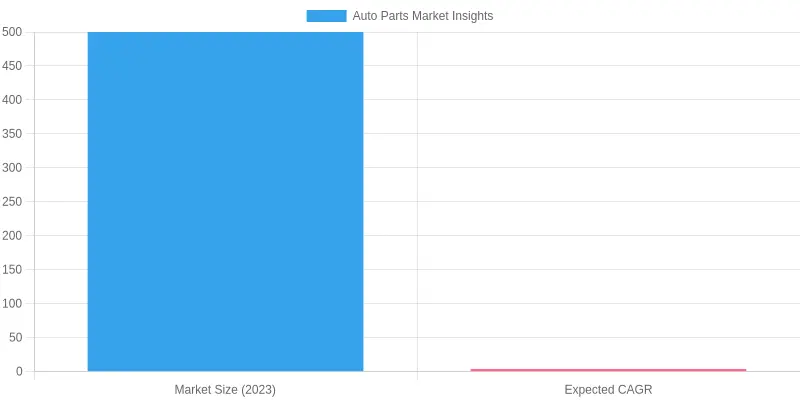
The automotive aftermarket sector has been experiencing significant growth over the past decade, with an increasing demand for replacement parts and accessories. As of 2023, the global automotive aftermarket market size is projected to be USD 448.26 billion. This figure is expected to rise to USD 465.88 billion in 2024, and further escalate to USD 634.16 billion by 2032, showcasing a compound annual growth rate (CAGR) of 3.93%.
Key Statistics:
| Year | Market Size (USD) | CAGR (%) |
|---|---|---|
| 2023 | 448.26 Billion | – |
| 2024 | 465.88 Billion | – |
| 2030 | 674.61 Billion | 2.9 |
| 2031 | 828.2 Billion | 6.2 |
| 2032 | 634.16 Billion | 3.93 |

The growth is driven by various factors, including an increasing vehicle fleet, an aging population of vehicles, and innovative e-commerce strategies reshaping the purchasing habits of consumers. Adaptation to these trends is essential for businesses operating in the aftermarket sector.
For more information on specific aftermarket auto parts, check out our selection of OEM parts and carbon fiber hoods.
In conclusion, aftermarket auto parts provide business owners with numerous advantages, including cost savings, extensive variety, and the potential for enhanced performance. By choosing aftermarket options, you can cater to a wider clientele while maintaining quality and reliability. Whether you are upgrading a car’s aesthetics with parts like the JDM rear bumper for Mitsubishi or enhancing functionality with upgrades such as the Evo X carbon fiber hood, there’s a plethora of choices available. If you want to explore our extensive range of aftermarket parts and find the perfect solutions for your needs, don’t hesitate to contact us today. Our team is ready to assist you in choosing the best parts for your business!