
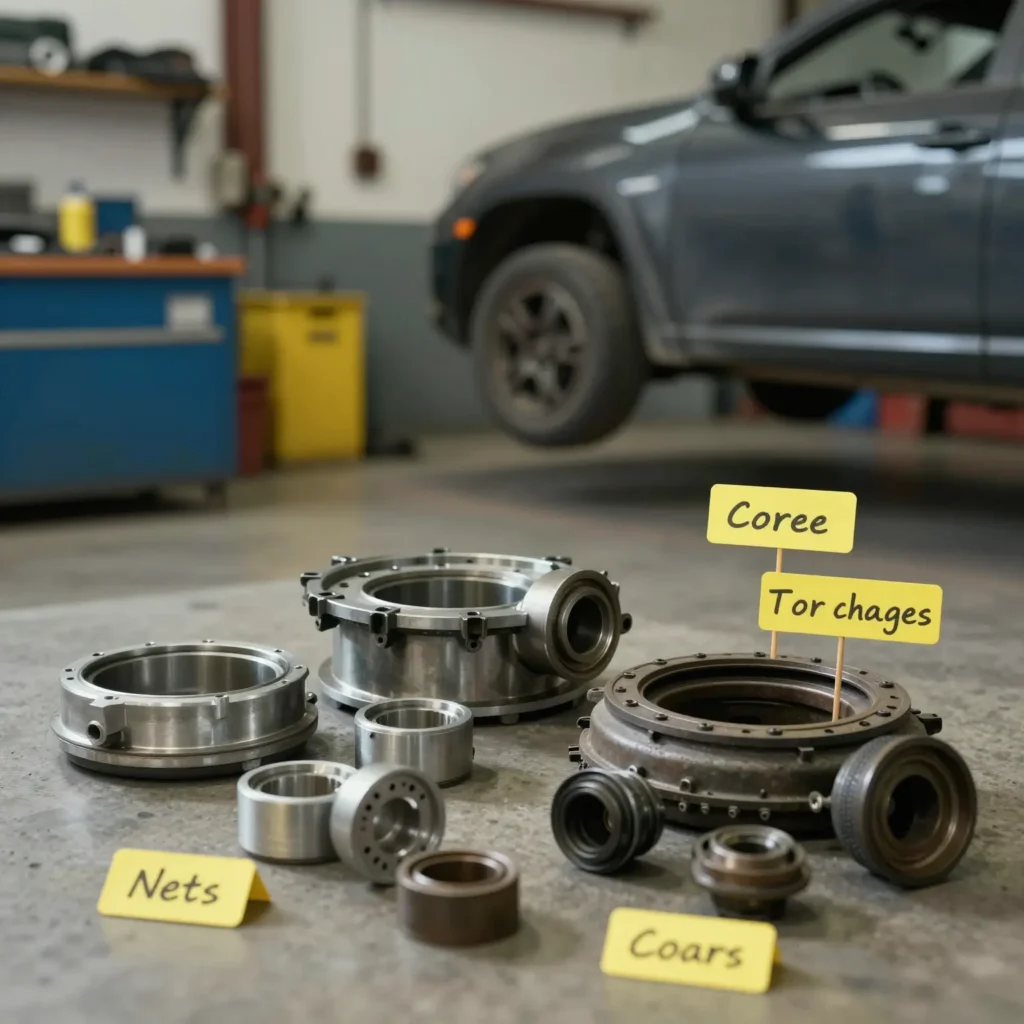
Understanding Core Charges in Auto Parts
In the world of auto parts, the term ‘core charge’ often surfaces, yet its significance is frequently overlooked by business owners. A core charge is essentially a deposit charged when you purchase a new part, which is refunded when you return the old part, known as the ‘core.’ This mechanism not only incentivizes the return of used parts, fostering sustainability within the automotive industry but also plays a crucial role in managing costs for businesses. By grasping the intricacies of core charges, business owners can enhance their financial practices, ensuring they don’t miss out on substantial refunds that could otherwise impact their bottom line. Understanding these charges can lead to smarter inventory management and cost savings, positioning your business for greater profitability. For those looking to upgrade parts, such as a new rear bumper or a customized hood, awareness of core charges is vital to maximizing returns and maintaining healthy cash flow.
The Importance of Core Charges for Auto Parts Businesses
Core charges are not just additional fees-they play a vital role in the functioning and profitability of auto parts businesses. At their core, these charges serve multiple purposes that impact the financial health of businesses as well as customer relations.
Financial Impact
-
Cost Recovery: Core charges allow businesses to recover some costs associated with manufacturing and distributing new parts. By charging a fee for the cores (used parts), companies can offset expenses, thereby improving their margins. For instance, if a business sells a remanufactured alternator for $200 with a core charge of $50, the return of the core can directly reduce manufacturing costs in future production.
-
Encouraging Sustainability: Implementing core charges encourages customers to return used parts instead of discarding them. This not only aligns with growing consumer demand for sustainability but also ensures that valuable materials are reused. Businesses can sell these returned parts for remanufacturing or recycling, contributing positively to their bottom lines.
-
Stabilizing Inventory Levels: By motivating customers to return cores, auto parts businesses can maintain better inventory levels. This stabilization can reduce the cost and time associated with sourcing new materials and lead to more predictable supply chain dynamics.
Implications for Business Operations
-
Customer Education: Educating customers on the core charge process is essential. When customers understand why these fees exist and their benefits-such as lower environmental impact and potential savings-they are more likely to see the value in returning cores rather than feeling penalized.
-
Potential Profitability Gains: Studies have shown that businesses with effective core return programs can enhance their profitability by as much as 10-20%. The additional income generated from core returns can not only cover costs but also fund other areas of the business, such as R&D or marketing
-
Customer Relations: Transparency in core charge policies fosters trust between businesses and customers. If businesses clearly communicate the purpose of core charges and the advantages they offer, customers are more likely to return cores, enhancing the relationship and promoting customer loyalty. On the flip side, poorly communicated policies can lead to frustration and loss of business.
Overall, core charges form a significant aspect of operational strategies in auto parts businesses. They contribute not only to the financial viability of operations but also to engaging customers in environmentally sustainable practices, thereby reshaping the future of the auto parts industry.
For those looking to explore how core charges can be effectively integrated into business models, learn more about the necessary components of auto parts to ensure effectiveness.
For business owners in the auto parts industry, understanding and managing core charges is essential for financial efficiency and sustainable practices. Core charges are fees applied to specific auto parts that are remanufactured or rebuilt. When purchasing parts with a core charge, customers pay a deposit, which is refunded upon returning the old part, known as the “core.” Here’s a list of common auto parts that typically come with a core charge:
- Batteries: Most automotive batteries carry a core charge due to their recyclability.
- Alternators: These components are often rebuilt, leading to the imposition of core charges.
- Starter Motors: Similar to alternators, starter motors frequently have core charges.
- Radiators: New radiators usually involve a core charge as the old radiator is needed for recycling.
- Brake Calipers: Many new calipers come with the condition of returning the old ones for core credits.
Understanding these aspects allows business owners to enhance their inventory management, reduce costs, and promote environmentally sustainable practices. Additionally, effectively communicating about core charges to customers can strengthen business relationships. For more insights on how core charges can impact your business, check out our article on the significance of core charges in the auto parts industry.
Benefits of Understanding Core Charges for Business Owners
- Financial Recovery and Profit Margins: Core charges assist businesses in recouping costs tied to returned parts.
- Encouragement of Recycling: Engaging in core recovery contributes to eco-friendly practices.
- Inventory Management: Proper management of core returns ensures a sustainable inventory flow.
- Customer Education: Transparency about core charges fosters strong customer relations.
- Competitive Advantage: Clear policies can differentiate businesses and attract eco-conscious consumers.
Being well-informed about core charges not only aids in managing costs but also promotes a responsible and sustainable business model.

This diagram illustrates the core charge process in auto parts, highlighting key stages such as Purchase, Core Charge Payment, Core Return, Refund Processing, and Final Reuse/Recycle. Understanding this process is vital for business owners in the automotive industry to manage costs and enhance customer satisfaction effectively.
How Core Charges Can Incentivize Recycling
Core charges play a significant role in promoting the recycling of auto parts, offering both economic incentives and environmental benefits. A core charge is an upfront fee consumers pay when purchasing a new auto part, which is refunded upon the return of the old part. Here’s how these charges encourage recycling and support sustainability efforts:
Encouragement to Return Used Parts
By imposing a core charge, customers are motivated to return used auto parts. This system not only boosts the likelihood of recycling but also ensures that valuable materials are repurposed rather than ending up in landfills.
Environmental Benefits
- Reduction of Waste: Core charges help lower the amount of waste sent to landfills by encouraging consumers to return their old parts, thus minimizing resource exploitation and waste production.
- Resource Recovery: When auto parts are returned, valuable materials such as metals (steel, aluminum, and copper) can be extracted and reused. This leads to a decreased need for mining and reduces the associated energy consumption and environmental impact.
- Lower Carbon Footprint: Utilizing recycled materials requires significantly less energy compared to manufacturing new parts, thereby reducing greenhouse gas emissions. For example, recycling aluminum saves about 95% of the energy needed to produce aluminum from raw materials.
- Promoting Sustainable Practices: Core charges foster sustainable consumption patterns. They encourage consumers to think about the lifecycle of products and allow manufacturers to adopt eco-friendly practices, leading to a holistic approach to sustainability in the automotive industry.
Conclusion
In conclusion, core charges not only incentivize the return of auto parts but also support crucial environmental goals such as waste reduction, resource recovery, and a lower carbon footprint. For business owners in the auto parts industry, understanding and implementing core charges can enhance both sustainability and profitability. To explore more on eco-friendly auto parts, check out our OEM products and our sustainable options.
Understanding Core Charges in the Auto Parts Industry
A core charge is a deposit that consumers pay when purchasing auto parts that are remanufactured or recycled. This charge is refunded when the customer returns the old, used part (the “core”) to the distributor. Core charges serve various purposes:
- Encourage Recycling: They incentivize customers to return old parts, aiding in the recycling process. This is crucial for reducing waste in the auto parts industry.
- Offset Manufacturing Costs: The money collected from core charges helps manufacturers cover the costs of remanufacturing the returned parts.
Impact of Core Charges on Pricing
Core charges significantly influence the pricing strategies of auto parts businesses in the following ways:
- Increased Upfront Costs: The inclusion of a core charge can make the initial purchase price of an auto part seem higher, potentially deterring some customers. However, many customers consider this a manageable expense when they recognize they will receive their deposit back upon returning the core.
- Price Competition: Competitors may adjust their pricing strategies based on core charges. Some businesses may choose to eliminate or reduce core charges to attract price-sensitive customers, which can lead to varying pricing across the market.
Customer Buying Decisions
The core charge system can also impact consumer behavior:
- Perceived Value: Customers might view remanufactured parts as a better value when they consider the cost savings from core charge refunds. This perspective may encourage them to purchase sustainable options rather than opting for new parts.
- Buying Confidence: Customers are often more willing to purchase from brands they trust regarding the return and refund process for core charges. A fluid process can enhance customer loyalty.
Conclusion
While specific statistics on core charges and their direct impact on pricing and buying decisions are not readily available at this moment, it is evident that they play a crucial role in shaping the auto parts industry’s pricing dynamics. For business owners, understanding this aspect can help refine their marketing strategies, streamline customer service processes, and enhance overall customer satisfaction.
You can explore related auto parts on our website, such as the OEM rear bumper for Mitsubishi Evolution or Mitsubishi Lancer Evo X hood.
Auto Parts Vendors Comparison: With and Without Core Charges
When it comes to purchasing auto parts, understanding the policies regarding core charges is crucial. A core charge is a fee paid when you buy a new part to encourage the return of the old, used part for recycling or refurbishment. Below is a comparison table highlighting various auto parts vendors that implement core charges versus those that do not. The data includes metrics such as pricing, customer satisfaction scores, and return policies.
Vendors with Core Charges
| Vendor Name | Average Pricing | Customer Satisfaction Score | Return Policy |
|---|---|---|---|
| AutoZone | $150 – $350 | 4.5/5 | 30 days for unopened parts |
| O’Reilly Auto Parts | $120 – $300 | 4.4/5 | 90 days for full refund |
Vendors without Core Charges
| Vendor Name | Average Pricing | Customer Satisfaction Score | Return Policy |
|---|---|---|---|
| Advance Auto Parts | $130 – $280 | 4.2/5 | 30 days for unopened parts |
| RockAuto | $140 – $250 | 4.3/5 | 60 days for unopened parts |
Summary
- Vendors like AutoZone and O’Reilly Auto Parts implement core charges to promote sustainability and effective management of old auto parts. They generally have a solid return policy, enhancing customer satisfaction.
- Alternative vendors without core charges, such as Advance Auto Parts and RockAuto, provide slightly varied pricing points and customer satisfaction ratings.
For a more detailed inquiry into parts sourcing, you can also check out this OEM rear bumper or explore options for hoods here.
Understanding these aspects will arm business owners with the knowledge needed to make informed purchasing decisions.
Best Practices for Handling Core Charges in Auto Parts Business
Managing core charges effectively is essential for car parts businesses. These charges can significantly influence customer relations and inventory efficiency. Here are some best practices:
1. Clear Communication with Customers
- Educate Customers: Ensure customers understand what a core charge is, why it exists, and how it can affect their purchases. Clear explanations can reduce confusion and foster trust. Consider linking to resources like Understanding Customers: Key to Business Success for further reading.
- Transparent Pricing: Display core charges prominently on receipts, invoices, and your website. This helps manage customer expectations and reduces disputes on returns.
- Prompt Responses: Address customer inquiries about core charges swiftly. Quick resolutions can enhance satisfaction and encourage repeat business.
2. Efficient Inventory Management
- Track Core Returns: Maintain accurate records of core returns to monitor inventory levels effectively. Knowing which cores are coming back allows for better planning and inventory replenishment.
- Use Technology: Leverage inventory management systems to track core charge items. This ensures that the business is aware of what needs to be replaced or stocked.
- Incentivize Returns: Consider offering special discounts or promotions for timely core returns. This can stimulate customer interest and improve return rates.
3. Documentation and Policy Clarity
- Written Policies: Clearly document your core charge policies and ensure all staff members are familiar with them. This will help deliver consistent information to customers.
- Feedback Loop: Regularly gather feedback from customers regarding core charges to identify pain points in the process and improve it. Surveying customers through platforms such as What is a Customer? may help in assessing their understanding and response to your core charge system.
By adopting these best practices, auto parts businesses can improve handling core charges, leading to more satisfied customers and better inventory management. These strategies not only boost customer relations but also enhance the overall efficiency of core management processes.
Implementing effective core charge management can transform potential losses into strategic advantages for your auto parts business.
Understanding Core Charges in Auto Parts
A core charge is essentially a deposit that a customer pays when purchasing certain auto parts. This charge is designed to encourage the return of the old, used part (the core) to the manufacturer or retailer. Recycling these parts is crucial, not only for environmental sustainability but also for reducing costs associated with manufacturing new parts.
“Recycling and reusing auto parts is vital in an industry striving toward sustainability. Core charges not only promote environmental responsibility but also reduce the need for new materials-helping us all drive towards a greener future.” – Auto Industry Expert
As a business owner in the automotive sector, understanding the significance of core charges can lead to better inventory management and promote eco-friendliness in the industry. By encouraging recycling, companies can reduce waste and improve their bottom line.
This approach can also enhance customer satisfaction, as offering incentives for returning cores highlights a commitment to sustainable practices. For more information about parts and services, you can check out our OEM rear bumpers or explore our carbon fiber hoods.
In conclusion, core charges play a crucial role in the auto parts industry, benefitting both consumers and businesses alike. They incentivize the return of old parts, promoting recycling and environmental sustainability. For business owners, understanding and effectively implementing core charges not only reduces waste but can also lead to considerable cost savings. By returning core parts, customers can potentially recoup expenses, while businesses can ensure that their inventory consists of refurbished and quality-tested components.
Moreover, core charges contribute to market stability, regulating the availability and pricing of used parts, which enhances customer confidence in auto repairs. As the automotive landscape continues to evolve, embracing core charges will prove essential for businesses aiming to thrive in a competitive market.
If you’re a business owner looking for reliable support and solutions related to core charges or auto parts in general, contact Zoomlion today. Our team is dedicated to helping you navigate the complexities of the auto parts industry and providing you with the best options for your needs. Don’t miss out on the opportunity to enhance your business operations!