
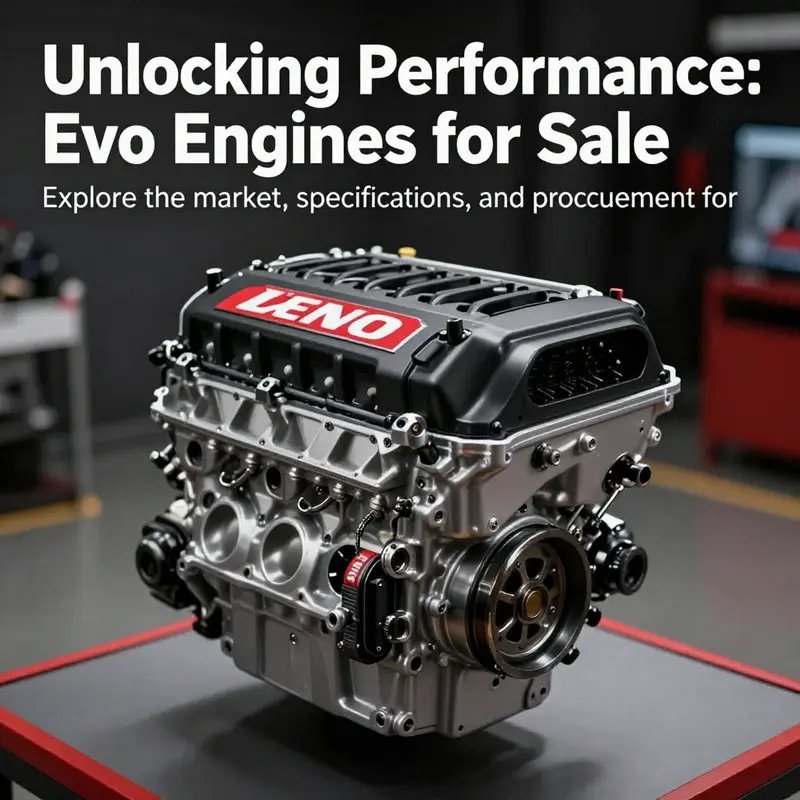
The demand for high-performance engines, particularly the Mitsubishi Evo engines, continues to grow as automotive enthusiasts and business owners recognize the critical role of engine quality in vehicle performance. Evo engines, renowned for their turbocharged efficiency and reliability, are particularly appealing in the aftermarket sector. This article delves into the intricate world of Evo engines for sale, focusing on five essential areas: the market landscape, technical specifications, pricing dynamics, compatibility with various models, and insights into the supplier network. Each chapter aims to equip business owners with a comprehensive understanding necessary for effective procurement and sales strategies.
Chasing the Right Heartbeat: The Evo Engine Marketplace in 2026
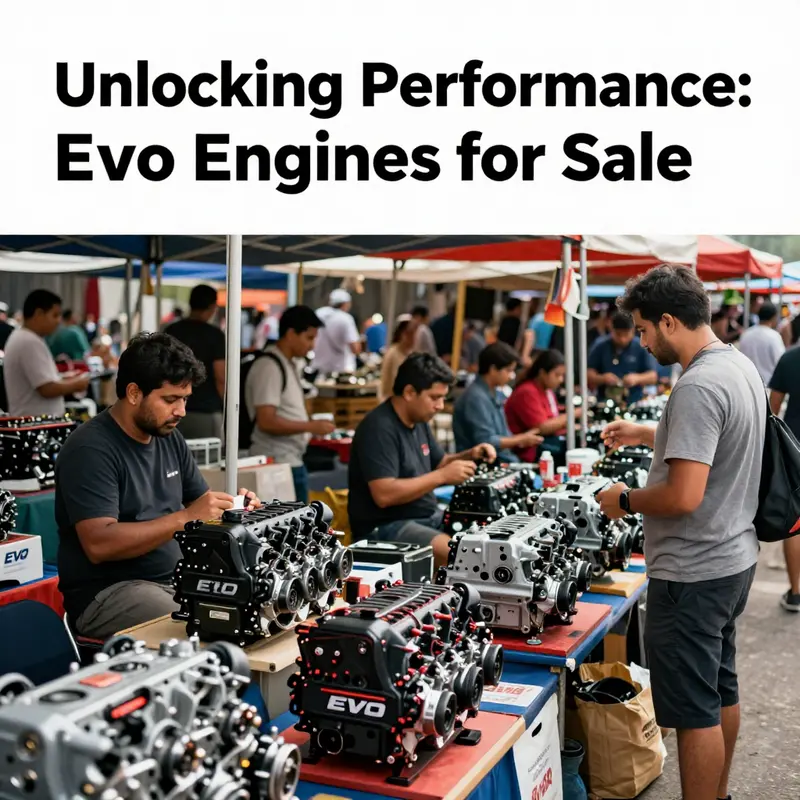
The market for performance powerplants tied to Mitsubishi’s Lancer Evolution lineage remains active as new automotive tech emerges. In early 2026, enthusiasts, rebuild specialists, and wholesale buyers chase a core objective: securing authentic, high-fidelity engines that can perform on the road or on the track. The Evo engine category—centered on the 4G63 family in turbocharged form and refined through later MIVEC variants—has evolved into a marketplace where scarcity, provenance, and compatibility matter as much as raw horsepower. The trend emphasizes intelligent sourcing, verification, and adaptation. The market feels like a balance between nostalgia and practical engineering, where an OEM-preserved heart can command a premium while well-documented used units attract buyers looking to rebuild or restore with confidence.
To understand the dynamics, it helps to map the broad demand drivers. Authentic Evo engines—especially the later 4G63T variants with MIVEC or the turbo configurations used in EVO 7 through EVO 9—are sought after by two groups. First are enthusiasts rebuilding for daily drivers or spirited weekend cars who want reliable power delivery. Second are professionals in engine shops that assemble turnkey builds for customers who demand precise tolerances and reliability. Provenance matters, because emissions standards can push older high-performance platforms into niche status, making OEM parts and original-spec rebuild components scarcer and more valuable. The result is a market where authentic OEM components are increasingly favored for durability and predictable tuning. Demand for authentic Evo engines and matching components rose in the preceding year, outpacing broader performance component markets.
The sourcing landscape is shifting, influenced by the global automotive aftermarket. Platforms that aggregate wholesale listings provide a window into price ranges and availability. A representative finding from common sources shows a diverse price band for premium Evo 9 engines and related 4G63 variants, illustrating how buyers weigh authenticity against budget. The range covers engines ready for installation to long-blocks needing additional components, and includes ancillary items like ignition systems and ECU configurations. Buyers perform due diligence, verifying matchups with the vehicle platform and confirming compatibility with the intended chassis.
Technically, EVO engines are a family with shared architecture and model-specific refinements. The Evo 8 and Evo 9, with turbocharged inline-four cores, remain focal points for rebuilds and restorations due to robust aftermarket support and a design that favors turbo efficiency and response. The Evo X, newer in model year, remains a popular option for rebuild projects and daily driving thanks to reliability and a broad ecosystem of parts designed to preserve a factory-like feel even when tuned aggressively. When considering an engine for sale, buyers weigh block and head condition, turbo and exhaust plumbing, ECU and harness status, and the authenticity of intake and cooling systems. A well-documented OEM short block with low-mileage heads can be a centerpiece for a durable rebuild, while a used long-block may be paired with carefully chosen components to achieve target horsepower.
The economics of procurement also play a role. A typical example shows premium Evo 9 engines, especially JDM-tuned variants like the 4G63 MIVEC, offered in a broad price range. In wholesale contexts, buyers find engines attractive if authentic and complete. Bulk purchases offer reduced per-unit logistics costs and the ability to guarantee a steady supply for multiple rebuilds, but also introduce risk: the need for rigorous quality checks, provenance verification, and inspecting engines from different regional markets. Experienced buyers rely on documented mileage, signs of prior service, and, when possible, mechanical testing like compression checks to confirm healthy compression and seal.
The broader ecosystem matters too. Beyond the engine itself, the long-term reliability of a rebuild depends on supporting components—suspension, brakes, electronics, and drivetrain hardware—that preserve handling and performance. The Evo X’s suspension architecture, for example, supports front-to-rear balance for street use and occasional track sessions. Braking systems with high thermal resistance and consistent stopping power are important for track builds. These considerations remind buyers that an Evo engine is part of a larger system, where compatibility and calibration with the rest of the drivetrain and chassis are essential for performance and longevity.
In the decision-making process, buyers confirm compatibility with the target chassis and year, verify the presence of crucial components (ECU, harnesses, turbo plumbing, intercooler), and evaluate whether the listed engine matches the intended generation. The process often involves cross-referencing model-specific expectations with documentation and, when possible, high-resolution photos or live inspection. Because emissions compliance and registration can hinge on matching engine and vehicle identifiers, diligence is a central virtue. Documentation about maintenance history and rebuild notes helps buyers weigh potential gains against total cost of ownership.
For readers seeking a concrete example, listings emphasizing genuine JDM provenance and low-mileage cores are common. A genuine JDM, low-mileage 4G63T engine with EVO 7 bolt patterns is a typical turnkey candidate, sometimes including transmission and ECU attachments for installation. The appeal lies in close alignment with factory specifications, minimizing tuning adjustments and supporting smooth power delivery. Buyers should ensure the engine’s service history aligns with the vehicle’s current configuration and that the ECU software can be mapped to the chosen goals. In practice, a representative example with full provenance and up-to-date documentation can be found through reputable sources that specialize in authentic, low-mileage cores.
As the market evolves, emissions regulations across major markets influence value. OEM parts and factory-spec rebuilds retain higher value for their straightforward route to compliance and reliability, preserving the vehicle’s original handling and character. The Evo engine market remains stable, driven by authentic parts, careful sourcing, and a shared emphasis on compatibility and calibration. The balance of authenticity, compatibility, and stewardship defines the heartbeat of the Evo engine marketplace today, attracting enthusiasts and professionals who view engine procurement as a craft rather than a quick purchase.
External resource: For a broader market perspective on related Evo parts and the evolving parts ecosystem, see the latest market analysis and buyer’s guide from trusted automotive publications.
Evolution Engine for Sale: From Technical Specs to Track-Worthy Power
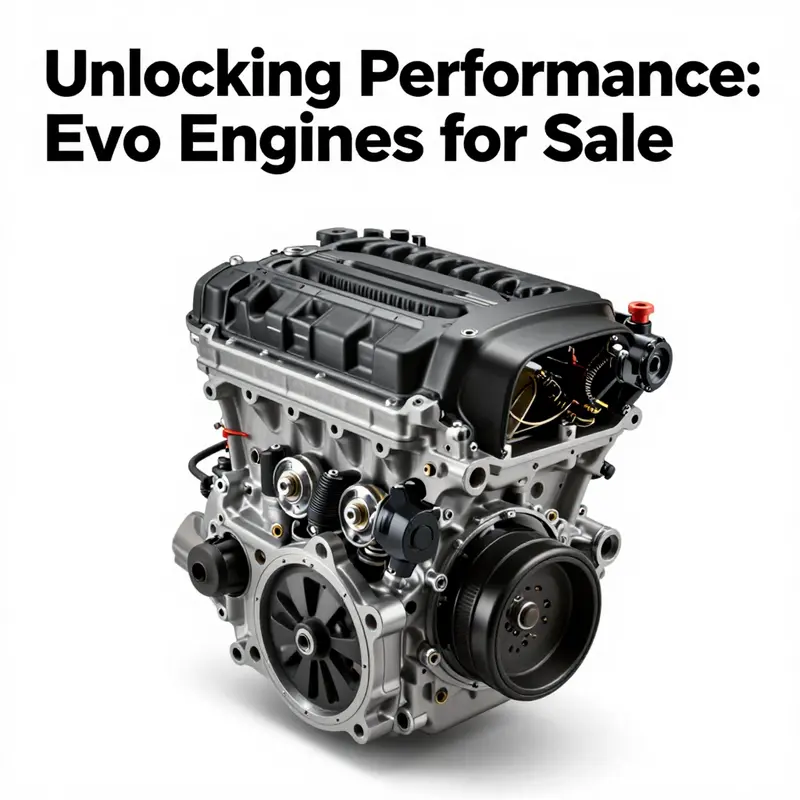
Engine technology has a way of translating engineering intent into tangible speed. When a company markets an engine under a label that signals a lineage of high performance, what you are really buying is a carefully engineered balance of durability, efficiency, and potential. This chapter explores the concept of an “evolution” engine that is available for sale on global markets, unpacking not just what the unit can do on paper but how it behaves in real-world conditions, how it fits into different builds, and how a buyer can evaluate a purchase in a landscape where specifications are as varied as the applications they support. The discussion centers on the core design principles that recur across multiple variants of performance engines: robust cooling, weight-conscious construction, air-handling optimization, and the capacity to tolerate sustained high-load operation. These are not abstractions; they are the practical traits that determine whether a high-performance engine becomes a reliable backbone for a track-focused project, a race program, or a demanding industrial application. In markets where such engines are sold in bulk or as wholesale options, the combination of configuration options, available accessories, and aftermarket support can shape the overall value proposition as much as the base mechanicals themselves. Understanding these elements helps a buyer move beyond a headline price and toward a configuration that aligns with the intended use, installation constraints, and long-term maintenance strategy.
A primary design aim across the family of engines described in these listings is effective thermal management. High-performance operation, whether in a circuit-racing context or in endurance scenarios, imposes sustained heat loads that can gradually degrade efficiency and reliability if not properly managed. The cooling system is typically a closed-loop structure that emphasizes high-pressure liquid cooling, a reliable radiator architecture, and a high-flow water pump. An electric cooling fan, sized for rapid response, supports ambient and under-the-hood temperature control during periods of intense throttle and high ambient temperatures. Taken together, these components create a thermal envelope that keeps temperatures within a predictable band, enabling the engine to sustain repeated bursts of power without resorting to aggressive protective strategies that would otherwise cap performance. For builders, this translates into a margin of safety when tuning for turbocharger pressure, fuel delivery, and ignition timing. It also opens the door to longer sessions on the track, where the absence of overheating is as crucial as raw horsepower.
The structural approach to these engines often leans toward weight efficiency without sacrificing strength. Aluminum is a common material choice for major castings and auxiliaries, particularly the cylinder head and, in some variants, other components that benefit from a favorable strength-to-weight ratio. Lighter components reduce ref light forces, improve throttle response, and contribute to a more favorable power-to-weight balance in a complete vehicle package. The implication for the build is straightforward: a lighter, stiffer engine block and head assembly can translate into a more responsive powertrain that handles well under cornering loads and high-G accelerations. Yet weight savings must be balanced with durability. In the real world, a track-ready engine faces mechanical stresses well beyond those seen in normal street-driven vehicles, and the best designs incorporate materials and geometry that survive long stints in demanding environments.
Air intake and combustion efficiency appear as the next layer in the engine’s performance envelope. Advanced intake tract design and combustion chamber geometry are not cosmetic details; they play a decisive role in how air and fuel mix, how quickly the mixture reaches peak pressure, and how effectively energy is recovered through exhaust flow. In turbocharged configurations, which are common in this class of engines, the ability to manage boosted air without creating fuel-air imbalance is essential. This means tighter tolerances in porting, a geometry that favors uniform turbulence, and careful mapping of the intake and exhaust systems to maximize efficiency across a broad operating range. The result is a broader usable RPM window with improved throttle response, lower susceptibility to knock, and more predictable torque delivery. For builders, these traits mean less trial-and-error and more confidence when dialing in boost curves, intercooling strategies, and ECU calibration. In practical terms, a well-optimized intake and combustion system supports higher effective compression ratios and allows for more aggressive fueling strategies without pushing the engine toward instability.
Compatibility and installation are not abstract considerations; they define whether a given engine can become a seamless donor for a project. The engines described in the market listings are typically positioned for performance builds, racing applications, and specialized industrial uses. They are designed to be adaptable to a range of platforms that share generic principles of engine management, mounting geometry, and accessory drives. For buyers, the key questions hinge on fitment: which chassis families are the most straightforward to swap in; whether the engine’s connectors and sensors align with existing harnesses; and whether the purchase includes or supports a complete installation kit. The provision of such kits, or at least a clear map to compatible components, can dramatically reduce both integration time and risk. In many wholesale and bulk purchase scenarios, suppliers will offer a matrix of compatible configurations, including variants that come with or without ancillary items like ECU modules, intake manifolds, or turbocharger hardware. This is not merely a matter of convenience; it can determine whether a project stays on budget and on schedule.
From the buyer’s perspective, a pragmatic approach to evaluating an available engine is to anchor the decision to a few core criteria. First, confirm the engine family and generation, and seek explicit confirmation of compatibility with the intended platform or chassis. Second, assess the cooling and lubrication subsystems, checking for the completeness of the high-flow components and the integrity of water jackets, seals, and hoses. Third, inspect the engine’s metallurgical health indicators: the condition of the block, head, and rotating assembly, along with evidence of prior maintenance or overhauls. While some listings emphasize “like-new” or “low-mileage” status, the practical reality is that only a hands-on evaluation or a professional inspection can verify long-term reliability, especially when a unit is intended for high-load operation. In wholesale contexts, buyers also consider the availability of spares, lifecycle costs, and supplier support in the event of component wear. These are the undercurrents of value in a market where many variants share core architecture but diverge in the details that determine real-world performance and durability.
An important dimension of the market is the breadth of model compatibility and the scope of application. While many engines are pitched as suitable for a family of performance vehicles, the reality is that specific applications favor particular configurations. Those projects that seek aggressive power delivery and track reliability tend to gravitate toward packages that emphasize robust cooling, reinforced internals, and tunable fuel and ignition management. For enthusiasts who pursue racing or track-focused builds, the engine becomes a foundation for tuning strategies, including turbocharger sizing, intercooling, fuel delivery upgrades, and advanced engine management. It is in these contexts that the balance of cost, availability, and technical support becomes a decisive factor. The market’s breadth also means that buyers have access to a wide range of variants, each with its own set of advantages for different use cases. The ability to compare these variants side by side—through manufacturer documentation, supplier catalogs, and independent testing—helps ensure that the selected unit aligns with the project’s short-term milestones and long-term goals. It is here that the value proposition of a wholesale or bulk purchase becomes most compelling: economies of scale can justify the upfront investment when the build targets demand high continuity of supply and predictable maintenance needs.
When it comes to concrete sourcing, one finds that the market presents a spectrum of options. On one end are listings that emphasize motor kits with complete installation hardware, tuned ECM solutions, and ready-to-run readiness; on the other are more modular offerings that present a core engine with optional accessories. For buyers who want to minimize downtime, those complete or near-complete packages can be particularly appealing. They reduce the guesswork around compatibility and simplify the path to ignition and dyno testing. On the other hand, builders who enjoy the puzzle and the control that comes with customization may prefer a core engine that allows for selective upgrades. In either case, it is prudent to engage directly with the supplier to clarify exact specifications, verify current condition, and confirm whether the unit includes ancillary components such as intake manifolds, exhaust systems, intercoolers, or ECU modules. Clear communication helps prevent misalignment between expectation and reality and protects the project from scope creep that can quickly erode margins.
For those who want to study the breadth of options more widely, market listings offer a window into how these engines are positioned for different buyers—ranging from small-scale performance shops seeking a reliable morale boost to larger teams planning ongoing seasonal campaigns. The supply ecosystem often features a range of price points designed to accommodate bulk purchasing, with discounts that accompany higher-volume commitments. This dynamic is especially relevant to racing teams and commercial workshops that routinely purchase multiple units for spares, development, and rapid prototyping. The wholesale dimension adds a strategic layer to the decision. It is not just about the unit’s baseline performance but about the broader value the seller and the buyer can extract through service agreements, warranty terms, and post-sale technical support. Buyers who are prepared to engage in long-term partnerships with suppliers may discover advantages that go beyond a single engine and extend into ongoing optimization, calibration, and troubleshooting assistance.
As you navigate the landscape of available engines, it is useful to anchor your evaluation to a few practical steps. Start with a precise specification checklist: confirm engine type, generation, compatibility notes, and the condition of core systems. Then map out the installation pathway, including any gaps that will require custom fabrication or additional hardware. Finally, set a testing plan that includes baseline dyno data, leak checks, and a controlled run-in period. A structured approach helps ensure that the purchase remains a net value proposition even after the inevitable adjustments that accompany a performance build. It also helps a buyer maintain clarity about the real trade-offs involved, such as the balance between initial cost and long-term maintenance commitments. In sum, an evolution engine offered for sale represents more than a power unit; it is a gateway to a defined performance objective, provided that the buyer engages in due diligence, aligns the component with a broader build strategy, and leverages supplier expertise when needed.
For readers who want to explore concrete product listings to see the range of configurations and available bundles, a widely referenced listing serves as a benchmark for the kinds of technical parameters and wholesale terms that dominate the market. While the exact model numbers and configurations vary, the core attributes described here tend to recur: robust cooling, lightweight yet stiff construction, optimized air intake and combustion geometry, and a packaging strategy that supports straightforward installation and predictable maintenance. These are not only technical hallmarks; they are the practical signals that help distinguish a well-suited engine for a serious performance project from a generic powerplant that may require substantial post-purchase upgrading. The best buyers approach the market with a clear understanding of their project’s goals, a structured evaluation framework, and a willingness to engage with suppliers to secure the most favorable terms in line with their build plan. The result is a purchase that is less about chasing the highest horsepower figure and more about building a reliable, repeatable platform that can deliver consistent lap times, predictable performance under load, and a servicing pathway that keeps the engine in the right operating window for the life of the build.
For those who want to see how these engines are framed within the broader ecosystem of performance parts, a few references provide useful context on the kinds of support and ancillary components that commonly accompany engine purchases. One internal resource that readers might consult discusses complete engine packages and their installation considerations in a real-world shop setting. It offers a grounded view of how a donor engine integrates with modern ECU strategies, fuel systems, and turbocharged configurations, along with practical notes on fitment challenges and solutions. This kind of real-world example helps connect the dots between the theoretical specifications and the tangible steps a builder takes to bring a project from concept to track-ready status. External resources, meanwhile, present the market’s breadth, including the wide range of price bands, the availability of bulk orders, and the flexibility offered by suppliers who can tailor packages to specific racing classes or regulatory constraints. A commonly cited external reference highlights the scale of the market and the variety of engine configurations that exist across performance categories. It is important to view such resources as a starting point for due diligence rather than a definitive guide, since the specifics of any given seller’s offering can vary considerably and require careful verification before purchase.
In closing, the evolution engine for sale represents a landscape where engineering intent meets practical procurement. The best outcomes come from a disciplined approach that blends an understanding of cooling, materials, and air management with a strategic view of fitment, installation, and ongoing support. Buyers who treat the engine as a strategic component of a broader performance program—one that will endure high-load operation and long track sessions—are more likely to realize the full potential of their investment. The market rewards those who ask the right questions: What is the exact configuration, and how will it integrate with the rest of the build? What are the long-term maintenance implications, and what supplier resources are available if adjustments are needed? And how does the wholesale pricing structure align with the project’s timeline and budget? Answering these questions moves the discussion from spec sheets to a concrete plan that can power a race-ready machine for seasons to come.
External resource for broader market context: https://www.alibaba.com/product-detail/Evo-Engine-For-Sale-999-_602183547552.html
Internal link for deeper component fitment context: complete 4G63 short motor engine listing.
Evo Engine Market: Pricing Currents, Supply Chains, and Value
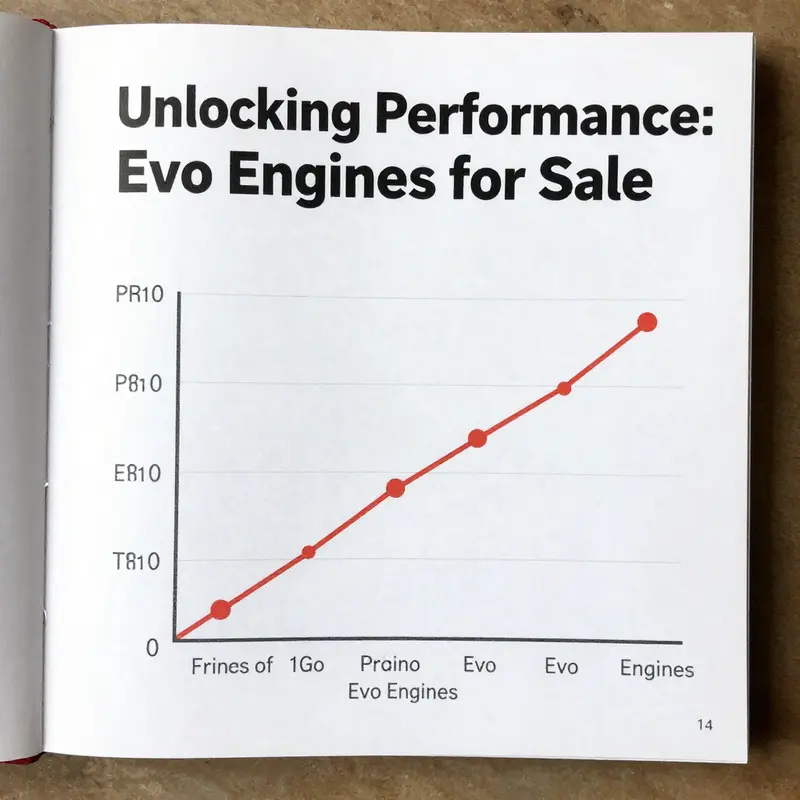
When buyers explore the Evo engine market, they enter a landscape where price, provenance, and reliability intersect. Pricing is not a single number but a spectrum shaped by condition, documentation, and service levels. On wholesale channels, bulk buyers may access lower per unit costs with serialized paperwork and steadier lead times, while consumer marketplaces can command higher prices for immediacy and post sale support. The path from part to production input is mediated by labor, precision machining, and logistics, with regional manufacturing ecosystems influencing both price bands and delivery risks. In mature nodes, economies of scale translate into shorter lead times and better predictability for restock cycles. The global sourcing map highlights hubs where suppliers cluster, and the most reliable buyers build relationships that reduce risk, improve forecast accuracy, and stabilize pricing over time.
For practitioners, the total cost of ownership matters as much as the sticker price: shipping, duties, inspection, and potential refurbishment can significantly affect landed cost. Documentation of provenance and a clear warranty framework can justify a higher asking price, while a lack of transparency can compress margins or raise risk in a repair heavy project. Buyers choosing between a one off engine and ongoing shop floor supply must weigh lead times against volume needs, risk tolerance, and the certainty of supply. This market functions as an ecosystem: price reflects demand signals, regional production advantages, and the efficiency of the channels that connect makers to buyers.
null

null
Power on the Market: Navigating Evo Engine Sourcing in the Global Aftermarket
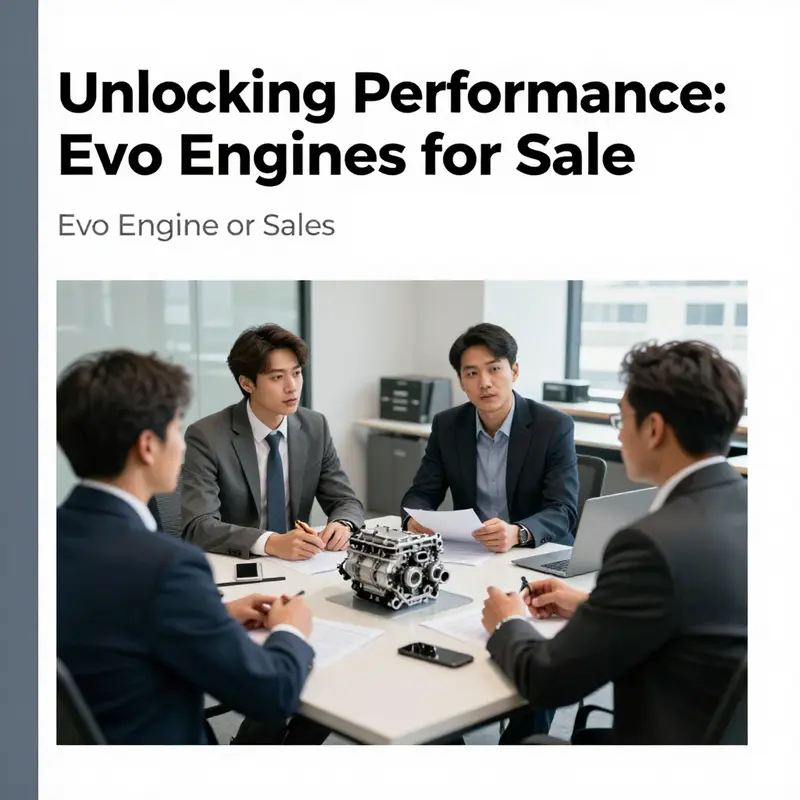
Sourcing an Evo engine for sale sits at a critical intersection of performance demand, supplier capability, and the quiet mathematics of global logistics. Buyers in this niche do not simply buy power; they buy reliability, traceability, and predictable lead times. The landscape has shifted from a handful of local shops to a vast digital marketplace where engines, blocks, and performance components are listed alongside reconditioned units and bulk orders. In this context, a strategic, data-driven approach becomes essential. It starts with recognizing that the Evo engine, in its turbocharged lineage, is not a commodity but a mission-critical powertrain component. The decision to procure must weigh not only the sticker price but the broader calculus of quality assurance, compatibility, and post-purchase support. Sourcing teams that excel in this arena treat procurement as a technical partnership rather than a simple transaction, aligning supplier capability with the specific performance targets of their builds or fleets.
Global supply chains have matured around the Evo engine’s demand. China remains a dominant hub for manufacturing and component sourcing, driven by sophisticated tooling ecosystems and dense supplier networks. Regions such as Guangdong Province, and cities within the Pearl River Delta, host a concentration of CNC machining facilities, testing labs, and a wide spectrum of suppliers focused on turbocharged architectures. This geographic concentration delivers tangible advantages: shorter lead times for high-precision parts, easier iterations on design changes, and a robust ecosystem for material science collaboration. Complementary zones in Chongqing and Yantai, Shandong, offer cost-efficient pathways and, often, partnerships with technical universities that push forward innovations in alloys and engine dynamics. For procurement managers, these regional strengths translate into a clearer map of where to engage first, where to validate, and where to test samples before placing a larger order.
Yet volume and velocity must be balanced with due diligence. A robust supplier evaluation goes beyond price tags and minimum order quantities. The best exporters, especially in niche performance segments, demonstrate on-time delivery performance well above ordinary expectations. A track record of reliable shipments provides a signal about the supplier’s internal logistics discipline and capacity to scale when demand spikes. Reorder rate is another telling metric; a lender of trust will sustain repeat business with growing clients, signaling product reliability and continuous process improvement. In an increasingly regulated market, the presence of quality management systems and certifications—ideally with in-house testing and material traceability—becomes a hard differentiator. These elements matter not only for performance outcomes but also for risk management, especially when engine builds must meet regulatory and warranty standards across different markets.
Digital marketplaces have become the connective tissue of Evo engine procurement. Real-time listings, supplier reviews, and price tiers shape the practical decisions buyers make every day. While online platforms can reveal a broad spectrum of options, they also demand a discerning eye. Keyword mismatches—where an entry might reference a modern EV or a different performance line—are common red flags. The prudent buyer treats digital listings as starting points for verification rather than final answers. The most useful digital insights come when buyers compare supplier performance indicators with the posted product specifications, request samples when feasible, and insist on transparency about lead times, MOQs, and post-sale support. In this environment, Alibaba-like marketplaces can provide the broad visibility needed to calibrate price with risk, but they must be navigated with rigorous supplier screening, test orders, and a clear understanding of what is being purchased—whether it is a complete engine, a long-block, or a specialized component with tight tolerances.
Pricing tells only a portion of the story. Negotiating price requires an understanding of the total cost of ownership, including shipping, customs, handling for fragile engine cores, and the potential need for additional testing or remanufacturing. The research landscape suggests that there are broadly referenced price bands on digital marketplaces that balance affordability with profitability for bulk purchasers. Savvy buyers will translate those bands into a staged procurement plan: secure sample engines for fitment and reliability assessments, then negotiate volume discounts aligned with forecasted demand. In addition, a wholesale or bulk strategy should consider the supplier’s capacity to commit to a sustained supply timeline, not just a single shipment. The best partnerships survive seasonal demand cycles, supply fluctuations, and regulatory shifts because they are built on established collaboration, shared quality goals, and reciprocal problem-solving.
For teams looking to understand what a high-performance Evo build might entail beyond the core engine, the ecosystem of supporting components matters. Upgrading to a robust powertrain often intersects with specialized blocks, high-precision machining, and compatibility with a range of vehicle architectures. In this space, a niche upgrade such as a billet-block option—in this case, a 4B11T-based platform—exemplifies how advanced engineering can expand reliability margins under high torque and sustained operation. The concept is straightforward: a billet-block approach can provide superior bridge between block stiffness, cylinder alignment, and oil flow under load, supporting higher boost pressures and more aggressive tuning regimes. Within the broader procurement conversation, the availability of such high-spec components offers a lens into a supplier’s technical maturity and engineering culture. For readers exploring this path, a concrete touchpoint exists in the dedicated component listings that illustrate how specialty parts are positioned within the Evo ecosystem. See the detailed example here: 4b11t-billet-block.
Beyond the components themselves, the procurement mindset must be anchored in risk management and compliance. Buyers should require documented quality-control processes, including in-house testing protocols, material traceability records, and certifications that align with their internal standards. In mission-critical applications, audits and third-party verifications can provide an additional layer of assurance. The capacity to trace a component to its lot, the materials used, and the manufacturing steps taken before shipment creates a defensible path if a problem arises later in the supply chain. For teams operating across borders, understanding import duties, certifications, and compatibility with regional variants becomes essential. The Evo engine, prized for its performance heritage, demands a similar respect for consistency, so that installations deliver repeatable results regardless of where they are shipped or installed.
As a practical matter, procurement teams should implement a disciplined, staged approach to ordering. Start with a market scan on a reputable platform to identify a short list of verified suppliers who consistently demonstrate on-time delivery and reasonable reorder rates. Request technical data packs, including dimensional tolerances, certification documents, and material composition, before requesting samples. When samples arrive, conduct fitment checks, perform basic bench tests, and verify that the engine aligns with the intended vehicle configuration. Parallel to this, establish a communications protocol with suppliers to ensure clarity on lead times, batch sequencing, and after-sales support. The aim is to cultivate a collaboration that feels less like a string of orders and more like a long-term partnership built on shared quality expectations and mutual feedback loops.
It is worth considering how the Evo engine for sale sits within broader business goals. For refurbishment shops, the emphasis may be on rapid turnaround and price discipline. For fleet converters or OEM-like integrators, the emphasis shifts toward durability, traceability, and high-volume reliability. In both cases, aligning supplier selection with these goals involves mapping supplier capabilities to the specific performance profiles required by the end-use. The Guangdong-based supply network, with its strong tooling capability, can deliver the precision parts needed for high-performance builds. However, the value proposition hinges on the supplier’s ability to maintain a predictable cadence, keep critical components in stock or part-ready, and respond quickly to change requests or engineering refinements. Successful procurement teams recognize that the market demands not just a good price but a robust, collaborative manufacturing ecosystem that can weather fluctuations in demand and supply constraints.
With these considerations in place, the Evo engine for sale emerges not as a single product but as an entry point into a carefully engineered procurement system. Buyers who blend market intelligence with supplier performance signals, who insist on rigorous testing and traceability, and who leverage niche components strategically, will build a pipeline that serves them across multiple projects. The end goal is a supply chain that can translate the thrill of high-performance engineering into consistent, repeatable outcomes in the workshop and on the road. And as markets continue to evolve, the most resilient buyers will keep refining their supplier networks, expanding test regimes, and preserving the flexibility to adapt to changing specifications while maintaining the exacting standards that high-performance engines demand. In that sense, the Evo engine for sale becomes more than a purchase; it becomes a carefully managed capability—one that turns a powerful concept into reliable, repeatable performance across diverse applications.
External Resource: For broader context on market dynamics, supplier verification, and price transparency across global listings, see the Alibaba source that provides real-time supplier listings, pricing data, MOQ details, and verified seller ratings. https://www.alibaba.com/product-detail/Mitsubishi-Evo-Engine-999_1602873458595.html
Final thoughts
In conclusion, the market for Evo engines presents significant opportunities for business owners seeking to enhance their offerings in the automotive industry. By understanding the market dynamics, technical specifications, pricing factors, compatibility considerations, and supplier networks, businesses can make informed decisions that align with consumer demand. The Mitsubishi Evo engines are not only a testament to performance but also represent a viable investment for those aiming to thrive in a competitive landscape. As you navigate this market, leveraging the insights shared will empower your procurement strategy and ultimately serve your customer base more effectively.