
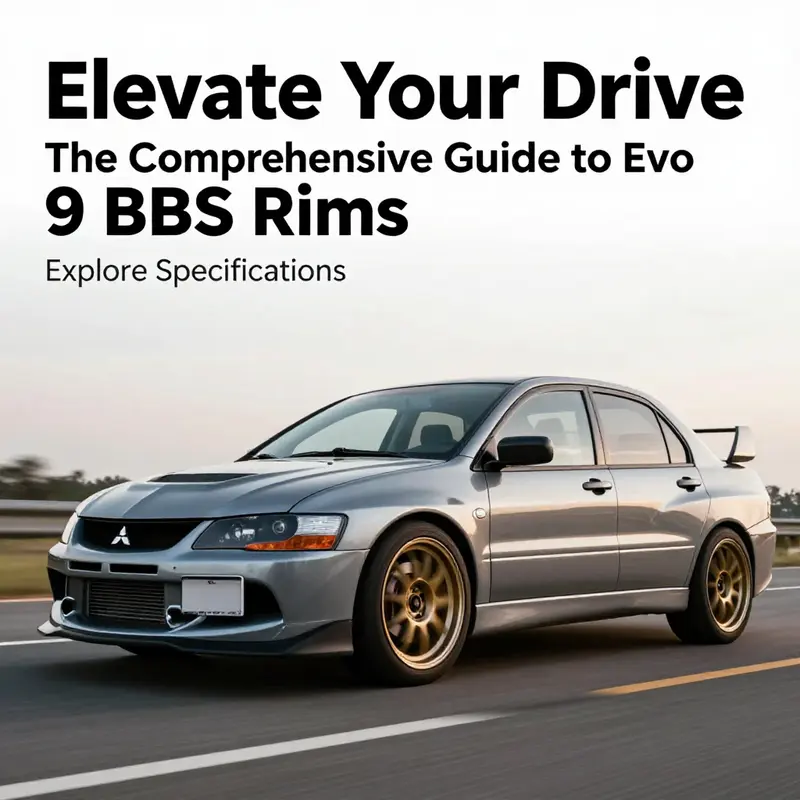
Understanding the intricacies of aftermarket wheels is crucial for car enthusiasts, particularly when it comes to optimizing the Mitsubishi Lancer Evolution 9 model. This article dissects the various aspects of Evo 9 BBS rims, which are not only known for their performance enhancement but also for their striking aesthetic appeal. From detailed specifications and performance benefits to customization options and comparisons with other market offerings, each chapter will unravel vital insights aimed at empowering business owners and car enthusiasts alike in making informed investment choices regarding Evo 9 rims.
Forged Precision: Evo IX Rim Design and Performance
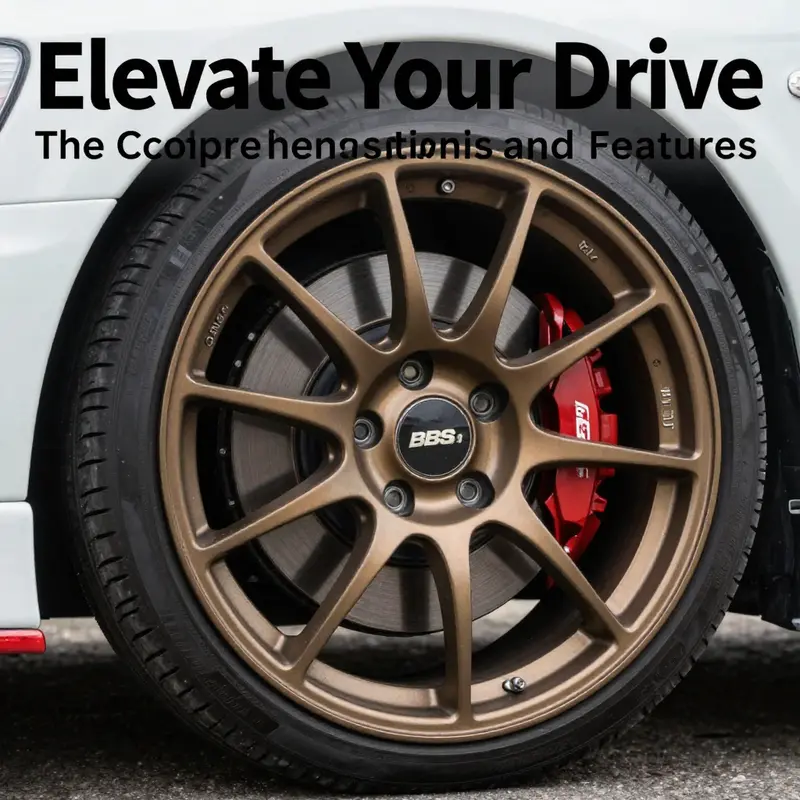
The Evolution IX’s wheel story centers on a forged, 17-inch OEM wheel with an 8-inch width, ET35 offset, and a 5×114.3 bolt pattern. Finished in gunmetal with a dual seven-spoke pattern, this design balances light unsprung mass with brake clearance and consistent tire contact. Forging reduces weight versus cast wheels, sharpening suspension response and steering feedback while improving heat management for track use and street driving alike. While aftermarket options expand diameters, widths, and offsets, the OEM 17×8 ET35 setup remains a cohesive part of the car’s dynamic package, pairing with appropriate tires to deliver predictable grip, balanced rotation, and reliable daily usability. The broader Evo IX wheel ecosystem including lighter forged varieties and alternative spoke geometries extends the same philosophy: performance through efficiency, reliability, and purposeful design.
How BBS Wheels Sharpen the Evo 9: Real Gains in Handling, Response and Balance

How BBS wheels sharpen the Evo 9: real gains in handling, response and balance
Upgrading the wheels on a high-performance car often feels cosmetic. On the Evo 9, the right wheels are far more than appearance. They change how the car communicates, how quickly it reacts, and how effectively its drivetrain and suspension work together. Much of that improvement comes from reducing rotating and unsprung mass while preserving strength and thermal performance. Wheels that manage those trade-offs well deliver measurable gains on road and track.
The most immediate benefit is lower unsprung mass. Unsprung mass includes wheels, tires, brakes, and other components not carried by the suspension. Every pound removed from this group improves how the tire follows the road. On the Evo 9, that translates to better contact patch behavior, more consistent grip through rough surfaces, and quicker steering inputs. A lighter wheel moves with the tire, not against the suspension. When a wheel hits a bump, a lighter assembly is easier for the shock and spring to control. The result is improved compliance and improved stability under braking and turn-in.
Rotational inertia is the second crucial factor. Wheels spin, so their mass affects acceleration and braking differently than stationary weight. Reducing mass at the rim’s outer edge reduces rotational inertia disproportionately. For the Evo 9, which depends on sharp throttle response and rapid directional changes, that means quicker acceleration and more immediate engine braking feedback. Less energy is required to change wheel speed, so throttle blips and downshifts feel crisper. In racing or spirited driving, this responsiveness shortens reaction times and reduces lap variation.
Strength matters as much as lightness. High-performance driving loads wheels with lateral and radial forces far beyond daily use. A well-engineered alloy maintains stiffness where needed, controlling flex under cornering loads. Excessive wheel flex alters camber and scrub radius dynamically, undercutting predictable handling. The right wheels preserve the Evo 9’s geometry and the tuning work done to its suspension. This synergy keeps the car balanced as power and grip change during a corner.
Brake cooling is another practical area where wheel design influences performance. Open, purposeful spoke layouts aid airflow to the brake package. Cooler brakes resist fade and maintain consistent pedal feel. For drivers who push their Evo 9 hard, whether on track or mountain roads, better cooling means sustained stopping power and reduced wear on pads and rotors. A wheel that balances aerodynamic modesty with venting also helps dissipate heat without drastically increasing aerodynamic drag.
Fitment and sizing choices affect handling in nuanced ways. Wider wheels allow for wider tires, increasing the contact patch at the expense of some steering quickness. Offset and backspacing change scrub radius and track width. On an Evo 9, careful selection keeps the car within the designed steering geometry while widening the stance for added mechanical grip. Standard factory wheels are a compromise for everyday use. Choosing wheels with appropriate width and offset unlocks an Evo 9’s potential, but it requires attention to clearance, fender roll, and suspension travel.
Compatibility with the car’s advanced systems is important. The Evo 9 uses a sensitive four-wheel drive system paired with tuned dampers. Wheels that are too heavy or that shift unsprung mass significantly can confuse traction management systems. Lighter, stiffer wheels allow the control systems to do their job predictably. They also complement upgraded suspension components, allowing springs and dampers to work closer to their intended ranges.
Durability and build method are part of performance conversation. Forged wheels typically offer superior strength-to-weight ratios compared with cast alternatives. Manufacturing method affects how low mass can go without sacrificing integrity. For an Evo 9 that sees track duty, choices that provide fatigue resistance and high tensile strength are wise. Yet, cost and intended use steer many decisions. Some performance-focused cast wheels still offer substantial benefits over heavier, older OEM designs.
Real-world gains depend on the full package. Tires, braking system, alignment, and suspension geometry determine how much the wheel upgrade will change the driving experience. A lighter wheel fitted with a mismatched tire or poorly set alignment can feel worse. Conversely, coupling the right wheels with sticky tires, proper camber settings, and upgraded brake lines produces a noticeably sharper car. The community of Evo owners often pairs wheel upgrades with progressive changes to suspension and brakes to extract balanced gains.
Practical considerations matter. Hub-centric fitment, correct center bore, and proper lug pattern must match the Evo 9’s specifications. Incorrect fitment can introduce vibration and premature wear. Torque specifications for lug nuts must be followed precisely to protect wheels and hub components. Tire pressure and wheel balance should be rechecked after any change. Small installation oversights can erode many of the theoretical advantages of a superior wheel.
Aesthetic and psychological factors are often underestimated. A lighter, high-quality wheel can change the driver’s confidence. That added confidence frequently translates to quicker, cleaner driving inputs. For many Evo 9 drivers, this is as meaningful as any numerical gain. A wheel that looks purposeful and feels precise in feedback encourages pushing the limits within a safer margin.
Owners considering these upgrades also watch community choices. Wheels that reliably improve handling while lasting under track abuse tend to become popular within the Evo scene. Many owners start with a set that offers clear mass and strength advantages over stock wheels. After experiencing reduced lap times, improved tire wear, and more immediate steering feel, the change becomes a key part of the car’s identity.
If you are evaluating wheel options for an Evo 9, seek units that balance reduced mass, structural strength, and appropriate sizing. Check hub compatibility and dimension specifics before purchase. For one example of fitment options listed for the Evo 7/8/9 family, see this item. https://www.ebay.com/itm/354369122697
For sourcing authentic wheels designed with Lancer applications in mind, there are listings that offer factory-style R18 sets tailored for Lancer sedans. Consider verifying center bore, offset, and bolt pattern before ordering from any retailer. A helpful resource for sourcing such options is the brand new original BBS R18 rims for Lancer sedans. (https://mitsubishiautopartsshop.com/brand-new-original-bbs-rims-set-of-4-r18-rims-for-lancer-sedans/)
When planned and installed correctly, the right wheels sharpen an Evo 9’s inherent strengths. They reveal better balance, quicker responses, and more consistent grip. More than a visual upgrade, they are a fundamental performance component.
Choosing the Right BBS Wheel Path for an Evo 9: Market Options, Fitment and Trade-offs
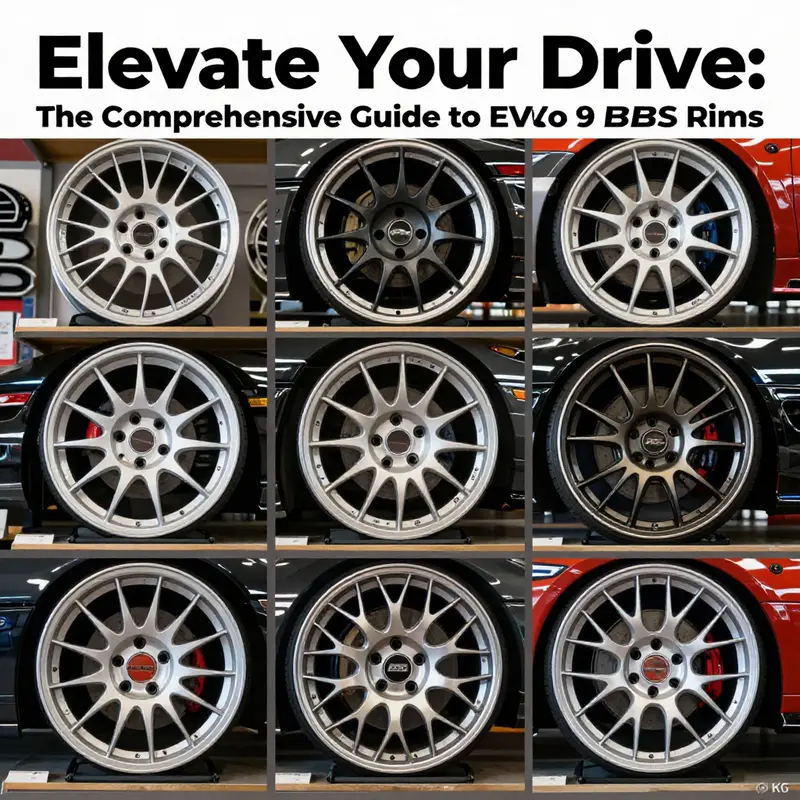
Market choices for BBS wheels on the Evo 9 stretch from factory-style OEM sets to extreme forged performance options, and each route has clear trade-offs in fitment, cost, and real-world driveability.
Enthusiasts searching for BBS wheels for an Evo 9 will find two broad camps: authentic factory or OEM-style wheels made to the original specifications, and aftermarket offerings that copy or expand on BBS designs with larger sizes, different offsets, and lighter forging. The OEM-style route preserves factory fit and clearances. It reduces the risk of modification and keeps brake clearance, ride height, and suspension geometry close to stock. Many OEM-style wheels were specified with conservative widths and offsets that work with the Evo 9’s suspension and fender geometry without rubbing. When an Evo 9 owner chooses an OEM set, they are usually buying peace of mind: predictable fitment and fewer additional parts.
Aftermarket BBS-styled wheels give very different benefits. Larger diameters, wider widths, and aggressive offsets change the car’s stance and handling. A common aftermarket configuration seen in listings for Evo 7/8/9 fitment is a 20″ staggered set, typically with 20×8.5 in front and 20×10 in the rear, paired with an offset around ET15 and a hub bore near 74.1. These dimensions push the tires outward for a wider track and a show-ready profile. On the performance side, ultra-light forged wheels produce measurable gains in unsprung mass and rotational inertia. Those improvements arrive at a significant premium and sometimes require suspension or fender work to avoid clearance issues.
Fitment details matter more than the wheel brand alone. Understand key numbers: diameter, width, offset (ET), and center bore. Offset dictates where the wheel sits relative to the hub and suspension; negative or low offsets move the wheel outward, while higher offsets tuck the wheel inward. Width determines the recommended tire size and can affect rubbing on full lock or compression. Bore and hub-centric design influence whether a set will sit true on the hub or require hub-centric rings. Brake caliper clearance is non-negotiable—many performance brake kits require specific wheel inner dimensions. When a seller lists a wheel as “fits Evo 7/8/9,” confirm the exact specs to match your variant.
Buying used versus new presents its own calculus. Used OEM sets can offer excellent value. Verify the wheel’s history, check for bends, cracks, and repairs, and insist on clear photos of the inner and outer lips. Corrosion on the inner barrel, repaired cracks, and previous welding are red flags. A cosmetically scratched wheel can be fixed affordably; structural damage cannot always be safely remedied. New aftermarket sets provide warranty and guaranteed finish, but may require additional budgets for adaptors, spacers, or fender work when stepping outside stock sizes.
Authenticity and provenance deserve scrutiny. Many online marketplaces feature genuine factory wheels alongside replicas and licensed alternatives. Authentic sets usually bear clear casting marks, part numbers, and center caps that match manufacturer patterns. Replica markets often sell visually similar styles at lower cost; however, construction methods, material quality, and load ratings vary widely. When buying high-value forged wheels, request certification, detailed photos of serial numbers, and seller references. A low price on a set advertised as a limited forged item should invite more questions than excitement.
Installation considerations influence market choice. If you select wider or lower-offset wheels, you may need wider tires, different wheel studs or lug nuts, and attention to TPMS sensors. A slight stretch or a change of tire aspect ratio can keep overall circumference similar, preserving speedometer accuracy and gear ratios. Wheel spacers can correct offset problems but add risks: they change hub load and require proper hub-centric spacers and extended studs. For daily driven Evos, conservative changes reduce the chance of noise, vibration, or premature wear.
Ride quality shifts with wheel and tire combinations. Larger diameter wheels typically demand lower-profile tires. Lower-profile tires transmit more road harshness. Conversely, lighter wheels reduce unsprung mass and improve responsiveness. Owners who chase show-car aesthetic with 20-inch wheels often accept a firmer ride. Those focused on handling favor lighter, slightly smaller diameter forged wheels with wider contact patches and the correct offset for mechanical grip.
Pricing and availability shape decisions. Marketplace listings vary from affordable OEM sets to rare forged models with collector-level pricing. Limited production performance wheels, especially high-end forged options made for homologation or track-focused builds, command steep prices and sell quickly when available. For many, e-commerce auctions and classified platforms are primary sources for both new and used sets. That route allows buyers to compare multiple offers. It also requires diligence in checking seller ratings, return policies, shipping costs, and import taxes where applicable.
Refurbishment and finish options extend life for older wheels. Professional refinishing can restore outer lips, repaint centers, and reseal barrels. Powder coating provides durable finishes but can change the wheel’s heat dissipation slightly. Pay attention to the finish; certain polished or clear-coated rims demand more maintenance to prevent staining and corrosion, especially in climates with road salt.
Practical fit tests are invaluable. Before committing to a set that deviates from factory specs, mock up one wheel on the hub to check for caliper clearance and alignment with fenders. Many shops will trial-fit wheels and temporarily mount a tire to confirm no rub on lock and under compression. Ask a trusted installer about the need for camber adjustments, trimming, or arch rolling. A reliable installer will recommend the most conservative solution that produces the look without compromising safety.
Finally, the market for Evo 9 BBS wheels is diverse. OEM-style wheels cater to owners prioritizing reliability and ease of fitment. Aftermarket forged and wide-staggered sets serve those chasing reduced weight, unique aesthetics, or wider tracks for improved cornering. Each path involves trade-offs across cost, ride comfort, and the amount of additional work required. When evaluating offerings, focus first on verified fitment numbers and wheel condition. Then weigh aesthetic wants against the realities of suspension geometry, brake clearance, and daily usability.
For a practical marketplace reference and a common OEM Evo 9 SE wheel listing, see the eBay listing of an OEM set: https://www.ebay.com/itm/Mitsubishi-OEM-Evo-9-SE-BBS-Wheels-4250A866-Set-of-4/
For a related inventory option that highlights R18 replacement rims for Lancer models, consider this resource offering a factory-style R18 set: brand-new original BBS R18 rims for Lancer sedans.
Evo 9 BBS Rims: The Visual Power and Personal Craft of Custom Wheel Fitment

When a Mitsubishi Evolution 9 wears a set of forged wheels with a brand-characteristic silhouette, it does more than simply ride on new armor. It speaks a language of balance between lightness, strength, and the eye. Wheels are the interface between the road and the car’s intent, and in the Evo 9, the choice of BBS-styled rims marks a deliberate statement about how a driver wants the car to behave and how it should be perceived on the street or at the track. The aesthetic is immediate. The bronze-toned finish or the high-contrast satin surfaces catch sunlight in a way that highlights the chassis lines and the car’s aggressive stance. Yet the impact goes far beyond color and shine. Lightweight forged alloys reduce unsprung mass, sharpening steering response and improving the wheel’s ability to follow the pavement’s irregularities with less inertia. That dual role — enhanced dynamic performance and a sharper, more purposeful look — is what makes the Evo 9 a particularly fertile ground for wheel upgrades. Aesthetics become an extension of the driving philosophy, and the car’s visual language aligns with the discipline required to extract higher performance from the chassis.
The specific measurements you’ll commonly encounter in a BBS-styled setup on the Evo 9 reflect a careful calibration between front axle load, steering geometry, and the broader stance the owner wants to achieve. A popular configuration pushes a 20-inch wheel to the front with a width around 8.5 inches, and a 20×10-inch rear to maintain a staggered balance. The offset, or ET, in this arrangement often sits at a modest value, around ET15, to preserve fender clearance while enabling a wider rear track. The hub bore, about 74.1 millimeters, is a reminder of how precision fits matter: the hub-centric interface reduces vibrations and ensures that the wheel, not the studs, bears the load straight from the hub. When the wheels are matched with tires known for their grip and response, the result is not just a sharper cornering personality but a more communicative steering feel. The difference between a static, aesthetic upgrade and a functional performance upgrade can be subtle, but on the Evo 9, it is a difference that you can measure in seat-of-pants feedback and in the way the car plants itself through a rhythmical sequence of corners.
In practice, the wheel’s diameter and width influence the tire’s sidewall profile, which, in turn, affects the car’s ability to absorb road irregularities and transmit precise information back to the driver. The 20-inch diameter offers a contemporary look that complements the Evo’s lines, but the real story lives in the width distribution between front and rear and how that distribution interacts with the suspension tuning. A wider rear wheel improves traction and helps the drivetrain to plant power more efficiently on exit from corners, while the slightly narrower front wheel sustains nimble steering and a predictable turn-in. It’s a balance that a skilled tuner and driver refine over time, testing how much grip can be coaxed from the tire compound without pushing the handling into a harsh, unpredictable zone. The visual drama of bronze or silver spokes is not merely cosmetic; it is a signal that the wheel package is tuned to be as communicative as possible, so the driver can sense the limits and push beyond them with confidence.
Customization is the other side of the coin. BBS-styled rims open a broad field for personal expression, letting owners choose from finishes that align with their car’s color and body kit, or to contrast in a way that makes the wheels the focal point of the vehicle’s presence. The surface treatment options — bright polished, matte black, or titanium-like hues — let each Evo 9 wearer craft a look that mirrors their driving philosophy, from track-focused minimalism to street-legal showmanship. The choice of size is not arbitrary; it is a deliberate step in harmonizing wheel and tire geometry with the car’s suspension geometry and braking performance. For those who prefer a more aggressive look, a slightly wider front and rear pairing can be paired with corrected ride height and rolled or lightly modified fender arches to achieve flawless clearance. The result is a cohesive aesthetic where every element, from caliper color to spoke finish, communicates intention.
For those who want to explore options beyond a simple upgrade, there is a meaningful continuum of customization that can begin with a look and move toward a performance objective. The wheel package can be paired with high-performance tires that match the grip level and sidewall stiffness required by the Evo’s drivetrain and chassis dynamics. The interplay between tire and wheel is crucial: a properly chosen tire compound and profile ensures that the wheel’s lightness translates into tactile feedback and predictability during aggressive driving. In this sense, the wheel choice is also a chassis tuning tool, enabling a driver to tune the balance between rotation inertia, steering effort, and suspension compliance. Such a mindset elevates wheel selection from a cosmetic upgrade to a core component of the car’s driving personality.
Within the broader ecosystem of Evo 9 modifications, the wheel choice sits alongside a spectrum of options, from the subtle to the spectacular. Owners often look to align a wheel’s look with the vehicle’s stance and aero elements, including spoilers and side skirts, to achieve a unified visual language that speaks of precision engineering and a driver’s commitment to performance. The idea is not to simply fill the wheel wells with the largest possible diameter, but to craft a wheel-and-tire package that integrates with the car’s structure, brake system, and suspension geometry. When done thoughtfully, the result is not just a set of rims but a coherent performance strategy that communicates through the car’s posture and demeanor. The balance between the static image and the dynamic behavior is where the Evo 9’s wheel upgrade becomes a narrative of craftsmanship rather than a mere swap.
To connect the narrative to the hands-on approach of the community, consider how a wheel kit might be discussed in the context of shop catalogs and forums. The practical details matter: bolt circle compatibility, hub-centric alignment, the need for spacers in certain configurations, and the option to apply center caps that enhance the wheel’s visual proportion. The conversation often threads back to the core question of fitment: will the wheel fit without rubbing at full lock, under compression, and with a realistic load on the tire? In many builds, the answer involves a combination of precise off-the-shelf measurements and a subjective assessment of the car’s stance and responsiveness on the road. The imagined harmony between form and function is what turns a wheel upgrade into a lasting enhancement rather than a transient alteration.
For readers who want a tangible entry point into this world, a widely circulated example of a BBS-style wheel set offers front and rear dimensions that illustrate the staggered approach and offset considerations discussed above. These configurations demonstrate how a 20×8.5 front wheel and a 20×10 rear wheel with ET around 15 can deliver both the aggressive look and the improved mechanical balance that enthusiasts seek. The conversation around such wheels naturally invites a broader reflection on how wheel design—down to the bore diameter and the precise offsets—contributes to the Evo 9’s evolving identity as a performance icon.
brand-new-original-bbs-rims-set-of-4-r18-rims-for-lancer-sedans
As the hobbyists and professionals continually test, compare, and refine, the Evo 9’s wheel ecosystem remains a vivid example of how a chassis can be sculpted through a thoughtful combination of aesthetics and engineering. The lineage of a wheel from concept to on-car reality tells a story of weight reduction, improved steering feedback, and a look that signals a driver’s intent. The car’s stance, its color palette, and the wheel’s finish converge into a single, coherent expression: a sophisticated fusion of heritage and modern performance. And while the specifics of offsets, widths, and bore sizes matter, the broader truth remains simple — wheels are the tactile interface where design intent meets road reality, and the Evo 9, with its BBS-inspired lineage, embodies that intersection with particular clarity.
External reference: https://www.ebay.com/itm/354369122697
Forged Heritage on the Edge: EVO 9 BBS Rims Revisited
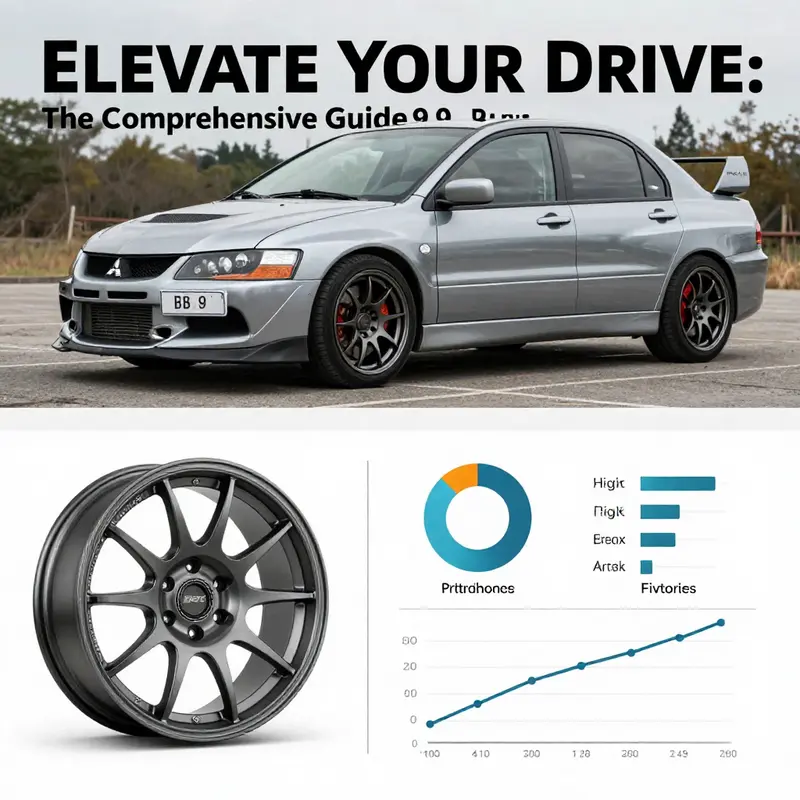
The EVO 9 MR’s tuned chassis is deeply intertwined with its wheel package. Factory BBS forged wheels, 17-inch diameter with 8J width on both axles, 5×114.3 bolt pattern and an ET35 offset, contributed to a precise balance between grip, steering response, and brake clearance. The forged construction keeps unsprung mass low and supports the MR’s agile handling at the limit.
Beyond the MR, enthusiasts view forged wheels as a way to recapture that balance when original BBS rims are scarce. Alternatives from other brands offer lighter alloys and similar strength, but you may trade fitment precision or caliper clearance for broader availability or different aesthetics. The key considerations are weight, spoke geometry, caliper clearance, and offset compatibility with the Evo 9 suspension and Brembo brakes.
In practice, many owners assess a few core questions: how light can a wheel be while remaining durable enough for track days? will the chosen wheel clear the calipers at full lock and during aggressive suspension travel? does the offset preserve the intended tire contact patch and steering feel? When specified with care, forged aftermarket wheels can preserve the Evo 9’s character while delivering sharper response and a lighter, more willing turn-in.
For readers exploring a broader view of the brand, the BBS lineage remains a reference point for how a wheel integrates with a high-performance chassis. Even as owners explore contemporary forged options, the look and feel of the BBS MR setup continue to symbolize a pinnacle of engineering harmony between wheel, tire, suspension, and brakes.
Final thoughts
As a dedicated enthusiast or business owner in the automotive sector, investing in Evo 9 BBS rims is a decision driven by both performance and aesthetic desires. By understanding the specifications, performance advantages, market options, and customization opportunities, you can confidently enhance your vehicle’s capabilities and visual appeal. The world of BBS rims offers significant potential for cars like the Evo 9, making it a pivotal choice in capturing both power and style on the road.