
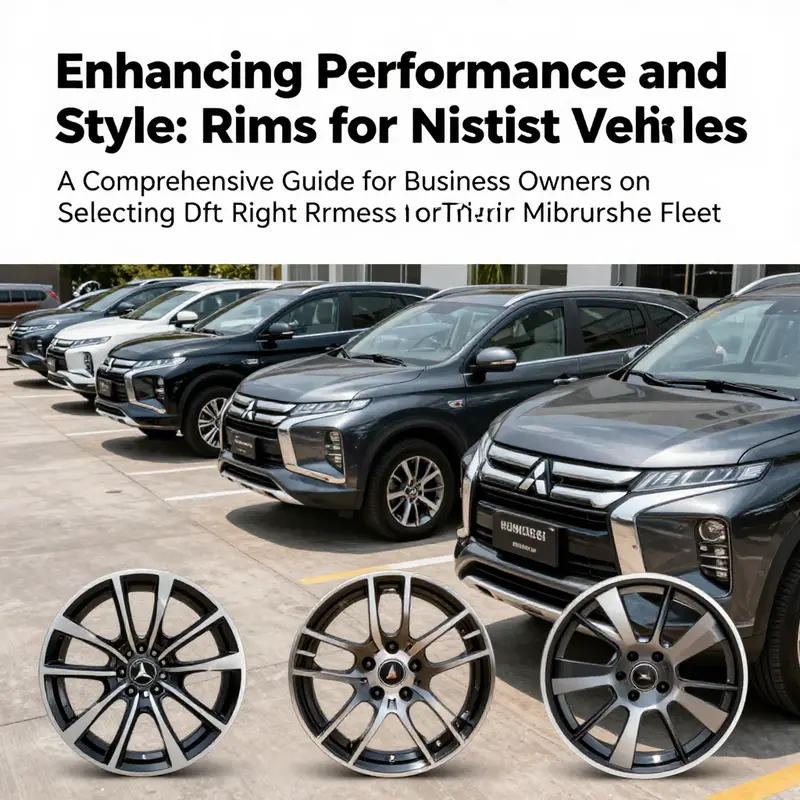
Mitsubishi vehicles, renowned for their reliability and performance, require precise specifications for optimal functioning when it comes to rims. Understanding the various types of rims suitable for different Mitsubishi models is vital not only for aesthetics but also for performance efficiency. Each model, from the sporty Lancer to the rugged Pajero, has unique requirements, and knowing how to choose the right rim is essential for business owners managing a fleet or considering replacements. This guide will delve into the specific applications of rims in different Mitsubishi models, analyze materials and their performance characteristics, offer insights into market choices and purchasing recommendations, and explore the environmental and technological factors influencing rim selection.
轮毂选择与应用:为三菱车型匹配性能、舒适与耐用性
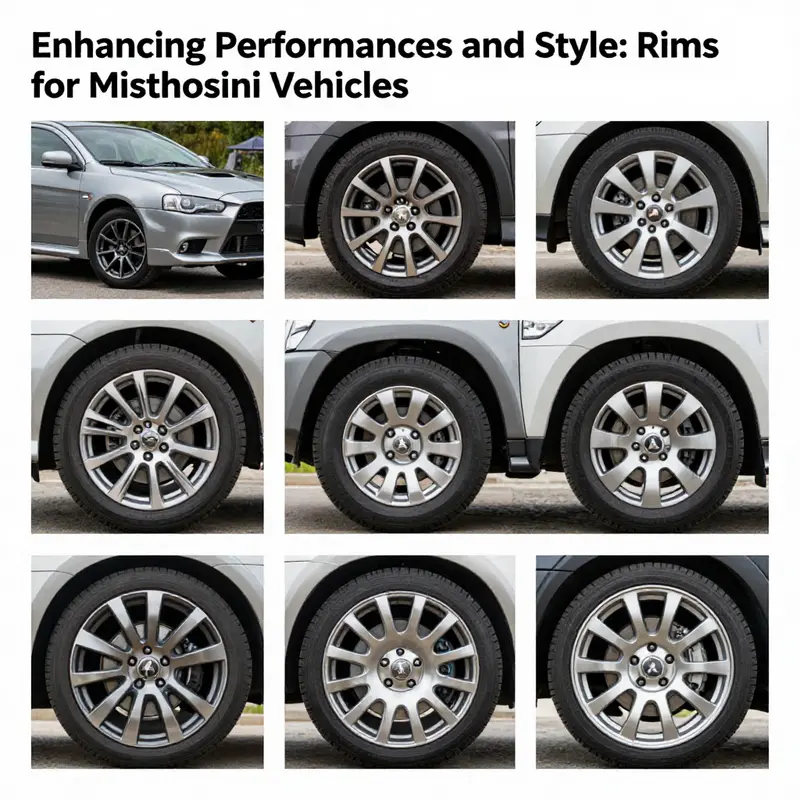
三菱车型对轮毂的需求反映了它们各自的设计初衷与使用场景。紧凑型轿车往往追求轻量和燃油经济性,而高性能版则更看重刚性、散热和抓地力。越野车型侧重于强度和抗冲击能力。理解这些差异,有助于在更换或升级轮毂时做出理智的取舍。本文围绕轮毂的实际应用展开,讲清关键参数如何影响安全和性能,并提供实用判断的思路,帮助你为不同三菱车型选择最合适的轮毂组合。
轮毂尺寸是最直观的选择变量。小尺寸轮毂配合更高的胎壁,能提供更好的舒适性和吸收冲击的能力。举例来说,很多基础或中低配的三菱轿车出厂配置16英寸铝合金轮毂,搭配中等宽度的轮胎,目标是日常驾驶的舒适与稳定。增大到17英寸常被视为性能与舒适的折中方案,能够在不显著牺牲缓冲性的前提下,改善操控响应。升至18英寸及以上,则明显偏向视觉效果和操控极限,但代价是胎壁降低,对颠簸的过滤变差,简单的路面不平可能被更多地传递进车内。
但尺寸只是开始。轮毂的物理参数决定了它是否能安全安装,以及装上汽车后的动态表现。首先要考虑的是螺栓孔节圆直径(PCD)。许多三菱轿车采用5×113或5×114.3这类常见规格。PCD必须严格匹配,否则车轮无法对准车轴。偏差不是小问题,哪怕只差一个型号,都可能导致安全隐患。其次是偏距(ET)。这是轮毂安装面与轮毂中心线的距离。正的ET值让轮毂更偏向车内,负的则往外突出。偏距决定轮胎相对于车身的摆放位置,影响车轮是否会与悬挂、刹车卡钳或车身内衬干涉。选择过大的负偏距有时能让车看起来更宽更犀利,但也会增加轴承和转向系统的负荷。
轮毂宽度,也就是J值,决定了能够装配的轮胎断面宽度范围。更宽的轮毂可配更宽轮胎,从而提升接地面积和抓地力,但同时也可能影响燃油经济性和转向的轻快感。轮毂宽度与轮胎高度需要配合,避免轮胎与车身内侧发生摩擦。最后是中心孔径(中心孔),这是轮毂套在车轴中心的空腔。原厂中心孔通常能确保轮毂同心,减少振动。若轮毂中心孔大于车轴孔,则需要使用合适的垫圈或中心环来保证同心性。
材质与制造工艺直接影响轮毂的重量、强度和散热性能。铝合金轮毂因轻质和良好散热效果,成为轿车和运动版最普遍的选择。它们在减少不悬挂质量方面尤为重要,这有助于提升转向灵敏度和悬挂响应。钢制轮毂虽然更重,但价格低廉、耐冲击,适合越野或商用场景。多片式或分体轮毂提供了强度与维修便捷性的平衡,常用于需要大承载力或频繁维修的车型环境。无论材质如何,制造工艺和设计的合理性决定了耐久度和可靠性,尤其是在高负荷或极端温度环境下。
在不同三菱车型上的具体应用也各有侧重。例如,性能导向的紧凑车在出厂时往往配备较轻的铝合金轮毂,尺寸随版本不同而变化,从16英寸到20英寸不等。对追求操控的车主而言,17英寸通常是最具性价比的升级选择:既能提升操控反馈,又不会过度牺牲舒适性。18英寸和19英寸轮毂更适合追求极致视觉或赛道表现的用户,但这要求配套更高级的悬挂和制动系统作为支撑。越野车型则更常见高强度的钢轮或低偏距的铝合金轮圈,以抵抗石块和坑洞带来的冲击。在市区通勤、长途巡航或轻度越野间切换使用的多用途车型上,选择更耐用并易于维护的轮毂显得尤为重要。
改装时有几项实用规则必须遵守。首先,核对所有关键尺寸:PCD、中心孔、偏距与轮毂宽度。其次,确认轮胎外径与原厂轮胎外径的偏差在允许范围内。过大的直径差会影响车速表、变速箱换挡逻辑以及ABS系统的工作。第三,考虑制动系统的兼容性。更大直径或更宽的轮毂可能需要更大的空隙来容纳制动卡钳或通风盘。第四,别忽视轮胎压力监测系统(TPMS)和螺栓/螺母规格。若更换轮圈需使用不同规格的螺母,则必须使用与可靠度相匹配的紧固件,以保证安装安全。
真实应用中,选择轮毂要在外观、操控、耐久与预算间平衡。想要更好操控但预算有限,可先从轻量化的铝合金入手,并选择一对合适的17英寸轮圈。若对视觉效果有更高要求,可考虑18英寸或19英寸,但别忘了同时检查胎压、悬挂和制动器的承受能力。越野用户应优先考虑抗冲击性强的轮圈和更厚的胎壁,以免在恶劣路况下频繁受损。无论目标如何,安全第一:改装前最好咨询专业技师,并在改装后进行四轮定位和试驾调校。
采购渠道也影响最终体验。市场上既有原厂规格的直接更换轮毂,也有大量适配型号可供选择。电商平台和轮毂专业店通常会标注“保证适配”或提供适配查询工具,但车主仍需核查关键参数,避免盲目下单。若购买二手轮毂,要特别注意是否存在弯曲、裂纹或修复痕迹。轮毂的涂层和防腐处理也不容忽视,尤其在多盐或湿润环境中使用时,表面保护直接关系到使用寿命。
维护保养方面,定期检查轮毂与轮胎的紧固状况很重要。长期高负荷或越野使用会导致螺栓松动或轮毂变形。清洁时避免使用强腐蚀性的化学剂,以免破坏表面处理。若轮毂出现细小裂纹或弯曲,应尽快更换或修复。正确的轮胎压力和定期做四轮定位,能显著延长轮毂和轮胎寿命,提高燃油效率和行车稳定性。
对于希望找到合适轮毂的车主,有些在线资源能提供直观的配置对照和兼容性查询。若你在寻找特定尺寸或风格的适配轮毂,可以参考专门的配件目录页,其中常有针对某些车型的推荐与安装数据。17×7.5 rims fit for Mitsubishi Eclipse wheels 是此类信息的一例,能帮助确认尺寸与规格匹配。外部拍卖与零售平台也能提供大量选择,不过下单前请再次核对PCD、ET与中心孔等关键参数。
整体而言,轮毂的选择不是单一变量。适配必须基于车型使用场景、原车参数和改装目标。合理的升级可以提升外观和操控,但不当的更换会带来安全隐患与额外成本。把握好PCD、偏距、宽度与中心孔这四项核心参数,结合材质与制造质量的考量,就能为你的三菱车型找到兼顾性能、舒适与耐用性的最佳轮毂方案。更多用车与零配件信息可在常见的线上平台继续查阅与比较。
外部参考:https://www.ebay.com
Material Matters: How Steel and Aluminum Rims Shape Mitsubishi Driving
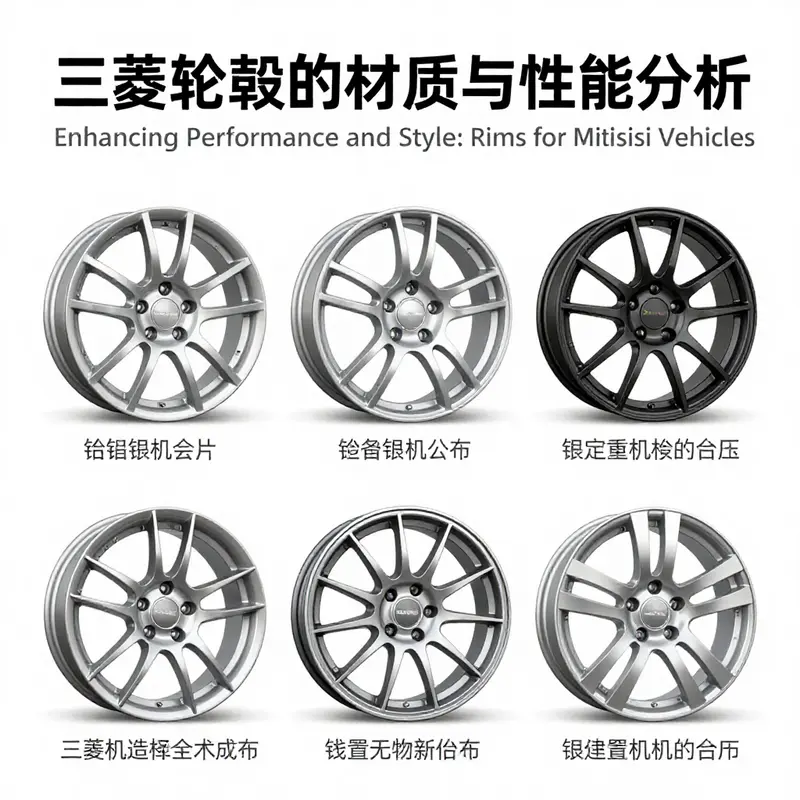
Rims are more than adornments for a Mitsubishi. They are the interface between road and vehicle, translating engine torque and suspension work into steering feel, braking performance, and daily comfort. In the broader conversation about rims for Mitsubishi, two broad families dominate the conversation: steel rims and aluminum alloy rims. Each offers a distinct philosophy of performance, cost, and practicality. The decision between them is not simply a matter of price; it is a statement about what you value most in a car you own and a reflection of how you use it, from urban errands to rugged expeditions across unfamiliar terrain.
Steel rims have long earned a reputation for rugged practicality. Their cost is typically lower than that of alloy wheels, which makes them attractive for buyers on a budget or for situations where durability under harsh conditions is a priority. The casting methods used to produce steel wheels contribute to their strength and fatigue resistance, especially when confronted with rough roads, potholes, or unpaved tracks. A steel wheel’s robustness shines when the road throws a curveball: a sharp rock, a curb scrape, or a sudden off-road obstacle. In the context of Mitsubishi models designed for endurance, such as those built for real-world, off-pavement use, steel rims can be a dependable companion.
Yet the very properties that give steel rims their strength also expose them to drawbacks. The heavier mass of steel wheels increases unsprung weight, which increases the inertia that the suspension must manage. This translates into a less nimble feel when accelerating, braking, or reacting to sudden steering inputs. In everyday driving, that extra mass can mean slightly slower acceleration and a less responsive braking response, and it can also dampen steering precision. More critically for performance and endurance, heavier wheels contribute to higher rotational inertia, which can impact fuel economy and dynamic handling, particularly in models that already pack substantial power or sport-tuned suspensions.
Heat management is another area where steel wheels lag behind. The reduced thermal conductivity compared to aluminum can make braking components more susceptible to heat buildup in demanding conditions such as prolonged highway driving, mountain descents, or repeated braking on hot days. Heat cycling can accelerate wear on brake pads and rotors, and in some cases, it can affect the tires’ performance envelope as well. Visually, steel rims often wear a utilitarian look, and unless they are powder-coated or painted, they may be more prone to rust and surface corrosion when exposed to road salt or heavy moisture over time.
Alloy rims—largely aluminum alloys in passenger and performance-oriented Mitsubishi models—present a contrasting philosophy. The core advantage of alloy wheels is their lighter weight. A lighter wheel reduces unsprung mass, which improves steering response, turn-in feel, and overall ride quality. The reduction in weight has a downstream effect on drivability: quicker throttle response, crisper handling, and better acceleration, especially when the wheel and tire package is optimized for a given chassis. In a Mitsubishi lineup that ranges from nimble compact sedans to capable crossovers, alloy rims help translate engine power into confident on-road performance while contributing to improved fuel efficiency due to lower rotational inertia.
Aluminum alloys also excel at heat management. Good conductors of heat, aluminum wheels disperse braking heat more effectively than steel wheels. That enhanced heat dissipation protects brake components from excessive heat buildup during repeated braking or spirited drives, helping to preserve braking performance and prolong component life. The practical upshot is less brake fade under demanding conditions and more consistent stopping power, which is especially meaningful for vehicles used in spirited driving or towing scenarios where braking demand is high.
From a manufacturing standpoint, alloy wheels offer tighter tolerances and more precise construction. The material properties of aluminum—strength-to-weight ratio and stiffness—enable wheels that resist flex and deformation during high-speed cornering and quick directional changes. This is part of why mainstream Mitsubishi models with alloy wheels are frequently paired with performance-tuned or sport-oriented trims; the wheels become a contributing factor to the chassis’ overall feel and confidence, particularly at higher speeds or in challenging weather conditions.
Cost, of course, remains a consideration. Alloy wheels carry higher upfront costs than steel wheels, reflecting the material and production processes involved. Yet many owners judge the performance gains and aesthetic appeal to justify the premium. The beauty of alloy wheels lies not only in lighter weight and better heat management but also in the ability to tailor styling to personal taste and to complement the vehicle’s design language. In practice, the choice often aligns with the model’s intended role within the Mitsubishi family: a Lancer or Evolution with an emphasis on agility and aesthetics may justify alloy wheels; a Pajero ready for rugged terrain and load-carrying duty might benefit more from the durability and cost-effectiveness of steel rims.
The data across model lines reinforce a trend many manufacturers follow: mid- to high-end Mitsubishi models increasingly ship with aluminum alloys as standard or preferred options. The 2012 Pajero lineup, for example, reflects this shift toward lighter, more heat-conductive wheels in mid-range and higher-spec configurations, signaling a broader corporate preference for alloy wheels in the mid- to upper-tier spectrum. In practical terms, for most drivers who spend time on daily commutes and light-to-moderate off-road adventures, alloy rims deliver a balanced blend of performance, aesthetics, and efficiency that modern driving demands.
When considering the broader ecosystem of wheel choices, the concept of “fit” rises to a central position. OEM-design matched wheels—those engineered to meet factory specifications for bolt pattern, center bore, offset, and load rating—offer a straightforward path to reliable performance. For owners who maintain an eye on factory ride feel, alignment with the vehicle’s suspension geometry, and predictable steering behavior, OEM and OEM-equivalent alloys often provide the most confidence-inspiring path. The aftermarket landscape adds another layer of choice, with various brands offering multi-piece rims, forged constructions, and styles designed to optimize performance for specific use cases, from daily driving to competitive track sessions.
Of course, the mechanics of choosing rims extend beyond the material itself. The bolt pattern, center bore, offset, and wheel width all influence fitment, brake caliper clearance, tire compatibility, and the vehicle’s overall geometry. A lighter alloy wheel that is too wide or offset too far from OEM specifications can alter steering feel, suspension geometry, and even the way air flows around the brakes. In practical terms, a driver upgrading from steel to alloy must verify these parameters to ensure no interference with brake components, wheel well clearance, or tire rub during full suspension travel. This is especially important for models with sport-tuned suspensions or aggressive tire setups.
For the enthusiast who seeks a concrete, actionable connection between material choice and real-world driving, it helps to anchor the discussion in a few everyday use cases. In city commuting with occasional highway driving, alloy wheels tend to deliver the most noticeable gains in responsiveness and handling, along with a subtle improvement in fuel economy thanks to reduced unsprung mass. For owners who embark on longer highway trips, hilly terrain, or light off-road use, the superior heat management and durability of alloys can translate to more consistent performance under load and less thermal stress on braking systems. Meanwhile, for buyers prioritizing rugged endurance and minimal maintenance in harsh environments, steel rims may still have a useful niche. The key is to align the material choice with the vehicle’s role and the owner’s expectations for long-term ownership.
In practice, the choice between steel and alloy rims for Mitsubishi vehicles mirrors a broader design philosophy: the art of balancing performance, cost, and durability. A Lancer, with its lineage of nimble handling and driver engagement, often benefits from the lean efficiency and precise feel of lightweight alloy rims. A Pajero, built to conquer rough terrain and carry payloads, benefits from steel’s resilience, while a Chariot (or other utilitarian Mitsubishi models) may lean toward steel or multi-piece options that simplify maintenance and allow for practical customization. Across these variations, the guiding principle remains the same: the material of the wheel is a critical lever that shapes how a car communicates with the road, how it dissipates heat, and how it ages under the stricture of real-world use.
For readers curious about practical paths to exploring aftermarket rim options that still respect fit and performance, a pragmatic avenue is to examine rim sets designed for Mitsubishi applications that emphasize compatibility and value. These options often present a balanced package of weight reduction, strength, and cost, with the added benefit of straightforward mounting and predictable handling. The discussion is not simply about choosing a particular brand or style; it is about ensuring that whatever rim you select harmonizes with your vehicle’s geometry, your driving habits, and the conditions you face most often. The result is a wheel package that enhances the car’s character without compromising reliability or safety.
As a closing note on the material conversation, ownership decisions often come down to a personal balance of appearance, performance, and practicality. Alloy wheels will generally serve drivers seeking a more connected, agile feel and better brake cooling, while steel wheels offer a rugged, economical option for those who prioritize durability and load-bearing capability. The Mitsubishi ethos—engineered reliability combined with a willingness to push boundaries—encourages a thoughtful approach to rims. Whether you are restoring an older Lancer, outfitting a Pajero for tough terrain, or equipping a Chariot for dependable everyday use, the alloy-versus-steel debate frames the core trade-off. It is a decision that sits at the intersection of physics and perception: the weight you shave away, the heat you shed, and the way your car’s personality emerges whenever you turn the wheel.
For readers exploring aftermarket possibilities that fit Mitsubishi models while prioritizing balanced performance and value, a practical starting point is to consider rim sets designed for Mitsubishi Lancer sedans that emphasize compatibility and fit. This option offers a way to explore styling and performance gains without compromising the vehicle’s fundamental geometry. Rim sets for Mitsubishi Lancer sedans illustrates the kind of aftermarket path that focuses on fitment reliability, even as it invites drivers to weigh weight, strength, and heat management against their budget and driving goals.
In parallel with the internal considerations, external technical knowledge continues to evolve. For a broader technical overview of rims, sizing, and how wheel geometry interacts with suspension and braking systems, external resources provide valuable context that complements model-specific decisions. A comprehensive resource on wheel sizing and related performance considerations offers grounding for readers who want to deepen their understanding beyond model-specific recommendations. External reference: https://www.wheel-size.com. This resource helps translate the theory of weight and heat management into practical guidelines for selecting appropriate wheel dimensions, offset, and load ratings for a given Mitsubishi model and driving scenario.
穿越路况与风格的边界:三菱轮毂的市场选择、尺寸哲学与购买路径
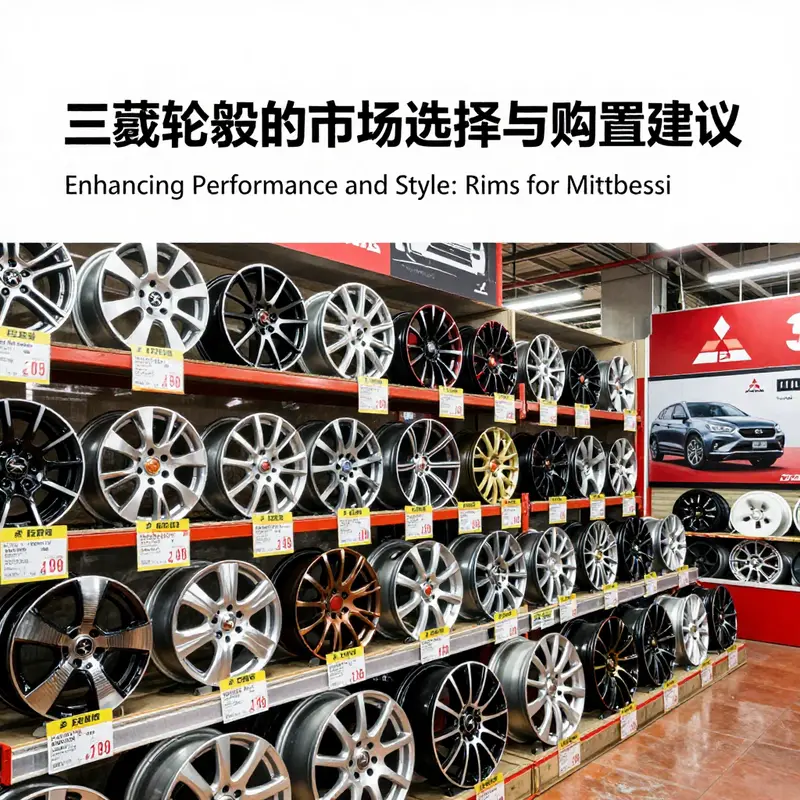
在改装三菱车系轮毂的旅程中,选购不仅关乎外观的改动,更是一次对车辆动态特性、日常使用需求与长期成本的综合评估。不同的三菱车型因用途不同,对轮毂的材料、结构和尺寸有各自的偏好。翼神(在市场中常被称作蓝瑟翼神)的轮毂,往往倾向于铝合金材料以实现轻量化和更佳的加速响应,同时维持与原厂设计的协调性和视觉一致性;帕杰罗在越野环境中要求轮毂具备高强度钢材的耐用性,尽管重量较大,但在泥路、坑洞和恶劣路况下的抗冲击能力显著提高;至于佳乐则在轮毂的用途上呈现多样化趋势,日常通勤多用钢制轮毂以降低成本与损耗,而商用车队可能偏好分体式轮毂以便维护和承载力。对于车主而言,理解这些差异就能在购置时把握好“用途-价格-耐用性”的三角关系。真正的关键在于以 OEM(原厂)设计为基准,寻求与车型匹配的一致性,同时确保新轮毂在强度、偏距和轮胎外径方面不打破原有的行驶几何与安全边界。对于希望探索更多选项的车主而言,市场上仍存在大量本地化轮毂品牌在性价比与工艺稳定性方面提供了可观的选择,这些品牌往往更贴近国内路况与监管环境,能够在价格与性能之间实现更灵活的平衡。为避免误解和不合脚的情况,最重要的步骤是对比尺寸参数、载荷等级以及与现有轮胎的匹配度,确保改装后的整套件仍然具备原厂的可靠性与安全性。除此之外,购物渠道的选择也值得细致考量。许多国际与国内电商平台声称提供“适配性保证”的承诺,但在实际操作中,还是需要通过专业技术人员的现场核对来确认最终的兼容性。这一过程并非简单地“换个尺寸就好”,而是一次对轮毂-轮胎组合、制动系统间隙、轮胎壁厚的综合评估。若你愿意深入了解具体的轮毂选项与市场走向,可以参考某些专门面向三菱改装的轮毂信息页。为便于后续查阅,相关链接在文末有一处指引。若需要看到更多具体轮毂选项,可以参阅 17-rims-fit-mitsubishi-eclipse-wheels-2018-2019-2020-2021-2022-2023-17×7-5-new。这一链接提供了17英寸轮毂在同一平台下的多样选项,有助于理解不同轮毂宽度、偏距与配合的实际效果。关于尺寸选择,章节中对翼神具体的推荐仍然是基于与原厂设计的对比分析。在确保轮毂的孔距(PCD)为5×113、中心孔径(CB)与原车匹配、偏距(ET)至少40mm以上的前提下,17英寸轮毂的综合性能在日常使用中表现稳健,且能提供较好的舒适性。对于那些追求视觉冲击力与动态表现的车主,18英寸轮毂提供更大轮胎接触面积,理论上提升抓地与高速稳定性,但随之而来的也有通路噪音、路感放大以及对悬挂系统更高的要求。最终选择应以个人驾驶风格、路况环境以及预算为导向,找到最平衡的方案。
Rims Under Pressure: How Environment and Engineering Shape Mitsubishi Wheels
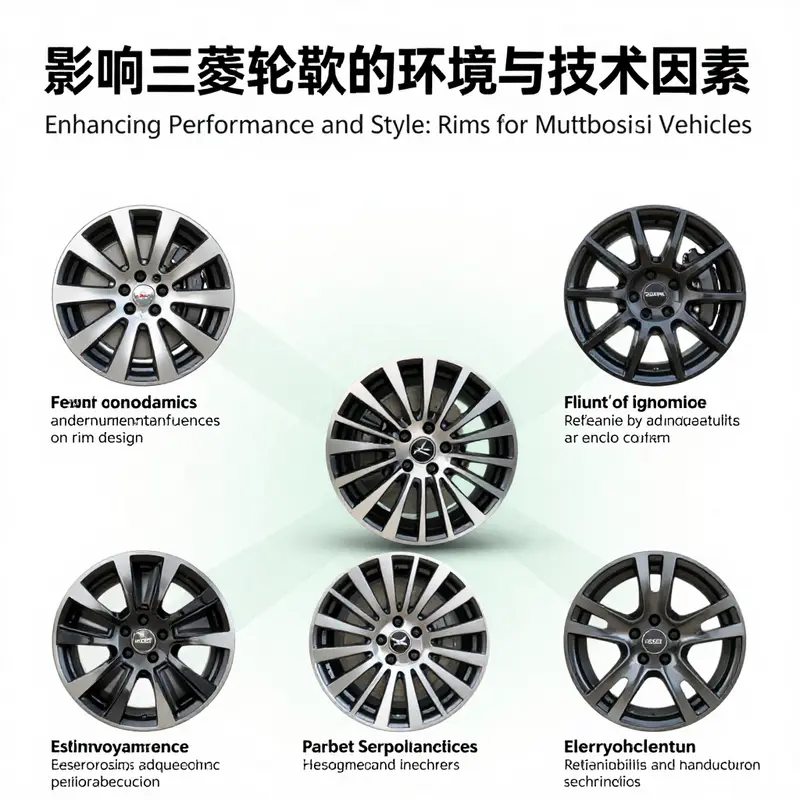
Wheels carry more than just motion. They carry the imprint of where a vehicle travels, how it is used, and the exact choices a manufacturer makes when shaping a component that blends strength, lightness, and style. For Mitsubishi models, rims are more than cosmetic accents; they are a frontline in performance and durability. The chapter that follows asks you to listen to the rims themselves—the way salt air, industrial pollutants, temperature swings, and the art of engineering interact to determine how a wheel ages, whether it stays pristine, or begins to show wear that can ripple into handling and safety. It is a story of material science meeting everyday driving, a narrative in which context matters just as much as composition.
Environment is the first dictionary in which rims are defined. In coastal cities or regions that rely heavily on road-salting practices in winter, the air carries more moisture and salt than inland areas do. Salt acts as an electrolyte, accelerating electrochemical reactions on exposed surfaces. Aluminum alloy wheels, prized for their lightness and aesthetics, rely on protective coatings to keep corrosion at bay. When those coatings are breached—by stone impact, curb contact, or simply wear over time—salt and moisture have direct access to the underlying metal. The result can be tiny pitting, discoloration, or more visible spotting that gradually undermines the wheel’s protective shield. If you live in a city where salty air mingles with humidity, you might notice a tendency toward wear that begins as faint specks and later develop into more pronounced blemishes. It’s not merely a cosmetic concern; corrosion can creep toward spoke junctions and bead seats, subtly affecting tire seal integrity and even heat distribution during braking.
Acid rain and urban air pollution compound this narrative. Industrial zones, or cities with heavy traffic and less favorable weather patterns, leave a subtle but persistent residue on wheel surfaces. The protective layer can deteriorate unevenly, allowing moisture and pollutants to adhere and corrode the finish. Over years, this wears the gloss, dulls the surface, and may degrade the coating’s protective properties. In high-temperature environments—the kind of heatwaves that stretch summer into a prolonged test—the sun’s ultraviolet rays can accelerate aging of surface treatments. A wheel that endures long exposure to sun and heat experiences more rapid oxidation at the edges and spoke areas where the coating is thinnest. The sequence may start with microcracks or micro-peeling, but the consequence is more than aesthetics: compromised coatings invite faster progression of corrosion and can culminate in spot failures if the metal beneath is repeatedly stressed during high-heat braking cycles.
Another environmental factor often underestimated is temperature cycling. Mitsubishi wheel assemblies are typically designed to tolerate wide swings between hot days and cold nights. Yet repeated thermal expansion and contraction can strain coatings and sealants. In regions with harsh winters and heated summers, the cycle can repeatedly stress even well-applied finishes. This is more than a surface issue; expanded and contracted rims may experience micro-motions at the hub interface, which, if combined with a compromised coating, can lead to microcracks expanding over time. Even without obvious damage, the cumulative effect of environmental exposure subtly shifts how a wheel responds to braking, steering, and suspension inputs.
The second half of the story is the engineering behind the wheel. Aluminum alloy is favored for its balance of weight and strength, yet the alloy is only as good as its protective journey from the factory to the road. The best wheels rely on modern surface treatments—anodizing, electrocoat or electrostatic powder coatings, and sealed polymer layers—that create a dense, continuous barrier against moisture and salts. The quality of these layers matters as much as the base metal. A thickness that is too thin, a coating that isn’t uniform, or an adhesive failure at the rim edge invites early exposure of the substrate to the environment. The protective armor also has to be compatible with the vehicle’s heat management system. When braking, a wheel’s near-hub region can reach elevated temperatures. If the coating near the heat source degrades more quickly than elsewhere, you end up with localized vulnerability where wear is most likely to begin.
Beyond coatings, the structural integrity of the wheel itself is a product of manufacturing quality and process control. Even within the same model line, batches can differ in subtle ways. Casting quality, forging stability, and the presence of microscopic voids or impurities can create weak points that become focal zones for corrosion, particularly when the wheel sustains minor impacts. A wheel that has experienced a small bend or scratch may retain its functional shape, yet the exposed area can corrode at a faster rate because protective layers fail at damaged zones. This is why fitment, balance, and inspection matter as much as the color and finish of a rim. When a wheel and tire combination is tuned for a specific Mitsubishi chassis, any mismatch in hub bore, offset, or caliper clearance can introduce localized stress and heat pockets, accelerating coating wear in unpredictable ways. In short, the wheel is a system: the alloy, the coating, the hub interface, the brake system, and the driving environment are a single, interdependent network.
All of this points toward a practical philosophy for owners and enthusiasts who chase longevity and performance. First, prioritize quality in both material choice and surface treatment. OEM wheels are designed with a factory-level durability profile that accounts for typical regional climates. While aftermarket options can offer customization and price advantages, they should come with credible documentation of coating systems, thickness, and protective finishes. The market is broad, and there are options that meet or exceed factory standards, but the risk of substandard finishes or poorly applied coatings exists where quality control is uneven. Second, be mindful of environmental exposure. If your drive includes coastal routes, frequent winter use of road salt, or heavy air pollution, plan for more vigilant wheel care. Third, routine maintenance matters more than most drivers realize. Cleanliness, appropriate cleaners, and careful drying preserve finishes. Some cleaners are too harsh for modern coatings and can degrade protective layers; others might leave residues that attract moisture. A gentle, neutral cleaner paired with thorough drying after washing remains a reliable approach for preserving finish and structural integrity.
Maintenance, however, is not just about cleaning. It is also about inspection. Regularly examine wheel faces for chips, cracks, or signs that coating has separated from the substrate. Pay particular attention to the bead seat area and the inner hub region, where heat and road debris can contribute to micro-damage that accelerates corrosion if water and salt become trapped. If you encounter bubbling, flaking, or pitting, it is not just a cosmetic issue. These signs point to the protective layer failing and the metal becoming exposed to reactive elements. Addressing them early—through professional refinishing, re-coating, or, when necessary, wheel replacement—can prevent a small problem from becoming a structural concern that affects wheel life and performance.
The discussion would be incomplete without recognizing how the wheel’s relationship with the rest of the vehicle matters. A wheel that aligns poorly, or one that is not correctly balanced, can suffer from abnormal wear patterns on the coating as it experiences irregular loads. In turn, that abnormal wear can create sites where corrosion accelerates. The brake system, too, is an ally or an adversary to wheel longevity. Excessive heat or poor heat dissipation can regionally degrade coatings faster, as mentioned earlier. This is not simply about performance at the track; it is about real-world durability, where a wheel must perform under daily stresses—heavy rain, highway travel, and urban stop-and-go traffic—without compromising safety or aesthetics.
All of these layers—the environment, the coating technology, the quality of manufacturing, and the harmony with the braking and suspension systems—combine to define how a Mitsubishi wheel ages. For owners contemplating upgrades or replacements, the core message remains practical and hopeful: select well-finished, well-fitted rims from reputable sources, maintain a disciplined cleaning and inspection routine, and be mindful of regional conditions that challenge wheel finishes. When the right choices are made, the wheel not only looks strong but performs with lasting resilience under a wide array of conditions.
For readers seeking a concrete pathway to balance performance with protection, consider rims designed for Mitsubishi Lancer sedans. Rims that are specified for a particular chassis often reflect a careful calibration of weight, strength, and finish that resonate with the car’s overall design philosophy. See a relevant catalog entry that discusses fitment considerations and the importance of choosing rims aligned with the vehicle’s geometry and load profiles. Rims for Mitsubishi Lancer sedans. This link provides a sense of how a reputable part catalog frames the conversation around fit, finish, and long-term durability, while keeping the discussion anchored to real-world usage rather than abstractions.
In closing, the environmental narrative and the engineering narrative cooperate to decide the life of a wheel. The more you understand the interplay—the salt and sun, the heat and cold, the coating systems, and the mechanical interfaces—the better you can protect those rims. You can extend their lifespan, preserve their appearance, and sustain the performance you expect from a Mitsubishi chassis. The journey from factory finish to years of reliable service hinges on attention to detail and a measured commitment to care. The wheel becomes not just a round metal element but a lasting companion in the drive, one that endures the test of place and purpose with a quiet confidence.
External reference for deeper reading on alloy wheel protection and care is provided by a leading automotive publication. For a thorough exploration of corrosion mechanisms, protective strategies, and practical maintenance guidance, see Car and Driver’s feature on How to Protect Your Alloy Wheels. https://www.caranddriver.com/features/a29067844/how-to-protect-your-alloy-wheels/
Final thoughts
Choosing the right rims for Mitsubishi vehicles is essential for optimizing performance, ensuring durability, and enhancing aesthetics in business applications. By understanding the specific requirements for each model, the material differences, and various market options available, business owners can make informed purchasing decisions that benefit both their fleet’s functionality and visual appeal. Recognizing the technological advancements and environmental factors influencing rim design further enables informed decisions that can lead to better performance and lower operational costs. Investing in the right rims today can significantly impact your fleet’s long-term success and reliability.