
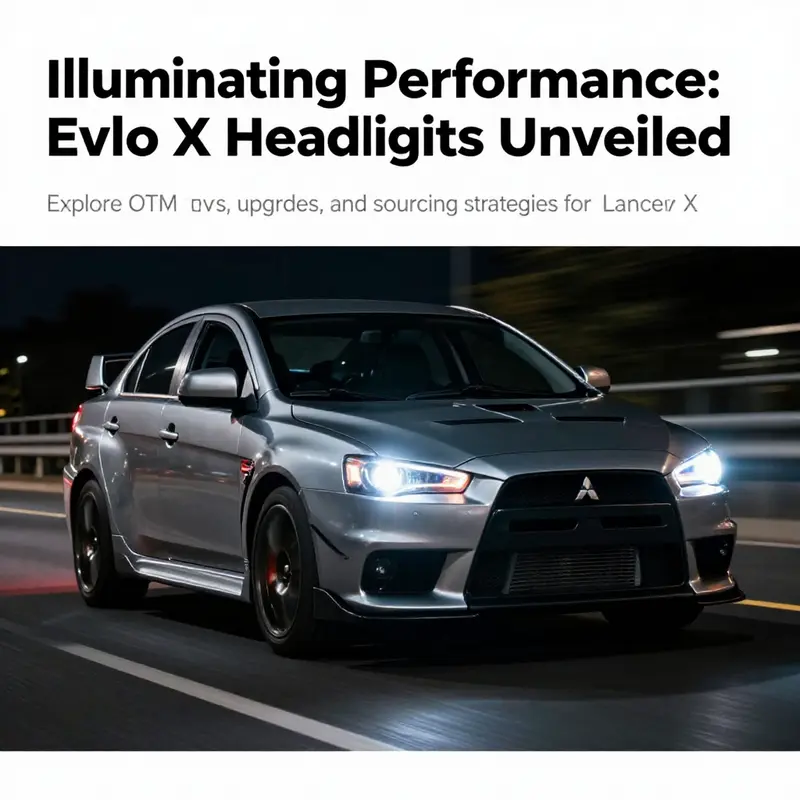
Understanding the headlights of the Mitsubishi Lancer Evolution X (Evo X) is essential for business owners in the automotive aftermarket industry. As a revered model renowned for its power and distinct design, the Evo X features uniquely engineered headlights that embody both aesthetics and functionality. The evolution of headlight technology—from Original Equipment Manufacturer (OEM) designs to modern aftermarket upgrades—opens avenues for enhanced visibility and styling options. Through our exploration, we will detail the OEM characteristics of these headlights, delve into upgrades like LED and HID options, spotlight leading aftermarket products, unravel global sourcing strategies, and examine the legal and aesthetic considerations that come with upgrading Evo X headlights. This multi-faceted approach not only builds your understanding but also equips you to make informed business decisions in the evolving automotive lighting market.
Evo X Headlight DNA: How OEM Design Balances Aggression, Function, and Fit
Evo X Headlight DNA: How OEM Design Balances Aggression, Function, and Fit
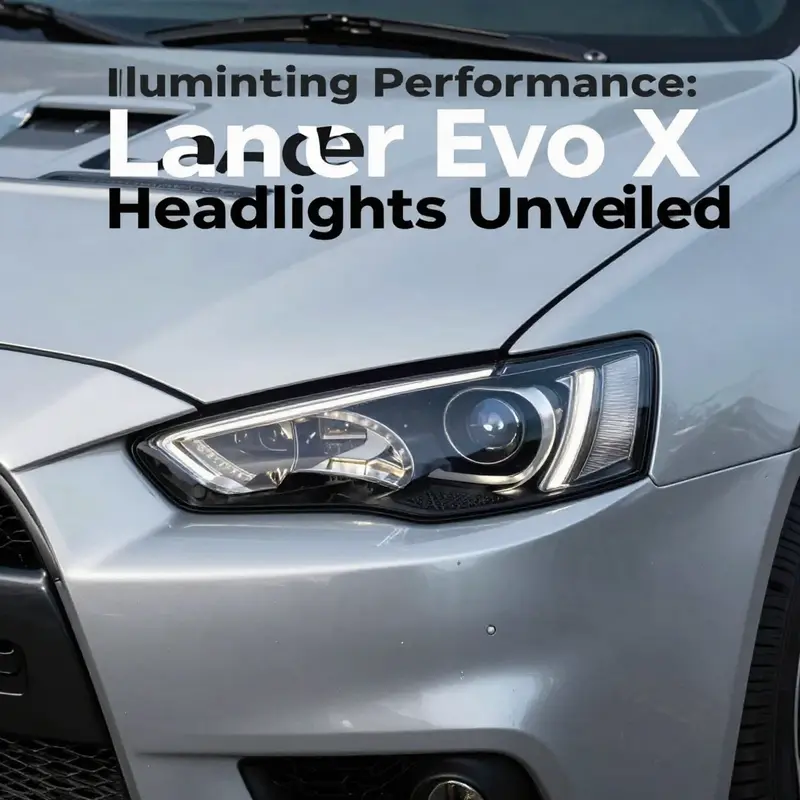
The factory headlights on the Lancer Evolution X do more than illuminate the road. They are a carefully engineered component that ties styling, aerodynamics, and lighting performance into a single visible statement at the car’s face. Examining the OEM units reveals why they earned respect among owners and tuners alike. The design choices made by the manufacturer reflect a clear priority: deliver usable light, preserve the car’s aggressive character, and integrate seamlessly with the Evo X’s mechanical systems.
At the core of the factory headlamp is a projector-based optical solution. Projector lenses control the beam more precisely than traditional reflector bowls. They throw a focused pool of light with a distinct cutoff line. This sharply defined cutoff reduces glare for oncoming drivers and concentrates illumination where it matters. The projector arrangement in the OEM unit is sized and tuned to the halogen light source, creating a balance between wide peripheral illumination and a long, clear reach down the road. That balance is especially valuable on twisty roads and at speed, where both lateral visibility and forward distance matter.
Halogen bulbs were chosen as the original light source for reasons of compatibility and predictability. They produce a warm, slightly yellow-white tone that penetrates fog and rain well. Halogens also draw modest current and require no complex ballasts, which simplifies integration with the vehicle’s electrical system. Using halogen bulbs kept warranty and maintenance straightforward for buyers, while delivering dependable performance across climates. Designers tuned the reflector geometry and projector optics around that light temperature to maintain a consistent beam pattern under real-world conditions.
Beyond optics and bulbs, the headlight assembly serves as a styling anchor. The Evo X’s front end is low and wide, with a deliberate, predatory stance. Headlamp housings follow that visual language with sharp angles and a “shark-nose” profile that reads aggressive even at rest. Those angles are not purely aesthetic. The housing shape is molded to the bumper, grille, and fender lines so the headlight becomes an extension of the car’s aerodynamic plan. In some configurations the assembly includes channels or vents that help manage airflow into the engine bay and brakes. These channels are subtle, but during spirited driving they aid cooling and help the package behave predictably at speed.
Fitment and integration are two areas where OEM units excel. The factory lights bolt into dedicated mounting points and align with factory adjustment procedures. That means replacement or service is straightforward. Owners can retain the original bumper, grille, and ancillary lighting without cutting, trimming, or custom mounts. This plug-and-play nature protects resale value and reduces the time and cost of repairs after collisions. Electrical connectors are matched to the vehicle harness, and the internal signal and parking lamp functions are wired to behave according to the car’s signaling logic. For owners who prefer to keep the vehicle original, this level of integration is essential.
Durability factors prominently in OEM headlamp construction. Manufacturers balance optical clarity with long-term resistance to UV, thermal cycling, and road debris impact. The outer lenses use coatings and polymers selected to resist yellowing and clouding over the life of the vehicle. Internal seals and drainage paths prevent moisture accumulation, a common failure mode in headlight assemblies. Mounting points are reinforced, and the housings are engineered to withstand vibration and minor impacts without misalignment. These choices reduce warranty claims and ensure a stable beam over many miles and seasons.
The OEM approach reflects engineering trade-offs. Halogen-based projectors produce reliable light but cannot match the pure output and efficiency of more modern LED or HID systems. Likewise, the OEM chrome or matte finish options are chosen to match the overall styling and to provide predictable light reflection inside the housing. Those finishes are part of a larger design brief that values consistency and a cohesive look across trim levels.
Because the factory units are optimized for halogen projectors, many owners later explore upgrades to improve brightness, color temperature, or visual drama. Upgrades typically pursue whiter light, sharper beam control, or modern features such as sequential turn signals. When considering alternatives, owners must weigh the benefits against legal and fitment concerns. Swapping to a different light source often requires additional hardware, such as ballasts or resistors, or adjustments to the housing optics to reduce glare. The OEM lens geometry and housing placement remain useful references for any conversion, ensuring the upgraded beam still aims correctly and stays contained within safe parameters. For those researching replacement or retrofit units, a thorough inspection of mounting points and connector types simplifies the decision.
Maintenance of factory headlights is straightforward. Periodic cleaning and inspection preserve optical output and longevity. Polished lenses restored within manufacturer guidelines will recover much of their original clarity. Replacing bulbs with direct-compatible halogen replacements maintains the designed beam pattern. If the assembly shows persistent moisture, checking seals and drainage paths often remedies the problem without full replacement. Where crash damage occurs, sourcing a proper OEM-fit unit avoids alignment headaches and retains the original look.
The OEM headlights also serve as a benchmark for aftermarket suppliers. When a replacement assembly claims to offer improved lighting or updated features, it is typically measured against the factory standard for fit and function. Consumers value parts that maintain bolt-on fitment, preserve signal function, and avoid dashboard errors. Reputable aftermarket options often copy the original mounting geometry and electrical interfaces to provide a drop-in experience. That compatibility reduces installation time and eliminates many common pitfalls encountered during retrofits.
Understanding what the stock headlight provides helps owners decide whether to keep it, restore it, or upgrade. The factory unit pairs focused projector optics with a well-tuned halogen source. It reflects a broader design intent: provide dependable light, protect vehicle integration, and preserve the sporty, aggressive character of the Evo X front end. For those searching for compatible replacement assemblies and parts, a focused resource on available headlight assemblies for the Evo X can help narrow choices and confirm fitment. For more in-depth replacement options, see this collection of compatible Evo X headlight assemblies: lancer evo x 10 headlights.
For shoppers who want to compare a modern LED projector assembly against the factory unit, there is a detailed listing of an LED projector option that includes sequential turn signal functionality and projector optics. Reviewers often cite improved night visibility and modern styling as benefits. The assembly listing and customer feedback are available here: https://www.amazon.com/dp/B0CZ7KJQ6V
Bright Lines, Bold Fronts: How LED and HID Upgrades Shape the Lancer Evo X Headlights
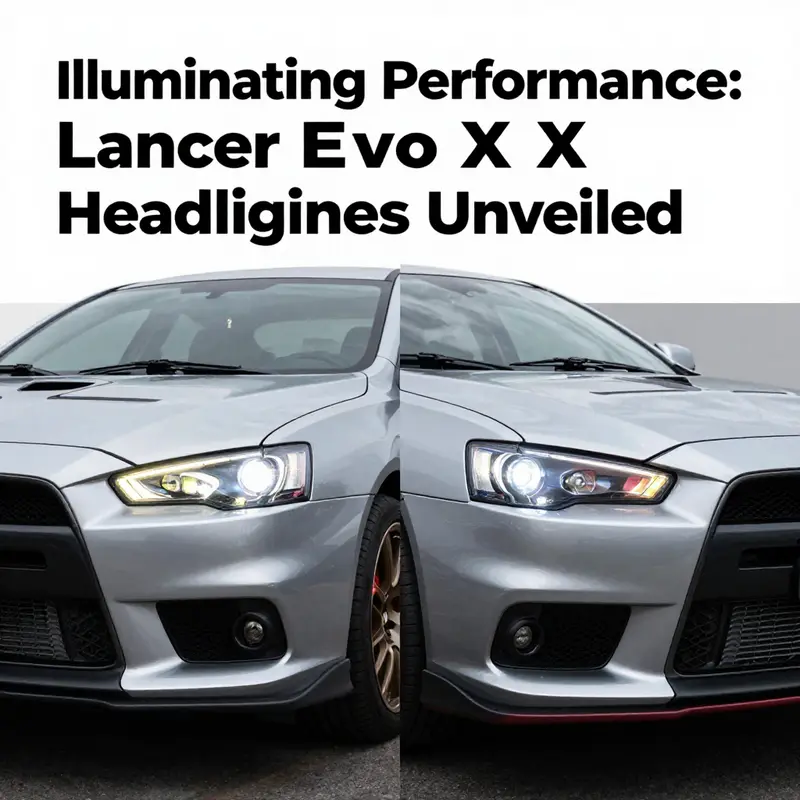
The Mitsubishi Lancer Evolution X arrives with a front end that communicates speed before the tires even grip. Its headlights contribute to that stance—their angular, shark-nose silhouette and crisp chrome accents framing a wide, aggressive grin. Inside, the original layout relies on halogen sources that were reliable but limited in brightness and color temperature. Upgrading the Evo X headlights is not simply a matter of light; it is a way to redefine the car’s frontal identity while sharpening visibility at night. The decision, at heart, comes down to two broad paths: LED and HID. Each delivers a different blend of performance, aesthetics, and installation nuance, and together they illustrate how a modern headlight upgrade can harmonize with the Evo X’s already bold character. LED options tend to emphasize instant illumination, efficiency, and a razor-sharp beam that pairs well with the car’s precise lines. HID options lean toward a striking daylight-like glow and a historically strong reputation for highway visibility. In practice, many Evo X aficionados gravitate toward projector-based assemblies that house either LED or HID sources. Projectors concentrate light into a defined beam, reducing glare for oncoming drivers and giving the front end a cleaner, more refined look. The result is not just brighter headlights; it is a refined silhouette that remains true to the Evo X’s performance DNA while pushing the design into a more contemporary light. When contemplating a swap, the choice often comes down to the kind of driving you do and the look you want to project. For urban commutes, LED headlights with projector optics offer immediate warmth, crisp white color, and a modern aesthetic that complements the car’s lines without washing them out. For late-night highway cruising, HID upgrades can deliver a larger, more diffuse light pattern that some drivers feel enhances depth perception at speed, especially on winding stretches where a longer, consistent throw matters more than micro-focused brightness. In either case, a projector-based assembly serves as a reliable foundation. It concentrates the beam, minimizes stray glare, and preserves the Evo X’s characteristic sharpness around the edges of the housing. The clear lens versus smoked variants matter here, too. A clear lens with a chrome or black housing preserves the high-contrast look that suits the Evo X’s aggressive face, while a smoked or tinted lens can add a stealthy, modern vibe if that’s the priority. Behind the glass, the light source—LED or HID—must work in concert with the projector lens to ensure a clean cut-off line and a bright, usable field of vision. That is where the practical realities of upgrading come into play. LEDs provide instant-on brightness and a higher overall luminous efficiency, often delivering around 3,000 lumens per unit. They draw less power and can last tens of thousands of hours, a practical boon for owners who want longevity with minimal maintenance. But LEDs still require careful thermal management. Inadequate cooling can shorten a module’s life or cause performance degradation over time. The installation sometimes demands attention to heat sinks, mounting brackets, and proper sealing to preserve the Evo X’s weather protection. On the other hand, HID systems bring a characteristically bright, daylight-like white to blue color temperatures. The arc technology at the heart of HID headlights creates a striking visual, and many enthusiasts appreciate the dramatic impression it makes when the car is standing still and when it is moving. The main trade-off is the need for ballast, igniter, and precise alignment. The ballast can add routing complexity, and if misaligned, HID setups may produce unwanted glare for other road users. For mid-to-high trim Evo Xs that originally featured more advanced lighting systems, HID upgrades can feel especially at home, preserving the car’s performance-oriented persona while amplifying night-driving confidence. Practical installation considerations extend beyond the bulb type itself. A plug-and-play harness can make an upgrade more approachable, but even with a direct replacement, the wiring must be checked for compatibility with CANbus systems and the vehicle’s electrical architecture. Simple resistors or error-correcting modules may be necessary to prevent flicker, dashboard warning lights, or miscommunication with the car’s body control modules. The aim is to preserve the Evo X’s driving experience while adding a modern lighting language that aligns with today’s standards and expectations. Aesthetics, of course, remains inseparable from function. The Evo X’s front end is defined by a clean, aggressive geometry that benefits from a lighting system with strong, uninterrupted lines. A well-chosen LED or HID upgrade can emphasize the car’s lines, echo the chrome or black accents, and reinforce the sense of motion even when the car is at rest. For some, the choice is also about a more cohesive, modern look—one that speaks to the current tuning culture without erasing the car’s original identity. It is also common to encounter aftermarket options that emphasize dynamic signals—sequential turn indicators that mimic the flowing motion of high-end performance machines. While those features are visually striking, they must be integrated with care to avoid distracting other drivers. The right projectors, lenses, and housing choices help ensure the demon-eye or sequential functions are tasteful and legally compliant, rather than gimmicky. In this sense, the upgrade becomes a conversation between form and safety. The sourcing landscape for Evo X headlights reflects a vibrant, global ecosystem. Many aftermarket assemblies are produced in regions with mature supply chains for lighting components, where injection molding, optics, and wiring harnesses are coordinated to deliver compatible products at competitive prices. The market presents advantages—lower costs, shorter lead times, and flexible order quantities—that appeal to both individual buyers and small shops. Yet, this abundance brings responsibility. Buyers should verify that any aftermarket headlights meet the regulatory requirements of their region, whether ECE, SAE, or other standards, and that the assemblies are backed by credible warranties and sample-testing protocols. Wiring compatibility remains a recurring theme. A successful upgrade hinges on matching connectors, wire gauge, and color-coding to the Evo X’s harness. It is not uncommon to encounter minor recalibration needs after installation, particularly with LED or HID conversions that alter electrical characteristics. A careful approach—planning the wiring path, confirming seal integrity, and testing with the car engine off before powering up—helps prevent flicker, misalignment, or overheating. The Evo X sunlight-bright persona invites a thoughtful upgrade strategy. Projector-based LED or HID headlights provide a balance between performance gains and stylistic integrity, reinforcing the car’s aggressive stance without sacrificing safety or reliability. For those who want a structured road map to this upgrade, a detailed, upgrade-focused guide offers practical steps, considerations, and checklists that align with the Evo X’s distinctive silhouette. If you would like to explore a dedicated resource on headlight upgrades, see this detailed guide to Evo X headlights upgrades: https://mitsubishiautopartsshop.com/headlights-for-lancer-evo-x-2007-2017-audi-design-version-2/. In the end, choosing between LED and HID options is not about one being universally better than the other. It is about understanding how brightness, color temperature, beam pattern, and installation realities converge with the Evo X’s dramatic design language. When the chosen path respects both optics and engineering, the result is a front end that communicates performance with clarity. The Evo X remains unmistakable in motion, and its headlights, thoughtfully upgraded, reinforce that clarity even when the car is parked under neon city lights or cruising along a rural back road. The journey from halogen to modern lighting is a revival of the Evo X’s core ethos: precision, aggression, and a relentless pursuit of better vision at night. External resources like the general guidance available from reputable automotive lighting communities can provide additional perspectives on color temperatures, beam patterns, and regulatory considerations, helping owners align their personal taste with responsible, road-safe design. For broader context and examples of how the Evo X lighting conversation has evolved in recent years, you can consult established literature and community discussions, such as the detailed resource linked here: https://www.amazon.com/dp/B0CZ7KJQ6V.
Shadows to Show: Mastering the Aftermarket Headlights Landscape for the Lancer Evo X
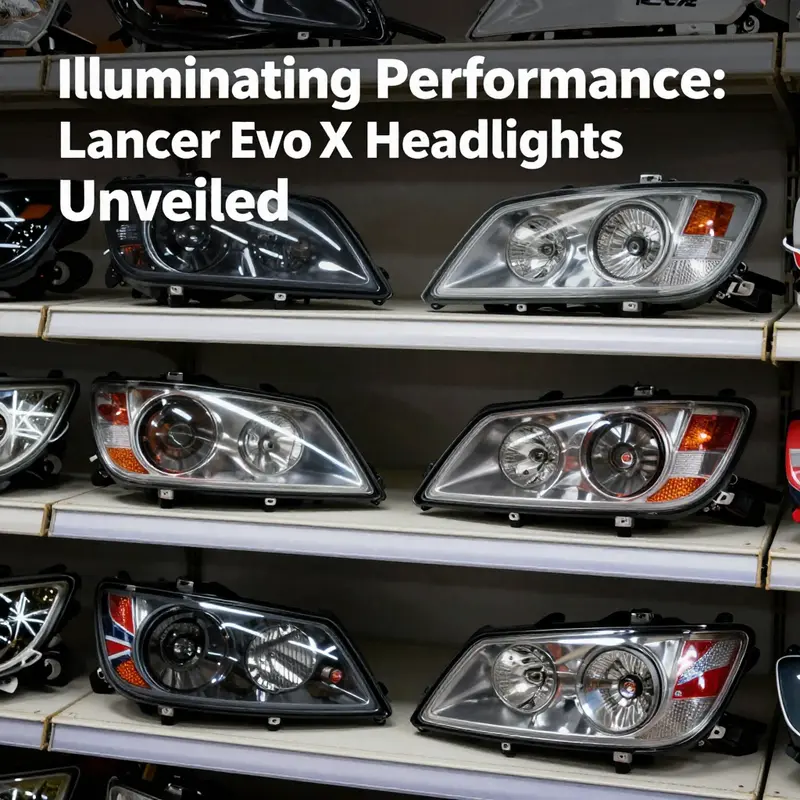
On the Lancer Evo X, the headlights are more than a lighting accessory. They are a statement that completes the car s aggressive stance. The shark nose of the Evo X flows into slim, angular lamps that catch the eye and set the tone for the entire front fascia. The OEM units typically used halogen bulbs, with a chrome trim that accentuates the bold lines. But as owners crave visibility and a modern vibe, the aftermarket scene has grown into a detailed craft with options that transform both form and function.
Upgrades move beyond brightness. LED headlight kits deliver crisp white light that boosts early reaction times, last longer, and sip less battery power. They often come with integrated daytime running lights or sequential turn signals that mimic the dynamic lighting found on premium performance machines. HID xenon kits push color temperature toward daylightlike blueish white and can boost distance perception, though they demand proper ballast wiring and heat management. Projector based assemblies help focus the beam, reducing glare for oncoming traffic while preserving a sharp, contemporary appearance. When installed in the Evo X, projector housings commonly pair with clear lenses and either black or chrome interiors to echo the car s character, and dealerships or shops usually offer plug and play options that simplify wiring.
From a safety and performance angle, the choice hinges on how well the beam pattern is preserved. A projector style housing with a well designed cutoff promises better illumination without blinding other drivers. The upgrade decision also ties to legal compliance, as many markets require certain certifications and color temperatures. Wiring considerations are practical realities: LED and HID conversions may require resistors or CANbus adaptors to prevent flicker or warning lights on the dash. Some kits include adapters that preserve fog light functions and enable seamless integration with factory wiring paths. Aesthetics matter, too; black housings with clear lenses convey a modern, stealth look, while chrome finishes emphasize a brighter street presence. Smoked lenses can add drama but may reduce perceived brightness, so the choice often balances style and safety.
Behind the scenes, the global supply chain for aftermarket headlights centers on manufacturing clusters in East Asia. Regions known for automotive lighting bring together injection molding, SMT, optical design, and rapid prototyping under one roof. This vertical integration shortens lead times and keeps costs competitive. Buyers frequently see price advantages of roughly twenty to thirty five percent versus Western suppliers, a reflection of mature tooling and scale. Standard lead times commonly sit in the two to four week window, with express processing reducing it further to roughly a week or two. Low MOQs have become common, opening the door for individual enthusiasts and small shops to source complete assemblies without tying up large inventories. The practical outcome is a marketplace where fitment and beam accuracy become the decisive factors rather than price alone.
When selecting an upgrade, fitment accuracy matters most. Evo X headlights must align with the bumper cutouts, mounting points, and wiring harness terminals. A precise fit reduces gaps and glare while maintaining the car s aerodynamics. Beam pattern compliance is next, ensuring that the cutoff line respects road users and local regulations. Heat management is another non negotiable detail; LED modules can overheat if cooling is inadequate, degrading brightness and color stability over time. A strong projector lens can help focus the light and give a crisp cutoff, while the surrounding housing and seal keep water out in rain and car washes. For buyers, the trade off often comes down to whether to prioritize energy efficiency, longevity, or the visual drama of dynamic lighting. Warranty and certification from the supplier add confidence, especially when dealing with cross border shipments and overseas production.
Enthusiasts process this choice through a practical lens. Those seeking the latest looks tend toward LED powered assemblies with projector optics and a sealed, durable housing. Others favor HID for high intensity at distance, accepting a more intricate wiring path. In either case, compatibility with the Evo X is essential, and the best options feature plug and play wiring or tested adapters that reduce the need for custom fabrication. For a concrete example of a compatible headlight option space, consider the category page linked through a common supplier hub that hosts a range of Evo X headlight assemblies. If you want to explore a specific Evo X compatible option on a trusted retailer site, you can review a listing that outlines projector style designs, lens clarity, housing finish and the presence of sequential turn signals. This can help you gauge what aligns with your goals while avoiding mismatches in fitment or wiring. headlights-for-lancer-evo-x-2007-2017-audi-design-version-2.
Beyond the mechanics, the real story is how a well chosen upgrade integrates with the Evo X personality. The car s stance, its width, its ground effects, all breathe with the front end when the lamps glow. A modern headlight assembly can sharpen the silhouette and improve night visibility in one clean swap, while a mismatched piece can disrupt the flow and invite glare. The evolution of aftermarket headlights is less about chasing novelty and more about marrying function with form. The right kit preserves the aggressive, angular mood of the Evo X while delivering dependable illumination, better color rendering, and longer service life. The result is a front end that looks sharper in daytime and more confident at night, without requiring a complete redesign of the wiring or the electrical system.
For readers who want a deeper dive into the upgrade landscape, industry guides and technical write ups emphasize the same themes: accuracy of fit, beam pattern compliance, heat management, and compliance with local laws. These resources outline practical steps for verifying compatibility, such as cross checking part numbers against the factory harness, testing the assembled unit in a controlled environment, and confirming the presence of appropriate certifications. They also caution against overly bright setups that sacrifice glare control or create electrical noise. In short, the Evo X remains a platform where lighting upgrades can elevate its presence, but only when executed with care and attention to the electrical and legal details.
External resource: For a structured overview of headlight upgrade considerations and performance comparisons, see the external resource on Evo X headlight upgrades at Autosport International. https://www.autosport.com/mitsubishi-lancer-evo-x-headlight-upgrade-guide
Beams That Define the Evo X: Headlights as Performance, Identity, and Upgrade
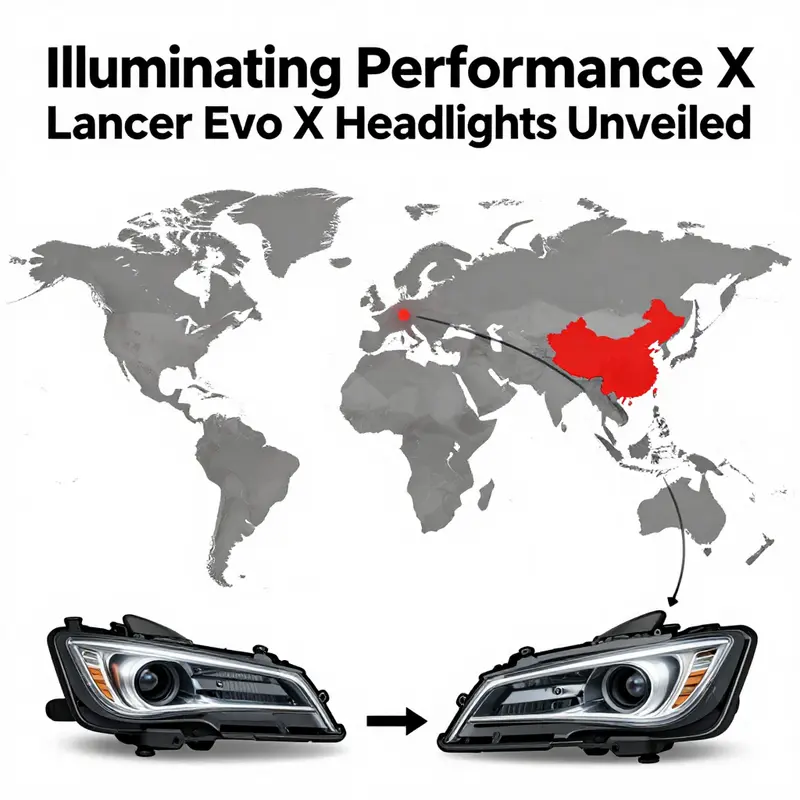
When the Mitsubishi Lancer Evolution X first rolled onto the streets, its headlights did more than illuminate the road. They announced a philosophy of precision and aggression that matched the car’s chassis, aerodynamics, and driving character. The distinctive angular form, often described as a shark-nose silhouette, frames the low, wide stance of the Evo X and signals that this is a car built for intent, not mere transport. Those housings carry more than a light source; they carry a statement about how a performance machine should look when it arrives at speed and how it remains legible in the glare of day and night alike. In that sense, the headlights are less a separate component and more a key part of the vehicle’s front-end personality. They set the tone for what follows: a driving experience that rewards focus, acceleration, and the discipline to push a road car toward near-race-spec performance without neglecting everyday practicality. The daytime running lights, the projector or reflector geometry, and the chrome or contrasting trim work together to produce an impression of precision and control that is instantly recognizable to enthusiasts and casual observers alike. The design is more than cosmetic; it is a narrative about light guiding a driver through corners, over long grades, and into the kind of night where visibility matters as much as attitude. Yet as iconic as the stock look is, the Evo X’s headlights also invite a broader conversation about how lighting contributes to both safety and style in modern performance cars. The front end feels cohesive because the illumination is designed to follow the car’s lines, reinforcing the machine’s intent. When the road grows dim, strong, well-focused beams reveal the path ahead with clarity, while the DRLs keep the silhouette legible to other road users during the day. It is this duality—dramatic presence by night, reliable visibility by day—that makes the Evo X headlight architecture so central to the car’s overall appeal.
The upgrade path for these headlights is one of the most popular topics among Evo X owners because it touches several essential priorities at once: increased visibility, upgraded aesthetics, and alignment with contemporary automotive lighting technology. Modern aftermarket options typically fall into three broad categories, each addressing a different facet of the user’s needs. First are LED-based assemblies that promise brighter output, more efficient energy use, and a longer service life. These kits often incorporate projector lenses that concentrate light into a crisp, well-defined beam pattern, which translates into improved night-time awareness without creating glare for oncoming traffic. Second are HID or xenon-type options, which emphasize a very bright, daylight-like color temperature and a distinctive blue-white glow. These systems can dramatically alter the perceived intensity of the front end, giving the Evo X an unmistakable, high-end aura while delivering strong long-range visibility in darker conditions. Third are projector-based headlight assemblies—whether in full LED, HID, or mixed configurations—that optimize beam focus and reduce stray light, enhancing safety and reducing nighttime fatigue for the driver. With these choices, the Evo X owner can tailor the vehicle’s front-end personality to personal taste, from a clean, modern look with clear lenses and dark housings to a more contemporary, chrome- or smoked-lens aesthetic that sharpens the contrast against the car’s body lines. The practical upshot is a front end that can be both striking and legal, provided the installation respects local lighting standards and regulations.
In practice, upgrading requires attention to more than brightness and color temperature. Wiring compatibility becomes a central concern because many LED and HID conversions interact with the car’s CAN bus and electrical system in ways halogen bulbs do not. A flicker-free experience depends on appropriately matched drivers, resistors, or CAN-bus error correctors, especially when the lights are part of a broad aftermarket strategy that includes sequential turn signals or dynamic daytime running sequences. The aesthetic potential of such upgrades is equally compelling: a modern light signature can complement the Evo X’s sharp bodywork, while sequential lighting elements provide a sense of motion even when the car is stationary. The design decisions—clear versus smoked lenses, black versus chrome housings, the degree of bezel contrast—work in concert with the car’s sculpted lines to shape how the front of the vehicle is perceived from every angle. The goal is not merely to increase lumens but to create harmony between the beam’s shape and the Evo X’s lines, so the headlight assembly reads as an intentional extension of the chassis rather than a bolt-on afterthought. The driver ultimately gains confidence from better illumination and a more coherent lighting language, while pedestrians and other road users benefit from improved conspicuity and a clearer indication of the vehicle’s intent.
The reality of aftermarket sourcing adds another layer to this story. A global ecosystem has grown around Evo X headlights, one that thrives on specialization and speed. In the current landscape, the most effective suppliers tend to operate within tightly clustered regional networks that combine injection molding, optical engineering, SMT assembly, and rapid prototyping under one roof. This vertical integration enables shorter lead times, tighter quality control, and price competitiveness that can translate into substantial savings for buyers who are not pursuing mass-market volumes. The scale of these operations—and the geographic concentration of the supply chain—helps explain why turnarounds from order to delivery frequently fall within the two-week to month-long window, and why a modestly sized distributor can still access a broad catalog of headlight solutions tailored to the Evo X’s distinctive needs. The economic logic here is straightforward: mature tooling, standardized processes, and high-volume production lines foster consistency, which in turn underpins reliable performance across a wide range of climatic and driving conditions. For the buyer, this means more predictable warranties, better testing, and a greater likelihood that a chosen assembly will perform as advertised in real-world conditions.
As any seasoned builder or enthusiast will tell you, choosing the right path also means navigating regulatory expectations. Lights must meet the standards that apply where the car is driven, which can vary from one jurisdiction to another. Compliance considerations commonly involve photometric performance, color temperature, glare control, and proper alignment. Owners who blend modern lighting technology with the Evo X’s aggressive aesthetic should plan for a careful alignment and beam-check process, ideally performed on a flat, level surface with the car at a standard ride height. This careful approach ensures that the new headlights illuminate the road without blinding oncoming drivers or creating distracting patches of glare in the driver’s mirror. Beyond legality, the quality of the finish matters, too. Finish options—whether a stark, all-black housing, a chrome accent, or a matte black treatment—can dramatically change how the headlight assembly interacts with the car’s front fascia and its shadow lines. The most compelling upgrades create a sense of integration rather than an obvious aftermarket add-on, reinforcing the Evo X’s identity rather than interrupting it.
For those who are sourcing parts across borders or through hobbyist channels, the context becomes even more complex and interesting. The global market’s breadth is matched by a network of brokers, marketplaces, and specialized channels that help buyers evaluate suppliers, validate capabilities, and manage post-sale support. A structured approach—one that weighs technical competence, process validation, and customer service alongside price—produces better long-term outcomes. Credible suppliers typically demonstrate in-house tooling for consistent fitment, proof of testing such as thermal cycling, and practices like dynamic balancing to ensure each headlight assembly performs under real-world loads. Regional specialization can influence the kind of support a buyer receives; for example, hubs near JDM parts channels may offer faster access to related components or integration hardware, while other clusters emphasize different aspects of performance tuning. In a fast-evolving market shaped by tariff considerations and resilience concerns, China’s role as a central node remains strong, thanks to an openness to innovation and a commitment to supply chain diversification. Buyers who approach sourcing with a disciplined evaluation framework—focusing on verified suppliers, detailed specifications, and clear warranty terms—benefit from improved outcomes and reduced risk.
For readers seeking a practical starting point, the Evo X headlights landscape invites a careful, informed approach rather than a pure price chase. Aiding that approach is the ability to preview and verify options through reputable channels, including platforms that curate supplier networks and provide evidence of performance and reliability. If you explore a listing that promises a straightforward plug-and-play installation, you can often expect the kit to include a projector-based housing, a clear or smoked lens, and a sequential signal feature that adds a distinctive movement cue to the car’s front end. When you click through to learn more about how these assemblies fit the Evo X, you will encounter detailed specifications that help you match the assembly to your car’s year and trim, and to confirm compatibility with your existing wiring harness and control modules. For a concise overview of one such installation path and to see how others have integrated these elements, consider the following resource: Lancer Evo X 10 Headlights. This practical reference can illuminate the technical constraints, the look, and the fitment realities that color every upgrade choice.
In the broader context of sourcing and performance culture, the trade-offs between price, lead time, and post-sale support become a critical part of the decision. Buyers must balance the desire for immediate impact with the need for long-term reliability, warranty coverage, and ongoing service. The integration of lighting into a car’s safety systems, especially when modifications touch the vehicle’s electrical architecture, makes a thoughtful procurement approach essential. The result is not simply a brighter headlight but a more coherent, safer, and more expressive front-end identity for a car that has long embodied performance-driven design. The Evo X’s headlights, then, are more than accessory hardware; they are a focal point where engineering intent, aesthetic judgment, and supply-chain realities converge to shape how the car experiences night driving and how it presents itself to the world.
External resource: https://www.goldsupplier.com/b2b-buyer-guide-evolution-x-headlights-sourcing-china
Shaping Light and Line: Evo X Headlights Upgrades — Legal, Aesthetic, and Technical Considerations
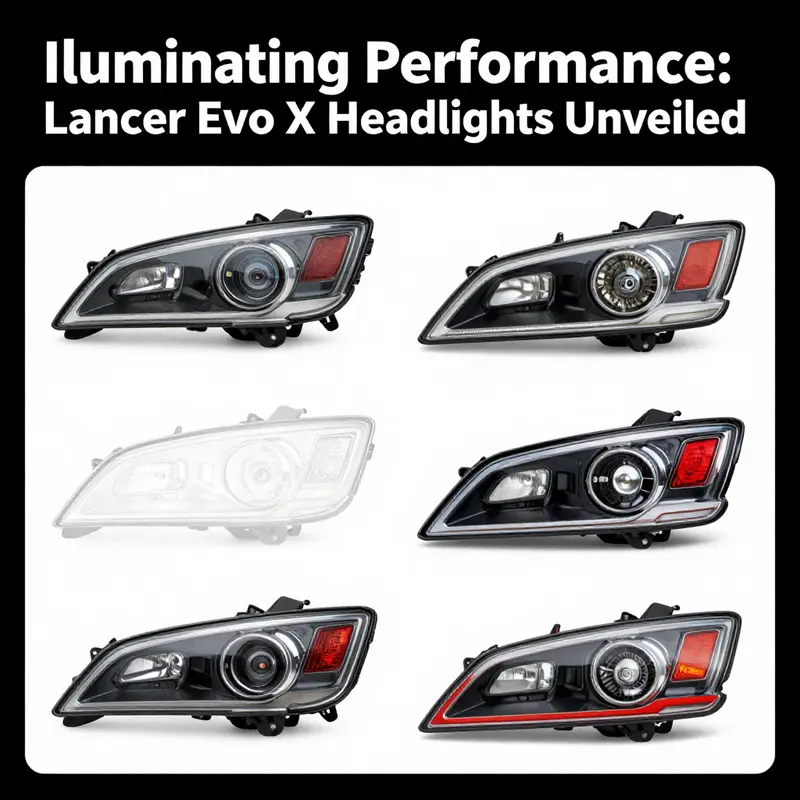
The Lancer Evolution X headlights upgrade topic balances legal compliance, visual identity, and engineering practicality. The Evo X front end is a signature silhouette, with a shark-nose profile that should be preserved even as lighting technology modernizes. Upgrades aim to improve brightness, beam control, and reliability without compromising the car’s lines or triggering regulatory issues. The move from halogen to LED or HID brings longer life, better efficiency, and sharper cutoff, but raises questions about reflector geometry, glare, and alignment. Aesthetically, projector-based LED systems with clear lenses can preserve the sharp edge of the original design while adding contemporary brightness. The color temperature in the 5000-6500K range tends to look sporty and complements the Evo X mood. Functional upgrades should include proper sealing, weather protection, and attention to wiring integration with the car CAN bus to avoid warnings. Legality matters: many regions require components that meet DOT or ECE standards, and proper aim is essential for safety and compliance. The installation should be staged: verify compatibility, install, align, and test under different loads and road conditions. Budget for professional alignment if needed. Practical sourcing notes: choose OEM-style or retrofit kits that maintain the shark-nose silhouette and avoid glare issues. If pursuing a dramatic look, select housings and lenses that preserve a compliant beam pattern and do not obscure DRLs or turn signals. The result should feel like a factory upgrade—more visibility and a crisper presence—without altering the car’s fundamental identity.
Final thoughts
In conclusion, the headlights of the Mitsubishi Lancer Evolution X represent a blend of distinctive design and advanced technology. By understanding the OEM features, exploring options for upgrades—especially LED and HID alternatives—and identifying leading aftermarket products, business owners can enhance their offerings and cater to the evolving demands of automotive enthusiasts. With informed sourcing strategies and a keen awareness of legal and aesthetic considerations, businesses will be better positioned to meet market needs and provide valuable solutions in the automotive industry. The world of Lancer Evo X headlights provides significant opportunities, encouraging innovation while satisfying consumer desires for performance and style.