
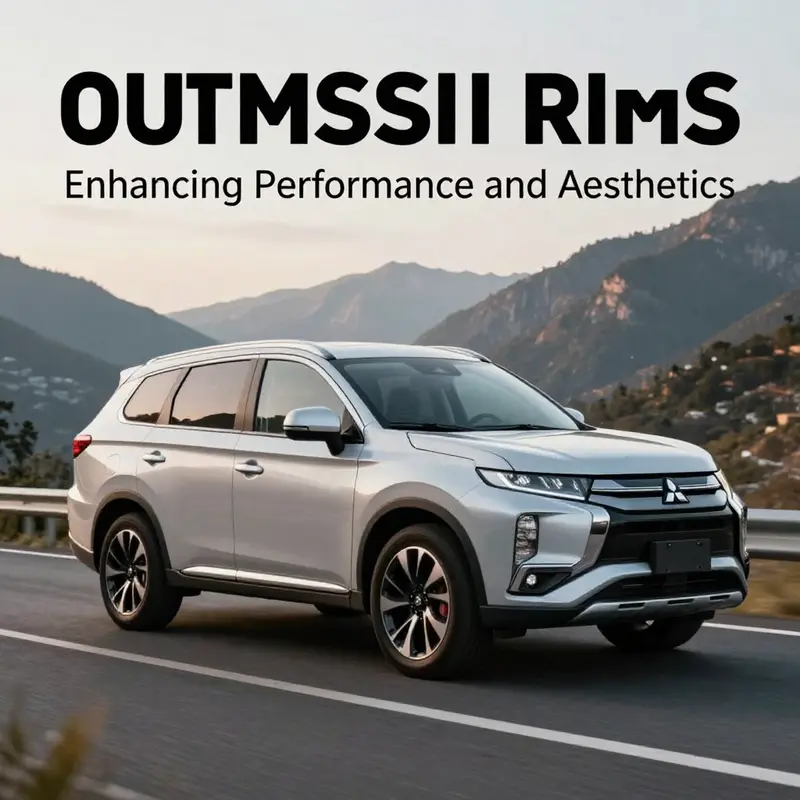
Selecting the right rims for a Mitsubishi Outlander is not just about aesthetics; it plays a crucial role in vehicle performance and safety. As a business owner, understanding these factors is essential for making informed decisions, whether you’re upgrading your company fleet or enhancing a personal vehicle. This article delves into the significance of Mitsubishi Outlander rims, comparing stock and aftermarket options, understanding specifications like bolt patterns and sizes, and providing guidance on choosing the ideal rims that meet your specific driving needs. Each chapter builds upon these insights, helping you grasp the intricacies of rim selection to optimize your driving experience and align with your business goals.
Rims and Rhythm: How Mitsubishi Outlander Wheels Shape Traction, Braking, and Ride
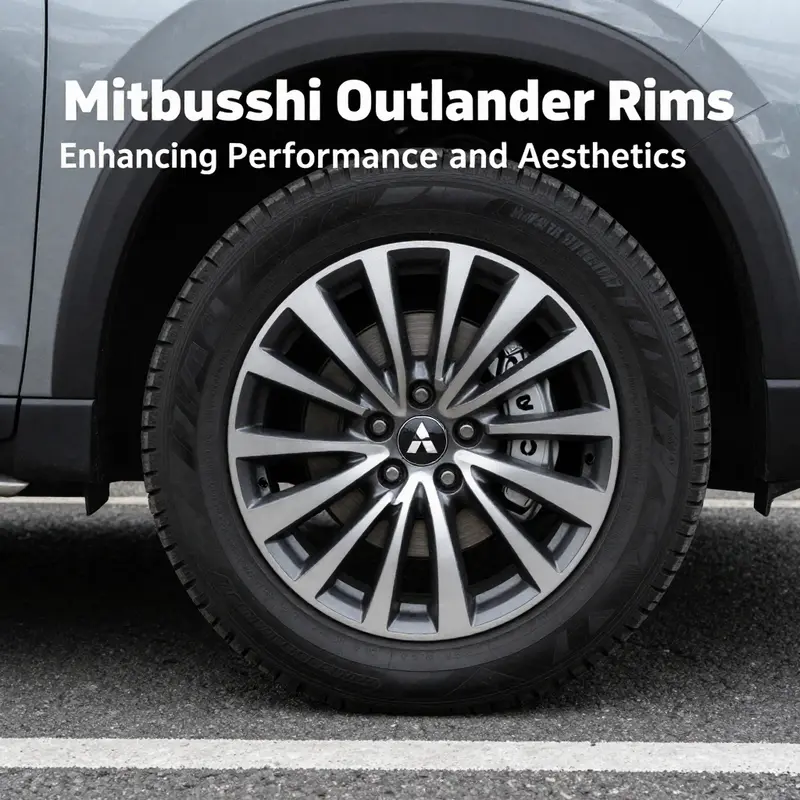
The Outlander’s wheels are more than style; they influence how the vehicle grips the road, brakes, and rides across city streets and highway stretches. The combination of rim size, width, offset, and material determines the tire’s contact patch and how the suspension translates road texture into steering feel. When upgrading rims, owners often weigh comfort, durability, and appearance, since those choices affect unsprung mass, brake cooling, and handling balance.
In the lineup, 17-inch wheels balance ride comfort and efficiency, while 18-inch rims bring sharper steering and a more confident stance at the expense of some ride harshness. Alloy construction keeps weight down and strengthens heat management for braking performance, though the exact gains depend on the tire paired with the rim. Offset and diameter placements matter for caliper clearance, fender clearance, and steering geometry; incorrect choices can reproduce rubbing or altered steering feel. The bolt pattern for most Outlanders remains a reliable 5×114.3 mm, enabling a range of compatible designs while preserving safety and fitment.
A well-chosen rim helps reduce unsprung mass, which improves how the suspension follows bumps and potholes. Less inertia means the tire can react more readily to surface irregularities, giving steadier cornering and more predictable braking behavior. Proper cooling channels around the brake discs are also aided by rim design, helping resist brake fade on long descents or heavy use. Despite the benefits, rims must still meet durability needs to withstand road hazards, curb impacts, and winter conditions.
When evaluating options, emphasize fitment (bolt pattern, offset, diameter), weight, and strength, then pair with a compatible tire that suits your climate and driving style. The goal is a balanced package that preserves safe braking performance, predictable steering, and comfort for everyday driving. The Outlander’s wheel strategy across trims often trades a touch of ride comfort for a bit more road feedback on higher trims with larger rims, illustrating how wheel design supports the vehicle’s versatility.
For those who want to learn more, consult official diagrams and fitment guides from Mitsubishi and trusted aftermarket sources to confirm that a given rim will work with your exact model year and trim.
Rims on the Move: Navigating Stock Fitment and Aftermarket Possibilities for the Mitsubishi Outlander
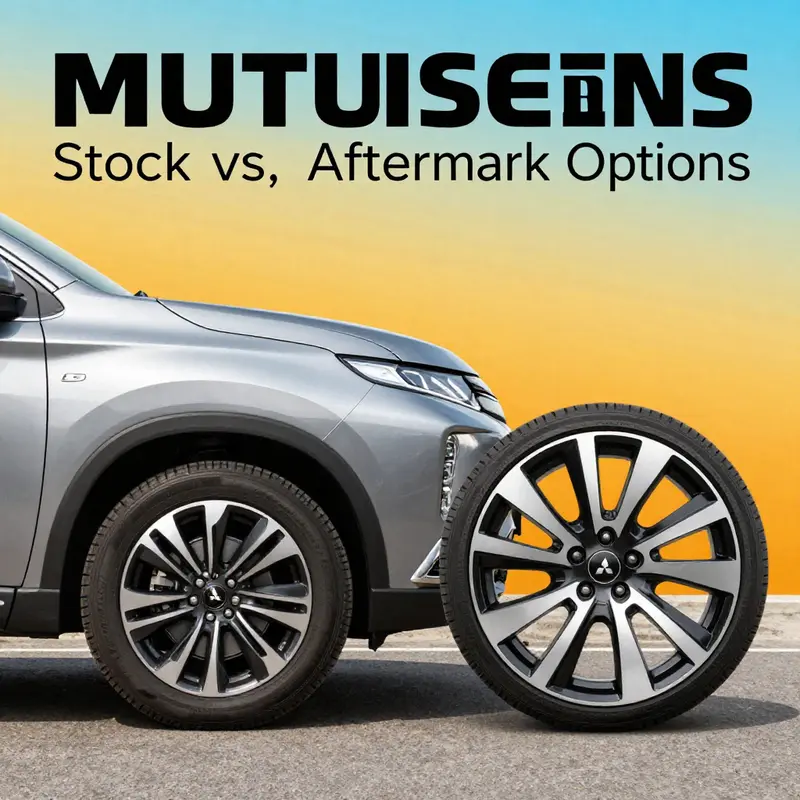
Rims are more than a cosmetic upgrade on the Mitsubishi Outlander. They are a core part of the vehicle’s geometry, affecting ride quality, handling, braking performance, and even the way the tires interact with the road. When you begin to explore wheels for your Outlander, you are choosing not just a look but a balance of durability, safety, and driving feel. The chapter that follows weaves together how stock rims come from the factory with the broad universe of aftermarket options, and it lays out the practical considerations that help a wheel choice stay true to the vehicle’s design intent while still letting you express personal style.
From the outset, the most stable path is to start with the car’s original design parameters. The Outlander’s wheel program reflects a careful match to the suspension geometry, brake caliper clearance, tire size, and body clearance. On the 2024 model year, for example, the base trims roll on 17-inch alloy wheels as standard equipment. Higher trims, such as the SE and SEL, step up to 18-inch alloy wheels. This progression is not merely about size; it is about the comprehensive packaging that includes ride quality, acceleration feel, and road noise. A wheel size in the correct proportion preserves the intended balance between comfort and grip. In this sense, stock rims act as a fidelity to the vehicle’s engineering blueprint—their diameters, weights, and finishes are all tuned to work with the Outlander’s suspension tuning and tire profiles. If you’re evaluating wheels, recognizing the OEM baseline helps you see what you are preserving when you upgrade.
The choice between stock and aftermarket rims often hinges on two ideas: certainty and customization. Stock rims, or OEM wheels, guarantee fitment because they are engineered for the exact model year, trim, and even the specific brake package. They ensure proper clearance around the calipers, correct hub bore fit, and the precise offset that keeps the steering geometry aligned with the vehicle’s suspension. On the Outlander, this translates into predictable handling, consistent ride height, and reliable tire wear characteristics. The trade-off, of course, is that OEM options are typically less varied in terms of style and finish, and they can command a higher price point per wheel. The commonly cited price range for individual OEM wheels sits around $600 to $950 USD, with complete sets able to push toward $3,500. These figures reflect the quality of materials, the precision of manufacturing, and the assurance that comes with manufacturer-specific engineering.
For many drivers, aftermarket rims present an appealing path to personal expression and sometimes a better balance of cost and style. Aftermarket rims broaden the palette of finishes—from matte and gloss to brushed metal and unique colorways—and allow for a wider array of sizes and offsets. This flexibility can be exciting: you might imagine a wheel with a more aggressive stance, deeper dish, or a lighter weight to subtly affect unsprung mass. The sticker price landscape for aftermarket rims commonly starts around $180 per wheel for basic alloy options. That affordability can be attractive, but it demands diligence. With aftermarket rims, the primary concerns are compatibility and safety. The Outlander’s steering, suspension, brake system, and tires all work together as a system. If you choose a wheel with a diameter, width, or offset that diverges too far from the OEM spec, you risk rubbing on turn-in, contact with brake calipers, or altered steering feel. Worse, incorrect fitment can affect traction, braking performance, and even warranty terms. These risks aren’t merely theoretical; they are practical consequences of changing wheel geometry without adequate checks.
Before you fall in love with a particular style, you will want to confirm the basic fitment constraints. The 5×114.3 mm bolt pattern is a common thread across many Mitsubishi models, including the Outlander lineage, which simplifies the search in a broad aftermarket ecosystem. However, not all 5×114.3 wheels will fit every trim and year; offset, center bore, and brake clearance can vary by model and by production period. The offset—an often overlooked specification—controls how far the-lip of a wheel sits inside or outside the wheel arch, which in turn influences scrub radius, steering effort, and tire wear. The hub bore must be large enough to center the wheel on the hub, and the brake package must clear the wheel’s inner profile. The tire size you plan to run should match the wheel’s width and diameter so that the tire’s sidewall height stays within the vehicle’s suspension geometry while preserving accurate speedometer readings and ABS functions. In other words, upgrading rims is a project that looks simple on the surface but becomes a holistic optimization when you consider the whole system.
The practical path forward is to map your goals and verify fitment with trusted sources. One robust approach is to consult OEM-part data to gauge the exact wheel size, offset, and compatibility with your trim level and year. Official information and compatible part numbers exist in the Mitsubishi Motors North America Parts Catalog, which is one of the most reliable sources for genuine OEM rims and accessories tailored to your specific Outlander model year. This is a sensible starting point for anyone who wants to maintain factory reliability and warranty protections while exploring wheels that capture a preferred aesthetic or a requested performance target.
When you’re ready to explore aftermarket options, a methodical screening process helps you avoid common missteps. Begin with the wheel diameter and width you desire, then check the fitment compatibility with your current tires or the tires you plan to buy. If you’re staying with a similar overall diameter to the stock setup, you will likely preserve the original ride height and suspension geometry. If you’re stepping up to a larger diameter, you’ll need to consider potential changes in ride quality, speedometer calibration, and the possibility of rubbing at full lock or during suspension travel. If you opt for a wider wheel, you also need to ensure that the tire’s width and aspect ratio will fit within the fender clearance and maintain adequate sidewall deflection to absorb road irregularities without contacting the body. The risk of interfering with the brake calipers or with the inside of the wheel arch increases with wider rims, so it’s critical to verify caliper clearance and spoke geometry.
Another facet of the aftermarket decision is the load rating and durability. The Outlander, as a family-friendly compact SUV, is often used for carrying passengers and cargo. Wheels must be able to handle standard loads with a margin that aligns with the vehicle’s design specifications. Many aftermarket rims offer generous load ratings, but you should confirm that the rating meets or exceeds the OEM specification for your trim. Likewise, wheel finishes—whether painted, polished, or coated—must be resilient to road salts and winter conditions if you live in climates that demand it. A wheel that looks striking in a showroom photograph but proves fragile in the real world is a misalignment of priorities.
The aesthetics piece deserves its own consideration, because wheels dramatically influence the Outlander’s silhouette. A wheel’s design can alter perceived ride height, stance, and even the way light plays across the wheel’s surface. Some drivers desire a clean, understated look that echoes the vehicle’s functional character; others seek a bold, technology-forward appearance that signals an updated personality. Either direction is legitimate, but it is wise to keep a consistent theme: if you select a high-contrast finish or a design with aggressive spokes, ensure the rest of the exterior styling—grille, emblem treatments, and lighting—complements that look instead of competing with it. Finishes resist chipping only if the wheel’s surface is well-sealed and properly cared for. Maintenance matters as much as the initial choice; a wheel’s long-term appeal depends on how well you protect it from corrosion, curb damage, and brake dust buildup.
If you want a practical touchstone for aftermarket fitment, look to real-world compatibility checks that bridge the gap between concept and reality. Tools and resources that help with wheel sizing, offset, and clearance are widely available through retailer portals and automotive communities. One particularly helpful resource that provides real-time inventory and compatibility guidance tailored to your Outlander’s specifications is AutoZone’s wheel and tire section. It can help confirm whether a specific wheel will fit your exact vehicle by cross-referencing model year, trim, and tire size. While shopping, you should expect to confirm the bolt pattern, offset, hub bore, and center design, along with any vehicle-specific notes such as wheel torque requirements. This kind of due diligence reduces the risk that an aftermarket wheel will cause steering or suspension anomalies or trigger warranty concerns.
As you narrow down options, consider a plan that marries price with fitment certainty. OEM wheels provide guaranteed fitment and a smooth path to factory warranties, but they often come at a premium. Aftermarket wheels, with a broader stylistic scope and a lower upfront price, demand careful validation of fitment data and a willingness to perform due diligence on tire sizing and installation tolerances. The decision is rarely a simple binary choice; it is a spectrum where you trade a little certainty for a lot of personalization—or vice versa. A deliberate approach combines the comfort of verified OEM data with the freedom to explore tasteful aftermarket designs, all the while staying mindful of the Outlander’s overall packaging. In other words, you can chase style and light performance improvements without compromising safety or reliability, provided you stay grounded in fitment and baseline mechanical truths.
For a more concrete sense of how to approach fitment, you can consider a specific example within the aftermarket universe: a wheel option that has been popular among Mitsubishi enthusiasts for several generations involves a 17×7.5-inch configuration with a particular bolt pattern and offset that suits a wide range of Mitsubishi models. While this example is not a direct Outlander specification, it illustrates how a wheel with a similar diameter and width can be compatible with many Mitsubishi platforms when bolt pattern, center bore, and offset are correctly matched. When you encounter a wheel that catches your eye, verify those three critical attributes—bolt pattern, offset, and diameter—against your Outlander’s data. Remember to check the hub bore to ensure an accurate center fit, and when in doubt, consult a trusted source or a professional installer. In the pursuit of a well-rounded choice, a measured, data-driven approach will keep your Outlander stable, predictable, and visually aligned with your goals.
Crucial sources for these decisions include official data channels that provide exact part numbers and compatibility notes for your year and trim. The Mitsubishi Motors North America Parts Catalog remains the most reliable touchstone for genuine OEM rims and related accessories. It is a resource that helps protect warranty coverage and ensures you are working with components designed to perform as intended by the manufacturer. If you are curious about how a particular aftermarket wheel stacks up against your vehicle’s specs, you can begin by cross-checking the catalog’s suggested wheel sizes and then compare those figures with what the retailer is offering. The alignment between factory intent and aftermarket execution is what ultimately keeps your Outlander’s ride safe and enjoyable.
As you gain clarity on the wheel path that suits you best, you will also be developing a better sense of price expectations, maintenance routines, and the level of service you want from a supplier. A reliable retailer will not only present you with a wheel option but also provide compatibility tooling and guidance about tire sizing, lug nuts, and wheel torque procedures. If you are seeking a practical, hands-on approach to cost, you will find a meaningful range. OEM wheels remain premium, with per-wheel prices that reflect the engineering and testing behind their design. Aftermarket wheels present an ever-expanding spectrum of price points and aesthetics, with the caveat that you must verify fitment before purchasing and mounting. In the end, the best choice is the one that balances safety, reliability, and a look that matches your Outlander’s personality—and that choice should be grounded in solid data and thoughtful consideration rather than impulse.
For readers who want a quick map to resources, consider this path: verify the bolt pattern and center bore, confirm the tire size you plan to run, and then check for clearance around the brake calipers and within the wheel arches. Use the OEM data as your baseline, but do not neglect the aftermarket ecosystem’s potential to deliver a look and performance profile that aligns with your needs. And if you need an accessible starting point for compatibility tooling, the following link provides a practical reference for wheel-fitment data within the Mitsubishi community: 17 rims fit Mitsubishi Eclipse wheels 2018-2023 (17×7.5) New.
As you move toward a final decision, keep in mind that the goal is a wheel package that preserves or enhances the Outlander’s safety, reliability, and daily practicality while reflecting your personal preferences. The chapter you are reading is not advocating a single path but outlining how to navigate the two main routes—stock and aftermarket—with clarity and discipline. The stock route offers dependable fitment and warranty coverage, while the aftermarket route offers stylistic flexibility and potentially lower costs, provided you do your due diligence. Either path, approached with a solid understanding of fitment fundamentals and a careful verification process, can yield a wheel setup that feels right in every sense. And should you need help along the way, your first stop for official fitment data remains the Mitsubishi official parts catalog, a trusted compass that helps you avoid missteps and maintain the Outlander’s well-balanced dynamic.
For readers who want to continue exploring this topic with hands-on tools, the broader wheel-and-tire ecosystem offers an array of compatibility tools and inventory-checking features. These resources are valuable for confirming whether a particular wheel design will clear the Outlander’s brake calipers, whether the chosen tire size will preserve proper speedometer readings, and whether the overall diameter remains within the factory’s target range. The aim is to arrive at a wheel choice that is not only visually appealing but also harmonizes with the vehicle’s engineering and the driver’s expectations for daily use. If you are weighing the decision between OEM elegance and aftermarket personality, let the data guide you. The balance you strike will become the foundation of a confident, enjoyable driving experience with your Outlander.
External resources can supplement the internal data you gather. For example, a trusted external automotive resource offers practical guidance on wheel sizing, offsets, and tire options, helping you interpret fitment considerations within a broader context. To close the loop on the decision framework, consult reliable, widely used consumer-facing sources for wheel and tire information and verify any recommendations against your Outlander’s specifications before purchasing. The goal is not only a beautiful wheel but a safe, well-performing, and long-lasting setup that you can enjoy for years to come.
External resource: https://www.autozone.com/wheels-tires/wheels
Rim Fitment Essentials for the Mitsubishi Outlander
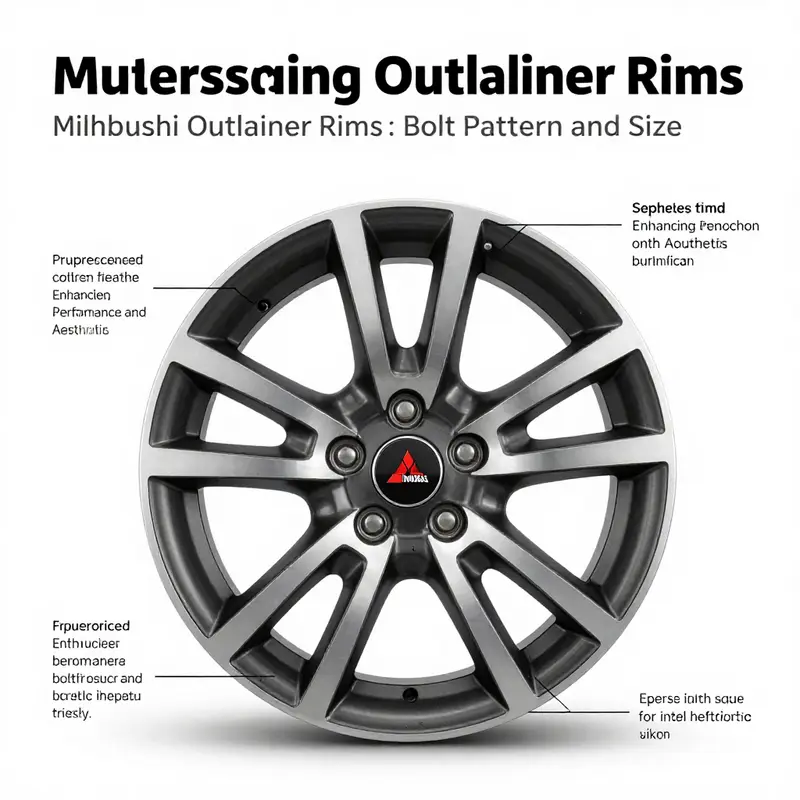
The wheel on the Mitsubishi Outlander is a critical interface between road, suspension, and braking. When selecting rims you consider bolt pattern, diameter, width, offset, and hub bore. For most Outlander models, the bolt pattern is 5×114.3. This means five lug holes on a circle with a 114.3 mm diameter. This dimension is the primary gatekeeper for fitment and must align exactly to avoid unsafe mounting.
Beyond the pattern, wheel diameter matters. A common upgrade is 20-inch wheels, often 8.5 inches wide. A larger diameter gives a more aggressive look, but the reduced sidewall can affect ride comfort and road feel. The 20×8.5 option requires careful tire selection to preserve overall rolling diameter.
Offset is typically around 38 mm on many Outlander models. The offset controls how far the wheel sits in the wheel well and influences track width, fender clearance, and brake caliper clearance. A wheel with significantly different offset can rub on turns or contact suspension components.
Hub bore is about 73.1 mm. If the wheel center bore is larger, hub centric rings may be needed. If it is smaller, mounting is unsafe. Always verify that bolt pattern, bore, diameter, width and offset are compatible before purchase.
Trim year variations can affect starting points; base trims may have smaller wheels such as 17 inches, while higher trims may use 18 inch wheels. Upgrading from base to larger wheels requires checking clearance around tire sidewall, fenders, and brakes. OEM wheels are designed to fit the exact year and trim; aftermarket options require careful compatibility checks.
A practical approach is to verify compatibility with the official parts catalog or Mitsubishi site for your specific year and trim, and consult a reputable wheel retailer or professional installer to confirm fitment and avoid warranty issues.
Rim by Rim: Aligning Your Mitsubishi Outlander Wheels With Real-World Driving Needs
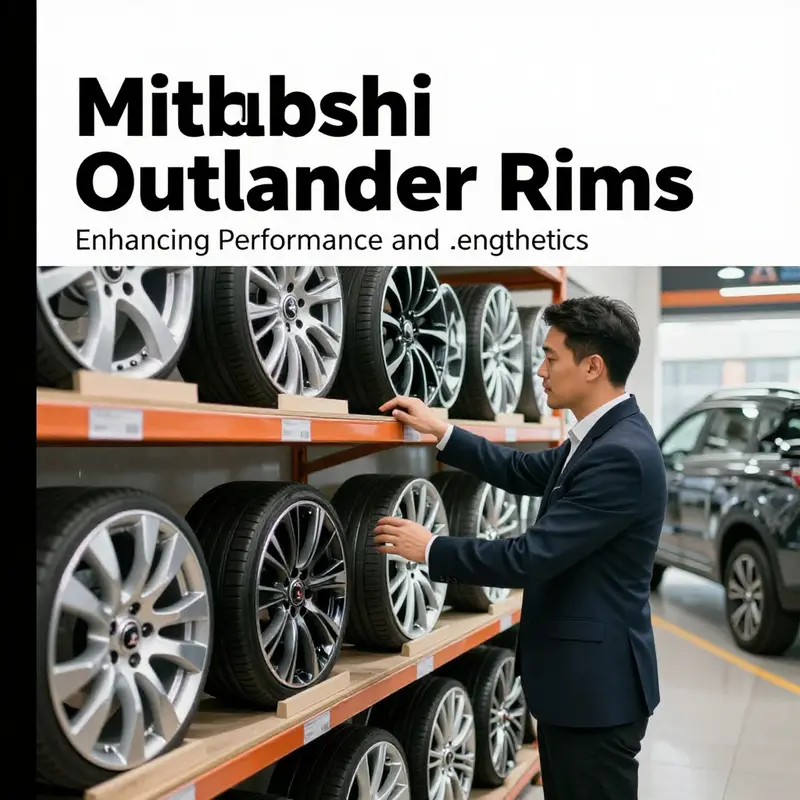
Choosing the right rims for a Mitsubishi Outlander isn’t just about aesthetics. It is a decision that reaches into the way the vehicle handles, rides, brakes, and even how accurately it tells you your speed. The Outlander, a practical compact SUV designed for daily miles, weekend adventures, and the occasional heavier load, benefits from rims that respect its engineering while still meeting personal preferences for style and performance. When you start the search, you quickly discover that the path from stock wheels to upgraded rims is paved with a careful balance of fitment science and practical reality. A well chosen rim can sharpen the vehicle’s response, protect suspension components from rubbing or misalignment, and keep a calm ride even on imperfect pavement. A poorly chosen rim, conversely, can introduce a cascade of unintended consequences—from altered steering feel and reduced braking efficiency to accelerated wear on tires and components, all of which erode safety and confidence behind the wheel. In other words, the question is not only how the Outlander will look with a new set of rims, but how reliably it will behave under a wide range of everyday conditions.
One of the first things to recognize is that the Outlander does not conform to a single wheel specification across all years and trims. Throughout recent generations, wheel diameter options have varied with trim levels and model years. For example, the base configuration often rides on 17-inch alloy wheels, providing a comfortable balance between ride quality and efficiency. Higher trims tend to upgrade to larger diameters, commonly 18 inches, with some variants offering 19-inch options in the mix. What this means in practice is that upgrading rims requires careful cross-checking against the exact model year and trim. A wheel that fits a higher trim on one year might not be compatible with the base trim in another. The fitment conversation therefore begins with a precise understanding of what the vehicle was designed to accommodate and then evaluates whether a given rim respects those constraints while still delivering the intended gains in appearance or performance.
Diameter is the most visible factor. It determines the total wheel-tire package diameter, and that, in turn, has a direct line to ride comfort, gearing feel, and the vehicle’s dynamic balance. If the diameter increases, the overall diameter of the wheel-tire assembly rises as well, often resulting in a stiffer ride because the same spring and shock setup now has less cushion from the tire’s sidewall. Conversely, a smaller diameter than what the vehicle is prepared to accept could lift the tire profile in a way that reduces grip and alters handling. It can also affect the speedometer reading, which is tied to the rolling circumference of the tire. The Outlander’s operating envelope is built around a specific range, and sticking to the OEM-recommended sizes minimizes the need to recalibrate sensors or redesign other geometry components. In practice, this means that before you ever choose a finish or a spoke design, you confirm the correct diameter for your exact year and trim. When in doubt, consult the official parts guide or an experienced shop that can cross-check against the vehicle’s VIN and build sheet.
The bolt pattern is another non negotiable detail. The Outlander has historically used a 5×114.3 millimeter bolt pattern, a standard that enables a wide range of wheel designs. A wheel with the wrong bolt pattern simply will not bolt up without adapters, and adapters bring their own concerns, including added loads on studs, potential alignment shifts, and altered brake or suspension geometry. Even a wheel that looks identical from the outside can be wrong on the inside if the hole pattern doesn’t align perfectly. This is one of the reasons why many owners return to OEM pieces or choose aftermarket rims that explicitly state compatibility with the Outlander. Alongside bolt count, you should verify the center bore size as well. A larger bore can introduce a loose fit, while a smaller bore prevents seating until a hub-centric ring is used. All of these details matter because they influence how evenly the wheel seats on the hub, how well it centers, and how the load is transmitted to the braking system and suspension.
Offset is where fitment decisions truly shift from surface level to mechanical reality. Offset is the distance between the wheel’s mounting surface and its centerline. It dictates how far outward or inward the wheel sits in the wheel well and, by extension, how it interacts with fenders, brake calipers, and suspension arms. If the offset is too positive, the wheel can tuck too far inside the wheel well, risking contact with suspension components on turns or during heavy compression. If it’s too negative, the wheel pokes outward, increasing the chance of rubbing on fender lips or even exhaust components in certain configurations. The End result is not just cosmetic but functional: rubbing can degrade tires, generate heat in critical areas, and in extreme cases even cause steering interference. OEM or manufacturer-recommended offsets are there for a reason. When you choose aftermarket rims, you must ensure the offset aligns with the Outlander’s design envelope. Some aftermarket options offer adjustable or multiple offset configurations, but those still need to be matched to the model year’s spacing and the vehicle’s overall geometry. In many cases, staying within the OEM offset range preserves the intended steering geometry and suspension travel, giving you the best chance of preserving safety and predictable handling, especially in wet or uneven driving conditions.
Load rating matters because wheels are not only rotating masses; they are load-bearing components that transfer the weight of people, cargo, and any towing or gear to the road. The Outlander is often used as a family vehicle, a commuter, or a light-duty hauler for trips and bikes or kayaks. That means your chosen rims must support the practical gross vehicle weight and any dynamic loads from cornering and braking. When selecting rims, you want to compare the wheel’s load rating to or above the Outlander’s original equipment. If the wheel’s rating is insufficient, you risk tire deflation or wheel damage under heavy braking or when carrying a full load up a grade. It is a straightforward safety check, but one that is easy to overlook in the rush to upgrade the look of the vehicle. The simplest rule is to choose wheels that meet or exceed the load rating of the OEM wheel for your exact model year. This approach keeps you aligned with the safety margins built into the vehicle, letting you enjoy the upgrade without compromising the ability to carry passengers or cargo when duty calls.
The finish of the rim matters on several fronts. Finishes range from machined to painted to polished and can include protective coatings designed to resist corrosion, road salt, and neglect. The finish you select should be durable and easy to maintain. A good finish resists chipping, pitting, and corrosion and helps ensure the wheel remains visually appealing for years. The finish also interacts with the wheel’s ability to dissipate heat from the braking system. While the chemistry of finishes can be complex, the practical guide is simple: pick a finish that is designed for wheel longevity in the climates you drive through and that can stand up to regular cleaning without requiring aggressive scrubbing. If a finish looks particularly striking but shows signs of wear quickly, that wear can accelerate pitting and rust, particularly at the bead seat or where moisture can linger around spoke joints or inner surfaces. Durability should not be sacrificed for beauty; the best choices balance both.
Beyond the appearance and the physics, the reality of ownership brings into focus the distinction between OEM wheels and aftermarket rims. Aftermarket options open a broad design spectrum—spoke patterns, finishes, and weight reductions that can influence responsiveness. The caveat is that not every aftermarket wheel is a safe fit for every Outlander. The braking system, caliper clearance, hub dimensions, and the tire size you plan to run all must align with the wheel. Even wheels that appear to fit in the center bore and bolt pattern can scrub or rub if the backspacing or the spoke design intrudes on critical components at full lock or during suspension travel. This is why the fitment process involves more than simply verifying a bolt pattern. It requires a careful assessment of backspacing, offset ranges, and the wheel’s overall diameter plus tire combination. The most reliable path is to work with reputable sources that provide precise fitment data for the exact Outlander year and trim, ideally with a verified mounting kit or adapter kit if you must bridge small differences. In this spirit of caution and precision, many owners find it helpful to review fitment resources that discuss cross-model compatibility. For example, there are practical guides that explore how rims designed for other Mitsubishi models can fit with an adequate understanding of hub bore size, offset, and brake clearance. A resource that details rim fitment for Mitsubishi Eclipse wheels, including various years and sizes, can offer a useful perspective on the geometry involved when contemplating a broader set of aftermarket options. This approach expands your understanding of fitment across models while keeping the Outlander’s critical constraints in view. You can explore a specific example of a rim fitment discussion here: 17 rims fit mitsubishi eclipse wheels 2018-2023-17×7-5 new. It is a reminder that fitment is a web of interlocking measurements, not a single number, and that careful cross-model research can illuminate potential opportunities and pitfalls.
The practical path to upgrading rims without inviting surprises begins with a disciplined checklist. Confirm the diameter that matches your exact model year and trim. Then verify the bolt pattern, ensuring it is exactly 5×114.3 mm unless you have documentation showing a valid alternative for a particular variant. Check the offset and ensure it aligns with OEM tolerances or with a manufacturer-specified range for the Outlander. Compare the load rating with the OEM wheel to maintain safety margins under both everyday loads and heavier use. Finally, select a finish that balances aesthetics with durability, ideally one that resists corrosion and is easy to maintain with regular cleaning. If you plan to install aftermarket rims, confirm that the tire size you intend to use will maintain the overall wheel diameter within the acceptable range. Recalculate the rolling circumference to ensure your speedometer remains reasonably accurate and your ABS and traction control systems continue to function as designed. The goal is not merely to replace a wheel but to preserve, and where possible improve, the vehicle’s integrity and performance.
In terms of broader guidance, it is worth acknowledging the value of detailed, model-specific information when choosing rims. The Outlander’s engineering is built around a careful balance of parameters, and even small deviations can ripple through the vehicle’s dynamics. For readers who want to dive deeper into this topic, external reference materials offer structured, expert perspectives that complement the practical checklists discussed here. For instance, a comprehensive online guide focusing on rim selection for Mitsubishi vehicles provides a structured approach to diameter, bolt pattern, offset, load rating, and finish—an excellent companion to the more vehicle-specific insights discussed in this chapter. This broader resource can help you cross-check your choices against widely accepted criteria while you evaluate rims that suit your personal style and driving needs. To learn more, see this external resource: https://www.carinterior.com/mitsubishi-outlander-rims-guide/.
As you move from concept to implementation, you can also look at practical, model-agnostic forums and shop resources that emphasize the importance of precise measurements and fitment testing. The core takeaway is simple: rims matter, but they matter most when chosen with a deep respect for the vehicle’s geometry and intended use. The Outlander rewards careful selection with predictable handling, consistent braking performance, and a ride that remains comfortable over potholes, gravel, and city street seams alike. The right rims can elevate the vehicle’s stance, offering a bolder appearance without compromising the safety margins built into its design. The wrong rims, even if they look striking, can erode confidence behind the wheel and demand more frequent maintenance on tires and suspension components. The decision then becomes a blend of technical accuracy and personal preference, with safety and practicality guiding the final choice. When you finally mount a wheel that aligns with diameter, bolt pattern, offset, and load rating, you gain more than just a new surface to look at. You gain a wheel system that harmonizes with the Outlander’s braking dynamics, keeps steering predictable, and preserves ride quality for daily commutes and weekend adventures alike.
In sum, choosing the right rims for your Outlander is a structured pursuit that rewards patience and precise measurement. Start with the basics—diameter, bolt pattern, and offset—as these anchor the rest of the decision. Then consider load rating and finish to match your real-world use and climate. Finally, approach aftermarket options with a careful eye for compatibility, ensuring that any rim you select works with your tires, brakes, and suspension, and preserves the vehicle’s safe, reliable operation. If you maintain this mindset, your Outlander can enjoy a rim upgrade that enhances its utility and personality, while staying true to the driving experience you expect from a vehicle built to handle a wide range of tasks and conditions. The journey from stock to preferred rims becomes less a leap of faith and more a measured exploration of fit, function, and style that keeps the road ahead clear and confident.
Final thoughts
Selecting the right rims for your Mitsubishi Outlander can greatly impact both performance and visual appeal, making it a decision that should not be taken lightly. By understanding the importance of rim specifications, comparing stock and aftermarket options, and considering your specific driving requirements, you can optimize your vehicle’s capabilities while enhancing your overall driving experience. This knowledge is particularly essential for business owners who seek to maintain professionalism and safety in their fleet. As you’ve learned, a well-chosen rim not only elevates the look of the Outlander but also plays a crucial part in its efficiency on the road.