
Selling used auto parts can be a lucrative business, especially as more individuals and shops seek affordable options for repairs and replacements. With a host of online platforms at your disposal, knowing where to sell can significantly affect your reach and profitability. This guide delves into various channels available for selling used auto parts, focusing on effective strategies for business owners. Chapters will cover the advantages of using eBay for maximum exposure, targeting repair shops through AutoScrap, connecting with local buyers via U-PICK Parts and Facebook Marketplace, and leveraging Craigslist for expedient transactions. Each chapter will provide insights tailored to help you succeed in the used auto parts market.
Reach More Buyers with a Professional Online Auto‑Parts Storefront
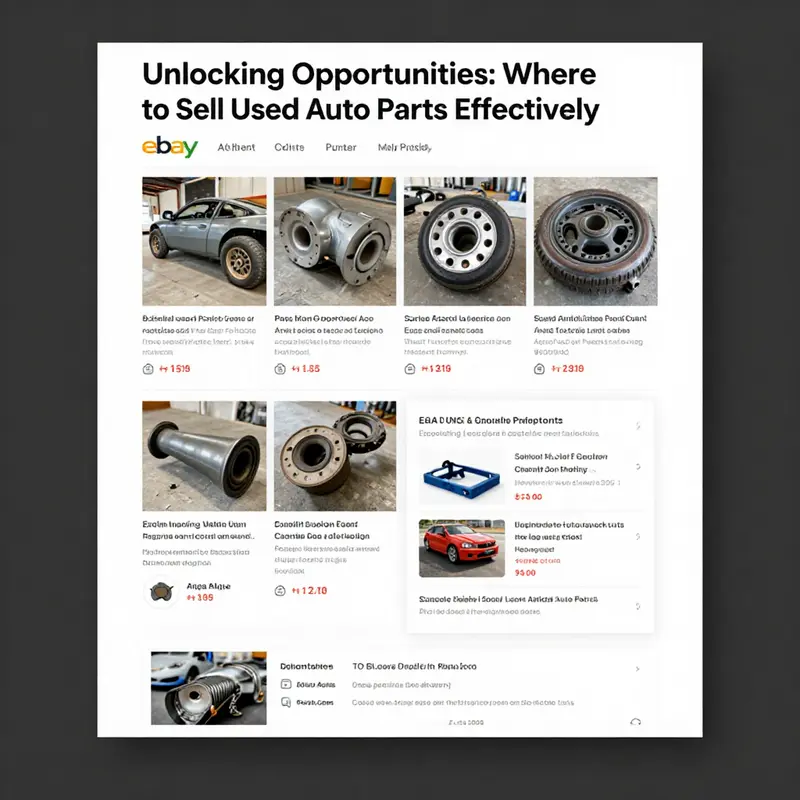
Selling used auto parts through a major online marketplace can transform occasional pickups into a steady revenue stream. A wide audience means more potential buyers who need precisely the parts you have. To capture that demand, focus on clarity, trust, and efficient logistics. Small improvements to listings and to the way you run your shop often produce large gains in views, conversions, and repeat business.
Setting up a professional online storefront helps your inventory compete for attention. Start by presenting each item with clean, well-lit photos from multiple angles. Photograph part numbers, wear points, connectors, and any included hardware. Buyers inspect used parts closely. Photos reduce uncertainty and lower the chance of disputes. Complement images with concise, factual descriptions that list compatibility by make, model, year, and engine code when possible. Include OEM or casting numbers and any recent service history. Clear, accurate data shortens the sale cycle.
Pricing must reflect condition, rarity, and shipping complexity. Research recent completed listings for comparable parts. If similar items sell quickly at higher prices, you can list more aggressively. For common parts, offering a slight discount compared to new aftermarket alternatives attracts budget-conscious buyers. Factor in shipping costs, packaging materials, and handling time. Consider offering local pickup at a set discount to avoid shipping and reduce lead time for buyers in your area.
Trust is essential when you sell used components. Build it with transparent return rules, fair descriptions, and fast, reliable customer communication. Respond to inquiries within 24 hours. Use templated messages for common questions but add personal touches so buyers know they are dealing with a real specialist. Ask for feedback after a successful sale, and politely address negative reviews. A few well-managed refunds or exchanges can do more to preserve your reputation than a single ignored complaint will cost you.
Leverage the selling tools available on major platforms to streamline operations. Use discounted shipping labels to reduce postage costs. Where available, enable automated tracking updates. Offer insured shipping for high-value components. If home pickup or carrier pickup options exist, enable them for bulky items like engines or transmissions. These conveniences reduce buyer hesitancy and often let you command better prices.
Inventory management prevents missed opportunities. Keep a simple database that records part ID, condition, location, and whether it’s listed on other marketplaces. Regularly update stock levels and mark parts reserved or under inspection. Inventory accuracy reduces the risk of canceling orders, which damages seller standing. For high-volume sellers, integrate listings with management software to sync quantities and centralize messages. Even a basic spreadsheet that’s frequently updated improves speed and accuracy.
Shipping fragile or heavy parts requires planning. Pack small components in sturdy boxes with proper padding. Use rust-inhibiting paper or grease for metal parts that may corrode. For engines and transmissions, palletize and secure with straps. Quote realistic handling times. If you ship internationally, research export rules and prepare customs documentation that lists part descriptions, weights, and values. Clear, accurate shipping information prevents delays and helps buyers calculate their total cost.
A consistent brand style builds recognition. Use a clear logo, a simple storefront banner, and a consistent voice in descriptions and messages. Feature your best feedback prominently. When buyers see repeated visual and verbal cues across listings, they feel more confident. Branding is especially helpful when you sell niche or high-ticket items. Shoppers who need specialty parts prefer to remember trusted sellers.
Use analytics to refine what works. Track which listings get views but no bids or inquiries. Low engagement suggests problems with photos, titles, or pricing. Listings with many views but few conversions often need clearer compatibility details or better images. A/B test title variations and photo orders. Small changes—like adding a close-up of a part number—can dramatically increase buyer confidence.
Combine broad marketplace exposure with niche channels and local options. A global marketplace attracts collectors and restoration projects from distant regions. Specialist platforms and local classifieds connect you with repair shops and DIY mechanics nearby. Cross-listing high-demand items on both a broad platform and a targeted marketplace can maximize visibility while keeping shipping manageable. But avoid listing the same part in multiple places without synchronizing inventory. That prevents double-selling and preserves your reputation.
When selling rare or high-value items, provide a full service offering. Include a clear inspection report, offer test-run footage where appropriate, and confirm fitment for specific chassis codes. For complex parts sold to distant buyers, consider a short guarantee period backed by a clear return process. Guaranteeing core functionality for a short window reduces buyer risk and often nets a higher sale price.
Operational efficiency matters for scaling. Set predictable processing times and communicate them in every listing. Batch similar tasks—photograph several related parts in one session, pack orders by shipping tier, and schedule pickups on fixed days. Efficient workflows lower your per-item labor cost and improve buyer satisfaction.
A real-world example of sellers adapting to online channels underscores the point. As one industry manager observed, businesses that shift to web-based sales remain competitive. That shift is not only about listing items widely. It’s about building a repeatable system for trust, fulfillment, and pricing.
If you list specialty engines or drivetrains, link to a sample listing to see presentation best practices. For example, review this genuine JDM low-mileage 4G63T engine listing to observe effective photo sets and condition notes: genuine JDM low-mileage 4G63T 2.0L DOHC turbo engine listing.
For a practical checklist and tactical steps on listing optimization, see this detailed guide to selling auto parts online: https://www.worldfirst.com/au/blog/sell-auto-parts-on-ebay/.
Targeting U.S. Repair Shops and Recyclers: How AutoScrap Connects Sellers with Practical Buyers
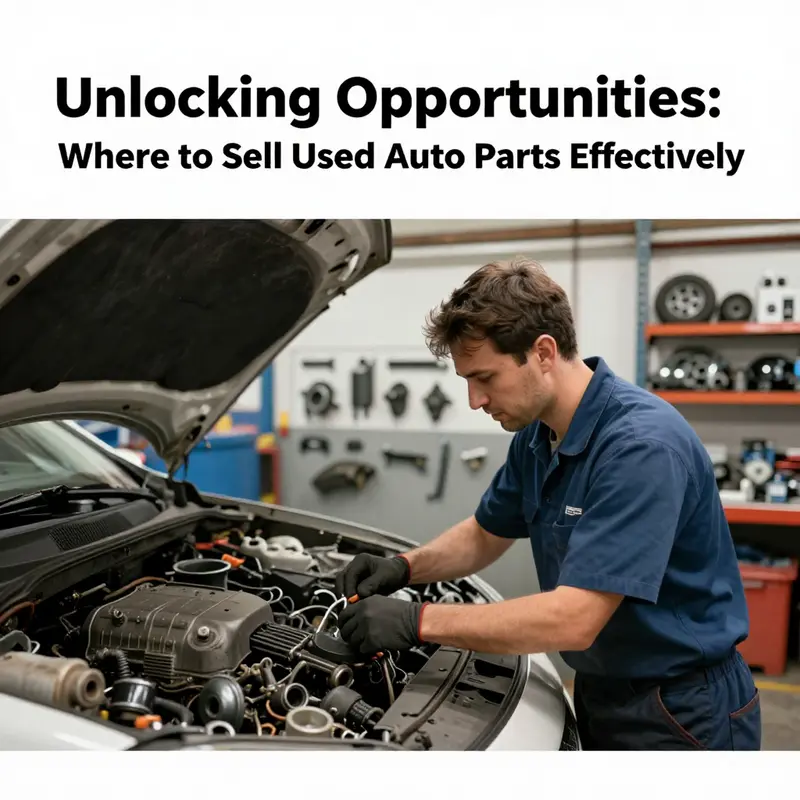
When you start selling used auto parts, the strongest buyers aren’t always the largest online audiences; they’re the repair shops and recyclers who need reliable cores, salvageable engines, and viable drivetrain components at a price that lets them stay competitive. AutoScrap is designed to meet that specific demand by connecting sellers with repair-focused buyers across the United States. It is not merely another marketplace; it is a targeted channel that aligns the realities of a repair shop’s workflow with the realities of a parts seller’s inventory. Independent repair shops, small repair networks, and DIY enthusiasts who turn salvage into value look for parts that can be installed quickly, refurbished efficiently, or recycled for maximum salvage value. For a seller, this means the opportunity to move inventory faster, often with less friction around shipping and handling, provided the listing communicates clearly what the buyer is getting and why it matters to their bottom line. The process begins with understanding the buyer’s lens: cost control, reliability, and minimum downtime for customers who come to them with broken or aging vehicles. Repair shops aren’t just buying a part; they’re buying a solution to a puzzle, a way to keep a customer’s car on the road at a price that supports their own margins. AutoScrap makes it easier to place your components into that precise frame by surfacing parts to a network hungry for economical, dependable cores and salvaged items. The emphasis is regional and practical. Buyers in the U.S. typically prefer parts that can be removed and tested locally, or at least parts with readily verifiable histories. In this respect, the platform’s value goes beyond listing a part. It offers a conduit for transparent communication about where an engine or a component came from, what it can reasonably deliver in repair work, and how quickly it can be integrated into a shop’s existing workflow. That speed and clarity matters because it translates into lower wait times for customers, faster job completion, and better overall utilization of a shop’s labor.
To make that connection work, sellers should approach AutoScrap with the same discipline they would use when placing a part on a shop floor. Start with the high-demand categories: engines and drivetrain components, core engines for remanufacture, transmission cores, and solid salvage values from catalytic converters and other emission-control systems. These parts are often sought after by independent repair shops that do not have the scale to rely on OEM supply channels or the capital to stock a broad catalog of new components. The value proposition is straightforward: a repair shop can source a used engine or a refurbished core at a predictable price, rework it if needed, and install it with confidence. In the long run, a steady stream of well-presented listings becomes an anchor for regional buyers and can reduce the idle time that wears down inventory margins. The platform’s design supports this approach by enabling sellers to present clear, scannable information—photos from multiple angles, part numbers, vehicle compatibility notes, and honest assessments of condition. The more a seller can demonstrate value—such as a core’s potential for reuse or a part’s salvageability—the more easily a buyer can approve a purchase without unnecessary back-and-forth.
The most practical listings on AutoScrap tell a story of usability. A shop knows exactly what it’s getting when it reads a listing that includes a precise engine type, an accurate vehicle compatibility scope, a transparent note about wear or non-operational aspects, and a straightforward explanation of how the part will be removed and delivered. For engines and other high-value cores, documentation becomes part of the product: the engine’s history, the mileage if available, records of inspection, and notes about the condition of external seals, mounting points, and accessories. A well-documented listing reduces guesswork, speeds up approvals, and minimizes the risk of returns or disputes. It also helps distinguish a seller who takes the extra step to verify the source of a part from someone who lists a part with minimal context and expects the buyer to fill in the gaps. When it comes to pricing, regional market conditions matter; a buyer in the Midwest may place greater emphasis on near-term availability and transport costs than a buyer on the East Coast who can leverage a different logistics setup. In practice, sellers benefit from aligning their pricing with both core value and the practicalities of local pickup or short-haul shipping. A transparent price, paired with a clear description of the part’s condition and origin, can create a sense of trust that accelerates decisions and encourages repeat business.
Seasonality can shape the rhythm of demand. Winter weather often drives more repairs to the forefront as households prioritize keeping vehicles roadworthy during harsher conditions, while summer months can see a surge in projects tied to vacations or fleet maintenance. AutoScrap gives sellers leverage to adapt listings to these cycles: emphasize engines and drivetrain components during peak repair seasons, highlight quick-install parts when shops face tight schedules, and bundle related items for regional buyers who can benefit from consolidated orders. The platform’s strengths lie in its ability to connect a seller’s inventory with a targeted audience, so a thoughtful approach to timing and messaging is more likely to pay off. It also pays to acknowledge that not every part will be a perfect match. Some listings may reveal wear, corrosion, or hidden damage that only becomes evident upon inspection. In those cases, a candid note about condition—paired with photos that clearly show problem areas—helps set realistic expectations and preserves the seller’s credibility with serious regional buyers.
A practical example helps illustrate how a U.S.-based operation can leverage AutoScrap. Consider AUTO & SCRAP RECYCLERS in Milwaukee, WI. This business operates with consistent hours and a clear focus on servicing local repair shops and recyclers. Their model demonstrates how a regional hub can become a reliable source for used engines, core parts, and scrap metal processing, bridging the gap between salvage yards and repair shops that need dependable, cost-effective components. Listing practices that mirror their approach—prompt communication, precise part identification, transparent history, and reliable logistics—can help any seller replicate that reliability for customers across the region. For those seeking inspiration on how a well-curated engine listing can perform, take a look at a representative listing such as a 4G63 engine for a Mitsubishi Evolution-era Lancer. This example, posted on a focused parts marketplace, demonstrates how to present an engine with a specific model match, clear compatibility notes, and an honest appraisal of condition. It serves as a practical touchstone for sellers who want to mirror the level of clarity and thoroughness that regional buyers appreciate. See a practical engine listing here: https://mitsubishiautopartsshop.com/4g63-engine-mitsubishi-lancer-cedia-2001-ta-cs2a/
In practice, success with AutoScrap hinges on combining the right inventory with clear, buyer-centric messaging. A seller who emphasizes reusable engine cores for repairs, the elevated salvage value from precious metals in emission systems, and the efficiency of local pickup or streamlined logistics will often see the strongest traction. The messaging should articulate the practical benefits: cost savings for the buyer, reduced downtime, and a straightforward process for part removal and transfer. Photos should capture both the external state and the internal condition as much as possible, with close-ups of key identifiers like part numbers and casting codes. Providing a concise history, including the source vehicle and any refurbishment work already performed, can further boost buyer confidence. The interplay between inventory management and market realities is crucial. Keeping an eye on seasonality, demand shifts, and the availability of compatible parts helps sellers adjust pricing, focus on high-demand parts, and build a steady pipeline of regional buyers rather than chasing sporadic remote buyers who may not complete transactions efficiently. In the end, the objective is a robust, transparent listing that makes a regional buyer feel seen and supported—an outcome that benefits both the seller and the shop or recycler on the other end of the transaction. For readers who want to explore how this can translate into a broader network, the example of a Milwaukee-based operation underscores the power of regional credibility and reliable logistics in building a sustainable used-parts business through AutoScrap. For those seeking external validation of practical buyer networks, you can consult local listings and customer reviews on relevant platforms such as Yelp to gauge service quality and regional responsiveness. Visit AUTO & SCRAP RECYCLERS on Yelp for more details: https://www.yelp.com/biz/auto-scrap-recyclers-milwaukee
Sell Used Auto Parts Faster: How a Local Pickup Marketplace Streamlines Sales
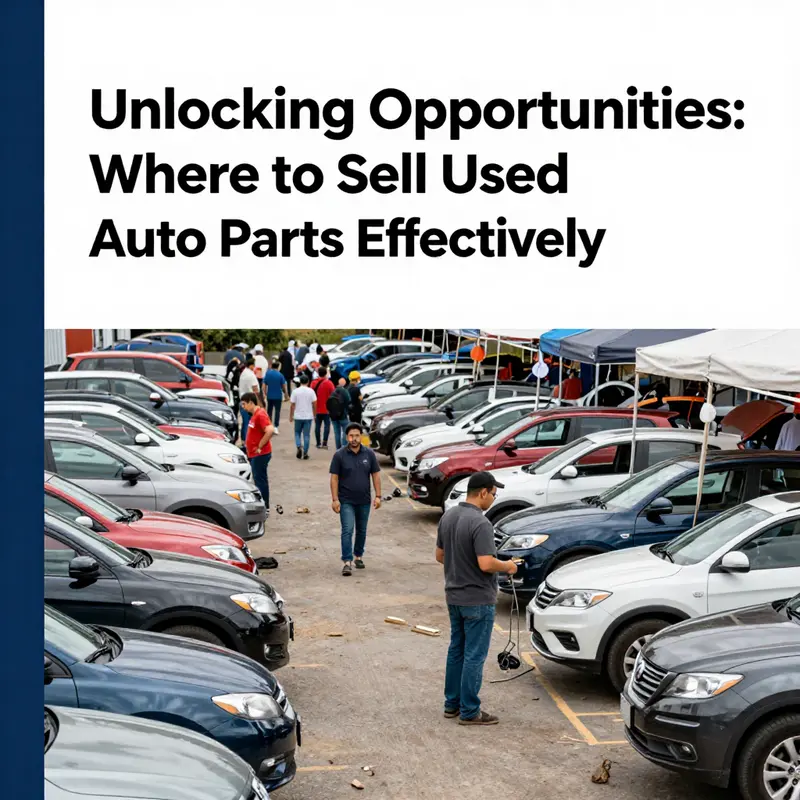
Connecting local sellers with buyers transforms how used auto parts move. By prioritizing proximity, clear listings, and convenient pickup, a local pickup marketplace reduces friction in every step. Sellers avoid long shipping windows and high carriers’ fees. Buyers access compatible parts quickly for urgent repairs. The result is faster turnover, higher satisfaction, and fewer disputes.
A focused local marketplace centers listings around vehicle compatibility and geography. Instead of scrolling through thousands of unrelated posts, buyers enter a vehicle’s make, model, and year. The platform then filters parts, presenting only compatible items. This reduces mismatches and returns. Sellers benefit because their listings reach the right audience immediately. When you describe a part with correct fitment details and show clear images, you remove most initial questions. That clarity speeds conversations and shortens the time between posting and pickup.
Transparency is critical. Sellers must disclose their role clearly, whether they are the direct owner, a broker, or an agent. Honest condition descriptions — new, serviced, salvage, or rebuilt — set realistic expectations. Include part numbers, mileage or usage history, and any known defects. Photographs from multiple angles, close-ups of mounting points, and images of identifying stamps or labels help buyers verify authenticity. A precise title and consistent taxonomy in the description also improve search visibility within the marketplace.
Logistics are where local marketplaces shine. By promoting pickup options, sellers can list parts as available for same-day or next-day pickup. That makes these platforms ideal for urgent repairs. For bulky items like body panels or engine assemblies, specifying whether a part requires a hoist, flatbed, or two-person lift prevents surprises at pickup. Sellers should provide clear pickup windows, a contact number, and a safe meeting location. Offering curbside assistance or loading help can justify a slightly higher price and earn positive reviews.
Pricing strategies on local marketplaces differ from broad marketplaces. Because shipping is often eliminated, prices can stay competitive while preserving seller margins. Research local demand for the specific part before setting a price. For high-demand items, a modest premium for quick availability is acceptable. For niche parts, consider bundling related items to increase perceived value. Always account for condition, local comparables, and the time and effort required for removal and preparation.
Inventory management tools elevate the selling experience. Sellers who connect their local stock to a marketplace that updates listings in real time avoid double-selling errors. Automatic alerts for inquiries and sales reduce response lag. A basic workflow—list, verify, hold for pickup, and mark as sold—keeps inventory accurate. If you handle many parts, sync your inventory to avoid overselling and to keep buyers informed about true availability.
Trust and verification build repeat business. Good platforms enable sellers to verify part authenticity. Verifications can include serial number checks, VIN cross-references, or third-party inspection notes. Sellers who offer a limited testing period or a short warranty for specific components inspire confidence. For used electronics like ECUs or sensors, offering bench test results and including those in the listing prevents later disputes.
Communication matters. Respond promptly and politely to messages. Provide concise answers and confirm pickup details before a buyer arrives. Use standardized messages for common queries, such as fitment confirmations or payment options. Clear expectations at the outset reduce cancellations and last-minute complications. If a part needs additional work before release, communicate timelines immediately and consider offering a small discount for the buyer’s flexibility.
Payment and safety protocols should be straightforward. Cash on pickup remains common for local deals. Many platforms also support digital checkout options or local card readers for convenience. Regardless of payment method, document the sale with a simple receipt that includes part details, vehicle compatibility, condition, price, date, and seller contact. This protects both parties and creates a record in case of follow-up questions.
Packaging and preparation increase buyer satisfaction. Even when a buyer picks up a part, packaging protects it during transport. Wrap smaller components in protective material and secure them in a sturdy box. For larger parts, provide straps or recommendations for safe transport. Label parts clearly to prevent confusion when multiple buyers pick up in the same location.
Local marketplaces encourage community ties. Regular sellers can build relationships with independent mechanics and repair shops. Offering trade discounts to frequent buyers or shopscreates steady demand. A reliable local reputation brings repeat business and word-of-mouth referrals. Consider participating in niche owner groups or local forums to reach enthusiasts who prefer used OEM or specialty components.
Scaling a local parts business is possible without losing local focus. Use automated pricing updates for common parts, set aside inventory for wholesale relationships, and maintain a separate workflow for salvageable or core-removable items. If you sell performance or rare items, taking high-quality photos and specifying provenance increases trust and value. For example, when listing a half-cut assembly for a popular model, be precise about included components, mileage, and compatibility. A sample listing for a half-cut can include drivetrain details, interior condition, and whether the harness and ECU are included — all of which help a buyer decide quickly. For reference, sellers can view an example listing like evo-x-halfcut to learn how to present a complex assembly clearly.
Finally, think of the sale as part of a longer relationship. Follow-up messages asking whether the part fit or suggesting complementary components show professionalism. Encourage buyers to leave feedback. Positive feedback fuels future listings and increases trust among local customers. Over time, maintaining accurate descriptions, fair prices, and convenient pickup options will position any seller as the go-to source for used auto parts in their area.
A local pickup marketplace balances digital convenience with real-world ease. It removes unnecessary shipping hurdles and speeds repairs for buyers. For sellers, it reduces overhead, speeds cash flow, and builds a dependable customer base. Focus on clear listings, reliable communication, and safe pickup procedures to maximize results. Learn more at: https://www.upickparts.com
Selling Used Auto Parts Locally Through Social Marketplaces: A Practical Guide

Master the local social marketplace to move parts faster and earn more. When you want to sell used auto parts close to home, social marketplaces are among the most efficient channels. They place your listing directly in front of nearby buyers, cut shipping hassles, and let you move bulky or heavy components with a simple pickup. To succeed, treat each listing like a micro storefront: precise details, strong visuals, transparent pricing, and fast, professional responses forge trust and shorten the path to sale.
Start with a clear, honest listing. Use several high-resolution photos taken from different angles. Photograph mounting points, part numbers, tags, connectors, and any cosmetic or functional damage. Buyers looking for parts will make decisions based on fitment and condition; seeing a picture of a bolt pattern or an electrical connector can eliminate weeks of back-and-forth. In the written description, include the exact make, model, year range, and engine or trim compatibility. If you have an OEM or aftermarket part number, list it. Mention mileage or hours if the part came from a vehicle with low or high usage. Be explicit about condition—tested and working, removed from a running vehicle, or salvage for cores—so expectations align.
Keywords and phrasing matter. Use search-friendly terms a mechanic or hobbyist would type: the common part name, vehicle model, generation, engine code, and descriptors such as complete assembly, used OEM, or fits X–Y. Avoid vague phrases. A buyer searching for a specific alternator expects the engine code or the electrical specs, while someone looking for a bumper will key into the year range and finish. Proper keywords improve visibility in platform search and in local group feeds.
Price strategically. Research completed listings in your area to see what similar parts have sold for. Price slightly above the amount you’ll accept to leave room for negotiation, or set a firm price if you prefer no-haggle sales. If a platform shows market insights from third-party pricing tools, use that data to justify your asking price in the description. For large-ticket items, show how you arrived at the price: include testing results, recent repairs, or replacement parts included with the sale. If you are offering a core exchange or warranty, state terms clearly.
Decide how you’ll handle shipping vs pickup. Local pickup is often the simplest and safest route for heavy items like engines, transmissions, or bumpers. Offer curbside pickup with a neutral meeting location or at your business address. If shipping is required, calculate shipping costs in advance and decide whether you will include them in the price or add them as a separate charge. Use reputable carriers and insure high-value parts. Provide dimensions and approximate weight in the listing so buyers can estimate shipping costs.
Communication shapes the buyer experience. Enable instant messaging on your profile and reply promptly. Answer routine questions with concise, prepared responses: confirm compatibility, reiterate condition, and restate pickup location or shipping policy. When negotiating, keep messages polite and firm. Save time by preparing a standard reply for lowball offers and another for serious buyers who ask for additional photos or test results. Good communication reduces no-shows and builds a professional reputation that encourages repeat customers.
Protect yourself and the buyer with clear policies. State whether returns are accepted and under what conditions. If you test parts before sale, document the test method and mention it in the description. For electrical components and engines, describe how you verified operation and include any warranty you offer, even if modest. For cash transactions, accept payment at pickup and consider secure methods for remote buyers. For larger purchases, a simple written receipt that lists the item, VIN or serial numbers, price, and date helps protect both parties.
Safety and logistics matter. Arrange pickup in daylight hours and choose a public, well-lit meeting spot if you are not meeting at your home or place of business. For bulky items, ask buyers to bring a friend and appropriate tools or a vehicle sturdy enough to transport the part. If a buyer asks for help loading, establish whether you will assist and whether there is any extra fee for labor. For business sellers, confirm whether you will handle paperwork such as salvage or bill-of-sale documents.
Leverage local groups and buyer communities. Niche enthusiast groups, repair forums, and local mechanic networks increase the likelihood of matching parts with qualified buyers. Post in relevant regional groups and use their tagging or pinned-post features. While a general marketplace listing reaches many browsers, targeted group posts reach buyers who already know what they need and how to install it.
Scale thoughtfully if you sell frequently. Create template descriptions, maintain a small inventory catalog, and keep a dedicated space for parts—clean, labeled, and photographed. Track serial numbers and sources for warranties and returns. Consider partnering with local shops or recyclers who can handle pickups or installations. Building relationships with consistent buyers reduces transaction friction and encourages referrals.
Maintain trust with follow-through. After a sale, mark the item as sold and remove or update listings to avoid duplicate offers. Ask satisfied buyers for brief feedback you can reuse in future listings. When disputes arise, handle them promptly and professionally; often a fair partial refund or a clarified description resolves issues before escalation.
For inspiration and to better visualize what a comprehensive parts listing looks like, review an example of a full-engine offering that includes photos, specifications, and compatibility details: genuine JDM low-mileage 4G63T 2.0L turbo engine listing.
Used auto parts move fastest when sellers combine careful presentation with local convenience. Clean photos, exact fitment details, transparent pricing, and quick, courteous replies turn casual browsers into buyers. Whether you are selling a single trim piece or a complete drivetrain, treating the local social marketplace as a professional channel increases your chances of a safe, profitable, and repeatable sale.
For the platform’s official guidance on features, listing tools, and safety tips, see the marketplace help page: https://www.facebook.com/marketplace
null
null
Final thoughts
In the dynamic market of used auto parts, selecting the right platforms is pivotal for success. By tapping into eBay’s massive audience, reaching out to repair shops via AutoScrap, facilitating local transactions with U-PICK Parts and Facebook Marketplace, and exploring Craigslist for quick deals, business owners can optimize their sales strategies. Each platform comes with distinct advantages that cater to different customer demographics, ultimately enhancing your overall market presence. Implement these strategies to not only maximize sales but also build valuable customer relationships in the growing automotive parts industry.