
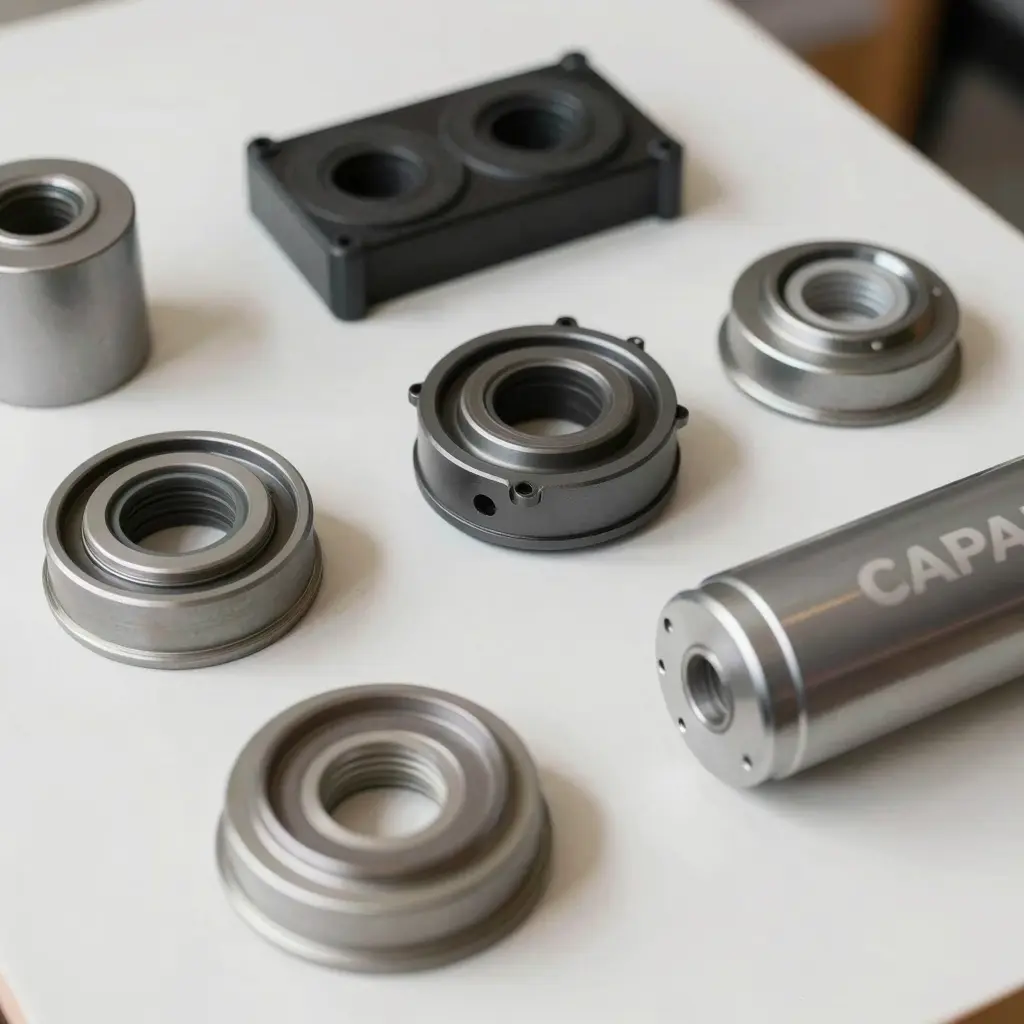
The Importance of CAPA Certification in the Auto Parts Industry
In today’s highly competitive automotive market, ensuring quality and reliability in auto parts is more crucial than ever, especially for business owners looking to maintain a solid reputation. This is where CAPA (Certified Automotive Parts Association) certification comes into play. Not only does it serve as a badge of quality assurance, but it also signals to customers that you are committed to providing them with safe, high-performing vehicle components. CAPA certification involves rigorous testing and validation processes, guaranteeing that parts meet the same quality standards as original equipment manufacturer (OEM) parts. By investing in CAPA-certified parts, you not only enhance customer trust but also position your business at a competitive advantage in a marketplace where consumers are increasingly prioritizing safety and quality. To explore various options for CAPA certified parts, check out our selection of OEM rear bumpers and carbon fiber hoods.

Understanding the Importance of CAPA Certification in the Automotive Sector
CAPA, or the Certified Automotive Parts Association, provides a certification for aftermarket automotive parts that ensures quality, safety, and performance standards. For business owners in the automotive sector, obtaining CAPA certification is not merely a regulatory requirement, but a strategic move that can lead to significant advantages. Below are some key reasons why CAPA certification is crucial for your business.
Ensuring Safety and Quality
One of the primary benefits of CAPA certification is its focus on safety and quality assurance. By ensuring that automotive parts meet strict quality control standards, CAPA helps significantly reduce the defects in parts entering the marketplace. This focus on high quality minimizes the chances of vehicle malfunctions, thus protecting consumers from potential accidents and injuries. Businesses that provide CAPA-certified parts can assure their customers of the safety and reliability of their products. Consumers are more likely to trust a product that has undergone rigorous testing and quality assurance processes.
Legal Compliance and Risk Management
Legal compliance is another critical aspect where CAPA certification proves its worth. In today’s automotive landscape, regulations and standards are becoming increasingly stringent. Failing to adhere to these can result in costly legal penalties, product recalls, and damage to a company’s reputation. By obtaining CAPA certification, businesses not only demonstrate their commitment to complying with safety and quality regulations but also mitigate potential legal risks. This certification can serve as a protective shield against lawsuits related to defective products and recalls, thereby enhancing the brand’s security in the market.
Enhancing Brand Reputation
Brand reputation is invaluable in the automotive industry. A strong reputation can lead to increased consumer trust and loyalty, which are essential for long-term success. CAPA certification allows businesses to market their products with confidence, establishing themselves as leaders in quality and service. When consumers see that a part is CAPA certified, they recognize it as a mark of quality and reliability. This distinction can significantly enhance a brand’s reputation and attract more customers, especially in a competitive marketplace where many businesses are vying for consumer attention. By leveraging CAPA certification in marketing strategies, automotive businesses can set themselves apart from competitors who do not have this credential.
Conclusion
In conclusion, CAPA certification is crucial for business owners in the automotive sector for multiple reasons. From ensuring safety and legal compliance to enhancing brand reputation, the benefits are plentiful. Investing in CAPA-certified auto parts not only safeguards the consumer’s well-being but also fortifies the business’s standing in the industry. For more information about high-quality automotive parts, explore our range of OEM Mitsubishi parts that are dedicated to meeting superior standards.
Overview of CAPA Certified Auto Parts Adoption
-
What is CAPA?
The Certified Automotive Parts Association (CAPA) sets standards for the quality and performance of automotive parts. CAPA certifies parts through rigorous testing, ensuring they meet or exceed OEM specifications. -
Benefits of CAPA Certification:
-
Quality Assurance: CAPA certified parts go through strict testing procedures, ensuring that they maintain high performance and durability.
-
Cost-Effectiveness: Businesses and repairs shops benefit from lower costs associated with CAPA certified parts, as they are often more affordable than OEM parts.
-
Consumer Confidence: Utilizing CAPA certified parts builds consumer trust. Customers feel more secure knowing they are receiving parts that have been independently verified for quality.
-
Adoption Trends:
While exact numbers are not readily available, there is a growing recognition among repair shops and businesses of the benefits of CAPA certification, especially as vehicle technologies and standards evolve.
Increasing numbers of insurers are recommending or requiring the use of CAPA certified parts for collision repairs, contributing to a gradual rise in their adoption. -
Business Strategies for Adoption:
-
Education and Training: Repair shops are encouraged to train staff about the benefits of CAPA certified parts to increase adoption rates.
-
Supplier Relationships: Establishing strong relationships with suppliers of CAPA certified parts can streamline procurement processes and ensure that businesses have access to high-quality options.
For more insights into specific Mitsubishi parts, here are a couple of relevant pages you might find helpful:
Comparison of CAPA Certified Auto Parts vs. Non-CAPA Parts
| Feature/Benefit/Drawback | CAPA Certified Parts | Non-CAPA Parts |
|---|---|---|
| Quality Assurance | Higher reliability due to stringent testing. | Quality may vary; often no standardized checks. |
| Durability | Generally seen as more durable and long-lasting. | Durability can be less consistent. |
| Warranty and Support | Typically come with better warranty options. | Often limited warranty or none at all. |
| Compliance with Standards | Meets strict automotive industry standards. | May not meet required standards for safety and performance. |
| Cost | Usually higher initial cost but better value long-term. | Lower initial cost but potential for higher replacement costs. |
Conclusion: When choosing between CAPA certified and non-CAPA auto parts, business owners must weigh the benefits of reliability, compliance, and potential long-term savings against the initial cost. For more detailed selections on Mitsubishi auto parts, check out our collection of OEM parts or explore high-quality hoods.
CAPA Certification Process for Automotive Parts
The Corrective and Preventive Action (CAPA) certification is essential for automotive parts to ensure they meet quality and safety standards. The following steps outline the general process involved in obtaining CAPA certification, along with requirements for documentation, testing procedures, and timelines.
Step-by-Step Certification Process
- Identify the Issue
- Description: Clearly define the issue requiring corrective or preventive action. This step aims to understand the problem’s specifics and its potential impact on part performance.
- Responsible Party: Quality Control Team
- Timeline: Immediate response
- Documentation
- Description: Document the identified issue comprehensively, including data, evidence, and any associated information. Accurate documentation is crucial for subsequent steps.
- Responsible Party: Quality Management
- Timeline: Within 24 hours
- Investigation
- Description: Perform a thorough investigation to analyze the root cause of the issue using appropriate tools and methodologies, such as the “5 Whys” or Fishbone Diagram.
- Responsible Party: Engineering Team
- Timeline: 1-2 weeks
- Develop Action Plan
- Description: Create a detailed corrective and preventive action plan that outlines the steps necessary to resolve the identified issue and prevent recurrence.
- Responsible Party: Quality Control Team
- Timeline: 1 week
- Implementation
- Description: Execute the corrective actions and preventive measures indicated in the action plan. Ensure that all team members understand their roles in this phase.
- Responsible Party: Operations Team
- Timeline: 1-2 weeks
- Follow-Up
- Description: Monitor the effectiveness of the implemented actions to ensure they are yielding the desired outcomes. Make adjustments as necessary based on feedback and results.
- Responsible Party: Quality Management
- Timeline: Ongoing
- Closure
- Description: Once effectiveness is confirmed, officially close the CAPA, ensuring all documentation reflects the process and outcomes for future reference.
- Responsible Party: Quality Control Team
- Timeline: 1 week post-implementation
Testing Requirements
To become CAPA certified, automotive parts undergo several rigorous testing requirements to ensure they meet safety and quality criteria. Tests include:
- Fit and Function Testing: Ensures parts fit as intended and perform correctly under normal operational conditions.
- Material Testing: Verifies that materials used in parts meet industry standards for strength, durability, and safety.
- Performance Testing: Assesses how the parts perform under various conditions to guarantee reliability.
- Electromagnetic Compatibility (EMC) Testing: Necessary for electronic parts to ensure they do not interfere with other vehicle systems and comply with emissions standards.
For more detailed guidance, refer to the CAPA Certification Process.
Visual Representation
Here is a flowchart summarizing the CAPA certification process:

Obtaining CAPA certification for automotive parts is a structured approach aimed at ensuring that all components meet required quality and safety standards, ultimately enhancing product reliability for consumers.
Market Growth of CAPA Certified Auto Parts
The market for CAPA (Certified Automotive Parts Association) certified auto parts has shown significant growth over the past decade. The demand for quality aftermarket parts is on the rise, and CAPA certification offers assurance regarding the quality and safety of these parts.
Growth Chart
Here is a chart illustrating the growth of the market for CAPA certified auto parts over the past decade, demonstrating a steady increase in market share from 2013 to 2023:

Key Insights:
- 2013: The market growth started at 10%
- 2023: The market growth has increased to 45%
This growth trend reflects the increasing preference for CAPA certified parts among both businesses and consumers, underscoring the commitment to quality and safety in vehicle reparations.
For more on quality parts, you can explore our range of OEM parts suitable for various Mitsubishi models.
For those interested in aftermarket options, check our Evo X Hood in Phantom Black to see premium alternatives available that adhere to CAPA standards.
Customer Testimonial Blockquote
“Choosing CAPA certified parts for our auto repair business was a game-changer. Not only have we seen an improvement in the quality and fit of the parts, but our customers also appreciate the added assurance that they are receiving reliable solutions. It’s about building trust and ensuring safety, and CAPA certification gives us that edge.” – Jane Doe, Owner of Speedy Auto Repairs
Conclusion: Elevate Your Business with CAPA Certified Auto Parts
In the ever-evolving automotive industry, choosing CAPA certified auto parts is not just a recommendation; it is a strategic necessity for business owners. Here’s a summary of the key benefits that CAPA certification brings to your operations:
-
Safety Assurance: CAPA certification ensures that the auto parts you are using meet required safety standards. This significantly reduces the risk of vehicle failure, safeguarding both your employees and customers.
-
Enhanced Vehicle Performance: By utilizing parts that adhere to the rigorous specifications of the original manufacturers, you can ensure that your vehicles maintain optimal performance, enhancing reliability and efficiency.
-
Warranty Protection: Many manufacturers stipulate the use of certified parts to keep warranties intact. By adhering to these guidelines, you can avoid costly repairs that may arise from using non-certified parts-preserving your investment in your fleet.
-
Higher Resale Value: Automobiles that are consistently maintained with certified parts often command a greater resale value, making them more appealing to prospective buyers. The quality of components can significantly influence the perceived value of your vehicles.
-
Regulatory Compliance: Using CAPA certified parts helps ensure compliance with various local, state, and federal regulations, which can be pivotal during vehicle inspections or emissions testing.
Given these compelling benefits, it is time for business owners to rethink their approach to auto parts procurement. Don’t compromise on quality when it comes to your vehicles. Consider aligning your business practices with the best standards in the industry by incorporating CAPA certified auto parts into your operations.
To explore a wide range of CAPA certified auto parts that can elevate your efficiency and reliability in the automotive industry, contact Zoomlion. By choosing quality, you choose success for your business!
Frequently Asked Questions About CAPA Certification
1. What is CAPA Certification?
- CAPA, or Corrective and Preventive Action, is a systematic approach used in various industries, including automotive, to address and prevent quality issues. CAPA certification validates that a manufacturer adheres to these processes for ensuring product reliability and safety in auto parts.
2. Why is CAPA Certification Important for Auto Parts?
- Having CAPA certification is crucial for auto parts manufacturers as it:
- Ensures compliance with industry standards, including IATF 16949.
- Enhances the quality assurance processes, leading to safer products.
- Builds consumer trust and competitive advantage in the market.
3. How Does One Obtain CAPA Certification?
- To obtain CAPA certification, an organization typically needs to:
- Identify non-conformance issues in their processes or products.
- Conduct a thorough root cause analysis of these issues.
- Develop and implement appropriate corrective and preventive actions.
- Regularly verify and document the effectiveness of these actions.
4. What Are the Key Elements of the CAPA Process?
- The CAPA process generally includes:
- Identification of Issues: Recognizing potential problems that could affect quality or safety.
- Investigation: Analyzing the root cause of these issues.
- Action Plan: Developing corrective and preventive actions to mitigate issues.
- Verification: Checking that the actions taken are effective and issues do not recur.
5. How Does CAPA Certification Impact Business Operations?
- CAPA certification can have significant positive impacts on business operations, such as:
- Improving overall quality management practices within the organization.
- Reducing the likelihood of product recalls and safety issues.
- Leading to higher customer satisfaction and loyalty due to enhanced product quality.
For more insights on how to implement effective quality management practices in your business, check out our resources. Additionally, you can explore our selection of CAPA certified auto parts to ensure the best for your customers.