

For business owners managing vehicle fleets, minimizing costs while ensuring operational efficiency is crucial. One often overlooked strategy involves acquiring free auto parts, which can substantially reduce repair and maintenance expenses. This guide focuses on three primary avenues: exploring local auto repair shops and salvage yards for unused parts, leveraging online communities and forums to find generous offers, and engaging with fellow automotive enthusiasts at car meetups or events. By harnessing these resources, you can enhance your operational budget while maintaining your vehicles in peak condition.
Unearthing Hidden Treasures: How Local Repair Shops and Salvage Yards Can Provide Free Auto Parts
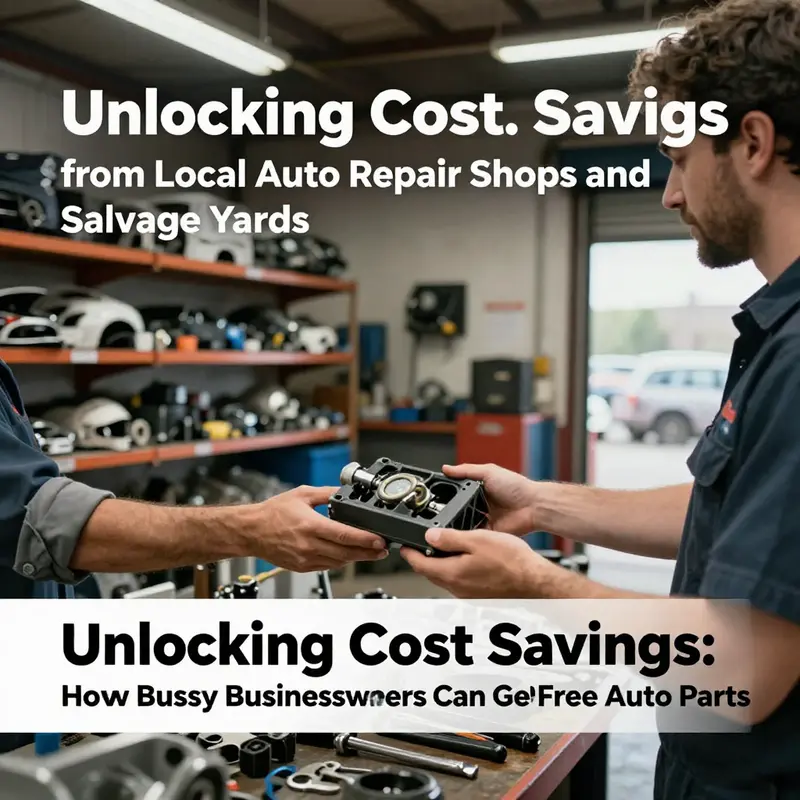
When faced with the steep costs of auto repairs and the financial pressures of vehicle maintenance, many car owners are searching for unconventional ways to acquire the parts they need without breaking the bank. Among the most promising avenues is an often overlooked resource: local auto repair shops and salvage yards. These establishments, rooted deeply in the community and the automotive industry, sometimes harbor hidden treasures that can serve as cost-effective solutions for those in need.
At first glance, the idea of obtaining free auto parts from businesses that typically rely on profit may seem far-fetched. However, seasoned enthusiasts and resourceful mechanics understand that there is life mingling between discarded remnants and items that are still fully functional. The journey begins with an open mind and the willingness to ask the right questions. Many salvage yards have surplus parts or items that have been removed from vehicles that are beyond repair. In many cases, these parts are still in adequate condition to serve as temporary fixes or even permanent replacements, provided they are carefully inspected and verified. By learning the language of the trade and building genuine relationships, a car owner can establish trust and openness that, in some fortunate instances, results in acquiring parts at little or no cost.
Locally owned auto repair shops, which often see parts returned or replaced, provide another layer of opportunity. In a system built on customer loyalty and community reputation, it is not uncommon for a repair shop to have extra components lying around. These might include items such as batteries, alternators, brake pads, and even minor trim pieces. The key lies in approaching these businesses with respect and a clear explanation of your situation. A calm conversation with a trusted mechanic can sometimes lead to a donation of parts that are no longer needed. In some cases, repair shops might set aside a dedicated bin of “free grabs” where parts that are still serviceable but no longer required for their usual operations sit waiting for a good home. This generosity is generally neither advertised nor guaranteed, so persistence and courtesy go a long way.
The process of sourcing free auto parts from these local hubs requires both preparation and adaptability. A worthwhile starting point is to familiarize yourself with the specific parts your vehicle may need. This means knowing your car’s model, year, and any nuanced requirements specified in your owner’s manual. Armed with this information, it becomes easier to communicate with service professionals and yard managers, ensuring that the parts offered will integrate seamlessly with your vehicle. Additionally, asking targeted questions like “Do you have any spare batteries, alternators, or trim pieces available for donation?” or “Are there any parts that were removed and are still in working order?” encourages these professionals to think outside the usual profit-making model and consider assisting you on a more charitable basis.
Many salvage yards operate on a model of getting rid of components that no longer serve their primary function. Often, these parts are removed during the scrapping process when vehicles are being disassembled for recycling. Items such as tires, mirrors, hubcaps, and even entire engines may be offered either for free removal or at a very nominal charge if you are willing to transport them yourself. For a resourceful car owner, these discarded treasures can be a gold mine. Not every item, however, will be in perfect working condition. It is essential to have a good eye for potential flaws. When acquiring parts from a salvage yard, a thorough inspection cannot be overemphasized. Simple tests such as visual examinations for wear or damage—and, if possible, running a short performance test—are critical to ensuring that the part in question will not only function but also keep your vehicle safe.
The reality is that salvage yards are typically busy operations, characterized by a whirlwind of activity as part-laden vehicles move in and out of the lot. This bustling environment can sometimes obscure the existence of free or low-cost parts. Car owners are advised to visit these locations during less busy times to maximize their chances of encountering someone willing to assist with a free grab. Spending time wandering through the lot while initiating friendly conversation with the staff often pays off. Even when a particular part is not immediately available, establishing rapport can lead to future opportunities. In many cases, yard operators hold on to parts that are not picked up right away, awaiting someone who demonstrates both genuine need and an understanding of the value of these items.
In addition to in-person visits, online community forums and local social media groups can complement your efforts at physical locations. There is often a strong crossover between local repair shop patrons and online enthusiasts who share information about free or heavily discounted parts. Platforms such as Facebook groups and Nextdoor frequently have posts about “free parts available,” where people list items they no longer need. These posts can be particularly beneficial when timed with local events or seasonal clean-ups at salvage yards. While the journey to secure a free auto part might involve a certain degree of patience and persistence, the savings can be significant, especially when replaced parts cost hundreds of dollars when purchased new.
Another nuance worth noting is the concept of free removal offered by salvage yards. In some cases, particularly with bulky items like engines or transmissions, the yard’s primary motivation is to clear space. These establishments may allow a car owner to remove the part free of charge if they are willing to handle the logistics of transportation. This arrangement can be a win-win scenario, freeing up space in the yard while providing the car owner with a critical component without the burden of paying full price. It is important, however, to verify the condition of these parts beforehand. A free part that fails to meet safety standards or performance criteria can create more issues than it resolves.
The free parts phenomenon is not confined solely to traditional salvage yards and repair shops. Many local businesses, including smaller, independent repair establishments, may occasionally accumulate spare parts that are simply too costly to dispose of as waste. These businesses are sometimes willing to donate the item to a customer in need, particularly if the request is made in a respectful and sincere manner. The process involves clear communication and a willingness to wait. Timing is an essential factor here—many shops will only consider donating parts when faced with limited storage capacity or if the item has been at risk of deterioration. In these scenarios, building a relationship with the local mechanic or shop owner is beneficial, as familiarity can lead to notifications when free spare parts become available.
Beyond the immediate benefits of saving money on repairs, sourcing free auto parts through local repair shops and salvage yards also encourages sustainable automotive practices. In a world where waste and rapid consumption are all too common, repurposing usable car components contributes to environmental conservation. Salvage yards and repair shops often deal with the by-products of a throwaway culture, and by reusing what might otherwise end up in a landfill, you are contributing to a cycle of sustainability. This eco-friendly approach not only reduces waste but also supports the broader objective of preserving natural resources.
When approaching a salvage yard or repair shop for free parts, it is crucial to adopt a methodical strategy. Start by carrying a checklist that outlines exactly what you need. This list serves as a reference point during conversations and helps the staff quickly understand your requirements. For example, if you are in need of a battery or alternator, mention this explicitly. A precise query is more likely to timeously connect you with the right resource. In some cases, the yard or shop might not even realize that they have the part you’re seeking until you ask. Patience and clarity are key elements in these instances.
While many salvage yards have long operating hours, it is advisable to call ahead before making an in-person visit. A quick phone call can confirm whether any free components are likely to be available, saving you a trip if none are in stock. This advance communication also sets a professional tone for your inquiry. Explain your predicament, detail what parts are needed, and express your willingness to inspect and transport the items on your own. In doing so, you are not only displaying self-sufficiency but also a respect for the yard’s operational challenges. Moreover, some repair shops and yards update their websites or social media pages with available inventory, including any free part giveaways. Regularly checking these platforms can be immensely beneficial and may lead to unexpected finds.
There are practical scenarios where free parts have made a significant difference in a car owner’s life. Consider a situation where a vehicle, typically worth only a few thousand dollars, suffers a malfunction in the brake system. Replacing worn brake pads from a salvage yard not only resolves the immediate issue but also avoids a costly outlay that might otherwise threaten the car’s continued use. These instances illustrate the tangible benefits of seeking out free parts. It is a reminder that while manufacturers and dealerships might offer promotions or warranty parts from time to time, the local salvage yard represents a resource that is often underutilized and filled with potential.
As you navigate this terrain, it becomes clear that both salvage yards and local auto repair shops are part of a larger, interconnected community. This community includes not just the business owners and mechanics, but also fellow car enthusiasts who share their experiences and tips online. One particularly helpful resource is the online repository of free mechanical parts sharing personal stories and success tips from individuals who have managed to secure crucial parts without cost. For instance, a user might share a story about finding a perfectly serviceable used front bumper at a local yard, which not only saved money but also extended the life of their vehicle. In many cases, these stories serve as both inspiration and practical advice, guiding newcomers through the sometimes challenging process of sourcing free auto parts.
An exemplary case involved a car owner searching for a front bumper that had been damaged during a minor accident. Instead of opting for a new replacement from a dealership, they decided to visit a local salvage yard, where a well-maintained bumper was being held until it could be recycled. With careful inspection and some minor adjustments, the bumper was integrated successfully into the vehicle, restoring both appearance and functionality. Such narratives underscore the importance of not only knowing where to look but also having the confidence to verify the quality of what is offered. They remind us that free auto parts are not merely a cost-saving measure, but also a testament to the ingenuity and resourcefulness of the automotive community. For those interested in exploring further examples, you might consider reading about a similar success story involving a used front bumper available for salvage at a local yard, as detailed in this article on used salvage yard front bumpers (https://mitsubishiautopartsshop.com/2006-2008-mitsubishi-eclipse-front-bumper/).
In addition to these success stories, there are also valuable lessons to be learned about the art of negotiation and inquiry when dealing with local repair shops. It is not uncommon for a shop owner to admit that they occasionally accumulate spare parts that simply do not have a designated place in their store. The economic model of many repair shops depends on efficient inventory management. When these businesses find themselves with excess parts, especially those that are difficult to store due to size or perishability, a well-timed request from a customer in genuine need may result in a donation. It is important to note that the notion of receiving free auto parts often hinges on the approach used: respectful inquiry, demonstrated need, and a readiness to provide proper feedback on the condition and performance of the part once in use.
One of the more challenging aspects of dealing with salvage yards and repair shops is the inherent uncertainty that surrounds the availability and condition of free parts. Not every inquiry will result in a positive outcome. There are days when a visit to a yard might yield nothing more than a polite shrug. However, the key to success lies in perseverance. Over time, as you become more familiar with the personnel, you begin to notice patterns; perhaps certain days of the week or times of the month yield more free parts, or maybe specific individuals in the yard have a reputation for being particularly accommodating. Persistence combined with courteous communication often leads to small victories that, cumulatively, result in substantial savings over the long term.
An often overlooked but equally important consideration is the safety of the parts you acquire. Even when a part is offered for free, the responsibility lies with you to conduct a thorough inspection before installation. Free parts can sometimes have hidden issues such as corrosion, structural fatigue, or outdated specifications that may compromise your vehicle’s performance. Taking the time to understand what to look for in a used part is crucial. For example, when evaluating components like batteries or alternators, it is advisable to look for signs of wear or residue that indicate previous use. In scenarios where uncertainty exists, seeking a second opinion from a trusted mechanic can provide additional assurance that the free part is indeed worthy of installation.
The process of sourcing free auto parts also carries with it the potential for unexpected learning experiences. Each interaction at a salvage yard or repair shop can serve as an informal tutorial in car mechanics. As you engage with professionals who have spent decades in the field, you gain insights into the lifespan of various auto components, the reasons behind part failures, and the subtle nuances of car maintenance that are rarely captured in manuals. This exchange of knowledge is invaluable. It not only helps you make better-informed decisions for your own vehicle but also fosters a sense of community where resources and expertise are shared freely.
Moreover, the benefits of leveraging local repair shops and salvage yards extend beyond the immediate financial rewards. In a time when consumerism often prioritizes new over old, tapping into these community resources offers a refreshing change of perspective. It is a role reversal where the discarded becomes valued, and what might be seen as outdated or worn is given a second chance to perform a critical function. This mode of operation aligns perfectly with broader efforts to promote sustainability and responsible resource use. By choosing to procure free auto parts instead of new ones, you are not only saving money but also reducing the environmental impact associated with manufacturing and disposing of automotive components.
Every car owner stands to benefit from the realization that knowledge and initiative can open up untapped avenues for vehicle maintenance. Instead of waiting for a dealership to offer a costly upgrade or replacement, the informed owner takes charge by exploring local sources. Whether through a quick call to a reputable repair shop or a well-timed visit to a busy salvage yard, the opportunities are real and often surprising. The satisfaction that comes with discovering a well-functioning part hidden among what was once considered scrap is difficult to overstate. It is a victory that speaks not only to frugality but also to ingenuity and self-reliance—a reminder that even in a modern, technology-driven world, traditional methods still hold sway.
In conclusion, the journey to obtain free auto parts from local repair shops and salvage yards is one paved with challenges, learning experiences, and exciting rewards. It calls for an inquisitive mind, a respectful demeanor, and a willingness to invest time in nurturing relationships within the local automotive community. By treating salvage yards and repair shops not just as businesses but as potential partners in your quest for vehicle maintenance, you transform each visit into an opportunity for savings, sustainability, and invaluable mechanical education. For those who are willing to blur the lines between buyer and learner, the path to free auto parts is replete with hidden treasures waiting to be uncovered. For further insights into how reclaimed components can power your next repair project, consider visiting the National Auto Parts Recycling Association’s directory at https://www.napra.org/ to learn more about certified recyclers and their offerings.
Through careful study, patient inquiry, and a spirit of collaboration, you can turn the prospect of expensive repairs into a journey of discovery and self-reliance. Every interaction with a salvage yard or auto repair shop becomes a lesson in resourcefulness—a reminder that free auto parts are not merely a myth but a tangible possibility when approached in the right manner. The value of these experiences extends far beyond the immediate monetary benefit, fostering a deeper connection with the automotive community and a more sustainable approach to vehicle maintenance. Ultimately, by embracing these methods, car owners not only safeguard their vehicles but also contribute to a broader culture of sustainability and community trust.
The adventure of finding free auto parts is much like the pursuit of any sought-after treasure. It requires diligence, the willingness to explore unconventional paths, and the understanding that sometimes, the best resources lie just around the corner in places you might have previously overlooked. With each inquiry into a local repair shop or a meticulous visit to a salvage yard, you add another piece to the puzzle of how cost-effective, eco-friendly car maintenance is attainable. When viewed through this lens, the process transcends mere cost savings, evolving into a gratifying journey of empowerment and learning—a journey where every free part discovered is a symbol of perseverance, community, and the enduring spirit of resourcefulness.
In essence, the process of obtaining free auto parts from local sources is an invitation to rethink the way we approach car repairs and maintenance. It encourages an active, informed engagement with local businesses and fosters an environment where mutual support and sustainability are valued above all. Whether it is a stray battery lying forgotten in a corner of a salvage yard, a spare bumper left untouched in a repair shop, or an unexpected tip from a fellow car enthusiast online, the potential for saving money while embracing a greener lifestyle is truly within reach for those willing to look beyond the obvious. By integrating these practices into your routine, you not only save money but also become a part of a transformative movement that is reshaping the way we think about consumption, waste, and the lifecycle of automotive parts.
Ultimately, the narrative of free auto parts is woven with the threads of practical wisdom, community generosity, and environmental mindfulness. Local repair shops and salvage yards stand as testimony to the notion that value is not solely determined by market price. Instead, value is found in the passion, knowledge, and spirit that drives individuals and small businesses alike to offer more than just a transactional exchange—it offers a sense of shared purpose and hope. Embracing the opportunities present in these local hubs, therefore, is not just about cutting costs; it is about celebrating the ingenuity of the human spirit and our capacity to find solutions in unlikely places.
In this way, free auto parts become more than a mere financial workaround; they become a symbol of community resilience, a nod to sustainable practices, and a tangible reminder that every part has its story. For the mindful car owner, each experience sourced from a local repair shop or salvage yard becomes a cherished narrative of success and innovation—a chapter in the ongoing saga of automotive care that is as enriching as it is economical.
Uniting the Power of Online Communities to Unlock Free Auto Parts
When car enthusiasts and everyday vehicle owners come together online, the potential to discover free auto parts grows exponentially. In digital spaces, communities span from large, well-established forums to niche groups dedicated to specific car models and repair techniques. The beauty of using online platforms is that they offer access to a wealth of shared experiences, advice, and resources that can lead directly to quality parts at no cost.
In these interconnected networks, members are often motivated by a sense of camaraderie and a shared passion for vehicles. For many, the idea of a garage stocked with spare parts might seem like a dream; for online groups, it becomes a tangible reality. When a user posts a request for a particular part, such as a headlight assembly, an alternator, or even components that many mechanics consider disposable after a repair, someone in the group may very well have what is needed—unused, slightly worn, or even completely surplus items from their own projects. Established members quickly learn that asking for what they need and offering help in return builds credibility that can later be turned into valuable connections.
Online communities are much more than bulletin boards for spare parts. They are vibrant ecosystems where ideas are exchanged and technical advice is shared. Take, for example, forums on platforms like Reddit—especially subreddits dedicated to mechanics and car care. On these forums, a seasoned mechanic might detail how they received an extra set of brake pads from a local repair shop, or how a retired auto technician is giving away a functional battery after upgrading their own system. The real-time flow of information makes it possible to promptly connect supply with demand, provided that the community remains active and engaged. Users are encouraged to provide detailed descriptions of exactly what they’re looking for, whether that includes a full VIN for compatibility checks or photos that demonstrate what type of part is needed.
Another compelling aspect of these online groups is their ability to cross geographical boundaries. Unlike local salvage yards or repair shops that may stock only what is left behind in a physical space, the online arena spans cities, states, and even international borders. This geographic diversity increases the chances of finding hard-to-locate parts. For instance, a member may have discovered that a rare part for a particular model is available from someone in another region, and with the advent of reliable shipping solutions and safe transaction practices, this part can be safely and economically relocated. Beyond the immediate benefit of acquiring free or low-cost parts, these interactions foster exchange of global best practices and innovative repair techniques that benefit both novices and experts alike.
Participating in an online forum or community does not come without its challenges, however. Like any environment where free exchanges occur, caution is required. Due diligence remains paramount: each potential transaction should be thoroughly vetted. It is advisable to ask for additional photos of the item, request a detailed description of its condition, and even seek user testimonials when possible. Many experienced community members recommend meeting in person when feasible, or arranging for traceable shipping methods if distance is an issue. Verifying compatibility through databases and VIN-based lookup tools eliminates much of the uncertainty that could otherwise lead to wasted time and frustration. The use of such technologies, sometimes integrated directly into community platforms, streamlines the process and reinforces trust between parties.
An emerging trend in online automotive communities is the integration of tools that simplify the search for the correct part. Many forums now encourage the use of VIN-based part lookup systems that allow users to quickly determine which parts match their vehicle specifications. For example, applications like Sousou Auto Parts, available as a WeChat mini-program, empower users to scan their VIN right on their mobile device. Once the code is read, the tool provides a list of compatible parts, some of which are listed by community members either for free or at a very low cost. Although these tools are not direct sources of the parts themselves, they significantly reduce the guesswork involved in part compatibility and speed up the entire search process. The result is that community members spend less time cross-referencing and more time picturing their vehicles running smoothly with the right components in place.
Equally important is the role of social media groups on platforms like Facebook, where local communities can be much more dynamic and location-specific. In many cases, local car enthusiast groups or even broader “free stuff” groups have dedicated threads where members list available free auto parts. The informal and friendly tone of these groups often encourages rapid sharing of available parts, and the relatively small geographic radius of these networks increases the feasibility of in-person collections. In such local groups, the focus is not solely on the transaction but also on building a network of regular contributors—individuals who share parts without expecting anything in return other than the knowledge that they are helping a neighbor. The spirit of these groups reinforces the idea that resource sharing is an act of community solidarity, and it transforms a simple request for a free auto part into an opportunity to forge long-lasting relationships with other car owners and mechanics.
Building a reputation in online communities requires consistent engagement and authenticity. When new members join a forum or a social media group, one of the first recommendations is to read the community guidelines carefully and begin by observing how other members interact. Many seasoned members will advise newcomers to contribute to discussions or share bits of advice even if they do not immediately require parts. This kind of engagement not only helps users learn the ropes but also establishes them as reliable and trustworthy participants. In time, these connections pay dividends; trusted members are more likely to be approached first when surplus parts come available or when someone requires specialized advice about hard-to-find items. In this sense, the process of acquiring free parts evolves into a mutual support system where every participant contributes to the growth and sustainability of the group.
Another innovative aspect of online communities is the use of specialized mobile applications that are designed specifically for collecting and sharing auto parts. Some of these apps bring together functions that serve the dual purpose of listing available parts and facilitating direct communication between parties. One such application is the PaiPeiPai app, which caters to enthusiasts within certain regions and vehicle types. On PaiPeiPai, real-time chats in vehicle-specific groups make it possible to negotiate quickly and efficiently. Users can post messages indicating exactly what parts they have available or what parts they require, and this immediacy greatly cuts down the waiting period that might otherwise discourage potential transactions. Such apps also often include verification systems, ensuring that users are indeed who they claim to be and that the parts described are genuine and functional. This layer of security increases confidence among community members and encourages more frequent sharing of resources.
Of course, while the promise of free parts is alluring, it is critical that both parties in any transaction exercise sound judgment and maintain high standards of communication. Miscommunications can lead to disputes, and issues such as shipping delays or inconsistencies in part condition may arise. Accepting a free part is not as simple as clicking a ‘Request’ button; it involves active dialogue and continuous updates until the part is safely in hand. Reliable community members know that clearing up any confusion early on prevents complications later, and they take the time to outline precise details such as the condition of the part, the exact model specifications, and the timeline for collection. This transparency not only builds trust but also establishes a precedent for future transactions, turning one-off exchanges into part of a regular, predictable process within the community.
One strategy that often proves effective is to share personal experiences openly. For example, a long-time community member might recall the time when a critical engine component was needed urgently, and how a prompt post in an online forum led to an unexpected match with an individual who had an excess of left-over parts after a garage overhaul. The narrative of that experience, shared with concrete details such as the challenges of part compatibility and the careful negotiation of pickup logistics, serves as an inspiring case study for others. These stories not only celebrate the immediate win of obtaining a necessary part for free but also highlight the community’s role in promoting a sustainable approach to vehicle maintenance. In doing so, they underscore one of the underlying philosophies of many online forums: that sharing and collaboration can yield benefits that extend far beyond a single transaction.
In fact, the economic benefits of participating in these online communities are considerable. For those who are DIY enthusiasts or independent mechanics, the chance to access free parts can significantly reduce the overall cost of vehicle upkeep. This cost-saving aspect is not limited solely to monetary savings; time and effort are also conserved when one does not need to order parts from multiple suppliers or wait for commercial deliveries. Instead, by harnessing the power of community knowledge, car owners can not only save money but also learn repair techniques, exchange advice on maintenance, and even adopt practices that are more environmentally friendly. The recycling of usable parts, as opposed to discarding them, contributes to a cycle of sustainability that benefits the community as a whole.
Furthermore, the nature of online interactions in these communities often leads to unexpected opportunities. As trust is built through repeated participation and transparent sharing of information, members sometimes form partnerships that extend well beyond individual transactions. For example, a group of dedicated participants might collectively decide to purchase a bulk lot of parts from a salvage yard, ensuring that every member has access to the necessary components for their vehicles. In some cases, these partnerships evolve into informal cooperatives that focus on regional self-sufficiency. The idea behind these arrangements is not simply to acquire parts as they become available but rather to create a stable, ongoing resource that supports all members in the long term. As such, online communities not only facilitate free part exchanges but also lay the groundwork for a more robust and self-sustaining aftermarket for automotive components.
In addition to the practical benefits, the emotional rewards of active participation in online auto parts communities are significant. Many members experience a profound sense of satisfaction when they receive assistance from a fellow enthusiast during a challenging repair. This positive reinforcement fuels further community engagement and encourages others to offer their surplus parts. The shared experience of solving problems together fosters an environment of mutual respect and support. In such communities, success is measured not only in the number of free parts acquired but also in the collective well-being of the group. Every interaction, whether it results in the successful exchange of a component or simply provides guidance on how to find one, reinforces the notion that no car owner is ever truly on their own.
A practical tip for those who are just beginning to explore online communities is to be proactive about sharing both needs and surpluses. When posting a request, it is beneficial to include as much detail as possible. Clearly state the make and model of the vehicle, explicitly note any specific requirements such as part condition or compatibility, and mention your geographic area to facilitate easier arrangements. In addition, consider the importance of timing. There are periods when requests receive more attention—especially on weekends or during regional automotive events when forum activity peaks. Moreover, engaging in discussions that delve into repair techniques or modifications can enhance one’s profile within the community, further increasing the likelihood of receiving help when it is needed most.
The integration of modern communication tools such as instant messaging within many online communities further simplifies the process of organizing exchanges. After a thread is started or a request posted, the subsequent direct messages between the offering and seeking parties allow for finer details to be arranged without cluttering the public forum. This streamlined communication channel often leads to quicker resolutions and more satisfactory outcomes. Members quickly learn to rely on these tools to iron out details such as pickup times, condition checks, and even payment of minor shipping fees when necessary. The ability to move seamlessly between public discussion and private negotiation is one of the key strengths of online communities that set them apart from more traditional methods of sourcing parts, such as classified ads or notice boards.
Occasionally, a community member might even share a tip that leads to an extraordinary find—a situation that highlights the unpredictability and, importantly, the reward inherent in these networks. One such story involved a participant whose post about a missing door handle turned into a network-wide alert. Within hours, several enthusiasts contributed not only offers of parts matching the description but also alternative solutions that ultimately led to the successful restoration of the vehicle. Stories like these illustrate that, in addition to saving money, the process of engaging with online communities enhances one’s collective knowledge. They transform what could be a frustrating encounter with vehicle repairs into a dynamic, collaborative effort that rewards every member through shared success and communal learning.
As online communities continue to evolve, automation and technology are increasingly making the process of finding free parts even more intuitive. Some forums now integrate machine learning algorithms that predict which parts might be in surplus based on seasonal trends, regional events, or even historical data from previous exchanges. These technological advancements further bridge the gap between spare parts supply and demand. They offer timely notifications—alerting community members when a part they’ve been seeking becomes available, thus minimizing downtime in vehicle repairs. This hybrid approach, which fuses human expertise with automated tools, epitomizes the modern methods of sourcing auto parts: practical, efficient, and rooted in mutual cooperation.
In many respects, the journey to freely obtain auto parts through online communities is emblematic of the broader shift towards a more collaborative and sustainable approach to consumerism. The traditional model, based on isolated transactions and profit-driven sales, is progressively being supplemented by systems where value is derived from the act of sharing. In these models, the focus shifts from mere commerce to community welfare. Members come together not just to exchange goods, but also to exchange knowledge, experience, and even hope—a reminder that in the realm of automotive care, the willingness to help one another often paves the way for innovative solutions and lasting bonds.
For car owners who remain skeptical about the reliability of free online exchanges, the anecdotal evidence is hard to ignore. One striking example is found in communities where members successfully combine their efforts to locate and exchange high-quality, free auto parts for vehicles that might otherwise have been condemned to scrap. Not only did this collaborative approach save the owners thousands in repair costs, but it also breathed new life into older models, affirming that countless parts, though often discarded by traditional channels, still have tremendous value when given a second chance. For enthusiasts who take advantage of these platforms, every free part becomes a small victory in a larger battle against waste, inefficiency, and the high cost of automotive upkeep.
If you are curious to see how online communities continue to revolutionize the pursuit of reliable auto parts, you might consider exploring resources that showcase practical examples of how these networks work. One such resource discusses innovative exchanges and offers a glimpse into the mechanics behind community success. For instance, you can learn more about how enthusiasts exchange premium components such as original rims by visiting this article on a reliable site featuring a brand new original BBS rims set for Lancer sedans. These stories underscore the importance of community-driven exchanges and validate the collective power of online groups.
In summary, online communities and forums stand as a testament to the adage that two (or many) heads are better than one. Their ability to connect individuals who share a common passion for cars and a mutual interest in sustainability has transformed the challenge of sourcing free auto parts into an accessible, community-based effort. Whether you are a seasoned mechanic or a new car owner, active participation in these digital communities not only helps you source the parts you need but also integrates you into a network where every shared insight and exchanged resource contributes to a larger vision of resourcefulness and mutual support.
For those looking to further expand their understanding of this emerging trend in automotive care, additional insights and real-world examples can be found at an external resource that delves deeply into the subject. Visit How to Find Free Car Parts on Online Forums for an in-depth exploration of techniques and success stories drawn from communities worldwide.
Unlocking Free Auto Parts Through Automotive Gatherings: The Hidden Benefits of Car Meetups and Events
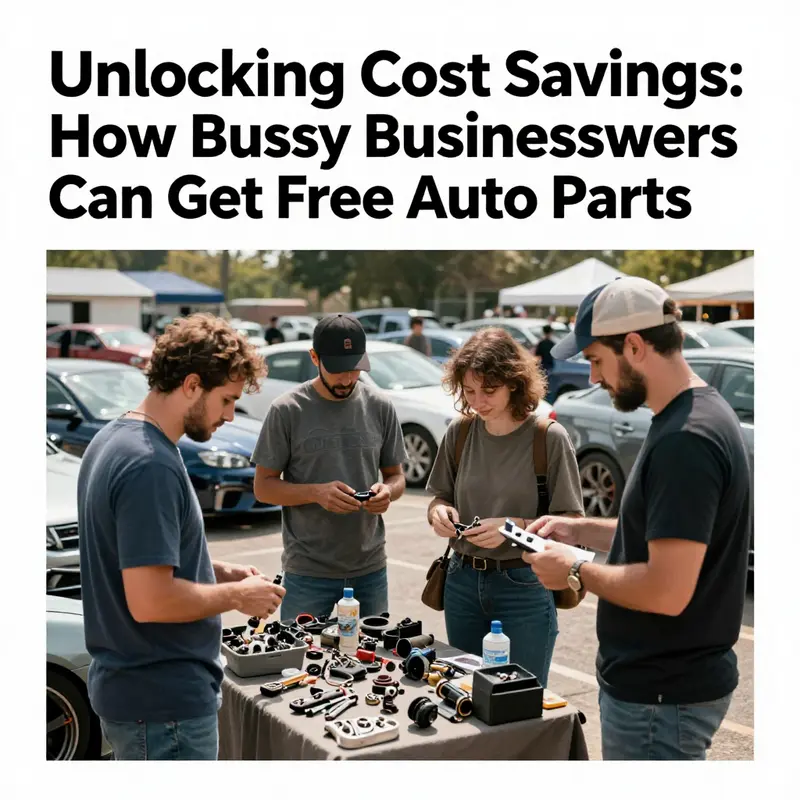
The world of automotive events is more than just an exhibition of cars, technology, and innovations. It is a vibrant, immersive community experience where car enthusiasts, mechanics, collectors, and even parts recyclers converge in one place to share their passion. In these gatherings, attendees have an unexpected advantage: the opportunity to obtain free auto parts. This chapter delves into how participating in car meetups and automotive events can unlock valuable resources for anyone looking to maintain or upgrade their vehicle without breaking the bank.
When you step into a car meetup or attend an automotive event, you are entering a space where conversations about everything from the latest engine modifications to classic restoration projects are commonplace. These events are not only about admiring shiny exteriors and roaring engines; they create a thriving marketplace of ideas and goods, including auto parts. For many enthusiasts, the exchange of parts—often given away for free—occurs in a relaxed, convivial environment. Here, the camaraderie built over shared interests can lead to unexpected finds, such as spare components, accessories, or even rare parts that are no longer produced.
A key aspect of participating in these events is the opportunity to network. Rather than relying solely on online communities and salvage yard visits, attending a physical event creates a space for personal interaction. When you are face-to-face with fellow car lovers, you get the chance to ask questions, share stories, and establish trust. Local mechanics, seasoned enthusiasts, and even dealers sometimes bring along extra parts or have insider knowledge on where to find free or discounted auto parts afterward. The immediacy of conversation allows you to gauge the condition of parts on the spot, making it easier to assess if an item meets your needs.
In many automotive events, there are stalls or designated areas where free giveaways occur as part of promotional activities. These are not new auto parts; instead, they are items such as gently used batteries, alternators, or even components like brake pads that have been removed post-repair from a car that no longer needed them. Sometimes, these items are provided by repair shops or salvage yards that have partnered with the event organizers. By simply attending, you may have the chance to collect parts that are in surprisingly good condition, all for free. The secret lies in staying informed. Before heading to an event, check the official event websites to see if there are any special promotions or giveaway schedules. For instance, events like the “2025 Shanghai Frankfurt Auto Parts Exhibition” provide registration details and sometimes list free giveaways that attendees can take advantage of.
Networking doesn’t stop at the events themselves. Often, the community that forms around these automotive gatherings extends into online forums, social media groups, and regional clubs. Conversations that begin in person can lead to extended relationships where members tag each other for help even when the event is over. As friendships blossom, these groups may coordinate meetups specifically aimed at swapping extra parts or sharing surplus items. For instance, a member of a local automotive club might have just removed a fully operational engine component from a project and offers it to someone who needs it free of charge. This word-of-mouth system is not only a cost-saving mechanism but also an environmentally friendly way to recycle and reuse parts that might otherwise go to waste.
One notable example of leveraging networking at automotive events comes from individuals who attend meetups regularly and eventually start forming lasting connections. Imagine attending a weekend car show where a seasoned enthusiast, who has connections with spare parts suppliers, casually mentions that his local salvage yard frequently distributes parts that are in working condition but are free for those who inquire. Acting on that advice, you might schedule a visit to this yard later, armed with the first-hand recommendation. Such instances underscore the importance of regular participation in these gatherings, as building a network of trusted individuals becomes a resource in itself.
At these events, car clubs often conduct themed meetups. These gatherings are typically centered around specific models or makes, such as classic coupes or high-performance sports cars. In these niche communities, the exchange of auto parts is handled with a high degree of trust—members feel a sense of responsibility toward one another. For example, a club dedicated to a particular model of performance car might have members who have upgraded or replaced parts on their vehicles and now have extras. An enthusiast who is just starting out in restoration could approach a long-time member asking for a component like a bracket or even a more advanced element like a part from a recently decommissioned engine. The personal relationships, combined with the shared passion for a specific brand or model, remove much of the hesitation that might exist in impersonal transactions.
Attendees should consider a few practical tips to maximize the benefits of such meetups. First, preparation is essential. Before heading out to an event, research the schedule, identify which sessions may offer networking opportunities with experienced mechanics, and look up which vendors or exhibitors may have spare parts to offer. A good strategy is to arrive early, as early arrival often means that you have the first pick of any materials or parts that are being distributed. Additionally, make it a point to carry a notebook or digital device to jot down names, contact details, and any advice offered by fellow enthusiasts. This log can become invaluable when you plan follow-up visits or seek further details about certain parts.
An integral part of preparing for these events is understanding that not every giveaway will result in free parts that you can use. It is crucial to inspect any parts on offer. Often, even when parts are listed as free, their condition still needs verification. While some might be lightly used, others may require minimal repairs before they can be safely installed in a vehicle. As a rule of thumb, if a part is being given away for free at an event, consider it a bonus rather than a guaranteed replacement. Always ask questions regarding its history, its current condition, and if possible, if there is any minimal warranty or assurance given by the person handing it over.
One of the advantages of these events is that they also offer insights into current trends in the automotive parts industry. For instance, events might feature workshops or panel discussions on recycling auto parts sustainably—a subject that has gained traction in recent years. These educational sessions provide both new and seasoned owners with the latest practices in auto maintenance and environmental considerations. This intersection of cultural exchange, networking, and practical learning transforms a car meetup into a comprehensive resource. Not only do you leave with potential free parts, but you also leave better educated about how to maintain your car, how to upgrade safely, and how to minimize waste by reusing components that are still viable.
Another layer of opportunity lies with the promotional contests that some events host. While the idea of a ‘free giveaway’ might sound too good to be true, many automotive events have promotional offers where lucky participants have a chance to win parts that would otherwise be expensive to purchase. For example, during a major auto show, organizers might host a raffle where prizes include auto parts, accessories, or even complete kits. Winning such a contest can not only give you access to a quality part for free but also introduce you to vendors and manufacturers who might offer further deals in the future. These giveaways are typically well-publicized before the event, so keeping an eye on related announcements via official event websites or social media channels is essential.
It is important to note that sometimes, the free parts you obtain at these events may be the kind that requires a little extra care before installation. It pays to have a clear understanding of your car’s requirements, including specifications and fitment criteria. Using your vehicle identification number (VIN) or consulting with a trusted mechanic immediately after the event can help ensure that any parts you acquire will be a suitable match. A well-informed approach not only ensures that you get the right part but also that your vehicle’s performance or safety is not compromised.
The interpersonal dynamics at automotive events go beyond the transactional. Many attendees find that they gain much more than physical auto parts from these gatherings—they gain inspiration, knowledge, and even friendship. These events often foster an environment where people with a shared interest in automobiles come together and collaborate. Over time, what starts as a simple exchange of car parts often evolves into lasting relationships. Many enthusiasts recount stories of how a casual conversation at a car show led to a successful collaboration on a major project, or how advice given on the spot saved them from a costly mistake later on. These narratives underscore the idea that in the world of automotive enthusiasts, relationships are as valuable as any free component or accessory.
An event where parts are freely given away represents a win-win situation for everyone involved. The individual receiving the part benefits from saving money and possibly even salvaging a rare or hard-to-find component, while the giver has the satisfaction of contributing to a community that values sharing and collaboration. Moreover, such exchanges often reduce waste by ensuring that components that would have otherwise been discarded find a second life. This sustainability aspect is particularly appealing in today’s environmentally mindful atmosphere, where the idea of a circular economy is taking center stage. In essence, these events provide an informal ecosystem where sustainability and community engagement work hand in hand.
The physical layout and organization of these events are designed to facilitate easy communication and transactions. Large convention centers or outdoor venues are typically segmented into dedicated spaces where vendors, parts recyclers, and enthusiasts can congregate. Often, there is an area specifically earmarked for discussions on free parts distribution. It is in these zones that word-of-mouth recommendations flow freely. In many cases, if you spot a vendor or a group discussing free parts or surplus items, approaching them with a respectful inquiry can yield positive results. Attendees often share where they have seen quality parts available and how to best secure them, sometimes even offering a quick tour of their own garage setups or the local salvage yards they frequent.
Beyond the immediate benefits of acquiring free auto parts, there is a broader educational component when you attend these meetups. Many events provide mini-workshops, hands-on sessions, or demonstrations on how to evaluate the condition of auto parts, how to properly install them, or how to maintain them post-installation. These practical sessions are critical for individuals who may be new to the idea of swapping parts or performing DIY repairs. In these settings, an experienced mechanic might demonstrate the nuances of inspecting a used alternator or checking for wear on brake pads. The knowledge imparted is often as valuable as the physical part itself, as it arms you with the skills to make informed decisions in the future. In this regard, the event serves as a live classroom where expertise is not only shared but actively applied.
Moving from the educational realm to the more pragmatic, consider the role of local clubs that often coordinate dedicated meetups separate from larger events. These smaller, community-driven gatherings allow for a more focused exchange of ideas and parts. For example, a group centered around a specific vehicle model may organize a yearly meetup where trusted members bring parts that they have replaced from their vehicles. Not only does this provide immediate access to the component you need, but it also allows you to see the part in a context similar to your own car. The familiarity that comes from being part of a tight-knit community can make the process of integrating the new part into your vehicle much smoother.
In addition to spontaneous giveaways, many automotive events also encourage the use of digital tools to keep the community connected. Mobile apps and social media channels dedicated to the event often have real-time updates on which vendors or booths will be offering free parts. These platforms act as a virtual extension of the event, where attendees can post photos, share details about what they have found, and even coordinate a secondary meetup to exchange tips and pieces. It isn’t uncommon for an attendee to see a post on an event’s official social media thread describing a booth where a rare item such as a set of used but well-maintained engine mounts is available. Being connected digitally ensures that you are always in the loop, even if you miss part of the event.
A practical example of the benefits of attending these gatherings can be seen through someone keen on vintage car restoration. Imagine a hobbyist who has been scouring the internet for a particular type of sensor that is no longer produced. After months of unsuccessful online searches, they attend a regional car show. During a casual chat with a fellow enthusiast, they learn that a local mechanic had come in with a box of old parts from a recently decommissioned vehicle. The mechanic, impressed by the hobbyist’s passion, offers the sensor for free. Not only does the hobbyist secure the necessary part without any monetary cost, but they also gain a valuable contact for future projects. In this way, every conversation at an automotive event holds the potential for making a beneficial connection.
For those who are methodical in their approach, it is important to document any free parts you receive. This documentation could simply be a note on your phone with the date, the source of the part, and details about its condition. In the long term, this habit can help you track the quality and reliability of parts obtained through community channels, and it can also serve as a reference for others in your network who may be seeking similar components. Additionally, be sure to follow up with a thank you note or message to the person who provided you with the part. Such gestures reinforce positive relationships and may increase your chances of receiving help in the future.
Another consideration is that automotive events create a relaxed atmosphere where the culture of giving is highly valued. Unlike traditional market transactions, the exchange of parts in these settings is often driven by a genuine desire to help fellow enthusiasts. People at these events understand that many car owners face financial challenges, and by giving away parts that are still in good condition, they support the sustainability of the automotive community. This spirit of generosity is infectious; once you experience it, you may find yourself more inclined to share resources in return. The cycle of generosity not only helps individuals get access to much-needed parts but also builds a stronger, more resilient community.
For enthusiasts who are particularly interested in specific aftermarket models, events that focus on performance upgrades or tuning can also be advantageous. At these specialized meets, you might encounter vendors or private collectors offering components such as carbon fiber accessories or unique body panels, which in many cases can be acquired at minimal or no cost. By staying up-to-date with the latest event schedules and promotions, you can position yourself to take advantage of these highly specific giveaways. For example, an event dedicated to performance modifications may offer a free demonstration of installation techniques, during which leftover parts that have been previously tested might be passed around to interested participants. In this scenario, the free part is more than just a spare component—it represents the culmination of community expertise and hands-on learning.
Every experience at a car meetup or automotive event is layered, with multiple avenues open for resource acquisition. On one level, the event provides immediate access to free parts through organized giveaways and promotions. On another, it opens the door to a network that extends far beyond the event itself. One particularly illustrative moment might come when you are discussing modifications with a fellow enthusiast who casually mentions that he recently upgraded his vehicle with high-quality components. This person, having gained a reputation for generosity, might even invite you to an exclusive session where free backups from his repair shop are offered. It is in these informal exchanges that the real value of attending these meets is revealed.
For those eager to delve deeper into the world of free auto parts available through automotive events, consider the benefits of checking out dedicated online resources that sometimes highlight noteworthy giveaways. A good starting point is a community forum where members share their success stories after attending events. Such platforms not only provide inspiration but also practical advice. For instance, one forum post might describe how an enthusiast secured a set of components by simply visiting a designated booth early in the day. The shared experiences act as a guide for newcomers, advising them to learn about event layouts, prepare questions in advance, and be proactive when interacting with vendors. Even if the parts are not exactly what you had hoped to find, the information gathered can lead you to other sources post-event.
In some cases, these events also provide opportunities to witness live demonstrations of how free parts can be repurposed or modified for enhanced performance. Workshops may be held on how to inspect a used part for common problem areas or how to safely install it. The value of such demonstrations cannot be overstated, as they add educational depth to the practical aspects of free part acquisition. When combined with the hands-on experience of speaking directly with experts, these sessions greatly increase your confidence in integrating free auto parts into your vehicle. This approach empowers you to make decisions based on both peer advice and technical know-how, creating a well-rounded strategy for sustaining the upkeep of your car.
Occasionally, event organizers might announce a flash giveaway or a surprise drop of free parts during the event. These spontaneous opportunities highlight the dynamic nature of automotive gatherings. They encourage attendees to remain vigilant and engaged throughout the duration of the event. The thrill of possibly winning a high-value component through a simple act of participation adds to the overall excitement. Such moments remind all participants that the community is bound by a shared appreciation for all aspects of automobile culture—from high-performance upgrades down to securing a free set of parts that might otherwise cost a fortune.
For those who enjoy the blend of technology and in-person interaction, it helps to connect your experience at an event with online resources that amplify the benefits of free auto part acquisition. For instance, after attending an event, you might visit a reputable online store that features a section on discounted or surplus items. One noteworthy resource is an article on available components such as a set of Mitsubishi Lancer Evo X Rear Bumpers. This not only reinforces the information shared at the event but also gives you a tangible example of the high-quality parts that can sometimes be obtained for free or at a discount. Integrating online research with live events can expand your network and provide multiple channels for acquiring the components you need.
The potential of automotive meetings is vast, extending far beyond the immediate acquisition of free parts. They represent a confluence of shared passion, practical know-how, and mutual support among car enthusiasts. Every handshake, every conversation, and every free part received contributes to a larger narrative—a narrative driven by community spirit, sustainability, and the desire to keep vehicles running smoothly without succumbing to traditional high costs.
For many, the journey into free auto parts is not linear. It evolves from a simple curiosity about whether such parts exist to an immersed participation in a network where every interaction could lead to the next free find. Each event builds on the last. The expertise you gain, the relationships you nurture, and the timely advice from seasoned enthusiasts form a robust framework that continues to support your automotive repairs and upgrades year after year. Moreover, by participating actively, you contribute to a cycle of reciprocity that makes the community even stronger, ensuring that spare parts and shared knowledge remain accessible for all who join in.
In the grand scheme of car ownership, the approach of sourcing free auto parts through meetups and events reflects a modern shift toward community resilience and resourcefulness. These events demonstrate how, with the right mindset and preparation, traditional problems such as expensive repairs can be mitigated through collaborative efforts. In addition to the immediate financial savings, the knowledge and skills honed in these environments empower you to maintain and even enhance the longevity of your vehicle. They serve as a reminder that, when it comes to keeping your car on the road, the network you build might be your most valuable asset.
For further insights into the scale and organization of automotive events, enthusiasts can refer to comprehensive guides available on official event pages such as those found at CAPAFAIR’s official site. These resources provide additional details on registration and promotional opportunities, ensuring that you have every advantage in planning your next meetup visit.
In conclusion, whether you are a seasoned enthusiast or just starting your journey in the automotive world, participating in car meetups and events opens a plethora of opportunities for free auto parts. The process is not merely transactional—it is immersed in community, education, and sustainable practices. By engaging actively, learning continuously, and fostering strong relationships, you can unlock a treasure trove of free parts that not only reduce your repair costs but also contribute to a future where automotive resources are shared freely among those who need them. This innovative approach transforms the way we think about car maintenance and parts acquisition, proving that sometimes the best solutions come from the power of human connection and shared passion. Happy networking and may every event you attend yield the part you need, all while strengthening the vibrant community that keeps the spirit of automotive enthusiasm alive.
Final thoughts
Acquiring free auto parts is not only beneficial for grassroots vehicle maintenance initiatives but also a smart strategy for business owners looking to optimize their expenditures. By actively engaging with local repair shops, exploring online communities, and networking at automotive events, you can effectively reduce your costs while maintaining your fleet. Embrace these strategies today, and transform your vehicle management approach into one that’s sustainable and financially savvy.