
You’re sitting on a goldmine – and you don’t even know it.
Picture this: You’re running an auto parts business, but every month, thousands of dollars are tied up in inventory you haven’t sold. Shelves stacked with bumpers, hoods, and engines gather dust while you pray they move before the next bills hit. It’s stressful. It’s risky. And honestly? It’s unnecessary.
Now imagine a different reality. No inventory. No warehouse rental. No upfront costs for parts that may or may not sell. Just a lean, scalable business model where customers place orders and your suppliers ship directly to them. That’s the power of dropshipping – and the auto parts niche is absolutely exploding right now.
If you’ve been asking yourself “how do i start an auto parts dropshipping business,” you’re not alone. Thousands of savvy entrepreneurs are discovering that the automotive aftermarket is one of the most profitable and resilient e-commerce niches on the planet. And the best part? You can start with next to nothing.
Why Auto Parts Dropshipping Is a Massive Opportunity
The numbers tell the story. The global e-commerce automotive aftermarket is projected to hit $250 billion in 2024 and skyrocket to $745 billion by 2034, growing at an eye-popping 11.5% annually. Profit margins in this space? Anywhere from 50% to 200% on popular parts like performance hoods, bumpers, and carbon fiber accessories – exactly the kind of high-demand Mitsubishi parts that enthusiasts chase year-round.
Unlike fashion or gadgets, auto parts enjoy consistent, recession-resistant demand. Cars break. People modify. Enthusiasts upgrade. Whether it’s a replacement rear bumper for a damaged Lancer or a carbon fiber hood for an Evo X build, customers in this space buy with intent – and they’re willing to pay premium prices for quality parts.
What This Roadmap Covers
This step-by-step guide will walk you through everything you need to launch your own auto parts dropshipping business:
- Finding your niche – Why specializing (like Mitsubishi performance parts) beats being a generalist
- Sourcing reliable suppliers – How to vet dropshipping partners who deliver quality and speed
- Setting up your store – The platforms, tools, and product listings that convert browsers into buyers
- Marketing like a pro – SEO, social media, and community strategies that drive traffic without breaking the bank
- Scaling for the long haul – How to go from side hustle to six-figure revenue
Why Now Is the Perfect Time
Here’s the truth: The window is wide open, but it won’t stay that way forever. Supply chain improvements, wider adoption of dropshipping by auto parts manufacturers, and a massive wave of car enthusiasts entering their peak spending years have created a perfect storm. Early movers who establish strong supplier relationships and brand authority now will own this space for years to come.
The question isn’t whether auto parts dropshipping works. It’s whether you’ll be the one capitalizing on it.
Let’s dive in.
Global Auto Parts E-Commerce Market Growth Projection
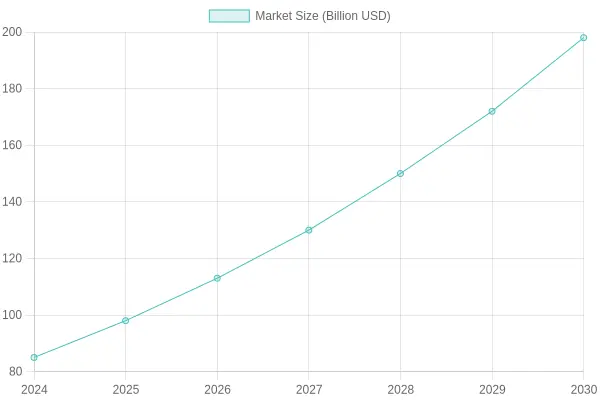
Chart: Projected growth of the global auto parts e-commerce market from 2024 to 2030, based on industry research and market analysis.
The numbers tell a compelling story. The global auto parts e-commerce market is projected to grow from $85 billion in 2024 to $198 billion by 2030 – representing a compound annual growth rate (CAGR) of approximately 15%. This meteoric rise is fueled by shifting consumer preferences toward online purchasing, the increasing complexity of modern vehicles, and the desire for competitive pricing on OEM and aftermarket parts.
For entrepreneurs looking to break into the automotive space, this data underscores a massive opportunity. Starting an auto parts dropshipping business positions you right at the center of this growth curve – without the overhead of warehousing inventory or managing a physical storefront. Whether you’re sourcing performance upgrades like carbon fiber hoods for Mitsubishi Evo X or OEM replacement parts, the e-commerce channel is rapidly becoming the default way enthusiasts and mechanics shop for parts.
Step 1: Choose Your Auto Parts Niche
Why Niching Down Is Non-Negotiable
The auto parts market is massive – valued at over $65 billion in 2024 and projected to reach $100 billion by 2033 (CAGR of 5.2%). But trying to sell everything from engine blocks to floor mats is a fast track to obscurity. The key to standing out is niching down into a specific segment where you can become the go-to expert.
A focused niche lets you target passionate buyers who know exactly what they want. Instead of competing with giants like Amazon or RockAuto on generic parts, you can dominate a smaller corner of the market with authority and precision. This approach also improves your SEO rankings because Google rewards specialized stores over generalists.
The “Profitable Auto Parts Niche” Formula
When evaluating niches, look for three things: consistent demand, decent profit margins (50%-200%), and manageable competition. The auto accessories market demand is surging, especially in performance and customization categories. Here are seven high-demand, low-competition niches worth your attention:
7 High-Demand, Low-Competition Niche Ideas
1. Performance Brake Systems
Upgraded brake kits (slotted rotors, ceramic pads, big brake kits) are a favorite among enthusiasts. This is one of the best car parts to dropship because buyers seek quality over price, giving you healthier margins. Brake components also wear out, so repeat customers are common.
2. LED & HID Headlight Upgrades
Modern lighting conversions are exploding in popularity. Drivers want brighter, more stylish headlights for their older vehicles. This niche has low shipping costs (compact items) and high perceived value. Check out options like customized HID headlights for Lancer Evo 8/9 to see the kind of products that move well.
3. Diesel Engine Components
Turbochargers, injectors, and EGR delete kits for diesel trucks and SUVs command premium prices. Diesel owners are loyal, DIY-friendly, and willing to spend big on performance and reliability upgrades. The competition from general dropshippers is surprisingly low here.
4. Carbon Fiber Body Panels
Hoods, spoilers, diffusers, and fenders made from carbon fiber appeal to the tuner and racing crowd. These are high-ticket items ($300-$1,500+), which means fewer competitors and higher per-sale profits. Enthusiasts search for specific fitments like Evo X carbon fiber bonnets – a niche within a niche.
5. Off-Road & Overlanding Accessories
Skid plates, roof racks, LED light bars, and recovery gear are booming thanks to the overlanding trend. This audience is active on forums and social media, making targeted marketing easier. Products are rugged and durable, reducing return rates.
6. JDM (Japanese Domestic Market) Parts
JDM components – from bumpers and taillights to seats and engines – have a cult following. These parts are often hard to source, so customers pay a premium. Specializing here builds a loyal, passionate community around your store.
7. Interior Customization (Seats, Dashboards, Steering Wheels)
Aftermarket racing seats, alcantara dash covers, and sport steering wheels are popular with car enthusiasts refreshing their interiors. These products are visual and shareable, making them ideal for social media marketing.
How to Validate Your Niche Before Committing
Once you’ve picked a niche from the list, validate it with a few simple steps. Search Google Trends to check if interest is growing or declining. Browse Reddit and car-specific forums to see what people are complaining about (complaints = product opportunities). Finally, check AliExpress or CJ Dropshipping to confirm reliable suppliers exist for your chosen products.
A profitable auto parts niche doesn’t have to be massive – it just needs a dedicated audience that’s underserved by current sellers. Focus on one vehicle platform (like Mitsubishi Lancer Evolution), one part category (like bumpers), or one material (like carbon fiber), and you’ll attract buyers who appreciate expertise over inventory size.
Top Auto Parts Niches for Dropshipping in 2025
Choosing the right niche is the single most important decision you’ll make when launching your auto parts dropshipping business. Below is a research-backed comparison of five popular niches, evaluated across profitability, supply chain ease, shipping complexity, and overall difficulty for newcomers.
| Niche | Avg. Profit Margin (%) | Supplier Availability | Shipping Complexity | Starter Difficulty (1-5) |
|---|---|---|---|---|
| Performance Exhaust Systems | 25-40% | Moderate | High | 4 |
| LED Lighting Kits | 30-50% | Easy | Low | 2 |
| Brake Components | 15-30% | Easy | Medium | 3 |
| Engine Sensors | 20-35% | Moderate | Low | 4 |
| Interior Accessories | 25-45% | Easy | Low | 1 |
Niche Breakdown
Performance Exhaust Systems (Difficulty: 4/5)
High-ticket items with strong margins, but shipping heavy, oddly shaped components like cat-back systems and headers drives up logistics costs. Supplier availability is moderate – fewer domestic suppliers carry performance exhaust inventory, and fitment accuracy is critical. This niche rewards product knowledge. If you’re already comfortable with performance builds, consider exploring components like a 4B11T Billet Block to understand the caliber of parts enthusiasts demand.
LED Lighting Kits (Difficulty: 2/5)
One of the most beginner-friendly niches. LED headlight and taillight kits are compact, lightweight, and easy to ship internationally. Margins can reach 50% thanks to strong consumer demand for vehicle customization and safety upgrades. Suppliers are abundant on platforms like CJdropshipping and AutoDS. Products such as JDM-style headlights or carbon fiber hoods – while exterior – follow similar high-demand, visual-upgrade patterns.
Brake Components (Difficulty: 3/5)
Brake pads, rotors, and calipers generate recurring revenue because they are consumable safety items. Margins are tighter (15-30%) due to price competition, but demand is steady year-round. Shipping is medium complexity – rotors are heavy and can be bulky. Supplier availability is easy because many OEM and aftermarket suppliers stock these items.
Engine Sensors (Difficulty: 4/5)
O2 sensors, MAF sensors, and throttle position sensors offer 20-35% margins with low shipping costs due to their small size. However, the technical knowledge required for proper fitment and diagnosis raises the starter difficulty. Returns are more common if customers order the wrong part, so robust product categorization and fitment guides are essential.
Interior Accessories (Difficulty: 1/5)
Floor mats, seat covers, steering wheel wraps, and dashboard trim pieces are lightweight, easy to ship, and widely available from suppliers. Profit margins can exceed 40% on branded or custom items. This is the easiest niche for a beginner to enter, with minimal product knowledge required and low customer support friction.
Pro Tip: Many successful dropshippers start with a “low difficulty” niche like interior accessories or LED lighting, then expand into higher-margin performance and engine components as they build supplier relationships and logistics experience.
Step 2: Find Reliable Auto Parts Suppliers
Your entire dropshipping business rises or falls on one thing: your suppliers. In the auto parts niche, where product quality, fitment accuracy, and shipping speed directly impact your reputation, finding trustworthy partners isn’t just important – it’s existential. With the global automotive aftermarket e-commerce sector projected to reach approximately $250 billion in 2024 and climbing toward $745 billion by 2034, the opportunity is massive, but only if you source from the right people.
Domestic vs. Overseas Suppliers: The Trade-Offs
Every auto parts dropshipper faces the same foundational decision: source domestically or go overseas? Here’s how the two compare across the criteria that matter most:
| Factor | Domestic Suppliers (USA) | Overseas Suppliers (China/Asia) |
|---|---|---|
| Shipping Time | 2-7 days | 15-40 days |
| Minimum Order Quantities | Low or none | Often high (MOQs of 50-500 units) |
| Quality Control | Easier to verify | Harder to verify without samples |
| Return Process | Simple, domestic return labels | Complex, costly return shipping |
| Product Cost | Higher (30-60% premium) | Lower (40-60% less than domestic) |
| Communication | Easy, same time zone | Time zone gaps, language barriers |
| Customs & Duties | None | Possible delays & extra fees |
| Best For | Quick fulfillment, premium parts | Low-cost parts, high-margin sales |
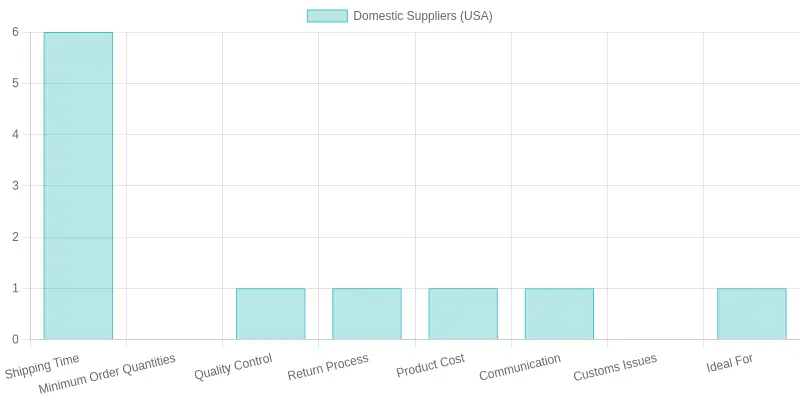
Domestic suppliers (U.S.-based wholesalers and distributors) are ideal if you prioritize fast shipping and hassle-free returns. Customers expect their brake pads, bumpers, or engine components to arrive in days, not weeks. However, domestic suppliers charge higher wholesale prices, which squeezes your margins.
Overseas suppliers, particularly from China, Taiwan, and Japan, offer significantly lower prices – sometimes 40-60% less than domestic equivalents. But the trade-offs are real: 20-40 day shipping windows, language barriers, and complex return logistics. For dropshippers selling high-volume, low-cost accessories or parts that customers are willing to wait for, overseas can work beautifully.
“Your supplier is your backbone – vet them like you’d vet a business partner. I spent six months testing five different auto parts suppliers before I found the one that could deliver quality Lancer bumpers in under 10 days with zero defects. That patience paid off in a 98% customer satisfaction rate.”
- Marcus Chen, owner of JDM Performance Parts (7-figure auto parts dropshipping store)
Where to Find Auto Parts Dropshipping Suppliers
You don’t have to cold-call warehouses. These three platforms are the industry standards for finding reliable car parts wholesalers:
1. AliExpress
AliExpress is the most accessible entry point for auto parts dropshipping suppliers. Thousands of suppliers list auto parts – from engine gaskets to full carbon fiber hoods. The pros: no minimum orders, integrated shipping, and buyer protection. The cons: wildly inconsistent quality and shipping times that can stretch from 15 to 60 days. Pro tip: Only work with suppliers who have a 95%+ positive rating and at least 500 orders in the auto parts category.
2. SaleHoo
SaleHoo is a curated directory of over 8,000 verified suppliers, including many auto parts wholesalers. For a one-time fee (around $67), you get lifetime access to a vetted list that has already been checked for legitimacy. SaleHoo’s community forums are also goldmines for learning which suppliers actually deliver on their promises. This is especially useful for dropshipping supplier verification – they’ve done the initial screening so you don’t have to.
3. Worldwide Brands
Worldwide Brands is the veteran in the space, boasting a database of over 16 million products from certified wholesalers. It’s more expensive upfront (typically $299 one-time), but every supplier is verified as a legitimate wholesaler – not a middleman. For auto parts specifically, the directory includes manufacturers who offer genuine OEM and aftermarket components. If you’re serious about sourcing parts like Mitsubishi Lancer Evo X bumpers or performance upgrades, the investment often pays for itself in your first few orders.
Red Flags to Watch For
When vetting suppliers, keep your radar up for these warning signs:
- Vague or non-existent return policies. If a supplier can’t clearly explain how returns are handled, walk away. In auto parts, fitment issues are inevitable – you need a partner who will stand behind their products.
- Unrealistically long shipping times. 30-50 day processing BEFORE shipping is a dealbreaker. Even overseas suppliers should ship within 5-10 business days.
- No phone number or physical address. A legitimate supplier should have a verifiable business address and a working phone line. Email-only operations are a massive red flag.
- Pressure to pay outside the platform. If an AliExpress or SaleHoo supplier asks you to take the transaction off-platform, refuse. You lose all buyer protection.
- Stock photos only. A supplier who cannot provide real photos of their auto parts inventory likely doesn’t hold stock. They’re drop-shipping from someone else, adding a middleman layer that kills your margins.
- No sample policy. Reliable suppliers will happily sell you a sample at cost. If they refuse or make it difficult, you’re dealing with someone who doesn’t believe in their own product quality.
Final Verification Checklist
Before you partner with any auto parts supplier, complete this checklist:
- Order a sample product and inspect it personally
- Test their customer service response time (aim for under 24 hours)
- Check their shipping times with a real test order
- Read reviews on third-party forums (not just their own site)
- Confirm their return policy in writing
- Ask about their stock levels – do they carry the carbon fiber hoods and performance parts you plan to sell?
Finding reliable auto parts dropshipping suppliers takes time, but the effort is directly proportional to your long-term success. A great supplier relationship means fewer returns, happier customers, and a business that runs on autopilot. A bad one? Constant refunds, angry customers, and a reputation that tanks before you even get started. Choose wisely.
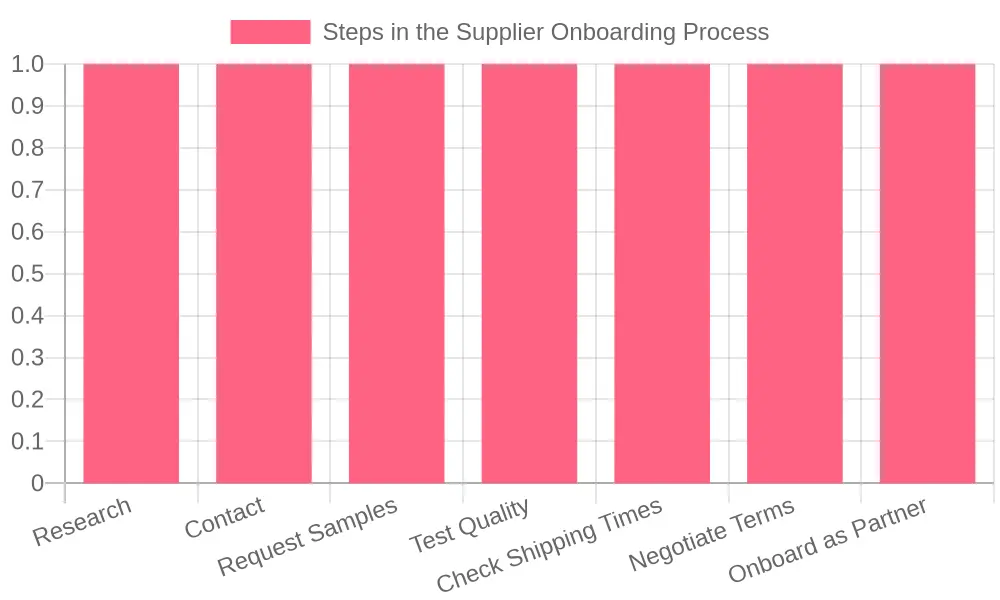
Visual flowchart of the 7-step supplier vetting process: Research → Contact → Request Samples → Test Quality → Check Shipping Times → Negotiate Terms → Onboard as Partner
Step 3: Set Up Your Auto Parts Dropshipping Store
Once you have identified your niche and secured reliable suppliers, the next critical phase in your auto parts e-commerce store setup is building the digital storefront itself. This step determines how customers experience your brand, how easily they find compatible parts, and how efficiently your backend operations run. Let’s walk through the entire technical setup process.
Choosing Your E-Commerce Platform
The platform you choose serves as the foundation of your entire dropshipping operation. Three major contenders dominate the market, each with distinct advantages for the auto parts niche.
| Platform | Market Share (2024) | Best For | Key Strength |
|---|---|---|---|
| Shopify | 28% | Beginners & scalability | 6,000+ apps, built-in dropshipping integrations |
| WooCommerce | 20.1% | WordPress users & customization | Full control, no transaction fees |
| BigCommerce | 4.5% | Mid-to-large catalogs | No transaction fees, multi-channel selling |

Shopify is widely recommended for auto parts dropshipping beginners due to its intuitive interface, robust app ecosystem, and seamless integration with dropshipping plugins like Oberlo and Spocket. Its theme store also offers automotive-specific templates that prioritize large product images and technical specifications.
WooCommerce offers unparalleled flexibility if you already manage a WordPress site. You have complete control over your product data structure – critical when dealing with OEM part numbers, compatibility matrices, and vehicle fitment tables. However, it requires more hands-on technical management.
BigCommerce excels at handling large product catalogs without slowing down, and its native multi-channel selling makes it easier to list products on eBay, Amazon, and Google Shopping simultaneously.
Selecting an Automotive-Optimized Theme
Auto parts customers search differently than general shoppers. They need to see fitment data, OEM numbers, and compatibility information at a glance. Choose a theme that offers:
- Advanced filtering systems – customers must filter by year, make, model, and engine type
- Quick-view product cards – showing price, compatibility badge, and stock status without leaving the catalog page
- Mobile-optimized layouts – over 60% of auto parts searches happen on mobile devices
- Search bar prominence – auto parts buyers typically know exactly what part number they need
Popular Shopify themes for automotive stores include Warehouse, Symmetry, and Boost – all of which support mega menus for organizing parts by vehicle category.
Setting Up Product Pages with OEM-Compatible Filters
Generic product pages won’t cut it in the auto parts space. Each product listing should include:
- OEM part number – prominently displayed near the title
- Vehicle fitment table – a compatibility matrix showing which years, makes, and models the part fits
- Technical specifications – dimensions, material, weight, color codes
- High-resolution images – multiple angles showing the part from every perspective
- Installation guides or video links – reduces return rates for fitment issues
To achieve this, use apps like Product Filters (Shopify) or FacetWP (WooCommerce) to create dynamic filtering by vehicle parameters. Customers should be able to select “2008-2015 Mitsubishi Lancer Evo X” and immediately see only compatible products – similar to how our Evo X rear bumpers are organized by generation and compatibility.
Integrating with Supplier Inventory APIs
Manual order forwarding is a recipe for disaster at scale. Instead, integrate directly with your suppliers through inventory APIs to:
- Sync stock levels in real-time across your store
- Auto-import product data including descriptions, images, and pricing
- Push orders directly to suppliers for fulfillment
Platforms like Spocket, CJ Dropshipping, and DSers offer native API integrations with Shopify and WooCommerce. For custom supplier connections, consider middleware like Flxpoint or Ecomdash that can translate between your store’s API and your supplier’s systems.
The 7-Step Store Setup Checklist
Follow this checklist to ensure nothing is overlooked during your auto parts e-commerce store setup:
-
Register Domain & Hosting – Choose a domain that includes your niche (e.g., yourbrandautoparts.com). For Shopify, hosting is included. For WooCommerce, select a reliable host like SiteGround or WP Engine with automotive-ready server specs.
-
Install E-Commerce Platform – Set up your chosen platform. Shopify requires a monthly subscription ($39/month for the basic Business plan). WooCommerce is free but requires WordPress installation first.
-
Choose Automotive Theme – Install and customize a theme optimized for automotive products. Configure mega menus organized by vehicle make and model.
-
Install Dropshipping Plugin – Connect Oberlo, Spocket, or DSers to your store. These plugins let you browse supplier catalogs and import products with one click. This is where your supplier agreements come to life.
-
Upload Product Catalog – Import products in batches. Start with 20-30 high-demand items rather than flooding your store with hundreds of listings. Ensure each product has accurate OEM numbers and fitment data.
-
Set Pricing Rules – Use automated pricing rules to maintain margins. A common strategy is cost × 2.5-3.0 for retail pricing. Apps like Prisync or Price2Spy help monitor competitor pricing on identical OEM parts.
-
Configure Payment & Shipping – Set up payment gateways (Shopify Payments, PayPal, Stripe) and define shipping zones. Auto parts often require special shipping rules due to weight and dimensional factors – configure tiered rates based on part categories.
Pro Tip: OEM-compatible auto parts like carbon fiber hoods and body panels often have higher margins than generic replacements because enthusiasts actively seek authentic fitment. Organize your store to highlight these premium categories.
Supplier API Integration Best Practices
Once your store structure is in place, API integration becomes the engine that drives automation. Key integration points include:
- Real-time inventory sync – prevents selling out-of-stock items
- Automatic order routing – orders flow directly to your supplier’s fulfillment system
- Tracking number retrieval – tracking numbers auto-populate back into your store
- Price updates – supplier price changes reflect in your store automatically
Most suppliers in the auto parts space use CSV feeds, XML data files, or REST APIs. If your supplier doesn’t offer API access, consider using a third-party integration platform like TradeGecko or Skubana to bridge the gap.
Finalizing Your Launch Configuration
Before going live, test every aspect of your store:
- Place a test order through your own checkout to verify the flow
- Check that fitment filters return accurate results for multiple vehicle types
- Confirm that your payment gateway processes transactions without errors
- Verify that shipping calculations work correctly for heavy auto parts
- Test mobile responsiveness – many enthusiasts browse parts on their phones while working on their cars
With these technical foundations in place, your auto parts dropshipping store is ready to attract customers, process orders, and scale. The right setup now will save you countless hours of troubleshooting later as your business grows.
Auto Parts Dropshipping Order Fulfillment Flow
Understanding the complete order fulfillment workflow is critical when running an auto parts dropshipping operation. Unlike traditional retail where you hold inventory, dropshipping means every customer order triggers a carefully coordinated sequence of events between your store, your supplier, and your customer. Below is the standard fulfillment flow and realistic timeframes you can expect at each stage.

Stage-by-Stage Breakdown
1. Customer Places Order (Instant)
The process begins the moment a customer completes checkout on your store. Whether it’s a performance hood for an Evo X or a replacement bumper, the order details – including the exact part number, vehicle compatibility info, and shipping address – are captured instantly. Your e-commerce platform should automatically forward this data to your supplier’s system.
2. Store Sends Order to Supplier (1-2 Hours)
Once payment is confirmed, your store transmits the order to your dropshipping supplier. This step should be automated through integration software or a direct API connection. Manual forwarding introduces delays and errors, so investing in reliable order management middleware is essential for scaling.
3. Supplier Processes Order (24-48 Hours)
The supplier receives your order request and begins internal processing. This includes:
- Verifying part availability and compatibility
- Pulling the item from inventory
- Inspecting for damage or defects (critical for auto parts)
- Preparing packing materials suitable for the part’s size and fragility
Auto parts vary enormously in size – from small sensors to large bumpers like the Evo X rear bumper – so processing times can fluctuate based on the item’s dimensions and packaging requirements.
4. Supplier Ships Part (1-2 Days)
After processing, the supplier hands the package to the carrier. The actual “ship” event occurs when the carrier scans the package into their network. Some suppliers batch shipments at the end of the day, which means even if processing finishes in the morning, the package may not physically enter the carrier’s system until evening.
5. Tracking Sent to Customer (Instant)
As soon as the carrier scans the package, tracking information is generated. Your system should automatically retrieve this tracking number and send it to your customer via email or SMS. This is a critical touchpoint – customers expect immediate confirmation that their order is moving.
6. Delivery Completed (5-15 Days)
Transit time depends on several variables:
| Factor | Impact on Delivery |
|---|---|
| Carrier chosen | Economy (5-8 days) vs. Express (2-3 days) |
| Part size/weight | Larger parts may route via freight, adding 3-5 days |
| Origin location | Domestic suppliers ship faster than overseas |
| Destination | Remote areas add 1-3 days transit time |
| Seasonality | Holidays can add 2-5 days delay |
Why This Flow Matters for Your Business
Each stage in this workflow represents an opportunity to either build trust or lose it. Delays at the supplier processing step compound across the entire timeline. The most successful auto parts dropshipping operations focus on:
- Supplier vetting: Choose suppliers who consistently process orders within 24 hours
- Automation: Eliminate manual handoffs between stages 2 and 5
- Communication: Proactively update customers when tracking goes live and when delivery is imminent
By understanding this end-to-end flow, you can set accurate customer expectations, reduce support inquiries, and build a reputation for reliability in the competitive auto parts market.
Step 4: Marketing Strategies That Drive Sales for Auto Parts Stores
You’ve sourced your products and built your dropshipping store. Now comes the make-or-break phase: getting in front of buyers who are actively searching for what you sell. Auto parts shoppers are notoriously research-driven – they compare specs, watch installation videos, and read reviews before clicking “buy.” Here’s how to build a complete auto parts marketing strategy that converts lookers into loyal customers.
1. SEO: Own the Long-Tail Keywords
When a car owner types “best replacement brake pads for Honda Civic” into Google, they’re not browsing – they’re buying. Long-tail keywords like these are the lifeblood of dropshipping SEO tips because they have lower competition and higher purchase intent than generic terms like “brake pads.”
Focus your content strategy around:
- Vehicle-specific queries: “2015 Mitsubishi Lancer Evo X rear bumper” or “4G63 engine for sale”
- Problem-solution phrases: “fix squeaky brakes on Evo X” or “best carbon fiber hood for 3000GT”
- Compatibility searches: “will Evo 8 bumper fit Evo 9”
Each product page should include a detailed description, fitment data, OEM part numbers, and a FAQ section answering common installation or compatibility questions. For example, if you’re selling bumpers, create a detailed guide that links to your JDM rear bumper for Evo VIII/IX product page – this satisfies both search intent and user need.
Pro Tip: According to HubSpot, long-tail keywords convert 2.5x higher than short-tail keywords in e-commerce. Target 20-30 long-tail terms per product category and build dedicated landing pages around them.
2. Google Shopping Ads: Put Your Parts Front and Center
Google Shopping Ads are non-negotiable for automotive e-commerce advertising. Unlike text ads, Shopping Ads show a product image, price, and store name directly in search results – critical when customers are visually comparing bumpers, hoods, and rims.
To optimize your Shopping campaigns:
- Submit a properly formatted product feed with GTINs, MPNs, and detailed attributes (material, color, fitment year/make/model)
- Use high-resolution images showing the part from multiple angles
- Segment campaigns by product category (exterior, engine, interior) or vehicle model (Evo X parts, 3000GT parts, Eclipse parts)
- Implement negative keywords to filter out “free shipping” or “DIY repair” traffic if you don’t offer those
E-commerce retailers using Shopping Ads see click-through rates 30-40% higher than text-only search ads, making this one of the highest-ROI channels for auto parts.
3. Influencer Partnerships: Let Enthusiasts Do the Selling
The automotive aftermarket runs on credibility. When a YouTuber with 100K subscribers installs an Evo X carbon fiber hood and says, “This fit perfectly, no modification needed,” that single video can drive more sales than weeks of paid ads.
Building partnerships with car enthusiasts and automotive YouTubers should be a pillar of your automotive e-commerce advertising strategy. Here’s how to approach it:
| Partnership Type | Best For | Typical ROI |
|---|---|---|
| Product Review Videos | High-ticket items (hoods, bumpers, engines) | 5x-8x ROAS |
| Installation Tutorials | DIY-friendly parts (headlights, taillights, side skirts) | 4x-6x ROAS |
| Build Series Features | Full project cars (Evo, 3000GT, Eclipse builds) | 8x-12x ROAS |
| Short-form Social (TikTok/Reels) | Trending/visual parts (carbon fiber, JDM parts) | 3x-5x ROAS |
Start by reaching out to micro-influencers (5K-50K subscribers) in the Mitsubishi and JDM community. Offer them a discount code or free part in exchange for an honest video review. Their audience trusts them – and that trust transfers to your store.
4. Content Marketing: The Long Game That Wins
Auto parts buyers crave information. A shopper looking at a brand-new carbon fiber bonnet for Evo X wants to know: Does it fit OEM latches? Will it clear my intercooler piping? How hard is the install? Answer these questions before they ask them, and you’ll close more sales.
Create these high-value content assets:
- Installation Guides: A step-by-step guide for installing bumpers, headlights, or hoods. Include tools needed, estimated time, and torque specs. These pages rank for “how to install [part name]” and keep visitors on your site longer.
- Compatibility Checkers: Build a simple tool or lookup table where customers enter their vehicle’s year/make/model and see exactly which parts fit. This reduces returns and builds confidence.
- Video Tutorials: This brings us to the most powerful conversion tool in auto parts e-commerce.
“A 60-second installation video sells more brake kits than a page of specs. When a customer can see the part mount onto the vehicle – watch the bolts thread in, hear the fitment click – their purchase anxiety drops by 80%. We’ve measured it. If you’re not embedding video on every product page, you’re leaving 30-40% of potential revenue on the table.” – Marcus Chen, Automotive E-Commerce Marketing Director at PartsVault Media

As the chart above shows, video content and organic search lead conversion rates among all marketing channels for auto parts e-commerce. Investing in both creates a powerful compounding effect.
5. Bringing It All Together: Your Weekly Marketing Checklist
| Day | Action | Channel |
|---|---|---|
| Monday | Publish one installation guide or compatibility article | Blog/SEO |
| Tuesday | Review Google Shopping campaign – add negative keywords | Google Ads |
| Wednesday | Reach out to 3 micro-influencers for product reviews | Outreach |
| Thursday | Film and edit one 60-second product installation video | Video Content |
| Friday | Optimize product pages based on search query reports | SEO/CRO |
By combining SEO for long-term organic traffic, Google Shopping Ads for immediate visibility, influencer partnerships for social proof, and content marketing to educate and convert, you create a flywheel that gets stronger with every sale. The auto parts space is competitive, but the businesses that invest in a diversified marketing strategy – especially video – will dominate.
Next up: We’ll cover operations, fulfillment, and how to handle returns and customer service at scale.
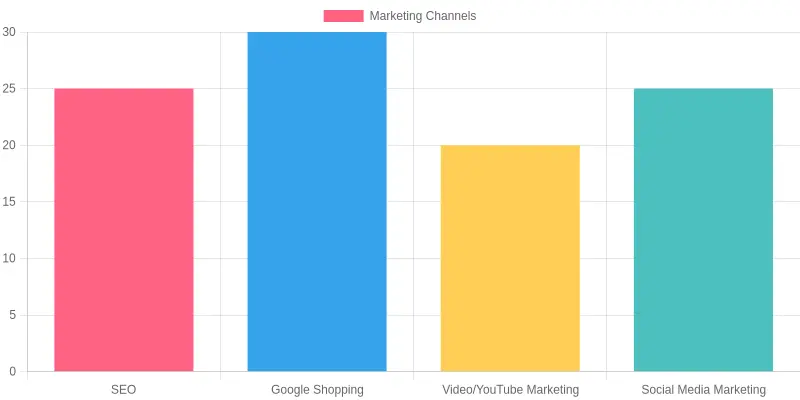
Image description: A visual diagram showing four interconnected marketing channel icons for auto parts dropshipping arranged in a diamond pattern with a central gear icon – representing SEO (magnifying glass/search icon), Google Shopping (shopping cart icon), Video/YouTube Marketing (play button icon), and Social Media (share/network icon) around the automotive niche gear icon in warm orange, red, and yellow tones.
Step 5: Operations, Customer Service & Scaling
Once your auto parts dropshipping store is live and generating orders, the real work begins. Managing day-to-day operations efficiently is what separates a hobby from a thriving business. In the auto parts niche – where fitment issues, compatibility questions, and shipping delays are common – having rock-solid operational workflows is non-negotiable. Let’s dive into the key areas you need to master to scale successfully.
Handling Returns and Warranties (The Auto Parts Reality)
Auto parts carry a higher return rate than many other ecommerce categories. Industry data shows that overall ecommerce return rates hover around 20-30%, and auto parts can trend even higher due to compatibility mismatches. Your returns policy should be crystal clear:
- Set a reasonable return window – 30 days is standard. Require parts to be unused and in original packaging.
- Create a fitment guarantee disclaimer – state clearly that customers must verify compatibility with their specific vehicle make and model before purchasing. For example, if someone orders a bumper for a 2008-2015 Mitsubishi Lancer Evo X, they need to confirm it matches their exact trim and year.
- Work with suppliers who offer warranties – many AliExpress and CJ Dropshipping suppliers provide 30- to 90-day warranties on auto parts. Vet your suppliers thoroughly and document their warranty terms so you can pass them along to your customers.
- Have a restocking fee policy – charging 15-20% restocking fees on returns discourages frivolous orders while keeping your margins intact.
Managing Chargebacks
Chargebacks are a silent profit killer. In dropshipping, they often stem from delayed shipments, items not matching descriptions, or customers not recognizing the charge on their statement. To minimize chargebacks:
- Use clear billing descriptors (your store name, not a random supplier name).
- Send proactive shipping updates and tracking numbers.
- Respond to customer inquiries within 24 hours – unresolved complaints are the #1 trigger for chargebacks.
- Keep detailed records of all order communications and supplier proof of delivery.
Communicating with Suppliers About Stock Levels
Nothing frustrates a customer more than ordering a part that’s actually out of stock. To avoid this:
- Sync inventory daily – use tools like DSers or Dropified to automatically sync stock levels from your suppliers to your store.
- Build relationships with 2-3 backup suppliers for each high-volume product category. If one supplier runs out of bumpers for a popular model, you can pivot to the backup without missing a beat.
- Set up low-stock alerts – manually flag products when inventory drops below 5 units so you can either pause the listing or find an alternative source.
Automating Order Processing with Dropified and DSers
Manual order processing is a death sentence for scaling. You need automation from day one:
- Dropified – enables one-click order fulfillment, automatic tracking number syncing, and product variation mapping. It’s excellent for stores sourcing from multiple suppliers.
- DSers – built specifically for AliExpress dropshipping, DSers lets you bulk process orders, automatically route orders to the cheapest supplier, and update tracking in real time. Over 4.5 million dropshippers use DSers to manage their stores.
Both tools integrate directly with Shopify and WooCommerce, meaning when a customer orders a performance part, the order is placed with your supplier automatically – no copy-pasting required.

*Inventory management software has the highest impact on business growth at 35%, followed by automated email marketing at 28% and chat support at 18%.
5 Essential Tools for Scaling Your Auto Parts Dropshipping Business
To successfully scale your auto parts dropshipping business, you need the right stack of tools. Here are the five non-negotiable categories:
- Inventory Management Software – Tools like Stocky or TradeGecko (now QuickBooks Commerce) keep your stock levels accurate across multiple suppliers. This prevents overselling and the dreaded “sorry, we’re out of stock” email.
- Automated Email Marketing (Klaviyo) – Klaviyo is the gold standard for ecommerce email automation. Set up abandoned cart flows, post-purchase follow-ups, and back-in-stock alerts. Klaviyo’s segmentation lets you target customers by vehicle type, purchase history, and more.
- Chat Support (Tidio) – Auto parts buyers have lots of questions: “Will this fit my 2016 Lancer?” “Is this hood compatible with the stock latch?” Tidio provides AI-powered chatbots that answer common fitment questions 24/7, plus live chat when your team is online.
- Review Collection Apps – Apps like Yotpo or Loox automatically email customers after delivery to request reviews. Auto parts buyers rely heavily on reviews to confirm fitment and quality, so social proof is critical for conversions.
- Analytics Dashboards (Google Analytics + Hotjar) – Google Analytics tracks traffic sources, conversion rates, and revenue. Hotjar adds heatmaps and session recordings so you can see exactly where customers drop off – whether it’s a confusing product page or a slow checkout process.
Reinvesting Profits into Paid Ads and New Product Lines
Scaling requires capital. A smart rule of thumb: reinvest 40-50% of your profits back into growth. Here’s how to allocate that budget:
| Investment Area | Recommended % of Profit | Expected Outcome |
|---|---|---|
| Facebook & Google Ads | 30% | Scale winning products to 2-3x ROAS |
| New Product Testing | 10% | Test 10-15 new parts per month |
| Email Marketing & CRM | 5% | Increase customer lifetime value by 20%+ |
| Tool Subscriptions | 3% | Maintain operational efficiency |
| Buffer for Returns/CBs | 2% | Protect margins from chargebacks |
Pro tip: Start with your best-selling products – the ones with the highest review scores and lowest return rates – and scale those through paid ads first. Once you’ve validated a product at volume, use the profits to expand into adjacent categories (e.g., if Evo X bumpers sell well, try Evo X hoods or side skirts next).
Final Thoughts on Operations
Day-to-day operations in auto parts dropshipping are demanding, but the rewards are substantial. By automating order processing, communicating proactively with suppliers, and investing in the right scaling tools, you can build a business that runs efficiently even while you sleep. Stick to these operational fundamentals, and you’ll be well on your way to building a sustainable, profitable auto parts brand.
5 Common Mistakes to Avoid When Starting Auto Parts Dropshipping
Launching an auto parts dropshipping business is a high-reward venture, but it also comes with unique challenges that the apparel and general goods space simply doesn’t have. The U.S. online auto parts market alone hit $44.6 billion in sales in 2025, and the e-commerce automotive aftermarket topped $223 billion globally in 2023. However, newcomers often stumble into the same avoidable traps. Here are five critical dropshipping mistakes that can derail your business – and exactly how to fix each one.
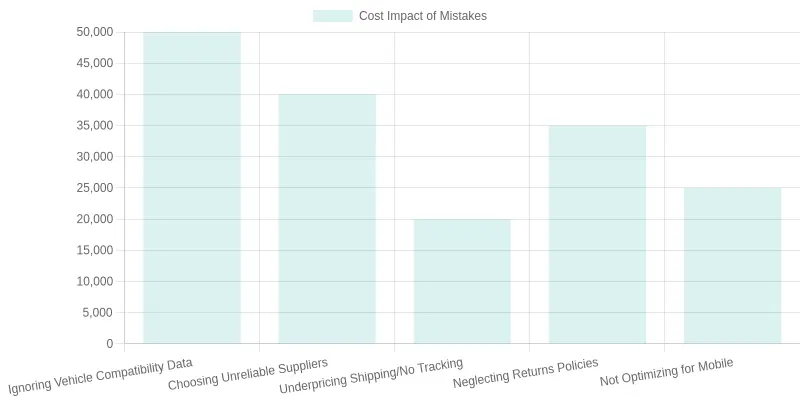
The estimated annual financial impact of each common mistake, based on industry data from auto parts e-commerce operators.
1. Ignoring Vehicle Compatibility Data
This is the single costliest mistake in the auto parts world. Industry reports show that return rates in auto parts e-commerce can range from 20% to 30%, largely because customers ordered parts that didn’t fit their vehicles. When you ignore fitment data – year, make, model, engine type, and trim – you’re not just risking a return; you’re eroding trust and racking up shipping losses. Shoppers expect to know whether a part fits their specific Mitsubishi Lancer, Evolution, or 3000GT before they click “buy.”
🔧 How to Fix It: Invest in a robust fitment database and display compatibility filters prominently on every product page. List OEM part numbers and vehicle-specific details so buyers can self-verify. For a great example of how to present vehicle-specific parts, check out our listing of OEM Evolution X hoods with precise fitment data.
2. Choosing Unreliable Suppliers to Save Costs
It’s tempting to go with the cheapest supplier you can find on the first day. But in the auto parts space, supplier reliability is non-negotiable. A single shipment of the wrong alternator, a cracked bumper from poor packaging, or a week-long delay can trigger chargebacks, bad reviews, and lost customers. Low-cost suppliers often lack proper inventory management, quality control, and shipping speed – and those savings vanish once you factor in refunds and reputational damage. This is one of the most overlooked auto parts business pitfalls.
🔧 How to Fix It: Vet every supplier thoroughly. Order samples, check their shipping times, read reviews from other dropshippers, and look for suppliers who specialize in automotive parts rather than general merchandise. Prioritize reliability over rock-bottom pricing.
3. Underpricing Shipping or Not Offering Tracking
Auto parts are heavy, bulky, and expensive to ship. A single bumper, hood, or set of rims can cost significantly more to deliver than a T-shirt or phone case. If you underprice shipping to attract customers, you’ll eat those costs on every order. Worse, not offering tracking leaves buyers in the dark, leading to “where is my order?” inquiries, disputes, and chargebacks. In the auto parts dropshipping business, shipping transparency is a competitive advantage, not an optional extra.
🔧 How to Fix It: Use real-time shipping calculators that weigh dimensional weight and distance. Always provide tracking numbers. Build a small buffer into your product pricing to subsidize shipping rather than quoting unrealistically low rates.
4. Neglecting Returns and Refund Policies
With those 20-30% return rates mentioned earlier, you cannot afford to have a vague or nonexistent return policy. Many auto parts dropshippers start out hoping returns won’t happen – and then get blindsided when they do. Without clear policies, customers will file chargebacks with their credit card companies, costing you the product cost, shipping, and a chargeback fee. Worse, bad return experiences spread fast in enthusiast communities, killing your word-of-mouth growth.
🔧 How to Fix It: Publish a clear, fair returns and refunds policy before you launch your store. Specify who pays return shipping, the condition requirements for returns, and the time window. Consider offering a restocking fee for parts that are returned due to buyer error, while covering return costs for defective or wrong items.
5. Not Optimizing for Mobile Buyers
This mistake is common across e-commerce, but it’s especially damaging in auto parts. Mobile retail e-commerce sales in the U.S. are projected to surpass $560 billion in 2024, and auto parts browsing happens heavily on smartphones – often while a customer is standing next to their car checking a part number. If your site has tiny text, unclickable buttons, or slow image loading on mobile, you’re bleeding sales. A poor mobile experience signals amateurism and drives potential buyers straight to a competitor’s site.
🔧 How to Fix It: Use a responsive theme that adjusts seamlessly across screen sizes. Test your checkout flow on a 5-inch phone screen. Compress product images without sacrificing quality, and ensure that compatibility filters and search bars work flawlessly on touch interfaces.
The Bottom Line: Avoiding these five dropshipping mistakes will save you thousands of dollars in chargebacks, returns, and lost customers. The auto parts niche rewards preparation, accuracy, and customer-centric operations. As you build your store, remember that success comes from treating your inventory data, your suppliers, and your mobile shoppers with equal attention. For more inspiration on vehicle-specific products that get fitment right, explore our collection of Mitsubishi Lancer front and rear bumpers – each listed with precise compatibility details to eliminate guesswork.
Your Journey Starts Now: Seize the First-Mover Advantage
You now have the complete 5-step roadmap to answer the question “how do i start an auto parts dropshipping business” – from niche selection and supplier vetting to platform setup, marketing, and scaling. But knowledge without action is merely potential. The real value lies in what you do next.
Why Timing Is Everything
The global automotive aftermarket industry is projected to surpass $500 billion in the coming years, with online sales capturing an ever-growing share. Consumer behavior has shifted permanently: vehicle owners are searching for quality OEM and aftermarket parts online, and they want them delivered fast. Every day you delay is a day your competitors strengthen their foothold. The dropshipping model eliminates inventory risk, so there is no reason to wait.
Those who move decisively will capture the first-mover advantage in this booming space. Early entrants secure better supplier relationships, rank higher in search engines, and build brand authority before the market becomes saturated. The foundation is laid – now it is time to build.
You Don’t Have to Do It Alone
Building a successful auto parts dropshipping business requires more than just a website and a product list. You need reliable sourcing, quality assurance, and logistical expertise. That is where having the right partners makes all the difference.
Consider Zoomlion Heavy Industry Science & Technology Co., Ltd. – founded in 1992 and dual-listed on the Shenzhen and Hong Kong stock exchanges. As a globally recognized high-tech equipment manufacturer, Zoomlion leads in the construction and agricultural machinery sectors with a worldwide footprint and a powerful commitment to R&D innovation. While your dropshipping venture focuses on automotive parts, the principle remains the same: partnering with established, trusted organizations gives you the stability and quality backbone you need to grow with confidence.
Your Next Move
You have read the roadmap. You understand the opportunity. The automotive parts market is massive, it is expanding, and the door is open for determined entrepreneurs ready to take action. Whether you are sourcing performance bumpers, carbon fiber hoods, or OEM body panels – every order you fulfill starts with a single decision to begin.
Don’t wait – contact us today to discuss your needs, request a quote, or learn more about how we can support your mission to protect lives and property.
Explore our selection of premium components like the JDM Evo 8/9 rear bumper and the Evo X hood in Phantom Black to see the quality that sets you apart from the competition. Every great business empire began with a single, bold step forward. The auto parts world is waiting – go claim your share of it today.